Filters For Landscape Photography

Filters are used in photography to bring back an image to the way our eyes have perceived the original scene. Some times its not possible for our cameras to record an exact scene – so we have to rely on the manufacturers of camera products.

Filters also help us to create mood in our images and bring out the best in a scene. A small selection of filters is well worth packing when heading off for a trip. They don’t take up too much space and will definitely add a bit of spice to your images.

Filters work by being placed in front of your camera lens. You can also place several filters in front of your camera at any given time.

Lets take a look at the most important ones to use

Mastering Filters for Photography

Neutral Density Filters (ND): Neutral Density filters will certainly help you with tough exposures. These filters work by cutting down the light that reaches your lens. These filters come in a variety of strengths with the most popular being 0.3, 0.6 and 0.9 – these filters will help with exposure without affecting color.

One half of these filters is dark and the other is completely clear. They basically work by reducing brightness. The different numbers stand for the amount of brightness they reduce – 0.3 ND reduces light by one stop – 0.6 reduces light by 2 stops – 0.9 reduces light by three stops.

Lets say you arrive at a high contrast scene, – you take a light reading of the sky and get an exposure reading of F/22 at 1/8 second; you take a reading from the ground in front of you and get a reading of F/22 at 1 second. This is a difference of three stops of light. You need to reduce the brightness of the sky. By using the 0.9 ND you will reduce the light in the sky by three stops without affecting the light hitting the ground in front of you.

Polarizing Filters: A polarizing filter should be top of the list – a polarizing filter can be used with color or black and white and is probably the most important filter on the market today. The polarizing filter will also darken the blue sky to give it a strong rich color. It will make mist stand out and can be also used to give fast flowing water a misty effect. This filter is most effective with side lighting.

Warm-up filters: In overcast conditions, don’t put your camera away. This is an ideal time for you to switch your attention to landscape detail. On an overcast day images often appear cold and dull. Try using a warm-up filter. These filters will remove the dull effect that you get shooting without the sun.

The 81-series are the best choice and will give your images an extra bit of life. An 81A warm-up filter is ideal to use in adding extra warmth to low light images.

Filters for B/W photography: Just because you use black and white film it doesn’t mean that you cant use filters – there are several filters for B/W photography. The polarizing filter is one of the few filters that work for B/W and color photography. It will help to darken shades of grey in your final print.

The red filter is one of the most popular. This filter will darken the sky giving your image more impact. The most common red filter is the number 25. Filters for B/W work by transmitting light of its own color, and holds back light of the other colors.

There’s a large amount of filters available; these are the most important filters for landscape photography.
There are also several filters on the market today that will do very little for your photography. Color graduated filters should be left at home or placed in the bin – color graduated filters work by creating un-natural colors, destroying your final print.

Improving Your Landscape Images Part 2

We use filters in photography to bring back an image to the way our eyes have perceived the original scene. Some times its not possible for our cameras to record an exact scene – so we have to rely on the manufacturers of camera products.

If you are only going to buy one filter for your landscape photography a polarizing filter is the one youll use most. A polarizing filter can be used with color or black and white and is probably the most important filter on the market today.

Lets take a quick look at the science behind it. A polarizing filter is made up of two pieces of glass which when rotated cut out all glare on non-metallic surfaces. Light travels in waves – these waves travel in all directions and at different rates and speeds. The polarizing filter works by limiting the amount of waves that enter your lens. You decide how many waves pass through your lens by rotating the filter.

The polarizing filter is most effective with side lighting.

For example: if you are taking a picture of a scenic lake area and there is a messy reflection of the clouds in the lake; it will be too much of a distraction in the final picture. This can be simply removed by rotating the polarizing filter until the clouds disappear. You can view the filter working in the viewfinder of your camera.

The polarizing filter will also darken the blue sky to give it a strong rich color. It will make mist stand out and can be also used to give fast flowing water a misty effect.

You don’t have to rotate the filter the full amount to get the maximum affect you need, sometimes you will only have to rotate it a small amount. You can decide best for yourself by viewing through your viewfinder while you rotate the polarizing filter.

This filter is not just for a landscape photographer.

There are many different uses for a polarizing filter, which make it so important for all photographers. Property photographers would find this filter extremely handy – when taking an image of a shop front, the polarizing filter will remove glare that reflects off the glass.

Take extreme care when calculating exposure. Remember that you will have to add two stops of light when using the polarizing.

Related posts

Photography as a Hobby

Learning Photography – Basics For All

Some Important Principles Of Photography

Digital Photography Lessons

PHOTOGRAPHY 101

Finding The Right Photography Book

How To Choose Digital Photography Books

Beginning In Photography: Exposure Basics

Beginning In Photography: Composition

Beginning In Photography: Choosing A Camera

Beginning In Photography: Choosing The Right Lens

Using Filters in Photography

Filters for Landscape Photography

Using Filters In Photography

Photographic filter is an attachment that will allow certain kinds of light to be able to pass through, and able to reduce or block out other unwanted light sources.In short, the term filter really means anything that modifies the incoming light in some way and includes: polarizing screens, multi-image prisms,close-up attachments, soft focus filters, neutral density (ND) filters, graduated ND filters, and color filters for black and white photography. Filters come in two main shapes: round and square.

Camera Filters

Filters add color and a certain touch to a photo that complements the individuals style of photo taking. When you are using a black and white film with filters, you can darken or lighten the tone of the subjects color. The color filters that are used can darken the tone of an opposite color and brighten the tone of the color filter that is being used. For an example, a red filter will make the red leafs on an autumn tree look very rich and bright, while on the other hand the sky behind it that was blue, is now almost black.

Neutral density filters reduce the light entering your camera so that a slower shutter speed,or a larger aperture can be used. Graduated ND filters are used to balance out bright skies against darker foreground scenes.

A neat filter is called the star filter. This type of filter in photography is placed on the cameras lenses to create a star look effect form any source of light. This is very popular with television game shows and used for portraits to provide a soft overall diffusion. A split field lenses is really a full lenses but only half of it is close-up, it is great for taking a picture of something close-up at the bottom like a small flower or bug in focus. The top of the lenses is just blank or empty and the camera uses its lenses to background in focus, say the mountain in the distance.

Shooting Stars

If you are a serious astronomy fanatic like a lot of us are, you can probably remember that one event in childhood that started you along this exciting hobby. It might have been that first time you looked through a telescope. But for many of us, it was that first time we saw a rain of fire from the sky that we eventually came to know as a meteoroid shower.

A view of a Meteor Shower and the Milky Way with a pine trees forest silhouette in the foreground. Night sky nature summer landscape. Perseid Meteor Shower observation.

At the time when you see the first one, it’s easy to remember the movie “war of the worlds” or some other fantastic image of aliens entering our atmosphere in droves to take over the planet. But with some guidance and explanation of what was going on, we eventually learned that these showers were not at all threatening or any kind of invasion. For the most part meteoroid showers are harmless, part of nature and very fun to watch.

So what are these strange lights in the sky? Are they aliens invading from Mars? Are the comets coming to start the next ice age? Or perhaps asteroids burning up as they enter the earths atmosphere. The answer to the above questions is no to the first and “yes and no” to the other two.

A meteoroid is actually a small piece of space rubble, usually dust or small rocks that come from either a comet or the break up of an asteroid in space and that eventually plummets toward the earth. We say “toward the earth” because the lights you see are the friction of the atmosphere burning up those small space tidbits and creating a spectacular show for all of us as they do so. A particularly exciting moment to witness is when a meteoroid breaks up or explodes on entry. A meteoroid that explodes is called bolides.

There are some interesting details about the life of a meteoroid that make the viewing of shooting stars even more fun. To be seen, a meteoroid only needs to weigh as little as a millionth of a gram. But the thing that makes them so spectacular to see is the tremendous speeds they reach as they enter the atmosphere. Before burning up, a meteoroid will reach between 11 and 74 kilometers per second which is 100 times faster than a speeding bullet.

We tend to think of seeing a shooting star as a freak event and we associate it with superstition (hence, wish on a lucky star). But there are actually thousands of them every year so it really isn’t that rare to see one. In fact, scientists tell us that over 200,000 tons of space matter enters the atmosphere each year and burns up on entry.

Comets are a big source of meteoroids because of the nature of those long tails. A large amount of dust, ice and other space debris gets caught up in a comet’s tail as it moves toward the sun. Then as the comet moves away from the sun in its orbit, tons of this matter is thrown off into space to disperse. As the Earth moves in its routine orbit around the sun, it often crosses through clouds of this discarded matter which becomes one of those “meteor showers” that are so popular for viewing.

These showers of shooting stars are pretty easy for astronomers to predict so you can get into position to see the excitement at just the right time of night and be looking at the right area of the night sky. Usually the astronomy magazine or site will give you a general time and location to be ready to look when the meteoroids start to fall.

Meteor Shower and the Milky Way with old ruin on foreground

Now keep in mind, this is a phenomenon of nature, so it may not observe the time table exactly. Also note that there is a notation system for where the meteoroid shower will occur based on what constellation is its backdrop. The section of the sky to focus on for the show is called the “radiant” because that is where the entering meteoroids begin to glow or radiate. The radiant is named for the constellation it is nearest too. So if the meteor shower is going to occur in the constellation of Leo, then its radiant will be called Leonid. This will help you decipher the listing of asteroid showers in the publications.
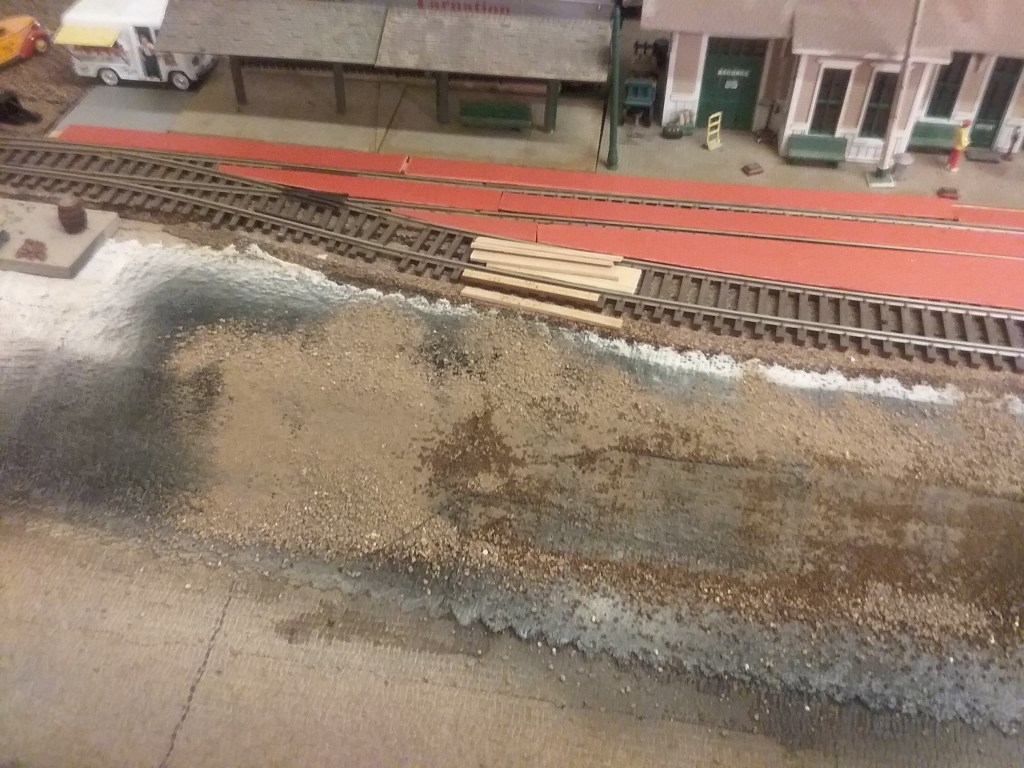

How to Add Excitement to Model Railroad Scenery on Your Model Train Layout

Model railroading is a fun and rewarding hobby that can provide hours of entertainment. However, after building a layout, some model railroaders may find that their layout lacks excitement. In this blog article, we will discuss how to add excitement to your model railroad layout. We will cover various tips and tricks that can help you create a more engaging and dynamic layout.

  1. Design a Layout with Excitement in Mind

The first step in creating an exciting model railroad layout is to design a layout with excitement in mind. When designing your layout, consider the following:

  • Track Layout: The track layout is the backbone of your model railroad. A well-designed track layout can make your layout more exciting to watch. Consider adding loops, crossovers, and other track features that can add visual interest to your layout.
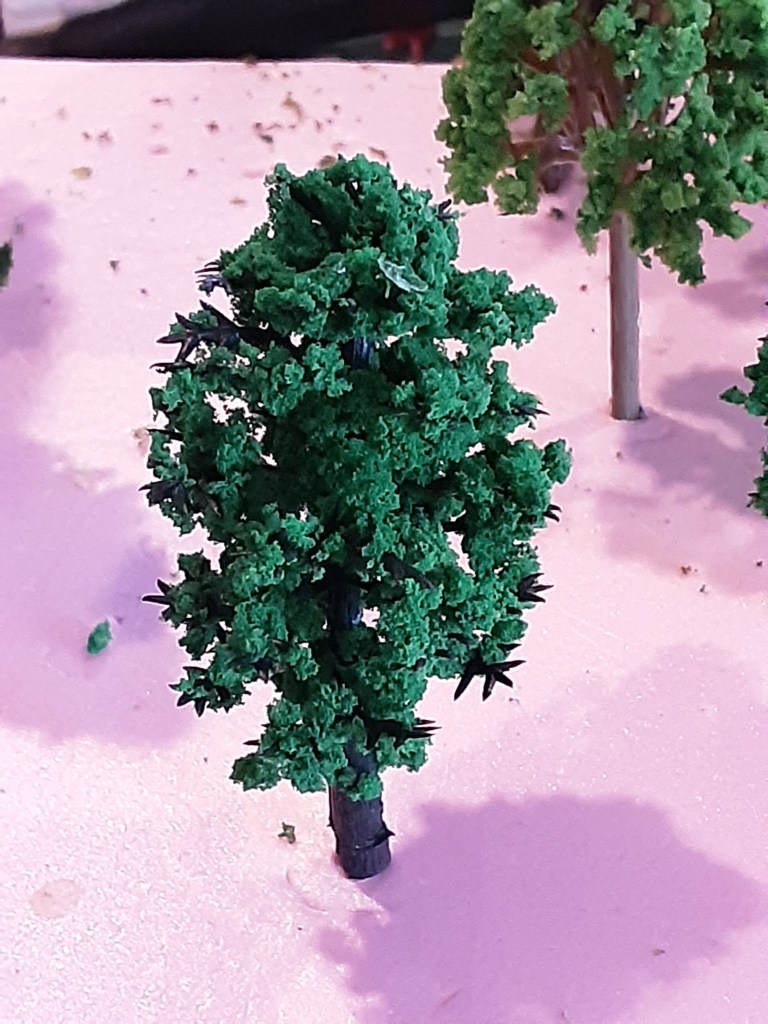
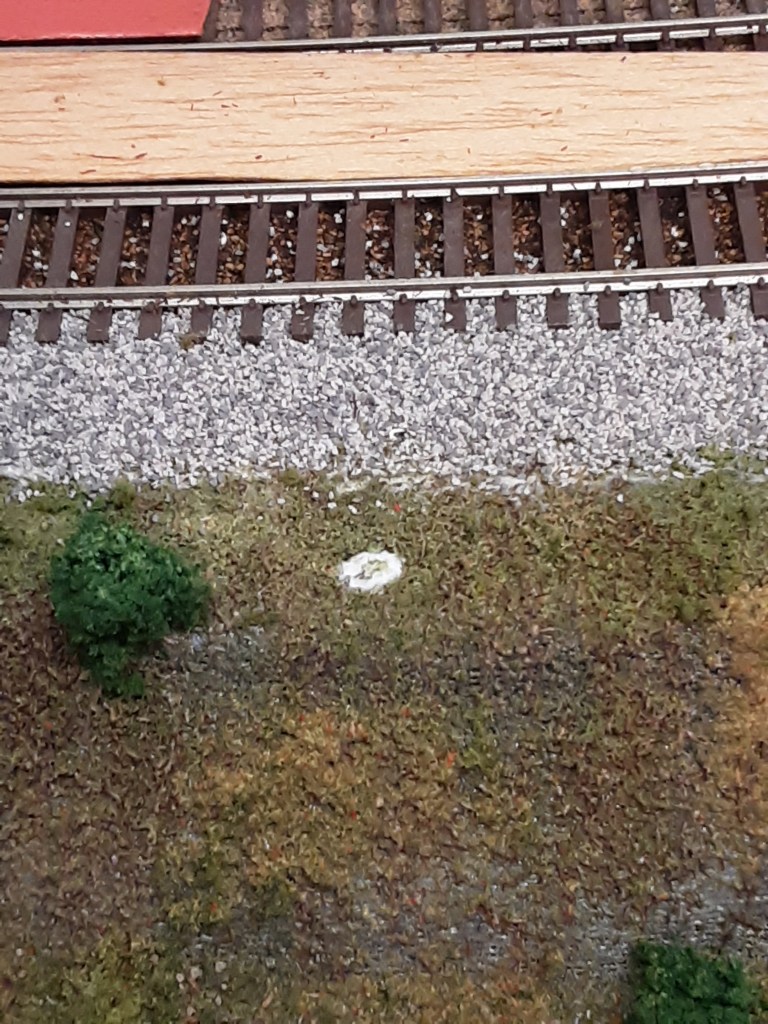
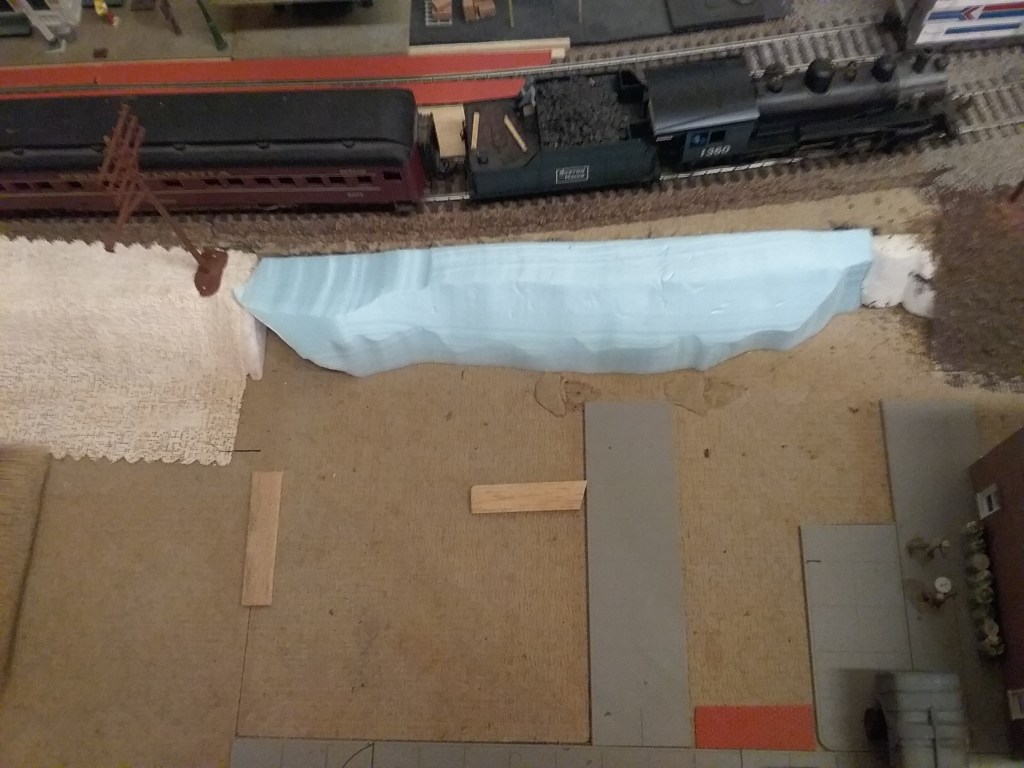
  • Scenery: Scenery is an important aspect of any model railroad layout. Adding realistic scenery can make your layout more engaging and visually appealing. Consider adding mountains, rivers, and other natural features to your layout.
  • Structures: Structures such as buildings, bridges, and tunnels can add visual interest to your layout. Consider adding structures that are unique and visually appealing.

See my articles on six steps of SCENERY.

  1. Add Special Effects

Special effects can add excitement to your model railroad layout. Consider adding the following special effects to your layout:

  • Sound Effects: Adding sound effects to your layout can make it more engaging. Consider adding sound effects such as train whistles, crossing bells, and other train-related sounds.
  • Lighting Effects: Lighting effects can add visual interest to your layout. Consider adding lighting effects such as streetlights, building lights, and other lighting effects.
  • Animation: Adding animation to your layout can make it more engaging. Consider adding animated features such as moving vehicles, people, and animals.

HERE for Model Train Accessories.

  1. Use Innovative Layout Design

Using an innovative layout design can make your model railroad more exciting to watch. Consider the following layout design tips:

  • Multi-Level Layouts: Multi-level layouts can add visual interest to your layout. Consider adding multiple levels to your layout to create a more dynamic and engaging layout.
  • Hidden Staging: Hidden staging can add excitement to your layout by allowing trains to disappear and reappear. Consider adding hidden staging to your layout to create a more engaging and dynamic layout.
  • Trackside Industries: Adding trackside industries to your layout can add visual interest and excitement. Consider adding industries such as factories, warehouses, and other industrial buildings to your layout.

Use Figures and Vehicles to Bring you Layout to Life

  1. Add Realism

Adding realism to your model railroad layout can make it more engaging and exciting. Consider the following tips for adding realism to your layout:

  • Weathering: Weathering your trains and structures can add realism to your layout. Consider weathering your trains and structures to create a more realistic and engaging layout.
  • Details: Adding details to your layout can make it more engaging. Consider adding details such as people, animals, and other small details to your layout.
  • Operations: Adding realistic operations to your layout can make it more engaging. Consider adding realistic operations such as switching and yard operations to your layout.

For excellent info on switching operations please watch https://www.youtube.com/@socalscalemodels.

Conclusion:

In conclusion, adding excitement to your model railroad layout can be achieved by designing a layout with excitement in mind, adding special effects, using innovative layout design, and adding realism. By following these tips and tricks, you can create a more engaging and dynamic model railroad layout that will provide hours of entertainment.

Model Train Accessories can be found HERE

RE

Join Robert Anderson’s popular online Model Train Club to get lots of clever model railroad ideas to help you build the model train layout of your dreams! 

or

Robert Anderson is the author of Model Railroad Scenery & Layout Construction Ideas

Comets Visitors From Beyond

The one thing we love the most in the world of astronomy is a good mystery. And if there was ever a mysterious and yet very powerful force of nature that we witness in the night skies, it is the coming of the mighty comet.

A bright comet with large dust and gas trails as the comets orbit brings it close to the Sun. Illustration.

The arrival of a comet within view of Earth is an event of international importance. Witness the huge media attention that the Haley or Hale-Bopp have had when they have come within view The sight of these amazing space objects is simultaneously frightening and awe inspiring.

Above all, it is during these comet viewings that the astronomer comes out in all of us. But what is a comet? Where did it come from? And how does it get that magnificent tail?

We should never confuse comets with asteroids. Asteroids are small space rocks that come from an asteroid belt between Mars and Jupiter. While still quite stunning to see, they pale in comparison to the arrival of a comet. Asteroids also have received considerable study by the scientific community.

meteorite from outer space, falling toward planet Earth, dramatic science fiction scene

Not as much is known about comets. As a rule, comets are considerably larger than asteroids. The composition of a comet is a mixture of nebulous, gasses, ice, dust and space debris. One scientist called the composition of a comet as similar to a “dirty snowball” because the composition is so diverse and changeable. The center or nucleus of a comet is usually quiet solid but the “snowball” materials often create a “cloud” around that nucleus that can become quite large and that extends at great lengths behind the comet as it moves through space. That trailing plume is what makes up the comet’s magnificent tail that makes it so exciting to watch when a comet comes within view of Earth.

The origins of comets is similarly mysterious. There are a number of theories about where they come from but it is clear that they originate from outside our solar system, somewhere in deep space. Some have speculated they are fragments left over from the organization of planets that get loose from whatever gravitational pull and are sent flying across space to eventually get caught up in the gravity of our sun bringing them into our solar system.

Another theory is that they come from a gaseous cloud called the Oort cloud which is cooling out there after the organization of the sun. As this space debris cools, it gets organized into one body which then gathers sufficient mass to be attracted into the gravity of our solar system turning into a fast moving comet plummeting toward our sun. However, because of the strong gravitational orbits of the many planets in our solar system, the comet does not always immediately collide with the sun and often takes on an orbit of its own.

The life expectancy of comets varies widely. Scientists refer to a comet that is expected to burn out or impact the sun within two hundred years as a short period comet whereas a long period comet has a life expectancy of over two hundred years. That may seem long to us as earth dwellers but in terms of stars and planets, this is a very short life as a space object indeed.

Scientists across the globe have put together some pretty impressive probes to learn more about comets to aid our understanding of these visitors from beyond. In 1985, for example, the United States put a probe into the path of the comet Giacobini-Zinner which passed through the comets tail gathering tremendous scientific knowledge about comets. Then in 1986, an international collation of scientists were able to launch a probe that was able to fly close to Haley’s comet as it passed near Earth and continue the research.

While science fiction writers and tabloid newspapers like to alarm us with the possibility of a comet impacting the earth, scientists who understand the orbits of comets and what changes their paths tell us this is unlikely. That is good because some comets reach sizes that are as big as a planet so that impact would be devastating. For now, we can enjoy the fun of seeing comets make their rare visits to our night sky and marvel at the spectacular shows that these visitors from beyond put on when they are visible in the cosmos.

Space The Final Frontier

While it was just a TV show, that little speech at the beginning of the original Star Trek show really did do a good job of capturing our feelings about space. It is those feelings that drive our love of astronomy and our desire to learn more and more about it.

The thing that is most exciting about studying the universe is also the most frustrating and that is that no matter how expert we get, we are always just getting started. But if it’s any consolation, some of the most advanced minds in science and from history always felt that way about space. Even the greats such as Copernicus and Einstein looked up into space and felt like they were just a spec in the presence of such infinity.

USS Enterprise

Of course space is not infinite. It has to be finite which means somehow there must be an end to it. But if there is, nobody on this tiny planet has figured out where it is. The only thing that has brought us to “the end of the universe” is our limited ability to see any deeper into space.

But conquering the final frontier of space means more than just seeing more stars and planets and building the biggest telescope we can. There are some mind blowing concepts about how space works that we have ahead of us to conquer. The big bang and the expanding universe alone was enough to set your mind to spinning. But then we have the coming of Einstein and the theory of relativity to set the entire idea on its ear. All of a sudden space is not just three dimensions but the dimension of time becomes exportable and the twisting and maybe even travel through time seems almost possible.

The frontier of space is as much a journey of the mind as it is of distance. When Steven Hawking showed us the mysteries of black holes, all of a sudden, time and space could collapse and be twisted and changed in those intergalactic pressure cookers. If not for the wonders of radio astronomy, these ideas would remain just ideas but slowly science is catching up with theory.

But the brilliance of mathematicians and genius minds like Hawking and Einstein continue to stretch our concepts of space. Now we have the string theory that could revolutionize everything we know about space, time and how the universe relates to itself. We can’t just say, no, we have discovered enough. It’s the final frontier. The Starship Enterprise would not stop exploring so neither can we. Because there is a hurdle still ahead that has a name but no real answer to it yet. It’s called the Unified Field Theory and those that know tell us that when the Einsteins and Hawkings of our day crack that theory, every other theory will fall into place.

These exciting concepts seem some tools to put the enormity of space in context. That may also be the value of science fiction. Not only are science fiction writers often the visionaries of what comes to be in the future but they give us the idea that space is knowable, that despite how big it is and how small we are, we can conquer this frontier like we have conquered others before us.

For mankind, that is often enough. If we can get the vision that we can conquer something, even if it is something so massive, so impossibly huge, it seems that we are capable of anything. And the love of astronomy, maybe unlike any other force on earth, has brought together mankind toward that common goal of conquering the universe. The quest to establish an international space station and to cooperate on spreading our reach off of this planet seems to find commonality between nations that otherwise cannot get along on the surface of the earth.

That alone may be a reason that we must continue to support astronomy locally and the space program nationally. It is something that seems to bring peace rather than war and make us a better people. But more than that it is as though this is what we were created to do. To reach out to the stars may be our destiny. If so then our love of astronomy is more than a hobby, it’s a calling.

Finding The Best Home Brewing Kits

Are you one of those people who are just beginning to appreciate the art of home brewing beer? If you are just a beginner and do not really have much experience on shopping for home brewing supplies and materials, it would be best for you to stick to home brewing kits for a start.

The good thing about home brewing kits is that you already have all the things that you need in one package so you need not spend so much time figuring out what materials and ingredients you should buy to be able to produce your own beer. Note that as a beginner, you may not really be very familiar with the things that you need to produce your own beer so it is not really advisable to shop for these materials and ingredients individually.

Getting Your Starter Kits

Before you go shopping for your home brewing kits, it would be a good idea for you to first research on the things that you need. If you know somebody or if you have a friend who is into beer brewing, talk to this person and ask for advice. Most beer brewing enthusiasts are very eager to share their knowledge so it will not be difficult for you to extract some information from this person.

In fact, your friend might even invite you for a demonstration on how he or she makes his or her won beer. In case you get invited to watch him or her make his or her own beer, bring a notebook along and take notes. Pay close attention to the details especially on the materials and equipments being used. This information will be very useful when you go out and buy your own home brewing kits.

Most home brewing kits come in small and handy packages which you can use easily. For instance, if you are interested in buying some organic beer kits, there are many home brewing kits that are composed of small grain bags. The grain bags may contain organic malt extract and fresh organic hops. A brewing instruction can be found inside the grain bags. In most cases, the instructions attached to these home brewing kits are usually illustrated and are very simple to follow.

Now, many cases beginners do not really get the right taste of the beer on their first few tries. If your beer happens to taste funny or even horrid, dont give up. Always remember that learning to make great beer takes time and a lot of patience. With constant practice, you will soon be making great tasting beer.

Beginning In Photography: Choosing The Right Lens

There is a dizzying array of choices when it comes to choosing lenses for DSLR cameras. From wide angle to telephoto, zoom to prime lenses, fish eye, fast lenses, wide aperture lenses, the choice seems to be impossible. Its not really. What it comes down to is asking yourself a simple question: What do I want to shoot?

Different Lenses for Different Subjects

If you are just beginning in photography, chances are you are still experimenting and finding out what you like to shoot. You might shoot a few family portraits one day and landscapes from your vacation the next. On the other hand, you may have decided right from the start that you love taking photos of wild animals and this is all you want to do. Either way, the lenses required to get the best out of these subjects differ greatly. To fit an expansive landscape image into your viewfinder, you would need a wide angle lens. However, trying to take a portrait with the same lens would result in a tiny little person and not much else in the frame unless you are right in that persons face and smelling their breath. While trying to take a picture of a wild bear from 100 or more meters away is just impossible (and you really don’t want to get any closer to a wild bear). In a perfect world you would have 3 different lenses for each of these subjects. But in a perfect world you’d also be a millionaire and be able to afford them all. So the thing to do is to decide what type of photography interests you and choose your lenses accordingly.

Length: Zoom versus Prime

There are benefits to using both zoom lenses and prime (fixed or non zoom) lenses. On one hand, zoom lenses are versatile, and reduce the need for a whole bag full of lenses that you need to change and change again while you are out shooting. On the other hand, a good quality prime lens can be gold. Prime lenses, if they are well built, generally produce a crisper, better quality image. This is because they have fewer pieces of glass and moveable parts. Therefore the light coming in doesnt need to pass through as many objects and so is less diffused. The other great advantage of prime lenses is that because of this, they tend to be faster than zoom lenses. Practically, this means that you can use slower shutter speeds as the lens needs less light to create a correct exposure. This is especially useful if you want to take portraits with available light.

Aperture

Another important factor to consider when choosing your lens is its maximum aperture. This is indicated in the description by an f symbol. Eg. f/2.8. The lower this number, the wider your aperture choices. For example, if you want to take a portrait with only your subjects facial features in focus, you would use a wide aperture. If you want to take a sweeping landscape where everything needs to be in focus you would use a narrow (high number) aperture. Selecting a lens with a wider aperture gives you more options when out shooting.

It is well known that lenses can cost as much, or more, than cameras themselves. It is also worth noting that with lenses you get what you pay for. While no piece of equipment can singularly make the difference between a good photo and a bad one, a well built lens using quality glass, can lead to sharper pictures. Therefore it is worth considering the lenses you buy carefully and investing in the best quality you can afford. Knowing what sort of photography you want to pursue can make this process a whole lot less daunting and more cost effective.

Getting that First Batch of Beer Brewing

Beer is such a popular beverage because it has such a deep earthy flavor and because the variety of flavors, brands, colors and textures of beers is so diverse that you can explore a new brew each and every time you want a beer and never get bored. And yet most of us pretty much settle on one taste and stick with it. That is until we discover brew pubs. That is when our eyes are opened to the idea that we don’t have to depend on Budweiser and Miller for good beer. It can be made right at home.


Some of the finest beers you could hope to taste are not made in the big commercial factories but in small brew pubs all around the country. So if you have discovered some particularly flavorful home brewed beers, it isn’t long before you might decide to take a stab at brewing a batch yourself. Be careful because once you start experimenting with brewing your own beer, you may become hooked into an addictive hobby that will provide hours of fun as you tinker with your recipes, get new and better equipment and become a true beer expert in brewing your own custom blends for the best flavored beer.
But it all starts with that very first batch. You might approach that moment when you decide to make your first batch of beer with some fear and trembling. But keep your spirit of adventure and experimentation because, after all, if you bought good equipment, you will get the hang of it. As the wise man said, that the journey of a hundred miles begins with the first step. So too your journey toward becoming a master brewer starts with your first batch.


The process of brewing that first batch is pretty simple actually. Here are the steps to go through to get your first brew underway.
… Gather the ingredients to have them on hand as you step through the brewing process. You don’t’ want to have to stop and go dig something up so have them ready to go when they are added in as the brewing process is underway.
… It all starts with water. One gallon of good water will do. You don’t need specialty water as tap water in most areas of the country does well due to a good combination of minerals that actually makes the beer taste better. So get a gallon of water boiling in a large pot capable of holding 2-3 gallons of water. You need that extra space for adding ingredients.
… The first ingredient to add to the boiling water is the brewing yeast that you bought just for this purpose. The yeast will have specific instructions but in essence you will mix the yeast with piping hot tap water and stir it in a separate pot or pan until it becomes a thick paste.
…You can prepare the yeast while the water boils and when it’s ready, add the mixture to the water.
… Once the yeast is mixed in well, add the malt extract that you bought for this brewing process. Make sure the malt is mixed in well and dissolved before moving on.
… Hops will come as pellets when you bought them from the supplier so add them when the water is boiling again and allow the entire mixture to boil for another five minutes.
…During this preparation time, get your fermenting equipment sanitized and ready to go. As the brewing process approaches completion, fill the fermenter about three quarters full with cold water from the tap.
… The strong beer you have boiled is called the “wort” which is now ready for fermenting. Pour the hot wort into the cold water in the fermenter. What you are looking for is an end result of five gallons of mixture in the fermenter so if you don’t find you are at that level, add more water.


The brewing process is done and you can follow the directions for fermenting that are provided with the equipment or that you learn from other resources about the fine art of fermenting beer. Now it’s just a matter of letting nature do what it does to ferment your beer. Enjoy the anticipation as you allow the fermenting to continue and then enjoy the flavor of your very own first batch of home brewed beer.

How To Choose Digital Photography Books

For those of you who simply cannot make it to a Digital Photography class, do not lose faith. There is still plenty of information to obtain through reading a digital photography book! Plus they also make a great complement to taking a class.

I know what some of you are saying. “With so information out on the web, I can just find something on Digital Photography. After all I’m reading your website, aren’t I?”

This is all very true. And while I am very pleased that you’re reading my website, however there is more to be said. In my personal experience, I have never come across a website that can hold the amount of information in a 300 page book. Plus the book is great guide to carry around when I use my camera outdoors!

Click on this site and you are bound to find a very good selection on digital photography books that encompass everything from beginner levels to much more advanced photography techniques. Obviously you’re going to have to do a little research but the one thing you want to keep in mind is that “You’re looking for a book that will tell you what you want to know about Digital Photography!” So if you want to know about shooting outdoors, or simply how to work your camera then search for that topic and several books that discusses just that will appear!

Make sure you read over the books. You might feel a tad intimidated and overwhelmed (Trust me, I’ve been there) but you will eventually find what you’re looking for.

While you’re free to do your own research, I would like to pass along one of my own favorites entitled “Complete Digital Photography” by Ben Long. What I really enjoyed about this book is that the author takes you through a very comprehensive instruction on not only the proper steps to take great pictures, but also how to buy the right digital camera for you. Its not as basic as “Digital Photography for Dummies,” but its not as though you need a PhD to understand it either.

Some of the other books you may want to look into are ones that deal with Digital Camera Printers.

Some books also come with software help you. I find these to both good and bad. Some of these are touting their own products and some are just using up space on my hard-drive.

Follow this link for many books covering this topic.