Stargazing binoculars vs. telescope

Hey there fellow stargazers! Are you ready to embark on an astronomical adventure? Today, we’re diving into the world of stargazing with a friendly showdown between binoculars and telescopes. Strap in and let’s explore the cosmos together!

When it comes to stargazing, having the right equipment can make all the difference. So, let’s start with some essential stargazing tips that will help you make the most of your celestial journey. Whether you’re a seasoned enthusiast or just starting out, these tips will help you navigate the night sky with ease.

Now, let’s talk about the stars of the show – binoculars and telescopes. These two astronomy essentials are the key to unlocking the wonders of the universe. So, which one should you choose? Let’s dive deeper and find out.

First up, let’s take a peek through the lenses of binoculars. Ah, the portability of binoculars is simply unmatched. It’s like having a pair of magic glasses that you can carry with you wherever you go. Whether you’re planning a hike under the stars or a spontaneous stargazing escapade, binoculars are your trusty companions. Just grab them, adjust the focus, and let the adventure begin!
Speaking of adventure, let me share a personal anecdote. One clear night, armed with my binoculars, I embarked on a stargazing expedition in the remote countryside. Away from the city lights, I was mesmerized by the vastness of the night sky. With binoculars in hand, I marveled at the multitude of stars, constellations, and even caught a glimpse of a passing satellite. The wider field of view offered by binoculars allowed me to soak in the cosmic beauty, one constellation at a time.

But what about telescopes, you ask? Ah, telescopes are like a portal to another dimension. Their ability to bring distant celestial objects up close and personal is nothing short of magical. Imagine peering through the eyepiece of a telescope and discovering intricate details on the surface of the moon or witnessing the rings of Saturn in all their majestic glory. It’s like having a front-row seat to the greatest cosmic spectacle ever.
I remember the first time I used a telescope. It was a surreal experience as I observed Jupiter and its Galilean moons. The sheer power of the telescope’s magnification took my breath away. I felt like an explorer, venturing into uncharted territories of the night sky. It was a moment of pure awe and wonder that I’ll never forget.
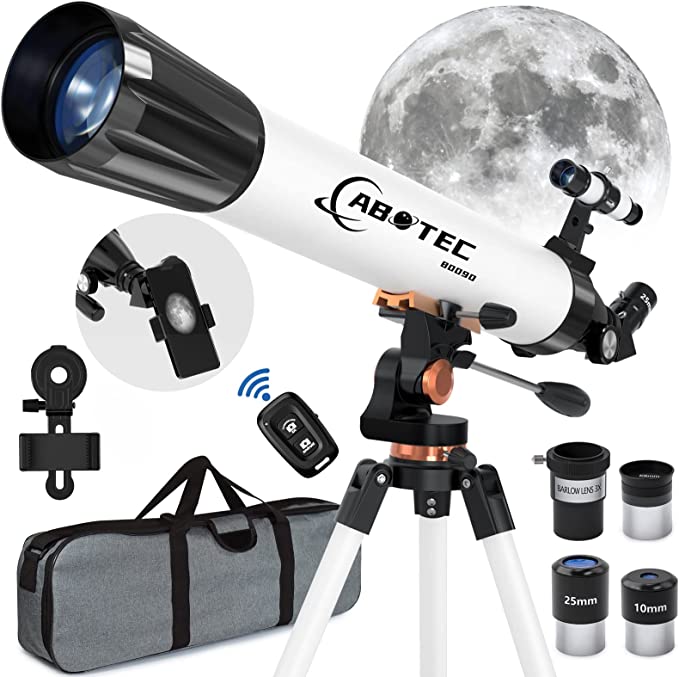
Now, let’s touch upon an important topic – telescope buying. If you’re ready to take your stargazing to the next level, choosing the right telescope is crucial. Consider factors such as aperture size, focal length, and mount stability. A well-informed decision will ensure that you have a telescope that aligns with your astronomical ambitions.

Similarly, if you’re leaning towards the portable and user-friendly option of binoculars, it’s essential to read some honest binoculars reviews. Get insights from fellow stargazers who have tested different models and can guide you towards the perfect pair for your cosmic explorations.

As we wrap up our celestial journey, remember that stargazing is about more than just equipment. It’s about immersing yourself in the beauty of the night sky, forging a connection with the cosmos, and discovering the wonders that lie beyond our earthly existence. So, don’t hesitate to grab your binoculars or telescope, head out into the night, and embark on your own night sky exploration.

Happy stargazing, my friends! May your astronomical adventures be filled with awe, wonder, and countless moments of celestial magic. And don’t forget to share your stories and experiences in the comment section.
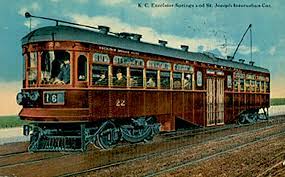
The inclusion of Electric Power in the Northeast

Based on research, in response to a comment of a previous article, “Steam or Diesel“, about electric power not being part of the history of that area, I discovered information of electric trains in the northeast.

Trains have always held a special place in the hearts of those who grew up around Philadelphia. Witnessing the evolution of trains, from the magnificent steam locomotives to the sleek electric trains that now dominate the rails, has been a captivating journey through time.

In the early days, the sight and sound of a steam train passing through towns and countryside ignited the imaginations of people of all ages. The powerful locomotives, with their billowing smoke and piercing whistles, symbolized progress and the expanding reach of transportation. Crowds would gather near the tracks, eagerly waving at the engineers as the trains roared past, feeling the earth tremble beneath their feet.

As technology advanced, electric trains became more prevalent, bringing a new era of efficiency and convenience. The electrification of rail lines ushered in a quieter and smoother mode of transportation, forever changing the landscape of train travel. Yet, the nostalgia for the steam era lingered, as people recalled the majestic presence of those old locomotives and the romanticism associated with their journeys.

Trains were more than just a means of getting from one place to another; they were a symbol of progress and connectedness. Grand train stations, with their magnificent architecture and soaring ceilings, served as gateways to new adventures and opportunities. People marveled at the intricate details of these stations, recognizing them as architectural masterpieces that stood the test of time.

Throughout history, trains have played a significant role in connecting people and shaping communities. They were the lifelines that opened up new frontiers, allowing for the expansion of trade, commerce, and cultural exchange. The stories passed down from one generation to another spoke of long-distance travels across the country, with tales of sleeping cars, dining cars, and the camaraderie formed among passengers during these shared journeys.

Today, while the steam trains of the past are but relics of history, the legacy of the railways remains. Electric trains now whisk passengers to and from Philadelphia, offering a modern and efficient mode of transportation. The train whistle’s call still resonates, evoking a sense of nostalgia and reminding us of the transformative impact trains have had on our lives.

As we reflect on the memories and stories of those who experienced the golden age of trains, we honor their connection to the past and their appreciation for the slower, more deliberate pace of travel. The grandeur of those early locomotives, the bustling train stations, and the anticipation of embarking on a new adventure continue to captivate our imaginations.

Trains will forever hold a special place in the hearts of those who witnessed their evolution and embraced the sense of wonder and possibility they brought. They stand as a testament to human ingenuity, a symbol of progress, and a reminder of the enduring spirit of exploration that continues to shape our world.

night sky thru binoculars

Exploring the night sky through binoculars can be an amazing experience, offering a unique and immersive view of the stars above. Unlike telescopes, which often provide a more zoomed-in view, binoculars offer a wider field of view, allowing you to take in more of the night sky at once.

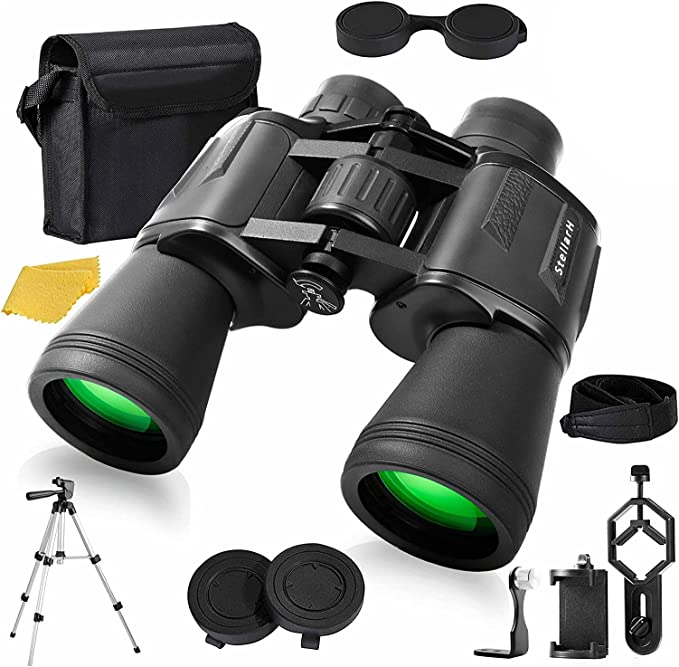
12X50 Full Size Binoculars for Adults with Photography Video Kit [Upgraded] Pro Tripod & Carrying Bag & Strap, Easy Focus for Camping,Travel,Stargazing,Bird Watching

One of the joys of using binoculars for stargazing is the ability to see the constellations in more detail. With the increased magnification, you can easily spot individual stars and trace the shapes of the constellations across the sky. Binoculars can also reveal fainter stars that may not be visible to the naked eye, making it easier to appreciate the full beauty of the night sky.

Another benefit of using binoculars is the ability to observe celestial objects that may be difficult to locate with the naked eye. For example, the Andromeda Galaxy is visible to the naked eye as a faint smudge in the sky, but with binoculars, you can see the galaxy in more detail and appreciate its spiral arms and bright central core. Binoculars can also provide a stunning view of the moon, allowing you to see the craters and mountains in incredible detail.

Nikon Binocular Tripod Adpater for Nikon E2, Superior E, Astronomy Series and Zoom XL Binoculars 7806 Color: Black,

When using binoculars for stargazing, it’s important to find a dark location away from city lights. Light pollution can make it difficult to see fainter stars and celestial objects, so finding a dark spot with clear skies is key. It’s also important to use a tripod or stabilize the binoculars against a solid surface to prevent hand shake and ensure a stable viewing experience.

Overall, exploring the night sky through binoculars can be a rewarding and exciting experience for stargazers of all levels. With a pair of binoculars, you can appreciate the beauty of the night sky in a whole new way, discovering new constellations, stars, and celestial objects with every viewing.

Binoculars can be a great choice for amateur astronomy

Binoculars are a great choice for amateur astronomy for several reasons. They offer a wider field of view than most telescopes, allowing you to take in more of the night sky at once. This can be especially helpful for identifying constellations and navigating the sky. Additionally, binoculars are generally more portable and easier to set up than telescopes, making them a convenient option for backyard stargazing.

Celestron – SkyMaster 15×70 Binocular – #1 Bestselling Astronomy Binocular – Large Aperture for Long Distance Viewing – Multi-coated Optics – Carrying Case Included – Ultra Sharp Focus

  1. Cost-effective: Binoculars are generally less expensive than telescopes, making them a great entry point for those who are new to astronomy or want to try it out before investing in more expensive equipment.
  2. Portability: Binoculars are small and lightweight, making them easy to transport and set up. This makes them ideal for those who want to stargaze in different locations or travel to dark-sky sites.
  3. Wide field of view: Binoculars provide a wider field of view than telescopes, making it easier to locate objects in the sky. They also allow you to see larger areas of the sky at once, making them ideal for observing star clusters, nebulae, and other deep-sky objects.
  4. Easy to use: Binoculars are simple to use and require minimal setup, making them accessible to beginners. They also have a low learning curve, which means you can start observing right away.
  5. Versatility: Binoculars can be used for a variety of other activities, such as bird watching, hiking, and other outdoor activities, making them a great all-around tool for nature enthusiasts.

Another benefit of binoculars is that they can offer a more immersive observing experience, giving you a sense of being “in” the night sky. This can be especially true when observing objects like the Milky Way or large star clusters, which can fill the entire field of view of a pair of binoculars.

12×50 HD Full Size Binoculars for Adults with Photography Kit – Smartphone Adapter Universal Tripod Carrying Bag & Strap for Bird Watching Hunting Stargazing Sporting & Sightseeing

Ultimately, whether you choose binoculars or a telescope for your astronomy pursuits depends on your personal preferences and observing goals. However, if you’re just starting out or looking for a more portable and versatile observing option, binoculars can be a great choice.

Overall, binoculars are a great choice for amateur astronomy because they are affordable, portable, versatile, and easy to use. They can provide a rewarding viewing experience and can help beginners learn the basics of astronomy before investing in more advanced equipment.

BINOCULARS the underrated Tool for Backyard Astronomy

Why binoculars are the underrated tool for backyard astronomy,

Have you ever gazed up at the night sky, mesmerized by the twinkling stars and sparkling constellations? If so, you may be considering investing in a telescope for backyard astronomy. But have you considered the power of binoculars? These often-overlooked tools can be just as effective, if not more so, than larger telescopes. In this article, we’ll explore why binoculars deserve more credit in the world of amateur astronomy and share tips for using them to get the most out of your stargazing experience. So whether you’re a seasoned pro or a beginner in the world of stargazing, grab a pair of binoculars along with your star maps and observing charts, and let’s explore the night sky together.,

Binoculars vs telescopes: a comparison

While binoculars are often overlooked in the world of amateur astronomy, they can provide a unique observing experience compared to telescopes. Let’s take a closer look at some of the differences between binoculars and telescopes.

One advantage of binoculars is their portability. They are smaller and lighter than telescopes, making them easier to transport and set up in different locations. Additionally, binoculars provide a wider field of view than telescopes, allowing you to observe larger sections of the night sky at once.

On the other hand, telescopes offer greater magnification than binoculars, allowing you to see finer details of celestial objects. They are also better suited for observing planets and deep-sky objects like galaxies and nebulae.

Ultimately, choosing between binoculars and telescopes depends on personal preference and observing goals. While telescopes may be better for specific types of celestial objects, binoculars offer a different perspective and can be more versatile for general stargazing.

So, whether you choose binoculars, a telescope or both, remember that the most important thing is to enjoy the wonders of the night sky and keep exploring.,

Steam or Diesel Power

When it comes to modeling locomotives, one of the most important decisions you will make is whether to focus on steam or diesel power. Both types of locomotives have their own unique characteristics and offer different modeling challenges and opportunities. Here are some things to consider when deciding whether to model steam or diesel power:

Steam locomotives were the dominant type of locomotive until the 1950s, and they can provide a lot of nostalgia and historical interest to a layout. However, they are also more complex and require more maintenance than diesel locomotives. Additionally, many steam locomotives are larger in size, which can impact the layout design.

Steam Locomotives:

  • Historical significance: Steam locomotives were once the primary source of power for trains, and they played a significant role in shaping the history of rail transportation. Modeling steam locomotives can provide a sense of nostalgia and historical interest to your layout.
  • More complex: Steam locomotives are more complex than diesel locomotives, with many moving parts that require maintenance and care. Modeling steam locomotives can be more challenging and time-consuming than modeling diesel locomotives.
  • Visual appeal: Steam locomotives are often considered more visually appealing than diesel locomotives, with their distinctive shapes and billowing smoke.

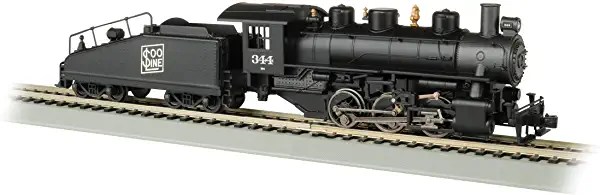
STEAM ENGINES

Diesel locomotives became the dominant type of locomotive in the 1950s and continue to be used today. They are generally more reliable and easier to maintain than steam locomotives, and they offer a wide variety of models to choose from. However, some modelers may find them less visually interesting or less historically significant.

Diesel Locomotives:

  • Modern relevance: Diesel locomotives are the primary source of power for trains today, and modeling them can provide a more contemporary and modern feel to your layout.
  • Simpler design: Diesel locomotives have a simpler design than steam locomotives and are generally easier to maintain and operate.
  • Wide range of models: Diesel locomotives come in a wide variety of models and designs, making them an attractive option for modelers who enjoy collecting and modeling different types of locomotives.

DIESEL LOCOMOTIVES

Ultimately, the decision to model steam or diesel locomotives comes down to personal preference and the era or location you want to model. Both types of locomotives can provide a unique and rewarding modeling experience, and many modelers choose to incorporate both types into their layouts for added variety.

Regardless of your choice, it’s important to research and choose locomotives and rolling stock that are appropriate for the era and location you’re modeling. This will ensure that your layout is historically accurate and visually appealing.

Getting started (beginning) in Astronomy

Getting started in astronomy can be a fun and rewarding experience, but it can also be overwhelming. Here are some steps to help you begin:

  • Learn the basics: Start by familiarizing yourself with basic astronomical concepts and terminology. You can find many beginner-friendly resources online, such as introductory videos or articles
    • Here are some basic astronomical concepts that are essential to understanding the universe:
    • Stars: A star is a massive, luminous sphere of plasma held together by its own gravity. Stars emit light and heat, and are the building blocks of galaxies.
    • Planets: A planet is a celestial body that orbits a star, is not a star itself, and has cleared its orbit of other debris. There are eight planets in our solar system, including Earth, and countless more in the universe.
    • Galaxies: A galaxy is a large group of stars, dust, and gas held together by gravity. Our Milky Way galaxy is just one of billions of galaxies in the universe.
    • Black Holes: A black hole is a region of space with a gravitational pull so strong that nothing, not even light, can escape it. They form when a massive star collapses in on itself.
    • Nebulae: A nebula is a cloud of gas and dust in space. They are often the birthplaces of stars and can be seen as colorful clouds in the night sky.
    • Constellations: A constellation is a group of stars that forms a recognizable pattern in the sky. People have been naming and identifying constellations for thousands of years.
    • The Universe: The universe is everything that exists, including all matter, energy, and space. It is believed to be around 13.8 billion years old and is constantly expanding.
    • These are just a few of the basic concepts of astronomy, but there is much more to learn and explore!

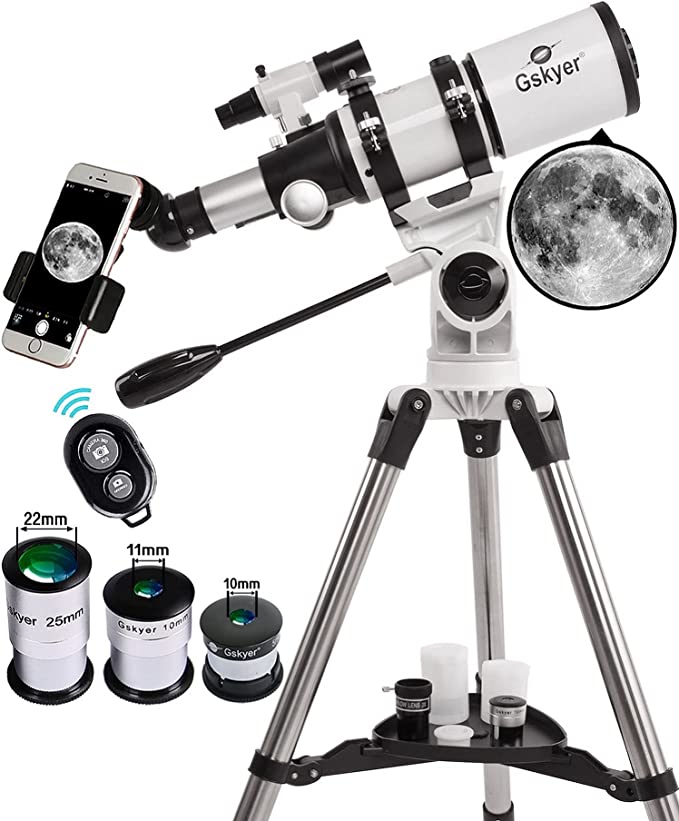
  • Get a telescope: You don’t necessarily need a telescope to enjoy astronomy, but it can greatly enhance your experience. There are many types of telescopes available, so it’s important to do some research and find one that fits your needs and budget.
    • Telescopes come in different types and sizes, and each one is designed for different purposes and can observe different objects in space. Here are some general guidelines for choosing a telescope based on the range of space you want to observe:
    • Planets and Moon: If you are interested in observing the planets and the Moon, you will want a telescope that has good magnification capabilities. A refracting telescope or a Schmidt-Cassegrain telescope (SCT) with an aperture of at least 60mm will work well for this purpose.
    • Deep Sky Objects: If you are interested in observing deep sky objects such as galaxies, nebulas, and star clusters, you will want a telescope with a larger aperture to gather more light. A reflector telescope or a SCT with an aperture of at least 100mm is recommended for observing deep sky objects.
    • Wide-field viewing: If you want to observe a large field of view, such as the Milky Way or a comet, a telescope with a shorter focal length and wider aperture is recommended. A refractor or a SCT with a focal length of 400-500mm and an aperture of 80-100mm will work well for wide-field viewing.
    • Astrophotography: If you want to capture images of celestial objects, you will need a telescope with a sturdy mount and good tracking capabilities. A SCT or a refractor with an aperture of at least 80mm is recommended for astrophotography.
    • It’s important to keep in mind that there are many factors to consider when choosing a telescope, such as budget, portability, and level of experience. It’s always a good idea to do some research and seek advice from other amateur astronomers or astronomy clubs before making a purchase.

Best way to clean model railroad track

Cleaning model railroad track is essential for ensuring smooth operation of trains and preventing derailments. Here are some of the best ways to clean model railroad track:

  1. Use a track cleaning car: A track cleaning car is a special type of car that has cleaning pads or brushes attached to its underside. As it moves along the track, it cleans the rails and removes any dirt, dust, or other debris.

2. Use a track cleaning fluid: There are various track cleaning fluids available on the market that can be used to clean model railroad track. These fluids are applied to a cleaning pad or cloth, which is then used to wipe the rails clean.

Track Cleaning Fluids

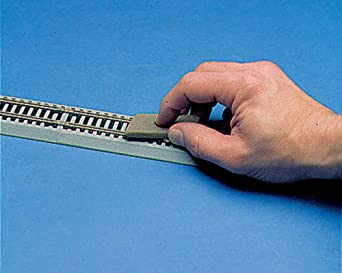
3. Use a track cleaning block: A track cleaning block is a small block of material, such as abrasive rubber or fiberglass, that is used to clean the rails. Simply rub the block over the rails to remove any dirt or oxidation.

Track Cleaning Bright Boy

4. Use a track cleaning tool: There are various track cleaning tools available, such as brushes, scrapers, and erasers, that can be used to clean the rails. These tools are particularly useful for cleaning hard-to-reach areas, such as switches and turnouts.

Tidy Track Rail Tracker Cleaning Kit 

This Woodland Scenics Tidy Track is my preferred method to clean track

5. Use a vacuum cleaner: A vacuum cleaner can be used to remove any loose dirt or debris from the track. Make sure to use a soft brush attachment to avoid scratching the rails.

Vacuums for cleaning track and excess scenery

Regardless of the method you choose, it is important to regularly clean your model railroad track to ensure that it operates smoothly and reliably.

Developing Your First Model Train Layout

To develop your model train layout there are four major steps to take before you begin construction:

1: Select the size of your model train, that is the scale or gauge. Scales range from micro-sized Z scale for tiny layouts to giant G-scale used mostly for outdoor garden layouts.

Visit hobby shops or model train websites and see the various scales available. Staff at a hobby shop will usually be happy to point out the advantages and/or disadvantages of each scale. Your decision about scale/size will be partly based on the space available for your layout. The most popular scales are O scale which is 1/48th actual size and the smaller HO scale which is 1/87th actual size. As a result of being the two most popular scales these have the greatest variety of locomotives, cars and accessories available.

Model Train Scales an article written earlier may also help.

2: Learn about layouts for the scale you have chosen by reading magazines such as O Gauge Railroading and Classic Toy Trains (these two are for O scale). Model Railroading provides detailed information about HO and N scale. All are full of information – all the good train hobby stores carry them or you can pick them up at places like Barnes & Noble or Amazon.

Also visit websites related to your scale choice Google the term “model train layouts” for a great listing of sites with information about model train layouts. You may also wish to check out Youtube for more information on layouts.

Re-visit hobby shops you visited for information when deciding on the scale of your model train set and ask questions about layout. The good ones can provide helpful advice and they sell how-to books on wiring, scenery, detailing and other subjects.

3: You then need to decide on how you start. Do you want to start with a little layout that can later be extended? Do you want to set up a permanent layout right from the start? Do you want to develop a ‘theme’ layout say a layout depicting California logging railroads in the 1920s? The major decisions are to determine your objective and set the size parameters for your layout. Don’t forget that the size parameters for your layout will be determined largely by the space you have available a basement? the corner of a lounge room? portion of your garage? etc.

Deciding a Track Plan Before Building Your Model Railroad Layout another article written here.

4: Begin making sketches and drawings on plain paper it’s easier to make changes to your drawing than to have to physically pry up a section of track that ‘went wrong’. Refer back to magazines and websites during this planning stage just to see what others have done. Many magazines and websites will have photos of layouts appropriate to the scale you have chosen. There are even some computer programs which can help you with designing your layout – look for ads in model train magazines.

Scenery – My six steps

Part 3 Trees

In part 3 we will finally talk about trees.

I part 1 we talked about preparing the contour of the land. We got an idea for the hills and valleys, used crumpled paper for hills and covered it all with plaster cloth. Lightly sprayed to cover the white cloth, then covered it with fine turf (earth). To read part 1 go here

I part 2 we went to the green stuff, grass, (fine turf grass), then some course turf and blended turf for that weedy look. And finally clump turf for the small shrubs and bigger weeds. To read part 2 go here.

Now in part 3 we will finish the six steps with some small trees.

The white area next to the roadbed is plaster cloth that needs to be covered.

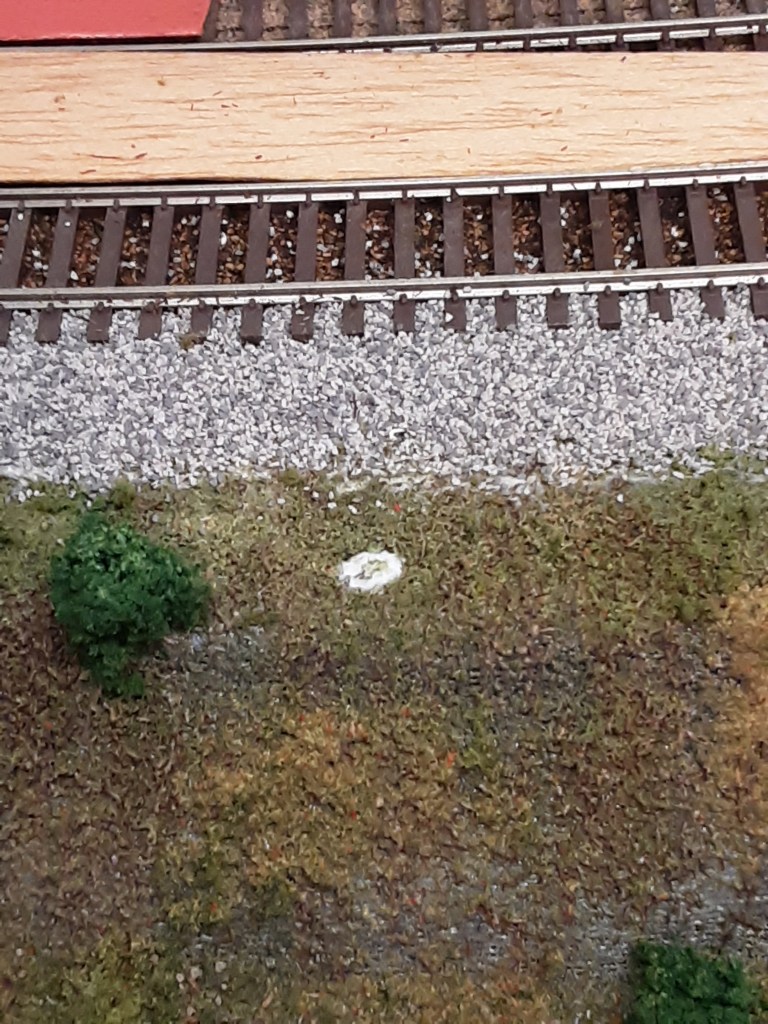
In this photo I have applied ballast, only from the rail to the grass. This area is in fron of the passenger station and I will apply ballast, brick or concrete at a later time.

In the photo to the right the tree now looks fuller, you can’t see thru it.

I repeated this process with all the trees to be placed in this area.

In this photo you can see that some of the trees are thin and you can see thru.

to fix this I sprayed the leafy area with Elmers adhesive spray. The sprinkled fine turf over the area just sprayed. Then resprayed and sprinkled a second time to fill out the tree.

Now place a couple of drops of white glue, I use Elmers. On top of the hole, this will hold the tree in place and the snug hole will keep it near straight.

Now the trees will be planted (placed) on the layout. This is random. Take a look at the scene and place the trees where you think they will fit best.

Use an auger or something similar that will create a hole about the size of the tree trunk. You want it to be snug.

You have just planted a tree on your Layout in this scene. The first of many. Repeat this for as many or as few as you feel necessary to complete the scene.

In this short area I placed three trees. Just to appear to be a separator and not to hide what is behind it.

Trees can be used for many purposes one I will discuss in a future article will be to use them to separate scenes. Also I will discuss the various types and brands of trees available.

I hope that you found my six steps of scenery informative, they are quick and easy to complete. At the same time go a long way in bringing your model railroad to life. As you can see from some of the photos I use figures and vehicles and other items that also help bring a layout to life. We will discuss as many as you like in the future.

Thank you for reading. Till the next time.