BINOCULARS the underrated Tool for Backyard Astronomy

Why binoculars are the underrated tool for backyard astronomy,

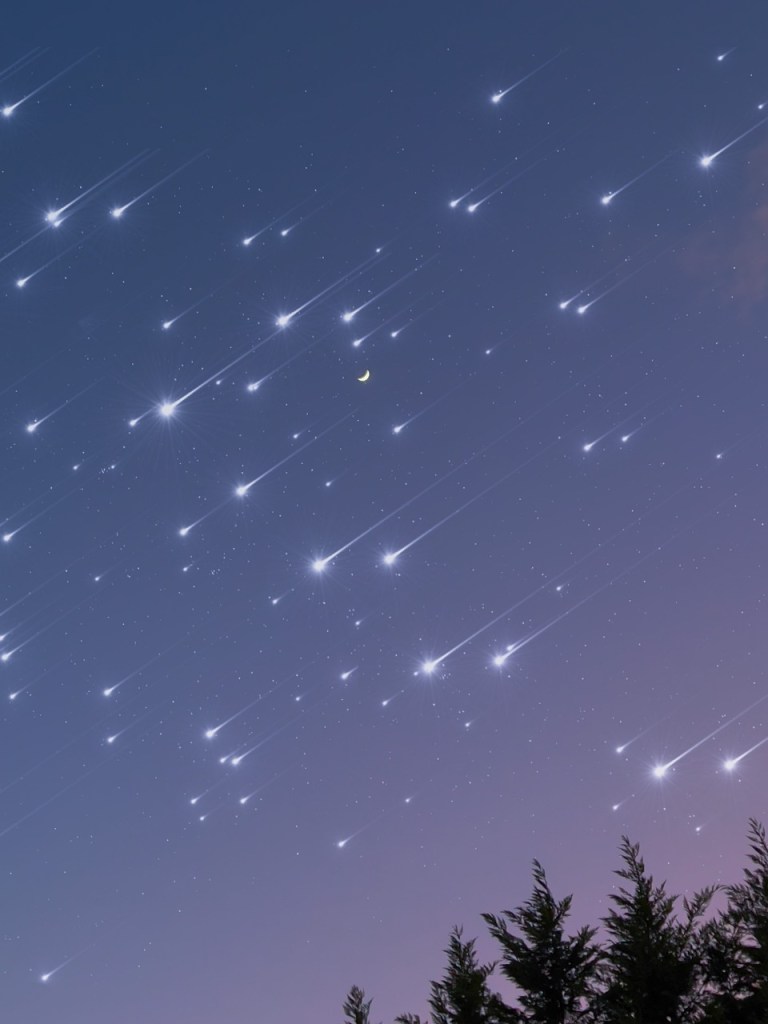
Have you ever gazed up at the night sky, mesmerized by the twinkling stars and sparkling constellations? If so, you may be considering investing in a telescope for backyard astronomy. But have you considered the power of binoculars? These often-overlooked tools can be just as effective, if not more so, than larger telescopes. In this article, we’ll explore why binoculars deserve more credit in the world of amateur astronomy and share tips for using them to get the most out of your stargazing experience. So whether you’re a seasoned pro or a beginner in the world of stargazing, grab a pair of binoculars along with your star maps and observing charts, and let’s explore the night sky together.,

Binoculars vs telescopes: a comparison

While binoculars are often overlooked in the world of amateur astronomy, they can provide a unique observing experience compared to telescopes. Let’s take a closer look at some of the differences between binoculars and telescopes.

One advantage of binoculars is their portability. They are smaller and lighter than telescopes, making them easier to transport and set up in different locations. Additionally, binoculars provide a wider field of view than telescopes, allowing you to observe larger sections of the night sky at once.

On the other hand, telescopes offer greater magnification than binoculars, allowing you to see finer details of celestial objects. They are also better suited for observing planets and deep-sky objects like galaxies and nebulae.

Ultimately, choosing between binoculars and telescopes depends on personal preference and observing goals. While telescopes may be better for specific types of celestial objects, binoculars offer a different perspective and can be more versatile for general stargazing.

So, whether you choose binoculars, a telescope or both, remember that the most important thing is to enjoy the wonders of the night sky and keep exploring.,

Steam or Diesel Power

When it comes to modeling locomotives, one of the most important decisions you will make is whether to focus on steam or diesel power. Both types of locomotives have their own unique characteristics and offer different modeling challenges and opportunities. Here are some things to consider when deciding whether to model steam or diesel power:

Steam locomotives were the dominant type of locomotive until the 1950s, and they can provide a lot of nostalgia and historical interest to a layout. However, they are also more complex and require more maintenance than diesel locomotives. Additionally, many steam locomotives are larger in size, which can impact the layout design.

Steam Locomotives:

  • Historical significance: Steam locomotives were once the primary source of power for trains, and they played a significant role in shaping the history of rail transportation. Modeling steam locomotives can provide a sense of nostalgia and historical interest to your layout.
  • More complex: Steam locomotives are more complex than diesel locomotives, with many moving parts that require maintenance and care. Modeling steam locomotives can be more challenging and time-consuming than modeling diesel locomotives.
  • Visual appeal: Steam locomotives are often considered more visually appealing than diesel locomotives, with their distinctive shapes and billowing smoke.

STEAM ENGINES

Diesel locomotives became the dominant type of locomotive in the 1950s and continue to be used today. They are generally more reliable and easier to maintain than steam locomotives, and they offer a wide variety of models to choose from. However, some modelers may find them less visually interesting or less historically significant.

Diesel Locomotives:

  • Modern relevance: Diesel locomotives are the primary source of power for trains today, and modeling them can provide a more contemporary and modern feel to your layout.
  • Simpler design: Diesel locomotives have a simpler design than steam locomotives and are generally easier to maintain and operate.
  • Wide range of models: Diesel locomotives come in a wide variety of models and designs, making them an attractive option for modelers who enjoy collecting and modeling different types of locomotives.

DIESEL LOCOMOTIVES

Ultimately, the decision to model steam or diesel locomotives comes down to personal preference and the era or location you want to model. Both types of locomotives can provide a unique and rewarding modeling experience, and many modelers choose to incorporate both types into their layouts for added variety.

Regardless of your choice, it’s important to research and choose locomotives and rolling stock that are appropriate for the era and location you’re modeling. This will ensure that your layout is historically accurate and visually appealing.

Getting started (beginning) in Astronomy

Getting started in astronomy can be a fun and rewarding experience, but it can also be overwhelming. Here are some steps to help you begin:

  • Learn the basics: Start by familiarizing yourself with basic astronomical concepts and terminology. You can find many beginner-friendly resources online, such as introductory videos or articles
    • Here are some basic astronomical concepts that are essential to understanding the universe:
    • Stars: A star is a massive, luminous sphere of plasma held together by its own gravity. Stars emit light and heat, and are the building blocks of galaxies.
    • Planets: A planet is a celestial body that orbits a star, is not a star itself, and has cleared its orbit of other debris. There are eight planets in our solar system, including Earth, and countless more in the universe.
    • Galaxies: A galaxy is a large group of stars, dust, and gas held together by gravity. Our Milky Way galaxy is just one of billions of galaxies in the universe.
    • Black Holes: A black hole is a region of space with a gravitational pull so strong that nothing, not even light, can escape it. They form when a massive star collapses in on itself.
    • Nebulae: A nebula is a cloud of gas and dust in space. They are often the birthplaces of stars and can be seen as colorful clouds in the night sky.
    • Constellations: A constellation is a group of stars that forms a recognizable pattern in the sky. People have been naming and identifying constellations for thousands of years.
    • The Universe: The universe is everything that exists, including all matter, energy, and space. It is believed to be around 13.8 billion years old and is constantly expanding.
    • These are just a few of the basic concepts of astronomy, but there is much more to learn and explore!

  • Get a telescope: You don’t necessarily need a telescope to enjoy astronomy, but it can greatly enhance your experience. There are many types of telescopes available, so it’s important to do some research and find one that fits your needs and budget.
    • Telescopes come in different types and sizes, and each one is designed for different purposes and can observe different objects in space. Here are some general guidelines for choosing a telescope based on the range of space you want to observe:
    • Planets and Moon: If you are interested in observing the planets and the Moon, you will want a telescope that has good magnification capabilities. A refracting telescope or a Schmidt-Cassegrain telescope (SCT) with an aperture of at least 60mm will work well for this purpose.
    • Deep Sky Objects: If you are interested in observing deep sky objects such as galaxies, nebulas, and star clusters, you will want a telescope with a larger aperture to gather more light. A reflector telescope or a SCT with an aperture of at least 100mm is recommended for observing deep sky objects.
    • Wide-field viewing: If you want to observe a large field of view, such as the Milky Way or a comet, a telescope with a shorter focal length and wider aperture is recommended. A refractor or a SCT with a focal length of 400-500mm and an aperture of 80-100mm will work well for wide-field viewing.
    • Astrophotography: If you want to capture images of celestial objects, you will need a telescope with a sturdy mount and good tracking capabilities. A SCT or a refractor with an aperture of at least 80mm is recommended for astrophotography.
    • It’s important to keep in mind that there are many factors to consider when choosing a telescope, such as budget, portability, and level of experience. It’s always a good idea to do some research and seek advice from other amateur astronomers or astronomy clubs before making a purchase.

Best way to clean model railroad track

Cleaning model railroad track is essential for ensuring smooth operation of trains and preventing derailments. Here are some of the best ways to clean model railroad track:

  1. Use a track cleaning car: A track cleaning car is a special type of car that has cleaning pads or brushes attached to its underside. As it moves along the track, it cleans the rails and removes any dirt, dust, or other debris.

2. Use a track cleaning fluid: There are various track cleaning fluids available on the market that can be used to clean model railroad track. These fluids are applied to a cleaning pad or cloth, which is then used to wipe the rails clean.

Track Cleaning Fluids

3. Use a track cleaning block: A track cleaning block is a small block of material, such as abrasive rubber or fiberglass, that is used to clean the rails. Simply rub the block over the rails to remove any dirt or oxidation.

Track Cleaning Bright Boy

4. Use a track cleaning tool: There are various track cleaning tools available, such as brushes, scrapers, and erasers, that can be used to clean the rails. These tools are particularly useful for cleaning hard-to-reach areas, such as switches and turnouts.

Tidy Track Rail Tracker Cleaning Kit 

This Woodland Scenics Tidy Track is my preferred method to clean track

5. Use a vacuum cleaner: A vacuum cleaner can be used to remove any loose dirt or debris from the track. Make sure to use a soft brush attachment to avoid scratching the rails.

Vacuums for cleaning track and excess scenery

Regardless of the method you choose, it is important to regularly clean your model railroad track to ensure that it operates smoothly and reliably.

Developing Your First Model Train Layout

To develop your model train layout there are four major steps to take before you begin construction:

1: Select the size of your model train, that is the scale or gauge. Scales range from micro-sized Z scale for tiny layouts to giant G-scale used mostly for outdoor garden layouts.

Visit hobby shops or model train websites and see the various scales available. Staff at a hobby shop will usually be happy to point out the advantages and/or disadvantages of each scale. Your decision about scale/size will be partly based on the space available for your layout. The most popular scales are O scale which is 1/48th actual size and the smaller HO scale which is 1/87th actual size. As a result of being the two most popular scales these have the greatest variety of locomotives, cars and accessories available.

Model Train Scales an article written earlier may also help.

2: Learn about layouts for the scale you have chosen by reading magazines such as O Gauge Railroading and Classic Toy Trains (these two are for O scale). Model Railroading provides detailed information about HO and N scale. All are full of information – all the good train hobby stores carry them or you can pick them up at places like Barnes & Noble or Amazon.

Also visit websites related to your scale choice Google the term “model train layouts” for a great listing of sites with information about model train layouts. You may also wish to check out Youtube for more information on layouts.

Re-visit hobby shops you visited for information when deciding on the scale of your model train set and ask questions about layout. The good ones can provide helpful advice and they sell how-to books on wiring, scenery, detailing and other subjects.

3: You then need to decide on how you start. Do you want to start with a little layout that can later be extended? Do you want to set up a permanent layout right from the start? Do you want to develop a ‘theme’ layout say a layout depicting California logging railroads in the 1920s? The major decisions are to determine your objective and set the size parameters for your layout. Don’t forget that the size parameters for your layout will be determined largely by the space you have available a basement? the corner of a lounge room? portion of your garage? etc.

Deciding a Track Plan Before Building Your Model Railroad Layout another article written here.

4: Begin making sketches and drawings on plain paper it’s easier to make changes to your drawing than to have to physically pry up a section of track that ‘went wrong’. Refer back to magazines and websites during this planning stage just to see what others have done. Many magazines and websites will have photos of layouts appropriate to the scale you have chosen. There are even some computer programs which can help you with designing your layout – look for ads in model train magazines.

Scenery – My six steps

Part 3 Trees

In part 3 we will finally talk about trees.

I part 1 we talked about preparing the contour of the land. We got an idea for the hills and valleys, used crumpled paper for hills and covered it all with plaster cloth. Lightly sprayed to cover the white cloth, then covered it with fine turf (earth). To read part 1 go here

I part 2 we went to the green stuff, grass, (fine turf grass), then some course turf and blended turf for that weedy look. And finally clump turf for the small shrubs and bigger weeds. To read part 2 go here.

Now in part 3 we will finish the six steps with some small trees.

The white area next to the roadbed is plaster cloth that needs to be covered.

In this photo I have applied ballast, only from the rail to the grass. This area is in fron of the passenger station and I will apply ballast, brick or concrete at a later time.

In the photo to the right the tree now looks fuller, you can’t see thru it.

I repeated this process with all the trees to be placed in this area.

In this photo you can see that some of the trees are thin and you can see thru.

to fix this I sprayed the leafy area with Elmers adhesive spray. The sprinkled fine turf over the area just sprayed. Then resprayed and sprinkled a second time to fill out the tree.

Now place a couple of drops of white glue, I use Elmers. On top of the hole, this will hold the tree in place and the snug hole will keep it near straight.

Now the trees will be planted (placed) on the layout. This is random. Take a look at the scene and place the trees where you think they will fit best.

Use an auger or something similar that will create a hole about the size of the tree trunk. You want it to be snug.

You have just planted a tree on your Layout in this scene. The first of many. Repeat this for as many or as few as you feel necessary to complete the scene.

In this short area I placed three trees. Just to appear to be a separator and not to hide what is behind it.

Trees can be used for many purposes one I will discuss in a future article will be to use them to separate scenes. Also I will discuss the various types and brands of trees available.

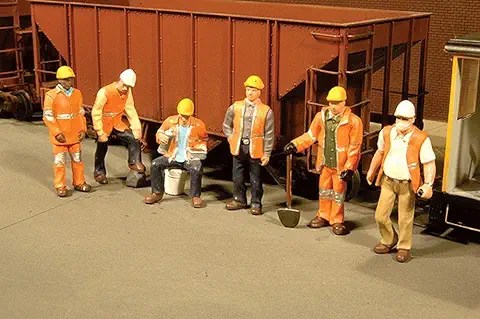
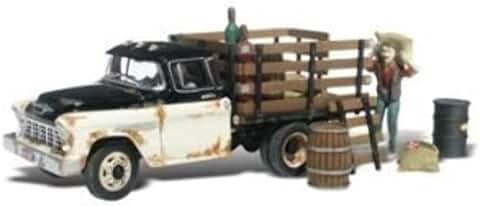
I hope that you found my six steps of scenery informative, they are quick and easy to complete. At the same time go a long way in bringing your model railroad to life. As you can see from some of the photos I use figures and vehicles and other items that also help bring a layout to life. We will discuss as many as you like in the future.

Thank you for reading. Till the next time.

Pictures In The Sky

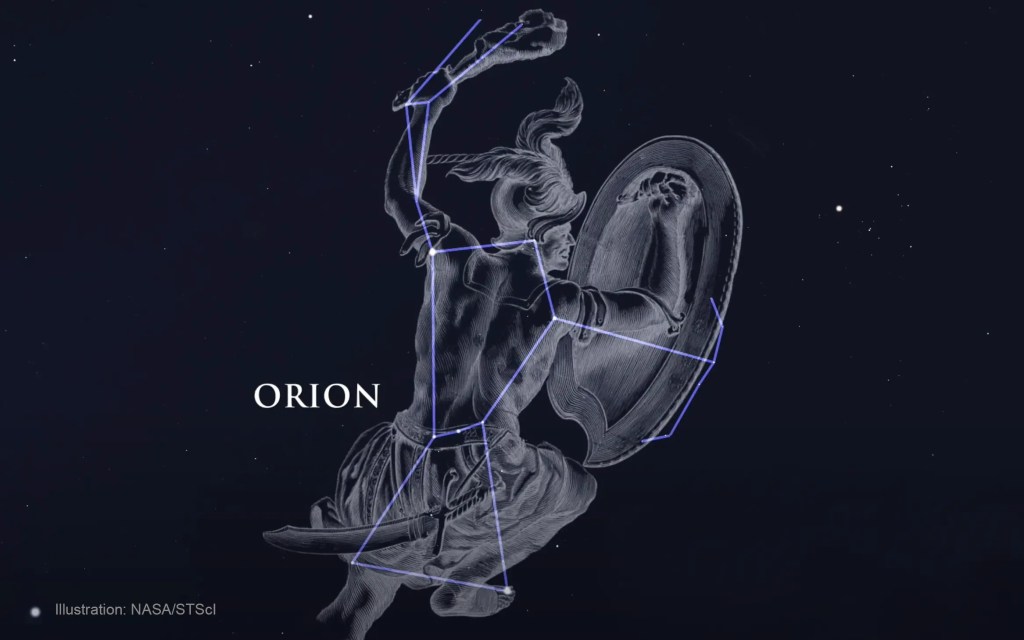
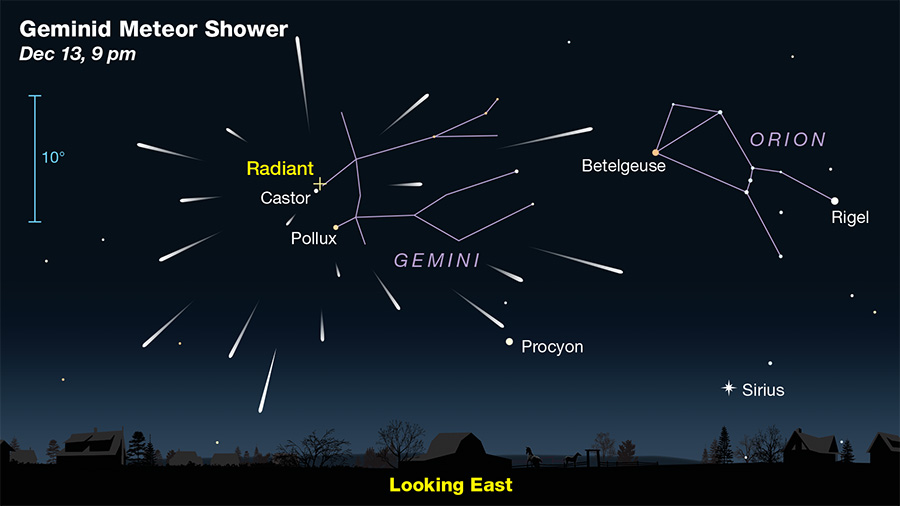
One of the earliest activities we engaged in when we first got into astronomy is the same one we like to show our children just as soon as their excitement about the night sky begins to surface. That is the fun of finding constellations. But finding constellations and using them to navigate the sky is a discipline that goes back virtually to the dawn of man. In fact, we have cave pictures to show that the more primitive of human societies could “see pictures” in the sky and ascribe to their importance.

Constellations also have been important in culture and navigation long before we had sophisticated systems of navigation. Early explorers, particularly by sea, relied exclusively on the night sky to help them find their way to their destination. In fact, when “Columbus sailed the ocean blue in 1492″ and “discovered” America, he could not have done it without astronomy and the help of navigation of the cosmos, much of which is made possible because of the important constellations.

When learning to find the great constellations in the sky, we use the “find one, you found them all” system. That is because the easiest constellation to find will guide us to the rest of them. That constellation is The Big Dipper. Look to the northern sky on a clear night and widen your field of vision from just focusing on one star and it will pretty much jump out at you. In will look like a big kitchen pot or ladle, right side up in the fall, upside down in the spring.

When you have the big dipper under control, you can pretty easily find the North Star. This is the star that those ancient sailors depended on the most to find their way to land. Start with the far edge of the bowl of the Big Dipper, the side that is opposite the handle. There are two stars that make up that side of the bowl. So start at the bottom of the pot and mentally draw a line to the top star of the bowl. These two stars are “pointing” to the North Star. Just keep following that line, curving a bit with the sky and the bright star that you come to is the North Star. You can impress your friends or family if you know the scientific name for this star is Polaris.

The North Star can then take you to The Little Dipper. The key here is that Polaris is the tip of the handle of The Little Dipper and the bowl hangs down from the handle like it was hanging up in the kitchen. Be patient with this one as the stars that make up The Little Dipper are dimmer than The Big Dipper. But it pretty cool once you find it.

These are the obvious starting places but from The Little Dipper you can find the constellation known as “The Swan” or Cygnus. Just use the same system you used to find The North Star but continue drawing that line that started in those pointer stars in the bowl of The Big Dipper. Go about half as far as you went to find Polaris and you are there. You will see a trapezoid of stars about as big as The Big Dipper. This trapezoid forms the tail of The Swan.

That line that we are drawing from the pointer stars is our roadmap to another well known constellation which is Cassiopeia. If you use that line and imagine you are directly under the two pointer stars, you will se a big “W” just off to the left of the line. This is the constellation Cassiopeia, the wife of the king of Egypt, Cepheus, in Greek mythology. There are so many more wonderful constellations to find and a good star map can continue your search.

Like Cassiopeia, all of the constellations have wonderful stories and myths related to Greek culture. It is just as fun to find the star clusters themselves as it is to enjoy the rich culture related to that constellation. For all of the signs of the zodiac, for example, there is a related constellation in the sky. So whether you are serious about astrology or not, its fun to find the constellation that relates to your “sign” (or that of your children) and be able to see how the ancients related to these pictures in the sky.

Scenery – Six steps

Part 1

Many people’s first introduction to model railroading is with a simple circle or oval on a sheet of plywood. No scenery, no landscaping and maybe not even any buildings or vehicles

It doesn’t take long, however, to get the urge to start adding accessories to the railroad to make it more realistic. For many people, this become a lifelong endeavor, and can grow to very large proportions

There are many options for landscaping a railroad. You can add things like grass, trees, lakes or rivers alongside the track. Or you can get a little more in depth and add hills and valleys for your train to travel through, and tunnels through the mountains.

There are many methods and articles for scenery. I have read many articles, attended a few seminars (classes) and and discussed these methods at our club meetings. We have come up with our own methods for scenery. The six steps that work best for us. These steps are not hard and fast rules, merely a suggestion that will help you get to the point where you are not looking at a train running on plywood.

Step 1 The base, for this example, will be a 4 x 8 sheet of Fiberboard. A reasonable starting point. The track plan can be what ever you wish, an oval or something a little different from the internet or magazine. Our emphasis here will be scenery.

If you drive through the neighborhood or around town the main point you will see is that it is not level. Some grade changes are everywhere. (Work in small areas in the beginning, this will help you get experience and the learning process will be easier.) The first thing to do is plan what you you would like to have and where you want it. Then map a small area and begin. This is very easily done by clumping newspaper in piles and draping paper towels dipped in a plaster of paris mix and draping the wet towels over the clumped newspaper. A second method would be to use extruded Styrofoam stacked and carved to form the hills, then use the plaster cloth to form the terrain use Woodland Scenics Plaster Cloth. It’s not very messy. Using the plaster cloth can be used for small grades or larger hills. As the plaster is drying you can smooth the hill by using wet fingers and rubbing lightly for the smooth surface. You will find if you experiment you can have the terrain you desire.

The picture to the above shows two levels, the engine sits about 1.5 inch above the lower level. The blue Styrofoam hides the elevation. As you can see it does not need to be neatly cut. Rolled up newspaper also works well. Its only function is to support the plaster cloth. The styrofoam was glued in place with Elmers white glue

Plaster cloth can be cut to fit any size and location.

Here you see a cut piece of plaster cloth in place. I place the cut plaster cloth in a plastic dish to soak for several minutes then put it in place.

Here another sheet of plaster cloth has been put in place to complete the coverage of the Styrofoam. Use as many sheets as necessary to cover the area.

I like to place two layers of plaster cloth for strength. Then using wet fingers smooth the plaster as you can see in the picture the holes have disappeared by smoothing the plaster adding to the strength. The Styrofoam allows for smooth surface and smooth finish.

Rolled up newspaper will allow for a more hilly finish as the plaster cloth will follow the contours easily.

Here another sheet of plaster cloth has been put in place to complete the coverage of the Styrofoam. Use as many sheets as necessary to cover the area.

Once you are satisfied with the area you are working, paint with an earth color spray or brush whichever you desire. I find spray cans are faster and easier.

If you are working in an area where track has been placed you will want to mask the track as I did.

For this example I used a black spray paint to lightly cover the area.

At this point I walk away to let the paint and plaster dry. Doesn’t take very long.

Step 2 is spreading earth or sifted dirt onto to the wet paint. If you have let the paint dry fear not, you can use a spray on glue. 3M and Elmer’s both make a great product, I have used both. Spray the area with the glue and use a tea strainer to cover the area with earth, gently tap the strainer as you cover the area. You can use the Fine Turf or sifted dirt. The dirt can come from your back yard. Let it dry then put it through a tea strainer. let it sit for a day or two then use it on your scene. If it gets a little thick in areas don’t be concerned, you can smooth it out with a small brush or let it go. At this point you can spray the area with an inexpensive hair spray. That will hold everything in place.

At this point the two levels are connected by a rolling hill, covered in dirt.

In the next installment we will add grass, weeds bushes and shrubs to make the area appear to be ready for trees, people and vehicles. Bringing the railroad to life.

Continue to Part 2.

WINE MAKING WITH CONCENTRATES

By Adventures in Homebrewing

If you are just starting out, wine concentrates offer an easy way for you to get rolling. They come with simple, easy-to-follow directions that eliminate all of the guess-work for even the first-time winemaker. In most cases, the wine making concentrates also come with all of the additional home wine making ingredients that are called for, pre-measured and ready for use. By offering concentrated juices in this way all of the variables have been eliminated, so you have to work hard to make a mistake.

In short, wine making concentrates provide you with an easy, consistent way to make impressive grape wines with remarkable flavor, body and character. And what’s more, you can create these bottles of wine for a fraction of what they would cost you at the store, as little as $4.00 a bottle. Tremendous wines that are worthy of recognition by friends and family.

So, go right ahead and dive into the interesting and rewarding hobby of home wine making. By doing so you will be joining the thousands of happy people who make and enjoy their own wines everyday with pride.

WHAT KIND OF WINES CAN I MAKE?

With wine concentrates there is a larger variety available to you than if you were to try to purchase or grow your own grapes. Currently, we offer over 200 different wine making juices from all over the world: France, Germany, Spain, Italy, Australia, Chile, Argentina, Canada and California. From Cabernet to Chianti it’s all there for your choosing. It’s an incredible selection that allows one to make a medley of wines that never gets tiring.

And unlike growing your own grapes, these wine concentrates are available all throughout the year. So you can make your wine whether it be April or August. These concentrates will consistently make wines that are comparable to any $10 to $15 bottle of wine you buy at the store, and in the case of our higher-end juices such as Cellar Craft Showcase Collection, they will make wines that equal the $15 to $50 range.

HOW DO YOU USE WINE MAKING CONCENTRATES?

Getting started with a batch of wine from concentrate is very quick and easy. It is simply a matter of pouring the wine concentrate into your wine making fermentation vessel, adding water and then adding the wine yeast and any other home wine making ingredients that are called for by the accompanying directions. After that it’s only matter of siphoning the wine off of the sediment from time to time as directed (“racking”) and adding any additional ingredients that may be called for along the way. The whole process usually takes anywhere from 30 to 45 days, from beginning to bottling, depending on the brand of wine concentrate you purchased. Your primary role in the whole process is to simply watch and wait.

WHAT COMES WITH THE CONCENTRATE?

Of the 14 different brands of wine making concentrate we offer, 11 of them come with all the ingredients you will need. All you need to do is add water. With the other 3 brands, these juices will have directions that call for wine making ingredients that you will need to buy separately.

INGREDIENT KITS:

These brands are considered “ingredient kits” because of their inclusion of everything you will need to make 6 gallons (30 bottles) of wine. They come with: the wine yeast, the nutrients, the clarifiers and such, all pre-measured in little packets. The sugars and fruit acids are already incorporated into the concentrate and have been balanced for superior flavor and character. Depending on the type of wine you are making, you may also receive flavor enhancement items such as oak powder to give a barrel-aged effect, dried elderflowers to develop the wines bouquet and dried elderberries to add body and depth to the wine. Very clear and complete directions are included, making these ingredient kits a powerfully, simple way to make incredible wines starting with your very first batch.

OTHER CONCENTRATES:

The other three brands do not come with any ingredients. They are simply the concentrated juice. These brands are as follows: SunCal Vineyards,  Alexander Sun Country and County Fair Premium Fruit Bases.  All three of these brands come with directions that explain what other ingredients you will need. You can also find this information on our web site within the description of each concentrate. The items that are called for are basically the following: Yeast Nutrient,  Acid Blend,  Wine Tannin,  Wine Yeast, and sometimes Pectic Enzyme or Bentonite. These concentrates will also need sugar added to them as well.

WHAT EQUIPMENT WILL I NEED?

One of the things that makes wine making so attractive is that you don’t have to spend a lot of money to get started, and if you already are buying wine at the store it can actually save you money. But there are some fundamental pieces of home wine making equipment you will need before making your first batch.

Obviously you will need a fermentation container for fermenting the juice. You will also need to be able to fit the container with an air-lock. This is to allow gases to escape without letting stuff back into the wine during fermentation. And, you will need some hose for siphoning your wine off of the sediment. All very simple items.

Beyond this you will also want to get a wine hydrometer. The hydrometer will allow you to determine the alcohol level of your wine, and it will help you to track the progress of your wine’s fermentation. An invaluable tool!

You may also want a second fermentation container to make it easier when you are transferring the wine off the sediment. Otherwise, you can temporarily move the wine into a couple of large cooking pots, just long enough to rinse out the fermentation container and then transfer the wine back to it.

There may be other items that may pique your interest like stirring paddles, testing jars and bottle brushes, but this is the basics of what you will need to get started.

ADDITIONAL WINE MAKING INFO

Here are a few articles on our website that may be of interest to you. They are more specific articles about making wine. https://www.homebrewing.org/Wine-Making-Articles_ep_123-1.html?AffId=785

Fermentation 101  

Corking Your Wine Bottles  

Wine Bottle Storage And Temperature

LEARN MORE ABOUT:

Making Wine From Grapes

Making Wine From Fruits  

Making Wine From Kits

Be sure to check out our selection of wine making equipment and wine making supplies available online.

TELESCOPES

Reflecting Telescope Information

When viewing distant objects through the use of a telescope, the most important part of that telescope is called the objective. The objective is that component of the telescope that has the ability of gathering the light that is available. Obviously, the larger the objective the greater is the capacity of the telescope to gather light which in turn allows the viewed image to be better visualized.

In addition, there are two types of telescopes. One type of telescope is called the refractor telescope and the other is known as the reflecting telescope. The difference between these two telescopes is how the light is captured.

Celestron – 70mm Travel Scope – Portable Refractor Telescope – Fully-Coated Glass Optics – Ideal Telescope for Beginners – BONUS Astronomy Software Package
Celestron – PowerSeeker 127EQ Telescope – Manual German Equatorial Telescope for Beginners – Compact and Portable – Bonus Astronomy Software Package – 127mm Aperture

Refracting and Reflecting Telescope

The refracting telescope obtains the light through its objective that is made out of glass. Basically, in this type of telescope, the glass lens is situated towards the front of the telescope. As the light is captured by the objective, it is then refracted or deflected through a lens which allows for the viewed image to be magnified. Examples of this type of telescopic equipment include scopes that are used on rifles, binoculars and spyglasses.

A reflecting telescope uses a mirror as its objective. This mirror is located towards the distal end of the telescope. In addition, the mirror has a concave shape. The curvature of the mirror allows for the midpoint of the mirror to be the focal point for all of the light that strikes each part of the surface of the bowl-like mirror. This reflection is then captured by the lens to view the item of interest.

Advantages Of The Reflecting Telescope

There are several advantages to the use of a reflecting telescope. The major advantage is that distortion of what is being viewed is minimal. This is because, through the use of the mirror, the wavelengths are all reflected consistently. This advantage also leads to the reflecting telescope being less expensive than the refracting telescope.

In addition, through the use of the mirror as the objective, the support for this mirror can be all along the posterior portion of the telescope. This allows for the housing to be very large which will accommodate a larger mirror. Larger mirrors mean more light which results in increased visibility.

Disadvantages

However, as with anything else, there are a few disadvantages in the use of a reflecting telescope. One of those disadvantages is size. This is due to the fact that these types of telescopes can accommodate larger mirrors. This results in the telescope itself being larger which may prove to be an issue when storing or relocating the reflecting telescope.

In addition, because of the use of mirrors, there may need to be occasional adjustments made so that optimum light alignment is maintained.

The World Of Refractor Telescopes

Refractor telescopes are some of the oldest telescopes available, utilized at around the beginning of the 15th century and still around today the refractor telescope is quite possibly one of the oldest telescopes in use today. Made up of concave lenses that allow the light to be refracted and images to appear bright and larger than looking at it with the normal eye the refractor telescope can greatly aid in seeing stars, planets and moons.

These telescopes are made up of convex lenses and an eyepiece lens similar to binoculars, these refractors gather light and bend it in order to view objects at a distance, which is particularly useful when looking at stars and the night sky Refractor telescopes may seem complicated and are made up of lenses that are concave and refract the light.

The telescope come in a variety of versions; the Galilean telescope which is named after its creator was one of the first versions and was improved upon by Johannes Kepler with the Keplerian Telescope, which is a refractor telescope that utilized a convex eyepiece as opposed to a concave of the Galilean model. The decades and centuries since have observed newer inventions and different lenses, with the achromatic refractors invented in the mid 16th century and later with apochromatic refractors.

Pros and Cons of Refractor Telescopes

Telescope for Kids & Adults – 70mm Aperture 500mm AZ Mount Fully Multi-Coated Optics Astronomical refracting Portable Telescopes, with Tripod Phone Adapter, Carrying Bag, Remote Control

I stated previously that refractor telescopes have been around a long time and with that comes a definite plus since there is a definitive ability to know what the pros and cons of the telescope. These telescopes have obviously come a long was since the 15th century yet the technology has increased to a point in which the refractors have improved yet the size of refractor telescopes pose a problem in the fact that the larger the refractor lens the more chance that it can have defects or begin to sag.

While technology continues to grow and there is no telling where refractor lenses in telescopes will go to in the future one thing for sure is that refractor telescopes have been around for centuries and thus show no decline in their use by many of astronomers. So no matter what telescope you choose to utilize to view the universe or neighborhood, you can not dismiss the value of the refractor telescope and the impact that its utilization has had on astronomy and the search of the skies.