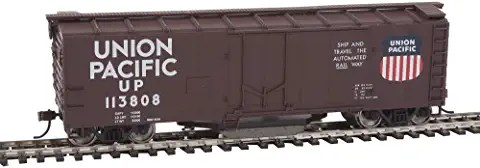
Key factors to consider when designing a Model Railroad Track Plan.

When designing a model railroad track plan, there are several key factors that a family-friendly novice should consider. These factors will help ensure that the layout is not only visually appealing but also functional, engaging, and suitable for the available space. Here are the key factors to keep in mind.

An Introduction to track planning.

  1. Available Space
    The first and most crucial factor to consider is the available space for your model railroad layout. This will determine the overall size and complexity of your track plan. Measure the length, width, and height of the room or area where you plan to set up your layout. Consider whether you want a permanent layout or a temporary one that can be disassembled and stored when not in use. Also, think about accessibility for operation, maintenance, and viewing.
  2. Layout Theme
    Choosing a theme for your layout will guide the overall design, scenery, and atmosphere. Popular themes include prototypical railroads, specific eras (such as the steam or diesel era), industries (like logging or mining), or fictional settings. Your theme will influence the types of trains, structures, and scenery you incorporate into your layout.
  3. Scale and Gauge
    The scale and gauge of your model railroad will significantly impact the size and complexity of your layout. The most common scales are HO (1:87.1), N (1:160), and O (1:48). Consider factors such as available space, budget, and personal preferences when choosing your scale and gauge.
  4. Layout Type
    There are several types of model railroad layouts to choose from, each with its own advantages and challenges. Some popular options include:
  • Loop Layout: A simple layout with a continuous loop of track, ideal for beginners or limited spaces.
  • Point-to-Point Layout: Trains run from one end of the layout to the other, allowing for more complex operations.
  • Switching Layout: Focused on realistic switching operations, with multiple industries and sidings.
  • Modular Layout: Composed of individual modules that can be easily assembled and disassembled.

Consider your available space, desired level of complexity, and operational preferences when selecting the layout type.

  1. Operational Elements
    To add excitement and realism to your layout, consider incorporating various operational elements such as:
  • Yards and Sidings: Dedicated areas for switching operations, allowing trains to pick up and drop off cars.
  • Staging Tracks: Hidden tracks that allow trains to “disappear” and reappear, simulating longer routes.
  • Turnouts and Crossings: Switches that allow trains to change tracks or cross paths, adding complexity and interest.
  • Grades and Elevations: Incorporate hills, mountains, and bridges to create a more realistic and visually appealing layout.
  1. Scenery and Structures
    While the track plan is the backbone of your layout, scenery and structures are what bring it to life. Consider incorporating elements such as:
  • Terrain: Mountains, hills, valleys, rivers, and other natural features to create a realistic environment.
  • Buildings and Structures: Buildings, bridges, tunnels, and other structures to add depth and interest.
  • Vegetation: Trees, shrubs, and other vegetation to create a natural and visually appealing landscape.
  • Lighting and Animations: Lighting effects, animated scenes, and other special effects to enhance the overall experience.
  1. Accessibility and Maintenance
    When designing your track plan, consider accessibility for maintenance and operation. Avoid placing track sections or structures in areas that will be difficult to reach. Plan for easy access to all parts of the layout for cleaning, repairs, and adjustments.
  2. Prototypical Operations
    If you’re aiming for a prototypical layout, research the actual track plans and operations of the railroad or region you’re modeling. This will help ensure that your layout accurately represents the real-world operations and track configurations.
  3. Future Expansion
    While you may start with a modest layout, consider the possibility of future expansion. Design your track plan in a way that allows for easy addition of new sections or modules as your skills and interests grow.
  4. Seek Inspiration and Advice
    Don’t hesitate to seek inspiration and advice from experienced model railroaders, clubs, or online communities. They can provide valuable insights, tips, and recommendations based on their own experiences. Attending model railroad shows and exhibitions can also give you ideas and inspiration for your own layout.

Check this link for Model Railroad Accessories

Designing a model railroad track plan is a crucial step in creating a layout that will provide endless hours of enjoyment for you and your family. By considering factors such as available space, theme, scale, layout type, operational elements, scenery, structures, accessibility, prototypical operations, and future expansion, you can create a layout that is not only visually appealing but also functional and engaging. Remember, model railroading is a journey, and your layout will evolve and grow over time. Embrace the process, seek inspiration, and most importantly, have fun!

Citations:
[1] https://www.bouldercreekrailroad.com/articles/track-planning-for-a-modular-model-railroad
[2] https://www.building-your-model-railroad.com/train-layout-design.html
[3] https://modelrailwaytechniques.com/how-to-design-a-track-plan-for-your-model-railroad/
[4] https://www.building-your-model-railroad.com/model-train-layout.html
[5] https://www.trains.com/mrr/how-to/track-types-and-uses-a-beginners-guide/
Steam or Diesel Power

When it comes to modeling locomotives, one of the most important decisions you will make is whether to focus on steam or diesel power. Both types of locomotives have their own unique characteristics and offer different modeling challenges and opportunities. Here are some things to consider when deciding whether to model steam or diesel power:

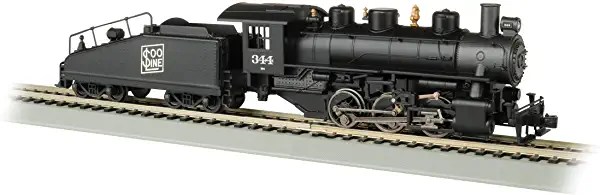
Steam locomotives were the dominant type of locomotive until the 1950s, and they can provide a lot of nostalgia and historical interest to a layout. However, they are also more complex and require more maintenance than diesel locomotives. Additionally, many steam locomotives are larger in size, which can impact the layout design.

Steam Locomotives:

  • Historical significance: Steam locomotives were once the primary source of power for trains, and they played a significant role in shaping the history of rail transportation. Modeling steam locomotives can provide a sense of nostalgia and historical interest to your layout.
  • More complex: Steam locomotives are more complex than diesel locomotives, with many moving parts that require maintenance and care. Modeling steam locomotives can be more challenging and time-consuming than modeling diesel locomotives.
  • Visual appeal: Steam locomotives are often considered more visually appealing than diesel locomotives, with their distinctive shapes and billowing smoke.

STEAM ENGINES

Diesel locomotives became the dominant type of locomotive in the 1950s and continue to be used today. They are generally more reliable and easier to maintain than steam locomotives, and they offer a wide variety of models to choose from. However, some modelers may find them less visually interesting or less historically significant.

Diesel Locomotives:

  • Modern relevance: Diesel locomotives are the primary source of power for trains today, and modeling them can provide a more contemporary and modern feel to your layout.
  • Simpler design: Diesel locomotives have a simpler design than steam locomotives and are generally easier to maintain and operate.
  • Wide range of models: Diesel locomotives come in a wide variety of models and designs, making them an attractive option for modelers who enjoy collecting and modeling different types of locomotives.

DIESEL LOCOMOTIVES

Ultimately, the decision to model steam or diesel locomotives comes down to personal preference and the era or location you want to model. Both types of locomotives can provide a unique and rewarding modeling experience, and many modelers choose to incorporate both types into their layouts for added variety.

Regardless of your choice, it’s important to research and choose locomotives and rolling stock that are appropriate for the era and location you’re modeling. This will ensure that your layout is historically accurate and visually appealing.

Best way to clean model railroad track

Cleaning model railroad track is essential for ensuring smooth operation of trains and preventing derailments. Here are some of the best ways to clean model railroad track:

  1. Use a track cleaning car: A track cleaning car is a special type of car that has cleaning pads or brushes attached to its underside. As it moves along the track, it cleans the rails and removes any dirt, dust, or other debris.

2. Use a track cleaning fluid: There are various track cleaning fluids available on the market that can be used to clean model railroad track. These fluids are applied to a cleaning pad or cloth, which is then used to wipe the rails clean.

Track Cleaning Fluids

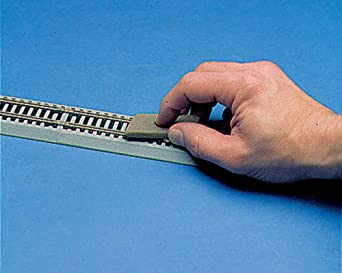
3. Use a track cleaning block: A track cleaning block is a small block of material, such as abrasive rubber or fiberglass, that is used to clean the rails. Simply rub the block over the rails to remove any dirt or oxidation.

Track Cleaning Bright Boy

4. Use a track cleaning tool: There are various track cleaning tools available, such as brushes, scrapers, and erasers, that can be used to clean the rails. These tools are particularly useful for cleaning hard-to-reach areas, such as switches and turnouts.

Tidy Track Rail Tracker Cleaning Kit 

This Woodland Scenics Tidy Track is my preferred method to clean track

5. Use a vacuum cleaner: A vacuum cleaner can be used to remove any loose dirt or debris from the track. Make sure to use a soft brush attachment to avoid scratching the rails.

Vacuums for cleaning track and excess scenery

Regardless of the method you choose, it is important to regularly clean your model railroad track to ensure that it operates smoothly and reliably.

Developing Your First Model Train Layout

To develop your model train layout there are four major steps to take before you begin construction:

1: Select the size of your model train, that is the scale or gauge. Scales range from micro-sized Z scale for tiny layouts to giant G-scale used mostly for outdoor garden layouts.

Visit hobby shops or model train websites and see the various scales available. Staff at a hobby shop will usually be happy to point out the advantages and/or disadvantages of each scale. Your decision about scale/size will be partly based on the space available for your layout. The most popular scales are O scale which is 1/48th actual size and the smaller HO scale which is 1/87th actual size. As a result of being the two most popular scales these have the greatest variety of locomotives, cars and accessories available.

Model Train Scales an article written earlier may also help.

2: Learn about layouts for the scale you have chosen by reading magazines such as O Gauge Railroading and Classic Toy Trains (these two are for O scale). Model Railroading provides detailed information about HO and N scale. All are full of information – all the good train hobby stores carry them or you can pick them up at places like Barnes & Noble or Amazon.

Also visit websites related to your scale choice Google the term “model train layouts” for a great listing of sites with information about model train layouts. You may also wish to check out Youtube for more information on layouts.

Re-visit hobby shops you visited for information when deciding on the scale of your model train set and ask questions about layout. The good ones can provide helpful advice and they sell how-to books on wiring, scenery, detailing and other subjects.

3: You then need to decide on how you start. Do you want to start with a little layout that can later be extended? Do you want to set up a permanent layout right from the start? Do you want to develop a ‘theme’ layout say a layout depicting California logging railroads in the 1920s? The major decisions are to determine your objective and set the size parameters for your layout. Don’t forget that the size parameters for your layout will be determined largely by the space you have available a basement? the corner of a lounge room? portion of your garage? etc.

Deciding a Track Plan Before Building Your Model Railroad Layout another article written here.

4: Begin making sketches and drawings on plain paper it’s easier to make changes to your drawing than to have to physically pry up a section of track that ‘went wrong’. Refer back to magazines and websites during this planning stage just to see what others have done. Many magazines and websites will have photos of layouts appropriate to the scale you have chosen. There are even some computer programs which can help you with designing your layout – look for ads in model train magazines.