Complete Beginner’s Guide to Laying Track for an HO Scale Layout

Building an HO scale model railroad is a fun, creative, and rewarding family project. This guide covers everything a beginner needs to know-from planning and preparing the roadbed to choosing the right track and tools, step-by-step installation, and long-term maintenance. Each section is easy to follow and designed to help you achieve smooth, reliable operation and a realistic look.

1. Planning Your Layout

Start by sketching your track plan on paper or using planning software. This helps you visualize your layout and ensures it fits your available space. Mark the centerlines for your track on your baseboard using a pencil for accurate placement later. A well-thought-out plan saves time and prevents mistakes down the line13.

2. Preparing the Baseboard

A sturdy, flat base is essential for a reliable layout. Use plywood or foam board supported by a simple wooden framework. Make sure the surface is level and strong enough to support your scenery, track, and trains3.

Tools you’ll need:

  • Saw (for cutting wood)
  • Drill and screwdriver
  • Measuring tape and ruler
  • Pencil and set square

3. Understanding HO Scale Track Types

HO scale (1:87.1) is the most popular choice for model railroaders, offering a balance of detail and manageable size1.

Code 100 vs. Code 83 Track

Track TypeDescriptionProsCons
Code 100Taller rail (0.100″)Durable, easy for beginners, compatible with older trainsLess realistic appearance
Code 83Lower, more prototypical rail (0.083″)Realistic look, preferred for modern layoutsSlightly more delicate, not always compatible with vintage models
  • Code 100 is robust and forgiving, making it ideal for beginners.
  • Code 83 offers a more realistic look, perfect for those focused on detail.

Sectional vs. Flex Track
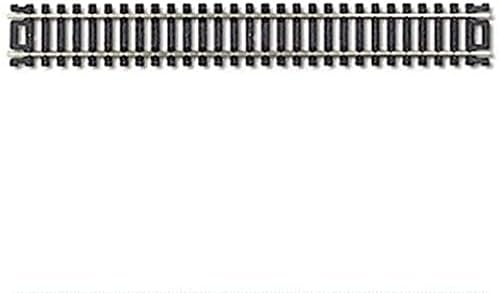
  • Sectional Track: Pre-formed, easy to assemble, ideal for beginners and temporary layouts.
  • Flex Track: Bendable, allows custom curves and more realistic layouts but requires careful cutting and fitting.

Integrated Roadbed Track

Some brands offer track with built-in roadbed (e.g., Bachmann EZ Track), simplifying installation for beginners and families.

4. Choosing and Preparing the Roadbed

The roadbed raises the track, provides sound dampening, and gives a realistic profile.

Roadbed TypeProsCons
FoamLightweight, easy to shape, quiets noiseSlightly more expensive
CorkTraditional, durable, easy to work withCan dry out or crumble over time
Integrated TrackSimplifies installation, portableLess realistic, limited flexibility
  • Foam (e.g., Woodland Scenics) is popular for its ease of use and sound dampening.
  • Cork is a classic, affordable choice.
  • Integrated roadbed track is best for quick setups and portability.

Step-by-Step: Preparing the Roadbed

  1. Mark Your Track Path:
    Use your track plan to draw the centerline on your baseboard.
  2. Cut and Fit the Roadbed:
    For curves, cut slits in the roadbed to help it bend smoothly. Dry-fit the roadbed along the marked centerline.
  3. Secure the Roadbed:
    Apply white glue or double-sided tape to attach the roadbed. Press firmly and use pins or small weights while the glue dries. Ensure it’s level and follows the centerline.
  4. Smooth the Surface:
    Once dry, check for bumps or gaps. Sand any rough edges or uneven spots gently.

5. Essential Tools for Accurate Track Laying

  • Track alignment gauges (for correct rail spacing)
  • Track cutters (for cutting track sections)
  • Needle-nose pliers (for bending rail ends and inserting joiners)
  • Small hammer or rubber mallet (for gently tapping in track nails or pins)
  • Measuring tape or ruler
  • Pencil/marker
  • Straightedge or flexible curve
  • Small level
  • Adhesive (white glue or double-sided tape)
  • Sandpaper or small file

6. Laying the Track: Step-by-Step

  1. Position the Track:
    Lay track sections on the prepared roadbed, aligning with the centerline. Shape flex track as needed.
  2. Connect and Secure:
    Join track sections using rail joiners. Use alignment gauges for correct spacing. Secure track with small nails, pins, or a dab of glue (avoid glue near moving parts).
  3. Test and Adjust:
    Run a piece of rolling stock over the track to check for bumps or misalignments. Adjust before final securing.
  4. (Optional) Ballasting:
    Spread model railroad ballast along the track for realism. Mist with a 50/50 water-glue mix (add a drop of dish soap) to secure, avoiding moving parts.

7. Maintenance and Repair Tips

  • Regular Cleaning:
    Use a soft cloth or track cleaning car to remove dust and dirt. Avoid harsh chemicals.
  • Inspect Joints:
    Check rail joiners and connections for gaps or looseness.
  • Check for Warping:
    Look for any warping or shifting in the roadbed or track, especially after temperature changes.
  • Repair as Needed:
    If a section becomes loose, re-glue or re-nail it. Replace damaged track or roadbed promptly.
  • Wheel and Coupler Checks:
    Make sure rolling stock wheels and couplers are clean and in good condition to prevent derailments.
  • Schedule Maintenance:
    Create a simple checklist to regularly inspect track, roadbed, and rolling stock.

8. Tips for Success

  • Start simple: Use sectional track and foam or cork roadbed for your first layout.
  • Test as you go to catch and fix issues early.
  • Take your time-patience leads to better results.
  • Involve family members in planning and assembly for a fun, shared project.

Suggested Images

  • Step-by-step photos: marking the baseboard, fitting roadbed, laying track, testing with rolling stock.
  • Close-ups of track types (Code 100 vs. Code 83).
  • Examples of foam and cork roadbed installation.

References

  1. Train scale guide – Webflow1
  2. How to Build a Model Railway | Step-by-Step Guide for Beginners & Railfans – YouTube3
  3. Walthers Model Railroading Products5

With these steps, you’ll be on your way to building a smooth-running, reliable HO scale railroad that the whole family can enjoy!

For Model Railroad Supplies check amazon.com

Citations:

  1. https://uploads-ssl.webflow.com/65f0212e0d7ed90e8f284129/681956687209e4ec9278c24d_58250850358.pdf
  2. https://lancemindheim.com/model-railroad-blog/
  3. https://www.youtube.com/watch?v=ZbPkf5B4zXo
  4. https://www.tiktok.com/discover/how-to-put-together-train-tracks
  5. https://www.walthers.com/about-us

Answer from Perplexity: pplx.ai/share
Steam or Diesel Power

When it comes to modeling locomotives, one of the most important decisions you will make is whether to focus on steam or diesel power. Both types of locomotives have their own unique characteristics and offer different modeling challenges and opportunities. Here are some things to consider when deciding whether to model steam or diesel power:

Steam locomotives were the dominant type of locomotive until the 1950s, and they can provide a lot of nostalgia and historical interest to a layout. However, they are also more complex and require more maintenance than diesel locomotives. Additionally, many steam locomotives are larger in size, which can impact the layout design.

Steam Locomotives:

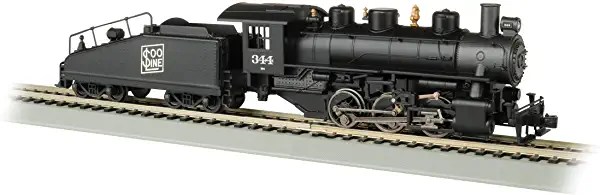
  • Historical significance: Steam locomotives were once the primary source of power for trains, and they played a significant role in shaping the history of rail transportation. Modeling steam locomotives can provide a sense of nostalgia and historical interest to your layout.
  • More complex: Steam locomotives are more complex than diesel locomotives, with many moving parts that require maintenance and care. Modeling steam locomotives can be more challenging and time-consuming than modeling diesel locomotives.
  • Visual appeal: Steam locomotives are often considered more visually appealing than diesel locomotives, with their distinctive shapes and billowing smoke.

STEAM ENGINES

Diesel locomotives became the dominant type of locomotive in the 1950s and continue to be used today. They are generally more reliable and easier to maintain than steam locomotives, and they offer a wide variety of models to choose from. However, some modelers may find them less visually interesting or less historically significant.

Diesel Locomotives:

  • Modern relevance: Diesel locomotives are the primary source of power for trains today, and modeling them can provide a more contemporary and modern feel to your layout.
  • Simpler design: Diesel locomotives have a simpler design than steam locomotives and are generally easier to maintain and operate.
  • Wide range of models: Diesel locomotives come in a wide variety of models and designs, making them an attractive option for modelers who enjoy collecting and modeling different types of locomotives.

DIESEL LOCOMOTIVES

Ultimately, the decision to model steam or diesel locomotives comes down to personal preference and the era or location you want to model. Both types of locomotives can provide a unique and rewarding modeling experience, and many modelers choose to incorporate both types into their layouts for added variety.

Regardless of your choice, it’s important to research and choose locomotives and rolling stock that are appropriate for the era and location you’re modeling. This will ensure that your layout is historically accurate and visually appealing.

Best way to clean model railroad track

Cleaning model railroad track is essential for ensuring smooth operation of trains and preventing derailments. Here are some of the best ways to clean model railroad track:

  1. Use a track cleaning car: A track cleaning car is a special type of car that has cleaning pads or brushes attached to its underside. As it moves along the track, it cleans the rails and removes any dirt, dust, or other debris.

2. Use a track cleaning fluid: There are various track cleaning fluids available on the market that can be used to clean model railroad track. These fluids are applied to a cleaning pad or cloth, which is then used to wipe the rails clean.

Track Cleaning Fluids

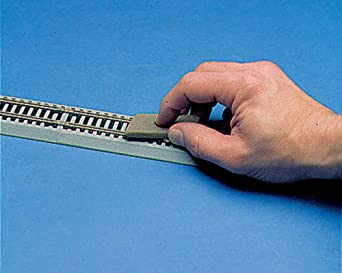
3. Use a track cleaning block: A track cleaning block is a small block of material, such as abrasive rubber or fiberglass, that is used to clean the rails. Simply rub the block over the rails to remove any dirt or oxidation.

Track Cleaning Bright Boy

4. Use a track cleaning tool: There are various track cleaning tools available, such as brushes, scrapers, and erasers, that can be used to clean the rails. These tools are particularly useful for cleaning hard-to-reach areas, such as switches and turnouts.

Tidy Track Rail Tracker Cleaning Kit 

This Woodland Scenics Tidy Track is my preferred method to clean track

5. Use a vacuum cleaner: A vacuum cleaner can be used to remove any loose dirt or debris from the track. Make sure to use a soft brush attachment to avoid scratching the rails.

Vacuums for cleaning track and excess scenery

Regardless of the method you choose, it is important to regularly clean your model railroad track to ensure that it operates smoothly and reliably.

Developing Your First Model Train Layout

To develop your model train layout there are four major steps to take before you begin construction:

1: Select the size of your model train, that is the scale or gauge. Scales range from micro-sized Z scale for tiny layouts to giant G-scale used mostly for outdoor garden layouts.

Visit hobby shops or model train websites and see the various scales available. Staff at a hobby shop will usually be happy to point out the advantages and/or disadvantages of each scale. Your decision about scale/size will be partly based on the space available for your layout. The most popular scales are O scale which is 1/48th actual size and the smaller HO scale which is 1/87th actual size. As a result of being the two most popular scales these have the greatest variety of locomotives, cars and accessories available.

Model Train Scales an article written earlier may also help.

2: Learn about layouts for the scale you have chosen by reading magazines such as O Gauge Railroading and Classic Toy Trains (these two are for O scale). Model Railroading provides detailed information about HO and N scale. All are full of information – all the good train hobby stores carry them or you can pick them up at places like Barnes & Noble or Amazon.

Also visit websites related to your scale choice Google the term “model train layouts” for a great listing of sites with information about model train layouts. You may also wish to check out Youtube for more information on layouts.

Re-visit hobby shops you visited for information when deciding on the scale of your model train set and ask questions about layout. The good ones can provide helpful advice and they sell how-to books on wiring, scenery, detailing and other subjects.

3: You then need to decide on how you start. Do you want to start with a little layout that can later be extended? Do you want to set up a permanent layout right from the start? Do you want to develop a ‘theme’ layout say a layout depicting California logging railroads in the 1920s? The major decisions are to determine your objective and set the size parameters for your layout. Don’t forget that the size parameters for your layout will be determined largely by the space you have available a basement? the corner of a lounge room? portion of your garage? etc.

Deciding a Track Plan Before Building Your Model Railroad Layout another article written here.

4: Begin making sketches and drawings on plain paper it’s easier to make changes to your drawing than to have to physically pry up a section of track that ‘went wrong’. Refer back to magazines and websites during this planning stage just to see what others have done. Many magazines and websites will have photos of layouts appropriate to the scale you have chosen. There are even some computer programs which can help you with designing your layout – look for ads in model train magazines.

Inexpensive Ways to Make Trees and Ground Cover For Your Model Railroad Layout

One of the most exciting aspects of model railroading is creating the scenery to enhance the landscape of a layout. The scenery is what adds the personality and interest to a layout to make it truly unique.

There are all sorts of scenery accessories you can purchase from online model train stores, but many things can be made from everyday items around the home. You do not always need to spend money when there are things around you for free.

Twigs from your back yard are a good example. They can be used for making small trees and shrubs, or be cut to resemble logs. There is no need to paint them, because they are already the right color. Small wooden meat skewers (from the supermarket) can also be used to make logs and they are very inexpensive to buy.

The same goes for adding grass to your layout. You can purchase some very good products such as “Static Grass Flock” to provide ground cover, or you can make your own. Some model railroaders use a mix of ready-to-use grasses from the hobby store, and combine this, with there own home made grass recipe.

Gather some fresh mulberry leaves and dry them in a microwave oven. After they are dried out, drop them in a kitchen blender and you have instant ground cover. The best thing is; it costs you virtually nothing to make. Store it in a plastic bag for when you need it.

The only disadvantage with making your own ground cover is you will not necessarily know how long it will last when compared to the bought stuff. Many of the ground cover products from a hobby store will have been treated to help them maintain their color and withstand temperature and humidity variances over time. Some of them are non-flammable and nontoxic, so you need to decide what is important to you.

A lot of model railroaders use dried kitchen herbs for leaves and ground cover. They mix different herbs (eg. thyme, oregano and parsley) for different effects. When doing this it is best to lay some newspaper underneath, as it can be a messy process. That way you can catch and reuse any herbs that do not stick the first time.

Sea Foam (also called “Forest in a Box”) is a popular material for making small inexpensive trees. You can bend it to look like trees and then spray on some adhesive and sieve on some flock. It is usually best to mix a few little pieces together rather than use just one piece for an entire tree.

Click here for lots more clever model train layout ideas. 

Fine brass wire can be used to strengthen the trunks and branches. Torn up pieces of masking tape can be wound around the tree trunk to add some width. This can then be sealed with a mixture of wall filler and PVA white glue.

You can even add sprinklings of kitchen herbs as mentioned earlier. You can then spray the trees all over with matt varnish, or spray them (upside down) with a mix of white glue and water. You then leave them to dry overnight.

Lichen is also ideal for making shrubs and trees. It is very versatile and looks good as mass foliage and undergrowth on a train layout. It is also inexpensive and easy to work with. You can purchase it in a range of colors that can be used separately or mixed together.

So, there are many, many ways to make ground cover and trees for your model railroad layout. It is a lot of fun and you might want to try some different options to see what works best for you. The point I am really making here; is that things on your train layout do not always need to be expensive. You just need to be a little creative in your approach. Have fun!

Join Robert Anderson’s popular online Model Train Club to get lots of clever model railroad ideas to help you build the model train layout of your dreams! 

or

Robert Anderson is the author of Model Railroad Scenery & Layout Construction Ideas. CLICK HERE to learn more.

For more Scenery visit WOODLAND SCENIC PRODUCTS

LEARN MORE

The destination for the most extensive collection of model railroad how-to videos, techniques, insight and inspiration. Your guide is Allen Keller — master model railroad builder and industry pioneer. Begin your adventure today

More Information

A quick easy way to a stunning Layout CLICK HERE

Model Railroad Academy

How to Add Excitement to Model Railroad Scenery on Your Model Train Layout

Model railroading is a fun and rewarding hobby that can provide hours of entertainment. However, after building a layout, some model railroaders may find that their layout lacks excitement. In this blog article, we will discuss how to add excitement to your model railroad layout. We will cover various tips and tricks that can help you create a more engaging and dynamic layout.

  1. Design a Layout with Excitement in Mind

The first step in creating an exciting model railroad layout is to design a layout with excitement in mind. When designing your layout, consider the following:

  • Track Layout: The track layout is the backbone of your model railroad. A well-designed track layout can make your layout more exciting to watch. Consider adding loops, crossovers, and other track features that can add visual interest to your layout.
  • Scenery: Scenery is an important aspect of any model railroad layout. Adding realistic scenery can make your layout more engaging and visually appealing. Consider adding mountains, rivers, and other natural features to your layout.
  • Structures: Structures such as buildings, bridges, and tunnels can add visual interest to your layout. Consider adding structures that are unique and visually appealing.

See my articles on six steps of SCENERY.

  1. Add Special Effects

Special effects can add excitement to your model railroad layout. Consider adding the following special effects to your layout:

  • Sound Effects: Adding sound effects to your layout can make it more engaging. Consider adding sound effects such as train whistles, crossing bells, and other train-related sounds.
  • Lighting Effects: Lighting effects can add visual interest to your layout. Consider adding lighting effects such as streetlights, building lights, and other lighting effects.
  • Animation: Adding animation to your layout can make it more engaging. Consider adding animated features such as moving vehicles, people, and animals.

HERE for Model Train Accessories.

  1. Use Innovative Layout Design

Using an innovative layout design can make your model railroad more exciting to watch. Consider the following layout design tips:

  • Multi-Level Layouts: Multi-level layouts can add visual interest to your layout. Consider adding multiple levels to your layout to create a more dynamic and engaging layout.
  • Hidden Staging: Hidden staging can add excitement to your layout by allowing trains to disappear and reappear. Consider adding hidden staging to your layout to create a more engaging and dynamic layout.
  • Trackside Industries: Adding trackside industries to your layout can add visual interest and excitement. Consider adding industries such as factories, warehouses, and other industrial buildings to your layout.

Use Figures and Vehicles to Bring you Layout to Life

  1. Add Realism

Adding realism to your model railroad layout can make it more engaging and exciting. Consider the following tips for adding realism to your layout:

  • Weathering: Weathering your trains and structures can add realism to your layout. Consider weathering your trains and structures to create a more realistic and engaging layout.
  • Details: Adding details to your layout can make it more engaging. Consider adding details such as people, animals, and other small details to your layout.
  • Operations: Adding realistic operations to your layout can make it more engaging. Consider adding realistic operations such as switching and yard operations to your layout.

For excellent info on switching operations please watch https://www.youtube.com/@socalscalemodels.

Conclusion:

In conclusion, adding excitement to your model railroad layout can be achieved by designing a layout with excitement in mind, adding special effects, using innovative layout design, and adding realism. By following these tips and tricks, you can create a more engaging and dynamic model railroad layout that will provide hours of entertainment.

Model Train Accessories can be found HERE

RE

Join Robert Anderson’s popular online Model Train Club to get lots of clever model railroad ideas to help you build the model train layout of your dreams! 

or

Robert Anderson is the author of Model Railroad Scenery & Layout Construction Ideas