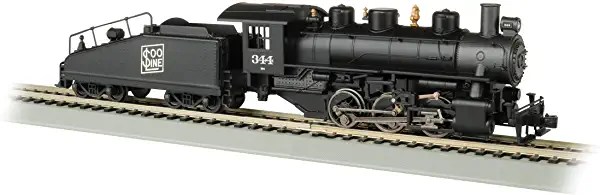
Model Railroading: A Great Family-Friendly Hobby (Updated for 2025)

Model railroading is a hobby that has captivated people of all ages for generations. This unique craft allows enthusiasts, from novices to professionals, to develop small-scale railway systems complete with miniature trains and intricate scenery. With no skill or age restrictions, it’s an ideal activity for bringing families together. Let’s explore why model railroading remains a fantastic family-friendly hobby in 2025.

Everyone Can Participate

One of the most appealing aspects of model railroading is its inclusivity. Individuals of all ages, from young children to seniors, can participate and find enjoyment. Building a model railroad fosters teamwork and collaboration within the family. Each member can contribute to different aspects of the project, whether it’s designing the layout, constructing buildings, laying track, or adding scenery. This shared effort creates a sense of accomplishment and strengthens family bonds.

Educational Value

Model railroading offers significant educational opportunities. The hobby encompasses various subjects, including history, engineering, and design. Researching prototype railroads and their historical context deepens knowledge of transportation history and technological advancements. Constructing the model railroad itself involves practical engineering skills such as electrical wiring, track design, and spatial planning. These hands-on activities encourage problem-solving, critical thinking, and creativity.

Therapeutic Value

Beyond its educational benefits, model railroading can also be incredibly therapeutic. The hobby provides a means of stress relief and relaxation. The focus and concentration required in model railroading can help individuals detach from daily worries and immerse themselves in a positive and engaging activity. The creative process of designing and building a miniature world can be deeply satisfying, fostering a sense of accomplishment and well-being.

Endless Possibilities

Model railroading offers endless possibilities for customization and creativity. Enthusiasts can create their own unique worlds, designing layouts that reflect their personal interests and preferences. The choice of era, location, and type of trains allows for endless variation. Adding scenery, buildings, and other details allows for further personalization, making each model railroad a one-of-a-kind creation.

Long-Lasting Hobby

Model railroading is a hobby that can span a lifetime. Many enthusiasts begin their journey in childhood and continue to enjoy the hobby throughout their lives. Model railroading creates lasting memories and provides an opportunity to pass on a cherished tradition to future generations. Additionally, the hobby fosters connections with other enthusiasts through clubs, online forums, and model railroad shows, creating a supportive community of like-minded individuals.

What’s New in 2025?

  • Digital Command Control (DCC) is More Accessible: DCC systems are more user-friendly and affordable, making it easier for families to control multiple trains independently and add sound effects to their layouts.
  • 3D Printing Revolutionizes Customization: 3D printers have become more accessible, allowing modelers to create custom parts, buildings, and details that were previously difficult or impossible to find.
  • Augmented Reality (AR) Integration: New AR apps allow users to overlay virtual scenery and details onto their physical layouts, creating a blended reality experience that enhances immersion and realism.
  • Focus on Sustainability: There’s growing interest in using sustainable materials and practices in model railroading, such as recycled cardboard, biodegradable ground cover, and energy-efficient LED lighting.
  • Emphasis on Realistic Operations: More modelers are focusing on replicating real-world railroad operations, including switching maneuvers, freight car routing, and timetable-based operation.

Conclusion

In conclusion, model railroading remains a rewarding and family-friendly hobby in 2025. It provides opportunities for learning, creativity, relaxation, and connection. With its endless possibilities and long-lasting appeal, model railroading is sure to provide hours of entertainment and enjoyment for families for years to come. Now is the perfect time to gather your family, spark your imagination, and embark on the exciting journey of building your own miniature world. The innovative technologies and techniques available today make it easier than ever to create a truly immersive and engaging model railroad experience.

Citations:
[1] https://stanshobbiesandinterests.com/2023/09/18/model-railroading-a-great-family-friendly-hobby/

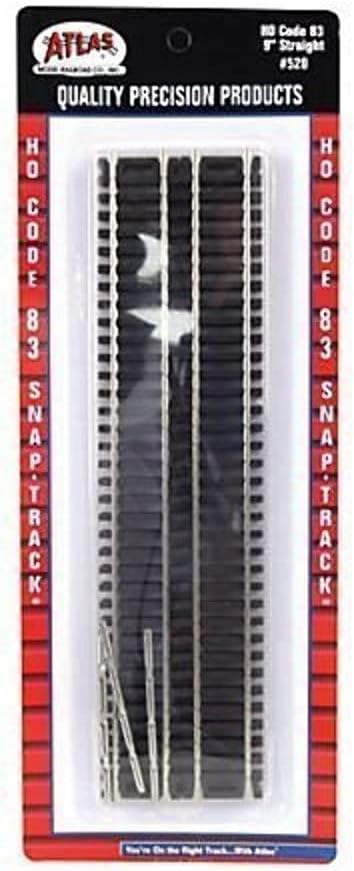
Choosing the Right Track Type for Your Model Railroad on a Budget

Model railroading is a fun and creative hobby that can bring joy to the whole family. But it can also be expensive if you don’t plan carefully. One of the most important decisions you’ll make is choosing the right type of track for your layout. This decision can affect not only how your trains run but also how much money you spend. In this guide, we will help you understand the different types of model railroad tracks and how to choose the best one for your budget.

Understanding Track Types

There are two main types of model railroad tracks: sectional track and flex track. Each type has its own advantages and disadvantages, and the right choice depends on your needs and budget.

Sectional Track

Sectional track comes in fixed lengths and curves. Each piece snaps together easily, making it a good choice for beginners.

Pros:

  • Easy to Use: Simple to assemble, perfect for beginners.
  • Uniformity: Ensures consistent curves and straight sections.
  • Availability: Widely available and often included in starter sets.

Cons:

  • Limited Flexibility: You are limited to the shapes and sizes provided by the manufacturer.
  • Cost: Can become expensive if you need many pieces to create a complex layout.

Budget Tips:

  • Look for bulk packs or second-hand options to save money.
  • Start with a basic set and add pieces as needed.

Flex Track

Flex track comes in long sections that can be bent and cut to fit any layout design. This gives you more flexibility in creating custom curves and layouts.

Pros:

  • Versatility: Can be shaped to fit any layout design.
  • Realism: Allows for more realistic track arrangements.
  • Cost-Effective: Fewer pieces needed to cover large areas.

Cons:

  • Skill Required: Requires cutting and shaping, which can be challenging for beginners.
  • Tools Needed: Additional tools like rail cutters and track gauges are necessary.

Budget Tips:

  • While the initial investment in tools may be higher, flex track can be more cost-effective in the long run.
  • Buy the longest sections of flex track you can afford to reduce the number of joints and save money.

Key Considerations for Choosing Track on a Budget

When deciding which type of track to use, consider the following factors:

  1. Available Space:
  • Measure the area where you plan to set up your layout.
  • Sectional track is good for smaller, simpler layouts.
  • Flex track is better for larger layouts with custom curves.
  1. Skill Level:
  • If you are a beginner, sectional track might be easier to start with.
  • If you are comfortable with cutting and shaping track, flex track offers more flexibility.
  1. Budget:
  • Sectional track can be more expensive over time if you need many pieces.
  • Flex track requires an initial investment in tools but can be cheaper in the long run.
  1. Realism:
  • Flex track allows for smoother curves and more realistic layouts.
  • Sectional track can look more “toy-like” with its fixed curves.

Tips for Saving Money

Here are some additional tips to help you save money on your model railroad track:

  1. Buy in Bulk:
  • Purchasing track in bulk can save you money. Look for deals on larger packs of track.
  1. Second-Hand Options:
  • Check online marketplaces, local hobby shops, and model railroad clubs for second-hand track. You can often find good deals on used track.
  1. Mix and Match:
  • Consider using a combination of sectional and flex track. Use sectional track for straight sections and simple curves, and flex track for custom curves and complex areas.
  1. Plan Ahead:
  • Use track planning software to design your layout before you start buying track. This will help you avoid buying unnecessary pieces and ensure you get the right amount of track for your layout.
  1. DIY Solutions:
  • For some parts of your layout, you can create your own solutions. For example, you can make your own roadbed from inexpensive materials instead of buying pre-made ones.

Find Track, guides for laying track and track plans HERE

Conclusion

Choosing the right track type for your model railroad on a budget involves careful planning and consideration. Both sectional and flex track have their advantages and disadvantages, and the best choice depends on your specific needs and budget. By understanding the pros and cons of each type and following our budget tips, you can create a fun and realistic model railroad layout without breaking the bank.

Remember, model railroading is a journey, and part of the fun is learning and experimenting along the way. Start with the basics, and as you gain experience, you can expand and improve your layout. Happy railroading!

Citations:
[1] https://cs.trains.com/mrr/f/11/t/30534.aspx
[2] https://ogrforum.ogaugerr.com/topic/3-rail-track-prices
[3] https://dccwiki.com/Flex_vs_sectional_track
[4] https://www.keymodelworld.com/article/which-sectional-track-system-choose-oo-gauge

Must-Have Accessories for a Family-Friendly Model Railroad Setup

Model railroading is a wonderful hobby that can bring families together, offering a blend of creativity, engineering, and fun. To make the most out of your model railroad setup, especially if you’re just starting out, it’s important to equip yourself with the right accessories. These accessories not only enhance the realism and functionality of your layout but also make the hobby more enjoyable for everyone involved. Here are some must-have accessories for a family-friendly model railroad setup in 2024.

1. Basic Tool Kit

A basic tool kit is essential for any model railroader, novice or experienced. It helps in assembling, maintaining, and troubleshooting your layout. Here are some key tools you should include:

  • Hobby Knife: For cutting and trimming materials.
  • Small Screwdrivers: Both flathead and Phillips for various screws.
  • Needle-Nose Pliers: For handling small parts and wires.
  • Wire Strippers/Cutters: Essential for working with electrical components.
  • Tweezers: For placing small details and parts.
  • Ruler and Measuring Tape: For accurate measurements.

These tools are fundamental and will be used frequently as you build and maintain your layout.

2. Track Cleaning Kit

Keeping your tracks clean is crucial for smooth operation. Dust and dirt can cause poor electrical contact and derailments. A basic track cleaning kit should include:

  • Track Cleaning Eraser: A specialized eraser for removing grime from the rails.
  • Isopropyl Alcohol: For cleaning the tracks without leaving residue.
  • Lint-Free Cloths: To wipe down the tracks after cleaning.

Regular cleaning ensures that your trains run smoothly and reduces the need for more extensive maintenance.

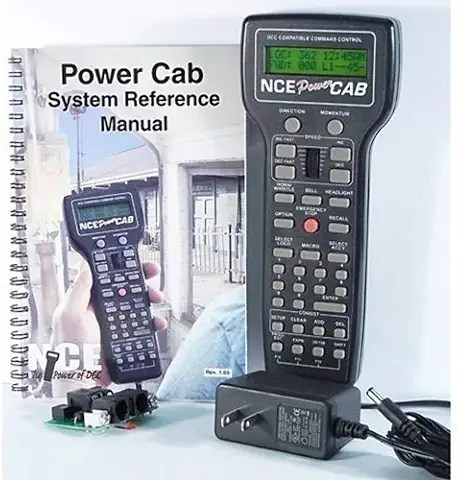
3. Digital Command Control (DCC) System

A DCC system allows you to control multiple trains independently on the same track, adding a layer of realism and excitement to your layout. For beginners, a user-friendly DCC starter set is ideal. Look for sets that include:

  • Command Station: The brain of the DCC system.
  • Power Supply: To provide the necessary power for your trains.
  • Handheld Throttle: For controlling the speed and direction of your trains.

Brands like Digitrax, NCE, and ESU offer reliable starter sets that are expandable as your layout grows.

4. Scenery Materials

Creating realistic scenery is one of the most enjoyable aspects of model railroading. Basic scenery materials can transform your layout from a simple track to a miniature world. Consider starting with:

  • Ground Foam: Available in various colors to simulate grass, dirt, and other ground covers.
  • Static Grass Applicator: For creating realistic grass effects.
  • Trees and Shrubs: Pre-made or kits that you can assemble and paint.
  • Scenic Cement: To glue down your scenery materials.

These materials will help you create a visually stunning layout that captures the imagination.

5. LED Lighting Kit

Proper lighting can make a significant difference in the appearance of your layout. LED lighting kits are energy-efficient and long-lasting. Look for kits that include:

  • Flexible LED Strips: For illuminating large areas.
  • Individual LEDs: For lighting buildings and specific scenes.
  • Power Supply and Connectors: To set up your lighting system.

LED lighting can simulate different times of day and add a dynamic element to your layout.

6. Rolling Stock and Locomotives

A variety of rolling stock and locomotives will keep your layout interesting and allow for different types of operations. When starting, consider:

  • Freight Cars: Boxcars, tank cars, and flatcars for hauling goods.
  • Passenger Cars: For simulating passenger services.
  • Locomotives: Both steam and diesel engines to add variety.

Look for high-quality models that run smoothly and are easy to maintain.

7. Buildings and Structures

Adding buildings and structures to your layout enhances realism and provides context for your trains. Start with a few key structures:

  • Railroad Station: A central hub for your layout.
  • Industrial Buildings: Factories, warehouses, and other facilities.
  • Residential Buildings: Houses and apartments to create a town or city scene.
  • Bridges and Tunnels: For added complexity and visual interest.

Kits are available in various scales and levels of detail, allowing you to choose what best fits your layout and skill level.

8. Coupler Height Gauge

Ensuring that your couplers are at the correct height is crucial for reliable operation. A coupler height gauge helps you check and adjust the couplers on your rolling stock. Brands like Kadee offer gauges for different scales, ensuring compatibility with your setup. Kadee

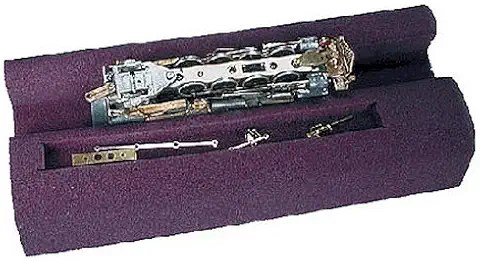
9. Foam Cradle

A foam cradle is a simple yet invaluable accessory for holding your locomotives and rolling stock securely while you work on them. It prevents damage to delicate parts and makes maintenance tasks easier.

10. Weathering Supplies

Weathering adds realism to your models by simulating the effects of age and use. Basic weathering supplies include:

  • Weathering Powders: In various colors to create dirt, rust, and grime effects.
  • Fine Brushes: For applying powders and paints.
  • Matte Clear Coat: To seal the weathering and protect the finish.

Weathering can be as simple or as detailed as you like, and it adds a unique touch to your models.

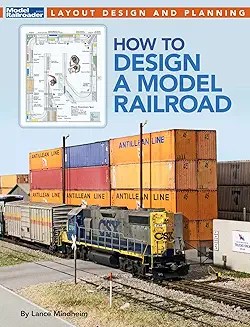
11. Essential Books and Guides

Having a few good books and guides on hand can provide valuable information and inspiration. Consider starting with:

  • “Starter Track Plans for Model Railroaders” by Kent J. Johnson: Offers a variety of track plans to suit different spaces and skill levels.
  • “Model Railroading: A Family Guide” by Bruce C. Greenberg: A comprehensive guide that covers all aspects of the hobby.
  • “The Complete Book of Model Railroading” by David Sutton: A classic reference book with detailed information on building and operating layouts.

These resources will help you learn the basics and provide ideas for expanding your layout.

Conclusion

Building a family-friendly model railroad setup is a rewarding and enjoyable hobby that can bring generations together. By equipping yourself with these must-have accessories, you’ll be well on your way to creating a layout that is both fun and realistic. Remember, the key to a successful model railroad is to start with the basics and gradually expand your collection as your skills and interests grow. Happy railroading!

Citations:
[1] https://toytooth.com/index.php?product_id=1617309&route=product%2Fproduct
[2] https://www.amazon.com/CityBuilder-Gauge-7mm-Railroad-Cardboard/dp/B00NXNWJEQ?psc=1&smid=AV83ANFWMW4VP
[3] https://www.etsy.com/listing/1194765654/scenic-model-railway-layout-made-to?gpla=1
[4] https://modelrailwaytechniques.com/benchworkstore/
[5] https://www.walthers.com/william-s-country-store-kit
[6] http://www.hobbylinc.com/bar-mills-potters-pub-kit-ho-scale-model-railroad-building-1440
[7] https://www.etsy.com/listing/1522850368/realistic-scenic-model-railway-layout?gpla=1
[8] https://www.walmart.com/ip/Starter-Track-Plans-for-Model-Railroaders-9780890248317/17131821?selectedSellerId=0&wmlspartner=wlpa
[9] https://www.trains.com/mrr/how-to/essential-tools-for-model-railroaders/
[10] https://www.youtube.com/watch?v=BkSPl7SSWbY
[11] https://www.amazon.com/Model-railroading-family-Bruce-Greenberg/dp/0135861497
[12] https://familygardentrains.com/primer/kids.htm
[13] https://forum.mrhmag.com/post/kids-and-model-railroading-12190242

A lively debate on Steam vs. Diesel

After the last article I had some comments about the neglect to mention electric power along with steam and diesel. I used creative license and developed a discussion between Mark Twain and John Grisham, my favorite authors from the periods to have a lively discussion about motive power.

I can attempt to emulate the writing styles of Mark Twain and John Grisham (both authors from different eras Mark Twain wrote Huckleberry Finn, John Grisham wrote The Firm, The Pelican Brief and more) in the form of a debate on the topic of modeling steam or diesel locomotives. Both favorite authors.

Mark Twain: Well, here we are, gathered in the realm of model railroading, debating the merits of steam versus diesel locomotives. A delightful topic indeed! Let me begin by extolling the virtues of steam. Its hissing, chugging symphony carries us back to a bygone era, where the romance of train travel enthralled our imaginations.

Steam locomotives embody the very essence of nostalgia and provide a tangible link to our shared history.

John Grisham: Ah, Mark, while I appreciate your fondness for steam, allow me to advocate for the practicality of diesel locomotives. Picture this: sleek, efficient engines gliding effortlessly along the tracks, with the power to transport us to the modern era. Diesel locomotives symbolize progress, representing the advancement and innovation that have shaped the contemporary world we live in.

Their reliability and ease of maintenance make them a sensible choice for any model railroad enthusiast.

Mark Twain: John, I must concede that diesel locomotives have their merits. Their streamlined design and efficient performance do hold an undeniable allure. However, we must not dismiss the historical significance and visual grandeur of steam. The plumes of smoke and rhythmic chugging stir the soul and evoke a sense of adventure.

There’s a reason steam locomotives have captured the hearts of enthusiasts for generations.

John Grisham: Mark, I cannot dispute the emotional connection one may feel with steam locomotives. They do possess a certain charm. However, we must also consider the practical aspects of modeling. Diesel locomotives offer a wide range of models, allowing enthusiasts to explore various eras and railroad lines. They are more accessible, both in terms of maintenance and availability of models and accessories. For those seeking a modern touch, diesel power is the way to go.

Mark Twain: John, I understand your point. The modeling world is indeed fortunate to have a diverse array of diesel locomotives to choose from. But let us not forget that blending the two worlds can create a harmonious fusion. By incorporating both steam and diesel locomotives into our layouts, we can capture the best of both eras, paying homage to the rich history while embracing the dynamic present.

John Grisham: Mark, I must admit your proposition has merit. The juxtaposition of steam and diesel can add layers of intrigue and versatility to our layouts. It allows us to explore different time periods and create a narrative that spans generations. Perhaps a compromise is in order, blending the classic with the contemporary to create a truly captivating model train experience.

Mark Twain: Well said, John. By combining our passions for both steam and diesel locomotives, we can embark on a remarkable journey through time, where the echoes of history mingle with the pulse of progress. Let us celebrate the diversity and possibilities that model railroading offers, irrespective of our chosen power source.

In this lively debate between Mark Twain and John Grisham, we witness the clash of perspectives on the steam versus diesel locomotive dilemma. While Mark Twain champions the nostalgia and historical significance of steam, John Grisham emphasizes the practicality and modern appeal of diesel. Ultimately, they find common ground in the idea of blending the two, allowing for a harmonious coexistence on the model railroad.

Steam or Diesel Power

When it comes to modeling locomotives, one of the most important decisions you will make is whether to focus on steam or diesel power. Both types of locomotives have their own unique characteristics and offer different modeling challenges and opportunities. Here are some things to consider when deciding whether to model steam or diesel power:

Steam locomotives were the dominant type of locomotive until the 1950s, and they can provide a lot of nostalgia and historical interest to a layout. However, they are also more complex and require more maintenance than diesel locomotives. Additionally, many steam locomotives are larger in size, which can impact the layout design.

Steam Locomotives:

  • Historical significance: Steam locomotives were once the primary source of power for trains, and they played a significant role in shaping the history of rail transportation. Modeling steam locomotives can provide a sense of nostalgia and historical interest to your layout.
  • More complex: Steam locomotives are more complex than diesel locomotives, with many moving parts that require maintenance and care. Modeling steam locomotives can be more challenging and time-consuming than modeling diesel locomotives.
  • Visual appeal: Steam locomotives are often considered more visually appealing than diesel locomotives, with their distinctive shapes and billowing smoke.

STEAM ENGINES

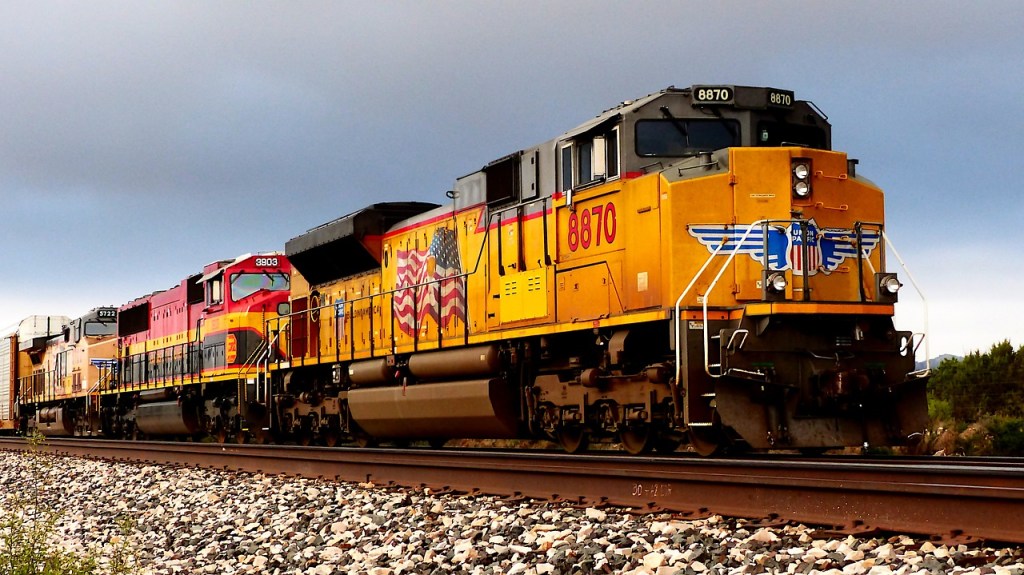
Diesel locomotives became the dominant type of locomotive in the 1950s and continue to be used today. They are generally more reliable and easier to maintain than steam locomotives, and they offer a wide variety of models to choose from. However, some modelers may find them less visually interesting or less historically significant.

Diesel Locomotives:

  • Modern relevance: Diesel locomotives are the primary source of power for trains today, and modeling them can provide a more contemporary and modern feel to your layout.
  • Simpler design: Diesel locomotives have a simpler design than steam locomotives and are generally easier to maintain and operate.
  • Wide range of models: Diesel locomotives come in a wide variety of models and designs, making them an attractive option for modelers who enjoy collecting and modeling different types of locomotives.

DIESEL LOCOMOTIVES

Ultimately, the decision to model steam or diesel locomotives comes down to personal preference and the era or location you want to model. Both types of locomotives can provide a unique and rewarding modeling experience, and many modelers choose to incorporate both types into their layouts for added variety.

Regardless of your choice, it’s important to research and choose locomotives and rolling stock that are appropriate for the era and location you’re modeling. This will ensure that your layout is historically accurate and visually appealing.