As summer transitions into autumn, September brings crisp air, earlier dark skies, and outstanding stargazing conditions. The shift in seasons marks the arrival of the Autumnal Equinox, providing perfectly balanced nights to explore lunar phases, brilliant planetary alignments, and iconic seasonal constellations.
Whether you are stepping out into the backyard with your naked eyes, a light bucket reflector, or a favorite pair of binoculars, September 2026 delivers a full calendar of celestial events for observers of all experience levels.
1. The September Moon: Harvest Glow & Lunar Cycles
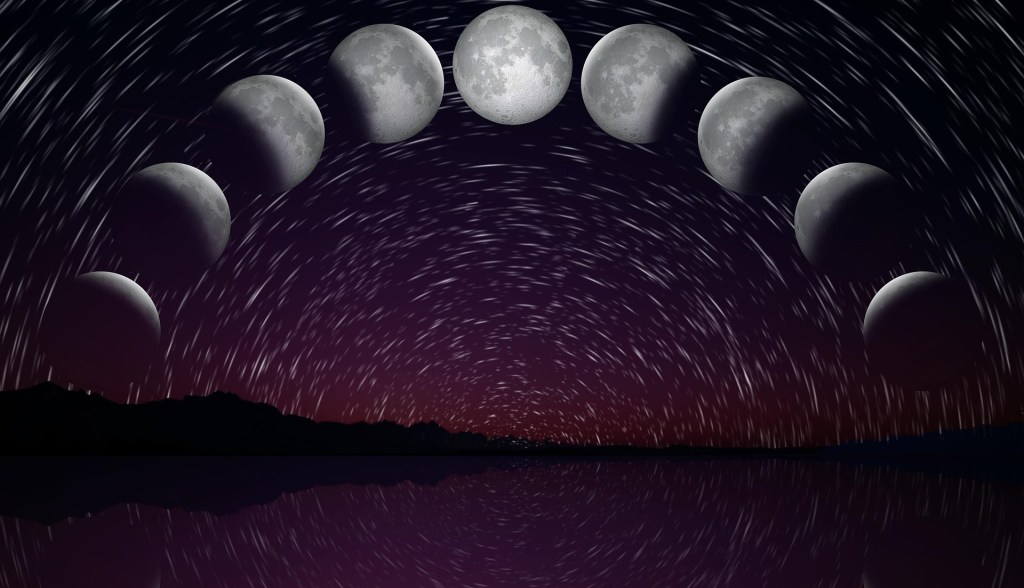
The Moon serves as our primary celestial clock throughout September, offering dynamic viewing opportunities as its phase progresses.
Key Lunar Phases for September 2026
- September 3 — Last Quarter Moon: High in the sky at dawn, revealing dramatic shadows along the craters of the lunar terminator line.
- September 10 — New Moon: The absolute best night of the month for deep-sky stargazing! With no moonlight in the sky, faint star clusters and galaxies shine at their brightest.
- September 18 — First Quarter Moon: Ideal for early evening family observing. Craters like Tycho and Copernicus stand out in sharp relief.
- September 25 — The Full Harvest Moon: Rising shortly after sunset, the famous Harvest Moon provides a rich, golden hue near the eastern horizon.
Stan’s Stargazing Tip:When viewing the Full Harvest Moon through a telescope or binoculars, the glare can be surprisingly bright! Thread a variable polarizing filter onto your eyepiece or use lunar filter caps to cut down the intense light. This reduces eye fatigue and pulls out subtle tonal differences in the dark lunar seas (maria).
2. Planetary Roundup: Jupiter, Saturn, and the Inner Planets
September offers front-row seats to the solar system’s brightest worlds.
Saturn: Prime Evening Target
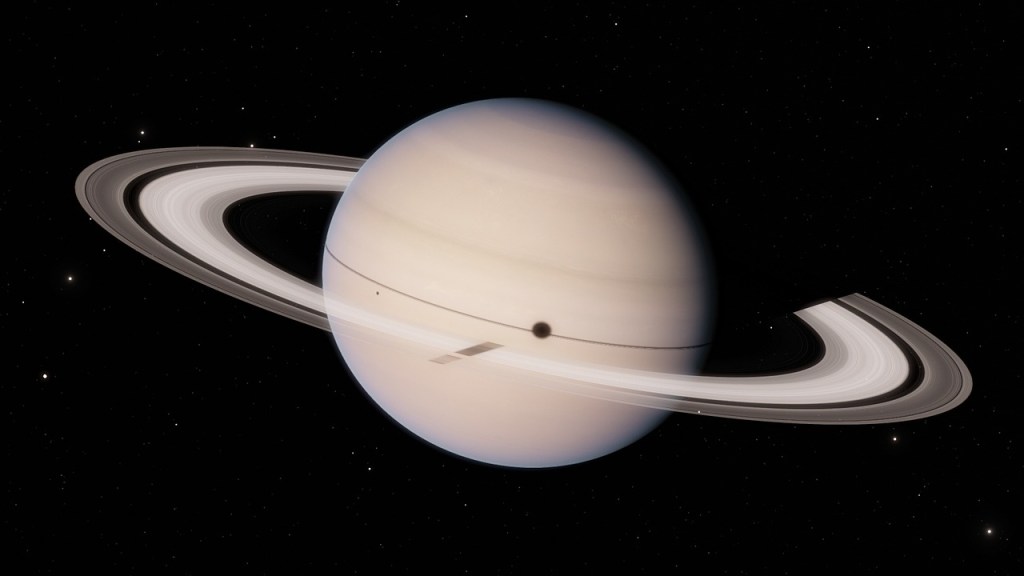
- Saturn reaches its peak evening visibility this month. Appearing in the southeastern sky shortly after dark, the ringed planet glows with a steady, warm golden hue. Through even a modest telescope or manual light bucket, you can easily resolve the iconic ring structure, the dark Cassini Division gap, and Saturn’s largest moon, Titan.
Jupiter: King of the Midnight Sky
Rising in the late evening and dominating the midnight hours, Jupiter shines as a brilliant, creamy-white beacon. Using simple binocular optics or a small scope reveals the four bright Galilean moons—Io, Europa, Ganymede, and Callisto—shifting position night after night. Higher magnification reveals dark cloud belts and the famous Great Red Spot.
Mars & Venus: Dawn Showcase
- Mars: Visible in the early morning sky before sunrise, glowing with its characteristic salmon-red shade against the backdrop of autumn stars.
- Venus: Dazzling low in the eastern twilight sky right before dawn, acting as a brilliant morning star.
3. Stars and Constellations: Navigating the Autumn Sky
September is a transitional month where summer’s famous patterns begin fading in the west while classic autumn constellations take center stage overhead and in the east.
                  [ NORTH STAR (Polaris) ]
                             |
                             v
                    [ CASSIOPEIA ("W" Shape) ]
                             |
                             v
               [ GREAT SQUARE OF PEGASUS ]
                             |
                             v
                [ ANDROMEDA GALAXY (M31) ]
The Great Square of Pegasus & Andromeda
Look high in the eastern sky for the Great Square of Pegasus, a large, distinct four-star diamond that anchors the autumn sky. Connected to the upper-left star of the square is the constellation Andromeda.
- The Andromeda Galaxy (M31): Located within the Andromeda constellation, M31 is the most distant object visible to the naked eye at 2.5 million light-years away! On dark nights around the New Moon (September 10), look for a soft, oval patch of light just above Andromeda’s central star line.
Cassiopeia: The Queen’s “W”
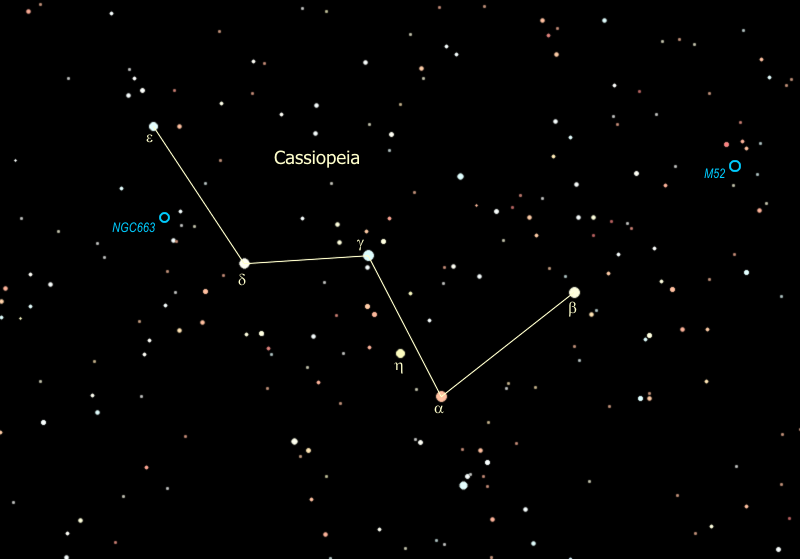
High in the northeastern sky sits Cassiopeia, easily identified by its bright, sweeping “W” shape formed by five prominent stars. Cassiopeia sits directly within the star-rich band of the Milky Way, making it a fantastic hunting ground for rich star clusters using binoculars.
4. September Celestial Events & Sky Highlights
| Date | Sky Event | Target / Direction | Best Viewing Time |
| Sept 10 | New Moon (Dark Sky Window) | Deep Sky (M31, Star Clusters) | All Night |
| Sept 17 | Moon & Antares Conjunction | Southwestern Sky | 8:00 PM – 10:30 PM |
| Sept 22 | Autumnal Equinox | Global Event | 2:05 PM EDT |
| Sept 25 | Full Harvest Moon | Eastern Horizon | Dusk / Early Evening |
The Autumnal Equinox (September 22, 2026)
At exactly 2:05 PM EDT on September 22, the Sun crosses the celestial equator heading south, marking the official astronomical start of autumn in the Northern Hemisphere. On the equinox, day and night are approximately equal in length across the globe.
Stan’s Stargazing Tip:The weeks surrounding the autumn equinox are prime time for observing “Zodiacal Light”—also known as the false dawn. If you step outside about 60 to 90 minutes before sunrise in a dark location, look east for a faint, pyramid-shaped cone of soft light reaching up from the horizon. This is sunlight reflecting off microscopic cosmic dust grains floating along the plane of our solar system!
Gear Toolkit for September Stargazing
To get the most out of your autumn observing sessions, a few essential items will enhance your view:
- 7×50 Astronomy Binoculars: A bright pair of binoculars like the Celestron Cometron 7×50 Binoculars is the ultimate grab-and-go tool for scanning the Andromeda Galaxy, sweeping the Milky Way in Cassiopeia, and spotting Jupiter’s four moons.
- Variable Polarizing Filter: Threading an Astromania 1.25″ Variable Polarizing Filter onto your eyepiece cuts down intense moonlight glare during the Harvest Moon and sharpens planetary details on Saturn.
- Red LED Headlamp: Protect your eye adaptation in the dark with an EverBrite Dual Red/White LED Headlamp. Using the red-light mode keeps your pupils dilated for deep-sky observing.
Master Checklist for Family Skywatchers
- Dress in Layers: September nights cool down rapidly once the sun sets. Wearing light layers ensures you stay comfortable during extended viewing sessions.
- Plan Around the Moon: Use the week of the New Moon (September 10) to target faint galaxies and star clusters. Save lunar and planetary observing for the brighter phase weeks.
- Allow Dark Adaptation: Give your eyes at least 15 to 20 minutes to adjust to the darkness outside. You will be amazed at how many extra stars and faint cosmic structures appear once your eyes fully adapt!
Set up your telescope, grab a warm jacket, and enjoy the front-row seat to the changing autumn sky.
Clear skies and happy hunting!

