Steam or Diesel Power

When it comes to modeling locomotives, one of the most important decisions you will make is whether to focus on steam or diesel power. Both types of locomotives have their own unique characteristics and offer different modeling challenges and opportunities. Here are some things to consider when deciding whether to model steam or diesel power:

Steam locomotives were the dominant type of locomotive until the 1950s, and they can provide a lot of nostalgia and historical interest to a layout. However, they are also more complex and require more maintenance than diesel locomotives. Additionally, many steam locomotives are larger in size, which can impact the layout design.

Steam Locomotives:

  • Historical significance: Steam locomotives were once the primary source of power for trains, and they played a significant role in shaping the history of rail transportation. Modeling steam locomotives can provide a sense of nostalgia and historical interest to your layout.
  • More complex: Steam locomotives are more complex than diesel locomotives, with many moving parts that require maintenance and care. Modeling steam locomotives can be more challenging and time-consuming than modeling diesel locomotives.
  • Visual appeal: Steam locomotives are often considered more visually appealing than diesel locomotives, with their distinctive shapes and billowing smoke.
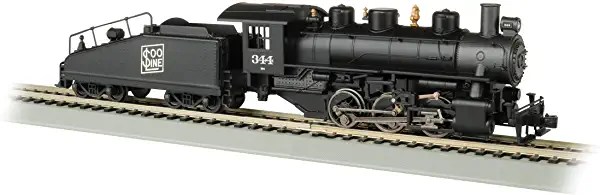
STEAM ENGINES

Diesel locomotives became the dominant type of locomotive in the 1950s and continue to be used today. They are generally more reliable and easier to maintain than steam locomotives, and they offer a wide variety of models to choose from. However, some modelers may find them less visually interesting or less historically significant.

Diesel Locomotives:

  • Modern relevance: Diesel locomotives are the primary source of power for trains today, and modeling them can provide a more contemporary and modern feel to your layout.
  • Simpler design: Diesel locomotives have a simpler design than steam locomotives and are generally easier to maintain and operate.
  • Wide range of models: Diesel locomotives come in a wide variety of models and designs, making them an attractive option for modelers who enjoy collecting and modeling different types of locomotives.

DIESEL LOCOMOTIVES

Ultimately, the decision to model steam or diesel locomotives comes down to personal preference and the era or location you want to model. Both types of locomotives can provide a unique and rewarding modeling experience, and many modelers choose to incorporate both types into their layouts for added variety.

Regardless of your choice, it’s important to research and choose locomotives and rolling stock that are appropriate for the era and location you’re modeling. This will ensure that your layout is historically accurate and visually appealing.
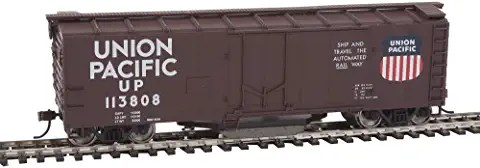
Best way to clean model railroad track

Cleaning model railroad track is essential for ensuring smooth operation of trains and preventing derailments. Here are some of the best ways to clean model railroad track:

  1. Use a track cleaning car: A track cleaning car is a special type of car that has cleaning pads or brushes attached to its underside. As it moves along the track, it cleans the rails and removes any dirt, dust, or other debris.

2. Use a track cleaning fluid: There are various track cleaning fluids available on the market that can be used to clean model railroad track. These fluids are applied to a cleaning pad or cloth, which is then used to wipe the rails clean.

Track Cleaning Fluids

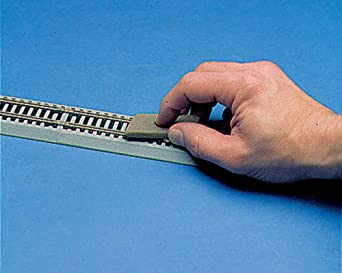
3. Use a track cleaning block: A track cleaning block is a small block of material, such as abrasive rubber or fiberglass, that is used to clean the rails. Simply rub the block over the rails to remove any dirt or oxidation.

Track Cleaning Bright Boy

4. Use a track cleaning tool: There are various track cleaning tools available, such as brushes, scrapers, and erasers, that can be used to clean the rails. These tools are particularly useful for cleaning hard-to-reach areas, such as switches and turnouts.

Tidy Track Rail Tracker Cleaning Kit 

This Woodland Scenics Tidy Track is my preferred method to clean track

5. Use a vacuum cleaner: A vacuum cleaner can be used to remove any loose dirt or debris from the track. Make sure to use a soft brush attachment to avoid scratching the rails.

Vacuums for cleaning track and excess scenery

Regardless of the method you choose, it is important to regularly clean your model railroad track to ensure that it operates smoothly and reliably.

Developing Your First Model Train Layout

To develop your model train layout there are four major steps to take before you begin construction:

1: Select the size of your model train, that is the scale or gauge. Scales range from micro-sized Z scale for tiny layouts to giant G-scale used mostly for outdoor garden layouts.

Visit hobby shops or model train websites and see the various scales available. Staff at a hobby shop will usually be happy to point out the advantages and/or disadvantages of each scale. Your decision about scale/size will be partly based on the space available for your layout. The most popular scales are O scale which is 1/48th actual size and the smaller HO scale which is 1/87th actual size. As a result of being the two most popular scales these have the greatest variety of locomotives, cars and accessories available.

Model Train Scales an article written earlier may also help.

2: Learn about layouts for the scale you have chosen by reading magazines such as O Gauge Railroading and Classic Toy Trains (these two are for O scale). Model Railroading provides detailed information about HO and N scale. All are full of information – all the good train hobby stores carry them or you can pick them up at places like Barnes & Noble or Amazon.

Also visit websites related to your scale choice Google the term “model train layouts” for a great listing of sites with information about model train layouts. You may also wish to check out Youtube for more information on layouts.

Re-visit hobby shops you visited for information when deciding on the scale of your model train set and ask questions about layout. The good ones can provide helpful advice and they sell how-to books on wiring, scenery, detailing and other subjects.

3: You then need to decide on how you start. Do you want to start with a little layout that can later be extended? Do you want to set up a permanent layout right from the start? Do you want to develop a ‘theme’ layout say a layout depicting California logging railroads in the 1920s? The major decisions are to determine your objective and set the size parameters for your layout. Don’t forget that the size parameters for your layout will be determined largely by the space you have available a basement? the corner of a lounge room? portion of your garage? etc.

Deciding a Track Plan Before Building Your Model Railroad Layout another article written here.

4: Begin making sketches and drawings on plain paper it’s easier to make changes to your drawing than to have to physically pry up a section of track that ‘went wrong’. Refer back to magazines and websites during this planning stage just to see what others have done. Many magazines and websites will have photos of layouts appropriate to the scale you have chosen. There are even some computer programs which can help you with designing your layout – look for ads in model train magazines.

Inexpensive Ways to Make Trees and Ground Cover For Your Model Railroad Layout

One of the most exciting aspects of model railroading is creating the scenery to enhance the landscape of a layout. The scenery is what adds the personality and interest to a layout to make it truly unique.

There are all sorts of scenery accessories you can purchase from online model train stores, but many things can be made from everyday items around the home. You do not always need to spend money when there are things around you for free.

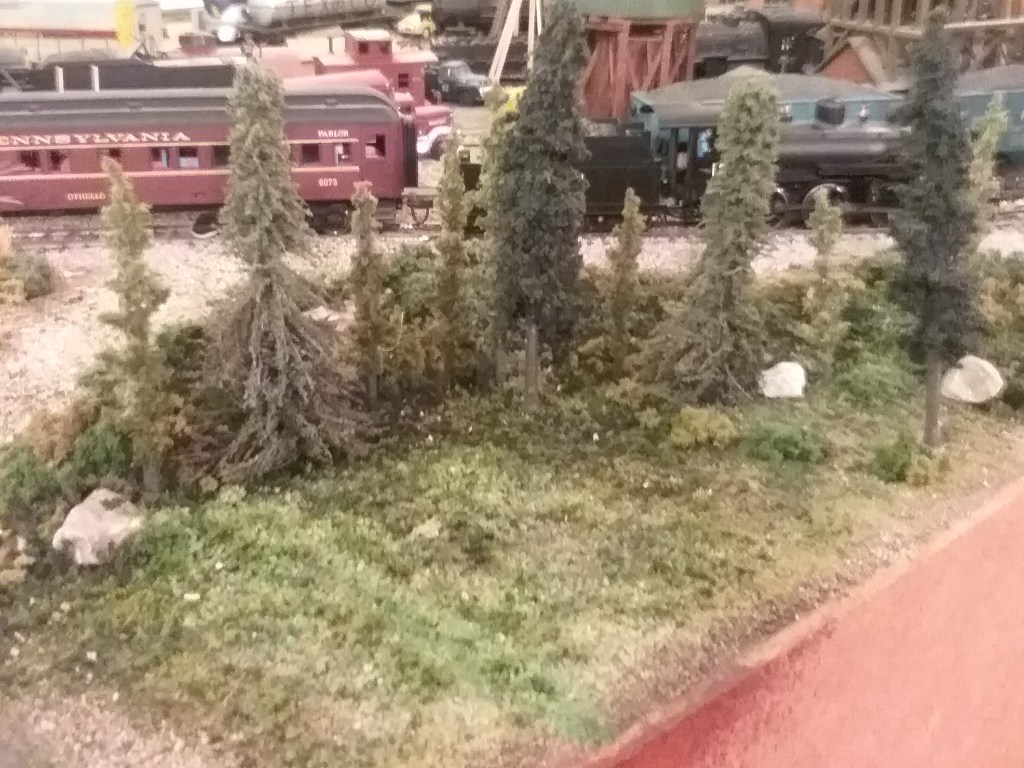
Twigs from your back yard are a good example. They can be used for making small trees and shrubs, or be cut to resemble logs. There is no need to paint them, because they are already the right color. Small wooden meat skewers (from the supermarket) can also be used to make logs and they are very inexpensive to buy.

The same goes for adding grass to your layout. You can purchase some very good products such as “Static Grass Flock” to provide ground cover, or you can make your own. Some model railroaders use a mix of ready-to-use grasses from the hobby store, and combine this, with there own home made grass recipe.

Gather some fresh mulberry leaves and dry them in a microwave oven. After they are dried out, drop them in a kitchen blender and you have instant ground cover. The best thing is; it costs you virtually nothing to make. Store it in a plastic bag for when you need it.

The only disadvantage with making your own ground cover is you will not necessarily know how long it will last when compared to the bought stuff. Many of the ground cover products from a hobby store will have been treated to help them maintain their color and withstand temperature and humidity variances over time. Some of them are non-flammable and nontoxic, so you need to decide what is important to you.

A lot of model railroaders use dried kitchen herbs for leaves and ground cover. They mix different herbs (eg. thyme, oregano and parsley) for different effects. When doing this it is best to lay some newspaper underneath, as it can be a messy process. That way you can catch and reuse any herbs that do not stick the first time.

Sea Foam (also called “Forest in a Box”) is a popular material for making small inexpensive trees. You can bend it to look like trees and then spray on some adhesive and sieve on some flock. It is usually best to mix a few little pieces together rather than use just one piece for an entire tree.

Click here for lots more clever model train layout ideas. 

Fine brass wire can be used to strengthen the trunks and branches. Torn up pieces of masking tape can be wound around the tree trunk to add some width. This can then be sealed with a mixture of wall filler and PVA white glue.

You can even add sprinklings of kitchen herbs as mentioned earlier. You can then spray the trees all over with matt varnish, or spray them (upside down) with a mix of white glue and water. You then leave them to dry overnight.

Lichen is also ideal for making shrubs and trees. It is very versatile and looks good as mass foliage and undergrowth on a train layout. It is also inexpensive and easy to work with. You can purchase it in a range of colors that can be used separately or mixed together.

So, there are many, many ways to make ground cover and trees for your model railroad layout. It is a lot of fun and you might want to try some different options to see what works best for you. The point I am really making here; is that things on your train layout do not always need to be expensive. You just need to be a little creative in your approach. Have fun!

Join Robert Anderson’s popular online Model Train Club to get lots of clever model railroad ideas to help you build the model train layout of your dreams! 

or

Robert Anderson is the author of Model Railroad Scenery & Layout Construction Ideas. CLICK HERE to learn more.

For more Scenery visit WOODLAND SCENIC PRODUCTS

LEARN MORE

The destination for the most extensive collection of model railroad how-to videos, techniques, insight and inspiration. Your guide is Allen Keller — master model railroad builder and industry pioneer. Begin your adventure today

More Information

A quick easy way to a stunning Layout CLICK HERE

Model Railroad Academy