Adding Depth to Your Model Train Layout by Using Flats on the Backdrop

Model railroading is more than creating tracks and running trains—it’s about building a miniature world that sparks imagination and invites viewers to explore its stories. One of the simplest and most effective ways to enhance your layout’s realism and give it a greater sense of depth is by using flats on the backdrop. Flats are a clever solution for adding layers, scenery, and visual interest to your layout, all while saving space and keeping things budget-friendly. Whether you’re a beginner dipping your feet into this rewarding hobby or a seasoned model railroader looking to elevate your setup, this guide will walk you through everything you need to know about flats—from what they are to how to prepare, install, and customize them.

What Are Flats in Model Railroads?
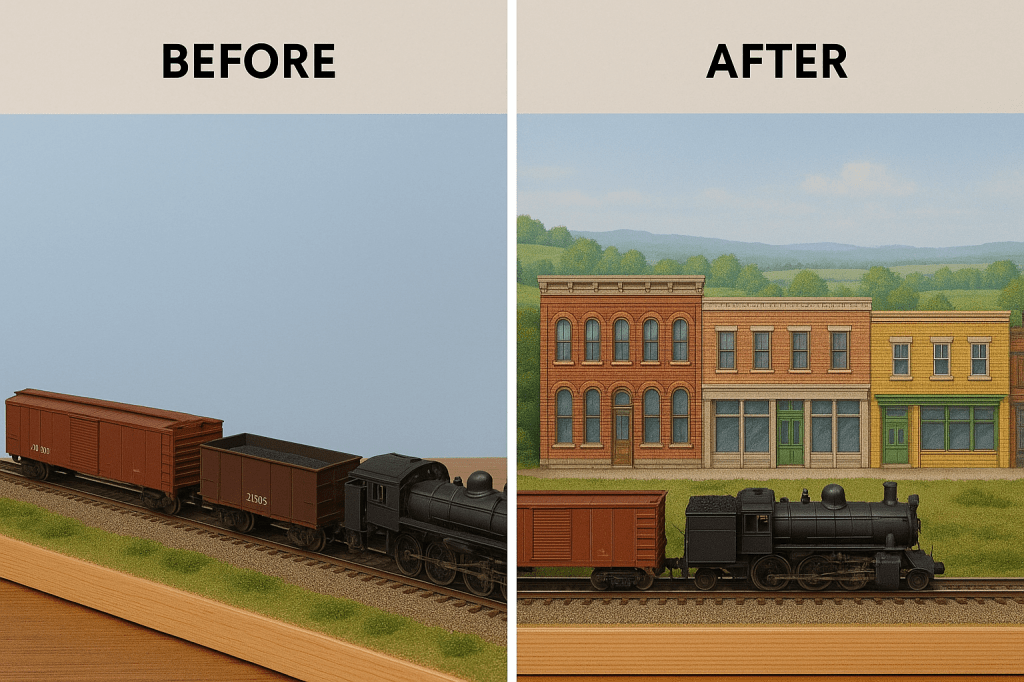
Backdrop flats, commonly referred to as “flats,” are shallow or two-dimensional models of buildings, scenery, or other features designed to sit against the backdrop of a layout. Instead of being fully three-dimensional, flats are either partially 3D or completely flat, creating the illusion of depth without occupying much space.

Flats work by tricking the eye through “forced perspective.” They blend the foreground (where 3D elements like tracks and buildings sit) with the background (the painted or printed scenery behind your layout). A row of flats depicting distant buildings, for instance, can make an urban layout feel like a sprawling city, even if the actual layout table is small.

Types of Flats

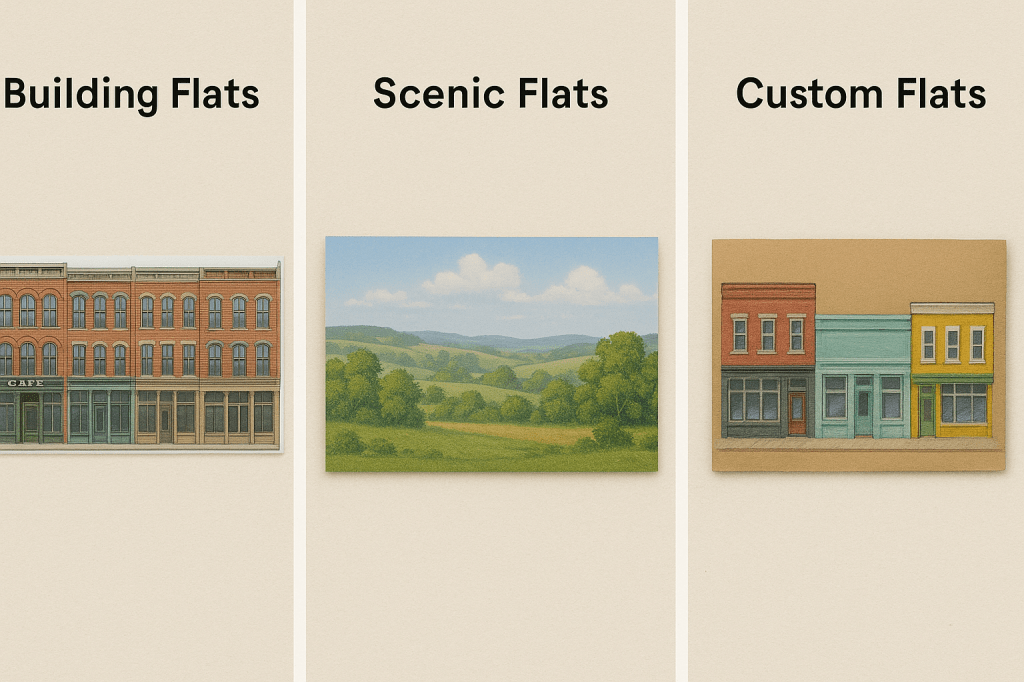
  1. Building Flats
    These replicate structures such as factories, warehouses, houses, or skyscrapers. They’re ideal for creating cityscapes or industrial areas.
  2. Scenic Flats
    These feature natural elements like hills, trees, or mountains, offering a perfect solution for rural or wilderness scenes.
  3. Custom Flats
    Want something unique? Custom flats let you design elements to match your exact layout theme, whether it’s a vintage small town, futuristic city, or fantasy world.

Why Flats Are Important

Flats bridge the gap between your foreground and backdrop, creating a smooth transition that immerses viewers in the world you’re building. They’re also a space-saving marvel, allowing you to add complexity and character to layouts of any size.

Why Use Flats?

Flats aren’t just practical; they’re a game-changer for any model train enthusiast. Here’s why you should consider incorporating them into your layout:

1. Save Space

Layouts often have limited real estate, and flats allow you to pack in detail and depth without taking up valuable space. Instead of building a large factory, a flat on the backdrop can represent a distant industrial zone, leaving room for tracks, trains, and other scenery closer to the viewer.

2. Enhance Realism

Flats create the illusion of a larger world by layering scenery. By playing with scale and perspective, flats can make your layout feel expansive and immersive. For example, a backdrop featuring hills painted with scenic flats can suggest miles of open countryside stretching beyond the layout.

3. Budget-Friendly

Full-scale buildings and scenery can be expensive, but flats are often more affordable. Pre-made kits, printable flats, or DIY options can save you money while allowing for incredible creativity.

4. Expand Storytelling Opportunities

Every model railroad tells a story, and flats add rich context to your scene. A row of building flats on a cityscape could suggest bustling neighborhoods or industrial hubs, while scenic flats showing barns or forests evoke quiet rural charm.

5. Perfect for Beginners

Flats are easy to use and beginner-friendly. With pre-made options and print-and-mount designs widely available, you can quickly add depth to your layout without advanced modeling skills or tools.

Choosing Flats for Your Layout

Selecting the right flats depends on your layout’s theme, scale, and overall vision. Follow these tips to choose flats that will elevate your scene.
1. Match Flats to Your Theme

  • Urban Layouts: Use building flats like skyscrapers, shops, or factories.
  • Rural Layouts: Scenic flats featuring barns, trees, rolling hills, or mountain ranges work well.
  • Custom Layouts: Design flats that fit your unique theme, such as historic towns, futuristic cities, or fantasy villages.

2. Pay Attention to Scale

Flats must match the scale of your layout to maintain realism. For example:

  • HO Scale (1:87): The most common scale with plenty of pre-made options.
  • N Scale (1:160): Great for compact layouts. Flats should have fine details.
  • O Scale (1:48): Larger layouts need bigger flats with intricate textures to maintain proportionality.

3. Flat Materials

  • Pre-Made Kits: Plastic, resin, or cardstock kits from trusted brands like Walthers, Woodland Scenics, or Faller.
  • DIY Options: Create flats using foam board, cardboard, or printed images. More on DIY later!

Preparing and Installing Flats

1. Preparing the Backdrop

Proper preparation and installation ensure your flats look polished and cohesive.

  • Painted Backdrops: Create a gradient from light blue (sky) to white (horizon). Add clouds or distant hills for realism.
  • Printed Backdrops: Use photo-realistic backdrops featuring skies or landscapes from brands like Scenic Express or TrainJunkies.

2. Installing Flats
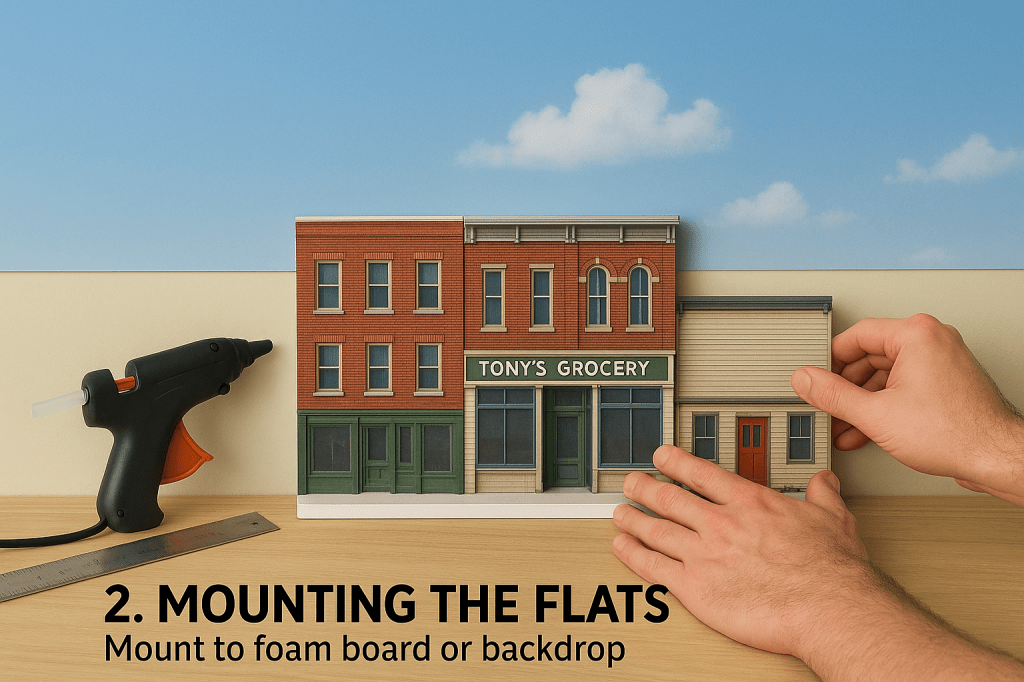
  • Use double-sided tape or spray adhesive for lightweight flats.
  • Heavier flats can be attached with Velcro for removability or mounted on a wooden frame for support.
  • Align flats with the backdrop’s horizon line to ensure a smooth transition between flat and background.

3. Blend Flats with the Foreground

  • Add bushes, fences, or roads at the base of the flats to hide edges and create a natural transition.
  • For scenic flats, use foam flocking or static grass to blend seamlessly.

Enhancing Flats for Realism

Simple flats can become stunning with the right enhancements:

Add Details:

  • Apply decals for windows, signs, or advertisements.
  • Weather them with chalk pastels or dry brushing to simulate age and wear.

Lighting:

  • Add LEDs behind building windows for a glowing effect.
  • Use strip lights or spotlights to cast shadows and create depth.

Play with Perspective:

  • Position taller, more detailed flats closer to the foreground and smaller, muted flats further back to mimic distance.

DIY Flats: Save Money and Add Personality

Creating your own flats is affordable, fun, and lets you add unique touches to your layout.

Steps for DIY Flats:

  1. Print Templates: Use printable flats from sites like Railserve or Pinterest. Print on cardstock and mount on foam board for durability.
  2. Hand-Paint Designs: Sketch buildings or landscapes on foam board and paint them with acrylics.
  3. Layer for Depth: Add raised windows, doors, or signage for a 3D effect.

DIY flats let you recreate landmarks, add personal flair, and experiment with themes in a cost-effective way.

Photos from my layout showing the use of flats all of which are described above.
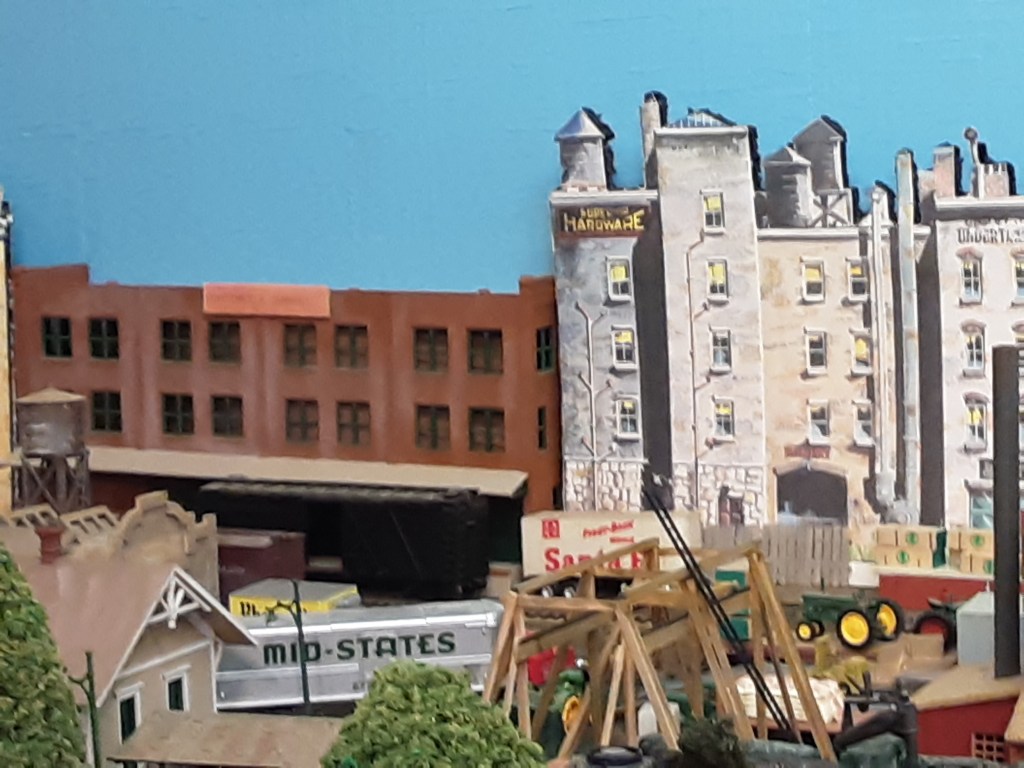
The photos above show how I use flats to enhance the depth of the layout. In the photo above I inserted a photo from google city scenes to add depth to the street continueing on.

Common Mistakes and How to Avoid Them

  1. Misalignment: Ensure flats align with the backdrop’s horizon. Use a ruler to check placement.
  2. Overcrowding: Space flats appropriately to avoid a cluttered look.
  3. Ignoring Scale: Match flats to the scale of your layout to maintain realism.
  4. Poor Blending: Use foliage or scenery to integrate flats with 3D elements.

Conclusion

Using flats is a transformative technique for model railroading, adding depth, realism, and personality to your layout without taking up extra space. From pre-made kits to DIY creations, flats bring your miniature world to life and immerse viewers in the story you’re telling. Whether you’re a beginner or an experienced model railroader, mastering the art of flats will elevate your layout to new heights. So, grab some flats, experiment with their placement, and watch your layout expand before your eyes!

References

  1. Walthers Model Railroading (2025). Building and Scenic Flats.
    Website: https://www.walthers.com
  2. Woodland Scenics (2025). Backdrop Design Techniques.
    Website: https://woodlandscenics.woodlandscenics.com
  3. TrainJunkies Backdrops (2025). Printed Backdrops and Scenic Flats.
    Website: https://www.trainjunkies.com
  4. RailServe (2025). Downloadable Flats & Templates.
    Website: https://www.railserve.com

Easy-to-Build Model Industries for Beginners

Adding industries to your model railroad layout brings it to life and provides engaging operational possibilities. For beginners, starting with simple yet effective industries is key. Here are some easy-to-build model industries that will enhance your layout without overwhelming you:

Grain Elevator

A grain elevator is a classic rail-served industry that’s visually striking and operationally significant2.

Key Elements:

  • Tall cylindrical silos
  • Loading/unloading area
  • Small office building

Materials Needed:

  • Plastic tubing or PVC pipe for silos
  • Styrene sheets for walls and roofs
  • Small-scale ladders and railings

Construction Steps:

  1. Cut plastic tubing to desired heights for silos
  2. Create a base and top for silos using styrene sheet
  3. Build a small office structure using styrene
  4. Add details like ladders, conveyor belts, and signage

Operation:

  • Receive covered hoppers of grain
  • Ship out processed products in boxcars

A grain elevator provides excellent opportunities for switching operations and adds vertical interest to your layout5.

Lumber Yard

A lumber yard is easy to model and offers varied operational possibilities3.

Key Elements:

  • Stacks of lumber
  • Loading dock
  • Small office or shed

Materials Needed:

  • Stripwood or basswood sheets for lumber stacks
  • Styrene for the loading dock and office
  • Glue and paint

Construction Steps:

  1. Cut stripwood into various lengths for lumber stacks
  2. Glue strips together to form stacks of different sizes
  3. Build a simple loading dock from styrene
  4. Construct a small office or shed

Operation:

  • Receive flatcars of raw lumber
  • Ship out finished products in boxcars

Team Track

A team track is versatile and perfect for beginners, accommodating various car types without complex structures.

Key Elements:

  • Simple track siding
  • Small loading area
  • Optional small storage shed

Materials Needed:

  • Track and ballast
  • Styrene or cardstock for the loading area
  • Optional kit for a small shed

Construction Steps:

  1. Lay a siding track parallel to your mainline
  2. Create a small paved area using styrene or textured cardstock
  3. Add details like pallets, crates, and barrels
  4. Optionally, build a small storage shed nearby

Operation:

  • Load and unload various car types (boxcars, flatcars, gondolas)
  • Simulate different small businesses using the same track

Small Factory or Warehouse

A generic industrial building offers flexibility in operations and is simple to construct.

Key Elements:

  • Rectangular building with loading docks
  • Parking area
  • Signage

Materials Needed:

  • Styrene sheets for walls and roof
  • Window and door castings
  • Acrylic paints

Construction Steps:

  1. Cut styrene sheets for walls and roof
  2. Add windows and doors
  3. Create loading docks on one side
  4. Paint and weather the structure
  5. Add signage and details like air conditioning units and downspouts

Operation:

  • Receive raw materials in various car types
  • Ship out finished products in boxcars or flatcars

Coal Dealer

A small coal yard with a simple unloading trestle provides opportunities for hopper car operations.

Key Elements:

  • Elevated track or small trestle
  • Coal pile
  • Small office or scale house

Materials Needed:

  • Styrene or balsa wood for the trestle
  • Fine gravel or commercial coal material
  • Small kit for the office

Construction Steps:

  1. Construct a simple elevated track or trestle
  2. Create a coal pile using fine gravel or commercial coal material
  3. Build a small office or scale house
  4. Add details like fencing and equipment

Operation:

  • Receive hopper cars of coal
  • Simulate local delivery operations

Tips for Building Model Industries

  1. Start Small: Begin with one or two industries and expand as you gain confidence and skills.
  2. Research: Look at photos of real industries for inspiration and accuracy.
  3. Use Kits: Many manufacturers offer kits for beginners that can be easily assembled.
  4. Weathering: Add realism by lightly weathering your structures and surrounding areas.
  5. Lighting: Consider adding simple LED lighting to bring your industries to life at night.
  6. Scenery: Integrate your industries into the landscape with appropriate ground cover, trees, and details.
  7. Operations: Plan how your industries will interact with your trains to create interesting operating sessions.

Conclusion

Building model industries for your railroad layout doesn’t have to be daunting. These easy-to-build options provide a great starting point for beginners. They offer a balance of simplicity in construction and interest in operation. As you become more comfortable with modeling techniques, you can add more details or expand to more complex industries.

Remember, the key to enjoying model railroading is to have fun and be creative. Don’t worry about perfect realism at first – focus on creating a layout that you enjoy operating and looking at. With these simple industries, you’ll be well on your way to creating an engaging and operational model railroad that will provide hours of enjoyment.

As your skills grow, you can always modify or replace these starter industries with more complex ones. The beauty of model railroading is that your layout can evolve with your skills and interests. So start simple, enjoy the process, and watch your miniature world come to life!

Citations:

  1. https://www.indeed.com/career-advice/finding-a-job/how-to-find-model-jobs
  2. https://www.scarm.info/blog/tutorials-and-examples/ho-scale-grain-elevator/
  3. https://www.armballast.com/modeling-a-lumber-operation-and-sawmill-a-detailed-guide/
  4. https://www.brandonandrephoto.com/blog/fashion-industry-101-a-guide-for-beginner-models
  5. https://www.youtube.com/watch?v=_BjVEAfxi9I
  6. https://www.youtube.com/watch?v=1yzfPK5LQwc
  7. https://www.reddit.com/r/modelmakers/comments/17wywax/whats_the_best_model_brand_in_your_opinion_for/
  8. https://forum.trains.com/t/grain-elevator-placement/315078

Answer from Perplexity: pplx.ai/share

Planning a Scene for your Railroad Layout: A Cementary near a Church

Creating a captivating model railroad diorama featuring a cemetery near a church is an excellent way to add depth and atmosphere to your layout. This scene can evoke a sense of history, tranquility, and even a touch of mystery. Here’s a comprehensive guide to creating a church cemetery diorama that will fit nicely in a small space..

Planning Your Church Cemetery Diorama

The layout of the Cemetery showing the location of the figures, the wall around the base.

Start by envisioning the overall scene. Consider including:

  • A small, weathered church building
  • Various tombstones and grave markers
  • A winding path or two
  • Old trees and vegetation
  • A low stone wall or iron fence

Research reference photos of old European churches with surrounding cemeteries for inspiration[1][4].

Building the Base

Use a piece of MDF or plywood as your foundation. For a small diorama, aim for a size around 2 feet by 3 feet. Seal the base with shellac to prevent warping[2].

Creating the Terrain

Use extruded polystyrene (XPS) foam to build up the terrain. Shape it to create gentle slopes and uneven ground typical of old cemeteries. Cover the foam with a mixture of wood filler and finely sieved soil to add texture[2].

Constructing the Church

For the church, consider using a 3D-printed model or a kit. Weather it to look old and slightly worn. Add details like stained glass windows, a bell tower, and weathered stonework[1].

The church has been placed next to the backdrop. The church was purchased prebuilt from a hobby shop as part of an estate sale. Being placed next to the backdrop only the rear of the church is visible, the front of the church seen fron another aisle has a wedding leaving the front. The building is doing double duty. It was in an article in Model Railroader years ago.

Adding Tombstones and Grave Markers

Create a variety of tombstones using XPS foam or resin castings. Include different shapes and sizes to represent various eras. Weather them to look old and worn:

  • Inscribe dates and simple designs
  • Use wood filler to add texture
  • Paint with grays and add washes to enhance details[2]

As you will see below the Tombstones I used are a kit that came from Woodland Scenics. The tombstones are glued to the base using Elmers white glue. The next step was to sprinkel grass throughout the grave sites thinly then to add clumps to show weeds.

Vegetation and Scenery

This material has been purchased butg has not been completed to date. I am currently working on getting this completed.

Add trees, bushes, and ground cover to create a realistic environment:

  • Use twisted wire covered with foliage material for gnarly old trees
  • Add moss and ivy to tombstones and the church walls
  • Create patches of longer grass in less-tended areas
  • Include small details like fallen leaves or wildflowers[1][2]

The Cemetery Path

My path will come down the center, the path will be scale gravel grass will be sprinkled around the tombstones.

Create a winding path through the cemetery using fine gravel or sand. This adds visual interest and helps define different areas of the scene.

Fencing or Walls

As shown in the video above the stone wall is around the base and a shrub wall will be above the stone wall.

Surround your cemetery with a low stone wall or wrought iron fence. This helps frame the scene and adds to the historical atmosphere[2].

Painting and Weathering

Use a combination of craft paints and weathering techniques to bring your scene to life:

  • Paint the church and tombstones in various shades of gray and brown
  • Apply washes to enhance details and create a weathered look
  • Use dry brushing to highlight raised areas
  • Add subtle green tones to represent moss and lichen[2]

Adding Final Details

Incorporate small elements to enhance the realism:

  • Place miniature candles or flowers near some graves
  • Add a few scattered leaves on the ground
  • Include a small bench or two for visitors
  • Consider adding a few carefully placed figures to bring the scene to life[5]

Lighting (Optional)

For added atmosphere, consider incorporating subtle lighting:

  • Use small LEDs to create a soft glow from church windows
  • Add a few “candles” near graves for a somber effect

Conclusion

Creating a church cemetery diorama allows you to capture a serene yet slightly eerie atmosphere in a compact space. Focus on weathering, vegetation, and small details to bring your scene to life. With patience and attention to detail, you can create a stunning miniature world that tells a story of history, remembrance, and the passage of time.

Remember, the key to a successful diorama is in the details and the atmosphere it evokes. Take your time, experiment with different techniques, and most importantly, enjoy the creative process of bringing this miniature world to life.

To add to the slightly eerie atmosphere I have the Grim Reaper walking in the Cemetery.

I will update this article as I complete the diorama.

Citations:
[1] https://www.youtube.com/watch?v=xXW9huBTfNg
[2] https://daggerandbrush.de/unrested-souls-how-to-make-a-graveyard-themed-diorama-base-part-i/
[3] https://www.etsy.com/market/cemetery_diorama
[4] https://www.pinterest.com/pin/church-cemetery–12173861478666003/
[5] https://www.reddit.com/r/dioramas/comments/1gdo6ab/164_old_church_with_cemetery/
[6] https://www.etsy.com/market/graveyard_diorama
[7] https://www.pinterest.com/pin/778770960601616311/
[8] https://www.youtube.com/watch?v=S8z4iASx3zY

Adding Excitement to Your Model Railroad Layout: A Comprehensive Guide for Novices

As an expert in model railroading, I’m thrilled to share with you the secrets of bringing your layout to life. Creating an exciting model railroad isn’t just about the trains; it’s about crafting a miniature world that tells a story. In this guide, we’ll explore how to use structures, figures, vehicles, and scenery to transform your layout from a simple track to a captivating diorama that will enchant both young and old alike.

  1. Structures: The Backbone of Your Miniature World
Structures for the era

Structures form the foundation of your model railroad’s landscape. They provide context, scale, and purpose to your trains’ journeys. Here’s how to make the most of them:

a) Choose a Theme:
Decide on the era and location you want to model. Are you recreating a bustling 1950s town or a modern industrial area? Your choice will guide your structure selection.

b) Mix Residential and Commercial:
Include a variety of buildings. A mix of houses, shops, factories, and public buildings like schools or churches adds realism and interest.

c) Consider Scale and Placement:
Ensure your structures are in the correct scale for your layout. Place them logically – houses in residential areas, shops on main streets, and factories on the outskirts.

d) Add Interior Details:
For buildings close to the front of your layout, consider adding interior details. Tiny furniture, wallpaper, and lighting can be seen through windows, adding depth to your scene.

e) Weather Your Buildings:
Brand new buildings can look out of place. Use weathering techniques like dry brushing or washes to add age and character to your structures.

  1. Figures: Bringing Your Layout to Life

Human figures are crucial in creating a sense of life and activity in your model world. Here’s how to use them effectively:

a) Choose the Right Scale:
Ensure your figures match the scale of your layout. Mismatched scales can ruin the illusion of realism.

b) Create Vignettes:
Group figures to create small scenes. A family picnicking, workers at a construction site, or passengers waiting at a station all tell stories within your larger narrative.

c) Consider Poses and Activities:
Use a variety of poses to add dynamism. Include people walking, sitting, working, and interacting with each other and their environment.

d) Don’t Overcrowd:
While figures add life, too many can make your layout look cluttered. Use them sparingly for the best effect.

e) Paint and Customize:
Many figures come unpainted. Painting them can greatly enhance their realism. You can even customize figures to represent specific characters or professions.

  1. Vehicles: Adding Movement and Era-Specific Detail

Vehicles are not just static elements; they suggest movement and activity, even when stationary. Here’s how to incorporate them:

a) Match Your Era:
Ensure your vehicles match the time period of your layout. A 1950s diner wouldn’t have modern cars parked outside.

b) Create Traffic Scenes:
Arrange vehicles on roads to create the illusion of traffic. Include parked cars in appropriate areas like driveways and parking lots.

qa

c) Include Variety:
Don’t limit yourself to just cars. Include trucks, buses, motorcycles, and even bicycles for added interest.

d) Consider Special Vehicles:
Emergency vehicles, delivery trucks, or construction equipment can add storytelling elements to your layout.

e) Weathering and Detailing:
Like buildings, vehicles benefit from weathering. Add dirt, rust, or road grime for a more realistic appearance.

  1. Scenery: The Glue That Ties It All Together

Scenery is what transforms a collection of models into a cohesive miniature world. Here’s how to create compelling scenery:

a) Start with the Basics:
Begin with a base layer of ground cover. This could be grass, dirt, or even urban concrete, depending on your setting.

Check out my articles on Scenery

b) Add Texture and Variety:
Use different colors and textures of ground cover to create natural-looking variations. Mix green shades for grass, or different earth tones for soil and rocks.

c) Include Water Features:
Rivers, lakes, or even puddles add realism and interest. Use clear resin or specialized water effect products for realistic results.

Fishermen and the Family fishing

d) Plant Trees and Vegetation:
Trees, shrubs, and flowers add color and vertical interest. You can buy pre-made trees or create your own for a custom look.

e) Create Elevation:
A flat layout can be boring. Use foam or plaster to create hills, valleys, and other terrain features.

f) Add Rocks and Geological Features:
Incorporate rock formations, cliffs, or boulders. These can be made from foam, plaster, or real rocks.

Rocks and features

g) Don’t Forget the Sky:
A painted backdrop or photographic sky scene can dramatically enhance the realism of your layout.

  1. Bringing It All Together: Creating Cohesive Scenes

Now that we’ve covered the individual elements, let’s discuss how to combine them effectively:

a) Tell a Story:
Use your structures, figures, vehicles, and scenery to create narratives within your layout. A busy Main Street, a quiet rural farm, or an active industrial area each tell different stories.

The Coal mine

b) Create Focal Points:
Design areas of particular interest that draw the eye. This could be a detailed train station, a town square, or a dramatic natural feature.

c) Balance Detail and Space:
While details are important, don’t overcrowd your layout. Leave some open spaces to allow the eye to rest and to make your detailed areas stand out more.

d) Consider Viewing Angles:
Think about how your layout will be viewed. Ensure that interesting scenes are visible from various angles.

e) Use Lighting Effectively:
Lighting can dramatically enhance your layout. Consider adding lights to buildings, street lamps, and even tiny LEDs in vehicles.

f) Create Depth:
Use forced perspective techniques to create the illusion of distance. Smaller, less detailed elements in the background can make your layout seem larger than it is.

  1. Practical Tips for Implementation

Here are some practical tips to help you as you add these exciting elements to your layout:

a) Plan Ahead:
Sketch out your ideas before you start placing elements. This can help you avoid overcrowding or awkward placements.

b) Work in Sections:
Don’t try to detail your entire layout at once. Work on one area at a time to avoid feeling overwhelmed.

c) Use Reference Photos:
Look at real-world photos of the type of scene you’re trying to create. This can give you ideas for realistic details to include.

d) Experiment with Techniques:
Don’t be afraid to try different techniques for creating scenery or weathering. Practice on spare pieces before applying techniques to your main layout.

e) Join a Club or Online Community:
Connecting with other model railroaders can provide inspiration, tips, and support as you work on your layout.

f) Be Patient:
Creating a detailed, exciting layout takes time. Don’t rush the process – enjoy the journey of bringing your miniature world to life.

Conclusion:

Adding excitement to your model railroad layout through structures, figures, vehicles, and scenery is a rewarding process that transforms a simple train set into a captivating miniature world. By carefully selecting and placing these elements, you create a rich, immersive environment that tells a story and brings your trains to life.

Remember, there’s no single “right” way to design your layout. Let your imagination guide you, and don’t be afraid to experiment with different ideas and techniques. The most important thing is to enjoy the process of creation.

As you work on your layout, you’ll find that it becomes more than just a hobby – it’s a form of artistic expression, a way to explore history and geography, and a source of endless fascination. So dive in, get creative, and watch as your model railroad transforms into an exciting miniature world of your own making. Happy modeling!

For Model Railroad Supplies check amazon.com

Must-Have Accessories for a Family-Friendly Model Railroad Setup

Model railroading is a wonderful hobby that can bring families together, offering a blend of creativity, engineering, and fun. To make the most out of your model railroad setup, especially if you’re just starting out, it’s important to equip yourself with the right accessories. These accessories not only enhance the realism and functionality of your layout but also make the hobby more enjoyable for everyone involved. Here are some must-have accessories for a family-friendly model railroad setup in 2024.

1. Basic Tool Kit

A basic tool kit is essential for any model railroader, novice or experienced. It helps in assembling, maintaining, and troubleshooting your layout. Here are some key tools you should include:

  • Hobby Knife: For cutting and trimming materials.
  • Small Screwdrivers: Both flathead and Phillips for various screws.
  • Needle-Nose Pliers: For handling small parts and wires.
  • Wire Strippers/Cutters: Essential for working with electrical components.
  • Tweezers: For placing small details and parts.
  • Ruler and Measuring Tape: For accurate measurements.

These tools are fundamental and will be used frequently as you build and maintain your layout.

2. Track Cleaning Kit

Keeping your tracks clean is crucial for smooth operation. Dust and dirt can cause poor electrical contact and derailments. A basic track cleaning kit should include:

  • Track Cleaning Eraser: A specialized eraser for removing grime from the rails.
  • Isopropyl Alcohol: For cleaning the tracks without leaving residue.
  • Lint-Free Cloths: To wipe down the tracks after cleaning.

Regular cleaning ensures that your trains run smoothly and reduces the need for more extensive maintenance.

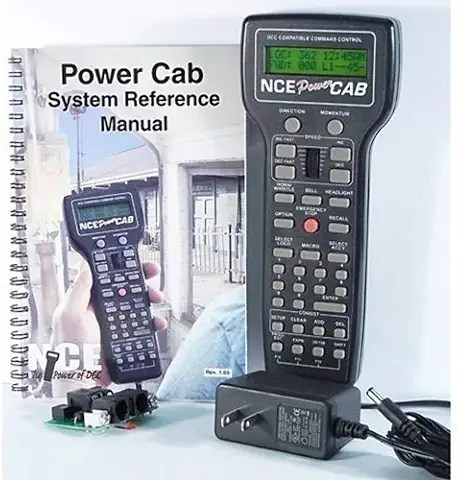
3. Digital Command Control (DCC) System

A DCC system allows you to control multiple trains independently on the same track, adding a layer of realism and excitement to your layout. For beginners, a user-friendly DCC starter set is ideal. Look for sets that include:

  • Command Station: The brain of the DCC system.
  • Power Supply: To provide the necessary power for your trains.
  • Handheld Throttle: For controlling the speed and direction of your trains.

Brands like Digitrax, NCE, and ESU offer reliable starter sets that are expandable as your layout grows.

4. Scenery Materials

Creating realistic scenery is one of the most enjoyable aspects of model railroading. Basic scenery materials can transform your layout from a simple track to a miniature world. Consider starting with:

  • Ground Foam: Available in various colors to simulate grass, dirt, and other ground covers.
  • Static Grass Applicator: For creating realistic grass effects.
  • Trees and Shrubs: Pre-made or kits that you can assemble and paint.
  • Scenic Cement: To glue down your scenery materials.

These materials will help you create a visually stunning layout that captures the imagination.

5. LED Lighting Kit

Proper lighting can make a significant difference in the appearance of your layout. LED lighting kits are energy-efficient and long-lasting. Look for kits that include:

  • Flexible LED Strips: For illuminating large areas.
  • Individual LEDs: For lighting buildings and specific scenes.
  • Power Supply and Connectors: To set up your lighting system.

LED lighting can simulate different times of day and add a dynamic element to your layout.

6. Rolling Stock and Locomotives

A variety of rolling stock and locomotives will keep your layout interesting and allow for different types of operations. When starting, consider:

  • Freight Cars: Boxcars, tank cars, and flatcars for hauling goods.
  • Passenger Cars: For simulating passenger services.
  • Locomotives: Both steam and diesel engines to add variety.

Look for high-quality models that run smoothly and are easy to maintain.

7. Buildings and Structures

Adding buildings and structures to your layout enhances realism and provides context for your trains. Start with a few key structures:

  • Railroad Station: A central hub for your layout.
  • Industrial Buildings: Factories, warehouses, and other facilities.
  • Residential Buildings: Houses and apartments to create a town or city scene.
  • Bridges and Tunnels: For added complexity and visual interest.

Kits are available in various scales and levels of detail, allowing you to choose what best fits your layout and skill level.

8. Coupler Height Gauge

Ensuring that your couplers are at the correct height is crucial for reliable operation. A coupler height gauge helps you check and adjust the couplers on your rolling stock. Brands like Kadee offer gauges for different scales, ensuring compatibility with your setup. Kadee

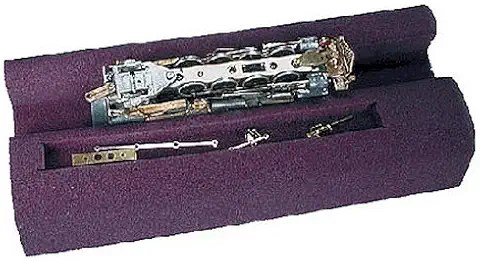
9. Foam Cradle

A foam cradle is a simple yet invaluable accessory for holding your locomotives and rolling stock securely while you work on them. It prevents damage to delicate parts and makes maintenance tasks easier.

10. Weathering Supplies

Weathering adds realism to your models by simulating the effects of age and use. Basic weathering supplies include:

  • Weathering Powders: In various colors to create dirt, rust, and grime effects.
  • Fine Brushes: For applying powders and paints.
  • Matte Clear Coat: To seal the weathering and protect the finish.

Weathering can be as simple or as detailed as you like, and it adds a unique touch to your models.

11. Essential Books and Guides

Having a few good books and guides on hand can provide valuable information and inspiration. Consider starting with:

  • “Starter Track Plans for Model Railroaders” by Kent J. Johnson: Offers a variety of track plans to suit different spaces and skill levels.
  • “Model Railroading: A Family Guide” by Bruce C. Greenberg: A comprehensive guide that covers all aspects of the hobby.
  • “The Complete Book of Model Railroading” by David Sutton: A classic reference book with detailed information on building and operating layouts.

These resources will help you learn the basics and provide ideas for expanding your layout.

Conclusion

Building a family-friendly model railroad setup is a rewarding and enjoyable hobby that can bring generations together. By equipping yourself with these must-have accessories, you’ll be well on your way to creating a layout that is both fun and realistic. Remember, the key to a successful model railroad is to start with the basics and gradually expand your collection as your skills and interests grow. Happy railroading!

Citations:
[1] https://toytooth.com/index.php?product_id=1617309&route=product%2Fproduct
[2] https://www.amazon.com/CityBuilder-Gauge-7mm-Railroad-Cardboard/dp/B00NXNWJEQ?psc=1&smid=AV83ANFWMW4VP
[3] https://www.etsy.com/listing/1194765654/scenic-model-railway-layout-made-to?gpla=1
[4] https://modelrailwaytechniques.com/benchworkstore/
[5] https://www.walthers.com/william-s-country-store-kit
[6] http://www.hobbylinc.com/bar-mills-potters-pub-kit-ho-scale-model-railroad-building-1440
[7] https://www.etsy.com/listing/1522850368/realistic-scenic-model-railway-layout?gpla=1
[8] https://www.walmart.com/ip/Starter-Track-Plans-for-Model-Railroaders-9780890248317/17131821?selectedSellerId=0&wmlspartner=wlpa
[9] https://www.trains.com/mrr/how-to/essential-tools-for-model-railroaders/
[10] https://www.youtube.com/watch?v=BkSPl7SSWbY
[11] https://www.amazon.com/Model-railroading-family-Bruce-Greenberg/dp/0135861497
[12] https://familygardentrains.com/primer/kids.htm
[13] https://forum.mrhmag.com/post/kids-and-model-railroading-12190242

Key factors to consider when designing a Model Railroad Track Plan.

When designing a model railroad track plan, there are several key factors that a family-friendly novice should consider. These factors will help ensure that the layout is not only visually appealing but also functional, engaging, and suitable for the available space. Here are the key factors to keep in mind.

An Introduction to track planning.

  1. Available Space
    The first and most crucial factor to consider is the available space for your model railroad layout. This will determine the overall size and complexity of your track plan. Measure the length, width, and height of the room or area where you plan to set up your layout. Consider whether you want a permanent layout or a temporary one that can be disassembled and stored when not in use. Also, think about accessibility for operation, maintenance, and viewing.
  2. Layout Theme
    Choosing a theme for your layout will guide the overall design, scenery, and atmosphere. Popular themes include prototypical railroads, specific eras (such as the steam or diesel era), industries (like logging or mining), or fictional settings. Your theme will influence the types of trains, structures, and scenery you incorporate into your layout.
  3. Scale and Gauge
    The scale and gauge of your model railroad will significantly impact the size and complexity of your layout. The most common scales are HO (1:87.1), N (1:160), and O (1:48). Consider factors such as available space, budget, and personal preferences when choosing your scale and gauge.
  4. Layout Type
    There are several types of model railroad layouts to choose from, each with its own advantages and challenges. Some popular options include:
  • Loop Layout: A simple layout with a continuous loop of track, ideal for beginners or limited spaces.
  • Point-to-Point Layout: Trains run from one end of the layout to the other, allowing for more complex operations.
  • Switching Layout: Focused on realistic switching operations, with multiple industries and sidings.
  • Modular Layout: Composed of individual modules that can be easily assembled and disassembled.

Consider your available space, desired level of complexity, and operational preferences when selecting the layout type.

  1. Operational Elements
    To add excitement and realism to your layout, consider incorporating various operational elements such as:
  • Yards and Sidings: Dedicated areas for switching operations, allowing trains to pick up and drop off cars.
  • Staging Tracks: Hidden tracks that allow trains to “disappear” and reappear, simulating longer routes.
  • Turnouts and Crossings: Switches that allow trains to change tracks or cross paths, adding complexity and interest.
  • Grades and Elevations: Incorporate hills, mountains, and bridges to create a more realistic and visually appealing layout.
  1. Scenery and Structures
    While the track plan is the backbone of your layout, scenery and structures are what bring it to life. Consider incorporating elements such as:
  • Terrain: Mountains, hills, valleys, rivers, and other natural features to create a realistic environment.
  • Buildings and Structures: Buildings, bridges, tunnels, and other structures to add depth and interest.
  • Vegetation: Trees, shrubs, and other vegetation to create a natural and visually appealing landscape.
  • Lighting and Animations: Lighting effects, animated scenes, and other special effects to enhance the overall experience.
  1. Accessibility and Maintenance
    When designing your track plan, consider accessibility for maintenance and operation. Avoid placing track sections or structures in areas that will be difficult to reach. Plan for easy access to all parts of the layout for cleaning, repairs, and adjustments.
  2. Prototypical Operations
    If you’re aiming for a prototypical layout, research the actual track plans and operations of the railroad or region you’re modeling. This will help ensure that your layout accurately represents the real-world operations and track configurations.
  3. Future Expansion
    While you may start with a modest layout, consider the possibility of future expansion. Design your track plan in a way that allows for easy addition of new sections or modules as your skills and interests grow.
  4. Seek Inspiration and Advice
    Don’t hesitate to seek inspiration and advice from experienced model railroaders, clubs, or online communities. They can provide valuable insights, tips, and recommendations based on their own experiences. Attending model railroad shows and exhibitions can also give you ideas and inspiration for your own layout.

Check this link for Model Railroad Accessories

Designing a model railroad track plan is a crucial step in creating a layout that will provide endless hours of enjoyment for you and your family. By considering factors such as available space, theme, scale, layout type, operational elements, scenery, structures, accessibility, prototypical operations, and future expansion, you can create a layout that is not only visually appealing but also functional and engaging. Remember, model railroading is a journey, and your layout will evolve and grow over time. Embrace the process, seek inspiration, and most importantly, have fun!

Citations:
[1] https://www.bouldercreekrailroad.com/articles/track-planning-for-a-modular-model-railroad
[2] https://www.building-your-model-railroad.com/train-layout-design.html
[3] https://modelrailwaytechniques.com/how-to-design-a-track-plan-for-your-model-railroad/
[4] https://www.building-your-model-railroad.com/model-train-layout.html
[5] https://www.trains.com/mrr/how-to/track-types-and-uses-a-beginners-guide/

Steam or Diesel Power

When it comes to modeling locomotives, one of the most important decisions you will make is whether to focus on steam or diesel power. Both types of locomotives have their own unique characteristics and offer different modeling challenges and opportunities. Here are some things to consider when deciding whether to model steam or diesel power:

Steam locomotives were the dominant type of locomotive until the 1950s, and they can provide a lot of nostalgia and historical interest to a layout. However, they are also more complex and require more maintenance than diesel locomotives. Additionally, many steam locomotives are larger in size, which can impact the layout design.

Steam Locomotives:

  • Historical significance: Steam locomotives were once the primary source of power for trains, and they played a significant role in shaping the history of rail transportation. Modeling steam locomotives can provide a sense of nostalgia and historical interest to your layout.
  • More complex: Steam locomotives are more complex than diesel locomotives, with many moving parts that require maintenance and care. Modeling steam locomotives can be more challenging and time-consuming than modeling diesel locomotives.
  • Visual appeal: Steam locomotives are often considered more visually appealing than diesel locomotives, with their distinctive shapes and billowing smoke.

STEAM ENGINES

Diesel locomotives became the dominant type of locomotive in the 1950s and continue to be used today. They are generally more reliable and easier to maintain than steam locomotives, and they offer a wide variety of models to choose from. However, some modelers may find them less visually interesting or less historically significant.

Diesel Locomotives:

  • Modern relevance: Diesel locomotives are the primary source of power for trains today, and modeling them can provide a more contemporary and modern feel to your layout.
  • Simpler design: Diesel locomotives have a simpler design than steam locomotives and are generally easier to maintain and operate.
  • Wide range of models: Diesel locomotives come in a wide variety of models and designs, making them an attractive option for modelers who enjoy collecting and modeling different types of locomotives.

DIESEL LOCOMOTIVES

Ultimately, the decision to model steam or diesel locomotives comes down to personal preference and the era or location you want to model. Both types of locomotives can provide a unique and rewarding modeling experience, and many modelers choose to incorporate both types into their layouts for added variety.

Regardless of your choice, it’s important to research and choose locomotives and rolling stock that are appropriate for the era and location you’re modeling. This will ensure that your layout is historically accurate and visually appealing.