The Perfect Wine Pairings for Football Snacks

Here’s a guide on the best wines to pair with popular football snacks, using insights from various sources.

Football season is synonymous with delicious snacks, and while beer has traditionally been the beverage of choice, wine can elevate your game day experience. Here’s how to pair some classic football snacks with the perfect wines.

1. Buffalo Wings

Best Wine Pairings:
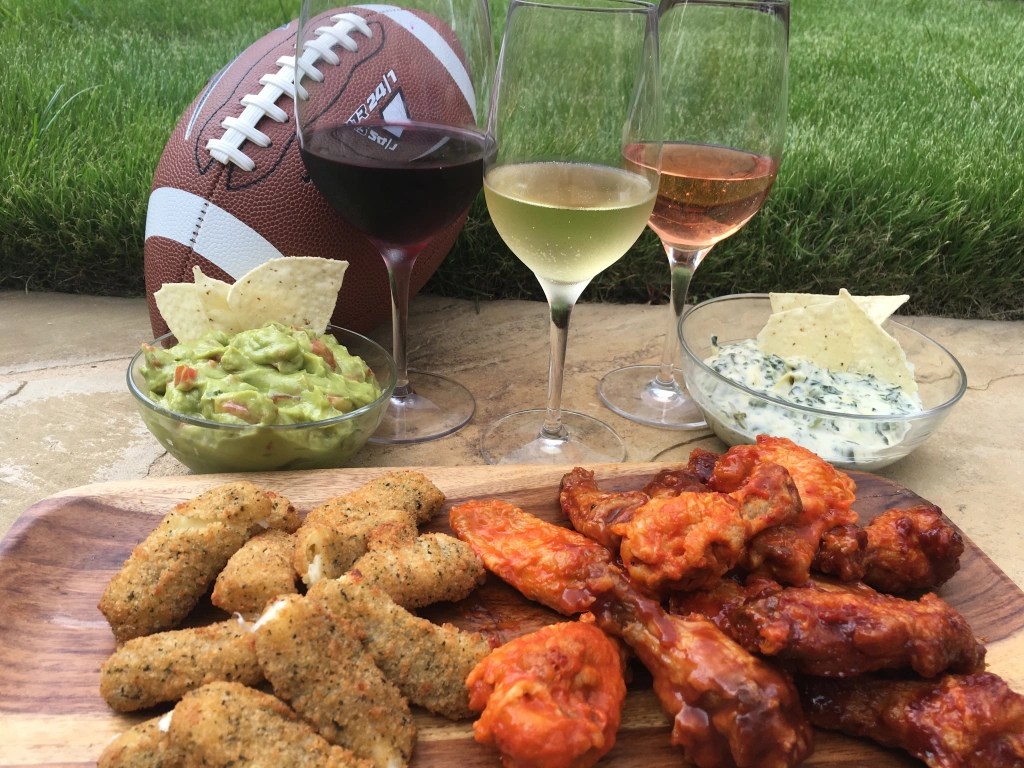
  • Riesling: A light and slightly sweet Riesling can balance the heat of buffalo wings. Its fruity notes and acidity refresh the palate, making it a great match for spicy flavors. A recommended choice is the 2019 Von Hövel Saar Riesling Kabinett, which offers aromas of pink grapefruit and a lime zest finish[2].
  • Zinfandel: This bold red wine features jammy fruit flavors that complement the tangy sauce of buffalo wings. Its peppery notes enhance the overall experience[4].
  • Prosecco: The effervescence of Prosecco cleanses the palate between bites, making it an excellent choice for classic buffalo wings. Look for options like Bisol Prosecco DOC “Jeio”[3].

2. Nachos

Best Wine Pairings:

  • Beaujolais: A light and fruity Beaujolais is perfect for nachos loaded with cheese, jalapeños, and guacamole. Its acidity cuts through the richness of the cheese while enhancing the flavors of the toppings[3].
  • Sauvignon Blanc: This white wine’s zesty acidity complements the flavors of nachos, especially when paired with salsa or guacamole.

3. Pizza

Best Wine Pairings:

  • Rosso di Montalcino: This Sangiovese-based wine pairs beautifully with pizza, enhancing its tomato sauce and cheese flavors. A good choice would be Lisini Rosso di Montalcino from the 2016 vintage[3].
  • Chianti: Another Sangiovese option, Chianti’s bright acidity and cherry notes work well with various pizza toppings.

4. Cheese Balls

Best Wine Pairings:

  • Pinot Noir: A California Pinot Noir complements the creamy texture of cheese balls perfectly. Its light body and fruit-forward profile enhance cheesy appetizers without overpowering them[2].
  • Pinot Blanc: For those preferring white wine, Pinot Blanc offers a crisp alternative that pairs well with cheese-based snacks.

5. Spinach Artichoke Dip

Best Wine Pairings:

  • Aligoté: This lesser-known white wine has floral notes and a refreshing acidity that pairs wonderfully with spinach artichoke dip. The 2019 Buisson-Charles Aligoté Sous le Chemin is a great option[2].
  • Chardonnay: A buttery Chardonnay can also complement this rich dip, providing a nice contrast to its creaminess.

6. Pigs in a Blanket

Best Wine Pairings:

  • Red Blend: A bold red blend can stand up to the savory flavors of pigs in a blanket. Look for one that offers earthy and fruity notes to enhance this classic snack[2].
  • Zinfandel or Merlot: Both wines have enough body to complement this dish while adding a layer of complexity.

7. Sliders

Best Wine Pairings:

  • Malbec or Syrah: These full-bodied reds pair excellently with sliders, especially beef or BBQ varieties. Their rich fruit flavors and tannins complement grilled meats well[1].
  • Chardonnay: For chicken or turkey sliders, a medium-bodied Chardonnay can provide a nice balance.

Tips for Successful Pairing

  1. Consider Spice Levels: When choosing wines for spicy snacks like buffalo wings or jalapeño poppers, opt for wines with higher acidity or slight sweetness to balance out the heat.
  2. Serve at Proper Temperatures: Whites should be chilled (45-50°F), while reds are best served slightly cooler than room temperature (60-65°F).
  3. Experiment and Enjoy: Encourage guests to try different pairings and share their favorites; this adds an interactive element to your gathering.

Conclusion

Pairing wine with football snacks is an excellent way to enhance your game day experience. From spicy buffalo wings to cheesy nachos, there’s a perfect wine for every snack. By considering flavor profiles and personal preferences, you can create an enjoyable atmosphere that elevates your football viewing party beyond traditional beer offerings. So grab your favorite wines, prepare those snacks, and enjoy the game!

Citations:
[1] https://drinkboxt.com/blogs/unboxt-blog/your-ultimate-football-and-wine-pairing-guide
[2] https://www.coravin.com/blogs/community/super-bowl-snack-wine-pairings
[3] https://flatiron-wines.com/blogs/the-latest/kickass-2020-super-bowl-pairings-1
[4] https://cambridgewinesnj.com/blogs/news/the-perfect-match-football-and-wine-pairings-for-buffalo-wings
[5] https://www.wine4food.com/food/wine-chicken-wings/
[6] https://www.brightcellars.com/blogs/learn/wine-wings-a-pairing-guide
[7] https://www.thewinecellargroup.com/scoring-a-touchdown-with-your-wine-and-football-pairings/
[8] https://www.1winedude.com/wine-for-football-tailgaiting/

Night Sky for October 2024: A Family-Friendly Guide

October 2024 offers a wealth of celestial wonders for families to explore together. This guide will help you navigate the night sky, providing instructions for aligning manual telescopes and using binoculars to observe each event. Remember, patience and practice are key when stargazing with manual equipment.

Preparing for Your Stargazing Adventures:

  1. Choose a dark location away from city lights.
  2. Allow your eyes to adjust to the darkness for about 30 minutes.
  3. Use red light to preserve night vision when reading charts or adjusting equipment.
  4. Dress warmly, as October nights can be chilly.
  5. Bring star charts, a compass, and a planisphere to help locate objects.

Now, let’s explore the celestial highlights for October 2024:

  1. New Moon – October 2

While there’s no Moon to observe, this is an excellent night for deep-sky objects.

Manual Telescope: Use star charts to locate objects like the Andromeda Galaxy (M31) or the Pleiades (M45). For M31, find the constellation Andromeda and slowly sweep the area with your lowest power eyepiece until you spot a faint, fuzzy patch.

Binoculars: The Pleiades are easily visible in binoculars. Look for a small, tight cluster of stars in the constellation Taurus.

  1. Draconid Meteor Shower – Peak on October 8-9

This shower is best observed in the early evening hours.

Manual Telescope/Binoculars: Meteor showers are best viewed with the naked eye. Find a comfortable position looking towards the constellation Draco. Use binoculars to examine any persistent trails left by bright meteors.

  1. Mars near Regulus – October 12

Look for this pairing in the predawn sky.

Manual Telescope: First, locate the bright star Regulus in Leo. Then, look for the reddish “star” nearby, which will be Mars. Use your lowest power eyepiece to fit both objects in the same field of view.

Binoculars: This pairing should be easily visible in binoculars. The color contrast between blue-white Regulus and reddish Mars will be striking.

  1. Full Moon (Hunter’s Moon) – October 17

The full Moon is easy to spot with the naked eye.

Manual Telescope: Use your lowest power eyepiece to observe the Moon’s features. Focus on the terminator (the line between light and dark) for the best views of craters and mountains.

Binoculars: Even low-power binoculars will reveal major lunar features like the dark maria (seas) and larger craters.

  1. Orionid Meteor Shower – Peak on October 21-22

This shower is best observed after midnight.

Manual Telescope/Binoculars: Like the Draconids, this shower is best viewed with the naked eye. Look towards the constellation Orion. Use binoculars to examine any persistent trails left by bright meteors.

  1. Venus at Greatest Western Elongation – October 23

Look for Venus in the eastern sky before sunrise.

Manual Telescope: Locate Venus, which will be the brightest “star” in the morning sky. Use medium to high magnification to observe its phase, which should appear as a half-lit disk.

Binoculars: Venus will be easily visible as a bright point of light. While you won’t see its phase, you may notice its non-twinkling appearance compared to stars.

  1. Mercury at Greatest Western Elongation – October 31

Look for Mercury low in the eastern sky just before sunrise.

Manual Telescope: This can be challenging due to Mercury’s low altitude. Use your finder scope or lowest power eyepiece to sweep the area just above the eastern horizon. Once found, increase magnification to see its tiny disk.

Binoculars: Mercury will appear as a bright “star” near the horizon. Binoculars can help you spot it in the brightening dawn sky.

General Tips for Manual Telescope Alignment:

  1. Polar Alignment (for equatorial mounts):
  • Set your latitude on the mount.
  • Point the polar axis towards Polaris (the North Star).
  • Use the azimuth and altitude adjustments on your mount to center Polaris in your polar finder scope or main telescope.
  1. Two-Star Alignment (for alt-azimuth mounts):
  • Level your tripod.
  • Point your telescope at a bright star or planet.
  • Center the object in your finderscope, then in your eyepiece.
  • Repeat with a second bright star in a different part of the sky.
  1. Star Hopping:
  • Start from a bright, easily identifiable star near your target.
  • Use star charts to identify patterns of stars that lead to your target.
  • Move your telescope along this path, matching what you see in the eyepiece to the chart.

Tips for Using Binoculars:

Check here for Binoculars

  1. Choose binoculars with magnification between 7x and 10x for astronomical viewing.
  2. Use a tripod or lean against a stable object to minimize shake.
  3. Focus on one eye at a time for the sharpest view.
  4. Scan the sky slowly, giving your eyes time to detect faint objects.

Constellation Highlights for October:

  1. Pegasus: Look for the Great Square of Pegasus high in the eastern sky.
    Manual Telescope/Binoculars: Use the Square as a starting point to star-hop to other objects.
  2. Cassiopeia: This W-shaped constellation is high in the northeast.
    Manual Telescope/Binoculars: Scan the rich star fields in this area of the Milky Way.
  3. Andromeda: Adjacent to Pegasus, this constellation hosts the Andromeda Galaxy.
    Manual Telescope/Binoculars: Use the constellation to locate M31, the Andromeda Galaxy.
  4. Cygnus: The Northern Cross flies high overhead.
    Manual Telescope/Binoculars: Explore the rich star fields along the Milky Way in this constellation.

Additional Activities for Families:

  1. Moon Observation Challenge: Throughout the month, observe how the Moon’s appearance changes. Use a manual telescope or binoculars to sketch what you see each night.
  2. Planet Watch: Jupiter and Saturn are visible in the evening sky. Use your manual telescope to observe Jupiter’s moons and Saturn’s rings.
  3. Deep Sky Object Hunt: Use star charts to locate and observe different types of objects like star clusters, nebulae, and galaxies.
  4. Constellation Storytelling: Learn the myths associated with the constellations and share these stories while stargazing.
  5. Astrophotography: Try capturing the Moon or bright planets with a smartphone adapter for your telescope or binoculars.

Remember, the key to successful stargazing is patience and persistence. Don’t get discouraged if you can’t immediately find or identify everything. Each night under the stars is an opportunity to learn and improve your observing skills.

Check here for astronomy equipment

October 2024 offers a diverse array of celestial events for families to enjoy together. From meteor showers to planetary alignments, and from the full Moon to deep sky objects, there’s something for everyone to discover in the night sky this month.

As you explore the wonders of the cosmos, take time to appreciate the vastness of the universe and our place within it. Stargazing not only offers a chance to learn about astronomy but also provides a unique opportunity for family bonding and creating lasting memories.

So grab your manual telescope or binoculars, bundle up, and head outside to experience the magic of the October night sky. Who knows? You might just inspire the next generation of astronomers, astrophysicists, or space explorers. Happy stargazing!

Citations:
[1] https://www.youtube.com/watch?v=_VSgnRoOgoQ
[2] https://www.youtube.com/watch?v=plx6XXDgf2E
[3] https://www.cloudynights.com/topic/870454-align-using-manual-align/
[4] https://www.amazon.com/Celestron-NexStar-6-SE-Telescope/dp/B000GUKTDM
[5] https://www.highpointscientific.com/astronomy-hub/post/how-tos/how-to-polar-align-during-the-day
[6] https://www.astro-baby.com/astrobaby/help/simple-polar-alignment/
[7] https://www.youtube.com/watch?v=1umvV3XKtCs
[8] https://www.skyatnightmagazine.com/advice/how-to-master-setting-circles

Adding Excitement to Your Model Railroad Layout: A Comprehensive Guide for Novices

As an expert in model railroading, I’m thrilled to share with you the secrets of bringing your layout to life. Creating an exciting model railroad isn’t just about the trains; it’s about crafting a miniature world that tells a story. In this guide, we’ll explore how to use structures, figures, vehicles, and scenery to transform your layout from a simple track to a captivating diorama that will enchant both young and old alike.

  1. Structures: The Backbone of Your Miniature World
Structures for the era

Structures form the foundation of your model railroad’s landscape. They provide context, scale, and purpose to your trains’ journeys. Here’s how to make the most of them:

a) Choose a Theme:
Decide on the era and location you want to model. Are you recreating a bustling 1950s town or a modern industrial area? Your choice will guide your structure selection.

b) Mix Residential and Commercial:
Include a variety of buildings. A mix of houses, shops, factories, and public buildings like schools or churches adds realism and interest.

c) Consider Scale and Placement:
Ensure your structures are in the correct scale for your layout. Place them logically – houses in residential areas, shops on main streets, and factories on the outskirts.

d) Add Interior Details:
For buildings close to the front of your layout, consider adding interior details. Tiny furniture, wallpaper, and lighting can be seen through windows, adding depth to your scene.

e) Weather Your Buildings:
Brand new buildings can look out of place. Use weathering techniques like dry brushing or washes to add age and character to your structures.

  1. Figures: Bringing Your Layout to Life

Human figures are crucial in creating a sense of life and activity in your model world. Here’s how to use them effectively:

a) Choose the Right Scale:
Ensure your figures match the scale of your layout. Mismatched scales can ruin the illusion of realism.

b) Create Vignettes:
Group figures to create small scenes. A family picnicking, workers at a construction site, or passengers waiting at a station all tell stories within your larger narrative.

c) Consider Poses and Activities:
Use a variety of poses to add dynamism. Include people walking, sitting, working, and interacting with each other and their environment.

d) Don’t Overcrowd:
While figures add life, too many can make your layout look cluttered. Use them sparingly for the best effect.

e) Paint and Customize:
Many figures come unpainted. Painting them can greatly enhance their realism. You can even customize figures to represent specific characters or professions.

  1. Vehicles: Adding Movement and Era-Specific Detail

Vehicles are not just static elements; they suggest movement and activity, even when stationary. Here’s how to incorporate them:

a) Match Your Era:
Ensure your vehicles match the time period of your layout. A 1950s diner wouldn’t have modern cars parked outside.

b) Create Traffic Scenes:
Arrange vehicles on roads to create the illusion of traffic. Include parked cars in appropriate areas like driveways and parking lots.

qa

c) Include Variety:
Don’t limit yourself to just cars. Include trucks, buses, motorcycles, and even bicycles for added interest.

d) Consider Special Vehicles:
Emergency vehicles, delivery trucks, or construction equipment can add storytelling elements to your layout.

e) Weathering and Detailing:
Like buildings, vehicles benefit from weathering. Add dirt, rust, or road grime for a more realistic appearance.

  1. Scenery: The Glue That Ties It All Together

Scenery is what transforms a collection of models into a cohesive miniature world. Here’s how to create compelling scenery:

a) Start with the Basics:
Begin with a base layer of ground cover. This could be grass, dirt, or even urban concrete, depending on your setting.

Check out my articles on Scenery

b) Add Texture and Variety:
Use different colors and textures of ground cover to create natural-looking variations. Mix green shades for grass, or different earth tones for soil and rocks.

c) Include Water Features:
Rivers, lakes, or even puddles add realism and interest. Use clear resin or specialized water effect products for realistic results.

Fishermen and the Family fishing

d) Plant Trees and Vegetation:
Trees, shrubs, and flowers add color and vertical interest. You can buy pre-made trees or create your own for a custom look.

e) Create Elevation:
A flat layout can be boring. Use foam or plaster to create hills, valleys, and other terrain features.

f) Add Rocks and Geological Features:
Incorporate rock formations, cliffs, or boulders. These can be made from foam, plaster, or real rocks.

Rocks and features

g) Don’t Forget the Sky:
A painted backdrop or photographic sky scene can dramatically enhance the realism of your layout.

  1. Bringing It All Together: Creating Cohesive Scenes

Now that we’ve covered the individual elements, let’s discuss how to combine them effectively:

a) Tell a Story:
Use your structures, figures, vehicles, and scenery to create narratives within your layout. A busy Main Street, a quiet rural farm, or an active industrial area each tell different stories.

The Coal mine

b) Create Focal Points:
Design areas of particular interest that draw the eye. This could be a detailed train station, a town square, or a dramatic natural feature.

c) Balance Detail and Space:
While details are important, don’t overcrowd your layout. Leave some open spaces to allow the eye to rest and to make your detailed areas stand out more.

d) Consider Viewing Angles:
Think about how your layout will be viewed. Ensure that interesting scenes are visible from various angles.

e) Use Lighting Effectively:
Lighting can dramatically enhance your layout. Consider adding lights to buildings, street lamps, and even tiny LEDs in vehicles.

f) Create Depth:
Use forced perspective techniques to create the illusion of distance. Smaller, less detailed elements in the background can make your layout seem larger than it is.

  1. Practical Tips for Implementation

Here are some practical tips to help you as you add these exciting elements to your layout:

a) Plan Ahead:
Sketch out your ideas before you start placing elements. This can help you avoid overcrowding or awkward placements.

b) Work in Sections:
Don’t try to detail your entire layout at once. Work on one area at a time to avoid feeling overwhelmed.

c) Use Reference Photos:
Look at real-world photos of the type of scene you’re trying to create. This can give you ideas for realistic details to include.

d) Experiment with Techniques:
Don’t be afraid to try different techniques for creating scenery or weathering. Practice on spare pieces before applying techniques to your main layout.

e) Join a Club or Online Community:
Connecting with other model railroaders can provide inspiration, tips, and support as you work on your layout.

f) Be Patient:
Creating a detailed, exciting layout takes time. Don’t rush the process – enjoy the journey of bringing your miniature world to life.

Conclusion:

Adding excitement to your model railroad layout through structures, figures, vehicles, and scenery is a rewarding process that transforms a simple train set into a captivating miniature world. By carefully selecting and placing these elements, you create a rich, immersive environment that tells a story and brings your trains to life.

Remember, there’s no single “right” way to design your layout. Let your imagination guide you, and don’t be afraid to experiment with different ideas and techniques. The most important thing is to enjoy the process of creation.

As you work on your layout, you’ll find that it becomes more than just a hobby – it’s a form of artistic expression, a way to explore history and geography, and a source of endless fascination. So dive in, get creative, and watch as your model railroad transforms into an exciting miniature world of your own making. Happy modeling!

For Model Railroad Supplies check amazon.com

Tips for the Backyard Astronomer: Exploring the September Night Sky

As the warmth of summer gives way to the crispness of autumn, September offers a spectacular array of celestial events for backyard astronomers to explore. Whether you’re a novice stargazer or an experienced observer, the night sky in September 2024 provides a perfect opportunity for families to bond over the wonders of the universe. This guide will help you navigate the September night sky, offering tips and insights for a memorable stargazing experience.

Preparing for Your Stargazing Adventure

Before you head out to explore the night sky, it’s essential to prepare adequately:

  1. Choose a Dark Location: Find a spot away from city lights for the best viewing experience. A local park, rural area, or even your backyard can work well if it’s sufficiently dark.
  2. Allow Your Eyes to Adjust: Give your eyes about 20-30 minutes to adapt to the darkness. This will significantly improve your ability to see fainter celestial objects.
  3. Bring the Right Equipment: While many objects can be seen with the naked eye, a pair of binoculars can greatly enhance your viewing experience. A star chart or a smartphone app can also be helpful for identifying celestial objects.
  4. Dress Appropriately: September nights can be cool, so bring warm clothes and blankets for comfort during extended viewing sessions.
  5. Pack Snacks and Drinks: Stargazing can be a lengthy activity, so bring some treats to keep energy levels up.

Celestial Highlights for September 2024

New Moon – September 2

The month begins with a New Moon on September 2 at 9:56 p.m. EDT. This is an excellent time for stargazing as the sky will be at its darkest, allowing for optimal viewing of faint stars and deep-sky objects. Take advantage of the dark skies to explore constellations and other celestial wonders.

Saturn at Opposition – September 8

Saturn reaches opposition on September 8, meaning it’s directly opposite the Sun in our sky. This is the best time to observe the ringed planet as it’s at its closest and brightest. Look for Saturn low in the east-southeast after sunset. With a small telescope, you should be able to see Saturn’s iconic rings and possibly some of its larger moons.

Partial Lunar Eclipse – September 18

On the night of September 18, a partial lunar eclipse will occur. This event is when the Moon passes through a section of the Earth’s shadow. The eclipse will be visible from Europe, Africa, Asia, and parts of Australia. For those in North America, the Harvest Moon will still be a beautiful sight to behold.

Autumn Equinox – September 22

The Autumn Equinox occurs on September 22, marking the official start of fall in the Northern Hemisphere. On this day, the Sun crosses the celestial equator, and day and night are of approximately equal length. It’s a great time to reflect on the changing seasons and the celestial mechanics that govern our planet.

Moon and Pleiades – September 22

In the early morning hours of the equinox, look for the waning gibbous Moon as it approaches the Pleiades star cluster. This pairing will be visible in the eastern sky before dawn and offers a beautiful sight for early risers.

Constellations to Observe

September offers a great opportunity to spot several prominent constellations:

  1. Cassiopeia: Look for this distinctive W-shaped constellation in the northeastern sky. It’s a great starting point for exploring the night sky.
  2. Pegasus: The Great Square of Pegasus becomes prominent in the eastern sky during September evenings. It’s an excellent marker for finding other constellations.
  3. Cygnus: Also known as the Northern Cross, this constellation is high overhead in the early evening. Its bright star Deneb is part of the Summer Triangle.
  4. Ursa Major: The Big Dipper, part of Ursa Major, is visible year-round in the northern sky. Use it to find Polaris, the North Star.

Deep Sky Objects for Binocular Viewing

For families with binoculars, September offers some fantastic deep-sky objects to observe:

  1. Andromeda Galaxy (M31): On a clear, dark night, look for a faint, fuzzy patch in the constellation Andromeda. This is our nearest large galactic neighbor.
  2. Double Cluster in Perseus: This pair of open star clusters is a beautiful sight through binoculars. Look for them between the constellations Perseus and Cassiopeia.
  3. Pleiades (M45): Also known as the Seven Sisters, this open star cluster is visible to the naked eye but truly shines through binoculars.

Fun Activities for Family Stargazing

  1. Constellation Story Time: Many constellations have fascinating myths associated with them. Research these stories beforehand and share them as you identify the constellations in the sky.
  2. Moon Observation: If the Moon is visible, observe its phases and prominent features like craters and “seas” (large, dark plains).
  3. Meteor Watch: While September doesn’t host any major meteor showers, you can still spot the occasional “shooting star” on any clear night.
  4. Planet Hunt: Challenge your family to spot the visible planets. Venus, Saturn, and Jupiter should all be visible at various times throughout the month.
  5. Astrophotography: Try capturing the night sky with your smartphone or camera. The Moon and bright planets can make great subjects for beginner astrophotographers.

Tips for a Successful Stargazing Experience

  1. Be Patient: Stargazing requires patience. Take your time, let your eyes adjust, and don’t rush from object to object. The joy of stargazing often comes from the peaceful contemplation of the cosmos and the shared experience with loved ones.
  2. Use Red Light: If you need light to read star charts or move around, use a red flashlight to preserve your night vision.
  3. Get Comfortable: Bring comfortable seating like reclining chairs or blankets to make your stargazing session more enjoyable.
  4. Engage the Kids: Make stargazing fun for children by turning it into a game. Have them count stars in a constellation or be the first to spot a planet.
  5. Learn Together: Don’t worry if you can’t identify everything you see. Use this as an opportunity to learn together as a family.

Conclusion

September 2024 offers a wealth of celestial wonders for families to explore together. From the partial lunar eclipse of the Harvest Moon to the autumnal equinox, and from bright planets to deep-sky objects, there’s something for everyone to enjoy in the night sky this month.

Remember, the key to a successful family stargazing experience is to make it fun and engaging for all ages. Don’t focus too much on identifying every single star or constellation. Instead, use this time to bond with your family, share stories, and marvel at the wonders of the universe together.

As you gaze up at the September night sky, you’re not just looking at distant stars and planets—you’re looking back in time, seeing light that has traveled across vast distances of space to reach your eyes. It’s a humbling and awe-inspiring experience that can spark curiosity and wonder in both children and adults alike.

So this September, take some time to step outside with your family, look up, and explore the magnificent tapestry of the night sky. Who knows? You might just inspire the next generation of astronomers, astrophysicists, or space explorers. Happy stargazing!

Citations:
[1] https://pennypost.org.uk/2024/08/astronomy-guide-to-the-night-sky-september-2024/
[2] https://www.farmersalmanac.com/september-night-sky-guide-september-2024
[3] https://www.rmg.co.uk/stories/blog/astronomy/night-sky-highlights-september-2024
[4] https://earthsky.org/astronomy-essentials/visible-planets-tonight-mars-jupiter-venus-saturn-mercury/
[5] https://www.youtube.com/watch?v=FXnUIdQm85s
[6] https://getthekidsoutside.com/celestial-events-in-2024/
[7] https://www.adlerplanetarium.org/blog/what-to-see-stargazing-tips-september-24/
[8] https://science.nasa.gov/solar-system/skywatching/whats-up-august-2024-skywatching-tips-from-nasa/

The Ultimate Guide to Wine, Wings, and Football: A Novice’s Playbook

As football season kicks into high gear, it’s time to elevate your game day experience beyond the traditional beer and wings combo. This guide will introduce you to the exciting world of pairing wine with classic football fare, focusing on everyone’s favorite game day staple: chicken wings. Whether you’re hosting a watch party or heading to a tailgate, these wine and wing pairings will score big with your fellow fans.

Why Wine for Football?

While beer has long been the go-to beverage for football gatherings, wine offers a sophisticated alternative that can enhance your culinary experience. Wine can complement the flavors of your favorite game day snacks, cut through richness, and provide a refreshing counterpoint to spicy dishes. Plus, it’s a great way to avoid the dreaded beer bloat during those marathon viewing sessions.

Setting Up Your Wine Lineup

Before we dive into specific pairings, let’s cover some basics for serving wine at your football gathering:

  1. Temperature: Serve white wines chilled (45-50°F) and red wines slightly cool (60-65°F).
  2. Glassware: While fancy stemware isn’t necessary, having decent all-purpose wine glasses will enhance the experience.
  3. Variety: Offer a selection of wines to cater to different tastes and pair with various snacks.
  4. Quantity: Plan for about half a bottle per person for a typical game.

Wine and Wing Pairings: The Starting Lineup

Let’s break down some winning combinations for popular wing flavors:

1. Buffalo Wings & Riesling

Buffalo wings, with their spicy, tangy kick, pair beautifully with a slightly sweet Riesling. The wine’s fruity notes and touch of sweetness help tame the heat, while its high acidity refreshes the palate[2]. A German Riesling like the 2019 Von Hövel Saar Riesling Kabinett offers aromas of pink grapefruit and cherry with a lime zest finish that complements the hot elements of buffalo sauce perfectly[2].

2. BBQ Wings & Zinfandel

For sweet and smoky BBQ wings, reach for a bold, fruity red like Zinfandel. The wine’s jammy fruit flavors and hint of spice stand up well to the rich BBQ sauce. A California Zinfandel would be an excellent choice to match the bold American flavors of BBQ wings.

3. Garlic Parmesan Wings & Prosecco

The savory, cheesy flavors of garlic parmesan wings call for a crisp, bubbly wine to cleanse the palate. A dry Prosecco, like Collalto Colegliano Valdobbiadene Prosecco Superiore DOCG Brut, with its refreshing citrus and floral notes, pairs wonderfully with these rich wings[1].

4. Honey Garlic Wings & Chardonnay

For the sweet and savory profile of honey garlic wings, opt for a medium-bodied Chardonnay. Look for one with notes of honey, pear, and a touch of oak to complement the wings’ flavors. The Crossbow Russian River Valley Chardonnay, with its flavors of white peach, lemon curd, and honeycomb, would make an excellent pairing[1].

5. Teriyaki Wings & Gewürztraminer

The sweet and savory flavors of teriyaki wings pair beautifully with an aromatic white wine like Gewürztraminer. The Zinck Portrait Collection Gewürztraminer, with its distinct flavors of mandarin, lychee, and peach, can match the exotic flavors of the teriyaki glaze[1].

Beyond Wings: Pairing Wine with Other Game Day Favorites

While wings are a staple, a well-rounded game day spread includes other snacks. Here are some pairings to consider:

  1. Potato Skins & Tempranillo: The rich, savory flavors of loaded potato skins pair well with a medium-bodied red like Tempranillo. Try the 2018 Artadi Valdegines Rioja Tempranillo, which offers fig and oak notes that stand up to fully-loaded potato skins[2].
  2. Cheese Ball & Pinot Noir: A classic cheese ball appetizer pairs wonderfully with a light-bodied red like Pinot Noir. The 2019 Bien Nacido Estate Pinot Noir would complement the creamy, savory flavors of the cheese[2].
  3. Spinach Artichoke Dip & Aligoté: This creamy, tangy dip pairs well with a crisp white wine. Try the 2019 Buisson-Charles Aligote Sous le Chemin, which offers apple, honeycomb, and floral notes[2].
  4. Pizza & Sangiovese: For the ultimate game day comfort food, pair your pizza with a medium-bodied Italian red like Sangiovese. Its acidity cuts through the cheese and complements the tomato sauce perfectly.

Tips for a Successful Wine and Football Experience

  1. Pace Yourself: Wine typically has a higher alcohol content than beer. Enjoy responsibly and stay hydrated throughout the game.
  2. Provide Non-Alcoholic Options: Offer water, soda, or non-alcoholic wine for designated drivers and non-drinkers.
  3. Use Proper Glassware: While not essential, using the right glasses can enhance the wine-drinking experience. Stemless glasses are great for casual settings.
  4. Serve at the Right Temperature: Chill whites and rosés, and give reds a slight chill for optimal enjoyment.
  5. Have Fun with It: Don’t stress too much about perfect pairings. Encourage guests to try different combinations and share their favorites.

The Extra Point: Creating a Wine Tasting Experience

To add an extra layer of fun to your game day gathering, consider setting up a mini wine tasting alongside your food spread. Here’s how:

  1. Select 3-4 Wines: Choose a variety of styles that pair well with your menu.
  2. Provide Tasting Notes: Write brief descriptions of each wine for your guests.
  3. Offer Small Pours: Use 2-3 oz pours to allow guests to try multiple wines without overindulging.
  4. Encourage Discussion: Have fun comparing notes on which wines pair best with different foods.

Conclusion: Winning with Wine

Pairing wine with wings and other football snacks might seem unconventional, but it’s a great way to elevate your game day experience. By offering a selection of wines that complement classic football fare, you’ll create a more sophisticated and enjoyable atmosphere for your guests. Remember, the key is to have fun and experiment with different combinations.

As you become more comfortable with wine pairings, you’ll discover your own favorite combinations. Who knows? You might even convert some die-hard beer drinkers to the wonderful world of wine and football. So this season, trade in the six-pack for some bottles of vino, and get ready to score big with your fellow fans. Cheers to a season of great games, delicious food, and perfect pairings!

Citations:
[1] https://www.abcfws.com/wine-and-wing-pairings
[2] https://www.coravin.com/blogs/community/super-bowl-snack-wine-pairings
[3] https://www.wine4food.com/food/wine-chicken-wings/
[4] https://argaux.com/just-a-splash/best-wine-for-football-games-and-tailgates/
[5] https://www.brightcellars.com/blogs/learn/wine-wings-a-pairing-guide
[6] https://www.1winedude.com/wine-for-football-tailgaiting/
[7] https://drinkboxt.com/blogs/unboxt-blog/your-ultimate-football-and-wine-pairing-guide
[8] https://cambridgewinesnj.com/blogs/news/the-perfect-match-football-and-wine-pairings-for-buffalo-wings

Creating a Fun Stargazing Routine for Your Family

Stargazing is a wonderful way to connect with the universe and each other. It offers a chance to step away from the hustle and bustle of daily life and immerse yourself in the beauty of the night sky. Whether you’re a novice or an experienced stargazer, creating a fun stargazing routine for your family can be both educational and entertaining. This guide will provide you with tips and activities to make stargazing a memorable family tradition.

Preparing for Your Stargazing Adventure

Choose the Right Location

The first step in creating a successful stargazing routine is choosing the right location. Ideally, you want a spot with minimal light pollution to get the best view of the stars. Your backyard can be a great starting point, but for an even better experience, consider visiting a local park or a rural area. If possible, plan a trip to a national park or a designated dark-sky area for an unforgettable stargazing experience.

Timing is Everything

Timing plays a crucial role in stargazing. The best time to observe the night sky is during the new moon phase when the sky is darkest. Additionally, allow your eyes about 20-30 minutes to adjust to the darkness for optimal viewing. Be sure to check the weather forecast to ensure clear skies on your chosen night.

Gather Your Equipment

While you don’t need fancy equipment to enjoy stargazing, a few tools can enhance the experience:

  • Binoculars or Telescope: These can help you see more details, such as the craters on the Moon or the rings of Saturn.
  • Star Map or Planisphere: Useful for identifying stars and constellations.
  • Red Flashlight: Preserves night vision while allowing you to read star maps.
  • Snacks and Drinks: Keep everyone hydrated and energized.
  • Bug Spray: To protect against insect bites.

Stargazing Equipment

Creating a Fun and Educational Experience

Start with the Basics

Begin your stargazing routine by focusing on easy-to-spot objects like the Moon and bright planets. The Moon, with its many craters and phases, is a great starting point for family observing. Venus, often visible just after sunset, is another bright object that’s easy to spot.

Learn the Constellations

Introduce your family to the constellations by starting with recognizable patterns like the Big Dipper and Orion the Hunter. Use a constellation guide or a stargazing app to help identify these celestial patterns. As you become more familiar with the night sky, challenge your family to find new constellations each time you stargaze.

Learn the Stars and Constellations

Use Interactive Tools

Stargazing apps such as SkyView or Star Walk can add an interactive component to your experience. These apps allow you to point your phone at the sky and identify stars, planets, and satellites. They also provide information about celestial events and the mythology behind constellations.

Engage with Stories and Myths

Make stargazing more engaging by sharing stories and myths about the stars and constellations. Many cultures have fascinating tales associated with the night sky, and sharing these stories can spark your family’s imagination and curiosity.

Plan Themed Nights

To keep stargazing exciting, plan themed nights around specific celestial events or topics. For example, you could have a “Moon Night” where you focus on observing the Moon’s features, or a “Planet Night” dedicated to spotting visible planets. You could also plan a “Meteor Shower Night” during events like the Perseid meteor shower.

Fun Activities for Family Stargazing

Stargazing Scavenger Hunt

Create a scavenger hunt that includes finding certain constellations or spotting shooting stars. This is a great way to keep kids engaged and excited throughout the night. Provide a list of objects to find and offer small prizes for each one spotted.

Telescope Night

Set up a telescope and take turns looking at different celestial objects. Encourage kids to ask questions and share what they see. This is a great way to spark curiosity and encourage learning.

Stories Under the Stars

Make hot cocoa and tell stories while lying under the stars. This is a cozy and memorable way to spend a family evening. Encourage everyone to share their own stories or create new ones inspired by the night sky.

Create Your Own Star Map

Have your family create their own star maps by drawing constellation patterns on paper and labeling them. This is a great way to visualize the night sky and learn more about the stars.

Keep a Stargazing Log

Maintain a stargazing log to record what you see each night. Note the date, time, sky conditions, and the objects observed. This helps track your progress and makes the activity more engaging.

Tips for a Successful Stargazing Routine

  1. Be Patient: Stargazing requires patience. Take your time, let your eyes adjust, and don’t rush from object to object. The joy of stargazing often comes from the peaceful contemplation of the cosmos and the shared experience with loved ones.
  2. Stay Informed: Keep an eye on astronomy websites and apps for updates on celestial events and optimal viewing times. This will help you plan your stargazing sessions more effectively.
  3. Engage the Kids: Make stargazing a fun and educational experience for children by involving them in the preparation and observation process. Encourage them to ask questions and share their observations.
  4. Stay Comfortable: Bring comfortable seating, such as reclining chairs or blankets, to make your stargazing session more enjoyable. Don’t forget to pack layers of clothing to stay warm as the night cools down.
  5. Respect Nature: If you’re stargazing in a natural setting, be mindful of your surroundings. Leave no trace, and respect wildlife and other stargazers.

Conclusion

Creating a fun stargazing routine for your family is a wonderful way to explore the universe together and foster a love for astronomy. By choosing the right location, gathering the necessary equipment, and engaging in interactive activities, you can make stargazing an enjoyable and educational experience for everyone. So gather your family, spread out a blanket, and enjoy the celestial show above. Whether you’re spotting the International Space Station, identifying constellations, or simply making up stories about the stars, you’re sure to make lasting memories. Happy stargazing!

Citations:
[1] https://wildbloomfamilies.com/star-gazing-with-kids/
[2] https://spaceandbeyondbox.com/family-stargazing-with-kids/
[3] https://www.hypergogo.com/blogs/lifestyle/family-stargazing-nights
[4] https://save.com/article/220804/stargazing-perfect-for-family-fun-on-a-summer-s-night
[5] https://porch.com/advice/beginners-guide-stargazing-home-children
[6] https://tinybeans.com/look-up-tips-for-an-awesome-night-of-stargazing/
[7] https://www.atlasobscura.com/articles/stargazing-with-kids
[8] https://www.skyatnightmagazine.com/advice/skills/stargazing-for-kids

How to Lay Track on a Model Train Layout: A Guide for Novices

Model railroading is a wonderful hobby that combines creativity, engineering, and a love for trains. One of the most important steps in building your model train layout is laying the track. Properly laid track ensures smooth and reliable operation of your trains and adds to the overall realism of your layout. For novices, this task can seem daunting, but with the right guidance, it can be a manageable and enjoyable project. In this article, we’ll walk you through the essential steps to lay track on your model train layout.

Understanding the Basics

Before we dive into the step-by-step process, it’s important to understand some basic concepts related to model train track:

1. Types of Track

There are two main types of model train track: sectional track and flex track.

  • Sectional Track: Comes in fixed lengths and curves. It is easy to assemble and is ideal for beginners.
  • Flex Track: Comes in long, flexible sections that can be bent and cut to fit any layout design. It offers greater flexibility and allows for more realistic track arrangements.

2. Track Gauges

Track gauge refers to the distance between the rails. Common gauges include:

  • HO Scale (1:87): One of the most popular scales, suitable for detailed layouts.
  • N Scale (1:160): Smaller than HO, ideal for limited spaces.
  • O Scale (1:48): Larger than HO, provides more detail but requires more space.

3. Track Bed

The track bed is the foundation on which the track is laid. It provides stability and helps reduce noise. Common materials for track beds include cork, foam, and rubber.

Step-by-Step Guide to Laying Track

Step 1: Plan Your Layout

Before you start laying track, it’s crucial to plan your layout. Draw a detailed track plan, including all tracks, turnouts, and any accessories you plan to use. Consider the following:

  • Space: Measure the area where you will set up your layout.
  • Scale: Choose the scale that best fits your space and preferences.
  • Track Plan: Decide on the type of track plan (e.g., continuous loop, point-to-point, switching layout).

See my article on Factors to consider on your Track Plan

Step 2: Prepare the Base

The base of your layout is the surface on which you will lay the track. Common materials for the base include plywood, foam board, and MDF (medium-density fiberboard). Follow these steps to prepare the base:

  1. Cut the Base: Cut the base material to the desired size and shape.
  2. Support the Base: Build a sturdy frame or table to support the base. Ensure it is level and stable.
  3. Mark the Track Plan: Transfer your track plan onto the base using a pencil or marker. This will serve as a guide when laying the track.

Step 3: Install the Track Bed

The track bed provides a stable foundation for the track and helps reduce noise. Follow these steps to install the track bed:

  1. Cut the Track Bed: Cut the track bed material (e.g., cork or foam) to match the shape of your track plan.
  2. Glue the Track Bed: Apply a thin layer of adhesive (e.g., white glue or contact cement) to the base and press the track bed into place. Allow the adhesive to dry completely.
  3. Smooth the Track Bed: Ensure the track bed is smooth and level. Sand any rough edges if necessary.

Step 4: Lay the Track

Now it’s time to lay the track on the track bed. Follow these steps:

  1. Position the Track: Place the track sections on the track bed according to your track plan. Use track joiners (rail joiners) to connect the sections.
  2. Secure the Track: Once you are satisfied with the track placement, secure the track to the track bed using track nails or adhesive. If using track nails, be careful not to bend the rails.
  3. Cut Flex Track: If you are using flex track, cut it to the desired length using a rail cutter. Bend the flex track to fit your layout and secure it in place.
  4. Install Turnouts: If your layout includes turnouts (switches), install them according to the manufacturer’s instructions. Ensure they operate smoothly and align with the rest of the track.

Step 5: Wire the Track

Proper wiring is essential for smooth operation of your trains. Follow these steps to wire the track:

  1. Power Supply: Connect the power supply (DC or DCC) to the track. For DC layouts, connect the power pack to the track using feeder wires. For DCC layouts, connect the command station to the track.
  2. Feeder Wires: Install feeder wires at regular intervals to ensure consistent power distribution. Solder the feeder wires to the rails and connect them to the bus wires running underneath the layout.
  3. Test the Wiring: Use a multimeter to check for proper voltage and continuity. Ensure there are no short circuits or loose connections.

See my article on tips on How to Wire your Layout

Step 6: Test the Track

Before you start running trains, it’s important to test the track to ensure smooth operation. Follow these steps:

  1. Run a Test Train: Run a test train slowly around the entire layout. Check for any rough spots, derailments, or electrical issues.
  2. Adjust the Track: Make any necessary adjustments to the track alignment, elevation, or wiring. Ensure all turnouts operate smoothly.
  3. Clean the Track: Clean the track using a track cleaning eraser or isopropyl alcohol to remove any dirt or debris.

Step 7: Add Ballast

Ballasting the track adds realism and helps secure the track in place. Follow these steps to add ballast:

  1. Apply the Ballast: Spread the ballast evenly along the track using a small spoon or brush. Ensure the ballast covers the track bed and fills the space between the ties (sleepers).
  2. Shape the Ballast: Use a small brush to shape the ballast and remove any excess. Ensure the ballast is level and does not interfere with the rails.
  3. Glue the Ballast: Apply a mixture of white glue and water (50:50 ratio) to the ballast using a dropper or spray bottle. Allow the glue to dry completely.

Step 8: Add Scenery and Details

Once the track is laid and ballasted, you can add scenery and details to enhance the realism of your layout. Consider adding:

  • Buildings and Structures: Add stations, factories, houses, and other structures to create a realistic scene.
  • Vegetation: Use ground foam, static grass, and trees to add greenery to your layout.
  • Roads and Pathways: Create roads and pathways using paint, plaster, or pre-made road materials.
  • Figures and Vehicles: Add figures, vehicles, and other details to bring your layout to life.

For Model Railroad Scenery Supplies check this SITE

Conclusion

Laying track on a model train layout is a crucial step in creating a realistic and enjoyable model railroad. By following the steps outlined in this guide, you can ensure that your track is properly laid, wired, and tested for smooth operation. Remember, patience and attention to detail are key to a successful track-laying project. With practice and experience, you’ll become more confident in your skills and enjoy the rewarding process of building your model train layout. Happy railroading!

Citations:
[1] https://www.youtube.com/watch?v=oJL8DZO5mks
[2] https://www.nmra.org/beginners-guide-part-2-layout-planning
[3] https://cs.trains.com/mrr/f/11/t/212570.aspx
[4] https://www.building-your-model-railroad.com/model-railroad-track-plans.html
[5] https://www.youtube.com/watch?v=rbPZkp8gaY0

How to Wire a Model Train Layout: A Guide for Novices

This article is in response to a comment from Matthew, I hope this helps with your wiring project.

Model railroading is a fascinating and rewarding hobby that combines creativity, engineering, and a love for trains. One of the most crucial aspects of building a model train layout is wiring. Proper wiring ensures that your trains run smoothly and reliably, and it allows you to control various elements of your layout. For novices, wiring can seem daunting, but with the right guidance, it can be a manageable and even enjoyable task. In this article, we’ll walk you through the essential steps to wire your model train layout.

Understanding the Basics

Before diving into the wiring process, it’s essential to understand some basic concepts:

1. Power Supply

The power supply is the heart of your layout’s electrical system. It converts household electricity into a form that your trains can use. There are two main types of power supplies:

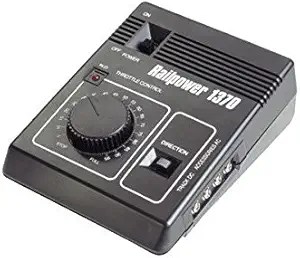
  • DCC (Digital Command Control): Modern layouts often use DCC, which allows for independent control of multiple trains on the same track. DCC systems send digital signals through the rails to control train functions. Power Cab DCC Starter Set NCE5240025

2. Track Wiring

Track wiring involves connecting the power supply to the rails so that the trains receive power. This is typically done using feeder wires and bus wires.

  • Feeder Wires: Short wires that connect the track to the bus wires.
  • Bus Wires: Long wires that run under the layout and distribute power from the power supply to the feeder wires.

3. Blocks and Sections

Dividing your layout into blocks or sections can help manage power distribution and control. Each block is an electrically isolated section of track with its own feeder wires.

4. Switches and Turnouts

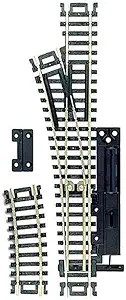
Switches (also known as turnouts) allow trains to change tracks. Wiring switches correctly is essential for smooth operation. HO Code 100 Manual Left-Hand Switch

Step-by-Step Guide to Wiring Your Model Train Layout

Step 1: Plan Your Layout

Before you start wiring, it’s crucial to plan your layout. Draw a detailed track plan, including all tracks, turnouts, and any accessories you plan to use. Identify where you will place the power supply and how you will divide the layout into blocks.

Step 2: Gather Your Materials

You’ll need the following materials for wiring your layout:

  • Power supply (DC or DCC)
  • Bus wires (typically 14-16 gauge)
  • Feeder wires (typically 20-22 gauge)
  • Rail joiners (insulated and non-insulated)
  • Terminal blocks or connectors – ( I prefer Suitcase connectors they work well)
  • Soldering iron and solder
  • Wire strippers and cutters
  • Electrical tape or heat shrink tubing
  • Multimeter (for testing)

Most of these items can be found in this article Must have accessories

Step 3:Install the Power Supply

Place your power supply in a convenient location where you can easily access it. If you’re using a DCC system, follow the manufacturer’s instructions for setting up the command station and connecting it to the power supply.

Step 4: Run the Bus Wires

Run the bus wires under your layout, following the path of your tracks. It’s a good idea to use color-coded wires (e.g., red for positive and black for negative) to avoid confusion. Secure the bus wires to the underside of your layout using cable clips or staples.

Step 5: Connect the Feeder Wires

Feeder wires connect the track to the bus wires, ensuring consistent power distribution. Here’s how to install feeder wires:

  1. Strip the Ends: Use wire strippers to remove about 1/4 inch of insulation from the ends of the feeder wires.
  2. Solder to the Track: Solder one end of the feeder wire to the rail. It’s best to solder the wire to the bottom or side of the rail to keep it hidden.
  3. Connect to the Bus Wires: Strip a small section of insulation from the bus wires and solder the other end of the feeder wire to the bus wire. Alternatively, you can use terminal blocks or connectors to make the connection.

Step 6: Divide the Layout into Blocks

Dividing your layout into blocks helps manage power distribution and control. To create blocks:

  1. Isolate the Sections: Use insulated rail joiners to separate the rails at the boundaries of each block.
  2. Install Block Feeder Wires: Run feeder wires from each block to the bus wires, ensuring that each block is independently powered.

Step 7: Wire the Switches and Turnouts

Wiring switches and turnouts correctly ensures smooth operation and prevents short circuits. Follow these steps:

  1. Power the Frog: If your turnouts have powered frogs (the moving part of the switch), connect a feeder wire to the frog and run it to a switch machine or relay.
  2. Control the Switch: Connect the switch machine or relay to your control panel or DCC system. This allows you to change the position of the turnout remotely.

Step 8: Test Your Wiring

Before running your trains, it’s essential to test your wiring to ensure everything is connected correctly. Use a multimeter to check for continuity and proper voltage at various points on the track. Look for any short circuits or areas with poor electrical contact.

Step 9: Troubleshoot Common Issues

If you encounter any issues, here are some common problems and solutions:

  • Short Circuits: Check for any metal objects or tools touching the rails. Ensure that insulated rail joiners are correctly installed at block boundaries.
  • Poor Electrical Contact: Clean the track and wheels of your trains. Ensure that all solder joints are secure and that feeder wires are properly connected.
  • Inconsistent Power: Check for loose connections in the bus and feeder wires. Ensure that the power supply is functioning correctly.

Step 10: Enjoy Your Layout

Once you’ve tested and verified your wiring, it’s time to enjoy your model train layout! Run your trains and experiment with different operations. As you gain experience, you can add more features and accessories to enhance your layout.

Model Railroad supplies and accessories

Tips for Successful Wiring

  1. Label Your Wires: Use labels or colored tape to identify different wires and their functions. This will make troubleshooting and future modifications easier.
  2. Keep It Neat: Organize your wires using cable clips, zip ties, or wire looms. A tidy wiring setup is easier to manage and less prone to issues.
  3. Document Your Work: Keep a wiring diagram or notes on your layout’s wiring. This will be invaluable for future reference and troubleshooting.
  4. Start Simple: If you’re new to wiring, start with a basic layout and gradually add more features as you become more comfortable with the process.
  5. Ask for Help: Don’t hesitate to seek advice from experienced model railroaders or online forums. The model railroading community is full of knowledgeable and helpful enthusiasts.

Conclusion

Wiring a model train layout may seem intimidating at first, but with careful planning and attention to detail, it can be a manageable and rewarding task. By following the steps outlined in this guide, you’ll be well on your way to creating a reliable and enjoyable model railroad layout. Remember, practice makes perfect, and each wiring project will build your skills and confidence. Happy railroading!

Tips for the Backyard Astronomer: Exploring the August Night Sky

As summer nights grow longer and the air becomes cooler, August offers an excellent opportunity for families to explore the wonders of the night sky from the comfort of their own backyard. Whether you’re a novice stargazer or an experienced astronomer, the celestial events and constellations visible during this month provide a captivating experience for all. This family-friendly guide will help you and your loved ones navigate the August night sky, ensuring a memorable and educational stargazing adventure.

Preparing for Your Stargazing Adventure

Before you head out to explore the night sky, it’s essential to prepare adequately to ensure a comfortable and enjoyable experience:

  1. Choose a Dark Location: Find a spot away from city lights for the best viewing experience. A local park, a rural area, or even your backyard can work well if it’s sufficiently dark.
  2. Allow Your Eyes to Adjust: Give your eyes about 20-30 minutes to adapt to the darkness. This will significantly improve your ability to see fainter celestial objects.
  3. Bring the Right Equipment: While many objects can be seen with the naked eye, a pair of binoculars can greatly enhance your viewing experience. A star chart or a smartphone app can also be helpful for identifying celestial objects.
  4. Dress Appropriately: Even in August, nights can get chilly. Bring warm clothes and blankets for comfort during extended viewing sessions.
  5. Pack Snacks and Drinks: Stargazing can be a lengthy activity, so bring some treats to keep energy levels up.

Celestial Highlights for August

The Perseid Meteor Shower

One of the most anticipated celestial events of August is the Perseid meteor shower. Known for its bright and numerous meteors, the Perseids peak around August 11-13. During this time, you can expect to see up to 60-70 meteors per hour under ideal conditions. The best time to observe the Perseids is after midnight when the radiant point (the point in the sky from which the meteors appear to originate) in the constellation Perseus is high in the sky.

To maximize your viewing experience, find a dark location with a clear view of the sky, lie back on a blanket or reclining chair, and look towards the northeast. The Perseids are known for their bright, fast-moving meteors, some of which leave persistent trails, making this meteor shower a spectacular event for the whole family.

Planets on Display

August offers excellent opportunities to observe several planets:

  1. Venus: The “Evening Star” shines brilliantly in the western sky after sunset. It’s the brightest object in the night sky after the Moon, making it easy for even the youngest stargazers to spot.
  2. Mars: The Red Planet can be seen in the western sky during the early evening hours. Its distinct reddish hue makes it stand out among the stars.
  3. Jupiter: Rising in the east during the late evening, Jupiter is a spectacular sight. With binoculars, you might even be able to spot its four largest moons.
  4. Saturn: The ringed planet rises in the southeast as darkness falls. While its rings aren’t visible without a telescope, its golden hue is distinctive.

The Summer Triangle

One of the most prominent features of the August night sky is the Summer Triangle. This asterism (a pattern of stars that is not an official constellation) is formed by three bright stars:

  1. Vega in the constellation Lyra (the Harp)
  2. Deneb in Cygnus (the Swan)
  3. Altair in Aquila (the Eagle)

Challenge your family to spot this large triangle high in the eastern sky. It’s a great starting point for learning to navigate the night sky.

The Milky Way

August provides an excellent opportunity to view our home galaxy, the Milky Way. On a clear, moonless night in a dark location, look for a faint, cloudy band stretching across the sky from the southern to the northern horizon. This is the combined light of billions of stars in our galaxy’s disk. Viewing the Milky Way can be a truly awe-inspiring experience for stargazers of all ages.

Constellations to Spot

August’s night sky features several prominent constellations:

  1. Scorpius (the Scorpion): Look for this distinctive constellation low in the southern sky. Its bright red star, Antares, marks the scorpion’s heart.
  2. Sagittarius (the Archer): Just east of Scorpius, Sagittarius is often visualized as a teapot. The center of our galaxy lies in this direction.
  3. Cygnus (the Swan): Also known as the Northern Cross, this constellation flies high overhead, with its bright star Deneb marking the tail.
  4. Ursa Major (the Great Bear): This large constellation, which contains the Big Dipper, is visible year-round in the northern sky.

Fun Activities for Family Stargazing

  1. Constellation Story Time: Many constellations have fascinating myths associated with them. Research these stories beforehand and share them as you identify the constellations in the sky.
  2. Star Hop Challenge: Use bright stars or constellations as starting points to “hop” to other celestial objects. For example, use the Big Dipper to find Polaris, the North Star.
  3. Moon Observation: If the Moon is visible, observe its phases and prominent features like craters and “seas” (large, dark plains).
  4. Satellite Spotting: Try to spot artificial satellites moving across the sky. The International Space Station is particularly bright and can be seen at specific times.
  5. Astrophotography: With today’s smartphone cameras, it’s possible to capture basic images of the Moon and bright planets. This can be a fun way to document your stargazing adventures.

Astronomy Equipment

Tips for a Successful Stargazing Experience

  1. Be Patient: Stargazing requires patience. Take your time, let your eyes adjust, and don’t rush from object to object. The joy of stargazing often comes from the peaceful contemplation of the cosmos and the shared experience with loved ones.
  2. Stay Informed: Keep an eye on astronomy websites and apps for updates on celestial events and optimal viewing times. This will help you plan your stargazing sessions more effectively.
  3. Engage the Kids: Make stargazing a fun and educational experience for children by involving them in the preparation and observation process. Encourage them to ask questions and share their observations.
  4. Stay Comfortable: Bring comfortable seating, such as reclining chairs or blankets, to make your stargazing session more enjoyable. Don’t forget to pack insect repellent if you’re in an area with bugs.
  5. Respect Nature: If you’re stargazing in a natural setting, be mindful of your surroundings. Leave no trace, and respect wildlife and other stargazers.

Educational Resources for Stargazing

To further enhance your family’s stargazing experience, consider utilizing educational resources and guides tailored to celestial observation. Books such as “NightWatch” by Terence Dickinson and “The Backyard Astronomer’s Guide” by Alan Dyer provide invaluable insights and practical advice for exploring the night sky.

Additionally, online tutorials, astronomy vodcasts, and educational videos offer a wealth of information on stargazing techniques, celestial navigation, and the art of observing the night sky. Websites like NASA’s education portal and the Astronomy Picture of the Day (APOD) provide fascinating insights and stunning images that can inspire and educate stargazers of all ages.

Find your Astronomy Equipment HERE

Conclusion

Exploring the August night sky as a family can be an enriching and bonding experience. It offers a unique opportunity to learn about the universe, spark curiosity, and create lasting memories. From the Perseid meteor shower to the planets on display, and the constellation story time to the Milky Way, August presents a celestial treasure trove waiting to be discovered. So this August, take advantage of the warm nights, head outdoors, look up, and embark on your own cosmic adventure. The wonders of the universe await!

Citations:
[1] https://www.atlasobscura.com/articles/stargazing-with-kids
[2] https://wildbloomfamilies.com/star-gazing-with-kids/
[3] https://porch.com/advice/beginners-guide-stargazing-home-children
[4] https://spaceandbeyondbox.com/family-stargazing-with-kids/
[5] https://tinybeans.com/look-up-tips-for-an-awesome-night-of-stargazing/

Spicing Up Your Mexican Fiesta: Perfect Food Pairings for a Wine Tasting Adventure

Hosting a Mexican Fiesta-themed wine tasting is an exciting way to explore the vibrant flavors of Mexican cuisine alongside carefully selected wines. While many people automatically think of margaritas or beer when it comes to Mexican food, wine can be an excellent and sophisticated accompaniment to these bold and spicy dishes. This guide will help you create delicious food pairings that will complement your wine selections and make your Mexican Fiesta wine tasting an unforgettable experience.

Understanding Wine Pairing Basics

Before diving into specific pairings, it’s helpful to understand some basic principles of pairing wine with Mexican food:

  1. Match intensity: Pair lighter wines with milder dishes and bolder wines with more robust flavors.
  2. Consider acidity: High-acid wines can cut through rich, fatty foods and balance spicy flavors.
  3. Embrace sweetness: A touch of sweetness in wine can help tame spicy heat.
  4. Think about texture: Crisp wines can contrast nicely with creamy dishes, while fuller-bodied wines complement heartier fare.

With these principles in mind, let’s explore some fantastic food and wine pairings for your Mexican Fiesta.

Appetizers and Light Bites

  1. Chips and Guacamole
    Guacamole’s creamy texture and bright flavors pair wonderfully with crisp white wines. Try serving it with a zesty Sauvignon Blanc or a light, refreshing Vinho Verde. The wine’s acidity will cut through the richness of the avocado, while its herbal notes complement the cilantro and lime in the guacamole.
  2. Ceviche
    This citrus-cured seafood dish is a natural match for crisp, high-acid white wines. Opt for an Albariño or a dry Riesling to complement the dish’s bright, tangy flavors. The wine’s citrusy notes will enhance the lime in the ceviche, while its minerality pairs beautifully with the seafood.
  3. Queso Fundido
    This rich, cheesy dip calls for a wine that can stand up to its bold flavors. A fruity, medium-bodied red like Zinfandel or Grenache works well here. The wine’s fruit-forward profile will balance the salty cheese, while its body can match the dip’s richness.

White Wine for your Tasting

Main Courses

  1. Tacos al Pastor
    These popular pork tacos, marinated with chiles and pineapple, pair beautifully with rosé wines. A dry rosé from Provence or a fruity rosé from Spain will complement the sweet and spicy flavors of the pork while refreshing the palate. The wine’s acidity also helps cut through the richness of the meat.
  2. Chicken Enchiladas
    For this classic dish, consider a light to medium-bodied red wine like Pinot Noir or Gamay. These wines have enough body to stand up to the sauce without overpowering the chicken. Their bright fruit flavors and low tannins make them versatile enough to pair with various enchilada sauces, from verde to mole.
  3. Carne Asada
    This grilled beef dish calls for a bolder red wine. Try pairing it with a Malbec or Tempranillo. These wines have enough structure and tannins to complement the beef’s richness, while their fruit flavors can stand up to any spicy marinade or salsa served alongside.
  4. Fish Tacos
    Light, flaky fish tacos pair wonderfully with crisp white wines. A Sauvignon Blanc or unoaked Chardonnay will complement the delicate fish flavors while cutting through any creamy sauces. If the tacos come with a spicy salsa, consider a slightly off-dry Riesling to balance the heat.
  5. Vegetarian Chiles Rellenos
    These cheese-stuffed peppers pair well with a variety of wines. For a red option, try a light-bodied Pinot Noir. Its earthy notes complement the peppers, while its acidity cuts through the cheese. For a white option, a Grüner Veltliner can match the green pepper flavors while offering enough body to stand up to the cheese.

Side Dishes

  1. Mexican Rice
    This tomato-based rice dish pairs nicely with both red and white wines. For a red option, try a fruity Grenache or Zinfandel. For white, a medium-bodied Chardonnay can complement the dish’s flavors without overpowering them.
  2. Refried Beans
    The rich, creamy texture of refried beans calls for a wine with good acidity. A Barbera or Sangiovese can cut through the richness while complementing the earthy flavors of the beans.
  3. Elote (Mexican Street Corn)
    This popular corn dish, often served with mayo, cheese, and chili powder, pairs wonderfully with a crisp, unoaked Chardonnay or a Viognier. The wine’s body can match the corn’s sweetness, while its acidity balances the creamy toppings.

Red Wine for your Tasting

Desserts

  1. Churros
    These crispy, cinnamon-sugar coated pastries pair beautifully with sweet dessert wines. Try a Pedro Ximénez sherry or a late-harvest Riesling. The wine’s sweetness will complement the cinnamon sugar, while its acidity keeps the pairing from becoming too cloying.
  2. Flan
    This creamy caramel custard calls for a wine with both sweetness and acidity. A Moscato d’Asti or a sweet Vouvray can complement the dessert’s sweetness while offering enough acidity to cut through its richness.
  3. Tres Leches Cake
    This ultra-moist cake pairs well with a sweet, bubbly wine. Try a demi-sec Champagne or a sweet sparkling Moscato. The bubbles will refresh the palate between bites of the rich cake, while the wine’s sweetness matches that of the dessert.

Tips for a Successful Mexican Fiesta Wine Tasting

  1. Offer a variety of wines: Include both red and white options to cater to different preferences and dish pairings.
  2. Serve wines at the proper temperature: Chill white wines and rosés, and serve red wines slightly cooler than room temperature.
  3. Provide water and palate cleansers: Offer plain crackers or bread to help guests cleanse their palates between tastings.
  4. Create a festive atmosphere: Decorate with colorful Mexican-inspired decor, play traditional music, and consider providing sombreros or other fun accessories for guests.
  5. Educate your guests: Provide tasting notes for each wine and explain why it pairs well with certain dishes.
  6. Encourage experimentation: While the pairings suggested here work well, encourage guests to try different combinations and discover their own favorite pairings.

Conclusion

Pairing wine with Mexican cuisine opens up a world of exciting flavor combinations. By considering the intensity, acidity, and sweetness of both the food and the wine, you can create harmonious pairings that enhance the dining experience. Remember, there’s no single “right” pairing – personal preference plays a big role, so don’t be afraid to experiment and find what you enjoy most.

A Mexican Fiesta wine tasting offers a unique opportunity to explore the rich, diverse flavors of Mexican cuisine alongside a carefully curated selection of wines. From crisp whites that complement fresh salsas and seafood to bold reds that stand up to grilled meats and rich sauces, there’s a perfect wine for every dish. By following these pairing suggestions and tips, you’ll be well on your way to hosting an unforgettable Mexican Fiesta wine tasting that your guests will be talking about for years to come. ¡Salud!

Citations:
[1] https://winefolly.com/wine-pairing/wine-with-mexican-food-starting-with-the-basics/
[2] https://www.brightcellars.com/blogs/learn/6-tacos-and-wine-pairings
[3] https://www.winereviewonline.com/Miranda_Franco_Wine_with_Mexican_Food.cfm
[4] https://armchairsommelier.com/food-and-pairings/pairing-wine-with-mexican-food/
[5] https://begoodrestaurants.com/exploring-the-flavors-of-mexico-5-popular-mexican-dishes/
[6] https://www.npr.org/2022/10/28/1132205161/mexican-cooking-ingredients-expert-tips
[7] https://www.tastingtable.com/1413962/essential-ingredients-need-mexican-cooking/
[8] https://www.decanter.com/learn/food/wine-with-tacos-food-matching-368831/
[9] https://rrealtacos.com/authentic-mexican-food-cuisine/
[10] https://www.matchingfoodandwine.com/news/pairings/wine-beer-and-other-pairings-for-mexican-food/
[11] https://www.tasteofhome.com/collection/mexican-foods-take/
[12] https://www.reddit.com/r/wine/comments/162va66/what_wine_to_pair_with_mexican/