The Ultimate Guide to Wine, Wings, and Football: A Novice’s Playbook

As football season kicks into high gear, it’s time to elevate your game day experience beyond the traditional beer and wings combo. This guide will introduce you to the exciting world of pairing wine with classic football fare, focusing on everyone’s favorite game day staple: chicken wings. Whether you’re hosting a watch party or heading to a tailgate, these wine and wing pairings will score big with your fellow fans.

Why Wine for Football?

While beer has long been the go-to beverage for football gatherings, wine offers a sophisticated alternative that can enhance your culinary experience. Wine can complement the flavors of your favorite game day snacks, cut through richness, and provide a refreshing counterpoint to spicy dishes. Plus, it’s a great way to avoid the dreaded beer bloat during those marathon viewing sessions.

Setting Up Your Wine Lineup

Before we dive into specific pairings, let’s cover some basics for serving wine at your football gathering:

  1. Temperature: Serve white wines chilled (45-50°F) and red wines slightly cool (60-65°F).
  2. Glassware: While fancy stemware isn’t necessary, having decent all-purpose wine glasses will enhance the experience.
  3. Variety: Offer a selection of wines to cater to different tastes and pair with various snacks.
  4. Quantity: Plan for about half a bottle per person for a typical game.

Wine and Wing Pairings: The Starting Lineup

Let’s break down some winning combinations for popular wing flavors:

1. Buffalo Wings & Riesling

Buffalo wings, with their spicy, tangy kick, pair beautifully with a slightly sweet Riesling. The wine’s fruity notes and touch of sweetness help tame the heat, while its high acidity refreshes the palate[2]. A German Riesling like the 2019 Von Hövel Saar Riesling Kabinett offers aromas of pink grapefruit and cherry with a lime zest finish that complements the hot elements of buffalo sauce perfectly[2].

2. BBQ Wings & Zinfandel

For sweet and smoky BBQ wings, reach for a bold, fruity red like Zinfandel. The wine’s jammy fruit flavors and hint of spice stand up well to the rich BBQ sauce. A California Zinfandel would be an excellent choice to match the bold American flavors of BBQ wings.

3. Garlic Parmesan Wings & Prosecco

The savory, cheesy flavors of garlic parmesan wings call for a crisp, bubbly wine to cleanse the palate. A dry Prosecco, like Collalto Colegliano Valdobbiadene Prosecco Superiore DOCG Brut, with its refreshing citrus and floral notes, pairs wonderfully with these rich wings[1].

4. Honey Garlic Wings & Chardonnay

For the sweet and savory profile of honey garlic wings, opt for a medium-bodied Chardonnay. Look for one with notes of honey, pear, and a touch of oak to complement the wings’ flavors. The Crossbow Russian River Valley Chardonnay, with its flavors of white peach, lemon curd, and honeycomb, would make an excellent pairing[1].

5. Teriyaki Wings & Gewürztraminer

The sweet and savory flavors of teriyaki wings pair beautifully with an aromatic white wine like Gewürztraminer. The Zinck Portrait Collection Gewürztraminer, with its distinct flavors of mandarin, lychee, and peach, can match the exotic flavors of the teriyaki glaze[1].

Beyond Wings: Pairing Wine with Other Game Day Favorites

While wings are a staple, a well-rounded game day spread includes other snacks. Here are some pairings to consider:

  1. Potato Skins & Tempranillo: The rich, savory flavors of loaded potato skins pair well with a medium-bodied red like Tempranillo. Try the 2018 Artadi Valdegines Rioja Tempranillo, which offers fig and oak notes that stand up to fully-loaded potato skins[2].
  2. Cheese Ball & Pinot Noir: A classic cheese ball appetizer pairs wonderfully with a light-bodied red like Pinot Noir. The 2019 Bien Nacido Estate Pinot Noir would complement the creamy, savory flavors of the cheese[2].
  3. Spinach Artichoke Dip & Aligoté: This creamy, tangy dip pairs well with a crisp white wine. Try the 2019 Buisson-Charles Aligote Sous le Chemin, which offers apple, honeycomb, and floral notes[2].
  4. Pizza & Sangiovese: For the ultimate game day comfort food, pair your pizza with a medium-bodied Italian red like Sangiovese. Its acidity cuts through the cheese and complements the tomato sauce perfectly.

Tips for a Successful Wine and Football Experience

  1. Pace Yourself: Wine typically has a higher alcohol content than beer. Enjoy responsibly and stay hydrated throughout the game.
  2. Provide Non-Alcoholic Options: Offer water, soda, or non-alcoholic wine for designated drivers and non-drinkers.
  3. Use Proper Glassware: While not essential, using the right glasses can enhance the wine-drinking experience. Stemless glasses are great for casual settings.
  4. Serve at the Right Temperature: Chill whites and rosés, and give reds a slight chill for optimal enjoyment.
  5. Have Fun with It: Don’t stress too much about perfect pairings. Encourage guests to try different combinations and share their favorites.

The Extra Point: Creating a Wine Tasting Experience

To add an extra layer of fun to your game day gathering, consider setting up a mini wine tasting alongside your food spread. Here’s how:

  1. Select 3-4 Wines: Choose a variety of styles that pair well with your menu.
  2. Provide Tasting Notes: Write brief descriptions of each wine for your guests.
  3. Offer Small Pours: Use 2-3 oz pours to allow guests to try multiple wines without overindulging.
  4. Encourage Discussion: Have fun comparing notes on which wines pair best with different foods.

Conclusion: Winning with Wine

Pairing wine with wings and other football snacks might seem unconventional, but it’s a great way to elevate your game day experience. By offering a selection of wines that complement classic football fare, you’ll create a more sophisticated and enjoyable atmosphere for your guests. Remember, the key is to have fun and experiment with different combinations.

As you become more comfortable with wine pairings, you’ll discover your own favorite combinations. Who knows? You might even convert some die-hard beer drinkers to the wonderful world of wine and football. So this season, trade in the six-pack for some bottles of vino, and get ready to score big with your fellow fans. Cheers to a season of great games, delicious food, and perfect pairings!

Citations:
[1] https://www.abcfws.com/wine-and-wing-pairings
[2] https://www.coravin.com/blogs/community/super-bowl-snack-wine-pairings
[3] https://www.wine4food.com/food/wine-chicken-wings/
[4] https://argaux.com/just-a-splash/best-wine-for-football-games-and-tailgates/
[5] https://www.brightcellars.com/blogs/learn/wine-wings-a-pairing-guide
[6] https://www.1winedude.com/wine-for-football-tailgaiting/
[7] https://drinkboxt.com/blogs/unboxt-blog/your-ultimate-football-and-wine-pairing-guide
[8] https://cambridgewinesnj.com/blogs/news/the-perfect-match-football-and-wine-pairings-for-buffalo-wings

Creating a Fun Stargazing Routine for Your Family

Stargazing is a wonderful way to connect with the universe and each other. It offers a chance to step away from the hustle and bustle of daily life and immerse yourself in the beauty of the night sky. Whether you’re a novice or an experienced stargazer, creating a fun stargazing routine for your family can be both educational and entertaining. This guide will provide you with tips and activities to make stargazing a memorable family tradition.

Preparing for Your Stargazing Adventure

Choose the Right Location

The first step in creating a successful stargazing routine is choosing the right location. Ideally, you want a spot with minimal light pollution to get the best view of the stars. Your backyard can be a great starting point, but for an even better experience, consider visiting a local park or a rural area. If possible, plan a trip to a national park or a designated dark-sky area for an unforgettable stargazing experience.

Timing is Everything

Timing plays a crucial role in stargazing. The best time to observe the night sky is during the new moon phase when the sky is darkest. Additionally, allow your eyes about 20-30 minutes to adjust to the darkness for optimal viewing. Be sure to check the weather forecast to ensure clear skies on your chosen night.

Gather Your Equipment

While you don’t need fancy equipment to enjoy stargazing, a few tools can enhance the experience:

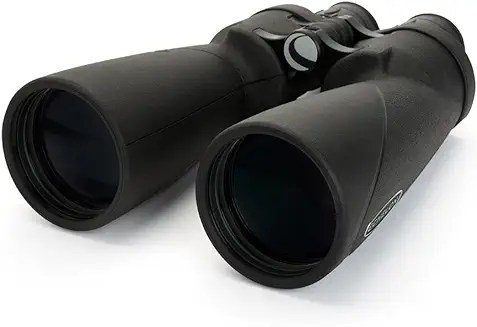
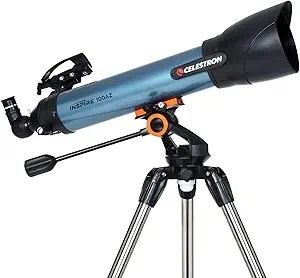
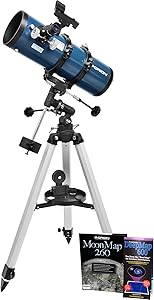
  • Binoculars or Telescope: These can help you see more details, such as the craters on the Moon or the rings of Saturn.
  • Star Map or Planisphere: Useful for identifying stars and constellations.
  • Red Flashlight: Preserves night vision while allowing you to read star maps.
  • Snacks and Drinks: Keep everyone hydrated and energized.
  • Bug Spray: To protect against insect bites.

Stargazing Equipment

Creating a Fun and Educational Experience

Start with the Basics

Begin your stargazing routine by focusing on easy-to-spot objects like the Moon and bright planets. The Moon, with its many craters and phases, is a great starting point for family observing. Venus, often visible just after sunset, is another bright object that’s easy to spot.

Learn the Constellations

Introduce your family to the constellations by starting with recognizable patterns like the Big Dipper and Orion the Hunter. Use a constellation guide or a stargazing app to help identify these celestial patterns. As you become more familiar with the night sky, challenge your family to find new constellations each time you stargaze.

Learn the Stars and Constellations

Use Interactive Tools

Stargazing apps such as SkyView or Star Walk can add an interactive component to your experience. These apps allow you to point your phone at the sky and identify stars, planets, and satellites. They also provide information about celestial events and the mythology behind constellations.

Engage with Stories and Myths

Make stargazing more engaging by sharing stories and myths about the stars and constellations. Many cultures have fascinating tales associated with the night sky, and sharing these stories can spark your family’s imagination and curiosity.

Plan Themed Nights

To keep stargazing exciting, plan themed nights around specific celestial events or topics. For example, you could have a “Moon Night” where you focus on observing the Moon’s features, or a “Planet Night” dedicated to spotting visible planets. You could also plan a “Meteor Shower Night” during events like the Perseid meteor shower.

Fun Activities for Family Stargazing

Stargazing Scavenger Hunt

Create a scavenger hunt that includes finding certain constellations or spotting shooting stars. This is a great way to keep kids engaged and excited throughout the night. Provide a list of objects to find and offer small prizes for each one spotted.

Telescope Night

Set up a telescope and take turns looking at different celestial objects. Encourage kids to ask questions and share what they see. This is a great way to spark curiosity and encourage learning.

Stories Under the Stars

Make hot cocoa and tell stories while lying under the stars. This is a cozy and memorable way to spend a family evening. Encourage everyone to share their own stories or create new ones inspired by the night sky.

Create Your Own Star Map

Have your family create their own star maps by drawing constellation patterns on paper and labeling them. This is a great way to visualize the night sky and learn more about the stars.

Keep a Stargazing Log

Maintain a stargazing log to record what you see each night. Note the date, time, sky conditions, and the objects observed. This helps track your progress and makes the activity more engaging.

Tips for a Successful Stargazing Routine

  1. Be Patient: Stargazing requires patience. Take your time, let your eyes adjust, and don’t rush from object to object. The joy of stargazing often comes from the peaceful contemplation of the cosmos and the shared experience with loved ones.
  2. Stay Informed: Keep an eye on astronomy websites and apps for updates on celestial events and optimal viewing times. This will help you plan your stargazing sessions more effectively.
  3. Engage the Kids: Make stargazing a fun and educational experience for children by involving them in the preparation and observation process. Encourage them to ask questions and share their observations.
  4. Stay Comfortable: Bring comfortable seating, such as reclining chairs or blankets, to make your stargazing session more enjoyable. Don’t forget to pack layers of clothing to stay warm as the night cools down.
  5. Respect Nature: If you’re stargazing in a natural setting, be mindful of your surroundings. Leave no trace, and respect wildlife and other stargazers.

Conclusion

Creating a fun stargazing routine for your family is a wonderful way to explore the universe together and foster a love for astronomy. By choosing the right location, gathering the necessary equipment, and engaging in interactive activities, you can make stargazing an enjoyable and educational experience for everyone. So gather your family, spread out a blanket, and enjoy the celestial show above. Whether you’re spotting the International Space Station, identifying constellations, or simply making up stories about the stars, you’re sure to make lasting memories. Happy stargazing!

Citations:
[1] https://wildbloomfamilies.com/star-gazing-with-kids/
[2] https://spaceandbeyondbox.com/family-stargazing-with-kids/
[3] https://www.hypergogo.com/blogs/lifestyle/family-stargazing-nights
[4] https://save.com/article/220804/stargazing-perfect-for-family-fun-on-a-summer-s-night
[5] https://porch.com/advice/beginners-guide-stargazing-home-children
[6] https://tinybeans.com/look-up-tips-for-an-awesome-night-of-stargazing/
[7] https://www.atlasobscura.com/articles/stargazing-with-kids
[8] https://www.skyatnightmagazine.com/advice/skills/stargazing-for-kids

How to Lay Track on a Model Train Layout: A Guide for Novices

Model railroading is a wonderful hobby that combines creativity, engineering, and a love for trains. One of the most important steps in building your model train layout is laying the track. Properly laid track ensures smooth and reliable operation of your trains and adds to the overall realism of your layout. For novices, this task can seem daunting, but with the right guidance, it can be a manageable and enjoyable project. In this article, we’ll walk you through the essential steps to lay track on your model train layout.

Understanding the Basics

Before we dive into the step-by-step process, it’s important to understand some basic concepts related to model train track:

1. Types of Track

There are two main types of model train track: sectional track and flex track.

  • Sectional Track: Comes in fixed lengths and curves. It is easy to assemble and is ideal for beginners.
  • Flex Track: Comes in long, flexible sections that can be bent and cut to fit any layout design. It offers greater flexibility and allows for more realistic track arrangements.

2. Track Gauges

Track gauge refers to the distance between the rails. Common gauges include:

  • HO Scale (1:87): One of the most popular scales, suitable for detailed layouts.
  • N Scale (1:160): Smaller than HO, ideal for limited spaces.
  • O Scale (1:48): Larger than HO, provides more detail but requires more space.

3. Track Bed

The track bed is the foundation on which the track is laid. It provides stability and helps reduce noise. Common materials for track beds include cork, foam, and rubber.

Step-by-Step Guide to Laying Track

Step 1: Plan Your Layout

Before you start laying track, it’s crucial to plan your layout. Draw a detailed track plan, including all tracks, turnouts, and any accessories you plan to use. Consider the following:

  • Space: Measure the area where you will set up your layout.
  • Scale: Choose the scale that best fits your space and preferences.
  • Track Plan: Decide on the type of track plan (e.g., continuous loop, point-to-point, switching layout).

See my article on Factors to consider on your Track Plan

Step 2: Prepare the Base

The base of your layout is the surface on which you will lay the track. Common materials for the base include plywood, foam board, and MDF (medium-density fiberboard). Follow these steps to prepare the base:

  1. Cut the Base: Cut the base material to the desired size and shape.
  2. Support the Base: Build a sturdy frame or table to support the base. Ensure it is level and stable.
  3. Mark the Track Plan: Transfer your track plan onto the base using a pencil or marker. This will serve as a guide when laying the track.

Step 3: Install the Track Bed

The track bed provides a stable foundation for the track and helps reduce noise. Follow these steps to install the track bed:

  1. Cut the Track Bed: Cut the track bed material (e.g., cork or foam) to match the shape of your track plan.
  2. Glue the Track Bed: Apply a thin layer of adhesive (e.g., white glue or contact cement) to the base and press the track bed into place. Allow the adhesive to dry completely.
  3. Smooth the Track Bed: Ensure the track bed is smooth and level. Sand any rough edges if necessary.

Step 4: Lay the Track

Now it’s time to lay the track on the track bed. Follow these steps:

  1. Position the Track: Place the track sections on the track bed according to your track plan. Use track joiners (rail joiners) to connect the sections.
  2. Secure the Track: Once you are satisfied with the track placement, secure the track to the track bed using track nails or adhesive. If using track nails, be careful not to bend the rails.
  3. Cut Flex Track: If you are using flex track, cut it to the desired length using a rail cutter. Bend the flex track to fit your layout and secure it in place.
  4. Install Turnouts: If your layout includes turnouts (switches), install them according to the manufacturer’s instructions. Ensure they operate smoothly and align with the rest of the track.

Step 5: Wire the Track

Proper wiring is essential for smooth operation of your trains. Follow these steps to wire the track:

  1. Power Supply: Connect the power supply (DC or DCC) to the track. For DC layouts, connect the power pack to the track using feeder wires. For DCC layouts, connect the command station to the track.
  2. Feeder Wires: Install feeder wires at regular intervals to ensure consistent power distribution. Solder the feeder wires to the rails and connect them to the bus wires running underneath the layout.
  3. Test the Wiring: Use a multimeter to check for proper voltage and continuity. Ensure there are no short circuits or loose connections.

See my article on tips on How to Wire your Layout

Step 6: Test the Track

Before you start running trains, it’s important to test the track to ensure smooth operation. Follow these steps:

  1. Run a Test Train: Run a test train slowly around the entire layout. Check for any rough spots, derailments, or electrical issues.
  2. Adjust the Track: Make any necessary adjustments to the track alignment, elevation, or wiring. Ensure all turnouts operate smoothly.
  3. Clean the Track: Clean the track using a track cleaning eraser or isopropyl alcohol to remove any dirt or debris.

Step 7: Add Ballast

Ballasting the track adds realism and helps secure the track in place. Follow these steps to add ballast:

  1. Apply the Ballast: Spread the ballast evenly along the track using a small spoon or brush. Ensure the ballast covers the track bed and fills the space between the ties (sleepers).
  2. Shape the Ballast: Use a small brush to shape the ballast and remove any excess. Ensure the ballast is level and does not interfere with the rails.
  3. Glue the Ballast: Apply a mixture of white glue and water (50:50 ratio) to the ballast using a dropper or spray bottle. Allow the glue to dry completely.

Step 8: Add Scenery and Details

Once the track is laid and ballasted, you can add scenery and details to enhance the realism of your layout. Consider adding:

  • Buildings and Structures: Add stations, factories, houses, and other structures to create a realistic scene.
  • Vegetation: Use ground foam, static grass, and trees to add greenery to your layout.
  • Roads and Pathways: Create roads and pathways using paint, plaster, or pre-made road materials.
  • Figures and Vehicles: Add figures, vehicles, and other details to bring your layout to life.

For Model Railroad Scenery Supplies check this SITE

Conclusion

Laying track on a model train layout is a crucial step in creating a realistic and enjoyable model railroad. By following the steps outlined in this guide, you can ensure that your track is properly laid, wired, and tested for smooth operation. Remember, patience and attention to detail are key to a successful track-laying project. With practice and experience, you’ll become more confident in your skills and enjoy the rewarding process of building your model train layout. Happy railroading!

Citations:
[1] https://www.youtube.com/watch?v=oJL8DZO5mks
[2] https://www.nmra.org/beginners-guide-part-2-layout-planning
[3] https://cs.trains.com/mrr/f/11/t/212570.aspx
[4] https://www.building-your-model-railroad.com/model-railroad-track-plans.html
[5] https://www.youtube.com/watch?v=rbPZkp8gaY0

How to Wire a Model Train Layout: A Guide for Novices

This article is in response to a comment from Matthew, I hope this helps with your wiring project.

Model railroading is a fascinating and rewarding hobby that combines creativity, engineering, and a love for trains. One of the most crucial aspects of building a model train layout is wiring. Proper wiring ensures that your trains run smoothly and reliably, and it allows you to control various elements of your layout. For novices, wiring can seem daunting, but with the right guidance, it can be a manageable and even enjoyable task. In this article, we’ll walk you through the essential steps to wire your model train layout.

Understanding the Basics

Before diving into the wiring process, it’s essential to understand some basic concepts:

1. Power Supply

The power supply is the heart of your layout’s electrical system. It converts household electricity into a form that your trains can use. There are two main types of power supplies:

  • DCC (Digital Command Control): Modern layouts often use DCC, which allows for independent control of multiple trains on the same track. DCC systems send digital signals through the rails to control train functions. Power Cab DCC Starter Set NCE5240025

2. Track Wiring

Track wiring involves connecting the power supply to the rails so that the trains receive power. This is typically done using feeder wires and bus wires.

  • Feeder Wires: Short wires that connect the track to the bus wires.
  • Bus Wires: Long wires that run under the layout and distribute power from the power supply to the feeder wires.

3. Blocks and Sections

Dividing your layout into blocks or sections can help manage power distribution and control. Each block is an electrically isolated section of track with its own feeder wires.

4. Switches and Turnouts

Switches (also known as turnouts) allow trains to change tracks. Wiring switches correctly is essential for smooth operation. HO Code 100 Manual Left-Hand Switch

Step-by-Step Guide to Wiring Your Model Train Layout

Step 1: Plan Your Layout

Before you start wiring, it’s crucial to plan your layout. Draw a detailed track plan, including all tracks, turnouts, and any accessories you plan to use. Identify where you will place the power supply and how you will divide the layout into blocks.

Step 2: Gather Your Materials

You’ll need the following materials for wiring your layout:

  • Power supply (DC or DCC)
  • Bus wires (typically 14-16 gauge)
  • Feeder wires (typically 20-22 gauge)
  • Rail joiners (insulated and non-insulated)
  • Terminal blocks or connectors – ( I prefer Suitcase connectors they work well)
  • Soldering iron and solder
  • Wire strippers and cutters
  • Electrical tape or heat shrink tubing
  • Multimeter (for testing)

Most of these items can be found in this article Must have accessories

Step 3:Install the Power Supply

Place your power supply in a convenient location where you can easily access it. If you’re using a DCC system, follow the manufacturer’s instructions for setting up the command station and connecting it to the power supply.

Step 4: Run the Bus Wires

Run the bus wires under your layout, following the path of your tracks. It’s a good idea to use color-coded wires (e.g., red for positive and black for negative) to avoid confusion. Secure the bus wires to the underside of your layout using cable clips or staples.

Step 5: Connect the Feeder Wires

Feeder wires connect the track to the bus wires, ensuring consistent power distribution. Here’s how to install feeder wires:

  1. Strip the Ends: Use wire strippers to remove about 1/4 inch of insulation from the ends of the feeder wires.
  2. Solder to the Track: Solder one end of the feeder wire to the rail. It’s best to solder the wire to the bottom or side of the rail to keep it hidden.
  3. Connect to the Bus Wires: Strip a small section of insulation from the bus wires and solder the other end of the feeder wire to the bus wire. Alternatively, you can use terminal blocks or connectors to make the connection.

Step 6: Divide the Layout into Blocks

Dividing your layout into blocks helps manage power distribution and control. To create blocks:

  1. Isolate the Sections: Use insulated rail joiners to separate the rails at the boundaries of each block.
  2. Install Block Feeder Wires: Run feeder wires from each block to the bus wires, ensuring that each block is independently powered.

Step 7: Wire the Switches and Turnouts

Wiring switches and turnouts correctly ensures smooth operation and prevents short circuits. Follow these steps:

  1. Power the Frog: If your turnouts have powered frogs (the moving part of the switch), connect a feeder wire to the frog and run it to a switch machine or relay.
  2. Control the Switch: Connect the switch machine or relay to your control panel or DCC system. This allows you to change the position of the turnout remotely.

Step 8: Test Your Wiring

Before running your trains, it’s essential to test your wiring to ensure everything is connected correctly. Use a multimeter to check for continuity and proper voltage at various points on the track. Look for any short circuits or areas with poor electrical contact.

Step 9: Troubleshoot Common Issues

If you encounter any issues, here are some common problems and solutions:

  • Short Circuits: Check for any metal objects or tools touching the rails. Ensure that insulated rail joiners are correctly installed at block boundaries.
  • Poor Electrical Contact: Clean the track and wheels of your trains. Ensure that all solder joints are secure and that feeder wires are properly connected.
  • Inconsistent Power: Check for loose connections in the bus and feeder wires. Ensure that the power supply is functioning correctly.

Step 10: Enjoy Your Layout

Once you’ve tested and verified your wiring, it’s time to enjoy your model train layout! Run your trains and experiment with different operations. As you gain experience, you can add more features and accessories to enhance your layout.

Model Railroad supplies and accessories

Tips for Successful Wiring

  1. Label Your Wires: Use labels or colored tape to identify different wires and their functions. This will make troubleshooting and future modifications easier.
  2. Keep It Neat: Organize your wires using cable clips, zip ties, or wire looms. A tidy wiring setup is easier to manage and less prone to issues.
  3. Document Your Work: Keep a wiring diagram or notes on your layout’s wiring. This will be invaluable for future reference and troubleshooting.
  4. Start Simple: If you’re new to wiring, start with a basic layout and gradually add more features as you become more comfortable with the process.
  5. Ask for Help: Don’t hesitate to seek advice from experienced model railroaders or online forums. The model railroading community is full of knowledgeable and helpful enthusiasts.

Conclusion

Wiring a model train layout may seem intimidating at first, but with careful planning and attention to detail, it can be a manageable and rewarding task. By following the steps outlined in this guide, you’ll be well on your way to creating a reliable and enjoyable model railroad layout. Remember, practice makes perfect, and each wiring project will build your skills and confidence. Happy railroading!

Tips for the Backyard Astronomer: Exploring the August Night Sky

As summer nights grow longer and the air becomes cooler, August offers an excellent opportunity for families to explore the wonders of the night sky from the comfort of their own backyard. Whether you’re a novice stargazer or an experienced astronomer, the celestial events and constellations visible during this month provide a captivating experience for all. This family-friendly guide will help you and your loved ones navigate the August night sky, ensuring a memorable and educational stargazing adventure.

Preparing for Your Stargazing Adventure

Before you head out to explore the night sky, it’s essential to prepare adequately to ensure a comfortable and enjoyable experience:

  1. Choose a Dark Location: Find a spot away from city lights for the best viewing experience. A local park, a rural area, or even your backyard can work well if it’s sufficiently dark.
  2. Allow Your Eyes to Adjust: Give your eyes about 20-30 minutes to adapt to the darkness. This will significantly improve your ability to see fainter celestial objects.
  3. Bring the Right Equipment: While many objects can be seen with the naked eye, a pair of binoculars can greatly enhance your viewing experience. A star chart or a smartphone app can also be helpful for identifying celestial objects.
  4. Dress Appropriately: Even in August, nights can get chilly. Bring warm clothes and blankets for comfort during extended viewing sessions.
  5. Pack Snacks and Drinks: Stargazing can be a lengthy activity, so bring some treats to keep energy levels up.

Celestial Highlights for August

The Perseid Meteor Shower

One of the most anticipated celestial events of August is the Perseid meteor shower. Known for its bright and numerous meteors, the Perseids peak around August 11-13. During this time, you can expect to see up to 60-70 meteors per hour under ideal conditions. The best time to observe the Perseids is after midnight when the radiant point (the point in the sky from which the meteors appear to originate) in the constellation Perseus is high in the sky.

To maximize your viewing experience, find a dark location with a clear view of the sky, lie back on a blanket or reclining chair, and look towards the northeast. The Perseids are known for their bright, fast-moving meteors, some of which leave persistent trails, making this meteor shower a spectacular event for the whole family.

Planets on Display

August offers excellent opportunities to observe several planets:

  1. Venus: The “Evening Star” shines brilliantly in the western sky after sunset. It’s the brightest object in the night sky after the Moon, making it easy for even the youngest stargazers to spot.
  2. Mars: The Red Planet can be seen in the western sky during the early evening hours. Its distinct reddish hue makes it stand out among the stars.
  3. Jupiter: Rising in the east during the late evening, Jupiter is a spectacular sight. With binoculars, you might even be able to spot its four largest moons.
  4. Saturn: The ringed planet rises in the southeast as darkness falls. While its rings aren’t visible without a telescope, its golden hue is distinctive.

The Summer Triangle

One of the most prominent features of the August night sky is the Summer Triangle. This asterism (a pattern of stars that is not an official constellation) is formed by three bright stars:

  1. Vega in the constellation Lyra (the Harp)
  2. Deneb in Cygnus (the Swan)
  3. Altair in Aquila (the Eagle)

Challenge your family to spot this large triangle high in the eastern sky. It’s a great starting point for learning to navigate the night sky.

The Milky Way

August provides an excellent opportunity to view our home galaxy, the Milky Way. On a clear, moonless night in a dark location, look for a faint, cloudy band stretching across the sky from the southern to the northern horizon. This is the combined light of billions of stars in our galaxy’s disk. Viewing the Milky Way can be a truly awe-inspiring experience for stargazers of all ages.

Constellations to Spot

August’s night sky features several prominent constellations:

  1. Scorpius (the Scorpion): Look for this distinctive constellation low in the southern sky. Its bright red star, Antares, marks the scorpion’s heart.
  2. Sagittarius (the Archer): Just east of Scorpius, Sagittarius is often visualized as a teapot. The center of our galaxy lies in this direction.
  3. Cygnus (the Swan): Also known as the Northern Cross, this constellation flies high overhead, with its bright star Deneb marking the tail.
  4. Ursa Major (the Great Bear): This large constellation, which contains the Big Dipper, is visible year-round in the northern sky.

Fun Activities for Family Stargazing

  1. Constellation Story Time: Many constellations have fascinating myths associated with them. Research these stories beforehand and share them as you identify the constellations in the sky.
  2. Star Hop Challenge: Use bright stars or constellations as starting points to “hop” to other celestial objects. For example, use the Big Dipper to find Polaris, the North Star.
  3. Moon Observation: If the Moon is visible, observe its phases and prominent features like craters and “seas” (large, dark plains).
  4. Satellite Spotting: Try to spot artificial satellites moving across the sky. The International Space Station is particularly bright and can be seen at specific times.
  5. Astrophotography: With today’s smartphone cameras, it’s possible to capture basic images of the Moon and bright planets. This can be a fun way to document your stargazing adventures.

Astronomy Equipment

Tips for a Successful Stargazing Experience

  1. Be Patient: Stargazing requires patience. Take your time, let your eyes adjust, and don’t rush from object to object. The joy of stargazing often comes from the peaceful contemplation of the cosmos and the shared experience with loved ones.
  2. Stay Informed: Keep an eye on astronomy websites and apps for updates on celestial events and optimal viewing times. This will help you plan your stargazing sessions more effectively.
  3. Engage the Kids: Make stargazing a fun and educational experience for children by involving them in the preparation and observation process. Encourage them to ask questions and share their observations.
  4. Stay Comfortable: Bring comfortable seating, such as reclining chairs or blankets, to make your stargazing session more enjoyable. Don’t forget to pack insect repellent if you’re in an area with bugs.
  5. Respect Nature: If you’re stargazing in a natural setting, be mindful of your surroundings. Leave no trace, and respect wildlife and other stargazers.

Educational Resources for Stargazing

To further enhance your family’s stargazing experience, consider utilizing educational resources and guides tailored to celestial observation. Books such as “NightWatch” by Terence Dickinson and “The Backyard Astronomer’s Guide” by Alan Dyer provide invaluable insights and practical advice for exploring the night sky.

Additionally, online tutorials, astronomy vodcasts, and educational videos offer a wealth of information on stargazing techniques, celestial navigation, and the art of observing the night sky. Websites like NASA’s education portal and the Astronomy Picture of the Day (APOD) provide fascinating insights and stunning images that can inspire and educate stargazers of all ages.

Find your Astronomy Equipment HERE

Conclusion

Exploring the August night sky as a family can be an enriching and bonding experience. It offers a unique opportunity to learn about the universe, spark curiosity, and create lasting memories. From the Perseid meteor shower to the planets on display, and the constellation story time to the Milky Way, August presents a celestial treasure trove waiting to be discovered. So this August, take advantage of the warm nights, head outdoors, look up, and embark on your own cosmic adventure. The wonders of the universe await!

Citations:
[1] https://www.atlasobscura.com/articles/stargazing-with-kids
[2] https://wildbloomfamilies.com/star-gazing-with-kids/
[3] https://porch.com/advice/beginners-guide-stargazing-home-children
[4] https://spaceandbeyondbox.com/family-stargazing-with-kids/
[5] https://tinybeans.com/look-up-tips-for-an-awesome-night-of-stargazing/

Spicing Up Your Mexican Fiesta: Perfect Food Pairings for a Wine Tasting Adventure

Hosting a Mexican Fiesta-themed wine tasting is an exciting way to explore the vibrant flavors of Mexican cuisine alongside carefully selected wines. While many people automatically think of margaritas or beer when it comes to Mexican food, wine can be an excellent and sophisticated accompaniment to these bold and spicy dishes. This guide will help you create delicious food pairings that will complement your wine selections and make your Mexican Fiesta wine tasting an unforgettable experience.

Understanding Wine Pairing Basics

Before diving into specific pairings, it’s helpful to understand some basic principles of pairing wine with Mexican food:

  1. Match intensity: Pair lighter wines with milder dishes and bolder wines with more robust flavors.
  2. Consider acidity: High-acid wines can cut through rich, fatty foods and balance spicy flavors.
  3. Embrace sweetness: A touch of sweetness in wine can help tame spicy heat.
  4. Think about texture: Crisp wines can contrast nicely with creamy dishes, while fuller-bodied wines complement heartier fare.

With these principles in mind, let’s explore some fantastic food and wine pairings for your Mexican Fiesta.

Appetizers and Light Bites

  1. Chips and Guacamole
    Guacamole’s creamy texture and bright flavors pair wonderfully with crisp white wines. Try serving it with a zesty Sauvignon Blanc or a light, refreshing Vinho Verde. The wine’s acidity will cut through the richness of the avocado, while its herbal notes complement the cilantro and lime in the guacamole.
  2. Ceviche
    This citrus-cured seafood dish is a natural match for crisp, high-acid white wines. Opt for an Albariño or a dry Riesling to complement the dish’s bright, tangy flavors. The wine’s citrusy notes will enhance the lime in the ceviche, while its minerality pairs beautifully with the seafood.
  3. Queso Fundido
    This rich, cheesy dip calls for a wine that can stand up to its bold flavors. A fruity, medium-bodied red like Zinfandel or Grenache works well here. The wine’s fruit-forward profile will balance the salty cheese, while its body can match the dip’s richness.

White Wine for your Tasting

Main Courses

  1. Tacos al Pastor
    These popular pork tacos, marinated with chiles and pineapple, pair beautifully with rosé wines. A dry rosé from Provence or a fruity rosé from Spain will complement the sweet and spicy flavors of the pork while refreshing the palate. The wine’s acidity also helps cut through the richness of the meat.
  2. Chicken Enchiladas
    For this classic dish, consider a light to medium-bodied red wine like Pinot Noir or Gamay. These wines have enough body to stand up to the sauce without overpowering the chicken. Their bright fruit flavors and low tannins make them versatile enough to pair with various enchilada sauces, from verde to mole.
  3. Carne Asada
    This grilled beef dish calls for a bolder red wine. Try pairing it with a Malbec or Tempranillo. These wines have enough structure and tannins to complement the beef’s richness, while their fruit flavors can stand up to any spicy marinade or salsa served alongside.
  4. Fish Tacos
    Light, flaky fish tacos pair wonderfully with crisp white wines. A Sauvignon Blanc or unoaked Chardonnay will complement the delicate fish flavors while cutting through any creamy sauces. If the tacos come with a spicy salsa, consider a slightly off-dry Riesling to balance the heat.
  5. Vegetarian Chiles Rellenos
    These cheese-stuffed peppers pair well with a variety of wines. For a red option, try a light-bodied Pinot Noir. Its earthy notes complement the peppers, while its acidity cuts through the cheese. For a white option, a Grüner Veltliner can match the green pepper flavors while offering enough body to stand up to the cheese.

Side Dishes

  1. Mexican Rice
    This tomato-based rice dish pairs nicely with both red and white wines. For a red option, try a fruity Grenache or Zinfandel. For white, a medium-bodied Chardonnay can complement the dish’s flavors without overpowering them.
  2. Refried Beans
    The rich, creamy texture of refried beans calls for a wine with good acidity. A Barbera or Sangiovese can cut through the richness while complementing the earthy flavors of the beans.
  3. Elote (Mexican Street Corn)
    This popular corn dish, often served with mayo, cheese, and chili powder, pairs wonderfully with a crisp, unoaked Chardonnay or a Viognier. The wine’s body can match the corn’s sweetness, while its acidity balances the creamy toppings.

Red Wine for your Tasting

Desserts

  1. Churros
    These crispy, cinnamon-sugar coated pastries pair beautifully with sweet dessert wines. Try a Pedro Ximénez sherry or a late-harvest Riesling. The wine’s sweetness will complement the cinnamon sugar, while its acidity keeps the pairing from becoming too cloying.
  2. Flan
    This creamy caramel custard calls for a wine with both sweetness and acidity. A Moscato d’Asti or a sweet Vouvray can complement the dessert’s sweetness while offering enough acidity to cut through its richness.
  3. Tres Leches Cake
    This ultra-moist cake pairs well with a sweet, bubbly wine. Try a demi-sec Champagne or a sweet sparkling Moscato. The bubbles will refresh the palate between bites of the rich cake, while the wine’s sweetness matches that of the dessert.

Tips for a Successful Mexican Fiesta Wine Tasting

  1. Offer a variety of wines: Include both red and white options to cater to different preferences and dish pairings.
  2. Serve wines at the proper temperature: Chill white wines and rosés, and serve red wines slightly cooler than room temperature.
  3. Provide water and palate cleansers: Offer plain crackers or bread to help guests cleanse their palates between tastings.
  4. Create a festive atmosphere: Decorate with colorful Mexican-inspired decor, play traditional music, and consider providing sombreros or other fun accessories for guests.
  5. Educate your guests: Provide tasting notes for each wine and explain why it pairs well with certain dishes.
  6. Encourage experimentation: While the pairings suggested here work well, encourage guests to try different combinations and discover their own favorite pairings.

Conclusion

Pairing wine with Mexican cuisine opens up a world of exciting flavor combinations. By considering the intensity, acidity, and sweetness of both the food and the wine, you can create harmonious pairings that enhance the dining experience. Remember, there’s no single “right” pairing – personal preference plays a big role, so don’t be afraid to experiment and find what you enjoy most.

A Mexican Fiesta wine tasting offers a unique opportunity to explore the rich, diverse flavors of Mexican cuisine alongside a carefully curated selection of wines. From crisp whites that complement fresh salsas and seafood to bold reds that stand up to grilled meats and rich sauces, there’s a perfect wine for every dish. By following these pairing suggestions and tips, you’ll be well on your way to hosting an unforgettable Mexican Fiesta wine tasting that your guests will be talking about for years to come. ¡Salud!

Citations:
[1] https://winefolly.com/wine-pairing/wine-with-mexican-food-starting-with-the-basics/
[2] https://www.brightcellars.com/blogs/learn/6-tacos-and-wine-pairings
[3] https://www.winereviewonline.com/Miranda_Franco_Wine_with_Mexican_Food.cfm
[4] https://armchairsommelier.com/food-and-pairings/pairing-wine-with-mexican-food/
[5] https://begoodrestaurants.com/exploring-the-flavors-of-mexico-5-popular-mexican-dishes/
[6] https://www.npr.org/2022/10/28/1132205161/mexican-cooking-ingredients-expert-tips
[7] https://www.tastingtable.com/1413962/essential-ingredients-need-mexican-cooking/
[8] https://www.decanter.com/learn/food/wine-with-tacos-food-matching-368831/
[9] https://rrealtacos.com/authentic-mexican-food-cuisine/
[10] https://www.matchingfoodandwine.com/news/pairings/wine-beer-and-other-pairings-for-mexican-food/
[11] https://www.tasteofhome.com/collection/mexican-foods-take/
[12] https://www.reddit.com/r/wine/comments/162va66/what_wine_to_pair_with_mexican/

Choosing the Right Track Type for Your Model Railroad on a Budget

Model railroading is a fun and creative hobby that can bring joy to the whole family. But it can also be expensive if you don’t plan carefully. One of the most important decisions you’ll make is choosing the right type of track for your layout. This decision can affect not only how your trains run but also how much money you spend. In this guide, we will help you understand the different types of model railroad tracks and how to choose the best one for your budget.

Understanding Track Types

There are two main types of model railroad tracks: sectional track and flex track. Each type has its own advantages and disadvantages, and the right choice depends on your needs and budget.

Sectional Track

Sectional track comes in fixed lengths and curves. Each piece snaps together easily, making it a good choice for beginners.

Pros:

  • Easy to Use: Simple to assemble, perfect for beginners.
  • Uniformity: Ensures consistent curves and straight sections.
  • Availability: Widely available and often included in starter sets.

Cons:

  • Limited Flexibility: You are limited to the shapes and sizes provided by the manufacturer.
  • Cost: Can become expensive if you need many pieces to create a complex layout.

Budget Tips:

  • Look for bulk packs or second-hand options to save money.
  • Start with a basic set and add pieces as needed.

Flex Track

Flex track comes in long sections that can be bent and cut to fit any layout design. This gives you more flexibility in creating custom curves and layouts.

Pros:

  • Versatility: Can be shaped to fit any layout design.
  • Realism: Allows for more realistic track arrangements.
  • Cost-Effective: Fewer pieces needed to cover large areas.

Cons:

  • Skill Required: Requires cutting and shaping, which can be challenging for beginners.
  • Tools Needed: Additional tools like rail cutters and track gauges are necessary.

Budget Tips:

  • While the initial investment in tools may be higher, flex track can be more cost-effective in the long run.
  • Buy the longest sections of flex track you can afford to reduce the number of joints and save money.

Key Considerations for Choosing Track on a Budget

When deciding which type of track to use, consider the following factors:

  1. Available Space:
  • Measure the area where you plan to set up your layout.
  • Sectional track is good for smaller, simpler layouts.
  • Flex track is better for larger layouts with custom curves.
  1. Skill Level:
  • If you are a beginner, sectional track might be easier to start with.
  • If you are comfortable with cutting and shaping track, flex track offers more flexibility.
  1. Budget:
  • Sectional track can be more expensive over time if you need many pieces.
  • Flex track requires an initial investment in tools but can be cheaper in the long run.
  1. Realism:
  • Flex track allows for smoother curves and more realistic layouts.
  • Sectional track can look more “toy-like” with its fixed curves.

Tips for Saving Money

Here are some additional tips to help you save money on your model railroad track:

  1. Buy in Bulk:
  • Purchasing track in bulk can save you money. Look for deals on larger packs of track.
  1. Second-Hand Options:
  • Check online marketplaces, local hobby shops, and model railroad clubs for second-hand track. You can often find good deals on used track.
  1. Mix and Match:
  • Consider using a combination of sectional and flex track. Use sectional track for straight sections and simple curves, and flex track for custom curves and complex areas.
  1. Plan Ahead:
  • Use track planning software to design your layout before you start buying track. This will help you avoid buying unnecessary pieces and ensure you get the right amount of track for your layout.
  1. DIY Solutions:
  • For some parts of your layout, you can create your own solutions. For example, you can make your own roadbed from inexpensive materials instead of buying pre-made ones.

Find Track, guides for laying track and track plans HERE

Conclusion

Choosing the right track type for your model railroad on a budget involves careful planning and consideration. Both sectional and flex track have their advantages and disadvantages, and the best choice depends on your specific needs and budget. By understanding the pros and cons of each type and following our budget tips, you can create a fun and realistic model railroad layout without breaking the bank.

Remember, model railroading is a journey, and part of the fun is learning and experimenting along the way. Start with the basics, and as you gain experience, you can expand and improve your layout. Happy railroading!

Citations:
[1] https://cs.trains.com/mrr/f/11/t/30534.aspx
[2] https://ogrforum.ogaugerr.com/topic/3-rail-track-prices
[3] https://dccwiki.com/Flex_vs_sectional_track
[4] https://www.keymodelworld.com/article/which-sectional-track-system-choose-oo-gauge

Must-Have Accessories for a Family-Friendly Model Railroad Setup

Model railroading is a wonderful hobby that can bring families together, offering a blend of creativity, engineering, and fun. To make the most out of your model railroad setup, especially if you’re just starting out, it’s important to equip yourself with the right accessories. These accessories not only enhance the realism and functionality of your layout but also make the hobby more enjoyable for everyone involved. Here are some must-have accessories for a family-friendly model railroad setup in 2024.

1. Basic Tool Kit

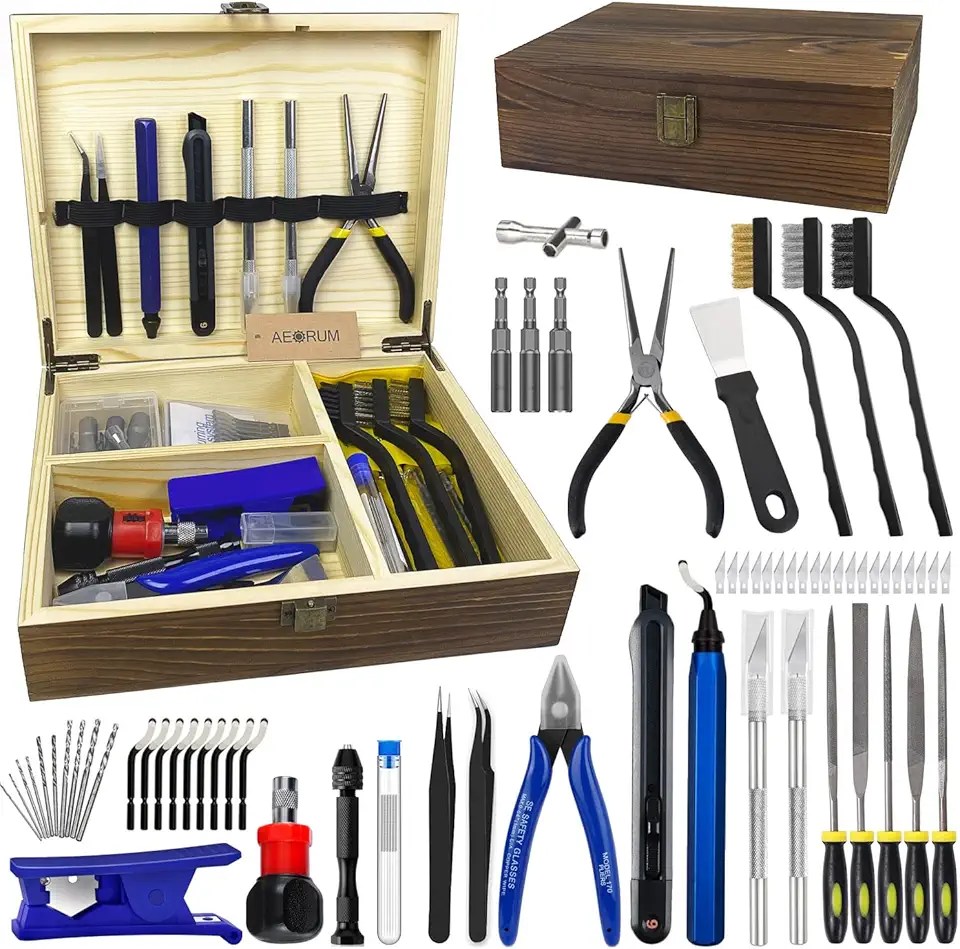
A basic tool kit is essential for any model railroader, novice or experienced. It helps in assembling, maintaining, and troubleshooting your layout. Here are some key tools you should include:

  • Hobby Knife: For cutting and trimming materials.
  • Small Screwdrivers: Both flathead and Phillips for various screws.
  • Needle-Nose Pliers: For handling small parts and wires.
  • Wire Strippers/Cutters: Essential for working with electrical components.
  • Tweezers: For placing small details and parts.
  • Ruler and Measuring Tape: For accurate measurements.

These tools are fundamental and will be used frequently as you build and maintain your layout.

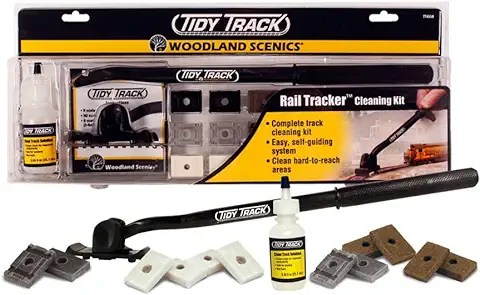
2. Track Cleaning Kit

Keeping your tracks clean is crucial for smooth operation. Dust and dirt can cause poor electrical contact and derailments. A basic track cleaning kit should include:

  • Track Cleaning Eraser: A specialized eraser for removing grime from the rails.
  • Isopropyl Alcohol: For cleaning the tracks without leaving residue.
  • Lint-Free Cloths: To wipe down the tracks after cleaning.

Regular cleaning ensures that your trains run smoothly and reduces the need for more extensive maintenance.

3. Digital Command Control (DCC) System

A DCC system allows you to control multiple trains independently on the same track, adding a layer of realism and excitement to your layout. For beginners, a user-friendly DCC starter set is ideal. Look for sets that include:

  • Command Station: The brain of the DCC system.
  • Power Supply: To provide the necessary power for your trains.
  • Handheld Throttle: For controlling the speed and direction of your trains.

Brands like Digitrax, NCE, and ESU offer reliable starter sets that are expandable as your layout grows.

4. Scenery Materials

Creating realistic scenery is one of the most enjoyable aspects of model railroading. Basic scenery materials can transform your layout from a simple track to a miniature world. Consider starting with:

  • Ground Foam: Available in various colors to simulate grass, dirt, and other ground covers.
  • Static Grass Applicator: For creating realistic grass effects.
  • Trees and Shrubs: Pre-made or kits that you can assemble and paint.
  • Scenic Cement: To glue down your scenery materials.

These materials will help you create a visually stunning layout that captures the imagination.

5. LED Lighting Kit

Proper lighting can make a significant difference in the appearance of your layout. LED lighting kits are energy-efficient and long-lasting. Look for kits that include:

  • Flexible LED Strips: For illuminating large areas.
  • Individual LEDs: For lighting buildings and specific scenes.
  • Power Supply and Connectors: To set up your lighting system.

LED lighting can simulate different times of day and add a dynamic element to your layout.

6. Rolling Stock and Locomotives

A variety of rolling stock and locomotives will keep your layout interesting and allow for different types of operations. When starting, consider:

  • Freight Cars: Boxcars, tank cars, and flatcars for hauling goods.
  • Passenger Cars: For simulating passenger services.
  • Locomotives: Both steam and diesel engines to add variety.

Look for high-quality models that run smoothly and are easy to maintain.

7. Buildings and Structures

Adding buildings and structures to your layout enhances realism and provides context for your trains. Start with a few key structures:

  • Railroad Station: A central hub for your layout.
  • Industrial Buildings: Factories, warehouses, and other facilities.
  • Residential Buildings: Houses and apartments to create a town or city scene.
  • Bridges and Tunnels: For added complexity and visual interest.

Kits are available in various scales and levels of detail, allowing you to choose what best fits your layout and skill level.

8. Coupler Height Gauge

Ensuring that your couplers are at the correct height is crucial for reliable operation. A coupler height gauge helps you check and adjust the couplers on your rolling stock. Brands like Kadee offer gauges for different scales, ensuring compatibility with your setup. Kadee

9. Foam Cradle

A foam cradle is a simple yet invaluable accessory for holding your locomotives and rolling stock securely while you work on them. It prevents damage to delicate parts and makes maintenance tasks easier.

10. Weathering Supplies

Weathering adds realism to your models by simulating the effects of age and use. Basic weathering supplies include:

  • Weathering Powders: In various colors to create dirt, rust, and grime effects.
  • Fine Brushes: For applying powders and paints.
  • Matte Clear Coat: To seal the weathering and protect the finish.

Weathering can be as simple or as detailed as you like, and it adds a unique touch to your models.

11. Essential Books and Guides

Having a few good books and guides on hand can provide valuable information and inspiration. Consider starting with:

  • “Starter Track Plans for Model Railroaders” by Kent J. Johnson: Offers a variety of track plans to suit different spaces and skill levels.
  • “Model Railroading: A Family Guide” by Bruce C. Greenberg: A comprehensive guide that covers all aspects of the hobby.
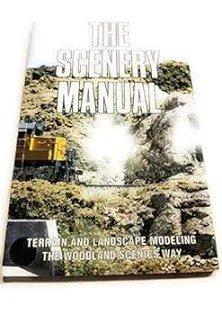
  • “The Complete Book of Model Railroading” by David Sutton: A classic reference book with detailed information on building and operating layouts.

These resources will help you learn the basics and provide ideas for expanding your layout.

Conclusion

Building a family-friendly model railroad setup is a rewarding and enjoyable hobby that can bring generations together. By equipping yourself with these must-have accessories, you’ll be well on your way to creating a layout that is both fun and realistic. Remember, the key to a successful model railroad is to start with the basics and gradually expand your collection as your skills and interests grow. Happy railroading!

Citations:
[1] https://toytooth.com/index.php?product_id=1617309&route=product%2Fproduct
[2] https://www.amazon.com/CityBuilder-Gauge-7mm-Railroad-Cardboard/dp/B00NXNWJEQ?psc=1&smid=AV83ANFWMW4VP
[3] https://www.etsy.com/listing/1194765654/scenic-model-railway-layout-made-to?gpla=1
[4] https://modelrailwaytechniques.com/benchworkstore/
[5] https://www.walthers.com/william-s-country-store-kit
[6] http://www.hobbylinc.com/bar-mills-potters-pub-kit-ho-scale-model-railroad-building-1440
[7] https://www.etsy.com/listing/1522850368/realistic-scenic-model-railway-layout?gpla=1
[8] https://www.walmart.com/ip/Starter-Track-Plans-for-Model-Railroaders-9780890248317/17131821?selectedSellerId=0&wmlspartner=wlpa
[9] https://www.trains.com/mrr/how-to/essential-tools-for-model-railroaders/
[10] https://www.youtube.com/watch?v=BkSPl7SSWbY
[11] https://www.amazon.com/Model-railroading-family-Bruce-Greenberg/dp/0135861497
[12] https://familygardentrains.com/primer/kids.htm
[13] https://forum.mrhmag.com/post/kids-and-model-railroading-12190242

Top Accessories for Model Railroading in 2024

As an expert in model railroading, I’m excited to share with you the top 7 accessories that every novice enthusiast should consider for their hobby in 2024. These accessories will enhance your model railroading experience, improve the realism of your layouts, and make your hobby more enjoyable overall. Let’s dive into the must-have items for the coming year!

  1. Digital Command Control (DCC) System

In 2024, Digital Command Control (DCC) systems continue to be at the forefront of model railroading technology. A DCC system allows you to control multiple trains independently on the same track, offering a more realistic and engaging experience. For novices, I recommend starting with a user-friendly DCC starter set, which typically includes:

  • A DCC command station
  • A power supply
  • At least one handheld throttle

Look for systems from reputable brands like Digitrax, NCE, or ESU. These starter sets are expandable, allowing you to add more features as your skills and layout grow. With DCC, you’ll be able to control train speed, direction, lighting, and even sound effects with precision.

  1. LED Lighting Kit

Proper lighting can transform your model railroad layout from good to great. In 2024, LED lighting kits are more affordable and versatile than ever. A good LED lighting kit for your layout should include:

  • Flexible LED strip lights
  • A power supply
  • Connectors and mounting hardware

Look for kits that offer different color temperatures, allowing you to simulate various times of day or different lighting conditions. Some advanced kits even offer programmable RGB LEDs, enabling you to create dynamic lighting effects. Woodland Scenics.

  1. Weathering Powders and Tools

Weathering is the process of making your models look more realistic by simulating the effects of age, use, and environmental exposure. In 2024, weathering powders and tools are essential accessories for creating authentic-looking models. A basic weathering kit should include:

  • A set of weathering powders in various earth tones
  • Fine brushes for application
  • A sealing spray to fix the weathering in place

Brands like AK Interactive and Vallejo offer excellent weathering products. As you gain experience, you can expand your weathering toolkit to include specialized powders, washes, and pigments for different effects.

  1. Static Grass Applicator

Static grass has revolutionized the way model railroaders create realistic ground cover. A static grass applicator uses an electric charge to make grass fibers stand upright, creating a lifelike appearance. In 2024, these tools have become more affordable and user-friendly. Look for a static grass applicator that includes:

  • The applicator unit
  • A power supply (some are battery-operated for portability)
  • A selection of different grass lengths and colors

Brands like Woodland Scenics and Noch offer reliable static grass applicators. This tool will dramatically improve the realism of your layout’s landscape.

  1. Airbrush and Compressor Set

While not strictly necessary for beginners, an airbrush can significantly enhance your ability to paint and weather models. In 2024, entry-level airbrush and compressor sets are more affordable and easier to use than ever. A good starter set should include:

  • A dual-action airbrush
  • A small, quiet compressor
  • Basic cleaning and maintenance tools

Brands like Iwata and Badger offer excellent beginner-friendly airbrush sets. With an airbrush, you’ll be able to achieve smooth, professional-looking paint jobs on your locomotives, rolling stock, and structures.

  1. Digital Multimeter

A digital multimeter is an invaluable tool for troubleshooting electrical issues on your layout. In 2024, even basic multimeters offer features that can help you diagnose and fix common problems. Look for a multimeter that includes:

  • Voltage measurement (AC and DC)
  • Resistance measurement
  • Continuity testing

Brands like Fluke and Klein Tools offer reliable, user-friendly multimeters. This tool will help you identify short circuits, test track power, and ensure your wiring is correct.

  1. 3D Printer

While this might seem like an advanced accessory, 3D printers have become increasingly affordable and user-friendly in recent years. In 2024, a basic 3D printer can be a game-changer for model railroaders. With a 3D printer, you can:

  • Create custom parts and details for your models
  • Print entire structures or scenic elements
  • Prototype your own designs

Look for an entry-level 3D printer with a build volume of at least 200mm x 200mm x 200mm. Brands like Creality and Prusa offer excellent printers for beginners. While there is a learning curve, the ability to create custom parts can take your modeling to the next level.

Tips for Choosing and Using These Accessories:

  1. Research and read reviews before purchasing any of these accessories. Look for products that are well-regarded in the model railroading community.
  2. Start with the basics and gradually expand your toolkit as your skills and interests grow.
  3. Join online forums or local model railroad clubs to learn from experienced modelers about how to use these accessories effectively.
  4. Always prioritize safety, especially when working with electrical components or tools like airbrushes.
  5. Keep your accessories organized and well-maintained to ensure they last for years to come.
  6. Don’t be afraid to experiment and try new techniques with your accessories. Model railroading is as much about the journey as it is about the final product.
  7. Consider the scale of your layout when choosing accessories, as some tools may be better suited for certain scales.

Conclusion:

As we look ahead to 2024, these seven accessories represent some of the most valuable additions to any novice model railroader’s toolkit. From enhancing the control and operation of your trains with DCC to creating stunningly realistic scenery with static grass and 3D-printed details, these tools will help you take your hobby to the next level.

Remember, model railroading is a journey of continuous learning and improvement. Don’t feel pressured to acquire all of these accessories at once. Start with the ones that align best with your current interests and goals, and gradually expand your collection as you grow in the hobby.

With these accessories at your disposal, you’ll be well-equipped to create a model railroad that not only looks great but also provides countless hours of enjoyment and satisfaction. Happy modeling!

Citations:
[1] https://www.trains.com/mrr/how-to/model-train-layouts/a-beginners-ho-scale-layout-from-one-sheet-of-plywood/
[2] https://www.youtube.com/watch?v=rbPZkp8gaY0
[3] https://www.youtube.com/watch?v=oJL8DZO5mks
[4] https://www.nmra.org/beginners-guide-part-2-layout-planning
[5] https://kalmbachhobbystore.com/product/book/12466

What Dishes Pair Well with Chardonnay?

What Dishes Pair Well with Chardonnay?

Chardonnay is one of the most versatile and widely enjoyed white wines in the world. Its flavor profile can range from crisp and citrusy to rich and buttery, depending on the winemaking techniques and the region where it is produced. This versatility makes Chardonnay an excellent companion for a variety of dishes. Here are some dishes that pair exceptionally well with Chardonnay, along with some dos and don’ts to keep in mind when pairing this wine.

Classic Pairings for Chardonnay

  1. Roast Chicken with Herbs
  • Why it works: The mild, buttery flavors of roast chicken complement the creamy texture and subtle oakiness of many Chardonnays. Herbs like rosemary and thyme add an aromatic complexity that enhances the wine’s flavor profile[9].
  1. Wine-Braised Chicken with Mashed Potatoes
  • Why it works: The richness of the braised chicken and the creamy mashed potatoes are a perfect match for a full-bodied, oaky Chardonnay. The wine’s acidity cuts through the richness, balancing the dish[9].
  1. Grilled Lemon-Garlic Turkey
  • Why it works: The citrus and garlic flavors in the turkey highlight the crisp, citrusy notes in a lighter, unoaked Chardonnay. The grilling adds a smoky element that pairs well with the wine’s subtle oakiness[9].
  1. Pecan-Crusted Chicken
  • Why it works: The nutty, toasty flavors of the pecan crust complement the toasty oak notes in an oaked Chardonnay. The wine’s acidity balances the richness of the dish[9].
  1. Roast Pork with Apples
  • Why it works: The sweetness of the apples and the savory flavors of the roast pork create a harmonious balance with the ripe fruit flavors and slight sweetness of a well-rounded Chardonnay[9].
  1. Seafood Dishes
  • Meaty Fish (Halibut, Cod): The mild flavors of these fish pair well with both oaked and unoaked Chardonnays. The wine’s acidity enhances the delicate flavors of the fish.
  • Shellfish (Lobster, Shrimp, Crab, Scallops): The rich, buttery texture of shellfish is a natural match for a creamy, oaky Chardonnay. The wine’s acidity cuts through the richness, creating a balanced pairing[9].

Find your Favorite CHARDONNAY HERE

  1. Creamy Pasta Dishes
  • Risottos and Cream-Enhanced Sauces: The silky texture of risottos and creamy pasta dishes complements the creamy mouthfeel of a full-bodied Chardonnay. The wine’s acidity balances the richness of the dish[9].
  1. Vegetable Dishes
  • Corn, Butternut Squash, Sweet Potatoes: The natural sweetness of these vegetables pairs well with the ripe fruit flavors in Chardonnay. Roasting or grilling these vegetables adds a caramelized flavor that complements the wine’s toasty oak notes[9].

Dos and Don’ts for Pairing Chardonnay

DO:

  • Serve with mild, buttery, or creamy dishes: These flavors complement the creamy texture and subtle oakiness of Chardonnay.
  • Pair with meaty fish and shellfish: The wine’s acidity enhances the delicate flavors of the seafood.
  • Complement oaky Chardonnay with toasty flavors: Foods with toasted nuts, pastry crust, grilling, or smoking enhance the wine’s oak notes.
  • Pair crisp, delicate Chardonnay with simply flavored foods: Baked fish or poultry with butter and herbs are excellent choices.
  • Play to ripe Chardonnay’s impression of sweetness: Ingredients like corn, butternut squash, and sweet potatoes, as well as caramelized foods, work well.
  • Pair with dishes that have a silky texture: Risottos and cream-enhanced soups, sauces, and pastas are great matches[9].

DON’T:

  • Pair with aggressively seasoned food: Avoid fresh or dried chilies and super spicy dishes, as they can overpower the wine.
  • Pair with bitter foods: Bitter greens, vegetables, and spices like turmeric can make the wine taste sour.
  • Pair with acidic foods: Raw tomatoes, olives, capers, ceviche, and tangy vinaigrettes and sauces can clash with the wine’s acidity.
  • Pair with pungent or high-acid cheeses: Funky, washed-rind cheeses and aged goat and sheep’s cheese can overpower the wine.
  • Serve Chardonnay too cold: This can dull its pairing powers. Remove it from the ice bucket or refrigerator 15 to 20 minutes before pouring, and let it warm up to about 48 degrees Fahrenheit[9].

SHOP CHARDONNAY HERE

Conclusion

Chardonnay’s versatility makes it a fantastic wine to pair with a wide range of dishes. Whether you prefer a crisp, unoaked Chardonnay or a rich, buttery, oaked version, there are plenty of food pairings that can enhance your dining experience. By following these guidelines and experimenting with different combinations, you can discover the perfect pairings that suit your palate. Cheers to exploring the delightful world of Chardonnay and food pairings!

Citations:
[1] https://www.yelp.com/biz/ripple-wine-bar-covington-covington?adjust_creative=6zagVcKwffYZAA-51mlGNg
[2] https://www.yelp.com/biz/bouquet-restaurant-covington?adjust_creative=6zagVcKwffYZAA-51mlGNg
[3] https://www.yelp.com/biz/strongs-brick-oven-pizzeria-newport?adjust_creative=6zagVcKwffYZAA-51mlGNg
[4] https://www.yelp.com/biz/york-street-caf%C3%A9-newport-2?adjust_creative=6zagVcKwffYZAA-51mlGNg
[5] https://www.yelp.com/biz/louvino-otr-cincinnati?adjust_creative=6zagVcKwffYZAA-51mlGNg
[6] https://www.yelp.com/biz/sacred-beast-cincinnati-2?adjust_creative=6zagVcKwffYZAA-51mlGNg
[7] https://www.yelp.com/biz/bow-tie-caf%C3%A9-cincinnati-2?adjust_creative=6zagVcKwffYZAA-51mlGNg
[8] https://www.yelp.com/biz/alfios-buon-cibo-cincinnati?adjust_creative=6zagVcKwffYZAA-51mlGNg
[9] https://www.lacrema.com/chardonnay-food-pairings/
[10] https://www.matchingfoodandwine.com/news/pairings/the-best-food-to-match-with-chardonnay/
[11] https://www.lafatacellars.com/10-effortless-dishes-to-pair-with-chardonnay/
[12] https://hopefamilywines.com/blog/what-foods-pair-best-with-chardonnay-wine/
[13] https://www.wineberserkers.com/t/chardonnay-why-so-hard-to-pair-with-food/163072
[14] https://www.insolenceandwine.com/blog/2016/2/food-wine-pairings-chardonnay
[15] https://www.winetourism.com/top-5-dishes-to-pair-with-chardonnay/
[16] https://www.platingsandpairings.com/category/wine-pairings/chardonnay-food-pairings/