As the year draws to a close, December’s long, crisp nights offer some of the best stargazing opportunities of the entire calendar. The 2026 winter skies are particularly generous, featuring one of the year’s most spectacular meteor showers, a historically close “Cold” Supermoon, and prime viewing for several bright planets.
Whether you’re a seasoned astronomer or stepping outside with your family for the very first time, here’s what to watch for in the December 2026 night sky.
1. The Geminids: King of the Meteor Showers
Kick off your December viewing with the celestial highlight of the month: the Geminid meteor shower. Often called the best and most reliable shower of the year, the Geminids are known for their brightness, speed, and multi-colored streaks.
The Geminids are best viewed during the night and predawn hours and are visible across the globe due to a nearly 24-hour broad maximum. This shower is considered one of the best opportunities for young viewers since this shower starts around 9 or 10 p.m. To view the Geminids, find an area well away from the city lights or street lights. Come prepared for winter temperatures with a sleeping bag, blanket, or lawn chair. Lie flat on your back with your feet facing south and look up, taking in as much of the sky as possible. After about 30 minutes in the dark, your eyes will adapt and you will begin to see meteors. Be patient – the show will last until dawn, so you have plenty of time to catch a glimpse.
- Peak Dates: Overnight from Sunday, December 13 into Monday, December 14. Good activity is also expected on the nights before and after.
- When to Watch: The absolute best time is after midnight, once the shower’s radiant point (in the constellation Gemini) has climbed high into the southern sky, but viewing can begin as early as 10 p.m. local time.
- Viewing Conditions: Excellent! The Moon is in its waning crescent phase, meaning it will set early in the evening and leave the sky beautifully dark for the peak viewing hours. Under ideal, dark-sky conditions, you could see up to 120 meteors per hour.
Stan’s Tip: Don’t bother with a telescope or binoculars. Your eyes are the best tool for meteor showers because they offer the widest possible field of view. Find the darkest spot you can, lie back in a reclining chair, bundle up warmly, and simply look up. Patience is key—give your eyes at least 20 minutes to fully adjust to the dark.
Shop Reclining Zero Gravity Chairs on Amazon
2. December Solstice: Welcome, Winter
December 21 marks a major seasonal turning point. At precisely 0:50 UTC (on the 21st), the Earth’s North Pole is tilted farthest away from the Sun.
- Significance: This is the winter solstice in the Northern Hemisphere, meaning it is the shortest day and the longest night of the year. South of the equator, it is the summer solstice, the longest day of the year.
- Stargazing Bonus: The earlier sunset and long hours of darkness give Northern Hemisphere observers extra time to explore the cosmos. The solstice is also a fantastic time to look for aurorae, as this period around the solstice is statistically favorable for increased geomagnetic activity.
3. The “Cold” Supermoon: A Christmas Eve Treat
Just two days after the solstice, the Moon reaches full phase, creating the final full moon of 2026. This one is extra special.
A cold supermoon is the December full moon—called the Cold Moon—that appears unusually large and bright because it occurs near the Moon’s closest point to Earth (perigee), making it a supermoon. It can look up to about 14% larger and 30% brighter than a typical full moon.
- Date & Time: Full Moon occurs on Wednesday, December 23.
- Supermoon Status: This full moon coincides closely with the Moon’s perigee—its closest point to Earth in its orbit. Astronomers are calling it the largest supermoon of 2026, as it hasn’t been this close to Earth since 2018. It will appear noticeably larger and up to 30% more luminous than an average full moon.
- Viewing Tips: This “Cold” Supermoon (so named by Native American tribes due to the frigid temperatures of the season) will rise in the east around sunset on December 23 and again on Christmas Eve. Watching it ascend above the eastern horizon is a spectacular sight, especially if you catch it during the “golden hour” when its light is filtered by the atmosphere, often giving it a warm, golden-orange hue.
Shop Telescope Moon Filters on Amazon
4. Planetary Parade: The Planets of December 2026
You can spot at least six planets in December, creating a celestial arc across the morning and evening skies.
Evening Sky Targets
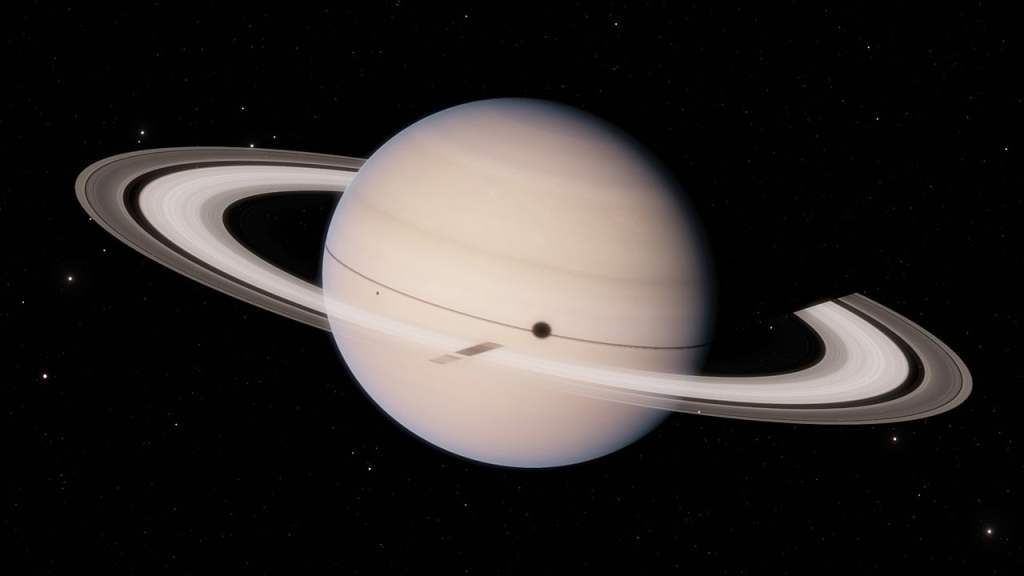
- Saturn: The ringed planet is a steady, yellowish “star” visible in the early evening. Look to the south-southwest against the faint background stars of the constellation Pisces. On December 17, the first-quarter Moon, Saturn, and the ice giant Neptune will form a loose triangular asterism. You’ll need a decent telescope to pick out Neptune from the bright moonlight. Shop Beginner Telescopes on Amazon
Morning Sky Targets
- Venus: The “Morning Star” lives up to its name, blazing with incredible brightness in the pre-dawn eastern sky all month long. You can’t miss it. On December 4, early risers will be treated to a lovely conjunction where Venus sits just a few degrees from the bright star Spica and a slender waning crescent Moon.
- Mars & Jupiter: The dynamic duo of late 2026 continues their dance. Throughout December, they will rise together shortly after midnight, glowing brightly in the east. While they appeared very close in November, they will gradually drift apart as the month progresses, hovering near the constellation Leo and its star Regulus. Catch this quartet—Moon, Mars, Jupiter, and Regulus—in the pre-dawn hours of December 27 and 28.
All-Night Targets (Telescope Required)
- Uranus & Neptune: For those with telescopes, Uranus spends the month in the constellation Taurus, positioned neatly between the famous Pleiades star cluster and the bright star Aldebaran. Neptune remains in the dim constellation Pisces, near Saturn.
Stan’s Tip: If you received a new telescope for Christmas or an early holiday gift, December is the perfect month to break it in. Focus first on the easy wins: the craters of the Moon, the cloud bands and moons of Jupiter, and the icy rings of Saturn. It takes practice, so don’t get discouraged if your first views are blurry. Patience and a stable tripod are your best friends.
Shop Sturdy Camera Tripods on Amazon Adapters for Phones
5. Constellations of the Season
With the brilliant planets and bright moon, don’t forget to enjoy the seasonal constellations that define the winter sky.
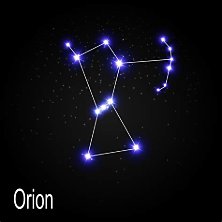
- The Return of Orion: The mighty hunter, Orion, dominates the southern sky by mid-evening. Look for his distinctive three-star belt. Below the belt, his “sword” dangles, containing the fuzzy patch known as the Orion Nebula (M42). This is a massive star-forming nursery visible even in small binoculars or a low-power telescope. Shop Astronomy Binoculars on Amazon
- Winter Hexagon: Use the bright stars of the winter sky to trace the massive “Winter Hexagon” asterism. Connect the stars Rigel (in Orion), Aldebaran (in Taurus), Capella (in Auriga), Castor & Pollux (in Gemini), Procyon (in Canis Minor), and finally Sirius (in Canis Major).
- Sirius: Within the Winter Hexagon lies Sirius, the brightest star in the entire night sky. Located in the constellation Canis Major (The Greater Dog), Sirius gleams with a brilliant, often flashing, white light low in the southeast.
Disclosure: Stan’s Hobbies and Interests earns from qualifying purchases through affiliate links below. If you click on one and make a purchase, I may earn a small commission at no extra cost to you. Thank you for supporting the blog!
In Closing: Making Stan’s Tips Work for You
December 2026 is a gift to skywatchers. Whether you are watching the Geminids from a reclining chair, sharing the view of the “Cold” Supermoon with your kids on Christmas Eve, or hunting down Neptune with your new telescope, the most important thing is to bundle up and step outside.
The best view in the house is free, and it’s waiting just outside your back door.
Clear skies and happy observing.
SEO Meta Title: December 2026 Night Sky Guide: Supermoon, Geminids & Planets | Stargazing SEO Meta Description: Explore the December 2026 night sky! Stan’s guide covers the “Cold” Supermoon, peak Geminid meteor shower, winter solstice, and all visible planets. Family-friendly and educational.Focus Keywords: December 2026 night sky, stargazing December 2026, Geminid meteor shower 2026, Cold Supermoon December 2026, December solstice 2026, visible planets December 2026.

