Nothing sparks wonder across generations quite like stepping into the backyard on a crisp, clear night and spotting Saturn’s rings or the craters of the Moon for the very first time. Whether you are shopping for a curious grandchild, a parent looking to turn screen time into sky time, or a spouse ready to dive deeper into the cosmos, choosing the right astronomy gift doesn’t have to feel like rocket science.
Building on our popular holiday guides from past seasons, this 2026 Astronomy Gift Guide focuses on reliable, frustration-free gear that gets families outside and looking up. From grab-and-go binoculars to the latest app-assisted and smart telescopes of 2026, here is everything you need to wrap up the universe this holiday season.
1. Stargazing Binoculars: The Best First Step for Families
Before buying a telescope, I always remind families that a good pair of binoculars is the true gateway to the night sky. They are portable, intuitive for kids and adults alike, and offer a wide field of view that makes sweeping across the Milky Way or spotting star clusters effortless.
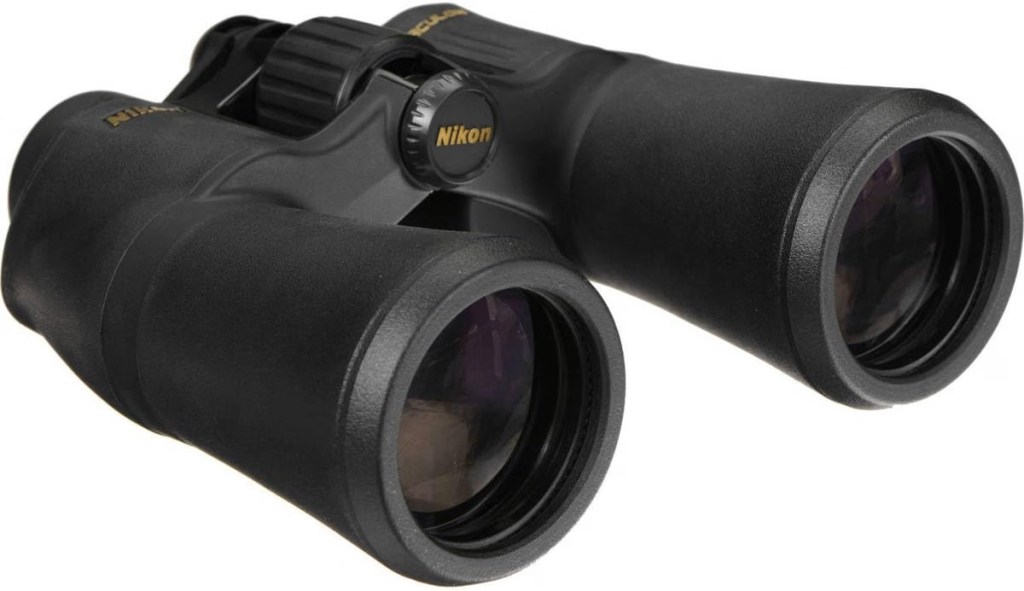
Nikon Aculon A211 10×50 Binoculars
- Best For: Kids, beginners, and handheld backyard stargazing
- Why Families Love Them: With 10x magnification and 50mm objective lenses, these hit the “sweet spot” for astronomy. They gather plenty of light to reveal Jupiter’s four largest moons and the Orion Nebula, yet they remain light enough to hold steady without a tripod.
- Shop on Amazon: Check Current Price for Nikon Aculon A211 10×50
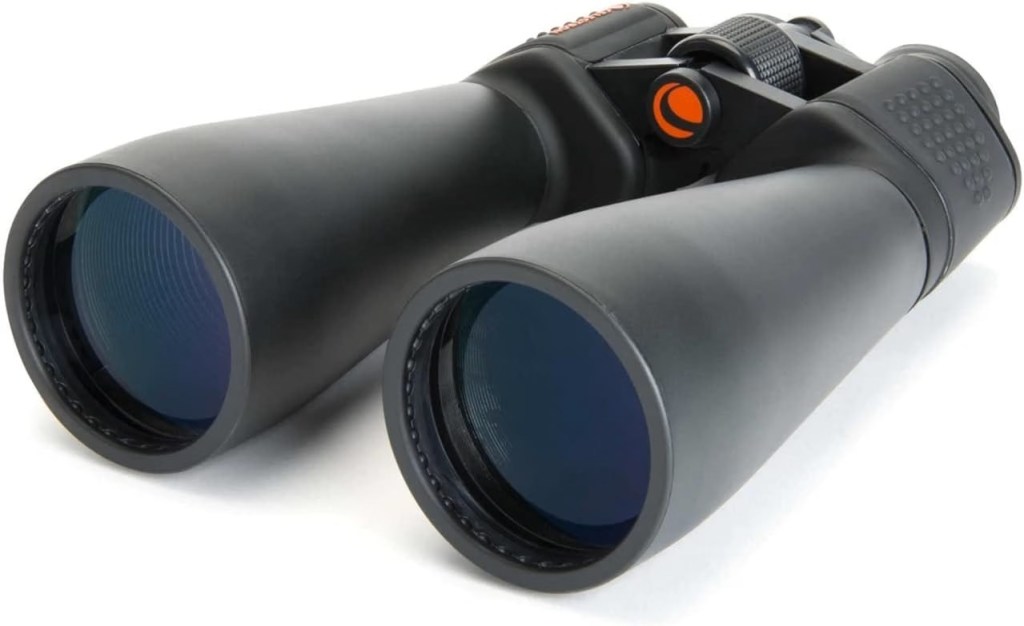
Celestron SkyMaster 15×70 Binoculars
- Best For: Older teens, adults, and deeper sky views
- Why Families Love Them: Stepping up to massive 70mm lenses brings faint star clusters and distant galaxies into sharp focus. They even include a tripod adapter in the box so you can mount them for steady, shared family viewing.
- Shop on Amazon: Check Current Price for Celestron SkyMaster 15×70
Stan’s Tip:Never buy binoculars with more than 10x magnification if you plan to hold them by hand. At 15x or 20x, even your heartbeat will make the stars bounce around. If you gift the 15x70s, toss a sturdy camera tripod under the tree right next to them!
2. Best Beginner Telescopes for 2026: Crisp Views Without the Frustration
The quickest way to kill a beginner’s enthusiasm is a wobbly telescope with a complicated mount. For 2026, the best family telescopes combine solid optics with simple pointing systems that eliminate the guesswork.
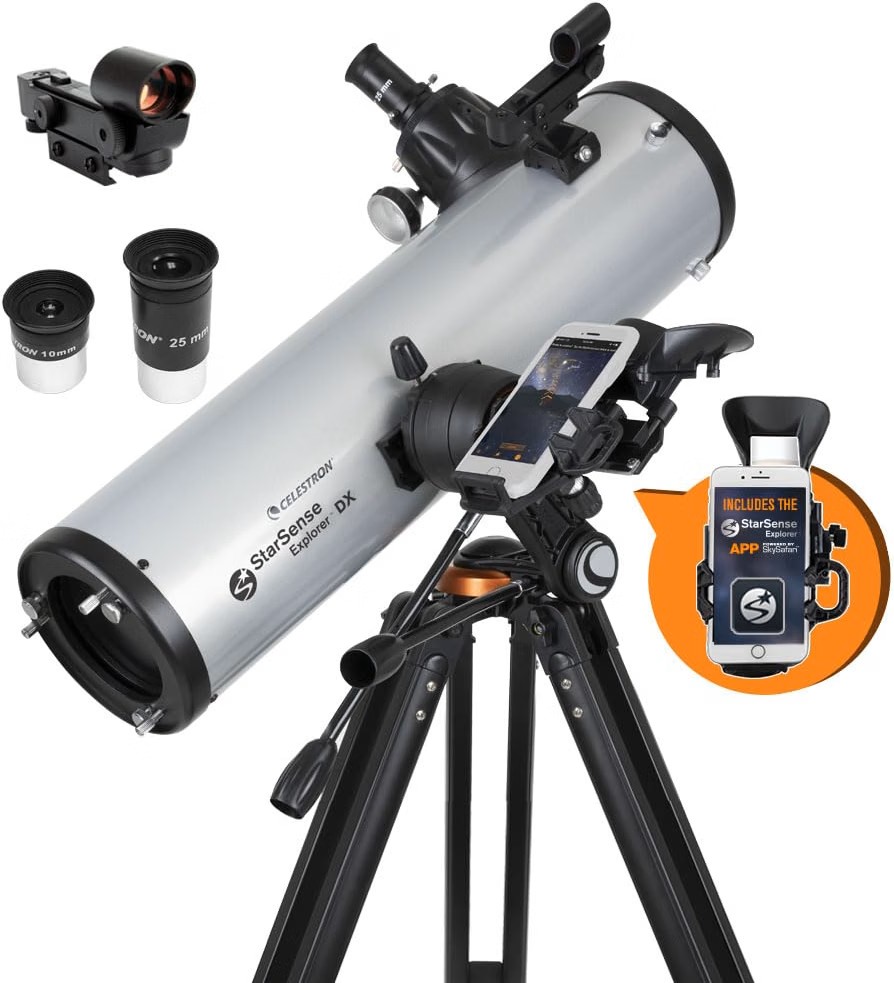
Celestron StarSense Explorer DX 130AZ
- Best For: Families who want smartphone-guided navigation
- Why Families Love It: Instead of relying on expensive motors or confusing star charts, this 130mm reflector uses your smartphone in a patented dock. The StarSense app analyzes star patterns overhead and displays arrows on your screen guiding you straight to planets, nebulae, and galaxies in seconds.
- Shop on Amazon: Check Current Price for Celestron StarSense Explorer DX 130AZ
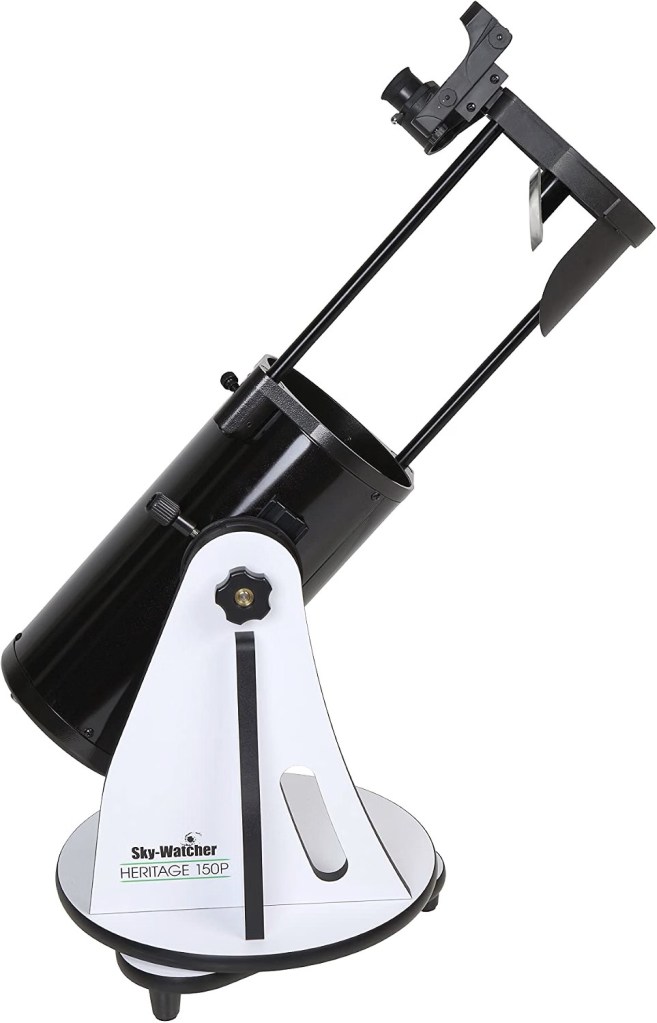
Sky-Watcher Heritage 150 Tabletop Dobsonian
- Best For: Maximum optical power on a budget
- Why Families Love It: A 6-inch mirror gathers a tremendous amount of light for crisp views of Saturn’s rings, Jupiter’s cloud bands, and bright deep-sky objects. Its collapsible tube shrinks down to fit easily on a closet shelf, and the simple “point-and-look” tabletop base sets up in under a minute.
- Shop on Amazon: Check Current Price for Sky-Watcher Heritage 150
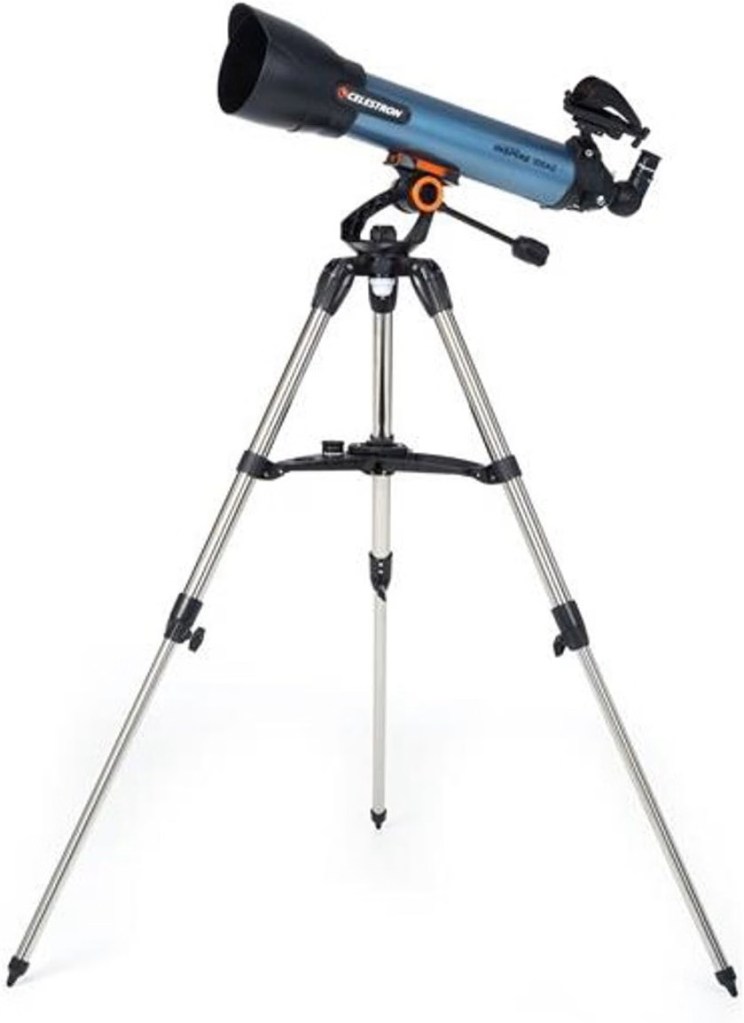
Celestron Inspire 100AZ Refractor
- Best For: Grab-and-go lunar and planetary viewing
- Why Families Love It: Refractors require zero optical alignment (collimation), making them practically maintenance-free for busy households. The Inspire 100AZ features a built-in red LED flashlight in the mount and an integrated smartphone adapter in the lens cap so kids can snap Moon photos on night one.
- Shop on Amazon: Check Current Price for Celestron Inspire 100AZ
Stan’s Tip:Ignore any telescope box that screams “600x Magnification!” In astronomy, aperture (the diameter of the main lens or mirror) is king. A bigger aperture gathers more light, which is what actually lets you see faint objects clearly. Stick to reputable astronomy brands like Celestron, Sky-Watcher, and Orion rather than department-store toy scopes.
3. Smart Telescopes: The Hottest Trend in 2026
If your family loves technology and wants to capture full-color images of distant nebulae from a light-polluted backyard, 2026 is the golden age of all-in-one smart telescopes.
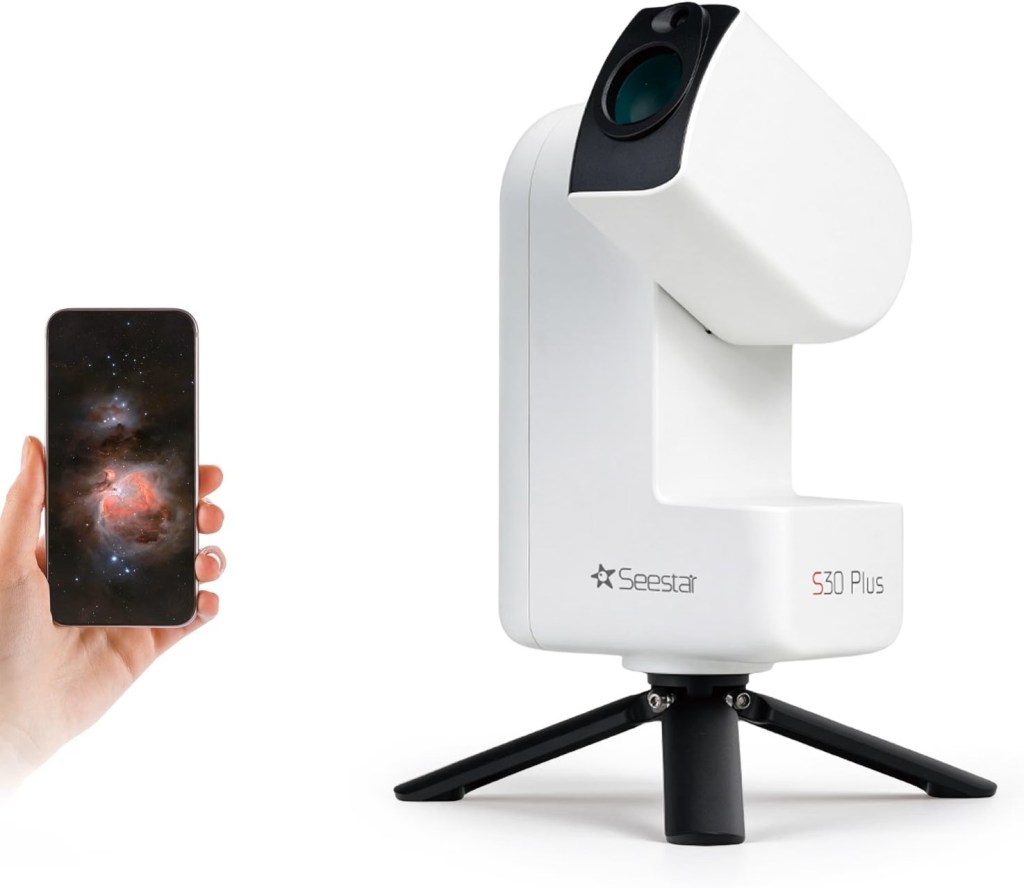
ZWO Seestar S30 Plus (or Seestar S30 Pro)
- Best For: Effortless astrophotography and sharing views on a tablet or phone
- Why Families Love It: Weighing under 4 pounds, this compact smart scope automatically aligns itself, tracks the sky, and stacks live images right onto your phone or iPad screen. Everyone can gather around the tablet in the warmth of the living room or patio while the telescope reveals glowing spiral galaxies and colorful nebulae.
- Shop on Amazon: Check Current Price for ZWO Seestar S30
Stan’s Tip:Smart telescopes don’t have traditional eyepieces to look through. If your family wants the magic of seeing real starlight hit their own eyes, go with a Dobsonian or refractor. If you want instant, shareable photos for school projects and social media without spending thousands on camera rigs, the Seestar is unbeatable.
4. Essential Stocking Stuffers Under $50
Sometimes the best gifts are the small accessories that make a freezing winter observing session comfortable and productive.
- Celestron Night Vision Red LED Flashlight: White light ruins your night vision instantly, forcing your eyes to spend another 30 minutes re-adjusting to the dark. A dedicated red flashlight with adjustable brightness lets kids read star maps safely.Shop Red LED Flashlights on Amazon
- 1.25″ Neutral Density Moon Filter: Looking at a full Moon through a telescope can feel like staring into a car headlight. A simple screw-on Moon filter cuts the glare and brings out dramatic crater shadows.Shop 1.25″ Moon Filters on Amazon
- Universal Smartphone Telescope Adapter: If you buy a standard telescope, add a solid clamp adapter so the family can line up their phone camera with the eyepiece and capture their first lunar close-ups.Shop Smartphone Telescope Adapters on Amazon
- 101 Amazing Sights of the Night Sky by George Moromisato: An approachable, visually rich field guide organized like a family scavenger hunt, rating every celestial target by whether you need naked eyes, binoculars, or a small scope.Shop 101 Amazing Sights of the Night Sky on Amazon
Quick Gift Comparison: Which Should You Choose?
| Gift Category | Top 2026 Pick | Best Age / Skill Level | Primary Strength |
| Handheld Binoculars | Nikon Aculon A211 10×50 | Ages 8+ / All Levels | Zero setup; wide star-field views |
| App-Guided Telescope | Celestron StarSense DX 130AZ | Families & Beginners | Phone screen points you to targets |
| Classic Visual Scope | Sky-Watcher Heritage 150 | Ages 10+ / Enthusiasts | Big 6-inch mirror; crisp planets & nebulae |
| Smart Astrophotography | ZWO Seestar S30 Plus | Tech-Lovers & Families | Automated deep-sky color photos |
Final Thoughts: Making Memories Under the Stars
Remember, the best telescope or pair of binoculars isn’t the one with the biggest specs—it’s the one that actually gets carried out the back door. Pair any of these gifts with a thermos of hot cocoa, a reclining lawn chair, and a free stargazing app like Stellarium, and you have the recipe for unforgettable family nights.
Clear skys and happy hunting.
Disclosure: As an Amazon Associate, Stan’s Hobbies and Interests earns from qualifying purchases. If you click on one of the product links below and make a purchase, I may earn a small commission at no extra cost to you. Thank you for supporting the blog!

