How to bring a Model Railroad to life by using Figures and Vehicles

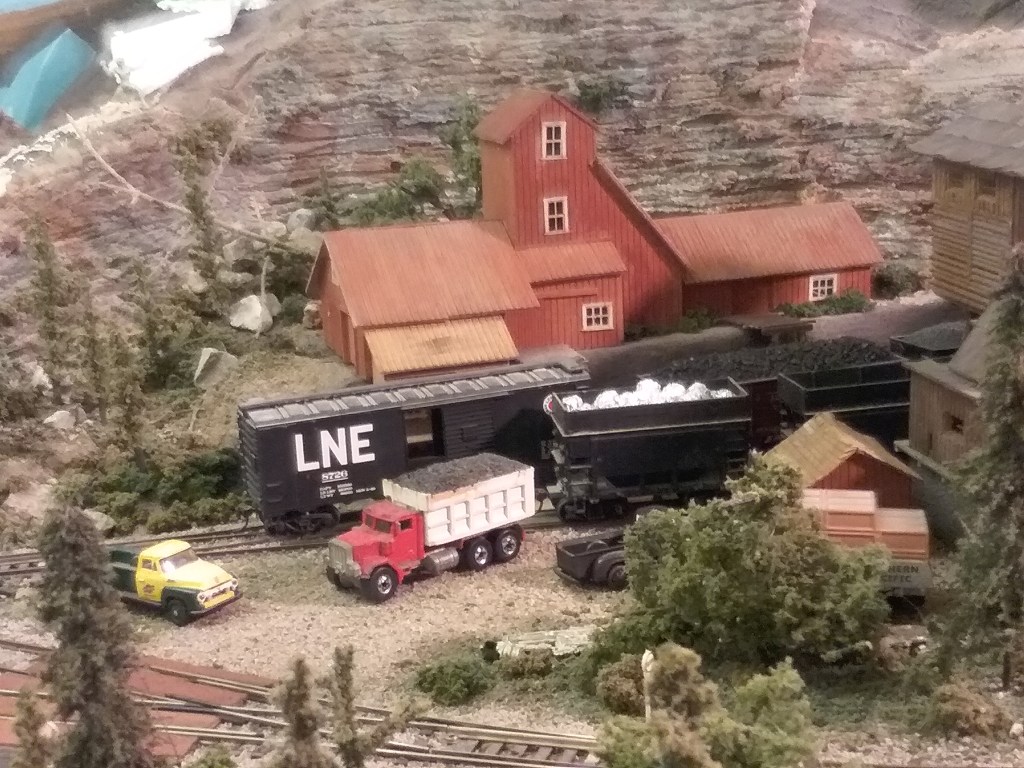
Model railroads are not just about the trains; they are about creating a whole miniature world. One of the key elements in bringing a model railroad to life is the use of figures and vehicles. These elements add a sense of scale, activity, and realism to the layout. Whether you are a novice or an experienced model railroader, incorporating figures and vehicles can significantly enhance the visual appeal and storytelling aspect of your model railroad. In this article, we will explore some expert tips on how to effectively use figures and vehicles to breathe life into your model railroad.

This article is a follow up to my first article on How to add Excitement to your Model Railroad.

Incorporating Figures

Figures play a crucial role in adding human activity and a sense of realism to a model railroad. Here are some tips for effectively incorporating figures into your layout:

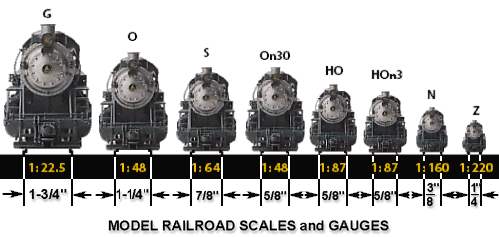
  1. Scale and Proportion: It’s essential to ensure that the scale of the figures matches the scale of your model railroad. Common scales for figures include HO (1:87), N (1:160), and O (1:48). Using figures that are proportionate to the trains and structures will enhance the overall realism of the scene[2].
  2. Placement and Poses: When placing figures, consider natural poses and realistic placements. For example, figures can be positioned waiting at a station, boarding a train, or engaging in various activities such as walking, sitting, or working. This attention to detail adds depth and narrative to the layout[2].
  3. Customization: While there are pre-made figures available, customizing figures by painting them with unique clothing and facial details can add a personal touch to your layout. This allows you to create specific scenes and characters tailored to your vision[2].

Shop for Figures and Vehicles HERE

Utilizing Vehicles

Vehicles are another essential component that can bring dynamism and context to a model railroad. Here’s how you can effectively integrate vehicles into your layout:

  1. Variety of Vehicles: Incorporating a variety of vehicles such as cars, trucks, buses, and emergency vehicles adds visual interest and reflects real-world traffic. Ensure that the vehicles are appropriately scaled to match the trains and figures within the layout[2].
  2. Realistic Traffic Flow: Consider the traffic flow within your layout. Position vehicles as they would naturally appear in real life, such as obeying traffic signals, stopping at crossings, or navigating parking areas. This attention to detail enhances the authenticity of the scene[2].
  3. Dynamic Elements: To add an extra layer of realism, consider utilizing dynamic elements such as moving vehicles. This can be achieved through various methods, including motorized cars and trains, as well as incorporating sound effects to mimic real-world traffic noise[4].

In conclusion, incorporating figures and vehicles into your model railroad layout is an exciting way to elevate its visual appeal and storytelling potential. By paying attention to scale, proportion, placement, and customization of figures, as well as integrating a variety of vehicles in realistic traffic flow, you can bring your model railroad to life with vibrant human activity and dynamic movement.

By following these expert tips, novice model railroaders can create captivating scenes that capture the essence of real-life environments within their miniature worlds.

Find Figures and Vehicles HERE

[1] https://cs.trains.com/mrr/f/11/t/243863.aspx%5B2%5D https://trainlife.com/blogs/blog/5-of-the-best-ways-to-use-figurines-in-your-model-railway%5B3%5D https://youtube.com/watch?v=kbMlBkT_6nk%5B4%5D https://blog.balena.io/bring-model-railroad-to-life-led-movement-sound-balena/

Citations:
[1] https://cs.trains.com/mrr/f/11/t/243863.aspx
[2] https://trainlife.com/blogs/blog/5-of-the-best-ways-to-use-figurines-in-your-model-railway
[3] https://youtube.com/watch?v=kbMlBkT_6nk
[4] https://blog.balena.io/bring-model-railroad-to-life-led-movement-sound-balena/
[5] https://youtube.com/watch?v=_nucQujwkf0

Model Railroading: A Great Family-Friendly Hobby

Model railroading is a hobby that has been enjoyed by people of all ages for many years. It is a unique craft that enables enthusiasts and professionals to develop small-scale railway systems with toy trains. The hobby has no skill or age restrictions, and it is a great way to bring families together. In this article, we will explore why model railroading is a great family-friendly hobby.

  1. Everyone Can Participate

One of the best things about model railroading is that everyone can participate. It is a hobby that can be enjoyed by people of all ages, from young children to seniors. Building a model railroad is a great family-oriented hobby. Every member of the family can be working on some part of things. Mom can be building this part, dad working on that, while the kids are working on something else. It is a great way to spend time together as a family and create something that everyone can be proud of.

  1. Educational Value

Model railroading can be very educational. You can learn a whole range of things, including history, engineering, and design. Railroads reflect the times they operated in, and building a model railroad leads to learning about prototype railroads, their times, and their settings. Model railroads themselves require a bit of engineering to construct. We can learn about electrical wiring, track design, and other technical aspects of the hobby. It is a great way to learn new skills and expand your knowledge.

  1. Therapeutic Value

Model railroading can also be therapeutic. It is a great way to relieve stress and anxiety. The hobby requires a lot of focus and concentration, which can help you forget about your worries and focus on something positive. It is also a great way to exercise your creativity and imagination. You can create your own world and escape from reality for a while.

  1. Endless Possibilities

Model railroading is a hobby that has endless possibilities. You can create your own world and design your own layout. You can choose the era, the location, and the type of trains you want to run. You can also add scenery, buildings, and other details to make your layout unique. The possibilities are endless, and you can always add new features and elements to your layout to keep it fresh and exciting.

  1. Long-Lasting Hobby

Model railroading is a hobby that can last a lifetime. Many people in the hobby started when they were kids and it stayed with them. It is a great way to create memories and pass on the hobby to future generations. It is also a great way to connect with other enthusiasts and share your passion for the hobby.

Conclusion

In conclusion, model railroading is a great family-friendly hobby that has something to offer for everyone. It is a great way to spend time together as a family, learn new skills, and exercise your creativity. It is also a great way to relieve stress and anxiety and create something that you can be proud of. With endless possibilities and a long-lasting appeal, model railroading is a hobby that is sure to provide hours of entertainment and enjoyment for years to come.

A lively debate on Steam vs. Diesel

After the last article I had some comments about the neglect to mention electric power along with steam and diesel. I used creative license and developed a discussion between Mark Twain and John Grisham, my favorite authors from the periods to have a lively discussion about motive power.

I can attempt to emulate the writing styles of Mark Twain and John Grisham (both authors from different eras Mark Twain wrote Huckleberry Finn, John Grisham wrote The Firm, The Pelican Brief and more) in the form of a debate on the topic of modeling steam or diesel locomotives. Both favorite authors.

Mark Twain: Well, here we are, gathered in the realm of model railroading, debating the merits of steam versus diesel locomotives. A delightful topic indeed! Let me begin by extolling the virtues of steam. Its hissing, chugging symphony carries us back to a bygone era, where the romance of train travel enthralled our imaginations.

Steam locomotives embody the very essence of nostalgia and provide a tangible link to our shared history.

John Grisham: Ah, Mark, while I appreciate your fondness for steam, allow me to advocate for the practicality of diesel locomotives. Picture this: sleek, efficient engines gliding effortlessly along the tracks, with the power to transport us to the modern era. Diesel locomotives symbolize progress, representing the advancement and innovation that have shaped the contemporary world we live in.
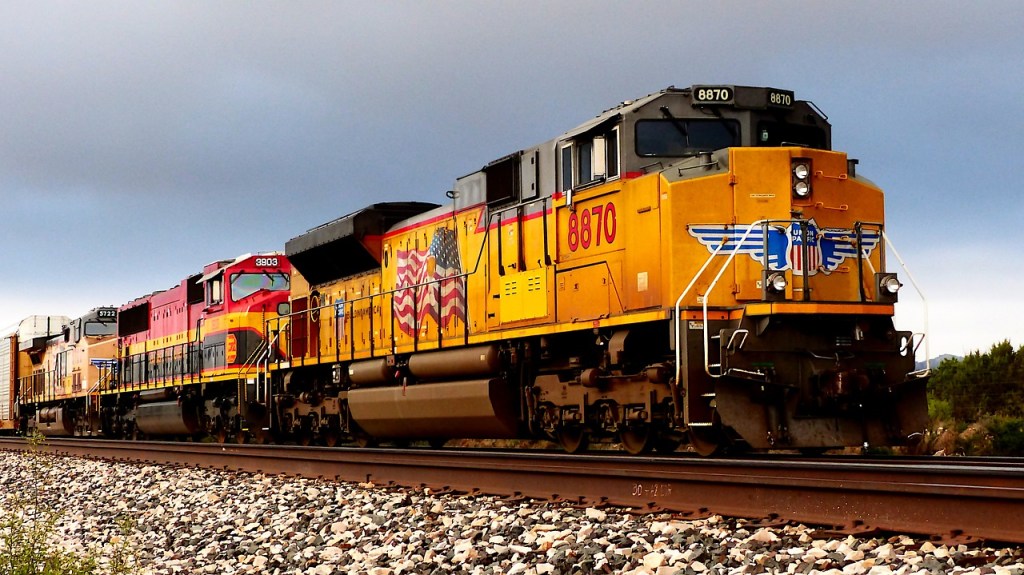
Their reliability and ease of maintenance make them a sensible choice for any model railroad enthusiast.

Mark Twain: John, I must concede that diesel locomotives have their merits. Their streamlined design and efficient performance do hold an undeniable allure. However, we must not dismiss the historical significance and visual grandeur of steam. The plumes of smoke and rhythmic chugging stir the soul and evoke a sense of adventure.

There’s a reason steam locomotives have captured the hearts of enthusiasts for generations.

John Grisham: Mark, I cannot dispute the emotional connection one may feel with steam locomotives. They do possess a certain charm. However, we must also consider the practical aspects of modeling. Diesel locomotives offer a wide range of models, allowing enthusiasts to explore various eras and railroad lines. They are more accessible, both in terms of maintenance and availability of models and accessories. For those seeking a modern touch, diesel power is the way to go.

Mark Twain: John, I understand your point. The modeling world is indeed fortunate to have a diverse array of diesel locomotives to choose from. But let us not forget that blending the two worlds can create a harmonious fusion. By incorporating both steam and diesel locomotives into our layouts, we can capture the best of both eras, paying homage to the rich history while embracing the dynamic present.

John Grisham: Mark, I must admit your proposition has merit. The juxtaposition of steam and diesel can add layers of intrigue and versatility to our layouts. It allows us to explore different time periods and create a narrative that spans generations. Perhaps a compromise is in order, blending the classic with the contemporary to create a truly captivating model train experience.

Mark Twain: Well said, John. By combining our passions for both steam and diesel locomotives, we can embark on a remarkable journey through time, where the echoes of history mingle with the pulse of progress. Let us celebrate the diversity and possibilities that model railroading offers, irrespective of our chosen power source.

In this lively debate between Mark Twain and John Grisham, we witness the clash of perspectives on the steam versus diesel locomotive dilemma. While Mark Twain champions the nostalgia and historical significance of steam, John Grisham emphasizes the practicality and modern appeal of diesel. Ultimately, they find common ground in the idea of blending the two, allowing for a harmonious coexistence on the model railroad.

Developing Your First Model Train Layout

To develop your model train layout there are four major steps to take before you begin construction:

1: Select the size of your model train, that is the scale or gauge. Scales range from micro-sized Z scale for tiny layouts to giant G-scale used mostly for outdoor garden layouts.

Visit hobby shops or model train websites and see the various scales available. Staff at a hobby shop will usually be happy to point out the advantages and/or disadvantages of each scale. Your decision about scale/size will be partly based on the space available for your layout. The most popular scales are O scale which is 1/48th actual size and the smaller HO scale which is 1/87th actual size. As a result of being the two most popular scales these have the greatest variety of locomotives, cars and accessories available.

Model Train Scales an article written earlier may also help.

2: Learn about layouts for the scale you have chosen by reading magazines such as O Gauge Railroading and Classic Toy Trains (these two are for O scale). Model Railroading provides detailed information about HO and N scale. All are full of information – all the good train hobby stores carry them or you can pick them up at places like Barnes & Noble or Amazon.

Also visit websites related to your scale choice Google the term “model train layouts” for a great listing of sites with information about model train layouts. You may also wish to check out Youtube for more information on layouts.

Re-visit hobby shops you visited for information when deciding on the scale of your model train set and ask questions about layout. The good ones can provide helpful advice and they sell how-to books on wiring, scenery, detailing and other subjects.

3: You then need to decide on how you start. Do you want to start with a little layout that can later be extended? Do you want to set up a permanent layout right from the start? Do you want to develop a ‘theme’ layout say a layout depicting California logging railroads in the 1920s? The major decisions are to determine your objective and set the size parameters for your layout. Don’t forget that the size parameters for your layout will be determined largely by the space you have available a basement? the corner of a lounge room? portion of your garage? etc.

Deciding a Track Plan Before Building Your Model Railroad Layout another article written here.

4: Begin making sketches and drawings on plain paper it’s easier to make changes to your drawing than to have to physically pry up a section of track that ‘went wrong’. Refer back to magazines and websites during this planning stage just to see what others have done. Many magazines and websites will have photos of layouts appropriate to the scale you have chosen. There are even some computer programs which can help you with designing your layout – look for ads in model train magazines.

Scenery – Six steps

Part 1

Many people’s first introduction to model railroading is with a simple circle or oval on a sheet of plywood. No scenery, no landscaping and maybe not even any buildings or vehicles

It doesn’t take long, however, to get the urge to start adding accessories to the railroad to make it more realistic. For many people, this become a lifelong endeavor, and can grow to very large proportions

There are many options for landscaping a railroad. You can add things like grass, trees, lakes or rivers alongside the track. Or you can get a little more in depth and add hills and valleys for your train to travel through, and tunnels through the mountains.

There are many methods and articles for scenery. I have read many articles, attended a few seminars (classes) and and discussed these methods at our club meetings. We have come up with our own methods for scenery. The six steps that work best for us. These steps are not hard and fast rules, merely a suggestion that will help you get to the point where you are not looking at a train running on plywood.

Step 1 The base, for this example, will be a 4 x 8 sheet of Fiberboard. A reasonable starting point. The track plan can be what ever you wish, an oval or something a little different from the internet or magazine. Our emphasis here will be scenery.

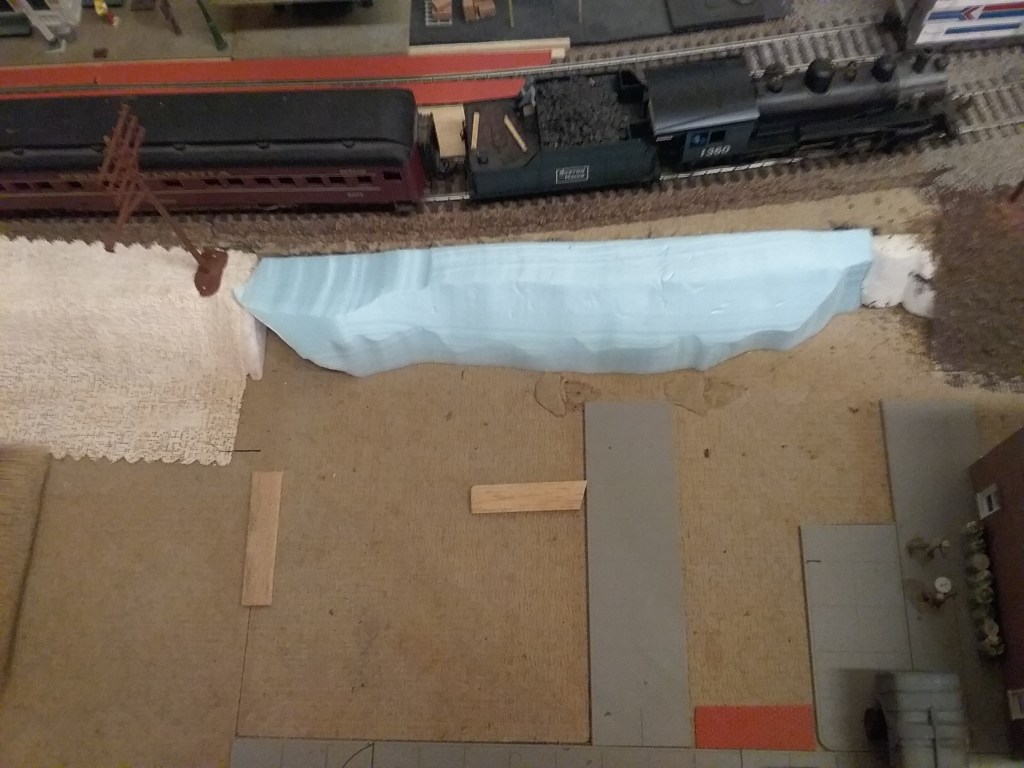
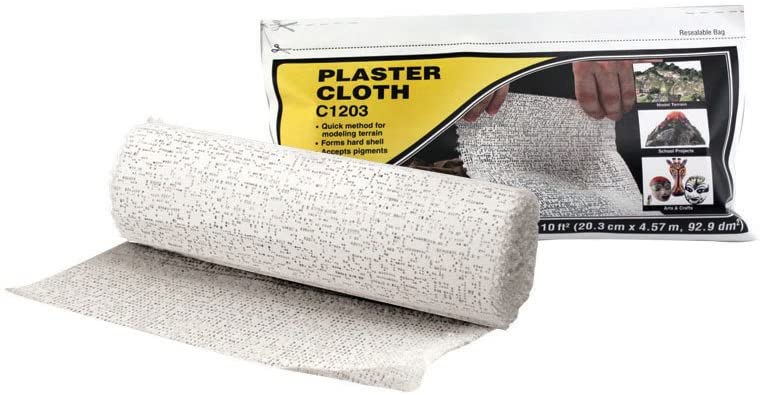
If you drive through the neighborhood or around town the main point you will see is that it is not level. Some grade changes are everywhere. (Work in small areas in the beginning, this will help you get experience and the learning process will be easier.) The first thing to do is plan what you you would like to have and where you want it. Then map a small area and begin. This is very easily done by clumping newspaper in piles and draping paper towels dipped in a plaster of paris mix and draping the wet towels over the clumped newspaper. A second method would be to use extruded Styrofoam stacked and carved to form the hills, then use the plaster cloth to form the terrain use Woodland Scenics Plaster Cloth. It’s not very messy. Using the plaster cloth can be used for small grades or larger hills. As the plaster is drying you can smooth the hill by using wet fingers and rubbing lightly for the smooth surface. You will find if you experiment you can have the terrain you desire.

The picture to the above shows two levels, the engine sits about 1.5 inch above the lower level. The blue Styrofoam hides the elevation. As you can see it does not need to be neatly cut. Rolled up newspaper also works well. Its only function is to support the plaster cloth. The styrofoam was glued in place with Elmers white glue

Plaster cloth can be cut to fit any size and location.

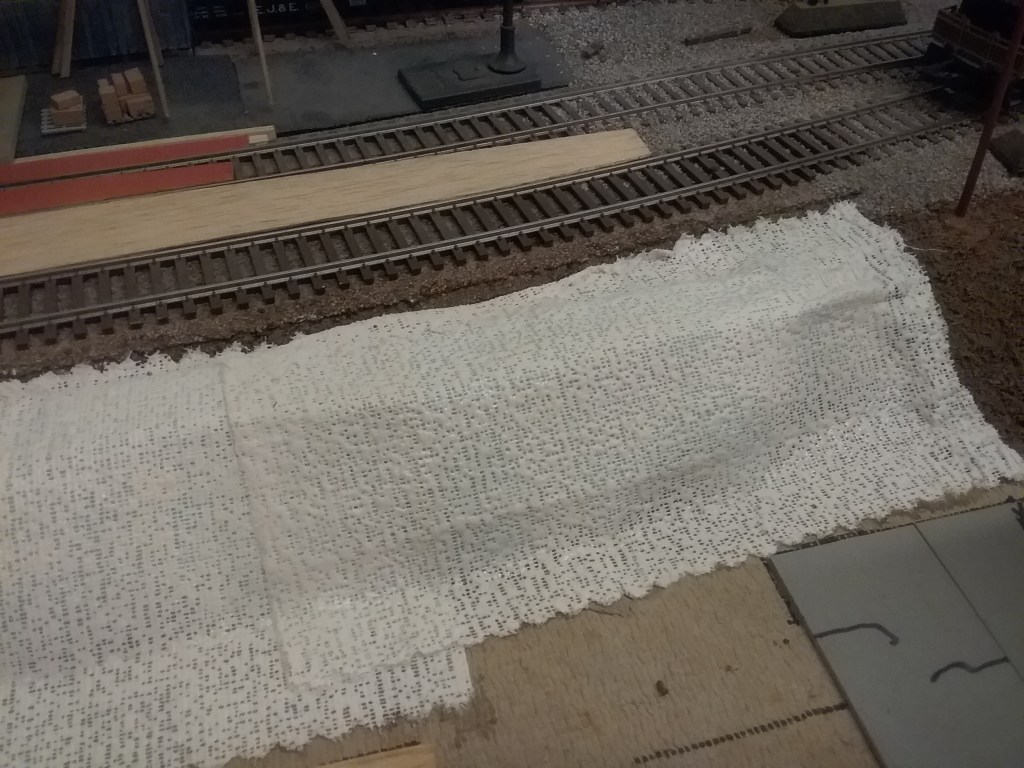
Here you see a cut piece of plaster cloth in place. I place the cut plaster cloth in a plastic dish to soak for several minutes then put it in place.

Here another sheet of plaster cloth has been put in place to complete the coverage of the Styrofoam. Use as many sheets as necessary to cover the area.

I like to place two layers of plaster cloth for strength. Then using wet fingers smooth the plaster as you can see in the picture the holes have disappeared by smoothing the plaster adding to the strength. The Styrofoam allows for smooth surface and smooth finish.

Rolled up newspaper will allow for a more hilly finish as the plaster cloth will follow the contours easily.

Here another sheet of plaster cloth has been put in place to complete the coverage of the Styrofoam. Use as many sheets as necessary to cover the area.

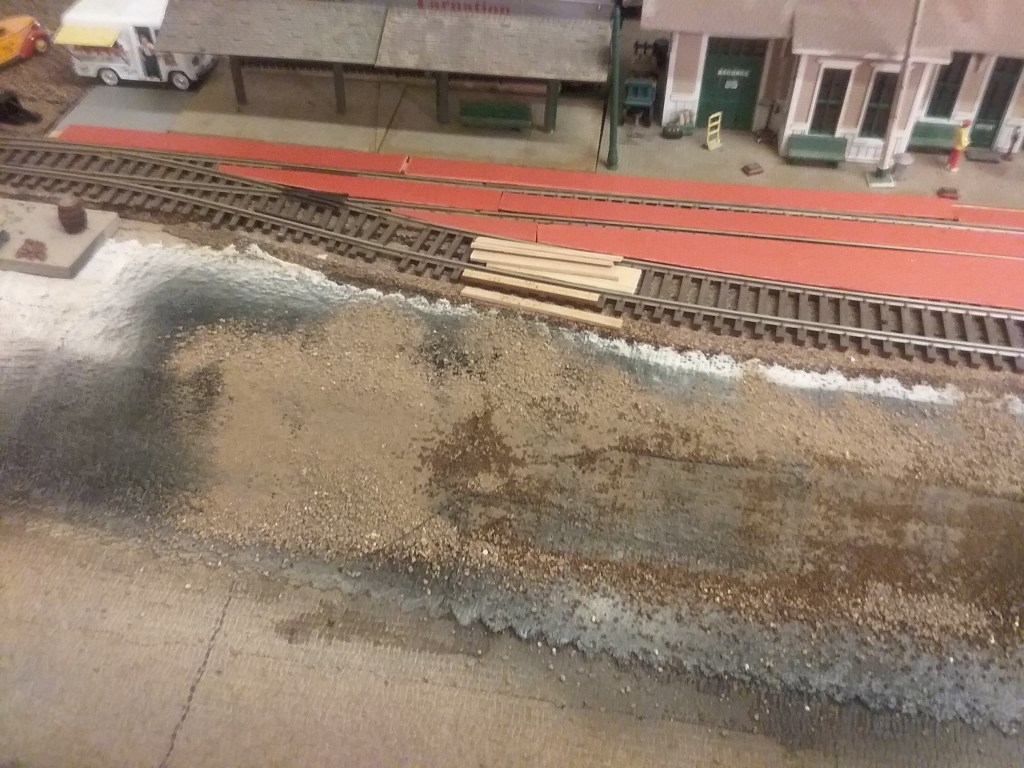
Once you are satisfied with the area you are working, paint with an earth color spray or brush whichever you desire. I find spray cans are faster and easier.

If you are working in an area where track has been placed you will want to mask the track as I did.

For this example I used a black spray paint to lightly cover the area.

At this point I walk away to let the paint and plaster dry. Doesn’t take very long.

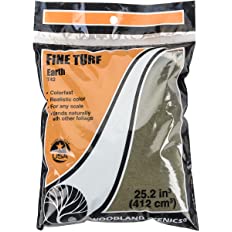
Step 2 is spreading earth or sifted dirt onto to the wet paint. If you have let the paint dry fear not, you can use a spray on glue. 3M and Elmer’s both make a great product, I have used both. Spray the area with the glue and use a tea strainer to cover the area with earth, gently tap the strainer as you cover the area. You can use the Fine Turf or sifted dirt. The dirt can come from your back yard. Let it dry then put it through a tea strainer. let it sit for a day or two then use it on your scene. If it gets a little thick in areas don’t be concerned, you can smooth it out with a small brush or let it go. At this point you can spray the area with an inexpensive hair spray. That will hold everything in place.

At this point the two levels are connected by a rolling hill, covered in dirt.

In the next installment we will add grass, weeds bushes and shrubs to make the area appear to be ready for trees, people and vehicles. Bringing the railroad to life.

Continue to Part 2.

How to Add Excitement to Model Railroad Scenery on Your Model Train Layout

Model railroading is a fun and rewarding hobby that can provide hours of entertainment. However, after building a layout, some model railroaders may find that their layout lacks excitement. In this blog article, we will discuss how to add excitement to your model railroad layout. We will cover various tips and tricks that can help you create a more engaging and dynamic layout.

  1. Design a Layout with Excitement in Mind

The first step in creating an exciting model railroad layout is to design a layout with excitement in mind. When designing your layout, consider the following:

  • Track Layout: The track layout is the backbone of your model railroad. A well-designed track layout can make your layout more exciting to watch. Consider adding loops, crossovers, and other track features that can add visual interest to your layout.
  • Scenery: Scenery is an important aspect of any model railroad layout. Adding realistic scenery can make your layout more engaging and visually appealing. Consider adding mountains, rivers, and other natural features to your layout.
  • Structures: Structures such as buildings, bridges, and tunnels can add visual interest to your layout. Consider adding structures that are unique and visually appealing.

See my articles on six steps of SCENERY.

  1. Add Special Effects

Special effects can add excitement to your model railroad layout. Consider adding the following special effects to your layout:

  • Sound Effects: Adding sound effects to your layout can make it more engaging. Consider adding sound effects such as train whistles, crossing bells, and other train-related sounds.
  • Lighting Effects: Lighting effects can add visual interest to your layout. Consider adding lighting effects such as streetlights, building lights, and other lighting effects.
  • Animation: Adding animation to your layout can make it more engaging. Consider adding animated features such as moving vehicles, people, and animals.

HERE for Model Train Accessories.

  1. Use Innovative Layout Design

Using an innovative layout design can make your model railroad more exciting to watch. Consider the following layout design tips:

  • Multi-Level Layouts: Multi-level layouts can add visual interest to your layout. Consider adding multiple levels to your layout to create a more dynamic and engaging layout.
  • Hidden Staging: Hidden staging can add excitement to your layout by allowing trains to disappear and reappear. Consider adding hidden staging to your layout to create a more engaging and dynamic layout.
  • Trackside Industries: Adding trackside industries to your layout can add visual interest and excitement. Consider adding industries such as factories, warehouses, and other industrial buildings to your layout.

Use Figures and Vehicles to Bring you Layout to Life

  1. Add Realism

Adding realism to your model railroad layout can make it more engaging and exciting. Consider the following tips for adding realism to your layout:

  • Weathering: Weathering your trains and structures can add realism to your layout. Consider weathering your trains and structures to create a more realistic and engaging layout.
  • Details: Adding details to your layout can make it more engaging. Consider adding details such as people, animals, and other small details to your layout.
  • Operations: Adding realistic operations to your layout can make it more engaging. Consider adding realistic operations such as switching and yard operations to your layout.

For excellent info on switching operations please watch https://www.youtube.com/@socalscalemodels.

Conclusion:

In conclusion, adding excitement to your model railroad layout can be achieved by designing a layout with excitement in mind, adding special effects, using innovative layout design, and adding realism. By following these tips and tricks, you can create a more engaging and dynamic model railroad layout that will provide hours of entertainment.

Model Train Accessories can be found HERE

RE

Join Robert Anderson’s popular online Model Train Club to get lots of clever model railroad ideas to help you build the model train layout of your dreams! 

or

Robert Anderson is the author of Model Railroad Scenery & Layout Construction Ideas

Model Train Scales

When you get into model railroading, you quickly learn about model train scales. Every model train that is produced has a scale letter associated with it, such as: HO, O and so forth. The scale lets you know how true to life it is and more importantly, the physical size of the train itself. The scale refers to the size in comparison with the real thing. For example, 1:220 means the real version of the model train is 220 times larger. If you are a newcomer to model trains, the amount of space will be the first factor in determining which scale to go with. For the hardcore model railroader, mixing scales is a great joy when space permits. Lets take a look at some of the model train scales and minimum space requirements.

Z Scale trains are 1:220, which means they are very small. I call these cute trains and they are perfect for those with an extremely limited space. As with any scale, you can expand the layout as large as you want to go.

Next up is the N Scale, which is 1:160. N scale trains are semi-popular and are great if you want your focus to be on your layout and not the train itself. They are small as well, so you can fit these trains into minimal space.

HO Scale model trains are 1:87 and the most popular scale of model train with model railroaders. They offer a good level of detail and allow you to fit a nice size track into an average size space. I like HO scale trains because they blend in great with any type scenery and you get a good balance as a result.

The O Scales, my favorite, are 1:48 and very popular as well. Lionel has been making great O scale model trains for many decades. These model trains are larger and require a good amount of space for a proper layout. It is possible to setup a small oval track in about a 5-foot by 5-foot area. Although the track will seem small because of the trains size, it is better than nothing. If your layout is smaller, the O scale train will dominate the view.

There are a couple other scales, such as S and G, but these are the main ones I choose to discuss in this article. Only you can decide which scale is right for you. Some, with limited space, prefer the O scale model trains, even though they dominate the layout, because of their detail and size. O scale trains are meatier and are really great for pacifying the children.

All trains have a variance in quality so one scale is not necessarily more expensive than another. Although, I have found O scale model life to be a little bit pricier. You really cant go wrong with model railroading. It is highly rewarding and wholesome. In the end, you might find yourself collecting model trains across the entire scale spectrum. Get out there and ride the rails!