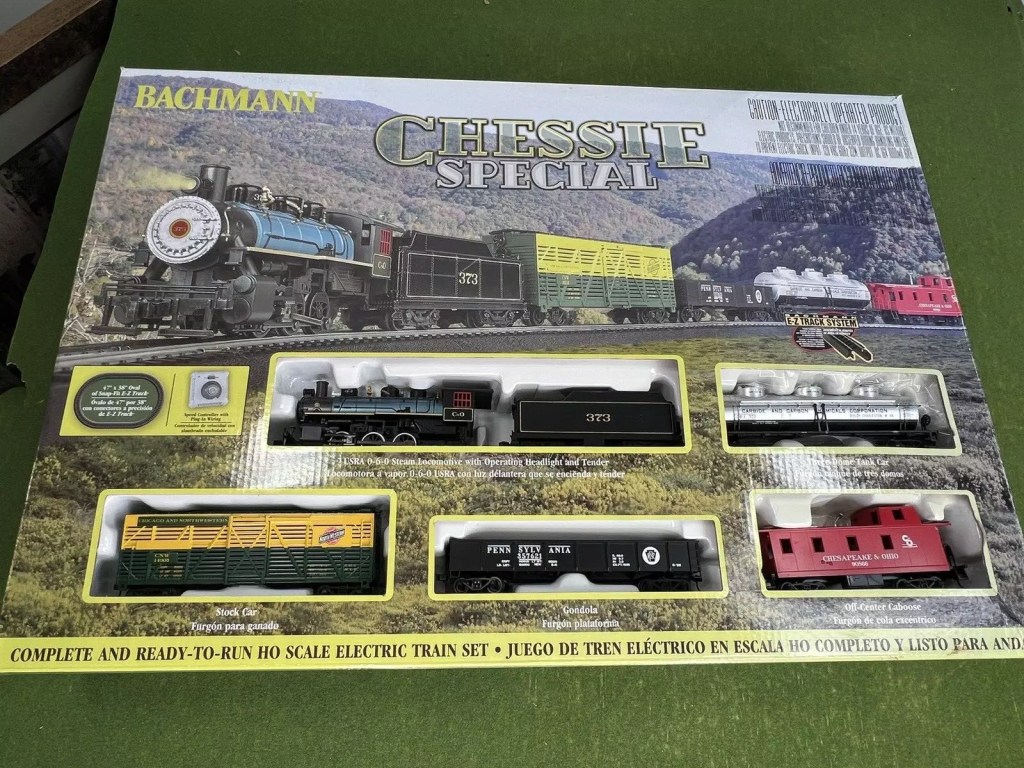
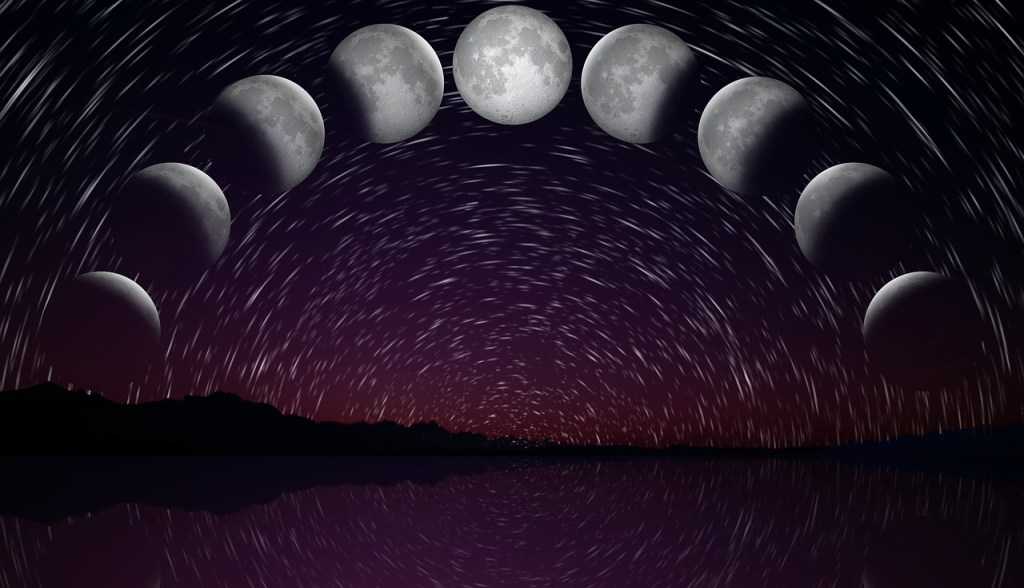
Exploring the January 2025 Night Sky: A Guide for Novice Stargazers

As we welcome the new year, January 2025 offers an exciting array of celestial events and opportunities for stargazing. Whether you’re a complete beginner or have some experience observing the night sky, this month promises to be a treat for astronomy enthusiasts of all levels. Let’s explore what the January 2025 night sky has in store for us.

Planetary Parade

One of the highlights this month is the planetary parade visible in the evening sky. Four bright planets will be on display, offering a sweeping view that’s sure to impress.

Venus: The Evening Star

Venus, often called the “Evening Star” due to its brightness, will be a dazzling sight in the southwestern sky after sunset. It reaches its greatest eastern elongation on January 9th, meaning it will be at its highest point above the horizon after sunset. This is an excellent time to observe Venus, as it will be visible for almost four hours after the Sun goes down.

On January 2nd and 3rd, look for a beautiful pairing of Venus with the waxing crescent Moon. This conjunction will provide a perfect photo opportunity for astrophotography beginners.

Saturn: The Ringed Wonder

Saturn will be visible low in the southwest, not far from Venus. While it won’t be as bright as its dazzling neighbor, Saturn is still easily visible to the naked eye. On January 4th, you’ll find the crescent Moon about 4 degrees northeast of Saturn, creating another lovely celestial tableau.

For telescope owners, Saturn’s rings are always a breathtaking sight. Even a small telescope can reveal the planet’s distinctive shape.

Jupiter: The Giant Planet

Jupiter will be prominently placed high in the southern sky as night falls. It’s the second-brightest planet after Venus and impossible to miss. Look for it in the constellation Taurus, near the bright orange star Aldebaran.

If you have binoculars or a small telescope, try to spot Jupiter’s four largest moons. These appear as tiny “stars” lined up on either side of the planet.

Mars: The Red Planet at Opposition

January 2025 is all about Mars. The Red Planet reaches opposition on January 16th, meaning it’s directly opposite the Sun in our sky. This is when Mars is closest to Earth and appears at its brightest and largest through telescopes.

Even to the naked eye, Mars will be a striking sight. Look for it rising in the east as darkness falls, appearing as a bright, reddish “star.” Through a medium-sized telescope, you might be able to make out some surface features, like the dark area known as Syrtis Major or the white polar ice cap.

Meteor Showers and Other Highlights

Quadrantid Meteor Shower

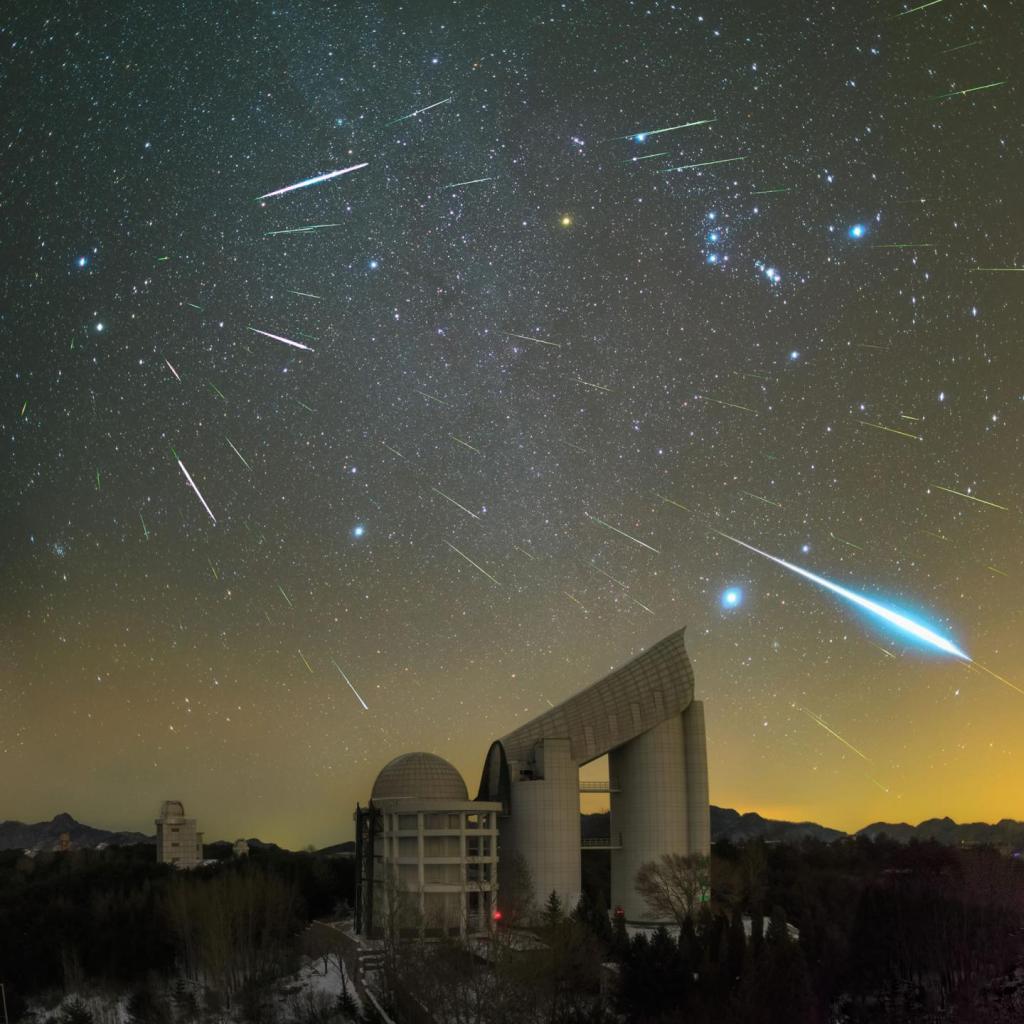
The year kicks off with the Quadrantid meteor shower, peaking on the night of January 3-4. This shower can produce up to 120 meteors per hour at its peak, though the window of maximum activity is quite short, typically only a few hours.

To observe the Quadrantids, find a dark location away from city lights. Look towards the constellation Boötes in the northeastern sky. No special equipment is needed – your eyes are the best tool for meteor watching.

Lunar Occultation of Mars

On January 13th, observers in some parts of the world will be treated to a rare event: the Moon passing in front of (or “occulting”) Mars. This event will be visible from parts of North America, with the exact timing varying by location. Check local astronomy resources for precise timings in your area.

Deep Sky Objects

January’s long nights provide excellent opportunities to explore some of the sky’s most beautiful deep sky objects. Here are a few targets to seek out:

  1. The Orion Nebula (M42): Located in the constellation Orion, this is one of the brightest and most easily observed nebulae in the sky. Even binoculars will reveal its cloudy shape.
  2. The Pleiades (M45): This beautiful open star cluster in Taurus is visible to the naked eye and stunning through binoculars.
  3. The Andromeda Galaxy (M31): Our nearest large galactic neighbor is visible as a faint, fuzzy patch in the constellation Andromeda.
  4. The Double Cluster in Perseus: This pair of open star clusters is a beautiful sight through binoculars or a small telescope.

Observing Tips for Beginners

If you’re new to stargazing, here are some tips to enhance your experience:

  1. Allow your eyes to dark-adapt: Give your eyes at least 20-30 minutes to adjust to the darkness for optimal night vision.
  2. Use red light: If you need light to read star charts or adjust equipment, use a red flashlight. Red light preserves your night vision.
  3. Dress warmly: January nights can be cold. Dress in layers and consider bringing a thermos of hot drinks.
  4. Start with binoculars: Before investing in a telescope, explore the sky with a good pair of binoculars. They’re easier to use and can show you many celestial wonders.
  5. Learn the constellations: Familiarizing yourself with the major constellations will help you navigate the night sky. Start with easily recognizable patterns like Orion, Ursa Major (the Big Dipper), and Cassiopeia.
  6. Use star charts or apps: Sky maps or smartphone apps can help you identify what you’re seeing. Just remember to use night mode on your device to preserve your dark adaptation.
  7. Join a local astronomy club: Many clubs host star parties and are welcoming to beginners. It’s a great way to learn from more experienced observers.

Looking Ahead

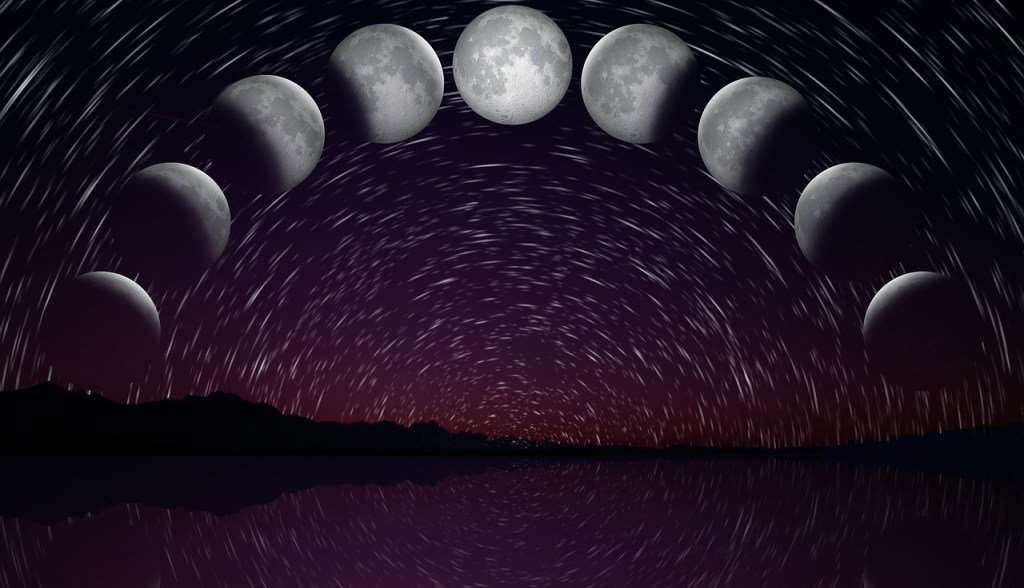
As we move through January, each night offers new wonders to explore. The Moon’s phases provide changing views of our nearest celestial neighbor, while the slow dance of the planets against the background stars offers a glimpse into the clockwork of our solar system.

February will bring its own celestial highlights, including a close approach of Venus and the crescent Moon on February 1st, and Jupiter near the Moon on February 7th. But that’s a story for next month’s sky guide.

Remember, the key to enjoying astronomy is patience and persistence. Not every night will be clear, and it takes time to learn your way around the sky. But with each observing session, you’ll become more familiar with the celestial sphere above us.

As you gaze up at the January sky, take a moment to reflect on the vastness of space and our place within it. The light from the stars you see has traveled for years, decades, or even centuries to reach your eyes. You’re not just looking at the sky – you’re looking back in time.

So bundle up, step outside, and look up. The January 2025 night sky is waiting to be explored, full of wonders both familiar and new. Whether you’re using your naked eyes, binoculars, or a telescope, there’s something for everyone to discover. Happy stargazing!

Citations:
[1] https://www.rmg.co.uk/stories/blog/astronomy/night-sky-highlights-january-2025
[2] https://www.skyatnightmagazine.com/advice/skills/astronomy-guide-viewing-planets-night-sky
[3] https://www.youtube.com/watch?v=xIM5Qmy_uMM
[4] https://science.nasa.gov/solar-system/skywatching/whats-up-january-2025-skywatching-tips-from-nasa/
[5] https://www.astronomy.com/observing/sky-this-month-january-2025/
[6] https://science.nasa.gov/solar-system/skywatching/night-sky-network/jan2025-night-sky-notes/
[7] https://www.highpointscientific.com/astronomy-hub/post/night-sky-news/whats-in-the-sky-this-month-january-2025
[8] https://www.forbes.com/sites/jamiecartereurope/2024/12/31/your-ultimate-guide-to-stargazing-and-astro-tourism-in-2025/

Best apps for Navigating the Night Sky:

Based on the search results, here are the best apps for navigating the night sky:

1. SkySafari

  • Features an interactive star map with real-time sky viewing
  • Uses GPS for precise location-based information
  • Supports telescope control
  • Offers educational content about celestial objects
  • Available on iOS and Android

2. Stellarium Mobile

  • Acts like a mobile planetarium
  • Real-time sky simulation
  • Time control function to see sky changes
  • Detailed information about celestial objects
  • Easy to use for beginners

3. Star Walk 2

  • Great for beginners
  • Includes satellite tracker
  • Augmented reality (AR) overlays
  • Tracks over 200,000 celestial bodies
  • Free version available with affordable upgrade options

4. Night Sky

  • Uses augmented reality to identify stars, planets, and constellations
  • Offers “Grand Orrery” 3D solar system model
  • Includes “Sky Tours” feature
  • Compatible with iOS and Apple Watch
  • Some premium features require subscription

5. SkyView

  • Excellent for locating and describing celestial objects
  • Interactive map
  • Affordable option for beginners

Each app offers unique features, so choose based on your specific stargazing needs and preferences.

Citations:
[1] https://shopeverbeam.com/blogs/news/5-best-stargazing-apps-for-beginners-top-tools-to-explore-the-night-sky
[2] https://www.space.com/best-stargazing-apps
[3] https://www.reddit.com/r/telescopes/comments/xsz9sd/what_is_the_best_stargazing_app/
[4] https://www.hipcamp.com/journal/camping/best-apps-for-stargazing
[5] https://astrobackyard.com/astronomy-apps-for-stargazing/
[6] https://www.skyatnightmagazine.com/top-astronomy-kit/best-astronomy-stargazing-apps
[7] https://play.google.com/store/apps/details?id=com.vitotechnology.StarWalk2Free&hl=en_US

Here are some innovative ways to add scenery to a model railroad layout:

Base Layer and Terrain Creation

  • Use foam board, cardboard, or wood as a foundational base
  • Employ sculpting putty or foam insulation to create realistic terrain contours
  • Experiment with different textures using palette knives or sponges

See my article on SCENERY

Vegetation Techniques

  • Create custom trees by twisting wire frames and covering with ground foam or lichen
  • Use static grass applicators to make grass stand upright realistically
  • Layer vegetation from ground cover to bushes to trees for depth

Water Features

  • Utilize acrylic paint, resin, or clear silicone to create rivers and streams
  • Add texture to water surfaces using brushes or sponges
  • Create depth by painting realistic riverbeds underneath transparent layers

Structural Elements

  • Construct buildings using:
  • Plastic model kits
  • Cardboard
  • Custom-built foam board or balsa wood structures
  • Add weathering details with powders and decals

Lighting Innovations

  • Incorporate LED, fiber optic, or miniature light bulb techniques
  • Use lighting to highlight specific layout features
  • Create atmospheric effects like sunset or nighttime scenes

See Woodland Scenics for lighting videos

Advanced Detailing

  • Use stippling painting technique for realistic rock textures
  • Mix paint colors to create natural-looking variations
  • Embed ground cover directly into paint for seamless integration

Pro Tip: Experiment fearlessly and remember that scenery is an artistic endeavor—nothing can’t be repaired or redone!

Woodland Scenics has videos for all topics on their products, I highly reccomend them.

Citations:
[1] https://www.trains.com/mrr/how-to/expert-tips/what-is-a-good-way-to-begin-adding-scenery-to-my-layout/
[2] https://www.nmra.org/beginners-guide-part-6-scenery
[3] https://www.modelrailforum.com/threads/how-to-create-realistic-scenery-for-my-model-railroad-layout.56504/
[4] https://modelrailroadforums.com/forum/index.php
[5] https://www.modeltrainforum.com/threads/ho-scenery-ideas.18780/
[6] https://www.youtube.com/watch?v=_JTW8s6Mutw
[7] https://www.reddit.com/r/modeltrains/comments/x7mpn4/anyone_know_what_i_should_add_to_my_layout_i_am/

The Best Christmas Gifts for the Novice Model Railroader

The holiday season is a magical time, especially for families who love model railroading. If you or someone in your family is a novice model railroader, Christmas is the perfect opportunity to enhance the hobby with thoughtful gifts. Whether you’re looking for starter sets, accessories, or tools, this guide will help you find the best Christmas gifts that will inspire creativity and joy in your model railroad journey.

1. Starter Train Sets

Bachmann N 24028 Thomas with Annie and Clarabel Train Set

For young beginners or those new to the hobby, a starter train set is an excellent gift. The Bachmann N Scale Thomas with Annie and Clarabel Train Set is a delightful choice. It includes:

  • Thomas the Tank Engine
  • Annie and Clarabel coaches
  • A circle of nickel silver E-Z Track
  • A power pack and speed controller
  • An illustrated instruction manual

This set is perfect for introducing children to model trains and can be easily expanded as their interests grow.

Lionel HO Santa Fe Cajon Flyer Train Set

For those who prefer a more traditional train experience, the Lionel HO Santa Fe Cajon Flyer Train Set offers a great introduction to model railroading. This set features:

  • A beautifully detailed locomotive
  • Matching cars that evoke the historic Santa Fe railroad
  • Easy-to-use track components

It’s not only budget-friendly but also ideal for both kids and adults who appreciate the history of railroads.

2. Christmas-Themed Train Sets

Lionel Polar Express Train Set

Nothing says Christmas quite like a train running around the tree! The Lionel Polar Express Train Set captures the magic of the beloved holiday movie. This O gauge set includes:

  • A steam locomotive with sound effects
  • Passenger cars that resemble those from the film
  • Tracks that can be easily assembled into a circle

This set can become a cherished holiday tradition, bringing joy year after year. Plus, it’s expandable—add more cars or track pieces each Christmas!

Bachmann Christmas Express Train Set

Another festive option is the Bachmann Christmas Express Train Set, which features:

  • A colorful locomotive adorned with holiday decorations
  • Several festive cars filled with presents and seasonal cheer
  • A simple track layout perfect for under the tree

This set is great for families looking to create a winter wonderland scene during the holidays.

3. Accessories and Add-ons

As your novice model railroader gains confidence, accessories can enhance their layout significantly:

Locomotive Rollers

These handy tools allow modelers to test and tune their locomotives without needing to run them on a complex layout. Locomotive rollers help identify performance issues and let users unleash their trains’ full potential without worrying about derailing.

Scenery Kits

Adding scenery brings layouts to life! Consider gifting scenery kits that include trees, buildings, figures, and other elements. These kits can help novice railroaders create realistic landscapes that enhance their train operations.

Track Expansion Packs

Once your novice has their starter set up and running, they’ll likely want to expand their layout. Look for track expansion packs compatible with their existing set. These packs can add curves, switches, and straight sections to create more complex layouts.

4. Tools for Model Railroading

Having the right tools can make all the difference in building and maintaining a model railroad:

Basic Tool Kit

A basic tool kit should include:

  • Wire cutters
  • Pliers
  • Screwdrivers (both flathead and Phillips)
  • A hobby knife for precise cutting

These tools will help beginners assemble tracks, make repairs, and customize their layouts.

Track Cleaning Supplies

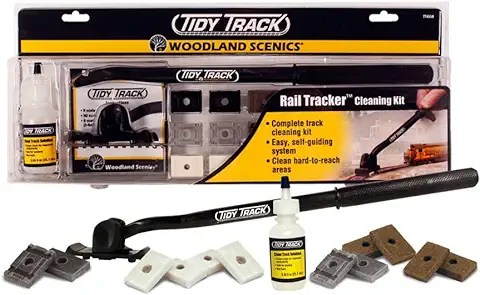
Keeping tracks clean is essential for smooth operation. Consider gifting track cleaning supplies like cleaning erasers or track cleaning cars that automatically clean as they run along the rails.

5. Books and Resources

For those eager to learn more about model railroading, books are invaluable resources:

How-To Books

Look for beginner-friendly how-to books that cover topics such as scenery building, electrical wiring, or layout design. These books provide step-by-step instructions and helpful tips that can inspire creativity.

Magazines

Subscriptions to model railroading magazines can keep novices updated on trends, techniques, and new products in the hobby. Popular titles include “Model Railroader” and “Railroad Model Craftsman.”

6. Gift Certificates

If you’re unsure about what specific items your novice model railroader may want or need, consider giving a gift certificate to a local hobby shop or an online retailer specializing in model trains. This allows them to choose exactly what they want while still feeling appreciated.

7. Community Involvement

Encouraging participation in local model railroading clubs or events can also be an excellent gift idea:

Club Memberships

Many areas have clubs where enthusiasts gather to share ideas, work on projects together, or participate in exhibitions. Memberships often come with benefits such as discounts on products or access to exclusive events.

Train Shows

Tickets to local train shows provide opportunities to see impressive layouts up close, meet fellow enthusiasts, and purchase unique items not found in stores.

Conclusion

The holiday season is an ideal time to introduce someone new to the wonderful world of model railroading or enhance an existing hobbyist’s collection. With thoughtful gifts ranging from starter sets like the Bachmann Thomas set or Lionel Polar Express to accessories like locomotive rollers and scenery kits, there’s something for every novice model railroader.

By choosing gifts that inspire creativity and encourage exploration within this fulfilling hobby, you’ll be helping create lasting memories during this festive season and beyond. So whether it’s adding a train under the tree or expanding an existing layout over time—model railroading offers endless possibilities for fun! Happy holidays and happy railroading!

Citations:
[1] https://blog.modeltrainstuff.com/gifts-for-model-train-enthusiasts/
[2] https://www.reddit.com/r/modeltrains/comments/z8vxzy/recommendations_for_a_christmas_tree_train_that/
[3] https://www.walthers.com/blog/holiday-gift-guide-railroad-modelers
[4] https://www.trainsetsonly.com/christmas-train-sets.html
[5] https://uk.hornby.com/community/blog-and-news/gift-guide/best-christmas-gifts-train-lovers
[6] https://www.modeltrainforum.com/threads/best-christmas-train-for-under-the-tree-ho-or-o.5623/
[7] https://blog.modeltrainstuff.com/the-ultimate-railroading-beginner-gift-guide/
[8] http://www.lionel.com/categories/holiday-memories

Festive Wine and Food Pairings for the Christmas Holidays: A Novice’s Guide

The holiday season is a time for gathering with loved ones, sharing delicious meals, and creating lasting memories. For many families, Christmas dinner is the centerpiece of these celebrations. While traditional fare often takes center stage, pairing the right wines with your holiday dishes can elevate the experience and add an extra layer of festivity to your gatherings. This guide will help novices navigate the world of Christmas wine pairings, ensuring a merry and delicious holiday season for all.

Setting the Scene: Christmas Eve

Many families begin their holiday celebrations on Christmas Eve. Whether you’re observing the Italian-American tradition of the Feast of Seven Fishes or simply enjoying a light meal before the main event, here are some wine pairing suggestions to kick off your festivities:

Appetizers and Light Bites

Start your evening with some festive appetizers. Smoked salmon canapés are a popular choice, and they pair beautifully with a crisp white wine. Consider a Chenin Blanc, which offers a moderate dryness and lower alcohol content, perfect for early evening sipping[5]. If you’re feeling extra festive, a glass of bubbly is always appropriate. Champagne or a sparkling Crémant can add a touch of elegance to your salmon bites[5].

For a classic holiday appetizer like pigs in a blanket, try a rosé Champagne. The bubbles and slight fruitiness will cut through the richness of the pastry and complement the smoky-sweet flavors of the pork[5].

The Feast of Seven Fishes

If your family celebrates the Feast of Seven Fishes on Christmas Eve, you’ll want wines that pair well with a variety of seafood dishes. A versatile Chardonnay is an excellent choice, as it won’t overpower the subtle flavors of seafood while adding complexity to simpler preparations[3].

For specific fish dishes, consider these pairings:

  • Calamari or Baccalà (salt cod): Try a bright and acidic Pinot Gris[1].
  • Shrimp or clam dishes: A crisp Sauvignon Blanc can complement these lighter seafood options.
  • Grilled fish: A light-bodied red like Pinot Noir can work surprisingly well with grilled fish dishes.

Christmas Day: The Main Event

As Christmas Day arrives, it’s time for the main feast. Whether your family prefers a traditional roast turkey, a succulent ham, or a luxurious prime rib, there’s a perfect wine pairing for your centerpiece.

Roast Turkey

For the classic roast turkey, you have several excellent options:

  • Pinot Noir: With its notes of cranberry, raspberry, and earthy undertones, Pinot Noir is a versatile choice that complements turkey beautifully[4].
  • Beaujolais: This light-bodied red wine, made from Gamay grapes, offers bright cherry flavors that pair wonderfully with roasted turkey[1].
  • Chardonnay: If you prefer white wine, a medium-bodied Chardonnay can stand up to the rich flavors of turkey and gravy.

Glazed Ham

If ham is the star of your Christmas table, consider these wine pairings:

  • Zinfandel: This bold, fruity red wine with notes of blackberry, cherry, and spice is an excellent match for a sweet and savory glazed ham[4][5].
  • Riesling: For a white wine option, a dry Riesling offers bright acidity and stone fruit flavors that can balance the saltiness of ham[4].

Prime Rib or Beef Roast

For those serving a hearty beef dish, reach for a full-bodied red wine:

  • Cabernet Sauvignon: With its complex flavors of blackberry, cocoa, and vanilla, a good Cabernet Sauvignon is the perfect companion to a rich prime rib[3].
  • Châteauneuf-du-Pape: This classic French blend offers a balance of fruit, savory herbs, and earthy notes that pair wonderfully with roasted red meats[4].

Side Dishes and Their Perfect Pairings

Don’t forget about the side dishes! Here are some suggestions for pairing wines with popular Christmas sides:

  • Mashed Potatoes: A medium-bodied Merlot can complement the creamy richness of mashed potatoes[1].
  • Roasted Brussels Sprouts: Try a buttery Chardonnay, especially if the sprouts are prepared with a maple glaze[1].
  • Butternut Squash Soup: The earthy flavors of butternut squash pair beautifully with a Chianti[1].

Sweet Endings: Dessert Pairings

No Christmas meal is complete without dessert. Here are some suggestions for ending your feast on a sweet note:

  • Pumpkin Pie: A late-harvest Riesling or a tawny Port can complement the warm spices in pumpkin pie.
  • Fruit Tarts: A sweet Sauternes, with its notes of honeyed apricot and marmalade, pairs wonderfully with fruit-based desserts[4].
  • Chocolate Desserts: A rich, full-bodied red like Zinfandel can stand up to the intensity of chocolate.

Tips for Novice Wine Enthusiasts

As you explore the world of wine pairings this holiday season, keep these tips in mind:

  1. Don’t stress too much about perfect pairings. The holidays are about enjoyment and togetherness, so choose wines you and your guests will enjoy.
  2. Serve wines at the proper temperature. Chill white wines and serve red wines slightly cooler than room temperature for optimal enjoyment[3].
  3. Have a variety of wines available to cater to different tastes. Include both red and white options, and perhaps a sparkling wine for toasting.
  4. Consider non-alcoholic options for designated drivers and non-drinkers. Sparkling cider or non-alcoholic wine can be festive alternatives.
  5. Pace yourself throughout the meal. Holiday dinners can be long affairs, so sip slowly and stay hydrated with water between glasses of wine.
  6. If you’re unsure about a pairing, Champagne or other sparkling wines are versatile choices that pair well with many foods[1][5].

Conclusion: Celebrating with Wine and Food

Pairing wine with your Christmas feast doesn’t have to be intimidating. By following these suggestions and keeping an open mind, you can enhance your holiday meals and create a truly festive atmosphere. Remember, the most important aspect of holiday dining is sharing good food and drink with those you love.

As you prepare for your Christmas celebrations, don’t be afraid to experiment with different pairings. You might discover a new favorite combination that becomes a holiday tradition for years to come. Whether you’re serving a traditional turkey, a glazed ham, or a variety of seafood, there’s a perfect wine waiting to complement your meal.

Most importantly, remember that the best pairing is the one that brings joy to you and your loved ones. So raise a glass, toast to good health and happiness, and savor the flavors of the season. Merry Christmas and happy pairing!

Citations:
[1] https://www.coravin.com/blogs/community/christmas-wine-pairings-dinner-dessert-sides
[2] https://westchesterwineguy.com/2012/12/19/some-new-and-improved-christmas-wine-pairings/
[3] https://www.harryanddavid.com/articles/holidays/how-to-pair-food-and-wine-for-christmas
[4] https://www.lovetoknow.com/food-drink/wine/christmas-dinner-wine-pairings
[5] https://vinepair.com/wine-blog/holiday-dinner-wine-pairing-guide/
[6] https://thebackpackermom.com/2021/12/21/wine-and-christmas-cookie-pairing/
[7] https://www.wallywine.com/blog/perfect-holiday-food-and-wine-pairings/
[8] https://www.winecountry.com/blog/holiday-food-and-wine-pairings/

The Perfect Christmas Gifts for Astronomy Enthusiasts: Binoculars and Telescopes

As the holiday season approaches, finding the perfect gift for the budding astronomer in your family can be a delightful yet challenging task. Whether you’re shopping for a curious child or an adult hobbyist, binoculars and telescopes make excellent gifts that can ignite a passion for stargazing and exploration of the night sky. This guide will help you choose the right equipment, ensuring your loved ones have the best tools to embark on their astronomical adventures.

Why Choose Binoculars or Telescopes?

Binoculars and telescopes offer unique ways to explore the cosmos. Binoculars are portable, easy to use, and provide a wide field of view, making them ideal for beginners and casual stargazers. Telescopes, on the other hand, offer higher magnification and more detailed views of celestial objects, perfect for those ready to dive deeper into astronomy.

Binoculars: A Gateway to the Stars

Celestron SkyMaster Pro 20×80
For those seeking powerful magnification and large objective lenses, the Celestron SkyMaster Pro 20×80 binoculars are an excellent choice. These binoculars provide bright, clear images of stars and galaxies, making them perfect for serious stargazers[1].

Nikon 10×50 Aculon A211
Ideal for entry-level astronomy enthusiasts, these binoculars offer 10x magnification and 50mm objective lenses. They are lightweight and easy to handle, providing a great balance between performance and portability[6].

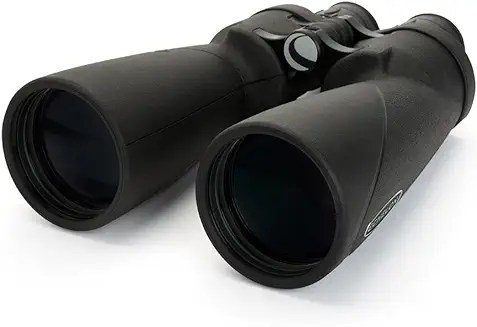
Celestron Echelon 20×70
Designed specifically for astronomy, these binoculars feature powerful magnification and are also suitable for long-range terrestrial viewing. They are robustly built to withstand various environmental conditions[4].

Look here for the perfect Binocular Gift

Telescopes: Delving Deeper into Space

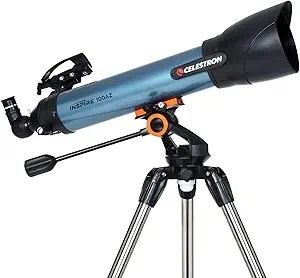
Celestron Inspire 100AZ Refractor Telescope
Perfect for beginners and families, this telescope is easy to set up and use. It features an innovative design with integrated smartphone adapters for capturing images of celestial objects. The Inspire 100AZ provides clear views of the Moon, planets, and bright deep-sky objects.

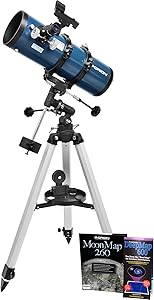
Orion StarBlast II 4.5 Equatorial Reflector Telescope
This telescope is an excellent choice for those who want to learn how to manually track celestial objects using an equatorial mount. Its compact design makes it portable, while its optics provide crisp views of planets and star clusters.

Sky-Watcher Dobsonian Telescope (8-inch)
For hobbyists ready to take their stargazing to the next level, this Dobsonian telescope offers large aperture optics at an affordable price. It delivers stunning views of deep-sky objects like nebulae and galaxies.

Choosing the right Christmas Gift

Choosing the Right Equipment

When selecting binoculars or telescopes as gifts, consider the recipient’s age, experience level, and interests. Here are some tips to guide your decision:

  1. Age Appropriateness: For young children or beginners, start with binoculars or simple telescopes that are easy to use. Avoid overly complex models that might discourage them.
  2. Portability: Consider how portable the equipment needs to be. Binoculars are generally more portable than telescopes, but some compact telescopes can also be easily transported.
  3. Ease of Use: Look for equipment with straightforward setup processes. Telescopes with alt-azimuth mounts are generally easier for beginners compared to equatorial mounts.
  4. Budget: Set a budget that fits your needs. There are quality options available at various price points.
  5. Features: Consider additional features like smartphone adapters for astrophotography or computerized mounts for automatic tracking of celestial objects.

Enhancing the Stargazing Experience

To complement binoculars or telescopes, consider these additional gift ideas:

  • Star Charts or Astronomy Apps: These tools help users identify constellations and celestial objects.
  • Red Flashlights: Preserve night vision while reading star charts.
  • Astronomy Books: Provide educational content about stars, planets, and other celestial phenomena.
  • Observation Journals: Encourage note-taking during stargazing sessions to track observations over time.

Family-Friendly Stargazing Activities

Stargazing can be a wonderful family activity that fosters curiosity and learning. Here are some ideas to make it engaging for all ages:

  • Plan a Stargazing Night: Choose a clear night and head outside with your new equipment. Use star charts or apps to locate constellations and planets.
  • Create a Constellation Craft: Use glow-in-the-dark stickers or paint to recreate constellations on paper or canvas.
  • Host a Meteor Shower Party: Gather friends and family during meteor showers like the Geminids in December for a night of sky-watching.
  • Attend Local Astronomy Events: Check if local observatories or astronomy clubs host public viewing nights or events.

Conclusion

Binoculars and telescopes make thoughtful Christmas gifts that can spark a lifelong interest in astronomy. Whether you’re gifting a child their first pair of binoculars or helping an adult upgrade their telescope setup, these tools open up a universe of exploration right from your backyard.

By considering factors like age appropriateness, ease of use, portability, budget, and features, you can select the perfect equipment tailored to your loved one’s needs. Complement these gifts with educational materials and family-friendly activities to enhance their stargazing experience.

As you prepare for the holiday season, remember that the gift of astronomy is not just about observing distant worlds but also about creating memories under the stars with family and friends. Happy stargazing!

Citations:
[1] https://www.livescience.com/best-binoculars-for-stargazing
[2] https://www.space.com/29798-best-telescopes-for-kids.html
[3] https://teachbesideme.com/fun-kids-astronomy-activities-for-teaching/
[4] https://www.bestbinocularsreviews.com/astronomy/best-astronomy-binoculars.php
[5] https://littlebinsforlittlehands.com/space-activities-for-kids/
[6] https://www.space.com/26021-best-binoculars.html
[7] https://www.skyatnightmagazine.com/advice/science-projects-kids-children
[8] https://www.skyatnightmagazine.com/advice/best-binoculars-for-astronomy

Night Sky for December 2024: A Family-Friendly Guide

December 2024 offers a spectacular array of celestial events for families to enjoy together. This guide will help you navigate the night sky, providing instructions for aligning manual telescopes and using binoculars to observe each event. Bundle up, grab your stargazing gear, and prepare for an unforgettable month under the stars!

New Moon – December 1

The month begins with a New Moon, providing an excellent opportunity for deep-sky observation. With no moonlight to interfere, this is the perfect time to explore faint objects like galaxies and star clusters.

Observing tip: Use this dark night to locate the Andromeda Galaxy (M31) with binoculars or a manual telescope. Find the constellation Andromeda and slowly sweep the area with your lowest power eyepiece until you spot a faint, fuzzy patch.

Moon near Venus – December 4

Look for the crescent Moon close to bright Venus in the early morning sky.

Observing tip: Use binoculars to spot the pair low in the eastern sky before sunrise. Venus will appear as a bright, non-twinkling “star” near the Moon. With a manual telescope, start with a low-power eyepiece to find the pair, then switch to higher magnification to observe Venus’s phase.

Jupiter at Opposition – December 7

Jupiter will be at its brightest and closest to Earth, visible all night long.

Observing tip: With a manual telescope, look for Jupiter’s cloud bands and four largest moons. Start with a low-power eyepiece to find Jupiter, then switch to higher magnification for more detail. Align your telescope on a bright star near Jupiter first, then slowly move to Jupiter itself.

Moon near Saturn – December 8

The Moon will pass close to Saturn in the evening sky.

Observing tip: Use binoculars or a manual telescope to observe this pairing. Saturn’s rings should be visible through a telescope with at least 25x magnification. Align your telescope on the Moon first, then slowly move towards Saturn, which will appear as a small, yellowish “star” nearby.

Geminid Meteor Shower Peak – December 14-15

One of the year’s best meteor showers, producing up to 120 meteors per hour at its peak.

Observing tip: No telescope needed! Find a dark location away from city lights. Look towards the constellation Gemini, but meteors will be visible across the sky. Use binoculars to examine any persistent trails left by bright meteors.

Full Moon (Cold Moon) – December 15

The last full Moon of 2024, also known as the Cold Moon.

Observing tip: Use binoculars or a low-power eyepiece on your telescope to observe the Moon’s craters and maria (dark plains). Focus on the terminator (the line between light and dark) for the best views of lunar features.

Moon near Mars – December 18

The Moon will pass close to Mars in the night sky.

Observing tip: Use binoculars or a manual telescope to spot Mars near the Moon. Mars will appear as a reddish “star” through binoculars. With a telescope, start with a low-power eyepiece to find the pair, then increase magnification to observe Mars’s surface features.

December Solstice – December 21

The shortest day of the year in the Northern Hemisphere, marking the beginning of winter.

Observing tip: While not an observable event, use this day to learn about Earth’s seasons and axial tilt. You can use a globe and a flashlight to demonstrate how the tilt affects sunlight distribution on Earth.

Ursid Meteor Shower Peak – December 22-23

A minor meteor shower producing about 5-10 meteors per hour.

Observing tip: Look towards the constellation Ursa Minor (Little Dipper) after midnight. No telescope needed, but binoculars can help observe meteor trails. Find a dark location and be patient, as this shower is less active than the Geminids.

Mercury at Greatest Western Elongation – December 25

Mercury reaches its greatest separation from the Sun, visible in the morning sky.

Observing tip: Look for Mercury low in the eastern sky just before sunrise. Use binoculars to help spot this elusive planet. With a manual telescope, start with a low-power eyepiece and scan the area just above the eastern horizon.

General Tips for December Stargazing:

  1. Dress warmly: December nights can be cold, so wear layers and bring blankets.
  2. Allow time for dark adaptation: Give your eyes at least 30 minutes to adjust to the darkness for optimal viewing.
  3. Use red light: To preserve your night vision, use a red flashlight or cover your regular flashlight with red cellophane.
  4. Choose your location wisely: Find a dark spot away from city lights for the best views.
  5. Bring hot beverages: A thermos of hot cocoa or tea can make your stargazing session more enjoyable.

Aligning Your Manual Telescope:

  1. Set up your telescope and ensure it’s level.
  2. If you have an equatorial mount, align the polar axis with the North Star (Polaris).
  3. Start with a low-power eyepiece to find objects more easily.
  4. Use your finderscope to locate bright stars or planets, then center them in your eyepiece.
  5. Once you’ve found a bright object, switch to higher magnification for more detail.

Using Binoculars for Stargazing:

  1. Choose binoculars with magnification between 7x and 10x for astronomical viewing.
  2. Use a tripod or lean against a stable object to minimize shake.
  3. Focus on one eye at a time for the sharpest view.
  4. Scan the sky slowly, giving your eyes time to detect faint objects.
  5. Use star charts or astronomy apps to help identify what you’re seeing.

Family-Friendly Stargazing Activities:

  1. Moon Observation Challenge: Throughout the month, observe how the Moon’s appearance changes. Use a manual telescope or binoculars to sketch what you see each night.
  2. Planet Watch: Jupiter and Saturn are visible in the evening sky. Use your manual telescope to observe Jupiter’s moons and Saturn’s rings.
  3. Constellation Storytelling: Learn the myths associated with the winter constellations and share these stories while stargazing.
  4. Meteor Shower Party: Host a family gathering for the Geminid meteor shower. Bring blankets, hot cocoa, and snacks for a memorable night under the stars.
  5. Solar System Model: Create a scale model of the solar system in your backyard or a local park to better understand the distances between planets.

Constellation Highlights for December:

  1. Orion: This prominent winter constellation is easy to spot with its distinctive “belt” of three stars. Use binoculars to observe the Orion Nebula (M42) below the belt.
  2. Taurus: Look for the V-shaped Hyades cluster and the compact Pleiades cluster (M45) in this constellation.
  3. Gemini: The radiant point for the Geminid meteor shower, this constellation features the bright stars Castor and Pollux.
  4. Canis Major: Home to Sirius, the brightest star in the night sky, easily visible to the naked eye.
  5. Cassiopeia: This W-shaped constellation is high in the northern sky and provides a starting point for finding other objects.

Remember, patience and persistence are key when stargazing. Don’t get discouraged if you can’t immediately find or identify everything. Each night under the stars is an opportunity to learn and improve your observing skills.

December 2024 offers a diverse array of celestial events for families to enjoy together. From meteor showers to planetary alignments, and from the winter solstice to deep sky objects, there’s something for everyone to discover in the night sky this month.

As you explore the wonders of the cosmos, take time to appreciate the vastness of the universe and our place within it. Stargazing not only offers a chance to learn about astronomy but also provides a unique opportunity for family bonding and creating lasting memories.

So grab your manual telescope or binoculars, bundle up, and head outside to experience the magic of the December night sky. Who knows? You might just inspire the next generation of astronomers, astrophysicists, or space explorers. Happy stargazing!

Citations:
[1] https://www.telescopeguide.org/space-gifts-for-kids/
[2] http://www.seasky.org/astronomy/astronomy-calendar-2024.html
[3] https://www.hipcamp.com/journal/camping/stargazing-guide-astronomical-calendar
[4] https://www.rmg.co.uk/stories/blog/astronomy/night-sky-highlights-december-2024
[5] https://www.farmersalmanac.com/december-night-sky-guide-december-2024
[6] https://www.astronomy.com/observing/the-best-space-gifts-for-astronomy-lovers-and-stargazers-holiday-gift-guide-2024/
[7] https://www.farmersalmanac.com/monthly-stargazing-night-sky-guide
[8] https://www.almanac.com/night-sky-december

Deciding a Track Plan Before Building Your Model Railroad Layout

Introduction:
As we enter 2025, the world of model railroading continues to evolve, offering enthusiasts new and exciting ways to plan and build their layouts. Whether you’re a seasoned hobbyist or just starting out, proper planning remains the cornerstone of a successful model railroad. This guide will walk you through the latest trends, tools, and considerations for planning your model railroad layout in 2024, with a focus on making the information both informative and entertaining.

  1. Embracing Digital Planning Tools:
    The digital revolution has transformed how we approach layout planning. In 2024, software like AnyRail, SCARM, and CADRail have become more sophisticated, offering realistic 3D rendering and even virtual reality previews of your layout. These tools allow you to experiment with different track configurations, elevations, and scenery without lifting a finger in the physical world.

Fun Fact: Did you know that some software can even simulate train operations on your virtual layout? It’s like playing a video game of your own design!

  1. Space Optimization:
    With urban living spaces becoming more compact, there’s a growing trend towards efficient use of space in model railroading. The “Model Railroad Planning 2024” guide showcases several innovative designs for small spaces, including modular layouts that can be easily stored when not in use.

Tip: Think vertically! Multi-level layouts can maximize your available space and add exciting operational possibilities.

  1. Multi-Scale Layouts:
    A fascinating trend in 2024 is the rise of multi-scale layouts. These innovative designs incorporate different scales within the same layout, creating forced perspective and the illusion of greater depth and distance. For example, using N scale in the background transitioning to HO scale in the foreground.

Imagine This: You could create a layout where a bustling city in N scale gives way to a detailed rural scene in HO scale, all in the same space!

  1. Eco-Friendly Considerations:
    Environmental consciousness has reached the model railroading world. Consider incorporating sustainable materials and energy-efficient LED lighting solutions into your plan from the outset.

Green Tip: Repurpose household items for scenery. Old sponges can make great bushes, and used coffee grounds can simulate soil!

  1. Interactive Elements:
    Modern layouts are becoming more interactive. Plan for areas where you can incorporate sound effects, working signals, and even smartphone-controlled turnouts and accessories. These features add a new dimension of engagement to your railroad.

Tech Talk: Some modelers are experimenting with augmented reality (AR) to overlay digital information onto their physical layouts. The future is now!

  1. Prototypical Accuracy:
    With access to vast online resources, there’s a renewed focus on creating historically accurate layouts. When planning, research the specific era and location you’re modeling to ensure authenticity in your track plan and scenery choices.

History Buff Alert: Dive deep into railroad archives and historical societies for inspiration. You might uncover fascinating details to incorporate into your layout!

  1. Modular Design:
    The modular approach to layout building has gained significant popularity. Planning your layout in modules allows for easier construction, transportation, and modification. It’s also great for those who might need to move their layout in the future.

Bonus: Modular designs make it easier to collaborate with other enthusiasts. Imagine connecting your modules with friends for a mega layout!

  1. Operations-Focused Planning:
    There’s a growing interest in operations-based layouts. When planning, consider how your trains will run realistically, incorporating industries, switching puzzles, and timetables into your design.

Game On: Treat your layout planning like a strategy game. How can you create the most engaging and challenging operations for yourself and fellow enthusiasts?

  1. Blending Eras:
    A creative trend in 2024 is the concept of blending different historical eras within the same layout. This allows for a diverse range of rolling stock and architectural styles, adding visual interest and storytelling opportunities.

Time Travel Tip: Create “transition zones” where one era seamlessly blends into another. It’s like having a miniature time machine on your layout!

Building your model Railroad

  1. Essential Tools for Planning:
    Don’t forget the basics! While digital tools are great, sometimes you can’t beat a good old-fashioned ruler, square, and pencil for sketching out ideas. The NMRA (National Model Railroad Association) recommends having a standard ruler or tape measure, a model scale ruler, and a square in your toolbox.

Pro Tip: Invest in a thin beam machinist square for precise 90-degree markings on your benchwork.

Conclusion:
As we move through 2024, the possibilities for model railroad layouts are more exciting than ever. By incorporating these modern trends, technologies, and tools into your planning process, you can create a layout that’s not only visually stunning but also engaging, efficient, and future-proof. Remember, the key to a great model railroad is thorough planning – take your time, explore your options, and most importantly, enjoy the creative process!

Final Thought: Model railroading isn’t just a hobby; it’s a journey through time, space, and imagination. So grab your tools, fire up your planning software, and let’s build something amazing together!

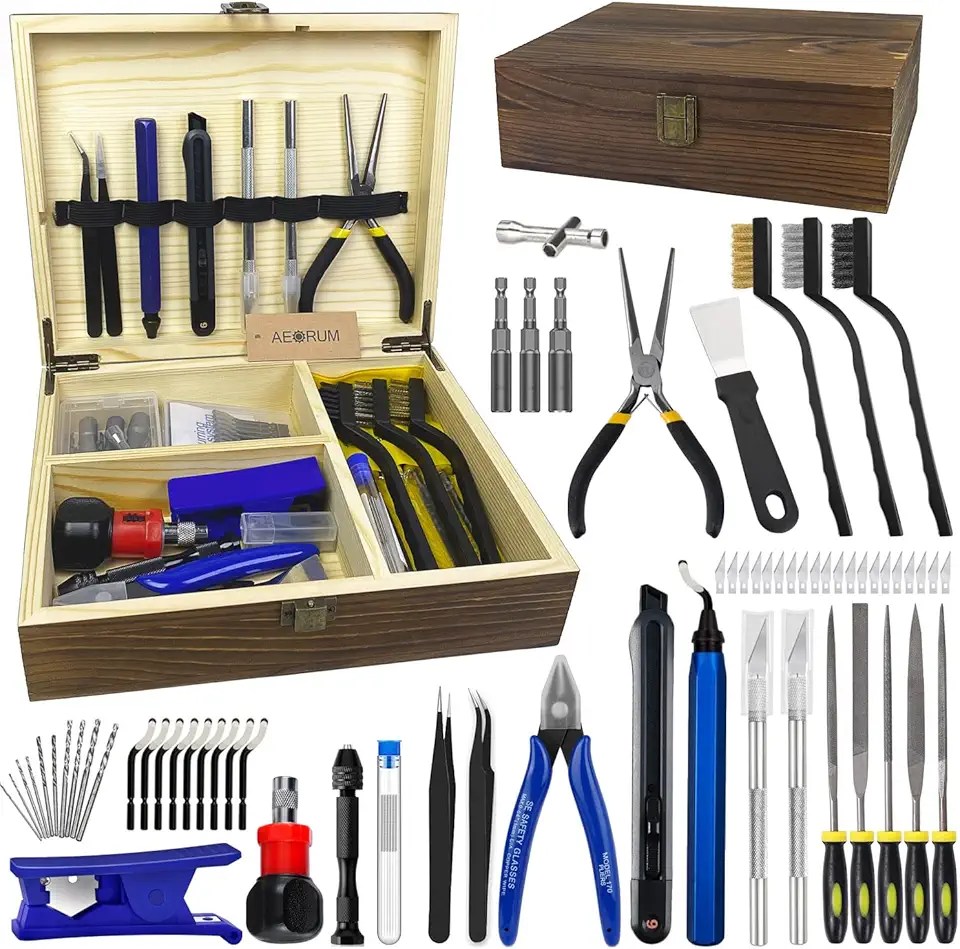
For Model Railroad Supplies check amazon.com

Citations:
[1] https://www.trains.com/mrr/videos-photos/videos/how-to/track-planning/track-planning-software/
[2] https://www.scarm.info/index.php
[3] https://shop.trains.com/products/model-railroad-planning-2024
[4] https://www.zinio.com/publications/model-railroad-planning/7052
[5] https://www.nmra.org/beginners-guide-part-11-tools
[6] https://www.semrush.com/blog/article-writing/
[7] https://ictrainsandhobbies.com/products/kalmbach-model-railroad-planning-2024
[8] https://www.linkedin.com/advice/3/how-can-you-make-your-writing-both-informative-3bh3f

Choosing the Perfect Starter Model Train Set for Christmas: A Family-Friendly Guide

The holiday season is a magical time, filled with joy, family gatherings, and the excitement of gift-giving. One of the most cherished traditions during Christmas is setting up a model train around the Christmas tree. Whether you’re starting a new hobby or continuing a beloved tradition, selecting the right starter model train set can create lasting memories for your family. This guide will help you choose a family-friendly model train set that not only delights during the holiday season but can also be expanded into larger layouts as your interest grows.

Understanding Scale and Gauge

Before you dive into specific recommendations, it’s essential to understand the concepts of scale and gauge:

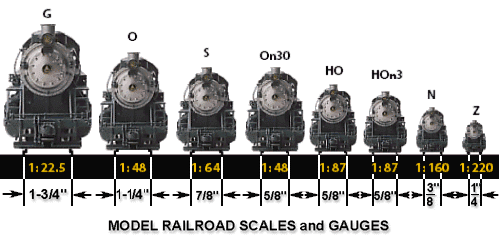
  1. Scale: This refers to the size ratio between the model and the real-life train. Common scales include:
  • HO Scale (1:87): The most popular scale, offering a good balance between size and detail. It’s perfect for families because it has many available accessories.
  • N Scale (1:160): Smaller than HO, great for limited spaces, making it ideal for compact holiday displays.
  • O Scale (1:48): Larger and more robust, often associated with classic brands like Lionel, which are perfect for young children.
  1. Gauge: This is the distance between the rails. Each scale has a corresponding gauge, so it’s crucial to ensure that your track and trains match.

Recommended Starter Sets for Christmas

  1. BRIO World Christmas Steaming Train Set
  • Why it’s great for families: This set is designed specifically for the holiday season, featuring a battery-operated engine that produces safe-to-touch steam effects. It’s perfect for setting up around the Christmas tree.
  • Expandability: The BRIO system is compatible with other BRIO products, allowing you to expand your layout over time.
  • Family-friendly features: The set includes snowy tracks, a North Pole station with a Christmas tree, and a Santa Claus character, making it festive and fun for kids.
  1. Lionel Pennsylvania Flyer Train Set (O Gauge)
  • Classic appeal: Lionel trains are iconic and often evoke nostalgic memories of childhood.
  • Durability: O gauge trains are larger and more robust, making them great for younger children who might be rougher with toys.
  • Remote control operation: Many Lionel sets come with remote controls, adding an interactive element to your holiday experience.
  1. Electric Train Set by Minmi
  • Ideal for toddlers and big kids: This electric train set is designed for ages 2-10 and provides endless entertainment during the festive season.
  • Creative play features: With lights, sounds, and action, this train set can be used as a fantasy Polar Express around the tree or as part of an imaginative roller coaster setup.
  • Perfect gift idea: This set makes an excellent birthday or Christmas gift that will delight young train enthusiasts.

Key Features to Look for in a Starter Set

When choosing a starter model train set for Christmas, keep these key features in mind:

  1. Complete Package: Ensure the set includes everything needed to start: locomotive, cars, track, power supply, and controller.
  2. Quality of Track: Look for track systems that are easy to assemble and expand. Snap-track systems are particularly user-friendly for beginners.
  3. Power Supply: A good power pack should have variable speed control and direction change capabilities.
  4. Locomotive Quality: Choose sets with locomotives that run smoothly and have good pulling power.
  5. Expandability: Ensure the set uses standard components that can be easily supplemented with additional pieces from various manufacturers.

Expanding Your Layout After Christmas

Once you’ve enjoyed your starter set during the holiday season, you can begin expanding your layout throughout the year. Here are some ideas:

  1. Additional Track: Start by adding more track to create larger loops or more complex configurations.
  2. Scenery Elements: Add buildings, trees, and figures to create a more realistic environment that reflects different seasons or themes.
  3. Extra Rolling Stock: Increase your train’s length with additional cars to enhance playability.
  4. Switches and Turnouts: These allow you to create sidings and more intricate track layouts.
  5. Digital Command Control (DCC): As you advance in your hobby, consider upgrading to a DCC system for more realistic operation and the ability to run multiple trains independently.

Making It a Family Activity

Model railroading can be a wonderful family hobby during the holiday season and beyond. Here are some tips to involve everyone:

  1. Assign Roles: Let each family member take charge of different aspects such as track layout design, scenery creation, or train operation.
  2. Create Holiday Themes: Design your layout around festive themes like winter wonderlands or Christmas villages that interest different family members.
  3. Learn Together: Use this hobby as an opportunity to learn about geography, history, and engineering as a family while building your layout together.
  4. Host Operating Sessions: Once your layout is more developed after Christmas, invite friends or other families over for operating sessions where everyone can enjoy running trains together.

Maintenance and Care

Proper maintenance will ensure your trains run smoothly through many holiday seasons:

  1. Clean the Track Regularly: Use a track cleaning eraser or isopropyl alcohol to keep the rails free of dirt and oxidation from festive decorations.
  2. Lubricate Moving Parts: Apply a small amount of plastic-compatible lubricant to gears and axles as recommended by the manufacturer after heavy use during the holidays.
  3. Store Properly After Use: When not in use after Christmas, store your trains and accessories in a cool, dry place—preferably in their original packaging or dedicated storage boxes—to protect them until next year.
  4. Handle with Care: Teach children to handle the trains gently to avoid damage during playtime.

Troubleshooting Common Issues

Even the best sets can sometimes have issues; here are some common problems and solutions:

  1. Train Won’t Run: Check power connections; ensure that the track is clean; verify that all wheels are on the track properly.
  2. Derailments: Look for misaligned track joints; ensure curves aren’t too tight for your locomotive; check that wheel gauges are correct.
  3. Jerky Operation: Clean both track and locomotive wheels; ensure electrical connections are secure; check batteries if applicable.

Safety Considerations

While model trains are generally safe toys, keep these points in mind:

  1. Electrical Safety: Always use the power supply that comes with your set or one specifically designed for model trains.
  2. Small Parts Caution: Some models have small parts that could pose choking hazards for very young children; supervise playtime accordingly.
  3. Age-Appropriate Sets: Choose sets that match the age and skill level of users to ensure safe play experiences.

Resources for Learning Together

As you delve deeper into this exciting hobby during the holiday season:

  1. Local Hobby Shops: These can be invaluable sources of advice, supplies, and connections with other enthusiasts who share your passion.
  2. Online Forums & Communities: Websites like ModelTrainForum.com offer wealths of information along with communities where you can connect with fellow modelers.
  3. Model Railroad Clubs & Events: Joining local clubs can provide inspiration while also giving you access to larger layouts during community events throughout the year.
  4. YouTube Tutorials & Demonstrations: Many experienced modelers share tips through video tutorials—great visual aids when learning new techniques together!
  5. Model Railroader Magazine & Blogs: A fantastic source of layout ideas, product reviews, industry news—perfect reading material during cozy winter evenings!

I would recommend checking Ebay or Amazon for Starter train sets.

Conclusion

Choosing a starter model train set during this festive season opens up an exciting world of creativity and fun for families! By selecting quality sets designed for expansion while incorporating seasonal themes into playtime activities—you’re setting yourself up not just for joyful holidays but also countless hours of enjoyment throughout the year!

So gather around as you embark on this enchanting journey into model railroading together—whether it’s running trains under twinkling lights or creating elaborate layouts full of charm—there’s no limit to what you can achieve! Happy holidays from our family to yours—may your tracks always lead home!

Citations:
[1] https://www.brio.us/en-US/products/railway-toys/train-sets/christmas-steaming-train-set-63601400
[2] https://www.amazon.com/Electric-Set-Toddler-Figures-Playsets-Motorized/dp/B07SH19FBL
[3] https://www.reddit.com/r/modeltrains/comments/18dxjfv/whats_the_best_starter_train_set_for_kids/
[4] https://www.strasburgrailroad.com/blog/best-train-toys-and-model-trains/
[5] http://garden-train-store.com/begin/kids_trains.htm
[6] http://www.lionel.com/categories/holiday-memories
[7] https://shop.trains.com/collections/toys
[8] https://www.target.com/s/electric+christmas+train+sets

Exploring the November Night Sky: A Celestial Odyssey for the Whole Family

As the crisp autumn air settles in, November 2024 offers a spectacular array of celestial events for backyard astronomers of all levels. This guide will help novice stargazers navigate the night sky, highlighting key events and providing tips for optimal viewing. Remember, patience and persistence are key when exploring the cosmos.

Preparing for Your Stargazing Sessions:

  1. Choose a dark location away from city lights.
  2. Allow your eyes to adjust to the darkness for about 30 minutes.
  3. Use red light to preserve night vision when reading charts or adjusting equipment.
  4. Dress warmly, as November nights can be cold.
  5. Bring star charts, a compass, and a planisphere to help locate objects.

Now, let’s explore the celestial highlights for November 2024:

  1. New Moon – November 1

The month begins with a New Moon on November 1 at 4:49 am Alaska time. This is an excellent opportunity for deep-sky observation, as the absence of moonlight allows for optimal viewing of faint objects like galaxies and star clusters[4].

Tip for Novices: Use this dark night to familiarize yourself with constellations. Start with easily recognizable patterns like the Big Dipper or Orion, then use these as guideposts to explore further.

  1. Taurid Meteor Shower – Peak on November 4-5

The Taurids meteor shower, while minor, offers an interesting viewing opportunity. This long-running shower produces about 5-10 meteors per hour and consists of two separate streams[4].

Observing Tips:

  • Best viewing will be just after midnight from a dark location.
  • Look towards the constellation Taurus, but remember meteors can appear anywhere in the sky.
  • Be patient, as this is not a prolific shower.
  1. Jupiter at Opposition – November 7

Jupiter reaches opposition on November 7, making it an excellent time to observe the gas giant. The planet will be at its closest approach to Earth and fully illuminated by the Sun[2].

Observing Tips:

  • Look for Jupiter as a bright, non-twinkling “star” in the eastern sky after sunset.
  • With binoculars or a small telescope, you may be able to see Jupiter’s four largest moons.
  • A medium-sized telescope might reveal Jupiter’s cloud bands.
  1. Uranus at Opposition – November 17

Uranus reaches opposition on November 17, offering a rare opportunity to observe this distant ice giant[2].

Observing Tips:

  • Uranus is barely visible to the naked eye under perfect conditions. Binoculars or a small telescope are recommended.
  • Look for a tiny, blue-green disk in the constellation Aries.
  • Use a star chart or astronomy app to help locate Uranus, as it’s not easily distinguishable from stars.
  1. Full Moon (Beaver Moon) and Supermoon – November 15

The Full Moon on November 15 is known as the Beaver Moon, Frosty Moon, or Dark Moon. It’s also the last of three supermoons for 2024, appearing slightly larger and brighter than usual[4].

Observing Tips:

  • The Full Moon rises around sunset and sets around sunrise.
  • Use binoculars or a small telescope to observe lunar features, especially along the terminator (the line between light and dark).
  • Try to spot the “Moon illusion” when it’s near the horizon, appearing larger due to an optical illusion.
  1. Leonid Meteor Shower – Peak on November 17-18

The Leonids meteor shower, while not as spectacular as some years, can still provide an enjoyable viewing experience. It typically produces up to 15 meteors per hour at its peak[2].

Observing Tips:

  • The shower peaks on the night of November 17 and early morning of November 18.
  • Look towards the constellation Leo, but remember meteors can appear anywhere in the sky.
  • The best viewing is usually after midnight and before dawn.
  1. Mercury at Greatest Eastern Elongation – November 16

Mercury reaches its greatest eastern elongation on November 16, making it visible in the evening sky just after sunset[4].

Observing Tips:

  • Look for Mercury low in the southwestern sky shortly after sunset.
  • Use binoculars to help spot this elusive planet, as it’s often difficult to see with the naked eye.
  • Don’t confuse Mercury with brighter Venus, which will be higher in the sky.

Check out these Beginner Telescopes

Constellation Highlights for November:

  1. Cassiopeia: This W-shaped constellation is high in the northeast.
    Tip: Use Cassiopeia to find the Andromeda Galaxy (M31), our nearest large galactic neighbor.
  2. Perseus: Look for this constellation below Cassiopeia.
    Tip: Try to spot the Perseus Double Cluster with binoculars or a small telescope.
  3. Taurus: The V-shaped face of the bull is prominent in the eastern sky.
    Tip: Observe
  4. the Pleiades star cluster (M45) within Taurus, visible to the naked eye but stunning through binoculars.
  5. Orion: Rising in the east later in the evening, Orion is one of the most recognizable winter constellations.
    Tip: Use Orion’s Belt to find the Orion Nebula (M42), visible as a fuzzy patch below the belt.

Additional Tips for Novice Backyard Astronomers:

  1. Start with Naked-Eye Observing: Begin by identifying bright stars and constellations before moving on to binoculars or telescopes. This will help you learn to navigate the night sky.
  2. Use Star Charts or Apps: Familiarize yourself with the night sky using star charts or smartphone apps like Stellarium or Sky Map. These can help you identify objects and plan your observing sessions.
  3. Join an Astronomy Club: Local astronomy clubs often host star parties and can provide valuable guidance for beginners. They’re also a great way to meet fellow enthusiasts and learn from more experienced observers.
  4. Keep a Log: Record your observations, including date, time, and sky conditions. This can help you track your progress and remember what you’ve seen.
  5. Be Patient: Astronomical observing requires patience. Take your time and don’t rush from object to object. Allow your eyes to adjust and really soak in the views.
  6. Experiment with Astrophotography: Try capturing the night sky with your smartphone or camera. The Moon and bright planets can make great subjects for beginner astrophotographers.
  7. Learn to Star-Hop: Practice finding objects by using bright stars as guideposts. This skill will serve you well as you progress in your astronomical journey.
  8. Understand Light Pollution: Be aware of how light pollution affects your observations. Even in cities, you can often find darker areas in parks or on the outskirts of town.
  9. Maintain Your Equipment: Keep your optics clean and properly aligned. Learn basic maintenance for your binoculars or telescope to ensure the best views.
  10. Stay Safe and Comfortable: Always let someone know where you’re going if observing alone. Bring snacks, water, and extra layers to stay comfortable during long observing sessions.

Conclusion:

November 2024 offers a wealth of celestial wonders for backyard astronomers to explore. From the Taurid and Leonid meteor showers to the oppositions of Jupiter and Uranus, there’s something for everyone to enjoy in the night sky this month. The New Moon at the beginning of the month provides an excellent opportunity for deep-sky observing, while the Full Supermoon mid-month offers its own unique charm.

As you embark on your astronomical journey, remember that every night under the stars is an opportunity to learn and grow. Don’t be discouraged if you can’t immediately find or identify everything – astronomy is a lifelong pursuit, and there’s always something new to discover.

Take time to appreciate the vastness of the universe and our place within it. Stargazing not only offers a chance to learn about astronomy but also provides a unique perspective on our world and our place in the cosmos. It’s a hobby that can inspire wonder, foster curiosity, and provide a sense of connection to the universe around us.

So bundle up, grab your binoculars or telescope, and head outside to experience the magic of the November night sky. Who knows? You might just inspire the next generation of astronomers, astrophysicists, or space explorers. Happy stargazing!

Citations:
[1] https://spacetourismguide.com/november-night-sky/
[2] https://www.mestarocks.org/Celestial-Events-2024
[3] https://www.timeanddate.com/astronomy/sights-to-see.html
[4] https://www.uaf.edu/museum/education/educators/heliophysics-aurora-outre/astronomy-calendar/
[5] http://www.seasky.org/astronomy/astronomy-calendar-2024.html
[6] https://www.space.com/16149-night-sky.html
[7] https://getthekidsoutside.com/celestial-events-in-2024/
[8] https://earthsky.org/astronomy-essentials/visible-planets-tonight-mars-jupiter-venus-saturn-mercury/