Exploring the July Night Sky: A Family-Friendly Guide

Jupiter Largest planet in the Solar System

Basic Information

A gas giant, fifth from the Sun, with a mass more than two and a half times that of all the other planets in the Solar System combined.

Orbital Period – 11.86 Earth years

Distance from Sun – 5.20 AU (778.5 million km)

As the warm summer nights of July unfold, the celestial canvas above offers a spectacular array of wonders for stargazers of all ages. This month presents an excellent opportunity for families to embark on a cosmic adventure, exploring the marvels of the night sky together. From bright planets to dazzling constellations, the July night sky is a treasure trove of celestial delights waiting to be discovered.

Getting Started: Preparing for Your Stargazing Adventure

Before venturing out to explore the night sky, it’s essential to prepare adequately:

  1. Choose a dark location: Find a spot away from city lights for the best viewing experience. A local park or even your backyard can work well if it’s sufficiently dark.
  2. Allow your eyes to adjust: Give your eyes about 20-30 minutes to adapt to the darkness. This will significantly improve your ability to see fainter celestial objects.
  3. Bring the right equipment: While many objects can be seen with the naked eye, a pair of binoculars can greatly enhance your viewing experience. A star chart or a smartphone app can also be helpful for identifying celestial objects.
  4. Dress appropriately: Even in July, nights can get chilly. Bring warm clothes and blankets for comfort during extended viewing sessions.
  5. Pack snacks and drinks: Stargazing can be a lengthy activity, so bring some treats to keep energy levels up.

Celestial Highlights for July

Planets on Parade

July offers excellent opportunities to observe several planets:

  1. Venus: The “Evening Star” shines brilliantly in the western sky after sunset. It’s the brightest object in the night sky after the Moon, making it easy for even the youngest stargazers to spot.
  2. Mars: The Red Planet can be seen in the western sky during the early evening hours. Its distinct reddish hue makes it stand out among the stars.
  3. Jupiter: Rising in the east during the late evening, Jupiter is a spectacular sight. With binoculars, you might even be able to spot its four largest moons.
  4. Saturn: The ringed planet rises in the southeast as darkness falls. While its rings aren’t visible without a telescope, its golden hue is distinctive.

The Summer Triangle

One of the most prominent features of the July night sky is the Summer Triangle. This asterism (a pattern of stars that is not an official constellation) is formed by three bright stars:

  1. Vega in the constellation Lyra (the Harp)
  2. Deneb in Cygnus (the Swan)
  3. Altair in Aquila (the Eagle)

Challenge your family to spot this large triangle high in the eastern sky. It’s a great starting point for learning to navigate the night sky.

Locate your star locations with the star chart

The Milky Way

July provides an excellent opportunity to view our home galaxy, the Milky Way. On a clear, moonless night in a dark location, look for a faint, cloudy band stretching across the sky from the southern to the northern horizon. This is the combined light of billions of stars in our galaxy’s disk. Viewing the Milky Way can be a truly awe-inspiring experience for stargazers of all ages.

Constellations to Spot

July’s night sky features several prominent constellations:

  1. Scorpius (the Scorpion): Look for this distinctive constellation low in the southern sky. Its bright red star, Antares, marks the scorpion’s heart.
  2. Sagittarius (the Archer): Just east of Scorpius, Sagittarius is often visualized as a teapot. The center of our galaxy lies in this direction.
  3. Cygnus (the Swan): Also known as the Northern Cross, this constellation flies high overhead, with its bright star Deneb marking the tail.
  4. Ursa Major (the Great Bear): This large constellation, which contains the Big Dipper, is visible year-round in the northern sky.

Meteor Showers

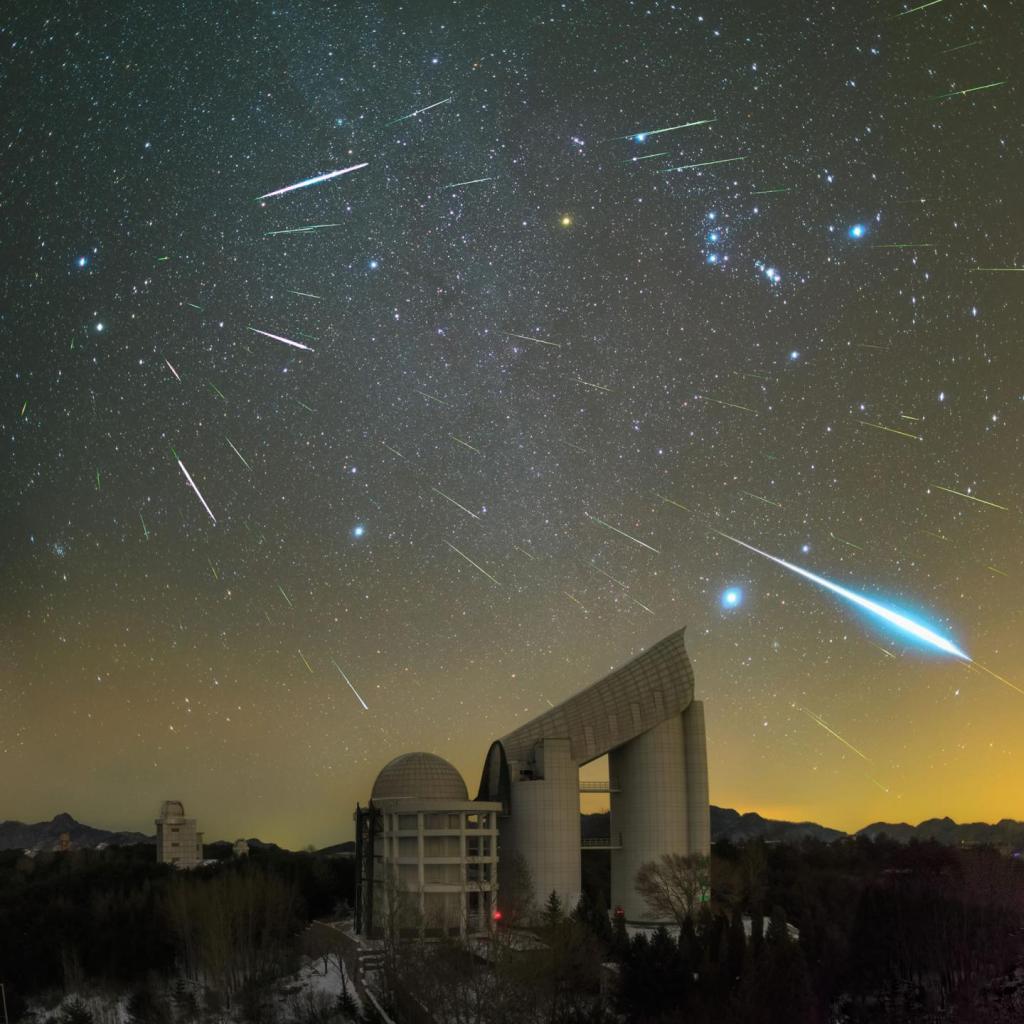
While July isn’t known for major meteor showers, patient observers might spot a few “shooting stars” on any given night. The Delta Aquariids meteor shower begins in mid-July and peaks at the end of the month, offering a chance to wish upon a star!

Fun Activities for Family Stargazing

  1. Constellation Story Time: Many constellations have fascinating myths associated with them. Research these stories beforehand and share them as you identify the constellations in the sky.
  2. Star Hop Challenge: Use bright stars or constellations as starting points to “hop” to other celestial objects. For example, use the Big Dipper to find Polaris, the North Star.
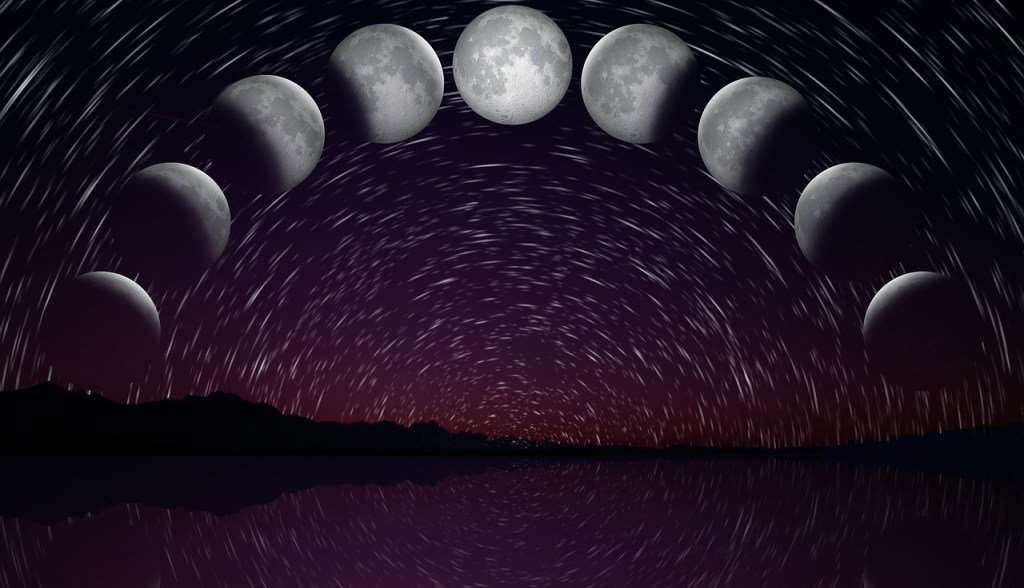
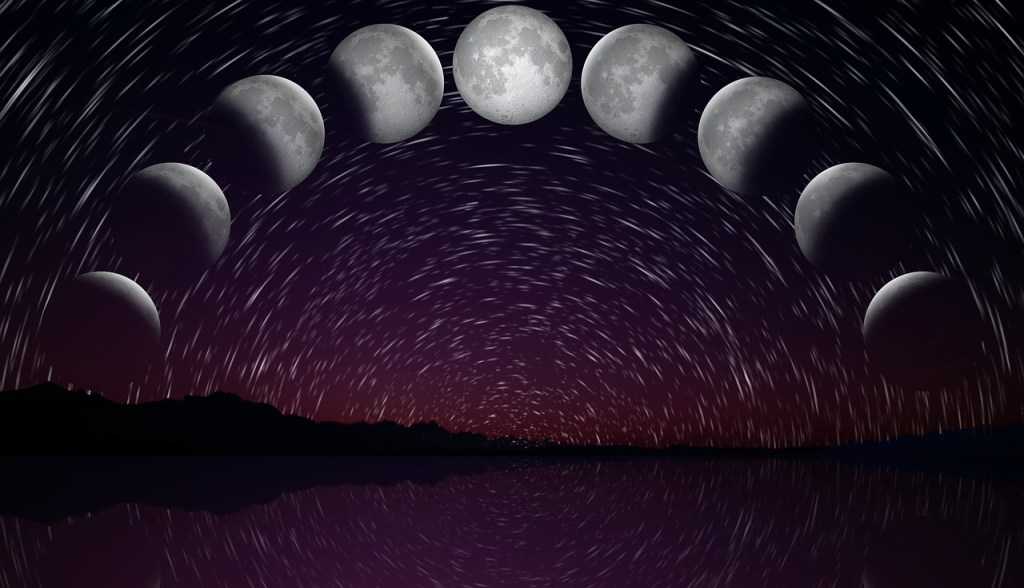
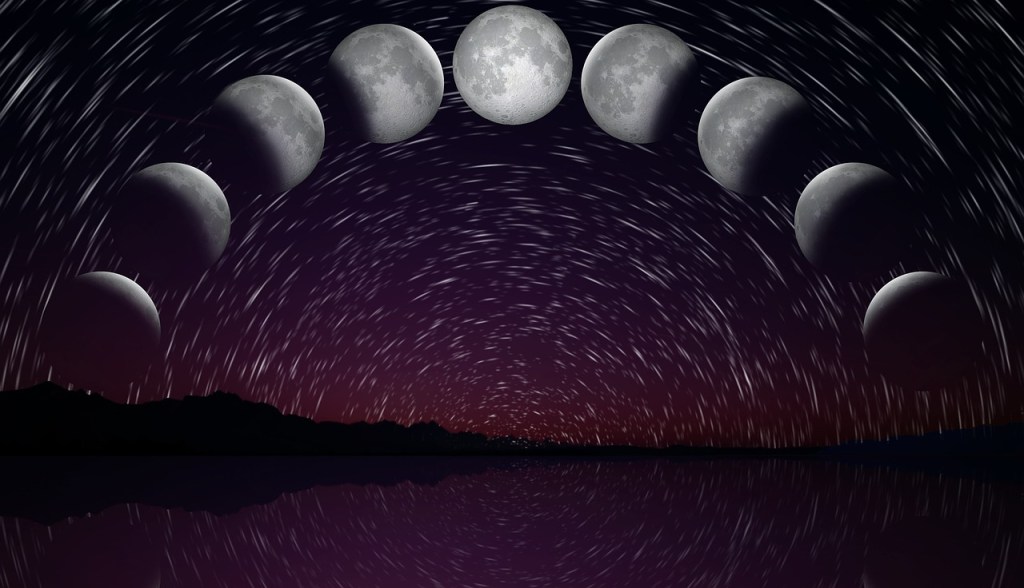
  3. Moon Observation: If the Moon is visible, observe its phases and prominent features like craters and “seas” (large, dark plains).
  4. Satellite Spotting: Try to spot artificial satellites moving across the sky. The International Space Station is particularly bright and can be seen at specific times.
  5. Astrophotography: With today’s smartphone cameras, it’s possible to capture basic images of the Moon and bright planets. This can be a fun way to document your stargazing adventures.

Find the BEST Equipment HERE

Remember, patience is key when stargazing. Take your time, let your eyes adjust, and don’t rush from object to object. The joy of stargazing often comes from the peaceful contemplation of the cosmos and the shared experience with loved ones.

Exploring the July night sky as a family can be an enriching and bonding experience. It offers a unique opportunity to learn about the universe, spark curiosity, and create lasting memories. So this July, take advantage of the warm nights, head outdoors, look up, and embark on your own cosmic adventure. The wonders of the universe await!

Citations:
[1] https://www.theguardian.com/science/2017/may/28/the-june-night-sky
[2] https://www.planetary.org/night-sky/night-sky-what-to-see-this-month
[3] https://en.wikipedia.org/wiki/Jupiter
[4] https://www.space.com/16452-jupiters-moons.html
[5] https://www.britannica.com/place/Jupiter-planet

How to Conduct a Wine Tasting for Summer Wines: A Guide for Novices

Hosting a wine tasting can be an exciting and educational experience, especially when it focuses on the refreshing and vibrant wines that are perfect for summer. Whether you’re a seasoned wine enthusiast or a curious novice, organizing a summer wine tasting is a fantastic way to explore new flavors, learn about different wine styles, and enjoy the company of friends. This comprehensive guide will walk you through the steps to conduct a successful summer wine tasting, ensuring a memorable and enjoyable event for all.

1. Selecting the Wines

The first step in conducting a summer wine tasting is to carefully curate the wines you’ll be featuring. Summer wines are typically light, crisp, and refreshing, making them perfect for warm weather. Here are some popular summer wine varieties to consider:

  • Sauvignon Blanc: Known for its vibrant citrus and herbaceous notes, Sauvignon Blanc is a quintessential summer wine. Its crisp acidity and refreshing flavors make it an ideal pairing for light salads, grilled seafood, and fresh summer produce[2][3].
  • Chardonnay: While Chardonnay can range from light and unoaked to rich and buttery, for a summer tasting, focus on the lighter, crisper styles. These Chardonnays often exhibit flavors of green apple, lemon, and subtle mineral notes, making them a versatile choice for summer dishes[1][3].
  • Pinot Grigio: With its delicate floral and citrus aromas, Pinot Grigio is a crowd-pleasing summer wine. Its light body and crisp acidity make it a refreshing choice for warm weather and a perfect accompaniment to light appetizers and salads[2][4].
  • Rosé: Rosé wines are incredibly popular in the summer due to their refreshing acidity and fruity flavors. They pair well with a variety of dishes, from grilled vegetables to seafood and charcuterie[3][4].
  • Sparkling Wine: Sparkling wines, such as Prosecco, Cava, and Champagne, are perfect for summer celebrations. Their effervescence and bright acidity make them a delightful pairing for a wide range of foods[1][4].

When selecting the specific wines, aim for a diverse range of styles and regions to showcase the variety within each grape variety. Consider including both well-known and lesser-known producers to expose your guests to new and exciting options.

2. Setting the Stage

Creating the right ambiance is crucial for a successful wine tasting. For a summer event, consider hosting it outdoors, weather permitting, or in a well-ventilated indoor space. Decorate the tasting area with summer-themed elements, such as fresh flowers, citrus slices, or even a touch of greenery to evoke a sense of warmth and vibrancy[2][3].

Ensure that you have enough glassware for each guest, preferably stemmed glasses designed for white wines. This will allow your guests to swirl and appreciate the aromas and colors of the wines more effectively[4].

3. Preparing for the Tasting

Before your guests arrive, it’s essential to prepare the wines properly. Chill the white wines to the appropriate serving temperature, typically between 45°F and 55°F (7°C and 13°C). This will help preserve the wines’ delicate aromas and flavors[3][4].

To add an element of mystery and intrigue, consider presenting the wines in a blind tasting format. Wrap each bottle in a brown paper bag or aluminum foil, and assign a number to each wine. This will encourage your guests to focus solely on the sensory experience, without any preconceived notions or biases[1][2].

Set up tasting stations with numbered placemats or notepads, where guests can jot down their observations and guesses about each wine. Provide pens or pencils, water for palate cleansing, and perhaps some neutral crackers or bread to help reset the palate between wines[1][2].

Wines for a wine Tasting look HERE

4. Conducting the Tasting

As your guests arrive, welcome them with a refreshing summer cocktail or a glass of sparkling wine. This will help set the tone for the event and get their palates primed for the tasting[3].

Once everyone is settled, provide an overview of the tasting format and any relevant information about the wines you’ll be featuring. Encourage your guests to engage their senses fully, taking note of the wines’ appearance, aromas, and flavors[1][2].

Guide your guests through the tasting process, starting with the lightest wine and progressing to the more full-bodied options. Encourage discussion and sharing of impressions, as this can enhance the overall learning experience[1][2].

5. Pairing with Summer Fare

To elevate the tasting experience further, consider pairing the wines with light summer fare. Prepare a selection of seasonal appetizers, such as fresh tomato bruschetta, grilled shrimp skewers, or a refreshing watermelon and feta salad. These pairings will not only complement the wines but also demonstrate how different flavors can harmonize or contrast with each wine[2][3].

Encourage your guests to experiment with different pairings and observe how the flavors of the wine and food interact. This hands-on approach will deepen their understanding of wine and food pairing principles[1][2].

6. Educational Elements

While the primary focus of a wine tasting is to enjoy the wines, it’s also an excellent opportunity to incorporate educational elements. Consider inviting a knowledgeable sommelier or wine expert to lead the tasting and provide insights into the winemaking process, grape varieties, and regions represented[1].

Alternatively, you can prepare informative handouts or presentations that delve into the history, terroir, and production methods of the featured wines. This added context can enhance your guests’ appreciation for the wines and foster a deeper understanding of the art and science behind winemaking[1][2].

7. Creating a Memorable Experience

To make your summer wine tasting truly memorable, consider incorporating additional elements that align with the theme. For instance, you could create a summer-inspired playlist featuring upbeat and relaxing tunes to set the mood. Alternatively, you could offer a selection of summer-themed party favors or small gifts for your guests to take home as a memento of the event[3][4].

Encourage your guests to share their experiences on social media, using a dedicated hashtag or tagging your event. This not only creates a sense of community but also serves as a valuable marketing tool for future wine tasting events[3].

8. Tips for a Successful Wine Tasting

  • Start with the Lightest Wines: Begin the tasting with the lightest wines and progress to the more full-bodied options. This will prevent the heavier wines from overwhelming the palate early on[1][2].
  • Use Proper Glassware: Ensure that each guest has a clean, stemmed glass for each wine. This allows them to swirl the wine and appreciate its aromas fully[4].
  • Encourage Note-Taking: Provide notepads or tasting sheets for guests to jot down their observations and impressions. This can help them remember their favorite wines and enhance their learning experience[1][2].
  • Provide Palate Cleansers: Offer water and neutral snacks, such as plain crackers or bread, to help guests cleanse their palates between wines[1][2].

Look HERE for Wines for your Tasting

Conclusion

Conducting a summer wine tasting is a delightful way to explore the vibrant and refreshing flavors of the season while creating lasting memories with friends and fellow wine enthusiasts. By carefully selecting the wines, setting the stage, and guiding your guests through the tasting process, you can provide an educational and enjoyable experience that will deepen their appreciation for the art of winemaking. Remember, the key to a successful wine tasting is to foster an environment of learning, sharing, and enjoyment, where every sip is a journey of discovery. Cheers to your summer wine tasting adventures!

Citations:
[1] https://www.sommeliercompany.com/how-to-host-a-wine-tasting-event-checklist
[2] http://life-uncorked.com/drink/how-to-plan-a-summer-wine-tasting/
[3] https://931coast.com/5-tips-for-hosting-a-successful-summer-wine-country-themed-party/
[4] https://www.mcbridesisters.com/blogs/the-edit/host-a-summer-wine-tasting-party
[5] https://overproof.com/2020/06/30/wine-tasting-for-beginners/
[6] http://www.fortbendfocus.com/5-simple-steps-to-hosting-a-summer-wine-tasting-party/
[7] https://www.foleyfoodandwinesociety.com/a-cheat-sheet-for-hosting-the-perfect-wine-tasting-party/
[8] https://www.domenicowinery.com/a-beginners-guide-to-wine-tasting/
[9] https://www.cuisinenoirmag.com/how-to-host-a-wine-tasting-party/
[10] https://www.foodandwine.com/wine/wine-tasting-party-tips
[11] https://petoskey.wine/beginners-guide-to-wine-tasting/
[12] https://www.lloydswines.com/blogs/news/top-tips-for-hosting-a-sizzling-summer-wine-tasting-party
[13] https://theeverygirl.com/wine-tasting-party/
[14] https://wolfgapvineyard.com/a-beginners-guide-to-wine-tasting
[15] https://www.grainandvine.com/how-to-host-a-summer-wine-tasting-party
[16] https://healdsburgisheavenly.com/how-to-go-wine-tasting/
[17] https://www.youtube.com/watch?v=AxcOyGUUQI4
[18] https://vincarta.com/blog/wine-tasting-beginners
[19] https://www.brigeeski.com/how-to-host-summer-wine-tasting-party/
[20] https://chaumette.com/beginners-guide-to-wine-tasting/

Which Constellations are visible in the June Night Sky

According to the search results, some of the prominent constellations visible in the June night sky include:

  1. Boötes (the Herdsman)[1][2] – This constellation is almost overhead on June evenings, containing the bright orange star Arcturus. It has a distinct kite-like shape.
  2. Ursa Major (the Great Bear)[2] – Home to the famous asterism the Big Dipper, Ursa Major is high overhead from mid-northern latitudes in June evenings. The Big Dipper can be used to locate Polaris, the North Star.
  3. Hercules (the Hero)[2] – A faint constellation, but its midsection contains the recognizable Keystone asterism. Hercules is located between the bright stars Vega and Arcturus, and contains the Hercules Cluster (M13).
  4. Libra and Lupus[1] – These two constellations lie in the southern part of the June night sky.
  5. Ursa Minor (the Little Bear)[4] – This constellation contains Polaris, the North Star, and appears as a smaller version of the Big Dipper standing on its end.
  6. Lyra (the Harp)[2] – Contains the bright star Vega, one of the three stars forming the prominent Summer Triangle asterism along with Altair and Deneb.
  7. Cygnus (the Swan)[5] – This constellation is home to the bright star Deneb, part of the Summer Triangle. The Veil Nebula, a supernova remnant, can also be found in Cygnus.
  8. Scorpius (the Scorpion)[3] – Contains the bright reddish star Antares. The waxing gibbous Moon passes near Antares on June 19th.

So in summary, the prominent June constellations are concentrated in the northern sky, including Boötes, Ursa Major/Minor, Hercules, Lyra, and Cygnus, along with some southern constellations like Libra, Lupus, and Scorpius.

For Constellation Maps and Star Charts shop HERE

Citations:
[1] https://www.constellation-guide.com/constellations-by-month/june-constellations/
[2] https://earthsky.org/astronomy-essentials/visible-planets-tonight-mars-jupiter-venus-saturn-mercury/
[3] https://www.rmg.co.uk/stories/blog/astronomy/night-sky-highlights-june-2023
[4] https://www.almanac.com/night-sky-map-june-see-stars-move
[5] https://www.space.com/16149-night-sky.html

Exploring the June Night Sky: A Celestial Delight for Stargazers

Exploring the June Night Sky: A Celestial Delight for Stargazers

As the warm embrace of summer approaches, the night sky in June offers a captivating spectacle for stargazers of all levels. With its longer days and shorter nights, this month presents a unique opportunity to witness the celestial wonders that grace our cosmic neighborhood. From the majestic planets to the shimmering stars and constellations, the June night sky is a treasure trove waiting to be explored. In this article, we’ll delve into the celestial highlights that adorn the heavens during this enchanting time of year.

The Planetary Parade

One of the most striking features of the June night sky is the presence of several planets, creating a celestial parade that spans the eastern horizon. As the month begins, the planets Saturn and Mars are the early risers, gracing the pre-dawn sky with their distinct hues[4][5]. Saturn, with its iconic rings, shines as a yellowish point of light, while Mars displays its characteristic reddish glow[5].

As the month progresses, the celestial lineup expands with the addition of Jupiter, the largest planet in our solar system[4][5]. This brilliant world emerges from behind the Sun’s glare, joining the planetary procession in the eastern sky[5]. By the end of June, stargazers can witness the remarkable sight of Saturn, Mars, and Jupiter aligned in the morning twilight, offering a breathtaking celestial display[4][5].

The Moon’s Celestial Dance

The Moon, our closest celestial companion, plays a pivotal role in the June night sky, serving as a guide to explore the wonders that surround it. On June 2nd and 3rd, the crescent Moon will be found in close proximity to Mars, providing a stunning visual contrast[5]. Later in the month, on June 27th, the Moon will appear remarkably close to Saturn, offering a celestial pairing that can be appreciated even with the naked eye or a pair of binoculars[5].

The full moon, known as the “Strawberry Moon,” graces the night sky on June 21st, coinciding with the summer solstice[1]. This celestial event marks the longest day of the year in the Northern Hemisphere, offering stargazers a unique opportunity to witness the Moon’s brilliance against the backdrop of a shorter night[1].

Constellations and Star Clusters

While the planets and the Moon steal the spotlight, the June night sky is also adorned with a tapestry of constellations and star clusters that beckon to be explored. The iconic Big Dipper, part of the larger constellation Ursa Major (the Great Bear), hangs high in the northern sky, serving as a celestial signpost for navigating the heavens[1].

As the night progresses, the Summer Triangle, formed by the bright stars Vega, Altair, and Deneb, rises in the eastern sky, offering a striking celestial landmark[3]. Within this region, stargazers can also glimpse the ethereal beauty of the Milky Way, our home galaxy, stretching across the night sky like a celestial river[3].

For those with binoculars or a small telescope, the June night sky presents an opportunity to explore the wonders of star clusters. The Beehive Cluster (M44) in the constellation Cancer and the Hercules Cluster (M13) in the constellation Hercules are two notable targets that showcase the breathtaking beauty of these celestial gatherings[4].

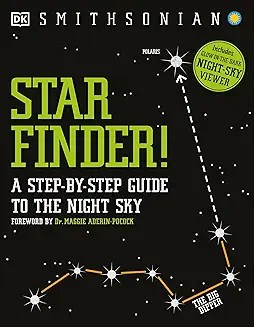
For books and maps on the Night Sky look HERE

Celestial Phenomena and Observing Tips

Beyond the celestial objects that adorn the June night sky, stargazers may also have the chance to witness unique celestial phenomena. Noctilucent clouds, delicate wisps of ice crystals that reflect sunlight at high altitudes, can sometimes be observed in the northern latitudes during the summer months[3]. These ethereal clouds paint the night sky with a silvery-blue hue, offering a mesmerizing sight for those willing to stay up late or rise early.

To fully appreciate the wonders of the June night sky, it’s essential to find a location away from light pollution, where the celestial objects can be observed in their full glory. Dark sky sites or rural areas with minimal artificial light are ideal for stargazing. Additionally, stargazers should allow their eyes to adjust to the darkness, which can take up to 30 minutes, to fully appreciate the faint details of the night sky[2].

For those seeking guidance and resources, astronomy clubs, planetariums, and online platforms offer a wealth of information, including star charts, observing tips, and educational materials. Books such as “NightWatch” by Terence Dickinson and “The Backyard Astronomer’s Guide” by Alan Dyer provide invaluable insights and practical advice for exploring the night sky[4].

The June night sky is a celestial treasure trove, offering stargazers of all levels an opportunity to witness the grandeur of our cosmic neighborhood. From the planetary parade to the celestial dance of the Moon, and the tapestry of constellations and star clusters, this month presents a unique window into the wonders of the universe. So, grab your binoculars, find a dark spot, and immerse yourself in the celestial splendor that the June night sky has to offer.

To learn more about the Night Sky Shop HERE

Citations:
[1] https://www.washingtonpost.com/weather/2023/06/01/june-night-sky-strawberry-moon/
[2] https://www.nature.com/articles/143892a0
[3] https://www.theguardian.com/science/2017/may/28/the-june-night-sky
[4] https://www.planetary.org/night-sky/night-sky-what-to-see-this-month
[5] https://science.nasa.gov/solar-system/skywatching/whats-up-june-2024-skywatching-tips-from-nasa/

Wines That Pair Best with Grilled Foods

Grilling is a beloved cooking method that brings out the best in meats, vegetables, and even fruits. The smoky, charred flavors from the grill can be beautifully complemented by the right wine, enhancing the overall dining experience. Here are some wines that pair exceptionally well with various grilled foods, based on insights from multiple sources.

Grilled ribeye beef steak with red wine, herbs and spices on stone table

1. Zinfandel

Zinfandel is a robust red wine known for its bold fruit flavors and spicy notes, making it an excellent match for grilled meats. Its high alcohol content and rich texture can stand up to the intense flavors of barbecue sauces and charred meats.

  • Pair with: Grilled ribs, brisket, and burgers. The wine’s fruit-forward profile balances the smokiness and sweetness of barbecue sauces[1][2].

The Best Wines for Grilled Foods

2. Cabernet Sauvignon

Cabernet Sauvignon is a full-bodied red wine with firm tannins and dark fruit flavors. It pairs well with rich, fatty meats, as the tannins help cut through the fat, creating a balanced and enjoyable experience.

  • Pair with: Ribeye steaks, lamb chops, and grilled sausages. The wine’s structure complements the richness of these meats[1][3].

3. Syrah/Shiraz

Syrah (known as Shiraz in Australia) is a versatile red wine with flavors of dark berries, pepper, and smoke. Its bold profile makes it a great match for a variety of grilled dishes.

  • Pair with: Grilled pork chops, spicy sausages, and barbecued chicken. The wine’s spiciness and smokiness enhance the flavors of the grilled food[1][3].

4. Malbec

Malbec, particularly from Argentina, is known for its dark fruit flavors and smooth tannins. It pairs wonderfully with grilled meats, especially those with a bit of char and smokiness.

  • Pair with: Grilled steaks, especially with chimichurri sauce, and barbecued ribs. The wine’s fruitiness and slight smokiness complement the grilled flavors[3].

5. Pinot Noir

Pinot Noir is a lighter red wine with high acidity and delicate fruit flavors. It is one of the most food-friendly wines, capable of pairing with a wide range of dishes without overpowering them.

  • Pair with: Grilled salmon, chicken skewers, and vegetable kebabs. The wine’s acidity and subtle smokiness make it a versatile choice for lighter grilled foods[2][4].

6. Rosé

Rosé wines, with their refreshing acidity and fruity flavors, are perfect for summer grilling. They can handle a variety of flavors and are particularly good with lighter grilled dishes.

  • Pair with: Grilled shrimp, turkey burgers, and vegetable skewers. The wine’s crispness and fruitiness balance the smoky flavors of the grill[2][5].

7. Sauvignon Blanc

Sauvignon Blanc is a crisp, high-acid white wine with citrus and herbaceous notes. It pairs well with grilled vegetables and lighter meats, providing a refreshing contrast to the smoky flavors.

  • Pair with: Grilled asparagus, zucchini, and chicken. The wine’s acidity cuts through the char and enhances the natural flavors of the vegetables[4].

8. Chardonnay

Chardonnay can range from crisp and unoaked to rich and buttery, making it a versatile pairing option. The wine’s body and flavor profile can complement a variety of grilled dishes.

  • Pair with: Grilled lobster, chicken, and corn on the cob. The wine’s richness pairs well with the buttery and smoky flavors of these dishes[3][4].

9. Sparkling Wine

Sparkling wines, such as Cava or Prosecco, are excellent for cutting through the richness of grilled foods. Their bubbles and acidity provide a refreshing palate cleanser.

  • Pair with: Grilled pork chops, fried chicken, and seafood. The wine’s effervescence and acidity balance the richness and enhance the flavors of the grilled food[2].

Tips for Pairing Wine with Grilled Foods

  1. Consider the Sauce: The sauce or marinade used in grilling can significantly impact the wine pairing. Sweet and tangy barbecue sauces pair well with fruit-forward wines, while herbaceous marinades might be better with more acidic wines[1].
  2. Match the Intensity: Pair the intensity of the wine with the intensity of the food. Bold, full-bodied wines work well with rich, fatty meats, while lighter wines are better suited for delicate dishes[1][3].
  3. Balance the Flavors: Look for wines that balance the flavors of the grilled food. For example, a wine with good acidity can cut through the richness of fatty meats, while a slightly sweet wine can balance spicy dishes[2][4].
  4. Experiment and Enjoy: Don’t be afraid to try different combinations and see what works best for your palate. The goal is to enhance your dining experience, so have fun experimenting with various wines and grilled foods[5].

SHOP for the Best Grilling tools

Conclusion

Pairing wine with grilled foods can elevate your barbecue experience, bringing out the best in both the wine and the food. By understanding the characteristics of different wines and how they complement various grilled dishes, you can create harmonious and enjoyable pairings. Whether you’re grilling steaks, seafood, or vegetables, there’s a perfect wine to enhance your meal. Cheers to discovering the delightful world of wine and grilling!

Citations:
[1] https://www.jjbuckley.com/wine-knowledge/blog/how-to-pair-wine-with-your-favorite-grilled-foods-/308
[2] https://www.platingsandpairings.com/7-wines-that-pair-with-bbq-perfectly/
[3] https://www.news-press.com/story/life/food/2021/06/30/best-wines-grilling-how-pair-wine-grilled-meats-vegetables/5320468001/
[4] https://discover.texasrealfood.com/the-pairing-post/what-wine-goes-well-with-grilled-vegetables
[5] https://www.yummly.com/dish/887562/an-easy-guide-to-the-best-wines-for-bbq
[6] https://winecountrytable.com/eat-drink/wine-food-pairings/bbq-wine-pairing/
[7] https://www.cardsofwine.com/food_vegetables_grilled.asp
[8] https://www.try.vi/wine-pairing/grilled-vegetables
[9] https://www.wineenthusiast.com/archive/what-to-drink-with-barbecue-food/
[10] https://www.foodandwine.com/lifestyle/best-wine-pairings-grilled-steak
[11] https://www.platingsandpairings.com/wine-with-fish/
[12] https://www.decanter.com/learn/pairing-wine-with-fish-what-to-choose-440973/
[13] https://www.davywine.co.uk/bbq-wines-best-wine-pairings-for-cheese-vegetables/
[14] https://www.coravin.com/community/grilling-best-wines-for-bbq
[15] https://www.coravin.com/blogs/community/grilling-best-wines-for-bbq
[16] https://winefolly.com/wine-pairing/never-fear-the-grill-wine-pairings-with-barbecue/
[17] https://www.thespruceeats.com/pairing-wine-with-seafood-1300638
[18] https://www.sizzlefish.com/pages/seafood-wine-pairings
[19] https://www.vivino.com/wine-news/the-cheat-sheet-to-pairing-wines-with-seafood
[20] https://www.decanter.com/learn/food/wines-at-a-barbeque-320919/

What Foods pair well with White Wines

As a wine novice, exploring the world of white wine and food pairings can be an exciting and rewarding journey. White wines, with their diverse range of flavors and styles, offer a versatile canvas for creating harmonious culinary experiences. In this comprehensive guide, we will delve into the art of pairing white wines with a variety of foods, empowering you to elevate your dining experiences.

Understanding White Wine Characteristics

Before we dive into specific pairings, it’s essential to understand the key characteristics of white wines that influence their compatibility with different foods.

Acidity: White wines generally have higher acidity levels compared to red wines. This acidity can cut through rich, fatty foods, cleansing the palate and preparing it for the next bite.

Body: White wines can range from light-bodied, such as Pinot Grigio, to full-bodied, like Chardonnay. The body of the wine should be considered when pairing it with food.

Sweetness: Some white wines, like Riesling, can have a touch of residual sugar, which can balance out spicy or salty dishes.

Aromas and Flavors: White wines exhibit a wide array of aromas and flavors, from citrus and stone fruits to herbaceous and floral notes. These flavor profiles can complement or contrast with the flavors in the food.

Pairing White Wines with Food

Light-Bodied White Wines

Sauvignon Blanc: This crisp, high-acid white wine pairs beautifully with seafood, salads, and dishes with tart or herbal flavors. The wine’s acidity can cut through the richness of creamy sauces, making it an excellent match for dishes like grilled shrimp or oysters Rockefeller[1].

Pinot Grigio: With its light, refreshing character, Pinot Grigio is a versatile pairing for a wide range of dishes, from light pasta dishes to grilled chicken or pork. Its subtle flavors allow it to complement rather than overpower the food[2].

Albariño: Hailing from Spain, Albariño is a white wine with bright acidity and citrus-driven flavors. It pairs exceptionally well with seafood, especially grilled or sautéed fish, as well as dishes with lemon or lime[2].

Medium-Bodied White Wines

Chardonnay: Depending on the winemaking style, Chardonnay can range from crisp and unoaked to rich and creamy. The former pairs well with grilled or roasted poultry, while the latter complements richer dishes, such as creamy pasta or roasted pork[1].

Viognier: This aromatic white wine, with its floral and stone fruit notes, can hold its own against dishes with bold flavors, such as curries or spicy Asian cuisine. The wine’s natural sweetness can also balance out the heat in these dishes[2].

Grüner Veltliner: Originating from Austria, Grüner Veltliner is known for its bright acidity and subtle spice notes. It’s an excellent pairing for dishes featuring fresh herbs, vegetables, and light proteins, such as salads, grilled fish, or roasted chicken[2].

Sweet and Dessert White Wines

Riesling: With its range of styles from dry to sweet, Riesling can be a versatile pairing for a variety of dishes. Dry Riesling complements spicy or Asian-inspired cuisine, while sweeter styles pair beautifully with desserts or dishes with a touch of sweetness[1].

Moscato: This lightly sparkling, sweet white wine is a delightful companion for fruit-based desserts, such as tarts or cobblers. Its floral and citrus notes can also balance out the heat in spicy dishes[2].

Sauternes: A classic French dessert wine, Sauternes is known for its rich, honeyed flavors. It pairs exceptionally well with foie gras, blue cheese, and decadent desserts, such as crème brûlée or tarte tatin.

Looking for White Wines

Pairing Principles

While these specific pairings provide a solid foundation, there are a few general principles to keep in mind when exploring white wine and food combinations:

  1. Match the Intensity: Pair lighter white wines with delicate dishes and fuller-bodied whites with more robust fare.
  2. Consider Acidity: High-acid white wines can cut through rich, creamy sauces, while lower-acid wines may be overwhelmed by such dishes.
  3. Balance Sweetness: Slightly sweet white wines can balance out spicy or salty dishes, while dessert wines pair beautifully with sweet treats.
  4. Experiment and Trust Your Palate: Don’t be afraid to try unexpected pairings. Personal preference is ultimately the most important factor in creating a successful wine and food match.

Conclusion

Exploring the world of white wine and food pairings is a journey of discovery, where each sip and bite can unveil new and delightful flavor combinations. By understanding the key characteristics of white wines and applying the principles of pairing, you can confidently navigate the vast array of culinary possibilities. Remember, the most important aspect of this journey is to trust your palate, experiment, and savor the harmonious moments that arise when the right wine meets the perfect dish. Cheers to your white wine and food pairing adventures!

White Wines for Food

Citations:
[1] https://www.napacabs.com/blog/a-white-wine-food-pairing-guide-to-make-every-meal-exceptional/
[2] https://theharewineco.com/white-wine-pairings-white-wine-food-pairing-guide/
[3] https://winefolly.com/wine-pairing/getting-started-with-food-and-wine-pairing/
[4] https://www.foodandwine.com/food-and-wine-pairing-guide-6409590
[5] https://themillkeeper.com/10-surprising-white-wine-food-pairings/

Exploring the Celestial Wonders of the May Night Sky

As the spring season blossoms and the days grow longer, the May night sky offers a spectacular showcase of celestial wonders for stargazers of all ages. From dazzling planets to mesmerizing meteor showers, May’s cosmic display is sure to inspire awe and wonder in both novice and experienced observers alike. In this guide, we’ll embark on an astronomical journey through the May night sky, highlighting some of the most captivating sights and celestial events visible to the naked eye and with the aid of binoculars or a small telescope.

The Majestic Constellations of Spring

One of the most prominent features of the May night sky is the array of majestic constellations that grace the heavens. As the Earth continues its journey around the Sun, we are treated to a new cast of celestial characters that take center stage in the evening hours.

Ursa Major and the Big Dipper

High in the northern sky, the familiar asterism known as the Big Dipper, part of the larger constellation Ursa Major (the Great Bear), is a reliable signpost for stargazers. Its distinctive shape, with a bowl and handle, is easily recognizable and can serve as a starting point for exploring other nearby constellations. [1][4]

Virgo and the Springtime Galaxies

To the southeast, the constellation Virgo is home to a wealth of deep-sky objects, including numerous galaxies. With the aid of binoculars or a small telescope, you can spot the Sombrero Galaxy (M104), a striking spiral galaxy known for its prominent dust lane and central bulge. [1][2]

Boötes and Arcturus

Another prominent spring constellation is Boötes, the Herdsman, which features the brilliant orange-red star Arcturus. Arcturus is the fourth-brightest star in the night sky and can be easily found by following the arc of the Big Dipper’s handle. [1][4]

Night Sky Charts and Maps HERE

The Planetary Parade

As the month of May progresses, stargazers are treated to a celestial parade of planets gracing the evening sky. From the dazzling brilliance of Venus to the distant majesty of Saturn, each planet offers a unique perspective on our solar system.

Venus and the Crescent Moon

Early in the month, look for the brilliant planet Venus low in the western sky shortly after sunset. On May 11th, Venus will form a striking pair with a slender crescent Moon, creating a breathtaking celestial sight. [1]

Jupiter and Saturn

As the night progresses, turn your gaze to the southeast to spot the gas giants Jupiter and Saturn. Jupiter, the larger of the two, is easily recognizable by its bright, steady glow. With a small telescope, you can even glimpse some of Jupiter’s moons and the planet’s famous Great Red Spot. [1][2]

Saturn, known for its stunning ring system, appears slightly fainter than Jupiter but is still a captivating sight through a telescope. Look for its distinctive golden hue and the rings, which are currently tilted at a favorable angle for observation. [1][2]

Meteor Showers and Lunar Eclipses

In addition to the dazzling planets and constellations, May also offers a few celestial events that are sure to delight stargazers of all ages.

The Eta Aquariids Meteor Shower

One of the highlights of the May night sky is the Eta Aquariids meteor shower, which peaks on the night of May 5th and early morning of May 6th. This shower, originating from the debris of Halley’s Comet, can produce up to 30 meteors per hour under ideal conditions. [1][3]

To catch a glimpse of these shooting stars, find a dark location away from city lights, lie back, and gaze at the sky. Be patient and let your eyes adjust to the darkness – you may be rewarded with a dazzling display of celestial fireworks. [3]

A Total Lunar Eclipse

On May 26th, stargazers in parts of the world will be treated to a total lunar eclipse. During this event, the Moon passes through the Earth’s shadow, causing it to appear red or coppery in color. This phenomenon is sometimes referred to as a “Blood Moon.” [3]

The eclipse will be visible from most of the Americas, Europe, Africa, and parts of Asia. Check online resources or consult with local astronomy clubs to find out if the eclipse will be visible from your location and what time it will occur. [3]

Observing Tips and Resources

While many celestial objects are visible to the naked eye, binoculars or a small telescope can greatly enhance your views and allow you to see more detail. Consider investing in a pair of binoculars or a beginner-friendly telescope to enhance your stargazing experience. [1][4]

When planning your stargazing sessions, keep an eye on the weather forecast and aim for clear, moonless nights. The New Moon phase, when the Moon is not visible in the sky, is an ideal time for observing faint deep-sky objects. [3]

To learn more about the night sky and stay up-to-date with the latest celestial events, consider joining a local astronomy club or attending public stargazing events in your area. Many clubs offer beginner-friendly workshops, star parties, and telescope-viewing sessions that can help you get started on your cosmic journey. [4]

Help Observing the Night Sky

Conclusion: Embrace the Magic of the May Night Sky

As May unfolds its celestial wonders, take the time to explore the night sky and marvel at the beauty of the cosmos. Whether you’re admiring the brilliance of Venus, spotting planets in the evening sky, or counting shooting stars during the Eta Aquariids meteor shower, each celestial sight offers a unique opportunity for discovery and wonder. [1]

So gather your loved ones, step outside, and let the magic of the May night sky ignite your imagination and inspire your cosmic journey. Happy stargazing!

Citations:
[1] https://stanshobbiesandinterests.com/2024/04/03/exploring-the-april-night-sky-a-beginners-guide-to-celestial-wonders/
[2] https://stanshobbiesandinterests.com/2024/04/10/the-different-types-of-celestial-bodies-that-are-our-neighbors-in-space/
[3] https://darksky.org/news/planning-your-next-trip-to-the-dark-side/
[4] https://www.skyatnightmagazine.com/advice/astronomy-for-beginners
[5] https://www.kashiwaya.org/e/magazine/shimaonsen/starry-night-sky.html

 May’s Celestial Highlights: A Stargazer’s Guide

Some of the most interesting celestial events in the May night sky include:

The Eta Aquariids Meteor Shower

The Eta Aquariids meteor shower, originating from the debris of Halley’s Comet, peaks on the night of May 5th and early morning of May 6th. Under ideal conditions, this shower can produce up to 30 meteors per hour in the Northern Hemisphere. [1][3]

A Total Lunar Eclipse

On May 26th, stargazers in parts of the world will be treated to a total lunar eclipse. During this event, the Moon passes through the Earth’s shadow, causing it to appear red or coppery in color. The eclipse will be visible from most of the Americas, Europe, Africa, and parts of Asia. [1][3]

The Planetary Parade

As the month of May progresses, stargazers can enjoy a celestial parade of planets gracing the evening sky. Look for the brilliant planet Venus low in the western sky shortly after sunset, and later in the night, spot the gas giants Jupiter and Saturn in the southeast. [1]

The Majestic Constellations of Spring

The May night sky features the majestic constellations of spring, including Ursa Major (the Great Bear) with its famous asterism, the Big Dipper, and Virgo, which is home to numerous galaxies that can be spotted with binoculars or a small telescope. [1]

So mark your calendars and prepare to be enchanted by the celestial wonders of the May night sky!

Citations:
[1] https://stanshobbiesandinterests.com/2024/04/03/exploring-the-april-night-sky-a-beginners-guide-to-celestial-wonders/
[2] https://stanshobbiesandinterests.com/2024/04/10/the-different-types-of-celestial-bodies-that-are-our-neighbors-in-space/
[3] http://www.seasky.org/astronomy/astronomy-calendar-2025.html
[4] https://cw33.com/news/5-of-the-rarest-astronomical-events-and-when-youll-next-see-them/
[5] https://www.smithsonianmag.com/science-nature/nine-dazzling-celestial-events-to-watch-in-2024-180983505/

Key factors to consider when designing a Model Railroad Track Plan.

When designing a model railroad track plan, there are several key factors that a family-friendly novice should consider. These factors will help ensure that the layout is not only visually appealing but also functional, engaging, and suitable for the available space. Here are the key factors to keep in mind.

An Introduction to track planning.

  1. Available Space
    The first and most crucial factor to consider is the available space for your model railroad layout. This will determine the overall size and complexity of your track plan. Measure the length, width, and height of the room or area where you plan to set up your layout. Consider whether you want a permanent layout or a temporary one that can be disassembled and stored when not in use. Also, think about accessibility for operation, maintenance, and viewing.
  2. Layout Theme
    Choosing a theme for your layout will guide the overall design, scenery, and atmosphere. Popular themes include prototypical railroads, specific eras (such as the steam or diesel era), industries (like logging or mining), or fictional settings. Your theme will influence the types of trains, structures, and scenery you incorporate into your layout.
  3. Scale and Gauge
    The scale and gauge of your model railroad will significantly impact the size and complexity of your layout. The most common scales are HO (1:87.1), N (1:160), and O (1:48). Consider factors such as available space, budget, and personal preferences when choosing your scale and gauge.
  4. Layout Type
    There are several types of model railroad layouts to choose from, each with its own advantages and challenges. Some popular options include:
  • Loop Layout: A simple layout with a continuous loop of track, ideal for beginners or limited spaces.
  • Point-to-Point Layout: Trains run from one end of the layout to the other, allowing for more complex operations.
  • Switching Layout: Focused on realistic switching operations, with multiple industries and sidings.
  • Modular Layout: Composed of individual modules that can be easily assembled and disassembled.

Consider your available space, desired level of complexity, and operational preferences when selecting the layout type.

  1. Operational Elements
    To add excitement and realism to your layout, consider incorporating various operational elements such as:
  • Yards and Sidings: Dedicated areas for switching operations, allowing trains to pick up and drop off cars.
  • Staging Tracks: Hidden tracks that allow trains to “disappear” and reappear, simulating longer routes.
  • Turnouts and Crossings: Switches that allow trains to change tracks or cross paths, adding complexity and interest.
  • Grades and Elevations: Incorporate hills, mountains, and bridges to create a more realistic and visually appealing layout.
  1. Scenery and Structures
    While the track plan is the backbone of your layout, scenery and structures are what bring it to life. Consider incorporating elements such as:
  • Terrain: Mountains, hills, valleys, rivers, and other natural features to create a realistic environment.
  • Buildings and Structures: Buildings, bridges, tunnels, and other structures to add depth and interest.
  • Vegetation: Trees, shrubs, and other vegetation to create a natural and visually appealing landscape.
  • Lighting and Animations: Lighting effects, animated scenes, and other special effects to enhance the overall experience.
  1. Accessibility and Maintenance
    When designing your track plan, consider accessibility for maintenance and operation. Avoid placing track sections or structures in areas that will be difficult to reach. Plan for easy access to all parts of the layout for cleaning, repairs, and adjustments.
  2. Prototypical Operations
    If you’re aiming for a prototypical layout, research the actual track plans and operations of the railroad or region you’re modeling. This will help ensure that your layout accurately represents the real-world operations and track configurations.
  3. Future Expansion
    While you may start with a modest layout, consider the possibility of future expansion. Design your track plan in a way that allows for easy addition of new sections or modules as your skills and interests grow.
  4. Seek Inspiration and Advice
    Don’t hesitate to seek inspiration and advice from experienced model railroaders, clubs, or online communities. They can provide valuable insights, tips, and recommendations based on their own experiences. Attending model railroad shows and exhibitions can also give you ideas and inspiration for your own layout.

Check this link for Model Railroad Accessories

Designing a model railroad track plan is a crucial step in creating a layout that will provide endless hours of enjoyment for you and your family. By considering factors such as available space, theme, scale, layout type, operational elements, scenery, structures, accessibility, prototypical operations, and future expansion, you can create a layout that is not only visually appealing but also functional and engaging. Remember, model railroading is a journey, and your layout will evolve and grow over time. Embrace the process, seek inspiration, and most importantly, have fun!

Citations:
[1] https://www.bouldercreekrailroad.com/articles/track-planning-for-a-modular-model-railroad
[2] https://www.building-your-model-railroad.com/train-layout-design.html
[3] https://modelrailwaytechniques.com/how-to-design-a-track-plan-for-your-model-railroad/
[4] https://www.building-your-model-railroad.com/model-train-layout.html
[5] https://www.trains.com/mrr/how-to/track-types-and-uses-a-beginners-guide/

What Foods Pair well with Red Wines

Navigating the world of red wine can be an exhilarating journey, filled with discoveries of rich flavors, bold aromas, and the art of pairing these wines with food. Red wine, with its diverse range from light-bodied to full-bodied, offers a plethora of pairing possibilities that can elevate a simple meal into a memorable dining experience. This article aims to guide novices through the essentials of pairing red wines with food, ensuring each sip and bite harmonizes beautifully.

Understanding Red Wine

Before delving into pairings, it’s crucial to understand the characteristics of red wine. Red wines are distinguished by their color, which ranges from light red to deep purple, derived from the grape skins used in the winemaking process. The body of the wine, which refers to its weight and fullness on the palate, can be light, medium, or full. This is influenced by factors such as grape variety, region, and winemaking techniques. Tannins, natural compounds found in grape skins, seeds, and stems, give red wine its structure and can contribute to a drying sensation in the mouth[1][2].

Pairing Foods with Red Wine

The key to successful wine pairing is balance. The wine should complement the food, enhancing its flavors without overpowering them. Here are some guidelines for pairing foods with different types of red wine:

Light-Bodied Red Wines

Light-bodied red wines, such as Pinot Noir, are known for their delicate flavors and higher acidity. They pair wonderfully with lighter dishes that might be overwhelmed by more robust wines.

  • Pinot Noir: Ideal with earthy flavors, such as dishes featuring mushrooms or truffles. It also pairs well with poultry, like roasted chicken, and is versatile enough to complement lightly seasoned fish[1][3].
  • Beaujolais: With its fruity profile, Beaujolais goes well with a variety of foods, including grilled chicken, light pasta dishes, and charcuterie[5].

For a selection of red wines please check HERE

Medium-Bodied Red Wines

Medium-bodied red wines strike a balance between light and full-bodied, offering a wider range of pairing options.

  • Merlot: Known for its soft, smooth texture, Merlot pairs well with grilled meats, including steak and lamb chops. It’s also a great match for pasta with tomato-based sauces[2][4].
  • Chianti: With its high acidity and tannin content, Chianti complements dishes with tomato sauce, such as pizza and pasta, as well as grilled meats and hard cheeses[5].

Full-Bodied Red Wines

Full-bodied red wines are rich and powerful, with bold flavors that can stand up to hearty dishes.

  • Cabernet Sauvignon: The king of red wines, Cabernet Sauvignon, pairs excellently with red meat, including juicy steaks and burgers. Its bold flavors also complement strong cheeses and dark chocolate[1][2].
  • Syrah/Shiraz: This wine’s spicy and bold profile makes it a perfect match for barbecued meats, spicy dishes, and stews[2].

Special Considerations

  • Spicy Foods: For dishes with a kick, opt for a red wine with lower alcohol and softer tannins, like a Malbec or a fruitier Merlot, to avoid intensifying the heat[3].
  • Cheese Pairings: Red wines can be paired with a variety of cheeses. A general rule is to match the intensity of the wine with the intensity of the cheese. For example, a light-bodied Pinot Noir pairs well with soft cheeses, while a full-bodied Cabernet Sauvignon can stand up to aged cheeses[3].
  • Vegetarian Dishes: Earthy wines like Pinot Noir and Merlot complement dishes with mushrooms, lentils, and root vegetables. For spicy vegetarian stews, a softer, sweeter red wine can balance the spice[1].

Tips for Successful Pairings

  • Experiment: Don’t be afraid to try new combinations. Personal taste plays a significant role in what makes a pairing successful.
  • Consider the Sauce: Sometimes, the sauce can be the dominant element of a dish. Pair the wine with the sauce rather than the protein for a more harmonious match.
  • Balance Tannins with Fat: Tannic wines pair well with fatty foods, as the fat can soften the wine’s astringency, creating a pleasant balance[2].
  • Mind the Cooking Method: The way a dish is prepared can influence the pairing. Grilled and roasted dishes often pair well with bolder wines, while steamed or poached dishes might call for something lighter[4].

For RED WINES

Conclusion

Pairing red wine with food is an art that enhances the dining experience, creating a symphony of flavors that delight the palate. By understanding the characteristics of different red wines and following these guidelines, novices can confidently navigate the world of wine pairings. Remember, the ultimate goal is to enjoy the journey of discovery, experimenting with different wines and foods to find what delights your senses the most. Cheers to exploring the rich and rewarding world of red wine pairings!

Citations:
[1] https://theharewineco.com/red-wine-pairings-what-to-eat-with-red-wine/
[2] https://www.virginwines.co.uk/hub/wine-guide/wine-basics/types-of-red-wine/
[3] https://www.franbergerliving.com/blogs/signature-pairings/red-wine-pairings-definitive-guide-for-every-dish
[4] https://winecellarhq.com/blogs/news/food-and-wine-pairing-chart
[5] https://ilchianti.wine/5-most-common-types-of-wine-with-food-pairings/
[6] https://www.wienscellars.com/pairing-wine-with-food-a-comprehensive-guide/
[7] https://www.napacabs.com/blog/the-ultimate-red-wine-food-pairings-to-enhance-your-all-your-meals/
[8] https://www.wtso.com/blog/guide-on-how-to-pair-your-red-wine-and-food/
[9] https://www.altiwineexchange.com/news/pairing-101/
[10] https://www.ecoleducasse.com/en/blog/wine-food-pairing-guide
[11] https://winefolly.com/wine-pairing/getting-started-with-food-and-wine-pairing/
[12] https://cleaverandcocktail.com/wine-and-food-pairing-guide/
[13] https://www.stettyncellar.co.za/blog/red-wine-food-pairing/
[14] https://www.coravin.com/community/wine-101/coravins-guide-to-mastering-the-art-of-food-and-wine-pairings
[15] https://academy.getbackbar.com/the-basics-wine-and-food-pairing
[16] https://www.firstleaf.com/wine-school/article/how-to-pair-wine-with-food
[17] https://jonathansristorante.com/what-foods-pair-best-with-red-wine/
[18] https://www.wineenthusiast.com/basics/red-wine-basics/
[19] https://www.foodandwine.com/food-and-wine-pairing-guide-6409590
[20] https://www.reddit.com/r/Cooking/comments/u8lxp5/suggestions_for_snacks_that_go_with_red_wine/