By Stan’s Hobbies & Interests
As the last echoes of winter’s chill begin to fade in Fort Thomas and across the Kentucky hills, the night sky undergoes a profound transformation. We are entering “Galaxy Season,” a time when our view shifts away from the crowded, dusty arm of our own Milky Way and gazes out into the vast, dark emptiness of intergalactic space.
March 2026 is not merely a change of seasons; it is a month of rare alignments and a spectacular “Blood Moon” Total Lunar Eclipse that will have us all waking up before the sun. Following our established format, here is your comprehensive guide to the month ahead.
I. The Lunar Cycle: The Worm Moon & The Eclipse
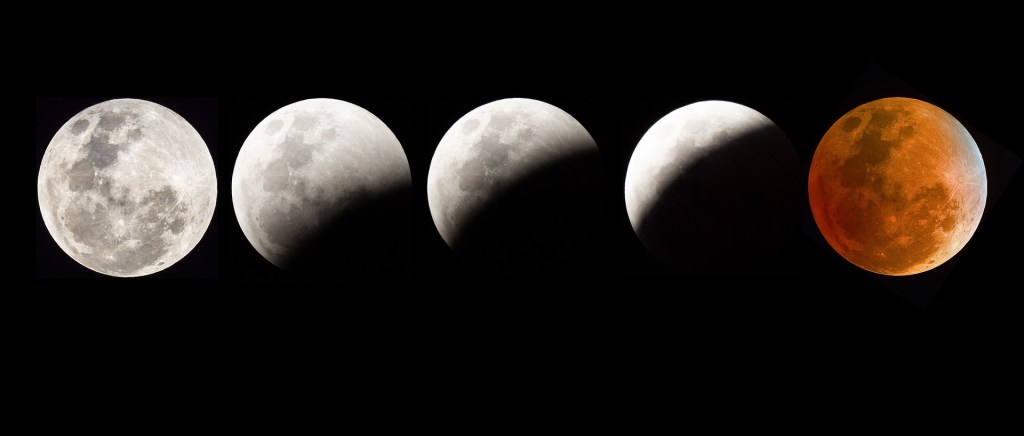
The Moon is the undisputed protagonist of the March sky. This month, we witness the Full Worm Moon, so named by Native American tribes for the softening of the earth and the reappearance of earthworm casts.
- 🌕 Full Moon (The Blood Moon): March 3 – This is no ordinary Full Moon. In the early morning hours, the Moon will pass into Earth’s shadow for the only Total Lunar Eclipse of 2026.
- The “Blood Moon” phase (totality) begins at 6:04 AM ET. For those of us in the Ohio Valley, you must have a clear, unobstructed view of the Western horizon. The Moon will set while it is still deeply eclipsed, a rare and beautiful sight.
- Stan’s Gear Tip: For the best view, you don’t need a massive telescope. A quality pair of 10×50 wide-angle binoculars will provide the perfect field of view to see the coppery-red color change.
- 🌗 Last Quarter: March 11 – Perfect for viewing the rugged craters along the lunar “terminator” line.
- 🌑 New Moon: March 18 – This is the “Dark Sky Window” of the month.
- 🌓 First Quarter: March 25 – Visible in the evening, providing high-contrast viewing of the lunar mountains.
II. The Planets: A Changing Guard
The “Planetary Parade” of late winter is beginning to disperse, but there are still magnificent sights to be had.
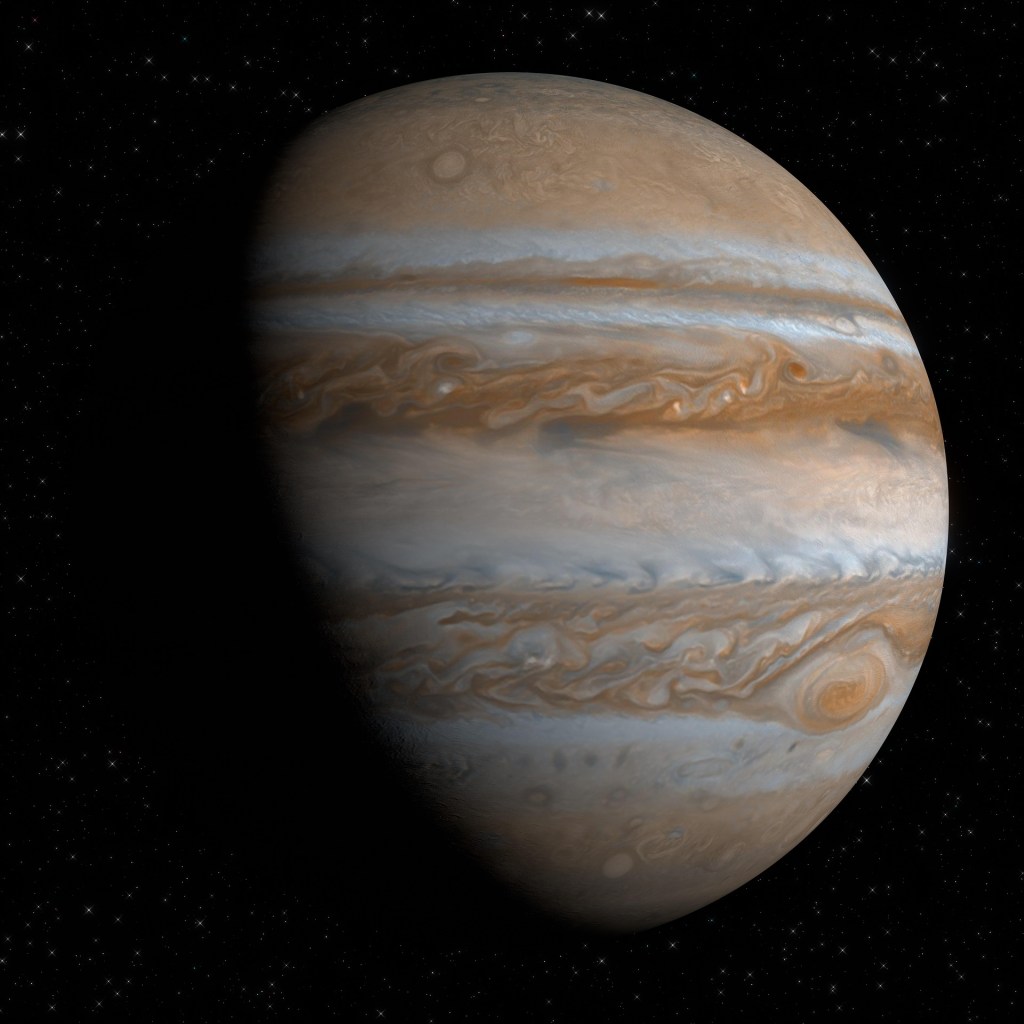
- Jupiter (The King): Dominating the southern sky in the constellation Gemini, Jupiter is the brightest “star” in the evening.
- Observing Tip: Even a small backyard refractor telescope will easily reveal its four Galilean moons and the dark equatorial cloud belts.
- Venus (The Evening Star): Look to the western horizon about 30 minutes after sunset. Venus is climbing higher each night. On March 20, look for a spectacular pairing of the crescent Moon and Venus—a perfect photo opportunity!
- Saturn & Mercury: These two are playing “hide and seek” low in the sunset’s glow during the first week of March. You’ll need a clear western horizon and binoculars to catch them before they slip away into the Sun’s glare.
III. The Constellations: The Lion’s Roar
As Orion and the Winter Hexagon tilt toward the West, the spring constellations take center stage.

- Leo (The Lion): Easily identified by the “Sickle” or backward question mark that forms the Lion’s head. Its heart is the bright blue-white star Regulus. This is a great area to practice “Star Hopping” to find the “Gateway to Galaxies.”
- Cancer (The Crab): Though faint, this constellation sits between Leo and Gemini. To truly appreciate it, you’ll need a star chart, like the Miller’s Planisphere, to navigate. It holds one of the best binocular targets in the sky: The Beehive Cluster.
- Virgo (The Maiden): Rising in the East later in the evening, Virgo signals that “Galaxy Season” has truly arrived.
IV. Outstanding Stars: Gems of the Equinox
- Sirius (The Dog Star): Still dazzling in the Southwest, this is the brightest star in the entire sky. Watch it “twinkle” in multiple colors due to its intense brightness and low altitude.
- Arcturus: Follow the “Arc” of the Big Dipper’s handle to find this prominent orange giant rising in the Northeast.
- Regulus: Sitting almost exactly on the Ecliptic, this star is frequently visited by the Moon. On March 2, just before the eclipse, the Moon will sit very close to this “Little King.”
V. Backyard Missions: Binoculars & Telescopes
Whether you are using your “Light Bucket” camera or a classic eyepiece, here are your targets for March 2026:
- 🔭 Binocular Target: The Beehive Cluster (M44) – Located in the heart of Cancer. Through binoculars, this “faint smudge” explodes into a glittering swarm of over 50 stars. It’s a perfect first target for new astronomers.
- 🔭 Small Telescope Target: The Orion Nebula (M42) – March is your last “good” month to see this stellar nursery before it gets too low in the twilight. If you haven’t mastered your “Light Bucket” photography yet, Month 1’s guide will help you capture the gas clouds this month.
- 🔭 The Galaxy Challenge: Andromeda (M31) – Use the “Star Hop” from Cassiopeia we discussed in our Month 2 Andromeda Hunt. As a prime target for our next mission, having a stable, modern tripod mount is essential for capturing this vast galaxy.
VI. Outstanding Events: The Spring Equinox
On March 20, at 10:46 AM ET, winter officially ends. This is the Vernal Equinox, the moment the Sun crosses the celestial equator heading North. This means the days get longer, bringing more opportunities for warmer, family-friendly stargazing nights.
A Dramatic Conclusion
The sky of March 2026 is a bridge between the cold, brilliant clarity of winter and the soft, deep mysteries of spring. As we watch the Moon turn red on the 3rd and greet the return of the Sun on the 20th, we are reminded that we are passengers on a magnificent, spinning vessel.
Next month, we leave our local neighborhood entirely. We will dive into The Realm of the Galaxies, where we will use our “Light Buckets” to hunt for island universes so distant that their light has traveled for tens of millions of years just to reach your backyard.
Keep your eyes on the stars, and your “Light Buckets” ready. I’ll see you in April for “The Gateway to Infinity.”
 Stan's Hobbies and Interests