July 2025 promises one of the most dazzling night skies in years, offering wonders for beginners with unaided eyes and challenges for seasoned astronomers. From planetary parades and meteor showers to glittering star clusters and the Milky Way’s core, this guide unlocks the cosmos with practical tips for every stargazer.
Planetary Highlights: The Summer Solar System

- Venus: The Dazzling “Morning Star”
- When: 1–2 hours before sunrise
- Location: Low in the eastern sky near Taurus
- Viewing Tip: Venus outshines all stars; its crescent phase is visible through binoculars.
- Special Event: On July 7, Venus passes just 0.5° from Uranus—a rare binocular duo.
- Mars: The Fiery Beacon
- When: Early evening after sunset
- Location: Moves from Leo to Virgo mid-month
- Viewing Tip: Look for its rust-colored glow near the bright star Regulus on July 15.
- Jupiter: The Giant Returns
- When: Rises around 3 a.m. by month’s end
- Location: Eastern sky in Taurus
- Viewing Tip: Telescopes reveal cloud bands and the Great Red Spot.
- Saturn: Lord of the Rings
- When: Rises by 10 p.m. in early July; visible all night late-month
- Location: In Pisces
- Viewing Tip: Even small telescopes show its iconic rings tilted at 8.6°.
- Neptune and Uranus
- Neptune: Rises near midnight in Pisces (requires telescope)
- Uranus: Visible in Taurus before dawn; binoculars reveal its aquamarine hue.
Constellations and Stars: July’s Celestial Landmarks
- The Summer Triangle:
Vega (Lyra), Deneb (Cygnus), and Altair (Aquila) dominate the zenith. Use them to navigate:- Follow the Milky Way through Cygnus (“Northern Cross”)
- Spot the Ring Nebula (M57) near Vega—a smoke-ring-like planetary nebula.
- Scorpius and Sagittarius:
Low in the south, these mark the Milky Way’s heart:- Scorpius: Identified by red supergiant Antares and its curved tail.
- Sagittarius: Home to the Teapot asterism; its “steam” is the Milky Way core.
- Hercules:
High overhead, containing the Great Globular Cluster (M13)—a fuzzy “star” visible through binoculars that resolves into thousands of stars via telescope.
Must-See Celestial Events
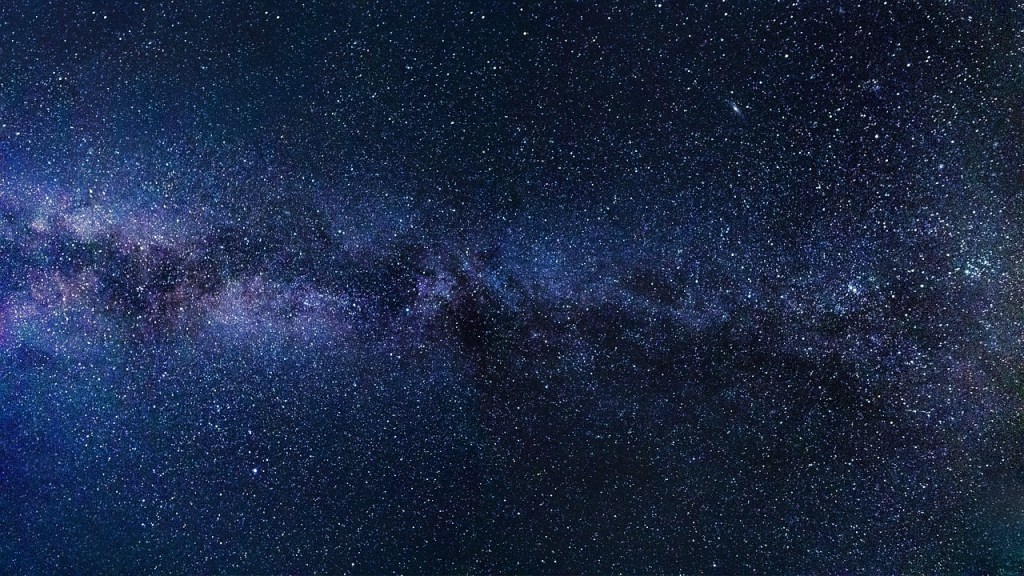
- Delta Aquariids Meteor Shower
- Peak: July 28–30
- Best Viewing: 2–4 a.m. from dark locations
- Expected Rate: 15–20 meteors/hour
- Tip: Lie back and scan south; no equipment needed.
- “Buck Moon” Lunar Eclipse
- Date: July 10 (Full Moon)
- Event: Penumbral lunar eclipse visible across the Americas, Europe, and Africa.
- Viewing: Starts at 1:14 a.m. UTC; maximum at 3:09 a.m. UTC. The Moon darkens subtly but noticeably.
- Moon-Venus Conjunction
- Date: July 31
- Event: A waning crescent Moon meets Venus before dawn.
- Photography Tip: Capture them with landscapes for stunning compositions.

Deep-Sky Delights for Advanced Observers
| Object | Type | Location | Best Date | Equipment |
|---|---|---|---|---|
| M22 (Sagittarius) | Globular Cluster | Sagittarius | July 15 | Binoculars |
| Lagoon Nebula (M8) | Star-Forming Gas | Sagittarius | July 20 | Telescope |
| Wild Duck Cluster (M11) | Open Cluster | Scutum | July 25 | Small telescope |
| Black Eye Galaxy (M64) | Spiral Galaxy | Coma Berenices | July 30 | 8″+ telescope |
Moon Phases: Your Stargazing Calendar
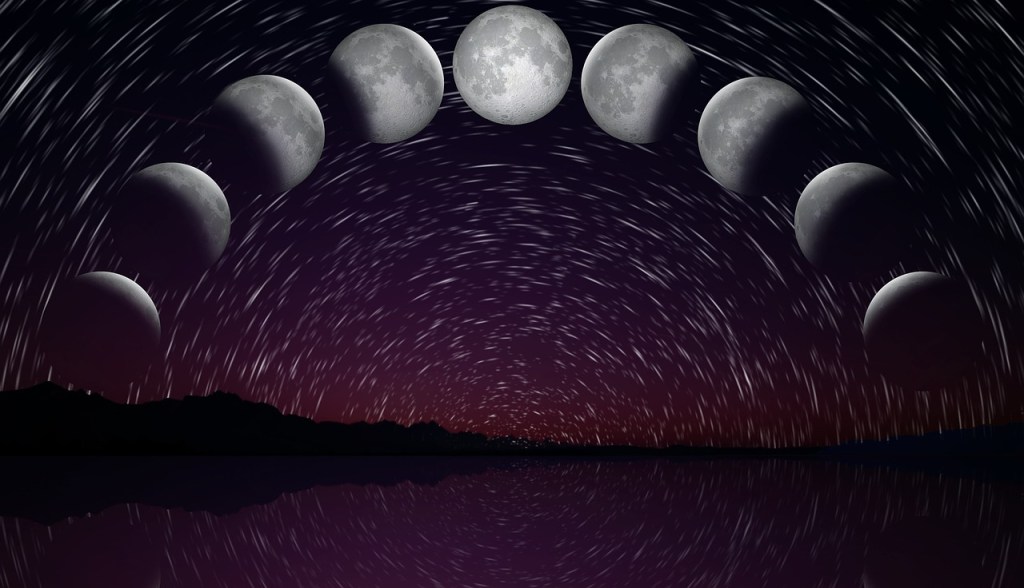
- New Moon: July 24 (prime time for deep-sky observing)
- First Quarter: July 3
- Full Moon (Buck Moon): July 10
- Last Quarter: July 18
Stargazing Tips for All Levels
For Families & Beginners:
- Play “Connect the Dots”: Trace the Summer Triangle or Scorpius’ tail.
- Meteor Shower Party: Bring blankets and hot cocoa for the Delta Aquariids.
- Moon Journal: Sketch the Moon’s phases nightly.
For Advanced Astronomers:
- Dark-Sky Protocol: Use red flashlights and star charts to preserve night vision.
- Astrophotography: Target the Milky Way core July 20–30 (moonless nights).
- Telescope Targets: Hunt galaxy trio M81, M82, and NGC 3077 in Ursa Major.
Universal Tips:
- Timing: Wait 1.5 hours after sunset for full darkness.
- Location: Escape city lights—national parks or rural areas ideal.
- Apps: Use SkySafari or Stellarium for real-time object tracking.
Why July 2025 Stands Out
- Saturn’s rings are tilted wider than in 2024, offering spectacular views.
- Jupiter returns to dawn skies after solar conjunction, beginning a new observational cycle.
- The Milky Way core is nearly vertical at midnight—optimal for Southern Hemisphere observers.
Conclusion: Your Cosmic Invitation
July 2025 blends accessibility and wonder: spot planets with naked eyes, count meteors with kids, or photograph galaxies with a telescope. As daylight fades, remember—you’re not just looking at stars; you’re witnessing a 13.8-billion-year story unfold above you.
References & Further Exploration
- NASA Solar System Exploration: July 2025 Skywatching
- Sky & Telescope: July 2025 Observing Guide
- Time and Date: Lunar Eclipse Details
- American Meteor Society: Delta Aquariids Forecast
- Royal Astronomical Society: Deep-Sky Objects for Summer
Footnotes
- *Planetary positions calculated for 40°N latitude; timings in UTC.
- *Meteor shower rates assume dark-sky conditions.
- *Telescope recommendations based on Bortle 4 skies or darker.
 Stan's Hobbies and Interests