The holiday season is a magical time, filled with joy, family gatherings, and the excitement of gift-giving. One of the most cherished traditions during Christmas is setting up a model train around the Christmas tree. Whether you’re starting a new hobby or continuing a beloved tradition, selecting the right starter model train set can create lasting memories for your family. This guide will help you choose a family-friendly model train set that not only delights during the holiday season but can also be expanded into larger layouts as your interest grows.
Understanding Scale and Gauge
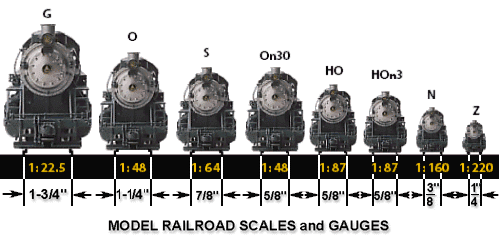
Before you dive into specific recommendations, it’s essential to understand the concepts of scale and gauge:
- Scale: This refers to the size ratio between the model and the real-life train. Common scales include:
- HO Scale (1:87): The most popular scale, offering a good balance between size and detail. It’s perfect for families because it has many available accessories.
- N Scale (1:160): Smaller than HO, great for limited spaces, making it ideal for compact holiday displays.
- O Scale (1:48): Larger and more robust, often associated with classic brands like Lionel, which are perfect for young children.
- Gauge: This is the distance between the rails. Each scale has a corresponding gauge, so it’s crucial to ensure that your track and trains match.
Recommended Starter Sets for Christmas
- BRIO World Christmas Steaming Train Set
- Why it’s great for families: This set is designed specifically for the holiday season, featuring a battery-operated engine that produces safe-to-touch steam effects. It’s perfect for setting up around the Christmas tree.
- Expandability: The BRIO system is compatible with other BRIO products, allowing you to expand your layout over time.
- Family-friendly features: The set includes snowy tracks, a North Pole station with a Christmas tree, and a Santa Claus character, making it festive and fun for kids.
- Lionel Pennsylvania Flyer Train Set (O Gauge)
- Classic appeal: Lionel trains are iconic and often evoke nostalgic memories of childhood.
- Durability: O gauge trains are larger and more robust, making them great for younger children who might be rougher with toys.
- Remote control operation: Many Lionel sets come with remote controls, adding an interactive element to your holiday experience.
- Electric Train Set by Minmi
- Ideal for toddlers and big kids: This electric train set is designed for ages 2-10 and provides endless entertainment during the festive season.
- Creative play features: With lights, sounds, and action, this train set can be used as a fantasy Polar Express around the tree or as part of an imaginative roller coaster setup.
- Perfect gift idea: This set makes an excellent birthday or Christmas gift that will delight young train enthusiasts.
Key Features to Look for in a Starter Set

When choosing a starter model train set for Christmas, keep these key features in mind:
- Complete Package: Ensure the set includes everything needed to start: locomotive, cars, track, power supply, and controller.
- Quality of Track: Look for track systems that are easy to assemble and expand. Snap-track systems are particularly user-friendly for beginners.
- Power Supply: A good power pack should have variable speed control and direction change capabilities.
- Locomotive Quality: Choose sets with locomotives that run smoothly and have good pulling power.
- Expandability: Ensure the set uses standard components that can be easily supplemented with additional pieces from various manufacturers.
Expanding Your Layout After Christmas
Once you’ve enjoyed your starter set during the holiday season, you can begin expanding your layout throughout the year. Here are some ideas:
- Additional Track: Start by adding more track to create larger loops or more complex configurations.
- Scenery Elements: Add buildings, trees, and figures to create a more realistic environment that reflects different seasons or themes.
- Extra Rolling Stock: Increase your train’s length with additional cars to enhance playability.
- Switches and Turnouts: These allow you to create sidings and more intricate track layouts.
- Digital Command Control (DCC): As you advance in your hobby, consider upgrading to a DCC system for more realistic operation and the ability to run multiple trains independently.
Making It a Family Activity
Model railroading can be a wonderful family hobby during the holiday season and beyond. Here are some tips to involve everyone:
- Assign Roles: Let each family member take charge of different aspects such as track layout design, scenery creation, or train operation.
- Create Holiday Themes: Design your layout around festive themes like winter wonderlands or Christmas villages that interest different family members.
- Learn Together: Use this hobby as an opportunity to learn about geography, history, and engineering as a family while building your layout together.
- Host Operating Sessions: Once your layout is more developed after Christmas, invite friends or other families over for operating sessions where everyone can enjoy running trains together.
Maintenance and Care
Proper maintenance will ensure your trains run smoothly through many holiday seasons:
- Clean the Track Regularly: Use a track cleaning eraser or isopropyl alcohol to keep the rails free of dirt and oxidation from festive decorations.
- Lubricate Moving Parts: Apply a small amount of plastic-compatible lubricant to gears and axles as recommended by the manufacturer after heavy use during the holidays.
- Store Properly After Use: When not in use after Christmas, store your trains and accessories in a cool, dry place—preferably in their original packaging or dedicated storage boxes—to protect them until next year.
- Handle with Care: Teach children to handle the trains gently to avoid damage during playtime.
Troubleshooting Common Issues
Even the best sets can sometimes have issues; here are some common problems and solutions:
- Train Won’t Run: Check power connections; ensure that the track is clean; verify that all wheels are on the track properly.
- Derailments: Look for misaligned track joints; ensure curves aren’t too tight for your locomotive; check that wheel gauges are correct.
- Jerky Operation: Clean both track and locomotive wheels; ensure electrical connections are secure; check batteries if applicable.
Safety Considerations
While model trains are generally safe toys, keep these points in mind:
- Electrical Safety: Always use the power supply that comes with your set or one specifically designed for model trains.
- Small Parts Caution: Some models have small parts that could pose choking hazards for very young children; supervise playtime accordingly.
- Age-Appropriate Sets: Choose sets that match the age and skill level of users to ensure safe play experiences.
Resources for Learning Together
As you delve deeper into this exciting hobby during the holiday season:
- Local Hobby Shops: These can be invaluable sources of advice, supplies, and connections with other enthusiasts who share your passion.
- Online Forums & Communities: Websites like ModelTrainForum.com offer wealths of information along with communities where you can connect with fellow modelers.
- Model Railroad Clubs & Events: Joining local clubs can provide inspiration while also giving you access to larger layouts during community events throughout the year.
- YouTube Tutorials & Demonstrations: Many experienced modelers share tips through video tutorials—great visual aids when learning new techniques together!
- Model Railroader Magazine & Blogs: A fantastic source of layout ideas, product reviews, industry news—perfect reading material during cozy winter evenings!
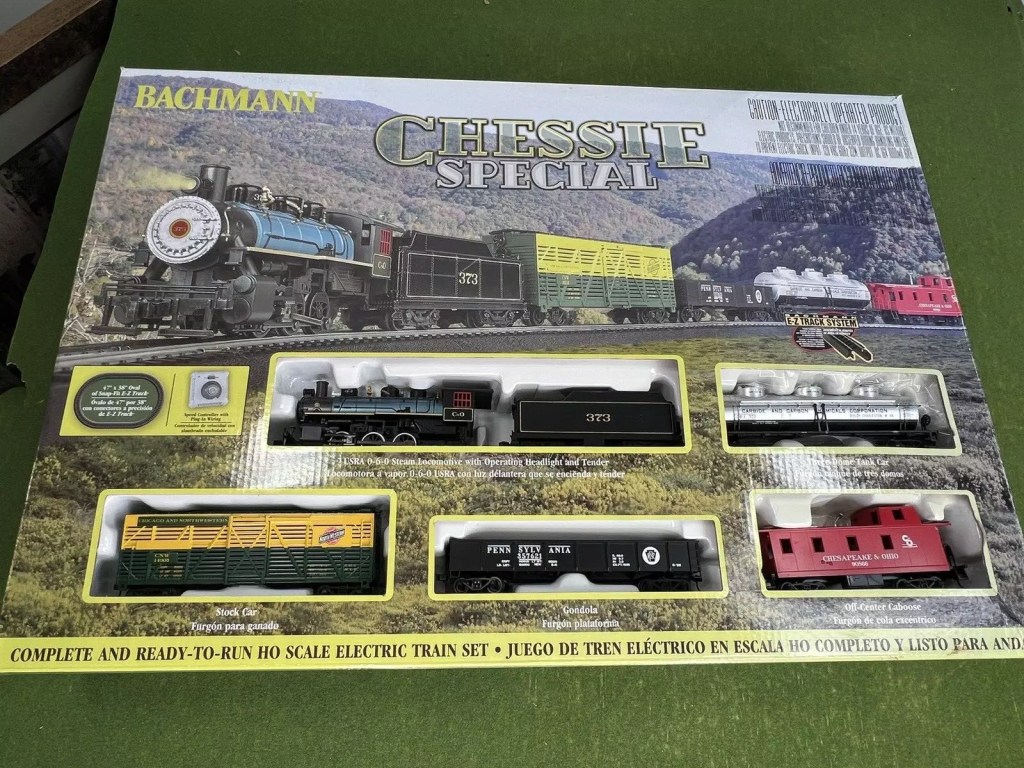
I would recommend checking Ebay or Amazon for Starter train sets.
Conclusion
Choosing a starter model train set during this festive season opens up an exciting world of creativity and fun for families! By selecting quality sets designed for expansion while incorporating seasonal themes into playtime activities—you’re setting yourself up not just for joyful holidays but also countless hours of enjoyment throughout the year!
So gather around as you embark on this enchanting journey into model railroading together—whether it’s running trains under twinkling lights or creating elaborate layouts full of charm—there’s no limit to what you can achieve! Happy holidays from our family to yours—may your tracks always lead home!
Citations:
[1] https://www.brio.us/en-US/products/railway-toys/train-sets/christmas-steaming-train-set-63601400
[2] https://www.amazon.com/Electric-Set-Toddler-Figures-Playsets-Motorized/dp/B07SH19FBL
[3] https://www.reddit.com/r/modeltrains/comments/18dxjfv/whats_the_best_starter_train_set_for_kids/
[4] https://www.strasburgrailroad.com/blog/best-train-toys-and-model-trains/
[5] http://garden-train-store.com/begin/kids_trains.htm
[6] http://www.lionel.com/categories/holiday-memories
[7] https://shop.trains.com/collections/toys
[8] https://www.target.com/s/electric+christmas+train+sets


 Stan's Hobbies and Interests