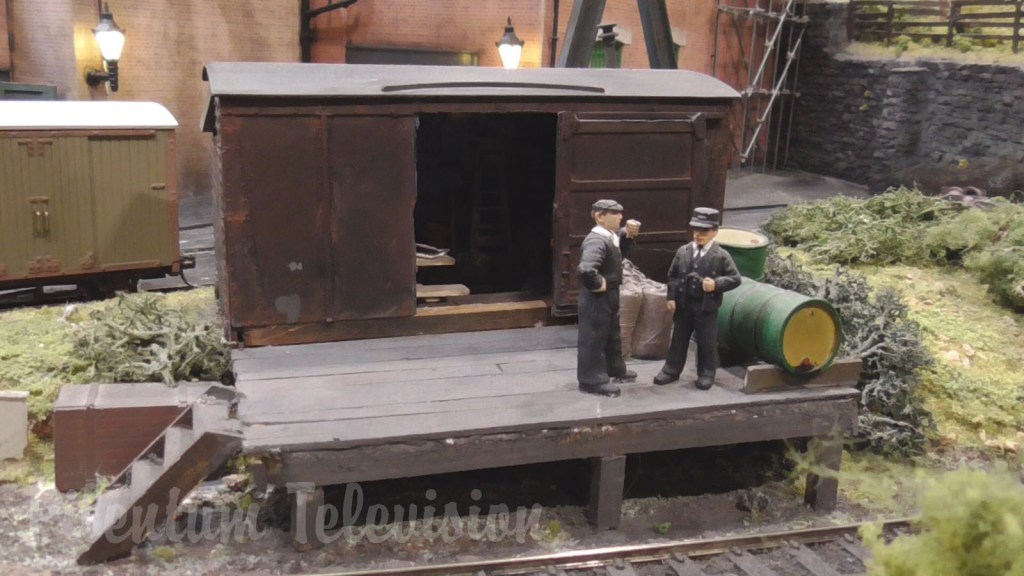
The Miniature Citizen: Bringing Your Family Empire to Life with HO Scale Figures

Welcome back to The Family Empire model railroad series! Over the last few months, we’ve laid down track, wired up power grids, and given our fleet of diesel and steam locomotives a complete mechanical tune-up. Your HO scale railroad is officially running like clockwork.

But if you look closely at your layout right now, something crucial might be missing. The trains are moving, the lights are flickering, but where is everyone?

A model railroad without people can feel a bit like a ghost town. Today, we are going to fix that. Populating your layout with tiny HO scale people is one of the most rewarding, creative, and family-friendly projects you can tackle. It transforms a mechanical track system into a living, breathing world with a story to tell.

Grab the family, clear off the workbench, and let’s dive into how to choose, paint, and perfectly place the miniature citizens of your empire!


Part 1: Choosing Your Citizens (Scaling the Fun)

Before we start placing folks on the platform, we need to make sure we are picking the right figures. Because our layouts are built to the standard HO Scale (1:87), our miniature citizens will stand at roughly $\frac{3}{4}$ of an inch tall.

When shopping for figures, you’ll encounter two main options: Pre-painted or Unpainted.

Pre-Painted Figures: Quick and Beautiful

If you want to build up a bustling downtown crowd quickly, pre-painted packs are the way to go. Brands like Woodland Scenics (Scenic Accents) and Preiser offer incredible, hand-painted details right out of the box. They feature realistic clothing, lifelike poses, and instantly add personality to a scene.

Unpainted Figures: The Budget-Friendly Family Project

If you have a big town to populate, buying unpainted bulk figure packs is incredibly cost-effective. More importantly, it turns figure-making into a fantastic weekend craft project for kids and parents alike. You can buy bags of 100+ unpainted figures and customize their hair, clothes, and skin tones to match your imagination.

Superintendent’s Tip: Look for “era-appropriate” clothing! If your railroad is modeled after the steam-to-diesel transition era of the 1950s, you’ll want figures wearing classic suits, fedoras, and vintage dresses rather than modern t-shirts and baseball caps.


Part 2: The Miniature Studio (Painting Your Figures)

If you chose unpainted figures, don’t let their tiny size intimidate you. Painting HO scale people is incredibly satisfying when you use the right tools and a few simple techniques.

The Workbench Checklist

To set your family up for success, you’ll want to assemble a simple painting kit:

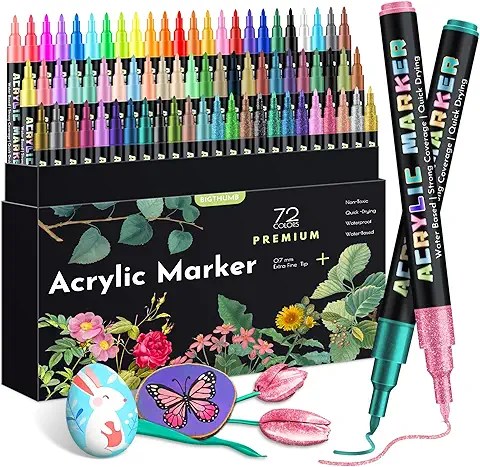
  • Water-Based Acrylic Paints: Use high-quality hobby acrylics like Vallejo Model Color or Tamiya. They dry quickly, don’t smell, and clean up easily with water.
  • Ultra-Fine Brushes: Look for detail brushes sized 0, 00, or 000.
  • The Secret Weapon (A Hobby Holder): Trying to hold a $\frac{3}{4}$-inch person with your bare fingers while painting their shoes is a recipe for messy hands. Glue the feet of your figures onto toothpicks or wooden coffee stirrers using a tiny drop of white school glue. This gives everyone an easy handle to hold!

Step-by-Step Figure Painting

  1. The Primer Coat: Spray your unpainted figures with a light coat of matte gray or white primer. This gives the acrylic paint something to stick to.
  2. Skin Tones First: Always paint the exposed skin (faces, hands, arms) first. It’s much easier to paint clothing around the skin later.
  3. The Wardrobe: Paint the main clothing items (pants, shirts, dresses) next. Keep colors matte rather than glossy—real clothes aren’t shiny!
  4. The “Magic” Wash: Once the paint is dry, brush a highly diluted mixture of black or dark brown acrylic paint and water (called a “wash”) over the entire figure. The dark paint will naturally settle into the creases of the clothes and around the face, instantly creating realistic shadows and depth.

Part 3: The Art of Placement (Every Citizen Tells a Story)

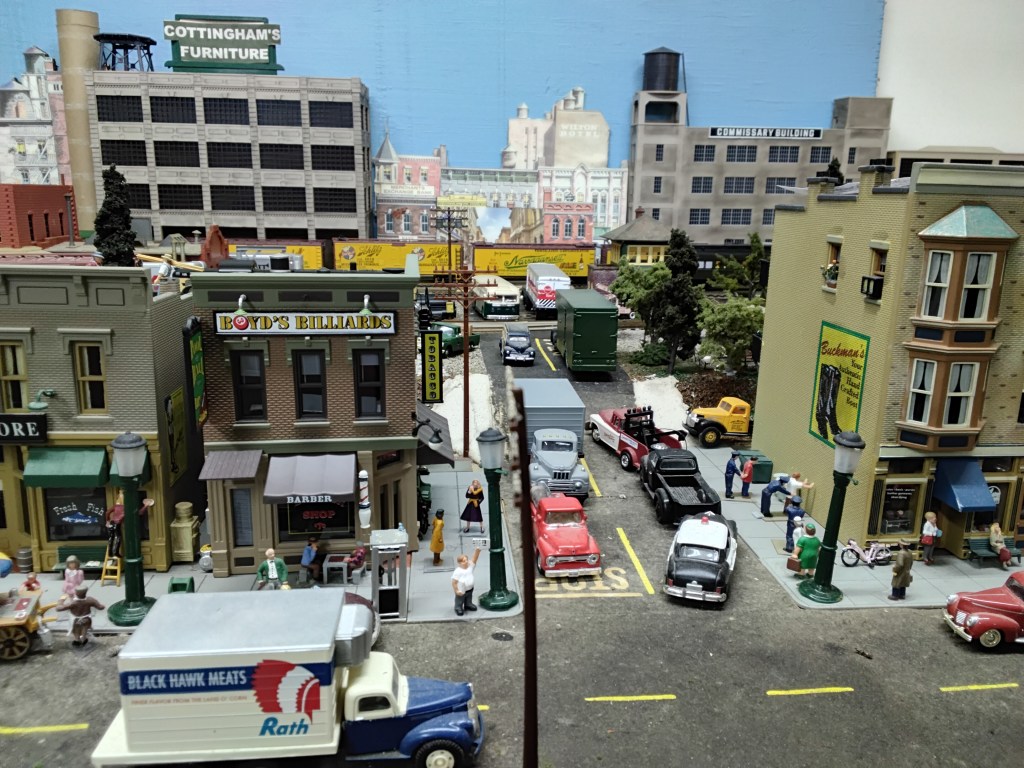
The biggest mistake a Model Railroad Superintendent can make is simply gluing figures in a straight line or scattering them randomly like sprinkles on a cake. To create a masterpiece, every person or group should be doing something logical. They should be telling a story.

Consider these family-friendly storytelling ideas for your layout:

1. The Bustling Passenger Station

Don’t just stand people on the platform staring at the tracks.

  • Place a businessman looking down at his wristwatch, checking if the train is on time.
  • Put a family group together with tiny suitcases, waving goodbye to a relative.
  • Have a station master holding a clipboard near the baggage cart.

2. The Neighborhood Backyard

If you have houses on your layout, bring them to life with everyday activities.

  • Place a figure pushing a miniature lawnmower.
  • Set up a backyard barbecue scene with people sitting on patio chairs.
  • Add a couple of kids playing fetch with a family dog near a fence.

3. The Industrial Worksite

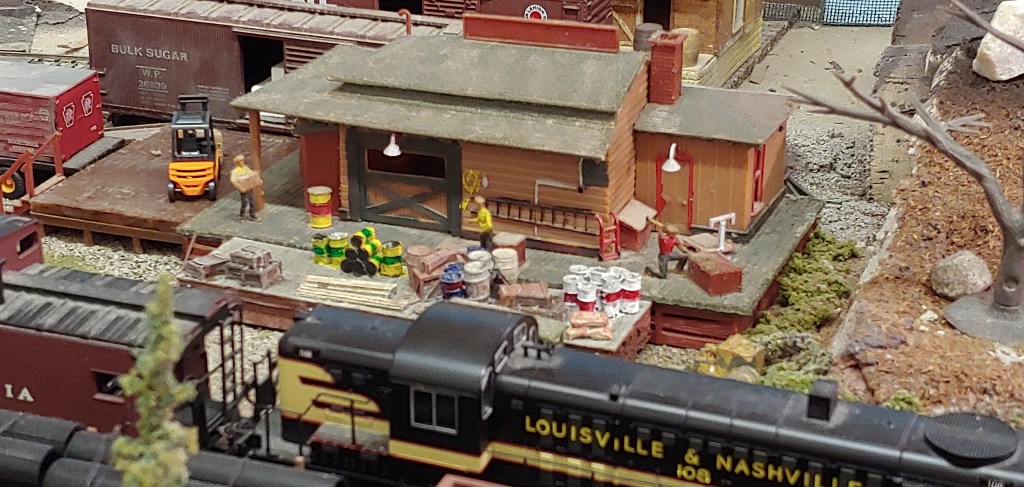
Around your freight sidings, warehouses, or engine servicing facilities, action is key.

  • Position a worker leaning over an open truck engine bay.
  • Place a couple of track workers carrying tools alongside the ballast.
  • Have a foreman pointing toward a boxcar, directing operations.

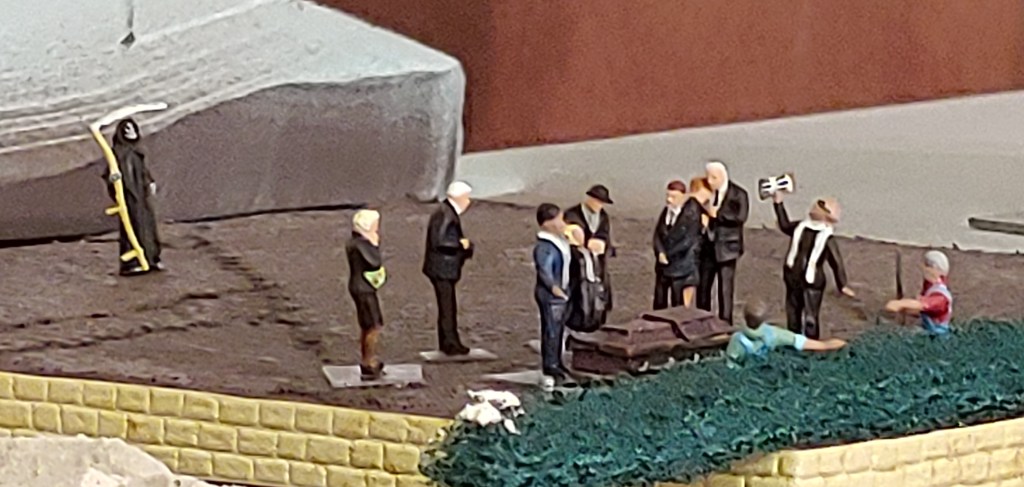
Figures make a Funeral scene.


Part 4: Securing Your Citizens safely

Once your figures are painted and their stories are planned, it’s time to permanently move them into their new home. You don’t want your citizens toppling over every time a heavy train rolls past!

However, standard superglue can ruin your scenery or plastic bases if you ever want to rearrange your town later.

The Best Adhesives for Miniatures

  • Scenic Accents Glue (Woodland Scenics): This is a specialized, clear-drying adhesive that remains tacky. It holds figures securely upright, but allows you to pick them up and move them to a new spot whenever you want without leaving a sticky mess behind.
  • PVA/White School Glue: Good for permanent placement on grassy or dirt surfaces. It dries completely clear and can be dissolved with a drop of warm water if you ever change your mind.

Troubleshooting Checklist for the Human Element

If your scene doesn’t look quite right, run through this quick troubleshooting guide with your team:

The ProblemThe Likely CauseThe Quick Fix
Figures look like shiny plastic toys.Glossy paint or missing shadows.Apply a coat of Testors Dullcote matte finish spray, or apply a dark wash into the fabric creases.
Figures keep falling over.Not enough contact surface on the feet.Use a tiny dab of Scenic Accents Glue on the soles of both shoes, and hold the figure in place for 10 seconds.
The scene feels stiff and artificial.Figures are isolated and pointing the wrong way.Group figures together in conversation. Make sure eyes and bodies are turned toward the action (the approaching train, the storefront, or each other).

Building the Future of Your Family Empire

Adding people to your HO scale layout is the ultimate bridge between the technical world of wiring and the creative world of artistry. It invites everyone who looks at your layout to look a little closer, smile, and imagine what life is like inside your miniature creation.

Next month, we will take our scenery to the next level by exploring how to build realistic roads, sidewalks, and crosswalks so our miniature citizens have a safe place to walk!

What stories are your miniature citizens going to tell? Grab a pack of figures this week, gather around the layout, and start populating your world!

Enjoying the journey? Check out our recommended HO Scale Figure Packs and Detailing Brushes on Amazon through our affiliate links below to support the continued growth of the Family Empire series!

Previewing Next Month: Laying the Groundwork

Now that your town is officially bustling with its new miniature citizens, they’re going to need a safe, realistic way to get around! Join us next month for “Streets of Gold: Designing Roads, Sidewalks, and Crosswalks.” We will break down the easiest, family-friendly methods to construct smooth paved streets, realistic concrete sidewalks, and safety crosswalks that tie your entire commercial and residential districts together. Grab your masking tape and hobby paint—your HO scale drivers and pedestrians are counting on you!

The Iron Horse Stable: Giving Your Engines a Home

Welcome to April! We’ve spent the last few months building the “Family Empire” from the ground up. We broke the circle to create our first siding, and last month, we gave our trains a job by introducing trackside commerce. But after a long day of hauling freight and moving commuters, where do your locomotives go to rest?

Just like a real-world car needs a garage and a gas station, your scale locomotives need a dedicated space for refueling, light repairs, and protection from the “elements” (even if those elements are just household dust!). This month, we’re exploring The Iron Horse Stable. Whether you run classic steam or modern diesel, creating a maintenance facility is one of the most rewarding ways to add realism and “character” to your model railroad.


1. Why Every Railroad Needs a “Stable”

In the golden age of railroading, locomotives were the most expensive assets a company owned. Leaving a multi-million dollar machine out in the rain wasn’t an option. Maintenance hubs—known as Engine Terminals—were the heartbeat of the line.

Integrating a stable into your layout serves three major purposes:

  • Operational Variety: It creates a new “mission.” Instead of just stopping at a factory, your train now has to navigate back to the terminal for “service.”
  • Visual Storytelling: A weathered engine house suggests a history of hard work.
  • Protection: Keeping your engines inside a building when not in use helps keep dust off the delicate gears and electronic decoders.

2. The Steam Era: Coal, Water, and Sand

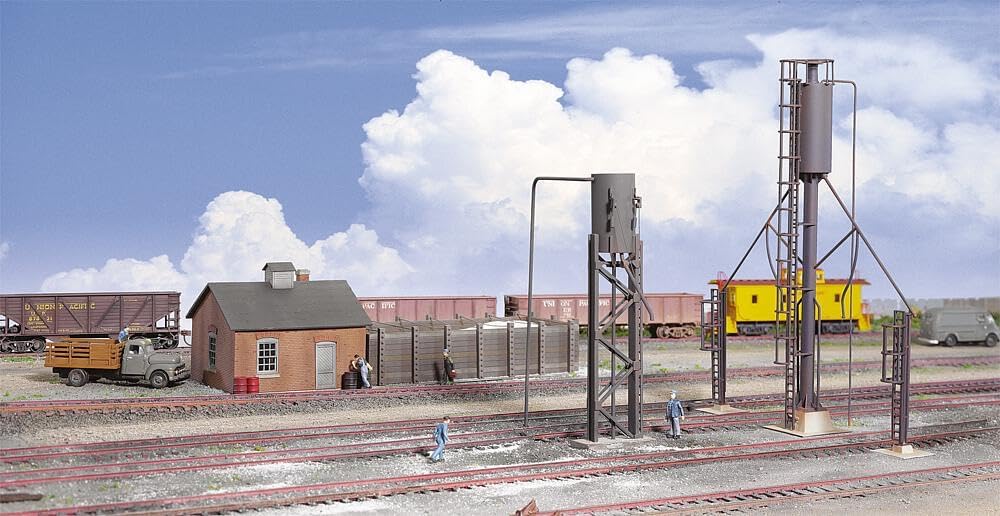
If your “Family Empire” features steam locomotives, your maintenance facility is a sensory experience. Steam engines are “living” machines that require three primary things to keep moving: Fuel (Coal or Oil), Water, and Sand.

The Water Column

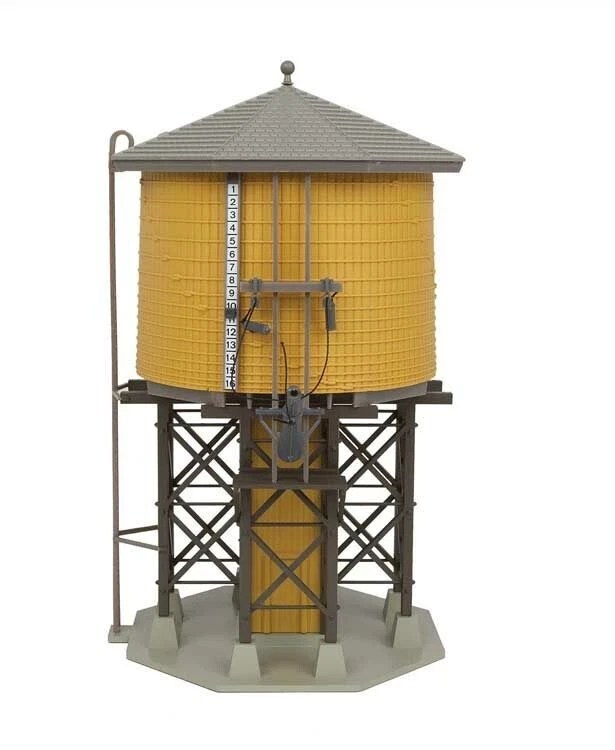
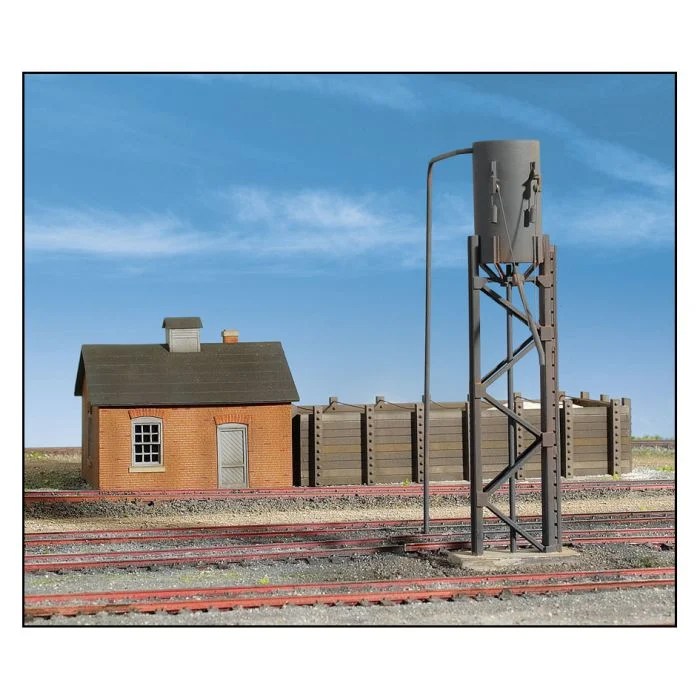
A steam engine is essentially a giant teakettle on wheels. It “exhales” water as steam, meaning it needs constant refills. A Water Column or a Cedar Water Tank is an essential trackside feature.

  • Educational Tip: On real railroads, water tanks were spaced roughly every 10–15 miles!

The Coaling Station

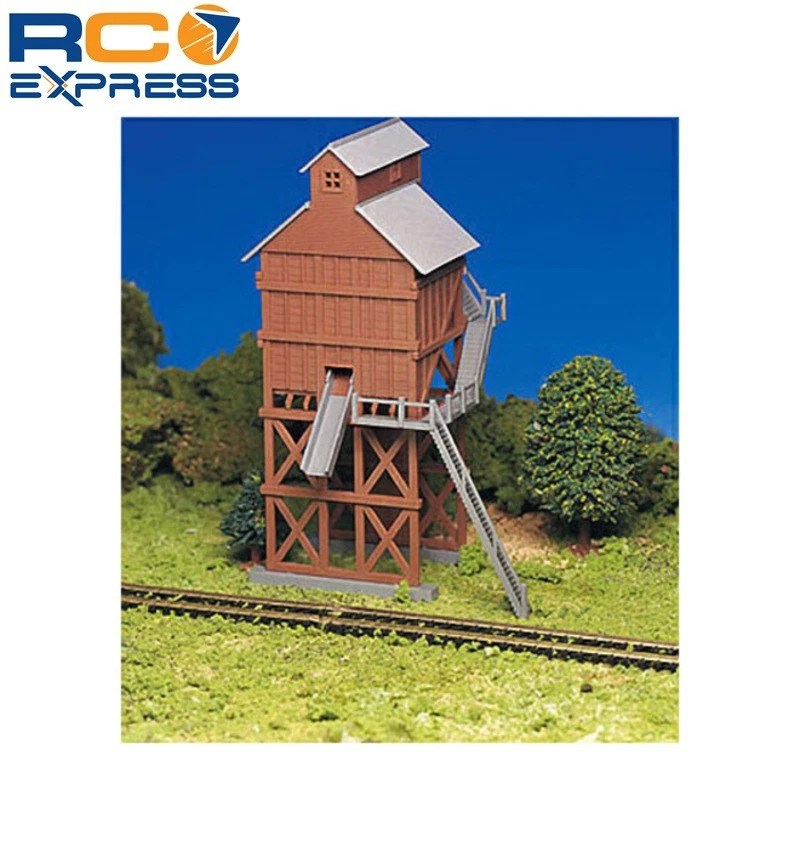
Whether it’s a massive concrete tower or a simple wooden trestle, the coaling station is where the energy comes from. For a beginner layout, a Small Wooden Coaling Tower kit provides a great vertical element that doesn’t take up much space.

The Sand House

Why sand? To gain traction! When a heavy train tries to start on a steep grade or slippery wet rails, the engineer drops sand onto the tracks in front of the wheels. A small “Sand House” and drying tower is a charming, tiny detail that adds immense realism.


3. The Diesel Era: Fuel Pads and Sanding Towers

If your railroad is set in the modern era, your “stable” looks a bit different. Gone are the coal piles, replaced by the industrial efficiency of diesel service.

The Fueling Pad

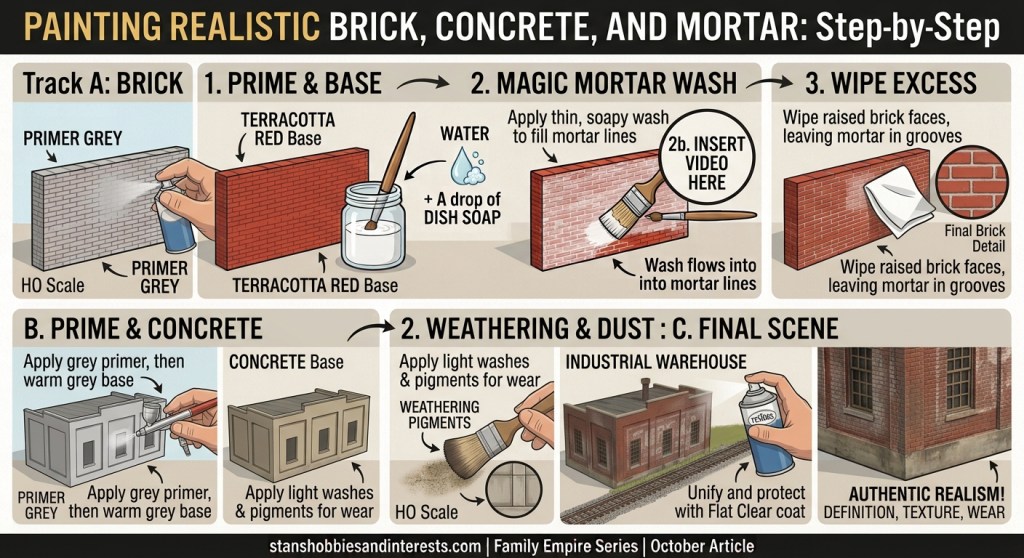
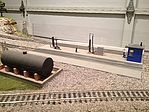
Modern diesels refuel at a concrete pad equipped with fuel cranes (large hoses). This is an easy feature to model! You can create a “concrete” pad using a piece of styrene painted grey, and add a few fuel crane details.

The Modern Sanding Tower

Diesels still need sand! Modern sanding towers are usually tall, thin steel structures. They are often painted silver or safety yellow and provide a great contrast to the dark colors of locomotives.


4. The Engine House: The Heart of the Stable

Regardless of the era, the Engine House is the star of the show. This is the “garage” where light repairs happen.

  • For the Small Layout: A Single-Stall Engine House is perfect. It fits at the end of a siding and provides a clear “end point” for your workday.
  • For the Growing Layout: A Two-Stall House allows you to keep your primary freight engine and your passenger engine side-by-side.

Choosing the Right Kit

When selecting your engine house, check the “clearance.” Some older steam-era houses have doors that are too narrow or short for modern, “high-cube” diesel locomotives.

  • The Pikestuff Engine House kits are fantastic for modern modelers because they are “kitbash-friendly,” meaning you can easily combine two kits to make a longer building for those big “6-axle” locomotives.

5. Maintenance: Treating Your Engines Right

“Maintenance” isn’t just a building you look at—it’s something you do. To keep your “Family Empire” running smoothly for years, your locomotives need a little TLC.

Keep the Rails Clean

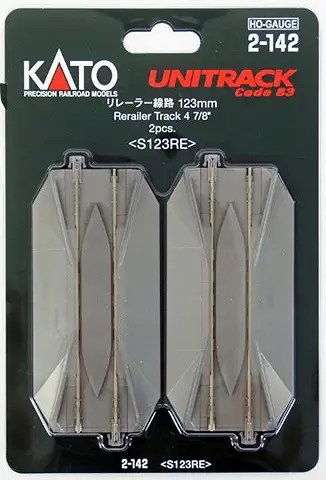
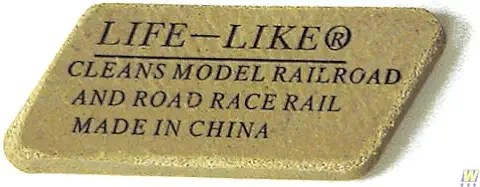
The number one cause of “stuttering” trains is dirty track. Before you park your engine in the stable for the night, run a track-cleaning block or a lint-free cloth with a drop of 91% Isopropyl alcohol over the rails.

Lubrication (Less is More!)

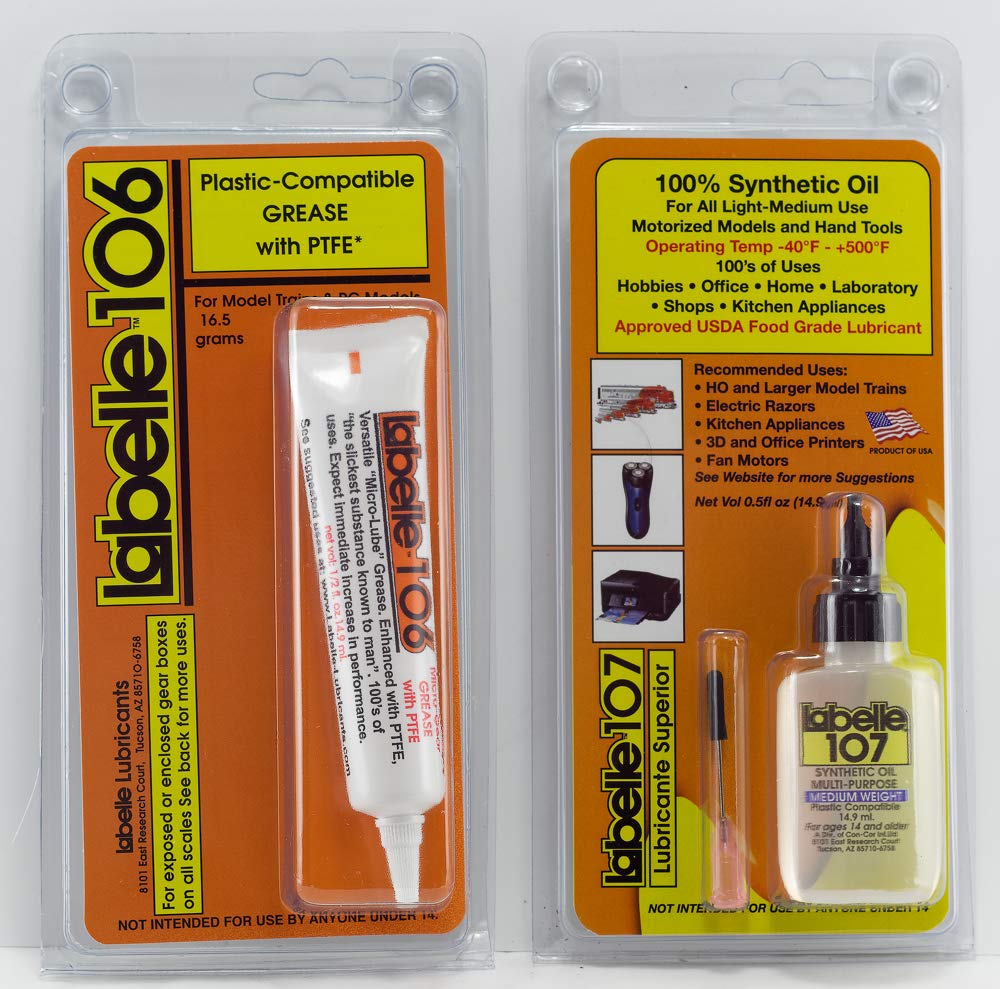
Locomotives have tiny moving parts. Every 50 hours of “run time,” a tiny drop of plastic-compatible oil on the gear journals is all you need.

  • I highly recommend the Labelle Lubricants Starter Kit. It includes the specialized oil and grease needed for model trains without damaging the plastic parts.

The “White Glove” Treatment

When moving your engines from the track to the stable, try to handle them by the “fuel tank” or the solid chassis rather than the delicate plastic handrails on the top. This prevents “detail parts” from snapping off.


6. Layout Planning: Where Does the Stable Go?

The most realistic place for your Engine Terminal is near the turnout where your trains enter or leave the “main line.” This represents the “Lead Track.”

In a real railroad, engines “dwell” here while waiting for their next assignment. By placing your stable in a visible corner of your layout, you create a “display case” where your favorite engines can sit and look their best even when they aren’t moving.


Summary: Your May Project Checklist

Ready to give your iron horses a home? Here is your “Stable” shopping list:

  1. An Engine House kit (sized for your locomotives).
  2. Fueling/Coaling details (depending on your era).
  3. A Sanding Tower.
  4. A Maintenance Kit (Oil, grease, and track cleaner).
  5. Scenery details (Oil drums, spare wheelsets, and “Work in Progress” figures).

Giving your locomotives a place to rest completes the cycle of your railroad. It turns a collection of models into a functional transportation system with a beginning, a middle, and an end to every workday.

Coming in June: Now that the engines are serviced, it’s time to talk about the people! Join us for “The Miniature Citizen,” where we’ll discuss how to choose, paint, and place figures to bring the human element to your Family Empire.


The First Industry: Giving Your Model Railroad a Job

Welcome to April! Last month, we celebrated a huge milestone in our Family Empire series: Breaking the Circle. You moved beyond the simple loop of track and laid down your first turnout, creating a dedicated siding. It was a proud moment of construction, but now that the glue has dried and the ballast is set, your layout might feel a little… quiet.

Your locomotive is idling on that new siding, and you’re probably wondering, “Now what?”

In the world of model railroading, a train without a destination is just a toy moving in circles. To turn your layout into a living, breathing transportation system, you need commerce. This month, we’re moving from construction to business. We’ll explore how to choose the right building, where to place it for maximum realism, and how to give your siding its very first “job!”


Why Your Layout Needs an Industry

In the “real world,” railroads don’t build track just for the scenery; they build it to move goods. Every siding you see alongside a main line exists because a customer needs something delivered or shipped.

By adding an industry to your siding, you transform your hobby from running trains to operating a railroad. * Purpose: Instead of just driving around, you are now “delivering a load of grain” or “picking up lumber.”

  • Challenge: “Spotting a car” (lining it up perfectly with a loading door) requires skill and slow-speed precision.
  • Storytelling: A weathered factory or a bustling rural elevator tells a story about your layout’s history.

Step 1: Choosing Your “First Industry”

The beauty of model railroading is that you can build whatever you imagine. However, for your very first trackside customer, I recommend choosing a “kit” that is recognizable and fun to build.

The Versatile Warehouse

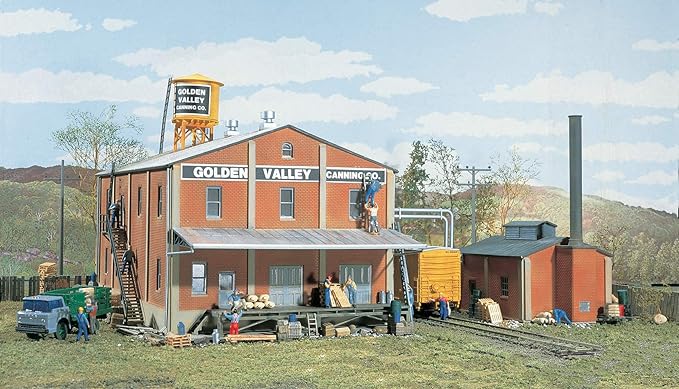
For those starting out, a classic Walthers Cornerstone Series building is a gold standard. Their kits, like the North Island Refinery or a simple Freight House, are designed specifically for HO and N scales with high detail that fits almost any era.

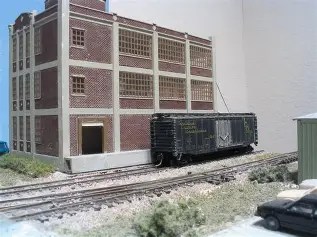
  • Compatible Rolling Stock: Most warehouses use the humble Boxcar. If you don’t have a reliable one yet, the Bachmann Trains Silver Series Boxcars are excellent, budget-friendly options that track beautifully on new sidings.

The Vertical Icon: The Grain Elevator

If you want a building that stands tall and defines the horizon, look for a Grain Elevator kit. These are fantastic because they have a small “footprint” (they don’t take up much table space) but add significant visual height to your scenes.


Step 2: Strategic Placement (The “Sweet Spot”)

Now that you have your building, don’t just glue it down! Placement is where the magic happens. You want to create a scene that looks natural and functions smoothly.

The Loading Dock Alignment

The most common mistake is placing the building too far from the track. For a realistic look, the loading dock should be close enough to the rails that a miniature worker could bridge the gap with a small ramp.

Tip from Stan: Use your widest piece of rolling stock to test the clearance. Slide the car along the siding past the building. It should be close, but you don’t want the paint to scrape! To ensure your tracks are perfectly spaced, a Rix Products Rail Gauge is a “must-have” tool in my toolbox for checking clearances.

Leave Room for “The Rest”

An industry isn’t just a building; it’s a site. When placing your building, ensure there is room for:

  • Truck Access: Is there a road leading to the other side?
  • Worker Parking: Even a tiny gravel lot made of fine-sifted real dirt or Woodland Scenics Ballast makes a huge difference.

Step 3: Giving the Siding a Job

Once the building is in place, it’s time to write the “job description.” This is the beginning of Operations. Let’s say you chose a warehouse. Here is how you create a “job” for your train:

  1. The Inbound Move: Your locomotive pulls a boxcar from the main line. This car is “loaded” with supplies.
  2. The Spot: You slowly back the car into your new siding, aligning the boxcar door perfectly with the warehouse door.
  3. The Unload: In your mind, that car stays there for a “shift” (perhaps until your next hobby session).
  4. The Outbound Move: On the next run, your locomotive returns, hooks up to the “empty” car, and pulls it away to be taken back to the “rest of the world.”

Enhancing the Scene: The Little Details

To truly move from “construction to commerce,” you need the signs of life. These small touches are what make a model railroad feel real:

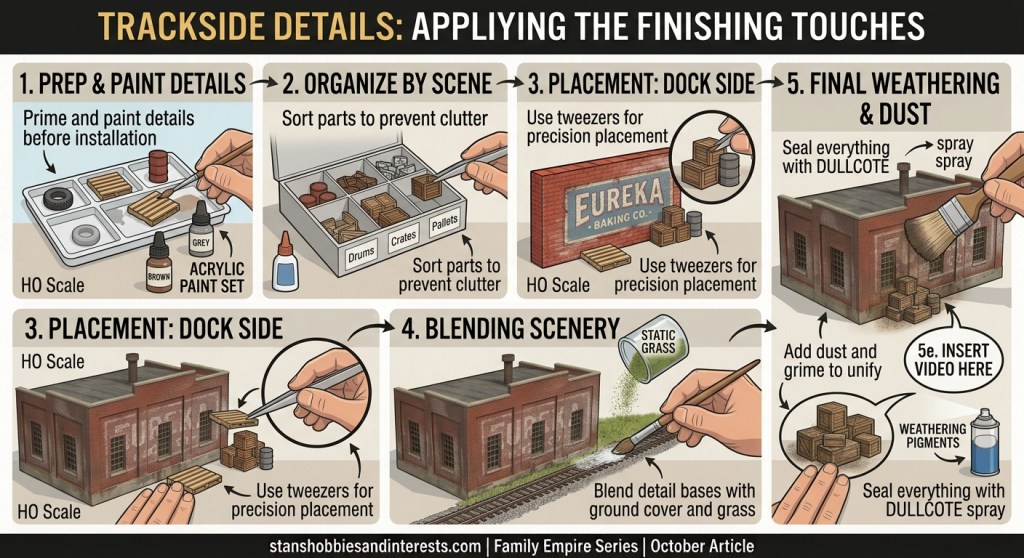
  • Weathering: Industrial buildings are rarely pristine. A simple Weathering Powder Kit can add years of “soot” and “grime” to a plastic roof in minutes.
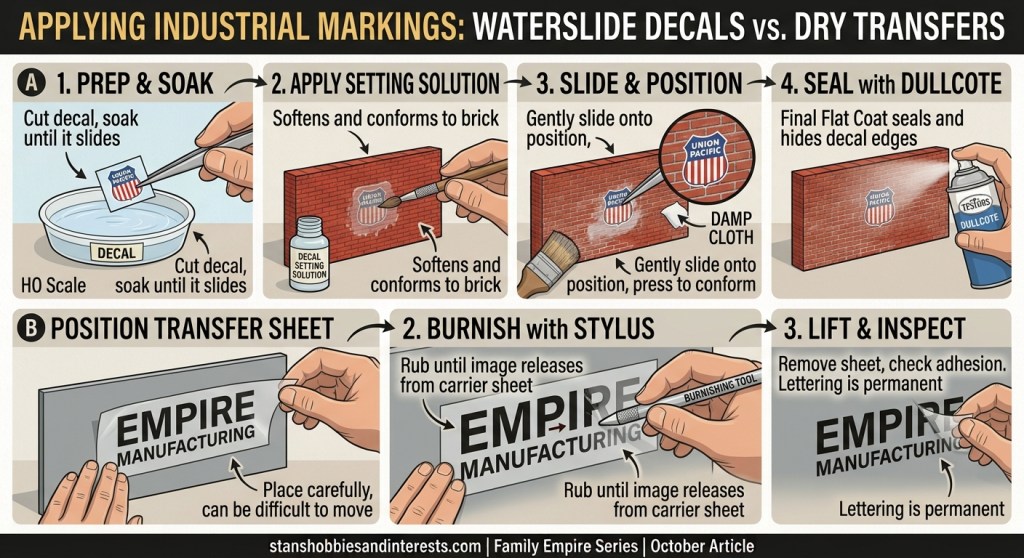
  • Signage: A bold company name gives your layout an identity.
  • Pallets and Crates: Scatter a few miniature pallets near the loading dock. It signals to the viewer that work is happening here.
  • Figures: Place one or two workers on the dock. It provides scale and a sense of activity.

Looking Ahead: Building Your Empire

By adding your first industry, you’ve officially transitioned from a “train collector” to a “railroad superintendent.” You’ve mastered the circle, conquered the turnout, and now you’ve established your first commercial customer.

The best part? This is just the beginning. As you add more sidings, you create more jobs. Eventually, your “switching” moves will become a complex, rewarding puzzle of logistics.

Share Your Progress!

Did you choose a weathered coal mine or a bustling city warehouse? We want to see your first industry! Tag us on Pinterest or your favorite social spot with #TheFamilyEmpire to show off your new trackside business.


Coming Next Month…

Now that your trains have a reason to move, they need a place to go when the workday is over. Join us in May for “The Iron Horse Stable,” where we’ll discuss engine houses, fueling stations, and how to treat your locomotives to the maintenance they deserve.

Until then, keep those wheels turning!


Quick Reference: Top Beginner Industries

IndustryPrimary Car TypeWhy it Works
Grain ElevatorCovered HopperIconic look; small footprint; great height.
Lumber YardFlatcar / CenterbeamGreat for colorful loads; very easy to detail.
Freight HouseBoxcarThe “Swiss Army Knife”; fits any era or town.
Fuel DealerTank CarAdds variety with piping and vertical tanks.

“So You Got a Train Set for Christmas — What’s Next?”

So you got a train set for Christmas—congratulations, and welcome aboard. Right now, it might be a simple oval of track on the floor or around the tree, but that little train can become the start of a lifelong hobby filled with creativity, family time, and imagination. With a few easy steps, your holiday train can grow into a miniature world that you and your family build together.

This series, “So You Got a Train Set for Christmas — What’s Next?”, is designed for families and brand‑new hobbyists who are curious but not sure where to begin. Each month, you will learn something new: how to set up your trains so they run smoothly, how to choose a basic layout, how to add scenery and buildings, and how to turn a simple starter set into a small railroad that tells a story. Everything will be explained in everyday language, with family‑friendly projects you can enjoy on a weekend afternoon.

You do not need to be a “train expert” to follow along. If all you know is that there is a train running in a circle and your children (or grandchildren) love watching it, you are in the right place. Over time, you will discover how to make your layout more reliable, more realistic, and more personal—step by step, at your own pace, and within a budget that works for you.

Think of this series as your guidebook. Some articles will focus on practical topics like track, power, and storage; others will explore creative areas like scenery, buildings, and planning stories for your trains to tell. By the end of the year, you will look back at your original Christmas train and be amazed at how far you—and your railroad—have come.


From Box to First Run: Getting Your Christmas Train Set Up Safely

So the big day is over, the wrapping paper is (mostly) cleaned up, and there it is: a brand‑new train set that has already made a few laps around the Christmas tree. Now comes the fun part—turning that gift into something your family can enjoy safely and confidently, not just for a day or two, but all winter long.

This first article in the “So You Got a Train Set for Christmas — What’s Next?” series will walk through the journey from unopened box to smooth, safe first run. Everything is explained in everyday language, with simple, family‑friendly steps you can follow even if this is your very first experience with model trains.


Step 1: Unboxing Your Train Set

Before anyone plugs anything in or snaps pieces together, take a few minutes to explore what is inside the box. This slows the rush just enough to prevent frustration later.

  • Lay out all the pieces on a table or clean floor: locomotive (the engine), train cars, track sections, power pack (or controller), and any small accessories like signs or figures.
  • Compare what you see to the contents list in the instruction sheet. If anything important is missing—especially track pieces or the power pack—it is better to spot that now and contact the seller than to discover it halfway through setup.
  • Keep small bags and twist ties until the train has made its first successful run, in case something needs to be repacked or exchanged.

This is a great time to let kids “name” the locomotive or pick a favorite car. Giving the train a personality makes the whole project feel more like a shared adventure than just a toy on the floor.


Step 2: Understanding the Basic Parts

You do not need to know all the technical terms to enjoy a train set, but a quick introduction to the main components will make the rest of the process easier:

  • Locomotive: The engine that pulls everything. It usually has more weight and more wheels than the other cars and may have a plug or socket for power on one end.
  • Rolling stock: The train cars—boxcars, passenger coaches, tank cars, or whatever came with the set. They all rely on the locomotive for movement.
  • Track: Curved sections form the loop, straight sections extend it, and sometimes there are turnouts (switches) that let the train change paths.
  • Power pack/controller: The “brain” that feeds electricity to the track. A simple set usually has a knob to go faster or slower and a direction switch.
  • Power wires: Small wires that connect the power pack to a special piece of track (often called a terminal track).

Explaining these parts to children in simple terms—“the engine,” “the cars,” “the road,” and “the controller”—helps them feel included and reduces the temptation to tug or twist something out of curiosity.


Step 3: Choosing a Safe, Flat Surface

Next, decide where this first layout will live. Even if you are just setting things up for a test run, the surface you choose can make the difference between smooth running and constant derailments.

Good options include:

  • A sturdy dining or folding table
  • A clean hardwood or laminate floor
  • A large piece of plywood set on top of low storage boxes

Try to avoid thick carpet or uneven surfaces, which can cause bumps and gaps in the track joints. If carpet is the only option, lay a thin board, foam sheet, or even a large cardboard panel under the track to create a more solid base.

A few quick safety tips:

  • Keep the layout away from high‑traffic walkways where people might step on the track.
  • If you have very young children or pets, consider setting up on a table or using a low barrier (like a temporary baby gate) to protect the layout when no one is actively playing.

Step 4: Assembling the Track

Most train sets are designed to assemble into a simple oval or circle the first time you use them. Follow the diagram in the instructions, but do not be afraid to let kids help with the “puzzle.”

Key points to keep in mind:

  • Make sure each rail joiner (those small metal clips at the ends of the rails) slides fully onto the next piece. A joiner that is halfway on one rail and halfway off the other can cause derailments and power issues.
  • Listen for a soft “click” if the system uses integrated roadbed track; it is a sign that the pieces are properly locked together.
  • Work your way around the loop, gently pressing joints together and occasionally running a fingertip along the rail tops to feel for steps or misalignments.

At this stage, resist the urge to get fancy with extra curves or switches. A simple, smooth loop is the best teacher—and the most reliable—for your first day.

For more train accessories check HERE.


Step 5: Connecting the Power Safely

With the track assembled, it is time to power it—but slowly and thoughtfully.

  1. Find the terminal track piece.
    This is usually a section with a small plug or screws for the power wires. Place it where the wires can easily reach the power pack without stretching across a walkway.
  2. Connect the wires.
    • Match the plugs or screw terminals as shown in the instructions.
    • Make sure bare wire ends are fully secured so no loose strands can touch each other or anything else metal.
  3. Place the power pack.
    • Put it on a stable surface where it will not fall or get stepped on.
    • Keep the cord away from water and out of paths where someone might trip.
  4. Plug into the wall last.
    Do not plug in the power until everything is connected to the track and the controller is turned to “zero” or “off.” This way, the train will not suddenly lurch when power is applied.

If you are using a modern starter set that includes a safety‑listed power supply, it will usually have built‑in protection, but basic common sense—dry hands, no overloaded outlets, and keeping drinks away from the layout—still goes a long way.


Step 6: Placing the Train on the Track

Now for the moment that everyone looks forward to: putting the locomotive and cars on the rails.

  • Start with the locomotive:
    • Carefully set the wheels so they rest in the grooves of the rails, not on top of them.
    • Look from the side at rail level; all wheels should be seated and parallel to the track.
  • Add one or two cars:
    • Hook them to the locomotive using the couplers at the ends of each car.
    • For your first run, fewer cars make it easier to spot problems.

Encourage children to handle the train gently, using two hands and grasping the body of the locomotive instead of pulling on small detail parts or couplers.


Step 7: Your First Test Run

With everything in place, it is time for the big moment.

  1. Make sure everyone is ready and that nothing is touching the track.
  2. Double‑check that the controller knob is at zero or the lowest speed.
  3. Plug in the power pack.
  4. Slowly turn the knob until the locomotive begins to move.

Watch the first few laps closely. This is not just exciting; it is also an important test.

Look for:

  • Smooth movement without sudden stops or jerks.
  • Cars that follow the locomotive without wobbling.
  • No spots where the train slows noticeably (which might signal a loose track joint or dirty connection).

If the train derails, do not panic. Simply stop the power, gently move the derailed car back onto the rails, and inspect that section of track for gaps or bumps. Fixing small issues together—“What do you think went wrong here?”—turns problems into teachable moments rather than frustrations.


Step 8: Troubleshooting Common First‑Day Issues

Every new train set has a learning curve, but most problems have simple causes and easy fixes.

  • Train does not move at all:
    • Confirm the power pack is plugged in and turned on.
    • Check that the wires are firmly attached to the terminal track.
    • Jiggle the locomotive slightly to ensure it has good contact with the rails.
  • Train starts and stops randomly:
    • Inspect track joints for loose or crooked sections.
    • Gently press rails together where you see gaps.
    • Check that the terminal track is securely attached and not lifting off the surface.
  • Frequent derailments on the same piece of track:
    • Look for a kink or height difference between the rails.
    • Make sure that piece is not twisted or bent.
    • Try rotating the piece or replacing it with a different section if your set includes extras.

Treat these issues as part of the fun, not as failures. Kids often enjoy becoming “junior engineers” who help solve the mysteries of a stubborn curve or a bumpy joint.


Step 9: Setting Simple Family Rules for Safety and Care

Before the first evening ends, it helps to agree on a few “engineer rules” to keep the train running well and everyone safe:

  • Only adults plug or unplug the power pack.
  • Trains must be turned off before they are lifted from the track.
  • No leaning on the table or stepping on the board the trains are on.
  • After each running session, someone is responsible for checking that the power is off and cords are safely out of the way.

These rules do not have to feel strict; you can present them as part of becoming “train crew” with special responsibilities.


Step 10: Make the First Run Special

Finally, give this first run the celebration it deserves. A few simple touches can turn it into a memory:

  • Have a countdown before the first lap.
  • Take a photo or short video with the whole family gathered around.
  • Let each child take a turn at the throttle (with an adult nearby).
  • Start a small “railroad log” notebook where you write the date of the first run and maybe even the name of your new railroad.

By the time you pack up for the day, you will have moved from a box of parts to a safely running train—and from curiosity to real enthusiasm. In the next article, the series will explore how to choose a good “home” for your railroad, whether that is a table, a corner of the family room, or a layout that comes out each Christmas and grows a little more every year.

Your Christmas train set is no longer just a holiday novelty; it is the beginning of a hobby that can bring your family together for years to come.

For more train accessories check HERE.

Beginner Parent’s Guide: Finding a First Train Set Your Child Will Love for Years


Starting a model railroad with your child is fun, memorable, and educational. But with dozens of starter train sets—from classic brands to value bundles—choosing one can feel daunting. This guide breaks down the major options available on Amazon in 2025, with a focus on beginner-friendly features, expandability, and true family enjoyment.


What Sets Make Good Starters?

A quality starter set should have:

  • Reliable locomotive and cars with smooth operation
  • Solid, easy-to-assemble track for creative layouts
  • Expandable components to grow with your child or family’s interest
  • Durability (can withstand play by young hands)
  • Value (includes everything to get started at a fair price)

Let’s evaluate the most popular brands and kits, comparing pros, cons, and future possibilities. Read more


1. Bachmann HO Scale Starter Sets

Bachmann

Overview

Bachmann Trains are among Amazon’s best-sellers for beginners, particularly sets like the Santa Fe Flyer, Rail Chief, The Stallion, and Durango & Silverton. They’re electric, HO scale (medium size), and include an oval of EZ Track, a locomotive, cars, and a power pack. Read more

Pros

  • Affordable, all-in-one packages—open, assemble, and run immediately
  • EZ Track system snaps together easily and is highly expandable, with widely available extra pieces
  • Durable plastic construction (for careful play)
  • HO scale is large enough for little hands yet compact for most homes
  • Great variety in themes (steam, freight, passenger)
  • Compatible with other Bachmann or standard HO products for future expansion

Cons

  • Some quality concerns: Entry-level locomotives and cars can run less smoothly than premium brands; couplers and wheels may need upgrading for advanced play
  • Track provided makes only a simple loop or oval, which can get boring unless expanded
  • The power pack is basic and may limit future features (like multi-train control)
  • Can require regular cleaning for optimal function
  • Not as robust as higher-priced sets for heavy, unsupervised play

Expandability

Yes! Bachmann’s track and rolling stock are nearly universal in HO, allowing easy upgrades. Add track, switches, buildings, or more detailed cars as your child’s interest grows. Read More


2. Lionel Ready-to-Play and Electric Sets

Lionel Trains

Overview

Lionel offers “Ready-to-Play” battery sets (great for young children) and traditional electric O-gauge sets (for bigger layouts and realistic operation).

Pros

  • Large, chunky trains great for small hands (especially battery sets)
  • Battery sets are safe and easy to set up (no wiring or electricity)
  • Electric O-gauge sets offer realism, sound, and plenty of accessories
  • Durable and made to last through rougher play
  • Wide character themes (Disney, Polar Express, Christmas, etc.)
  • O-gauge electric sets are highly expandable with Lionel track and accessories

Cons

  • Ready-to-Play battery sets are not compatible with Lionel’s O-gauge track or trains (expanding them is tricky)
  • O-gauge electric sets are more expensive and take up more space
  • Battery sets may lack speed control and sound realism

Expandability

Electric O-gauge sets: yes—huge expandability. Battery sets: not really—these are more stand-alone toys. Read more


3. Kato N Scale Starter Sets

Kato Trains

Overview

Kato N Scale (smaller than HO) starter kits are praised for quality and modular “unitrack.” Their sets often feature Japanese or modern North American trains.

Pros

  • Excellent quality locomotives and reliable, smooth track
  • Compact layouts: N scale takes less space, ideal for homes with limited room
  • Track is modular and expands easily; Kato “Unitrack” is highly regarded
  • Great for slightly older children (ages 8+) or parent-child projects
  • Durable and precisely made

Cons

  • N scale trains are smaller and can be more delicate for younger kids (age 6 and up with supervision is ideal)
  • Sets can be pricier than typical retail starter packs
  • Beginning rolling stock selection on Amazon may be limited; hobby shops have more

Expandability

Absolutely—Kato Unitrack, additional trains, custom scenery, and digital upgrades available as your layout grows. Read more


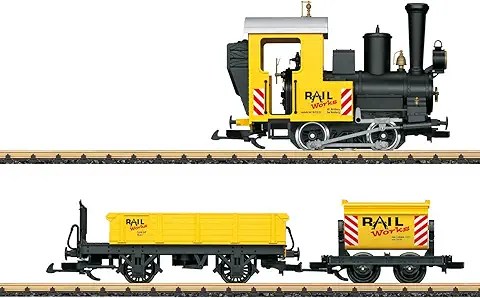
4. LGB G Scale Construction Site Starter Set

LGB G scale Trains

Overview

This G-scale (largest common size) set is big, sturdy, and perfect for indoor or outdoor floor play—appropriate for ages 5 and up.

Pros

  • Very large, durable trains (perfect for playrooms, yards, or classrooms)
  • Set includes locomotive, cars, circle of track, and a robust power supply
  • Fully electric—no batteries required!
  • Very expandable with extra track, cars, figures, and scenery, all durable enough for young children
  • Great visual impact and accessible to kids of all agesyoutube​

Cons

  • Takes up more space, so needs a large area for setup
  • G scale accessories and track expansions are more expensive
  • Fewer fine-scale details (made for fun, not museum display)
  • Not as portable for taking to grandma’s house or between rooms

Expandability

Endless—G scale is made for growth but be aware of the cost of brass track and accessories. youtube​


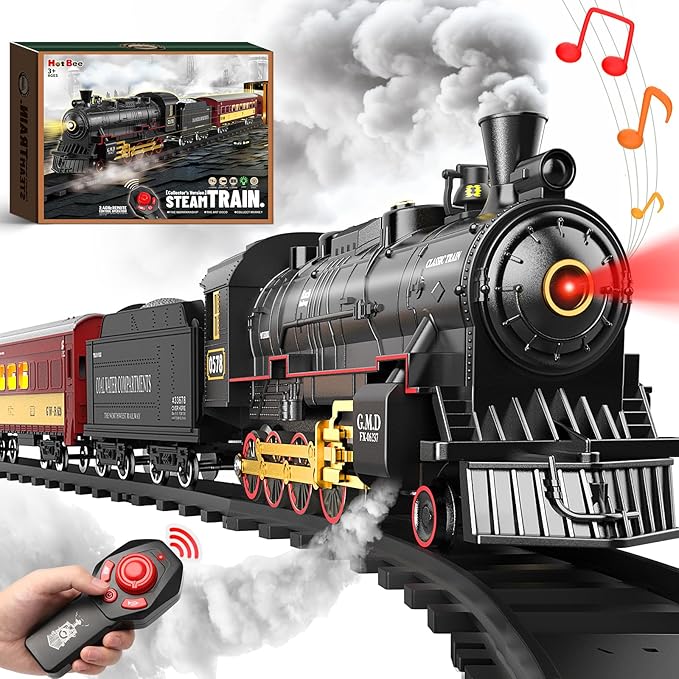
5. Budget & No-Brand Amazon Sets

Starter Train sets

Overview

Cheap, often unbranded sets populate Amazon. They may look appealing for their price and big box contents but proceed with caution. youtube​

Pros

  • Very affordable initial price tag
  • Contain a lot of track, switches, and sometimes extra train cars
  • Often fun for short-term play, especially for small kids

Cons

  • Track and trains often have poor fit, weak construction, and electric contacts that fail quickly
  • Expanding the set is usually impossible due to “off-brand” connections
  • Replacement parts are hard or impossible to find
  • Not investments for years of play

Expandability

Generally, not expandable or compatible with other brands. Good for a fun “trial run” before investing in a higher quality set. youtube​


Quick Comparison Table

Set TypeExpandableDurabilityTrack QualityFor Ages
Bachmann HOYesGoodGood6+ supervised
Lionel Electric (O)YesExcellentExcellent6+
Lionel BatteryNoVery GoodGood3–7
Kato N ScaleYesExcellentOutstanding8+
LGB G ScaleYesExcellentExcellent5+
No-Brand Cheap SetsRarelyWeakPoor4+ short-term

Final Tips for Parents

  • Go Expandable: Sets from Bachmann, Kato, Lionel (electric), or LGB give your family years of imagination and growth.
  • Start Small, Plan Ahead: Even a basic loop is a foundation; expansion is part of the fun as your child’s skills and interests grow.
  • Supervise Young Children: Always keep an eye on kids under age 8, especially with small parts in HO and N scale sets.
  • Connect & Learn: Model railroading offers lessons in history, engineering, patience, and creativity—enjoy the journey together!

By choosing the right set from Amazon, you can ensure your first trips down the rails are fun, frustration-free, and just the start of a lifelong hobby full of memories and learning. Read more​youtube+1​

  1. https://www.reddit.com/r/modeltrains/comments/1ja1q8t/are_the_bachmann_starter_sets_good_for_a_first/
  2. https://www.armballast.com/best-starter-set-for-model-railroading/
  3. https://www.parents.com/best-train-sets-for-kids-8606278
  4. https://www.trainworld.com/which-train-set-is-right-for-me
  5. https://www.youtube.com/watch?v=YudIAQcaes8
  6. https://www.youtube.com/watch?v=nKIUEJkvCDA
  7. https://www.youtube.com/watch?v=d4-vf36BjVU
  8. https://www.tgauge.com/section/20/1/starter-sets
  9. https://www.reddit.com/r/lioneltrains/comments/16tzv46/good_train_sets_under_150_for_christmas_use_or_is/
  10. https://www.youtube.com/watch?v=J11J3hG0vUk

Picking Your First Locomotive: A Family Guide to Smarter Model Railroading Expansion


Introduction

Upgrading your starter train set is a major milestone for every new model railroad family. While your original set likely came with a dependable locomotive, expanding your roster brings diversity, improves play, and sets the stage for more realistic operations as your layout and interest grow. But faced with so many brands and models, how do you choose your first new locomotive? This article will empower parents and kids to select a locomotive that looks great, runs reliably, and fits their goals—so everyone enjoys the next stage of the journey.

Understanding Scales and Compatibility

Before selecting, double-check your train’s scale (HO, N, O, etc.) so the new locomotive matches both your track and existing rolling stock. Mixing scales is a frequent rookie mistake—so read the box or manual if you’re unsure.

Choosing Locomotive Types

  • Steam vs. Diesel: Steam engines have classic, old-time charm, perfect for vintage scenes and younger kids who love “Thomas”-like engines. Diesels and electrics are rugged, easy to run, and suit modern layouts.
  • Passenger vs. Freight: Think about what you want to haul most. Passenger locos pair with elegant coaches for family travel scenes. Freight engines are ideal for operational games—delivering cargo across your budding empire.

Key Features to Consider

  • Ease of Maintenance: Choose models with simple, accessible mechanisms so families can keep them clean and running.
  • Durability: Young children may be hands-on. Opt for sturdy mechanisms and robust body shells, especially for entry-level use.
  • Control System Compatibility: If you plan to switch from DC (traditional) to DCC (digital), look for “DCC-ready” locomotives for easy future upgrades.

Top Picks for Starter Family Locomotives

  • Bachmann, Lionel, and Kato are all beginner-friendly brands with strong reputations for reliability and support.
  • Consider local railroad favorites or engines seen in your area for personal connections and history learning.

For a look at various steam and diesel locomotives check here.

Color, Style, and Storytelling

Involve the whole family in picking a color or type. Vote on favorites or research real-life trains that inspire your adventures—this sparks creative energy and deeper play.

Testing, Running, and Learning

Once purchased, test your new loco at different speeds, on curves, over switches, and hauling cars. Practice running two engines if your system allows, encouraging teamwork and gentle competition.

Wrapping Up

With the right locomotive, your family’s model railroad will gain energy, realism, and fun. Remember, upgrading is about play—enjoy the journey, and grow your skills together

The Ultimate Model Railroad Gift Guide: Top Accessories to Wish for Christmas 2025

Here’s a comprehensive, family-friendly article about the newest accessories for model railroading in 2025, with expanded descriptions, organized references, and annotated footnotes for deeper insight. The recommended gifts are divided for beginners and advanced modelers to make holiday shopping easy and rewarding.


The world of model railroading keeps evolving, and 2025 brings exciting new accessories for every level of hobbyist. Whether it’s a first train set under the tree or cutting-edge upgrades for a sprawling rail empire, this year’s releases offer better realism, easier setup, and more immersive experiences. Here’s a look at the hottest accessories—perfect for Christmas surprises—with detailed descriptions, credible references, and clear, organized lists. For more information.


Accessories for Beginners

Designed to spark imagination, streamline layout setup, and encourage family participation, these products are ideal for newcomers and young engineers.

Starter Train Sets

Description:
Starter sets from top brands like Bachmann and Lionel now come in fresh themes—holiday, classic American railroads, and even licensed children’s favorites such as “Thomas Saves Santa’s Sleigh.” These sets offer reliable engines, robust couplers, and snap-together tracks, making them perfect for quick holiday assembly. Most sets include plug-and-play features, sound modules, and detailed rolling stock to keep interest high for new users. More information Click here

Reference:
Model Train Stuff highlights new arrivals and regular updates to starter sets, available in most popular scales (HO, N, O, and more).Information

Plug-and-Play Track Systems.

Description:
Track systems like Kato’s Unitrack and Bachmann’s E-Z Track have updated connectors in 2025, offering even sturdier fit and faster setup. These modular tracks reduce errors and help beginners create layouts efficiently, ideal for small spaces or temporary holiday displays. Recent upgrades include more realistic ballast textures and integrated electronic connection ports, making layout expansion easy.More information. Where to Buy

Prelit Buildings

Description:
LED-lit structures by Woodland Scenics and Lionel can plug straight into both DC and DCC power systems. No additional wiring knowledge required—simply place on the layout and connect to your starter set’s power terminal. Buildings now feature animated holiday scenes and synchronized window lighting, making village setups magical.More info. Purchase

Scenic Mini-Packs

Description:
New scenery bundles include flocked snow mats, holiday market figures, mini trees, lamp posts, and even removable candy cane decorations for tracks. These packs allow beginners and families to easily enhance layouts with seasonal charm and character, often without the need for glue or specialty tools.Information. Buy
Reference:
Midwest Model Railroad and Model Train Stuff offer affordable packs and variety for all scales—especially popular for family layouts and first-timers.More info.

Animated Accessories

Description:
Animated crossing gates, passenger platforms with moving figures, and sound-equipped signal towers bring layouts alive without technical hassle. These accessories arrive pre-assembled and feature simple “plug and play” connectors or battery operation, making them ideal for younger hobbyists looking for action and excitement.More listings Buy
Reference:
Micro-Mark and other major accessory retailers showcase these animated features and their easy installation guides.Info

Railroad Signs and Billboards

Description:
Clip-on signs with seasonal messages, directional arrows, or playful graphics are now available in most scales. Reversible designs let hobbyists swap themes for different holidays, adding personalization to any layout.Article Purchase

Reference:
TrainWorld’s latest billboard sets are highly rated for creative family layouts and seasonal displays.More Info


Accessories for Advanced Modelers

For those seeking deeper realism, precision control, and advanced layout management, these new releases deliver professional-grade features and innovation.

Smart DCC Systems

Description:
Digital Command Control (DCC) systems continue to evolve. The newest units for 2025 feature wireless connectivity to dedicated apps, voice-control commands, easy firmware updates, and direct integration with home automation (Alexa/Google Home). Advanced multiplexing allows up to 10 locomotives on a single channel, with individual accessory control and real-time monitoring of track voltage and engine performance.Additional Info. Purchase.
Reference:
Model Train Stuff’s “Just Arrived” and “Preorder” sections highlight the emerging DCC controllers and their technical specs.More Info

Sound Decoders and Upgraded Locos

Description:
LokSound, TCS, and Soundtraxx have released new sound chips and sound-equipped locomotives with refined sampling, customizable sound libraries, and environmental effects (rain, wind, crossing bells). The latest decoders support manual and automatic adjustments for dynamic volume, speaker type, and “sound zone” operation based on engine location on the track.modeltrainstuff+1 Buy dcc equiped locomotives Buy
Reference:
Industry reviews praise these modules for bringing “mainline realism” to even small home layouts.modeltrainstuff

Programmable Lighting Sets

Description:
Addressable RGB LEDs now feature ultra-thin wires and glue-free mounting clips, letting advanced modelers illuminate entire city blocks, animate trackside scenes, and synchronize train headlights and building interiors. Updated controllers interface with DCC throttles, enabling “layout-wide” light shows or real-time intensity adjustments.micromark Buy
Reference:
Micro-Mark’s 2025 catalog lists compatible kits for expansion on existing and new layouts.micromark

Bluetooth Turnout Motors

Description:
2025 brings mobile-app-enabled turnout motors—mountable without soldering or drilling—so users can change switch positions from phones or tablets. This innovation empowers operators to manage complex yard operations or puzzle layouts without crawling under benchwork, a frequent challenge in traditional designs.modeltrainstuff+1 Coming.
Reference:
Featured on Model Train Stuff’s accessory page and in online user reviews for quick installation.modeltrainstuff

Weathering Tools Kits

Description:
Weathering is an art, and this year’s kits include new airbrush-compatible applicators, “seasonal” pigment packs (rust, soot, snow, autumn leaves), and video tutorials. These make realistic car, building, and landscape aging possible for every modeler, without risk of permanent damage.charlesro+1 Purchase
Reference:
MegaHobby and Micro-Mark showcase popular brands and their step-by-step guides for advanced finishing.charlesro+1

3D Printed Accessories

Description:
With high-resolution 3D printing now accessible, hobbyists can order or design ultrafine detail figures, rare vehicles, and custom structures—precisely scaled to their layout’s era or geographical setting. 2025’s offerings include build-your-own kits or “made to order” pieces from new boutique print shops.megahobby Buy
Reference:
ModelTrainStuff and MegaHobby’s partnership with accessories designers means an ever-changing catalog of exclusive items.megahobby+1

High-Definition Cameras

Description:
“Cab ride” cameras and layout monitors have moved to true HD/4K, with streaming and instant sharing features. Modelers can now capture inside-the-train perspectives or broadcast their club’s switching puzzle challenges live—and even analyze operations for improvement.modeltrainstuff Buy


Reference:
Midwest Model Railroad’s tech section features trending video and control products for advanced users.modeltrainstuff

Automated Car Routing Systems

Description:
Using RFID or Bluetooth tags, layouts can now have every car digitally tracked. Integration with management apps and sensors allows real-time switch lists, “favorited” operational plans, and automated accidental routing fixes, which streamlines puzzle play or full-operation sessions.trains
Reference:
Trains.com’s planning bundles and digital operations guides introduce these systems for both club and home layouts.trains


Final Touches and Gift Suggestions

Stocking Stuffers:
Don’t forget utility items: specialty hobby knives, extra brushes, track cleaning pads, repositionable signage, and era-specific detail packs are always appreciated—even by experienced hobbyists.charlesro

Gift Bundles:
Family-oriented “starter scenery plus a new animated accessory” packs, e-gift cards from favorite retailers, and new-release books on creative layout design and railroad history make for ideal group or solo gifts that inspire and educate.


References & Footnotes

** Model Train Stuff: Shop for trains, accessories, and newly launched gadgets, offering up-to-date listings and periodic sales for every skill level.transum+1
** Midwest Model Railroad: Resource for affordable trains, skill-building tips, and trending layout tools, with accessible advice for beginners and advanced users.
robotimeonline+1
** Micro-Mark & MegaHobby: Specializing in weathering tools, animated accessories, and model building packs for creative upgrades.escaperoomgeeks+2
** TrainWorld: Leading source of seasonal and family-oriented model railroading products, including billboard and signage options for 2025.
happilyevermom+1
** Trains.com: Guide to digital management systems, advanced planning materials, and the latest railroad trends for serious enthusiasts.parents.highlights+1
** Retailer and manufacturer product reviews: Cited throughout for specific features, innovations, and practical installation tips.
bloomberg


May every model railroader’s wish list find inspiration and delight from the newest 2025 accessories—and may your holiday layouts shine brighter and run smoother than ever!trainworld+3

  1. https://www.modeltrainstuff.com
  2. https://micromark.com/collections/model-trains
  3. https://www.trainworld.com/gifts/christmas-trains.html
  4. https://www.trainworld.com/gifts.html
  5. https://www.modeltrainstuff.com/train-layout/
  6. https://charlesro.com/ultimate-christmas-guide-for-model-trains/
  7. https://www.megahobby.com/categories/model-railroading.html
  8. https://shop.trains.com/products/great-model-railroads-and-model-railroad-planning-2025-bundle
  9. https://www.transum.org/Software/Shunting/Default.asp?Level=1
  10. https://www.robotimeonline.com/blogs/all-blogs/family-puzzle-time-how-to-make-it-a-fun-experience-1
  11. https://midwestmodelrr.com
  12. https://escaperoomgeeks.com/diy-puzzles/
  13. https://happilyevermom.com/puzzle-activities-for-kids/
  14. https://parents.highlights.com/7-family-games-to-play-anywhere
  15. https://www.bloomberg.com/company/stories/get-ready-for-bloombergs-summer-of-puzzles-2025/

Switching Made Simple: Model Railroad Operations Through Puzzles

Here is a follow-up article focused on model railroading, designed to teach switching operations through interactive puzzles. The article introduces you to operational concepts, explains how puzzle-based exercises build skills, and provides instructions for accessing the online puzzle series, which progresses from beginner-friendly to advanced.conrail1285+3


Switching operations are the heart of both real-world railroads and engaging model layouts. Whether you’re simulating a busy freight yard or managing branchline deliveries, understanding the basics of car movements is what transforms toy trains into an operational railroad. In this article, you’ll explore switching concepts through a series of carefully designed puzzles—each one created to challenge, educate, and entertain railfans of all ages.trains+1

Why Switching Matters

Switching (also called shunting) is the process of sorting, assembling, and delivering railcars to their destinations. In real railroad operations, switch crews must plan every move, navigate limited track space, and problem-solve to efficiently route cars. On your model railway, switching operations add realistic purpose to running trains, making every operating session more meaningful and rewarding.nmra+2

Learning By Doing: Puzzle Format

This hands-on puzzle series was created to demystify the basics of switching. Each challenge provides a layout schematic and a set of objectives. Starting with the fundamentals—simple moves, basic sidings, and runaround tracks—you’ll build your expertise, session by session. The puzzles gradually increase in complexity, introducing new strategies and operational scenarios.nmra-scwd+1

How To Join In

All puzzle materials and instructions are hosted online. Access the puzzles here: YOUR PUZZLE WEBSITE LINK HERE.

  • Beginner Puzzles: Learn basic maneuvers like the pull, shove, and runaround.trains
  • Intermediate Puzzles: Tackle car sorting, limited track scenarios, and industry switching.
  • Advanced Operations: Practice building trains to spec, working with switch lists, and navigating complex yards.

Each puzzle includes diagrams, clear rules, and introductory notes. Work through them at your own pace; as your confidence grows, the next level will introduce new twists.

Family-Friendly Challenges

Model railroading is truly a family affair. Puzzles are designed for all ages—kids can start with basic moves, while adults and teens attempt trickier switching problems. Collaborate as a crew: assign one person as the engineer, another as conductor, and let everyone try their hand at solving each session’s “mission”.hearnshobbies+2

Step-by-Step Success

Switching puzzles mirror real railroad procedures. A typical job may ask you to:

  • Move boxcars to specified industries
  • Pickup and reassemble cars in order
  • Use runaround tracks to navigate trick sidings
  • Manage space, avoid fouling other tracks, and update your switch listrrmodelcraftsman+1

Hints and explanations guide beginners at each step. As you work through the series, you’ll discover pro tips for efficiency and precision—skills that transfer back to your full layout operations.wymann+1

Growing Your Skills

Each puzzle in the series builds on prior lessons. You may start with straightforward pulls and shoves, but soon you’ll face limited switch leads, multi-car movements, and service schedules. The skills you gain—planning, teamwork, and problem-solving—will make operating your model railroad even more enjoyable.conrail1285+2

Ready to Switch?

Visit the puzzle website, choose your starting level, and dive into the challenges. Each puzzle is open-ended: try multiple strategies, collaborate with friends or family, and compare solutions online. New puzzles will be added over time, so keep checking back for fresh operational adventures.

Final Thoughts

Model railroad switching turns play into purposeful operating. These puzzles are more than games—they’re training tools for making model railroading realistic and fun. Whether you’re just starting out or striving for advanced operations, puzzle-based exercises are the perfect way to master the art of switching.

Begin your journey today, and see how a few clever moves can transform your railroad into a bustling, operational railway—one puzzle at a time.nmra-scwd+3


  1. https://conrail1285.com/an-introduction-to-model-railroad-ops/
  2. https://www.nmra-scwd.org/ops-puzzles.html
  3. https://www.trains.com/mrr/beginners/ask-trains/switching-a-model-railroad/
  4. http://www.wymann.info/ShuntingPuzzles/shunting-puzzles.html
  5. https://www.nmra.org/beginners-guide-part-9-operations
  6. https://www.hearnshobbies.com/blogs/model-railways/model-railroading-for-families-creating-memories-on-miniature-tracks
  7. https://www.philobiblon.com/eisenbahn/puzzle_article.shtml
  8. https://rrmodelcraftsman.com/set-up-your-layout-for-realistic-operations/
  9. https://midwestmodelrr.com/blog/understanding-model-railroad-operations-a-journey-into-the-fascinating-world-of-model-railroads/
  10. https://www.youtube.com/watch?v=3OHnVh4sEPU
  11. https://www.youtube.com/watch?v=wxZUIhMjjIA
  12. https://www.youtube.com/watch?v=7LdHlfPOB6o
  13. https://www.trains.com/mrr/how-to/how-to-switch-model-railroad-freight-cars/
  14. https://shop.trains.com/collections/puzzles-games
  15. http://www.wymann.info/ShuntingPuzzles/
  16. https://shop.trains.com/products/railroad-family-trees-puzzle
  17. https://www.wired.com/2007/04/my-son-age-3-is/
  18. https://www.delmarvamodelrailroadclub.org/Operations/Operations.html
  19. https://www.youtube.com/watch?v=nf0Iz36PGmA
  20. https://www.youtube.com/watch?v=ldl0VoMgQCs

Easy-to-Build Model Industries for Beginners

Adding industries to your model railroad layout brings it to life and provides engaging operational possibilities. For beginners, starting with simple yet effective industries is key. Here are some easy-to-build model industries that will enhance your layout without overwhelming you:

Grain Elevator

A grain elevator is a classic rail-served industry that’s visually striking and operationally significant2.

Key Elements:

  • Tall cylindrical silos
  • Loading/unloading area
  • Small office building

Materials Needed:

  • Plastic tubing or PVC pipe for silos
  • Styrene sheets for walls and roofs
  • Small-scale ladders and railings

Construction Steps:

  1. Cut plastic tubing to desired heights for silos
  2. Create a base and top for silos using styrene sheet
  3. Build a small office structure using styrene
  4. Add details like ladders, conveyor belts, and signage

Operation:

  • Receive covered hoppers of grain
  • Ship out processed products in boxcars

A grain elevator provides excellent opportunities for switching operations and adds vertical interest to your layout5.

Lumber Yard

A lumber yard is easy to model and offers varied operational possibilities3.

Key Elements:

  • Stacks of lumber
  • Loading dock
  • Small office or shed

Materials Needed:

  • Stripwood or basswood sheets for lumber stacks
  • Styrene for the loading dock and office
  • Glue and paint

Construction Steps:

  1. Cut stripwood into various lengths for lumber stacks
  2. Glue strips together to form stacks of different sizes
  3. Build a simple loading dock from styrene
  4. Construct a small office or shed

Operation:

  • Receive flatcars of raw lumber
  • Ship out finished products in boxcars

Team Track

A team track is versatile and perfect for beginners, accommodating various car types without complex structures.

Key Elements:

  • Simple track siding
  • Small loading area
  • Optional small storage shed

Materials Needed:

  • Track and ballast
  • Styrene or cardstock for the loading area
  • Optional kit for a small shed

Construction Steps:

  1. Lay a siding track parallel to your mainline
  2. Create a small paved area using styrene or textured cardstock
  3. Add details like pallets, crates, and barrels
  4. Optionally, build a small storage shed nearby

Operation:

  • Load and unload various car types (boxcars, flatcars, gondolas)
  • Simulate different small businesses using the same track

Small Factory or Warehouse

A generic industrial building offers flexibility in operations and is simple to construct.

Key Elements:

  • Rectangular building with loading docks
  • Parking area
  • Signage

Materials Needed:

  • Styrene sheets for walls and roof
  • Window and door castings
  • Acrylic paints

Construction Steps:

  1. Cut styrene sheets for walls and roof
  2. Add windows and doors
  3. Create loading docks on one side
  4. Paint and weather the structure
  5. Add signage and details like air conditioning units and downspouts

Operation:

  • Receive raw materials in various car types
  • Ship out finished products in boxcars or flatcars

Coal Dealer

A small coal yard with a simple unloading trestle provides opportunities for hopper car operations.

Key Elements:

  • Elevated track or small trestle
  • Coal pile
  • Small office or scale house

Materials Needed:

  • Styrene or balsa wood for the trestle
  • Fine gravel or commercial coal material
  • Small kit for the office

Construction Steps:

  1. Construct a simple elevated track or trestle
  2. Create a coal pile using fine gravel or commercial coal material
  3. Build a small office or scale house
  4. Add details like fencing and equipment

Operation:

  • Receive hopper cars of coal
  • Simulate local delivery operations

Tips for Building Model Industries

  1. Start Small: Begin with one or two industries and expand as you gain confidence and skills.
  2. Research: Look at photos of real industries for inspiration and accuracy.
  3. Use Kits: Many manufacturers offer kits for beginners that can be easily assembled.
  4. Weathering: Add realism by lightly weathering your structures and surrounding areas.
  5. Lighting: Consider adding simple LED lighting to bring your industries to life at night.
  6. Scenery: Integrate your industries into the landscape with appropriate ground cover, trees, and details.
  7. Operations: Plan how your industries will interact with your trains to create interesting operating sessions.

Conclusion

Building model industries for your railroad layout doesn’t have to be daunting. These easy-to-build options provide a great starting point for beginners. They offer a balance of simplicity in construction and interest in operation. As you become more comfortable with modeling techniques, you can add more details or expand to more complex industries.

Remember, the key to enjoying model railroading is to have fun and be creative. Don’t worry about perfect realism at first – focus on creating a layout that you enjoy operating and looking at. With these simple industries, you’ll be well on your way to creating an engaging and operational model railroad that will provide hours of enjoyment.

As your skills grow, you can always modify or replace these starter industries with more complex ones. The beauty of model railroading is that your layout can evolve with your skills and interests. So start simple, enjoy the process, and watch your miniature world come to life!

Citations:

  1. https://www.indeed.com/career-advice/finding-a-job/how-to-find-model-jobs
  2. https://www.scarm.info/blog/tutorials-and-examples/ho-scale-grain-elevator/
  3. https://www.armballast.com/modeling-a-lumber-operation-and-sawmill-a-detailed-guide/
  4. https://www.brandonandrephoto.com/blog/fashion-industry-101-a-guide-for-beginner-models
  5. https://www.youtube.com/watch?v=_BjVEAfxi9I
  6. https://www.youtube.com/watch?v=1yzfPK5LQwc
  7. https://www.reddit.com/r/modelmakers/comments/17wywax/whats_the_best_model_brand_in_your_opinion_for/
  8. https://forum.trains.com/t/grain-elevator-placement/315078

Answer from Perplexity: pplx.ai/share