Easy-to-Build Model Industries for Beginners

Adding industries to your model railroad layout brings it to life and provides engaging operational possibilities. For beginners, starting with simple yet effective industries is key. Here are some easy-to-build model industries that will enhance your layout without overwhelming you:

Grain Elevator

A grain elevator is a classic rail-served industry that’s visually striking and operationally significant2.

Key Elements:

  • Tall cylindrical silos
  • Loading/unloading area
  • Small office building

Materials Needed:

  • Plastic tubing or PVC pipe for silos
  • Styrene sheets for walls and roofs
  • Small-scale ladders and railings

Construction Steps:

  1. Cut plastic tubing to desired heights for silos
  2. Create a base and top for silos using styrene sheet
  3. Build a small office structure using styrene
  4. Add details like ladders, conveyor belts, and signage

Operation:

  • Receive covered hoppers of grain
  • Ship out processed products in boxcars

A grain elevator provides excellent opportunities for switching operations and adds vertical interest to your layout5.

Lumber Yard

A lumber yard is easy to model and offers varied operational possibilities3.

Key Elements:

  • Stacks of lumber
  • Loading dock
  • Small office or shed

Materials Needed:

  • Stripwood or basswood sheets for lumber stacks
  • Styrene for the loading dock and office
  • Glue and paint

Construction Steps:

  1. Cut stripwood into various lengths for lumber stacks
  2. Glue strips together to form stacks of different sizes
  3. Build a simple loading dock from styrene
  4. Construct a small office or shed

Operation:

  • Receive flatcars of raw lumber
  • Ship out finished products in boxcars

Team Track
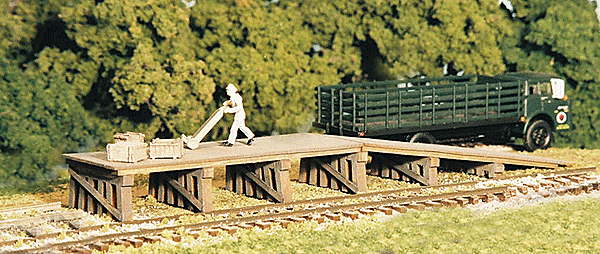
A team track is versatile and perfect for beginners, accommodating various car types without complex structures.

Key Elements:

  • Simple track siding
  • Small loading area
  • Optional small storage shed

Materials Needed:

  • Track and ballast
  • Styrene or cardstock for the loading area
  • Optional kit for a small shed

Construction Steps:

  1. Lay a siding track parallel to your mainline
  2. Create a small paved area using styrene or textured cardstock
  3. Add details like pallets, crates, and barrels
  4. Optionally, build a small storage shed nearby

Operation:

  • Load and unload various car types (boxcars, flatcars, gondolas)
  • Simulate different small businesses using the same track

Small Factory or Warehouse

A generic industrial building offers flexibility in operations and is simple to construct.

Key Elements:

  • Rectangular building with loading docks
  • Parking area
  • Signage

Materials Needed:

  • Styrene sheets for walls and roof
  • Window and door castings
  • Acrylic paints

Construction Steps:

  1. Cut styrene sheets for walls and roof
  2. Add windows and doors
  3. Create loading docks on one side
  4. Paint and weather the structure
  5. Add signage and details like air conditioning units and downspouts

Operation:

  • Receive raw materials in various car types
  • Ship out finished products in boxcars or flatcars

Coal Dealer

A small coal yard with a simple unloading trestle provides opportunities for hopper car operations.

Key Elements:

  • Elevated track or small trestle
  • Coal pile
  • Small office or scale house

Materials Needed:

  • Styrene or balsa wood for the trestle
  • Fine gravel or commercial coal material
  • Small kit for the office

Construction Steps:

  1. Construct a simple elevated track or trestle
  2. Create a coal pile using fine gravel or commercial coal material
  3. Build a small office or scale house
  4. Add details like fencing and equipment

Operation:

  • Receive hopper cars of coal
  • Simulate local delivery operations

Tips for Building Model Industries

  1. Start Small: Begin with one or two industries and expand as you gain confidence and skills.
  2. Research: Look at photos of real industries for inspiration and accuracy.
  3. Use Kits: Many manufacturers offer kits for beginners that can be easily assembled.
  4. Weathering: Add realism by lightly weathering your structures and surrounding areas.
  5. Lighting: Consider adding simple LED lighting to bring your industries to life at night.
  6. Scenery: Integrate your industries into the landscape with appropriate ground cover, trees, and details.
  7. Operations: Plan how your industries will interact with your trains to create interesting operating sessions.

Conclusion

Building model industries for your railroad layout doesn’t have to be daunting. These easy-to-build options provide a great starting point for beginners. They offer a balance of simplicity in construction and interest in operation. As you become more comfortable with modeling techniques, you can add more details or expand to more complex industries.

Remember, the key to enjoying model railroading is to have fun and be creative. Don’t worry about perfect realism at first – focus on creating a layout that you enjoy operating and looking at. With these simple industries, you’ll be well on your way to creating an engaging and operational model railroad that will provide hours of enjoyment.

As your skills grow, you can always modify or replace these starter industries with more complex ones. The beauty of model railroading is that your layout can evolve with your skills and interests. So start simple, enjoy the process, and watch your miniature world come to life!

Citations:

  1. https://www.indeed.com/career-advice/finding-a-job/how-to-find-model-jobs
  2. https://www.scarm.info/blog/tutorials-and-examples/ho-scale-grain-elevator/
  3. https://www.armballast.com/modeling-a-lumber-operation-and-sawmill-a-detailed-guide/
  4. https://www.brandonandrephoto.com/blog/fashion-industry-101-a-guide-for-beginner-models
  5. https://www.youtube.com/watch?v=_BjVEAfxi9I
  6. https://www.youtube.com/watch?v=1yzfPK5LQwc
  7. https://www.reddit.com/r/modelmakers/comments/17wywax/whats_the_best_model_brand_in_your_opinion_for/
  8. https://forum.trains.com/t/grain-elevator-placement/315078

Answer from Perplexity: pplx.ai/share
The Best Christmas Gifts for the Novice Model Railroader

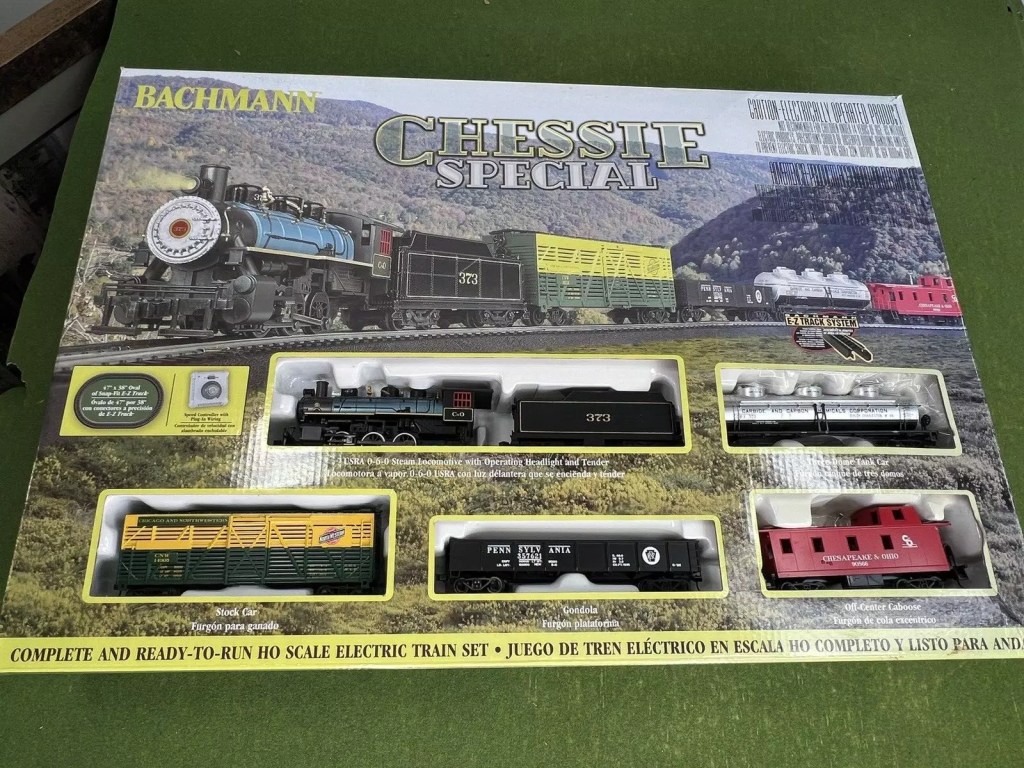
The holiday season is a magical time, especially for families who love model railroading. If you or someone in your family is a novice model railroader, Christmas is the perfect opportunity to enhance the hobby with thoughtful gifts. Whether you’re looking for starter sets, accessories, or tools, this guide will help you find the best Christmas gifts that will inspire creativity and joy in your model railroad journey.

1. Starter Train Sets

Bachmann N 24028 Thomas with Annie and Clarabel Train Set

For young beginners or those new to the hobby, a starter train set is an excellent gift. The Bachmann N Scale Thomas with Annie and Clarabel Train Set is a delightful choice. It includes:

  • Thomas the Tank Engine
  • Annie and Clarabel coaches
  • A circle of nickel silver E-Z Track
  • A power pack and speed controller
  • An illustrated instruction manual

This set is perfect for introducing children to model trains and can be easily expanded as their interests grow.

Lionel HO Santa Fe Cajon Flyer Train Set

For those who prefer a more traditional train experience, the Lionel HO Santa Fe Cajon Flyer Train Set offers a great introduction to model railroading. This set features:

  • A beautifully detailed locomotive
  • Matching cars that evoke the historic Santa Fe railroad
  • Easy-to-use track components

It’s not only budget-friendly but also ideal for both kids and adults who appreciate the history of railroads.

2. Christmas-Themed Train Sets

Lionel Polar Express Train Set

Nothing says Christmas quite like a train running around the tree! The Lionel Polar Express Train Set captures the magic of the beloved holiday movie. This O gauge set includes:

  • A steam locomotive with sound effects
  • Passenger cars that resemble those from the film
  • Tracks that can be easily assembled into a circle

This set can become a cherished holiday tradition, bringing joy year after year. Plus, it’s expandable—add more cars or track pieces each Christmas!

Bachmann Christmas Express Train Set

Another festive option is the Bachmann Christmas Express Train Set, which features:

  • A colorful locomotive adorned with holiday decorations
  • Several festive cars filled with presents and seasonal cheer
  • A simple track layout perfect for under the tree

This set is great for families looking to create a winter wonderland scene during the holidays.

3. Accessories and Add-ons

As your novice model railroader gains confidence, accessories can enhance their layout significantly:

Locomotive Rollers

These handy tools allow modelers to test and tune their locomotives without needing to run them on a complex layout. Locomotive rollers help identify performance issues and let users unleash their trains’ full potential without worrying about derailing.

Scenery Kits

Adding scenery brings layouts to life! Consider gifting scenery kits that include trees, buildings, figures, and other elements. These kits can help novice railroaders create realistic landscapes that enhance their train operations.

Track Expansion Packs

Once your novice has their starter set up and running, they’ll likely want to expand their layout. Look for track expansion packs compatible with their existing set. These packs can add curves, switches, and straight sections to create more complex layouts.

4. Tools for Model Railroading

Having the right tools can make all the difference in building and maintaining a model railroad:

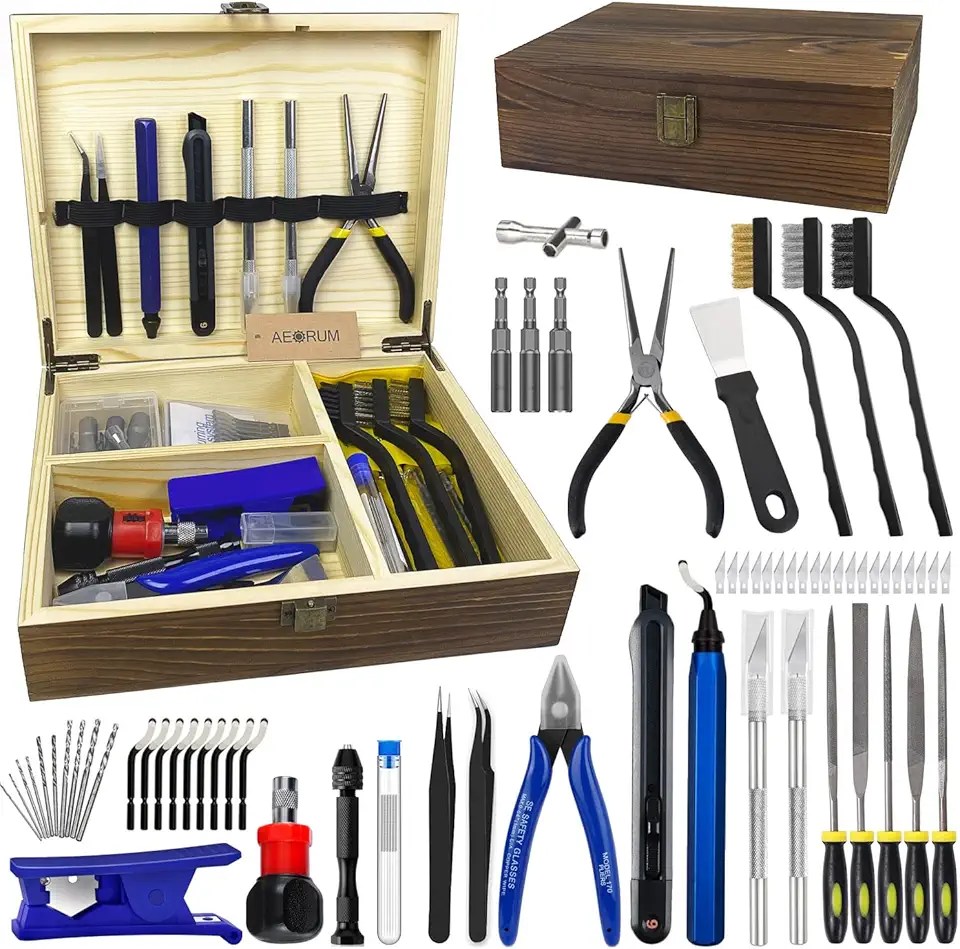
Basic Tool Kit

A basic tool kit should include:

  • Wire cutters
  • Pliers
  • Screwdrivers (both flathead and Phillips)
  • A hobby knife for precise cutting

These tools will help beginners assemble tracks, make repairs, and customize their layouts.

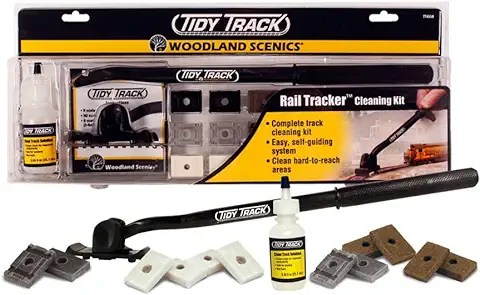
Track Cleaning Supplies

Keeping tracks clean is essential for smooth operation. Consider gifting track cleaning supplies like cleaning erasers or track cleaning cars that automatically clean as they run along the rails.

5. Books and Resources

For those eager to learn more about model railroading, books are invaluable resources:

How-To Books

Look for beginner-friendly how-to books that cover topics such as scenery building, electrical wiring, or layout design. These books provide step-by-step instructions and helpful tips that can inspire creativity.

Magazines

Subscriptions to model railroading magazines can keep novices updated on trends, techniques, and new products in the hobby. Popular titles include “Model Railroader” and “Railroad Model Craftsman.”

6. Gift Certificates

If you’re unsure about what specific items your novice model railroader may want or need, consider giving a gift certificate to a local hobby shop or an online retailer specializing in model trains. This allows them to choose exactly what they want while still feeling appreciated.

7. Community Involvement

Encouraging participation in local model railroading clubs or events can also be an excellent gift idea:

Club Memberships

Many areas have clubs where enthusiasts gather to share ideas, work on projects together, or participate in exhibitions. Memberships often come with benefits such as discounts on products or access to exclusive events.

Train Shows

Tickets to local train shows provide opportunities to see impressive layouts up close, meet fellow enthusiasts, and purchase unique items not found in stores.

Conclusion

The holiday season is an ideal time to introduce someone new to the wonderful world of model railroading or enhance an existing hobbyist’s collection. With thoughtful gifts ranging from starter sets like the Bachmann Thomas set or Lionel Polar Express to accessories like locomotive rollers and scenery kits, there’s something for every novice model railroader.

By choosing gifts that inspire creativity and encourage exploration within this fulfilling hobby, you’ll be helping create lasting memories during this festive season and beyond. So whether it’s adding a train under the tree or expanding an existing layout over time—model railroading offers endless possibilities for fun! Happy holidays and happy railroading!

Citations:
[1] https://blog.modeltrainstuff.com/gifts-for-model-train-enthusiasts/
[2] https://www.reddit.com/r/modeltrains/comments/z8vxzy/recommendations_for_a_christmas_tree_train_that/
[3] https://www.walthers.com/blog/holiday-gift-guide-railroad-modelers
[4] https://www.trainsetsonly.com/christmas-train-sets.html
[5] https://uk.hornby.com/community/blog-and-news/gift-guide/best-christmas-gifts-train-lovers
[6] https://www.modeltrainforum.com/threads/best-christmas-train-for-under-the-tree-ho-or-o.5623/
[7] https://blog.modeltrainstuff.com/the-ultimate-railroading-beginner-gift-guide/
[8] http://www.lionel.com/categories/holiday-memories

Deciding a Track Plan Before Building Your Model Railroad Layout

Introduction:
As we enter 2025, the world of model railroading continues to evolve, offering enthusiasts new and exciting ways to plan and build their layouts. Whether you’re a seasoned hobbyist or just starting out, proper planning remains the cornerstone of a successful model railroad. This guide will walk you through the latest trends, tools, and considerations for planning your model railroad layout in 2024, with a focus on making the information both informative and entertaining.

  1. Embracing Digital Planning Tools:
    The digital revolution has transformed how we approach layout planning. In 2024, software like AnyRail, SCARM, and CADRail have become more sophisticated, offering realistic 3D rendering and even virtual reality previews of your layout. These tools allow you to experiment with different track configurations, elevations, and scenery without lifting a finger in the physical world.

Fun Fact: Did you know that some software can even simulate train operations on your virtual layout? It’s like playing a video game of your own design!

  1. Space Optimization:
    With urban living spaces becoming more compact, there’s a growing trend towards efficient use of space in model railroading. The “Model Railroad Planning 2024” guide showcases several innovative designs for small spaces, including modular layouts that can be easily stored when not in use.

Tip: Think vertically! Multi-level layouts can maximize your available space and add exciting operational possibilities.

  1. Multi-Scale Layouts:
    A fascinating trend in 2024 is the rise of multi-scale layouts. These innovative designs incorporate different scales within the same layout, creating forced perspective and the illusion of greater depth and distance. For example, using N scale in the background transitioning to HO scale in the foreground.

Imagine This: You could create a layout where a bustling city in N scale gives way to a detailed rural scene in HO scale, all in the same space!

  1. Eco-Friendly Considerations:
    Environmental consciousness has reached the model railroading world. Consider incorporating sustainable materials and energy-efficient LED lighting solutions into your plan from the outset.

Green Tip: Repurpose household items for scenery. Old sponges can make great bushes, and used coffee grounds can simulate soil!

  1. Interactive Elements:
    Modern layouts are becoming more interactive. Plan for areas where you can incorporate sound effects, working signals, and even smartphone-controlled turnouts and accessories. These features add a new dimension of engagement to your railroad.

Tech Talk: Some modelers are experimenting with augmented reality (AR) to overlay digital information onto their physical layouts. The future is now!

  1. Prototypical Accuracy:
    With access to vast online resources, there’s a renewed focus on creating historically accurate layouts. When planning, research the specific era and location you’re modeling to ensure authenticity in your track plan and scenery choices.

History Buff Alert: Dive deep into railroad archives and historical societies for inspiration. You might uncover fascinating details to incorporate into your layout!

  1. Modular Design:
    The modular approach to layout building has gained significant popularity. Planning your layout in modules allows for easier construction, transportation, and modification. It’s also great for those who might need to move their layout in the future.

Bonus: Modular designs make it easier to collaborate with other enthusiasts. Imagine connecting your modules with friends for a mega layout!

  1. Operations-Focused Planning:
    There’s a growing interest in operations-based layouts. When planning, consider how your trains will run realistically, incorporating industries, switching puzzles, and timetables into your design.

Game On: Treat your layout planning like a strategy game. How can you create the most engaging and challenging operations for yourself and fellow enthusiasts?

  1. Blending Eras:
    A creative trend in 2024 is the concept of blending different historical eras within the same layout. This allows for a diverse range of rolling stock and architectural styles, adding visual interest and storytelling opportunities.

Time Travel Tip: Create “transition zones” where one era seamlessly blends into another. It’s like having a miniature time machine on your layout!

Building your model Railroad

  1. Essential Tools for Planning:
    Don’t forget the basics! While digital tools are great, sometimes you can’t beat a good old-fashioned ruler, square, and pencil for sketching out ideas. The NMRA (National Model Railroad Association) recommends having a standard ruler or tape measure, a model scale ruler, and a square in your toolbox.

Pro Tip: Invest in a thin beam machinist square for precise 90-degree markings on your benchwork.

Conclusion:
As we move through 2024, the possibilities for model railroad layouts are more exciting than ever. By incorporating these modern trends, technologies, and tools into your planning process, you can create a layout that’s not only visually stunning but also engaging, efficient, and future-proof. Remember, the key to a great model railroad is thorough planning – take your time, explore your options, and most importantly, enjoy the creative process!

Final Thought: Model railroading isn’t just a hobby; it’s a journey through time, space, and imagination. So grab your tools, fire up your planning software, and let’s build something amazing together!

For Model Railroad Supplies check amazon.com

Citations:
[1] https://www.trains.com/mrr/videos-photos/videos/how-to/track-planning/track-planning-software/
[2] https://www.scarm.info/index.php
[3] https://shop.trains.com/products/model-railroad-planning-2024
[4] https://www.zinio.com/publications/model-railroad-planning/7052
[5] https://www.nmra.org/beginners-guide-part-11-tools
[6] https://www.semrush.com/blog/article-writing/
[7] https://ictrainsandhobbies.com/products/kalmbach-model-railroad-planning-2024
[8] https://www.linkedin.com/advice/3/how-can-you-make-your-writing-both-informative-3bh3f

Adding Excitement to Your Model Railroad Layout: A Comprehensive Guide for Novices

As an expert in model railroading, I’m thrilled to share with you the secrets of bringing your layout to life. Creating an exciting model railroad isn’t just about the trains; it’s about crafting a miniature world that tells a story. In this guide, we’ll explore how to use structures, figures, vehicles, and scenery to transform your layout from a simple track to a captivating diorama that will enchant both young and old alike.

  1. Structures: The Backbone of Your Miniature World
Structures for the era

Structures form the foundation of your model railroad’s landscape. They provide context, scale, and purpose to your trains’ journeys. Here’s how to make the most of them:

a) Choose a Theme:
Decide on the era and location you want to model. Are you recreating a bustling 1950s town or a modern industrial area? Your choice will guide your structure selection.

b) Mix Residential and Commercial:
Include a variety of buildings. A mix of houses, shops, factories, and public buildings like schools or churches adds realism and interest.

c) Consider Scale and Placement:
Ensure your structures are in the correct scale for your layout. Place them logically – houses in residential areas, shops on main streets, and factories on the outskirts.

d) Add Interior Details:
For buildings close to the front of your layout, consider adding interior details. Tiny furniture, wallpaper, and lighting can be seen through windows, adding depth to your scene.

e) Weather Your Buildings:
Brand new buildings can look out of place. Use weathering techniques like dry brushing or washes to add age and character to your structures.

  1. Figures: Bringing Your Layout to Life

Human figures are crucial in creating a sense of life and activity in your model world. Here’s how to use them effectively:

a) Choose the Right Scale:
Ensure your figures match the scale of your layout. Mismatched scales can ruin the illusion of realism.

b) Create Vignettes:
Group figures to create small scenes. A family picnicking, workers at a construction site, or passengers waiting at a station all tell stories within your larger narrative.

c) Consider Poses and Activities:
Use a variety of poses to add dynamism. Include people walking, sitting, working, and interacting with each other and their environment.

d) Don’t Overcrowd:
While figures add life, too many can make your layout look cluttered. Use them sparingly for the best effect.

e) Paint and Customize:
Many figures come unpainted. Painting them can greatly enhance their realism. You can even customize figures to represent specific characters or professions.

  1. Vehicles: Adding Movement and Era-Specific Detail

Vehicles are not just static elements; they suggest movement and activity, even when stationary. Here’s how to incorporate them:

a) Match Your Era:
Ensure your vehicles match the time period of your layout. A 1950s diner wouldn’t have modern cars parked outside.

b) Create Traffic Scenes:
Arrange vehicles on roads to create the illusion of traffic. Include parked cars in appropriate areas like driveways and parking lots.

qa

c) Include Variety:
Don’t limit yourself to just cars. Include trucks, buses, motorcycles, and even bicycles for added interest.

d) Consider Special Vehicles:
Emergency vehicles, delivery trucks, or construction equipment can add storytelling elements to your layout.

e) Weathering and Detailing:
Like buildings, vehicles benefit from weathering. Add dirt, rust, or road grime for a more realistic appearance.

  1. Scenery: The Glue That Ties It All Together

Scenery is what transforms a collection of models into a cohesive miniature world. Here’s how to create compelling scenery:

a) Start with the Basics:
Begin with a base layer of ground cover. This could be grass, dirt, or even urban concrete, depending on your setting.

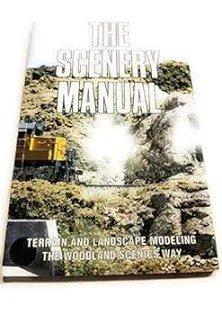
Check out my articles on Scenery

b) Add Texture and Variety:
Use different colors and textures of ground cover to create natural-looking variations. Mix green shades for grass, or different earth tones for soil and rocks.

c) Include Water Features:
Rivers, lakes, or even puddles add realism and interest. Use clear resin or specialized water effect products for realistic results.

Fishermen and the Family fishing

d) Plant Trees and Vegetation:
Trees, shrubs, and flowers add color and vertical interest. You can buy pre-made trees or create your own for a custom look.

e) Create Elevation:
A flat layout can be boring. Use foam or plaster to create hills, valleys, and other terrain features.

f) Add Rocks and Geological Features:
Incorporate rock formations, cliffs, or boulders. These can be made from foam, plaster, or real rocks.

Rocks and features

g) Don’t Forget the Sky:
A painted backdrop or photographic sky scene can dramatically enhance the realism of your layout.

  1. Bringing It All Together: Creating Cohesive Scenes

Now that we’ve covered the individual elements, let’s discuss how to combine them effectively:

a) Tell a Story:
Use your structures, figures, vehicles, and scenery to create narratives within your layout. A busy Main Street, a quiet rural farm, or an active industrial area each tell different stories.

The Coal mine

b) Create Focal Points:
Design areas of particular interest that draw the eye. This could be a detailed train station, a town square, or a dramatic natural feature.

c) Balance Detail and Space:
While details are important, don’t overcrowd your layout. Leave some open spaces to allow the eye to rest and to make your detailed areas stand out more.

d) Consider Viewing Angles:
Think about how your layout will be viewed. Ensure that interesting scenes are visible from various angles.

e) Use Lighting Effectively:
Lighting can dramatically enhance your layout. Consider adding lights to buildings, street lamps, and even tiny LEDs in vehicles.

f) Create Depth:
Use forced perspective techniques to create the illusion of distance. Smaller, less detailed elements in the background can make your layout seem larger than it is.

  1. Practical Tips for Implementation

Here are some practical tips to help you as you add these exciting elements to your layout:

a) Plan Ahead:
Sketch out your ideas before you start placing elements. This can help you avoid overcrowding or awkward placements.

b) Work in Sections:
Don’t try to detail your entire layout at once. Work on one area at a time to avoid feeling overwhelmed.

c) Use Reference Photos:
Look at real-world photos of the type of scene you’re trying to create. This can give you ideas for realistic details to include.

d) Experiment with Techniques:
Don’t be afraid to try different techniques for creating scenery or weathering. Practice on spare pieces before applying techniques to your main layout.

e) Join a Club or Online Community:
Connecting with other model railroaders can provide inspiration, tips, and support as you work on your layout.

f) Be Patient:
Creating a detailed, exciting layout takes time. Don’t rush the process – enjoy the journey of bringing your miniature world to life.

Conclusion:

Adding excitement to your model railroad layout through structures, figures, vehicles, and scenery is a rewarding process that transforms a simple train set into a captivating miniature world. By carefully selecting and placing these elements, you create a rich, immersive environment that tells a story and brings your trains to life.

Remember, there’s no single “right” way to design your layout. Let your imagination guide you, and don’t be afraid to experiment with different ideas and techniques. The most important thing is to enjoy the process of creation.

As you work on your layout, you’ll find that it becomes more than just a hobby – it’s a form of artistic expression, a way to explore history and geography, and a source of endless fascination. So dive in, get creative, and watch as your model railroad transforms into an exciting miniature world of your own making. Happy modeling!

For Model Railroad Supplies check amazon.com

Top Accessories for Model Railroading in 2024

As an expert in model railroading, I’m excited to share with you the top 7 accessories that every novice enthusiast should consider for their hobby in 2024. These accessories will enhance your model railroading experience, improve the realism of your layouts, and make your hobby more enjoyable overall. Let’s dive into the must-have items for the coming year!

  1. Digital Command Control (DCC) System

In 2024, Digital Command Control (DCC) systems continue to be at the forefront of model railroading technology. A DCC system allows you to control multiple trains independently on the same track, offering a more realistic and engaging experience. For novices, I recommend starting with a user-friendly DCC starter set, which typically includes:

  • A DCC command station
  • A power supply
  • At least one handheld throttle

Look for systems from reputable brands like Digitrax, NCE, or ESU. These starter sets are expandable, allowing you to add more features as your skills and layout grow. With DCC, you’ll be able to control train speed, direction, lighting, and even sound effects with precision.

  1. LED Lighting Kit

Proper lighting can transform your model railroad layout from good to great. In 2024, LED lighting kits are more affordable and versatile than ever. A good LED lighting kit for your layout should include:

  • Flexible LED strip lights
  • A power supply
  • Connectors and mounting hardware

Look for kits that offer different color temperatures, allowing you to simulate various times of day or different lighting conditions. Some advanced kits even offer programmable RGB LEDs, enabling you to create dynamic lighting effects. Woodland Scenics.

  1. Weathering Powders and Tools

Weathering is the process of making your models look more realistic by simulating the effects of age, use, and environmental exposure. In 2024, weathering powders and tools are essential accessories for creating authentic-looking models. A basic weathering kit should include:

  • A set of weathering powders in various earth tones
  • Fine brushes for application
  • A sealing spray to fix the weathering in place

Brands like AK Interactive and Vallejo offer excellent weathering products. As you gain experience, you can expand your weathering toolkit to include specialized powders, washes, and pigments for different effects.

  1. Static Grass Applicator

Static grass has revolutionized the way model railroaders create realistic ground cover. A static grass applicator uses an electric charge to make grass fibers stand upright, creating a lifelike appearance. In 2024, these tools have become more affordable and user-friendly. Look for a static grass applicator that includes:

  • The applicator unit
  • A power supply (some are battery-operated for portability)
  • A selection of different grass lengths and colors

Brands like Woodland Scenics and Noch offer reliable static grass applicators. This tool will dramatically improve the realism of your layout’s landscape.

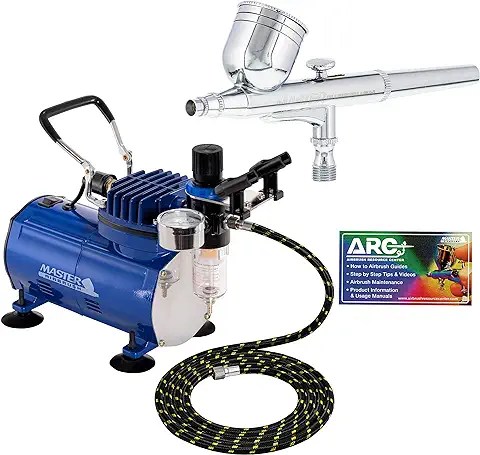
  1. Airbrush and Compressor Set

While not strictly necessary for beginners, an airbrush can significantly enhance your ability to paint and weather models. In 2024, entry-level airbrush and compressor sets are more affordable and easier to use than ever. A good starter set should include:

  • A dual-action airbrush
  • A small, quiet compressor
  • Basic cleaning and maintenance tools

Brands like Iwata and Badger offer excellent beginner-friendly airbrush sets. With an airbrush, you’ll be able to achieve smooth, professional-looking paint jobs on your locomotives, rolling stock, and structures.

  1. Digital Multimeter

A digital multimeter is an invaluable tool for troubleshooting electrical issues on your layout. In 2024, even basic multimeters offer features that can help you diagnose and fix common problems. Look for a multimeter that includes:

  • Voltage measurement (AC and DC)
  • Resistance measurement
  • Continuity testing

Brands like Fluke and Klein Tools offer reliable, user-friendly multimeters. This tool will help you identify short circuits, test track power, and ensure your wiring is correct.

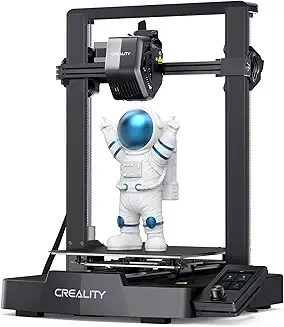
  1. 3D Printer

While this might seem like an advanced accessory, 3D printers have become increasingly affordable and user-friendly in recent years. In 2024, a basic 3D printer can be a game-changer for model railroaders. With a 3D printer, you can:

  • Create custom parts and details for your models
  • Print entire structures or scenic elements
  • Prototype your own designs

Look for an entry-level 3D printer with a build volume of at least 200mm x 200mm x 200mm. Brands like Creality and Prusa offer excellent printers for beginners. While there is a learning curve, the ability to create custom parts can take your modeling to the next level.

Tips for Choosing and Using These Accessories:

  1. Research and read reviews before purchasing any of these accessories. Look for products that are well-regarded in the model railroading community.
  2. Start with the basics and gradually expand your toolkit as your skills and interests grow.
  3. Join online forums or local model railroad clubs to learn from experienced modelers about how to use these accessories effectively.
  4. Always prioritize safety, especially when working with electrical components or tools like airbrushes.
  5. Keep your accessories organized and well-maintained to ensure they last for years to come.
  6. Don’t be afraid to experiment and try new techniques with your accessories. Model railroading is as much about the journey as it is about the final product.
  7. Consider the scale of your layout when choosing accessories, as some tools may be better suited for certain scales.

Conclusion:

As we look ahead to 2024, these seven accessories represent some of the most valuable additions to any novice model railroader’s toolkit. From enhancing the control and operation of your trains with DCC to creating stunningly realistic scenery with static grass and 3D-printed details, these tools will help you take your hobby to the next level.

Remember, model railroading is a journey of continuous learning and improvement. Don’t feel pressured to acquire all of these accessories at once. Start with the ones that align best with your current interests and goals, and gradually expand your collection as you grow in the hobby.

With these accessories at your disposal, you’ll be well-equipped to create a model railroad that not only looks great but also provides countless hours of enjoyment and satisfaction. Happy modeling!

Citations:
[1] https://www.trains.com/mrr/how-to/model-train-layouts/a-beginners-ho-scale-layout-from-one-sheet-of-plywood/
[2] https://www.youtube.com/watch?v=rbPZkp8gaY0
[3] https://www.youtube.com/watch?v=oJL8DZO5mks
[4] https://www.nmra.org/beginners-guide-part-2-layout-planning
[5] https://kalmbachhobbystore.com/product/book/12466