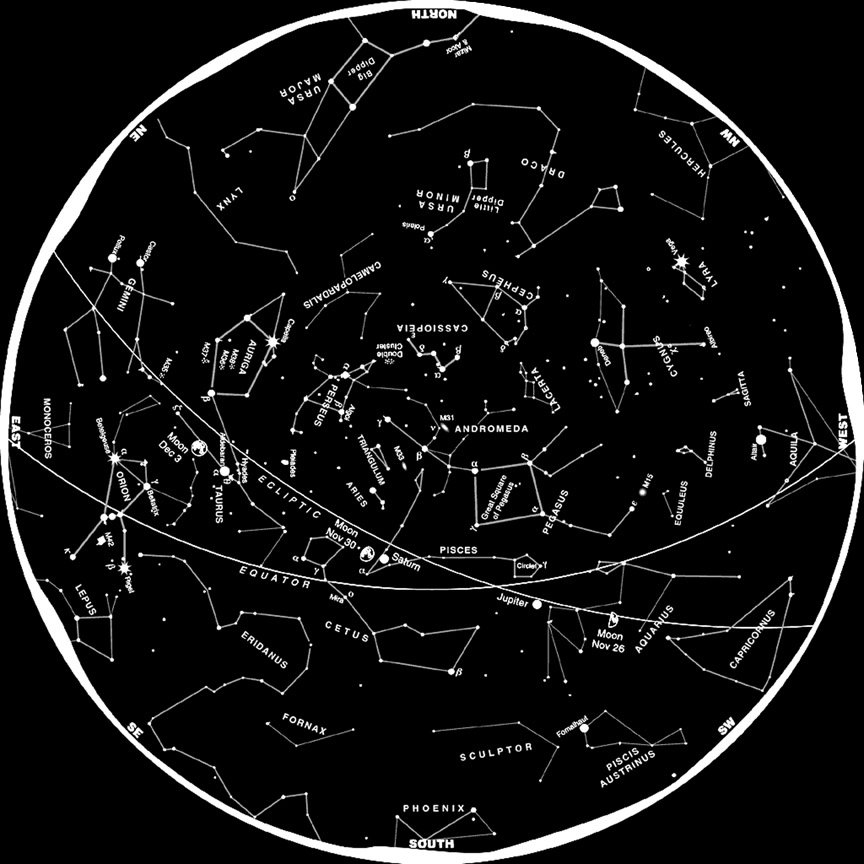
The August 2025 Night Sky: A Month of Wonders for Every Astronomer

August 2025 is a month made for stargazers, families, and fans of the cosmos. From the dazzling Perseid meteor shower and stunning planetary alignments to star-filled constellations and deep-sky treasures, the heavens are set to entertain both newcomers and dedicated astronomers. Whether you’re lying on a blanket with your kids, introducing friends to their first meteor, or searching the galaxy’s heart with your telescope, August’s night sky will not disappoint. Here is your comprehensive, family-friendly guide to the celestial spectacles of this unforgettable month.

Table of Contents

  1. August Nights: Why This Month Is Special
  2. The Perseid Meteor Shower – The Ultimate Showstopper
  3. A Parade of Planets: Jupiter, Saturn, Venus, and Mars
  4. Constellations and Cosmic Patterns
  5. Deep-Sky Wonders: Nebulae, Clusters, and the Milky Way
  6. Unique Celestial Events in August 2025
  7. Tips for Beginners and Advanced Stargazers
  8. Family-Friendly Astronomy Activities
  9. Safety, Comfort, and Fun: Making Your Skywatch Special
  10. References & Further Reading

1. August Nights: Why This Month Is Special

Once the Sun sets in August, the balmy warmth and short nights of earlier summer begin to ease, making late-night and early-morning stargazing much more comfortable. Skies are often clearer, humidity drops, and the heart of our Milky Way climbs high overhead. For beginners, it’s the best time to see the brightest meteors, planets, and constellations. For seasoned astronomers, minimal moonlight during key nights creates ideal conditions for deep-sky discoveries and long-exposure photography.

2. The Perseid Meteor Shower – The Ultimate Showstopper

Dates to Watch: August 11–13, 2025
Peak Activity: Predawn hours, August 12th and 13th

The Perseids are the highlight of August’s sky, and 2025 is a banner year. With only a slim crescent Moon, the night will be perfectly dark for watching these “shooting stars.”

What are the Perseids?
They’re fragments of comet Swift-Tuttle, which Earth plows through every August. As these tiny pieces hit Earth’s atmosphere at 37 miles per second, they glow and streak across the sky in dramatic bursts.

How many will I see?
Under dark, rural skies, you may spot 50 or more meteors per hour at peak, with occasional “fireballs” and persistent glowing trains.

When and Where to Look:

  • Best Time: From 10 p.m. local time to dawn, with action ramping up after midnight.
  • Best Direction: The meteors appear to radiate from the constellation Perseus (northeast sky), but you can see them anywhere overhead—so recline, face northeast, and enjoy a 180-degree view.

Family Fun Tip:
Make a game of counting meteors, recording the brightest, or making a wish for each shooting star. Bring sleeping bags and enjoy a midnight picnic!

3. A Parade of Planets: Jupiter, Saturn, Venus, and Mars

Jupiter – King of the Night

  • When: Rises after sunset in the eastern sky; visible all night long.
  • Where: In Taurus, not far from the bright star Aldebaran.
  • How to See: Easy with the naked eye. Binoculars reveal up to four of Jupiter’s moons; a small telescope shows cloud bands and the famous Great Red Spot.

Saturn at Its Best – The Ringed Giant

  • Opposition Date: August 16, 2025 (closest to Earth, brightest, and largest)
  • Where: Southeast after dark, rising earlier each evening in Aquarius.
  • How to See: To the unaided eye, Saturn looks like a bright golden “star.” Through a telescope, its rings are stunning—this is the planet’s best showing all year!

Fun Fact: Saturn’s rings are nearly at maximum tilt, making them especially easy to see even with modest telescopes.

Venus – Morning Star Magic

  • When: Shining before dawn in the east (best the first two weeks of August).
  • How to See: Brilliant and impossible to miss, Venus is one of the brightest objects in the sky.

Mars – Distant Red Gem

  • When: Low in the eastern sky right before sunrise.
  • How to See: Reddish and faint, Mars hides among morning stars, best seen with the help of astronomy apps.

4. Constellations and Cosmic Patterns

The Summer Triangle

The asterism of Vega, Deneb, and Altair forms a triangle overhead. Each vertex leads to a different constellation—Lyra, Cygnus, and Aquila—rich with fascinating double stars and star clusters.

Scorpius & Sagittarius: The Milky Way’s Heart

Look to the south after dark for Scorpius’s curved tail and red Antares; to its left is Sagittarius, whose “Teapot” asterism pours “steam” right into the brightest stretch of the Milky Way—perfect for binoculars or telescope scanning.

Cygnus, the Swan

Also known as the Northern Cross, Cygnus soars through the thickest part of the Milky Way, offering beautiful sights like the double star Albireo (golden and blue) and the North America Nebula.

Perseus & Cassiopeia

Rising in the northeast after midnight, these constellations contain the Perseid meteor radiant and the sparkling Double Cluster.

5. Deep-Sky Wonders: Nebulae, Clusters, and the Milky Way

August is glorious for exploring deep-sky objects. Here are a few family favorites:

  • Lagoon Nebula (M8, Sagittarius): A glowing cloud teeming with newborn stars. Visible in binoculars as a misty patch; telescopes reveal greater detail.
  • Hercules Cluster (M13): A vast ball of hundreds of thousands of stars—easily found in binoculars between Vega and Arcturus.
  • The Double Cluster: In Perseus, two clusters packed with hundreds of stars, giving a 3D effect in binoculars.

6. Unique Celestial Events in August 2025

DateEventHow and When to See
August 4New MoonPerfectly dark skies for deep-sky observing
August 11–13Perseid Meteor Shower PeakAfter midnight, northeast sky
August 16Saturn at OppositionAll night, southeast sky, telescopic viewing
August 19First Quarter MoonMoon high at sunset, great for beginners
August 25–27Moon passes near JupiterEast, after sunset, perfect for a twin-view
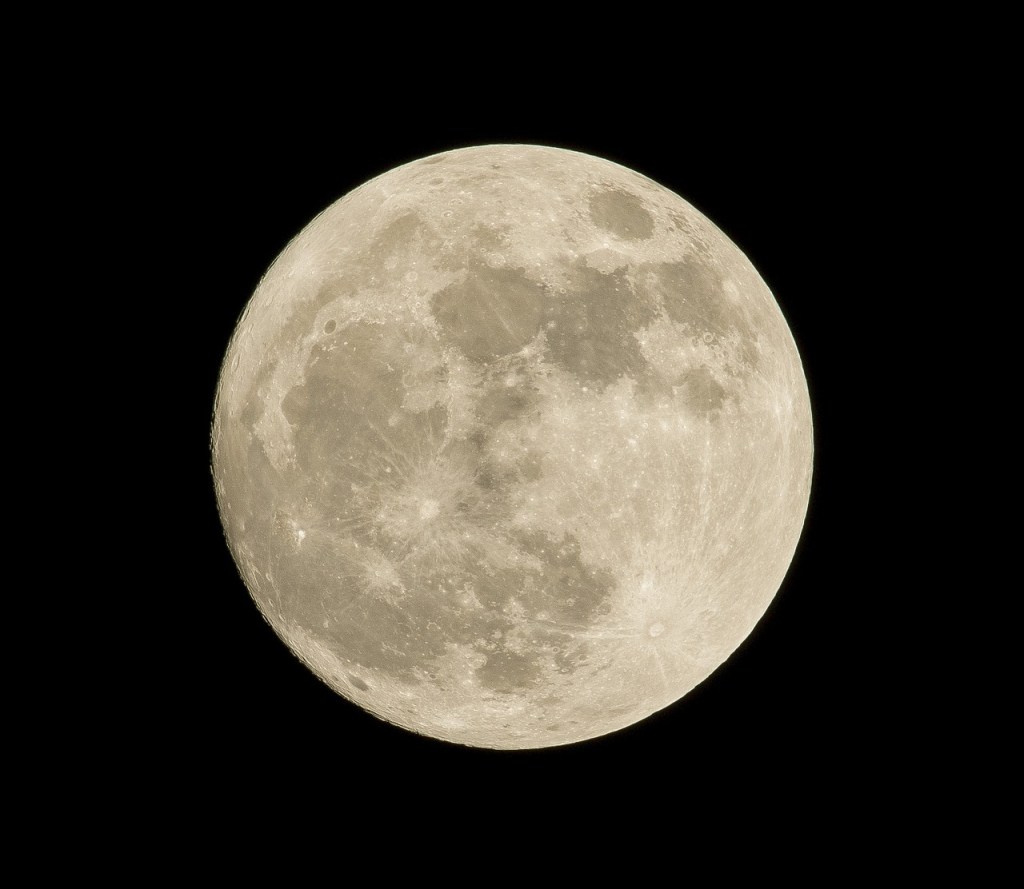
August 28Full Sturgeon MoonRises at sunset, large and golden

7. Tips for Beginners and Advanced Stargazers

  • Start Simple: Use your eyes for meteors and bright planets; try binoculars for star clusters.
  • Set the Mood: Turn off all lights, let your eyes adapt for 20 minutes, and lie back for comfort.
  • Use Technology: Free apps (like Star Walk, Stellarium, SkySafari) help you find constellations and planets in real time.
  • Telescope Challenges: Advanced users, try hunting for faint planetary nebulae, supernova remnants (like the Veil Nebula in Cygnus), or the subtle colors of Albireo.
  • Keep a Logbook: Record what you see—drawing, writing, or snapping smartphone pictures.

8. Family-Friendly Astronomy Activities

  • Meteor Shower Party: Bring snacks and sleeping bags, and make it a summer tradition!
  • Planet Hunt: See who in the family can find the most planets with unaided eyes or binoculars.
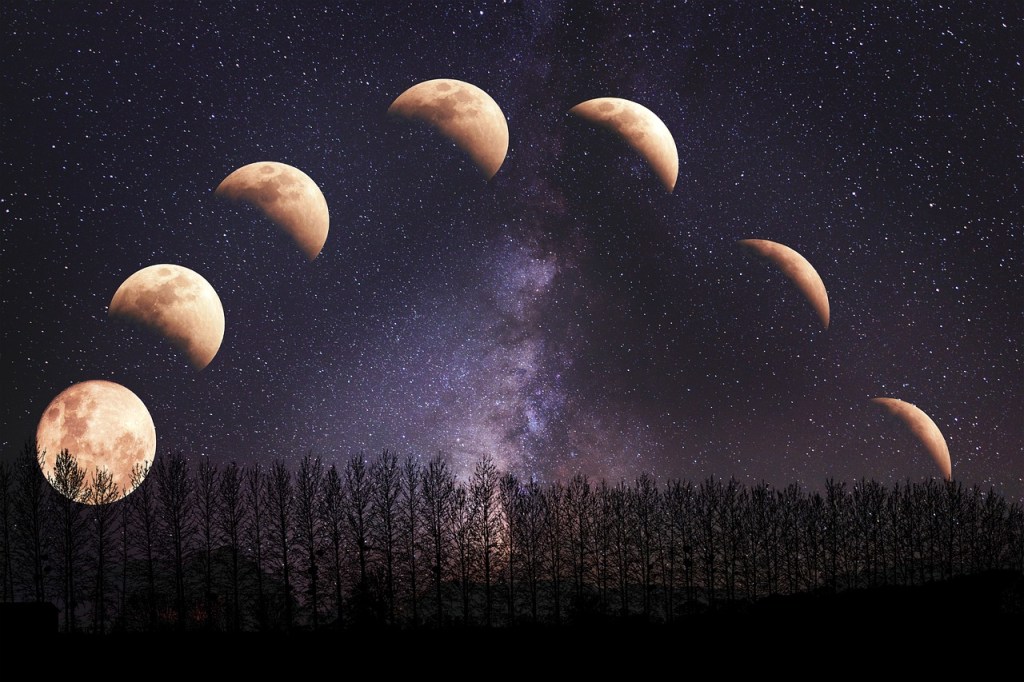
  • Moon Phases Diary: Sketch or photograph the changing face of the Moon each night.
  • Shadow Play: Use the bright August full moon to make moonshadows on the grass—kids love it!

9. Safety, Comfort, and Fun: Making Your Skywatch Special

  • Dress Smart: Even in August, nights get cool—bring layers and bug spray.
  • Pick the Right Spot: The farther you are from bright city lights, the more you’ll see. National Parks and rural areas are ideal.
  • Red Flashlights: Preserve your night vision with red LED flashlights.
  • Respect Nature: Leave no trash, stay on paths, and be mindful of wildlife.

10. References & Further Reading

  1. American Meteor Society – Perseid Meteor Shower 2025 Guide
  2. Sky & Telescope – August 2025 Night Sky Events
  3. NASA Night Sky Network – Planets and Meteor Showers in August 2025
  4. Star Walk – August Astronomy Calendar & Event Details
  5. Royal Astronomical Society – Family Stargazing Resources
  6. Time and Date – Planetary Events and Moon Phases August 2025
  7. EarthSky – Exploring Summer Constellations
  8. Astronomy Magazine – Deep Sky Objects for August
  9. Stellarium Web Online Star Map – Free, Interactive Star Charts

Footnotes:

  • Meteor shower rates indicate maximums for dark, moonless, rural skies; suburban/city locations will see fewer meteors.
  • Planet rise/set times vary by your geography—consult a sky app for exact timing at your location.
  • Telescope recommendations assume a common entry-level or family telescope (60–90mm aperture).

In Summary: August’s Sky—A Nightly Invitation

August 2025’s night sky promises awe and discovery for every age and skill. Whether you’re spotting your first Perseid, showing a child the rings of Saturn, or photographing clusters deep in the Milky Way, the universe is open for exploration. So grab your family, friends, or simply your own sense of curiosity—and take your place under a sky sparkling with stories millions of years in the making. Clear skies and happy stargazing!

For more detailed charts, timeline planning, and expert tips, visit the American Meteor Society, NASA Night Sky Network, or your local planetarium’s monthly guide.

The Delta Aquariid Meteor Shower: A Beginner’s and Family Guide for July 28–31, 2025

Every summer, as July transitions into August, a lesser-known yet enchanting celestial event graces the night sky: the Delta Aquariid meteor shower. Peaking from July 28 to July 31, 2025, this meteor shower promises a memorable spectacle for families, skywatching beginners, and anyone hoping to experience a night of awe under the stars. This guide will help you understand, prepare for, and enjoy the Delta Aquariids—even if you’re new to stargazing.

What Are the Delta Aquariids?

The Delta Aquariids are an annual meteor shower named after the star Delta Aquarii in the constellation Aquarius, where the meteors appear to originate (their radiant point). The shower is caused by Earth passing through debris left behind by the comet 96P/Machholz. As tiny bits of comet dust enter our atmosphere at over 90,000 miles per hour, they burn up and streak across the sky as meteors, or “shooting stars”.

Why the Delta Aquariids Are Special

While the Delta Aquariid shower isn’t as famous as the Perseids in August, it is beloved by skywatchers for several reasons:

  • Steady Meteor Rate: During the peak, you can expect to see 15–20 meteors per hour from a dark, rural sky.
  • Early Show: It kicks off the summer “meteor shower season” and sometimes overlaps with early Perseid meteors for a double show.
  • Long-Lasting Meteors: Many Delta Aquariids produce faint but long-lasting trails—sometimes glowing for a second or more.

When and Where to Watch in 2025

Peak Dates & Times

  • Best Nights: July 28, 29, 30, and 31, 2025
  • Best Hours: Between midnight and 4:00 a.m. (local time). The shower is best after midnight when the constellation Aquarius climbs higher in the southern sky.
  • Moon Phase: The Moon will be a waning crescent, setting before the best radiant hours, leaving the sky mostly dark—excellent for meteor watching.

Where to Look

  • Direction: Face generally southeast or south. Find a broad, open view of the sky, focusing east to south.
  • Constellation: Meteors will radiate from the area near Aquarius, but “shooting stars” can appear anywhere overhead.

Preparing for Your Meteor-Watching Night

What You’ll Need

  • No Telescopes Required: Meteors move too fast for telescopes or binoculars; use just your eyes!
  • Comfort Essentials:
    • Blanket, sleeping bag, or reclining lawn chair to lie back and watch comfortably.
    • Warm clothes and bug spray—even summer nights can get chilly or buggy.
    • Snacks and drinks for your meteor party.
  • Optional:
    • A red flashlight (to preserve night vision).
    • Star charts or a free stargazing app for finding constellations like Aquarius and Capricornus.

Family-Friendly Tips to Maximize the Experience

1. Make It a Nighttime Picnic

Pack favorite snacks and turn the meteor shower into an event. Invite family, neighbors, or friends for a backyard “shooting star” picnic.

2. Get Kids Involved

  • Encourage children to keep count of meteors or sketch their favorite ones.
  • Turn it into a science lesson about comets, space, and Earth’s atmosphere.
  • Have kids make a wish on each shooting star!

3. Safety First

Observe from a safe location away from busy roads. Bring flashlights for safe navigation but keep lights off while watching.

4. Choose the Right Spot

For the best show, escape city lights. A rural park, beach, or even a family-friendly campsite will reveal many more meteors.

What to Expect

  • Patience Pays Off: It can take 15–20 minutes for your eyes to adapt to darkness. The more time spent outside, the more meteors you’ll see.
  • Persistence: Meteors arrive at random. Sometimes, several appear in a quick burst, followed by a lull.
  • Look Up All Around: While the radiant is in Aquarius, meteors may streak across any part of the sky.

Suggested Viewing Timeline

Time (Local)What’s HappeningTips
10:00 p.m.Twilight ends, stars appearSettle in and get comfy
MidnightAquarius rises higher, meteors beginStart serious watching
2:00–4:00 a.m.Peak meteor activityHighest rates, darkest sky
DawnShower ends as sky brightensTime for breakfast stories!

Fun Delta Aquariid Facts

  • Parent Comet: The debris stream comes from Comet 96P/Machholz—a visitor that returns every five years.
  • Speed: Delta Aquariid meteors travel at about 25 miles per second!
  • Best in the South: The further south you are (e.g., southern US states), the higher Aquarius appears, and the more meteors you’ll spot.
  • Double Show: Early Perseid meteors (from August’s more famous shower) sometimes mingle with the Delta Aquariids, offering extra surprises.

Bringing Astronomy to Life

Meteor showers are a magical entryway to astronomy for families and beginners. They require no equipment, no expertise—just a little patience, wonder, and a clear night. Watching shooting stars is also a shared experience, connecting all ages with the wonders of the universe.

If you’d like to identify more stars or planets while you wait for meteors:

  • Look for the bright Summer Triangle stars: Vega, Deneb, and Altair high overhead.
  • Saturn, the ringed planet, will be rising in the southeast before midnight.
  • Jupiter may rise before dawn in the east by the end of July.

Common Questions

Are showers best seen at their radiant?

Not necessarily—meteors can appear anywhere in the sky. But more will appear to originate from the Aquarius region.

What if it’s cloudy?

If clouds cover your location, try another night within the peak window, or tune in to online streams from observatories.

Can I photograph meteors?

A camera with a tripod and long-exposure settings may capture bright “fireballs,” but relax and enjoy watching with your eyes first.

Summary

The Delta Aquariids offer families and beginners a perfect opportunity to enjoy the universe together. On a warm night in late July, all you have to do is lie back, look up, and watch as cosmic dust transforms into fleeting, brilliant streaks of light. The memory of a shared meteor shower may last far longer than the meteors themselves.

References & Further Reading

  1. American Meteor Society – Delta Aquariid Meteor Shower Overview
  2. Star Walk – Delta Aquariids 2025 Viewing Guide
  3. EarthSky – 2025 Meteor Shower Calendar
  4. Royal Astronomical Society – How to Watch Meteor Showers
  5. Sky & Telescope – July 2025 Night Sky Guide

Wishing you clear, star-filled skies and a wonderful Delta Aquariid experience!

Saturn and the Moon’s Celestial Dance: How to Watch Their Close Encounter on July 16, 2025

On the night of July 16, 2025, the Moon and Saturn will create a beautiful spectacle in the sky, appearing close together in a conjunction visible across the United States. This event is perfect for families, beginners, and seasoned astronomers alike. Here’s how to make the most of this cosmic rendezvous—including the best times to watch from different US regions, simple ways to identify Saturn, and a look back at memorable images of similar events.

What’s Happening?

On July 16, the waning gibbous Moon will pass near Saturn, the solar system’s iconic ringed planet. While the two are separated by vast distances in space, they’ll appear just a few degrees apart in the sky, creating a striking visual pairing for observers on Earth123.

Best Times to View Across the US

US RegionSaturn & Moon RiseClosest ApproachHighest in SkyBest Viewing Window
East Coast~11:00 p.m. EDT~2:00 a.m. EDT2:00–4:00 a.m.11:00 p.m.–4:30 a.m.
Central~10:00 p.m. CDT~1:00 a.m. CDT1:00–3:30 a.m.10:00 p.m.–4:00 a.m.
Mountain~9:00 p.m. MDT~12:00 a.m. MDT12:00–3:00 a.m.9:00 p.m.–4:00 a.m.
Pacific~8:30 p.m. PDT~11:00 p.m. PDT11:00 p.m.–2:30 a.m.8:30 p.m.–4:00 a.m.
  • Where to Look: The pair will rise in the east after sunset, climb high in the southeast by midnight, and drift toward the south by dawn245.
  • Peak Viewing: Around midnight to 3 a.m. local time, when both are highest and most easily seen.

How to Identify Saturn: A Beginner’s Guide

Saturn can be mistaken for a bright star, but here’s how to spot it:

  • Color: Saturn appears as a steady, pale yellow or gold “star.” Most stars are white or blue-white, while Saturn’s subtle hue stands out675.
  • No Twinkle: Unlike stars, Saturn does not twinkle. Its light remains steady because it’s close enough to appear as a tiny disk rather than a pinpoint.
  • Position: On July 16, Saturn will be just a few degrees below or beside the bright Moon, making it easy to locate.
  • Brightness: Saturn shines brighter than most surrounding stars but is dimmer than the Moon and Venus.
  • Movement: Over weeks, Saturn slowly shifts eastward among the stars, unlike the fixed star patterns.

Tip: Use a free sky app (like Stellarium, SkySafari, or Star Walk) to confirm Saturn’s position in real time75.

Viewing Tips for All Ages

  • Naked Eye: Simply look for the bright Moon, then spot the steady yellow “star” nearby—that’s Saturn!
  • Binoculars: Enhance Saturn’s color and may reveal its oval shape.
  • Telescope: Even a small telescope will reveal Saturn’s famous rings and perhaps a few moons.
  • Family Fun: Bring blankets, snacks, and sketchpads. Encourage kids to draw the Moon and Saturn or try smartphone photography.

Sample Viewing Timeline (Local Time)

TimeWhat to SeeWhere to Look
10:00 p.m.–12:00 a.m.Moon and Saturn rising togetherEast
12:00–2:00 a.m.Closest approach, high in skySoutheast
2:00–4:00 a.m.Pair moves toward southSouth
4:00 a.m.–DawnSetting, still visibleSouthwest

Memorable Images of Past Moon-Saturn Conjunctions

Below are examples of how the Moon and Saturn have appeared together in the night sky during previous conjunctions. These images illustrate what you can expect to see, whether with your eyes, binoculars, or a telescope.

  • Smartphone Photo of Saturn and the Moon:
    Astrophotographers have captured stunning images using just a smartphone and a small telescope, showing Saturn as a bright dot near the Moon8.
  • Telescope View:
    Through a telescope, Saturn’s rings are visible, while the Moon’s craters and maria provide a dramatic backdrop910.
  • Wide-Angle Sky Photos:
    Many skywatchers have shared beautiful wide-angle images of the Moon and Saturn together, highlighting their proximity and the Moon’s brightness10.

Why This Event Is Special

  • Easy and Accessible: No special equipment or expertise needed—just look up!
  • Great for Families: The Moon and Saturn are bright, easy targets for all ages.
  • A Gateway to Astronomy: Seeing Saturn’s rings for the first time is unforgettable.
  • Rare and Beautiful: While the Moon and Saturn pair up monthly, this July’s conjunction is especially well-placed for nighttime viewing across the US25.

Safety and Comfort Tips

  • Dress for the weather—even summer nights can get cool.
  • Use red flashlights to preserve night vision.
  • Bring bug spray if stargazing outdoors.

Fun Saturn and Moon Facts

  • Saturn is about 890 million miles from Earth; the Moon is just 239,000 miles away.
  • Saturn’s rings are made of ice and rock and stretch over 170,000 miles wide.
  • The Moon will be a waning gibbous, more than half full but shrinking nightly.

References & Further Reading

  1. [In-The-Sky.org – US Rise/Set Times for Planets]11
  2. [When the Curves Line Up – Saturn-Moon Conjunction July 16, 2025]1
  3. [Astronomy Magazine – July 2025 Sky Guide]12
  4. [Travel + Leisure – July 2025 Night Sky]2
  5. [Star Walk – July 2025 Astronomy Calendar]13
  6. [High Point Scientific – How to Observe Saturn]6
  7. [Business Insider – Smartphone Photos of Saturn and the Moon]8
  8. [Adler Planetarium – July 2025 Skywatching]4
  9. [Cosmic Pursuits – Guide to Observing Saturn]9
  10. [EarthSky – Moon and Saturn Close Together]10
  11. [National Geographic – July 2025 Sky Events]3
  12. [Adler Planetarium – How to Identify Planets]7
  13. [The Planetary Society – July 2025 Night Sky]5
  14. [BBC Sky at Night Magazine – Observing Planets July 2025]14

Clear skies and happy stargazing!

  1. https://whenthecurveslineup.com/2025/07/01/2025-july-16-pre-dawn-saturn-moon-conjunction-venus-aims-at-jupiter/
  2. https://www.travelandleisure.com/july-2025-stargazing-astronomy-guide-11766109
  3. https://www.nationalgeographic.com/science/article/best-night-sky-events-july-2025
  4. https://www.adlerplanetarium.org/blog/what-to-see-stargazing-tips-july-2025/
  5. https://www.planetary.org/night-sky/night-sky-what-to-see-this-month
  6. https://www.highpointscientific.com/astronomy-hub/post/astronomy-101/how-to-observe-saturn
  7. https://www.adlerplanetarium.org/blog/how-to-identify-planets/
  8. https://www.businessinsider.com/saturn-moon-conjunction-smartphone-pictures-2019-4
  9. https://cosmicpursuits.com/2560/guide-to-observing-saturn/
  10. https://earthsky.org/space/moon-and-saturn-close-together-this-week-see-the-images/
  11. https://in-the-sky.org/whatsup_times.php
  12. https://www.astronomy.com/observing/sky-this-month-july-2025/
  13. https://starwalk.space/en/news/astronomy-calendar-2025
  14. https://www.skyatnightmagazine.com/advice/skills/how-see-planets-night-sky-july
  15. https://whenthecurveslineup.com/2024/12/20/2025-january-4-saturn-moon-conjunction-after-sunset/
  16. https://www.skyatnightmagazine.com/advice/skills/how-to-find-planets-night-sky
  17. https://www.reddit.com/r/astrophotography/comments/1e8g776/moon_and_saturn_conjunction_composite_image/
  18. https://www.space.com/33619-visible-planets-guide.html
  19. https://www.youtube.com/watch?v=iTT6Kkh57Rw
  20. https://www.instagram.com/p/C0-nVx7svoY/

Why July 2025 Is a Stellar Month for Astronomy

July 2025 is shaping up to be a truly stellar month for astronomy, offering a rich tapestry of celestial events that will captivate both casual skywatchers and experienced astronomers. Here’s why this month stands out and what makes it so special for anyone looking up at the night sky:

1. Mercury at Greatest Elongation – Best Time to Spot the Elusive Planet

On July 4, Mercury reaches its greatest western elongation, appearing at its farthest distance from the Sun in the morning sky. This is the best time of the year to observe Mercury, as it will be higher above the horizon and easier to find just before sunrise. For many observers, Mercury is a challenging target, so this event is a rare opportunity to add it to your planetary checklist12.

2. Venus and Uranus Pair Up in the Dawn

Also on July 4, Venus—the brilliant “morning star”—makes a close approach to Uranus. While Venus is easily visible to the naked eye, Uranus will require binoculars or a small telescope. The two planets will appear just a couple of degrees apart in the constellation Taurus, providing a striking sight for early risers and a great chance to spot distant Uranus13.

3. Full Buck Moon and Penumbral Eclipse

The Full Moon on July 10, known as the Buck Moon, will be fully illuminated and located in the constellation Sagittarius. This full moon is named for the time when male deer start to grow new antlers. In some regions, a subtle penumbral lunar eclipse may also be visible, with the Moon passing through the outer part of Earth’s shadow. While not as dramatic as a total eclipse, it’s still a noteworthy event for lunar enthusiasts124.

4. Saturn’s Grand Entrance

Saturn becomes a showstopper in July, rising earlier each night and dominating the late evening and pre-dawn skies. By mid-month, the ringed planet is easily visible in Pisces, and on July 16, the Moon will appear close to Saturn, creating a beautiful pairing that’s easily seen with the naked eye or binoculars. Saturn’s rings are tilted for optimal viewing, making this a great time for telescopic observations134.

5. Mars and Mercury After Sunset

After sunset, both Mars and Mercury are visible in the western sky. Mars, with its reddish hue, is easy to spot, while Mercury’s position is best in the first week of July. These planetary pairings offer excellent opportunities for comparison and planetary photography34.

6. Delta Aquariid Meteor Shower – A Summer Classic

Late July brings the Delta Aquariid meteor shower, peaking around July 28–31. This shower is known for its steady stream of meteors, with up to 20 meteors per hour under ideal dark-sky conditions. The Moon will be only slightly illuminated, so its light won’t interfere much, making this one of the best meteor showers of the year for southern and mid-latitude observers. Watch after midnight for the best display, and keep an eye out for meteors with persistent glowing trails562.

7. Prime Time for Deep-Sky Observing

With the New Moon on July 24, the skies will be at their darkest, providing perfect conditions for observing faint galaxies, nebulae, and star clusters. July’s warm nights and minimal moonlight make it a favorite month for deep-sky exploration, whether with binoculars or a telescope24.

8. The Summer Milky Way and Classic Constellations

July is the heart of Milky Way season. As darkness falls, the bright band of our galaxy stretches across the sky, especially prominent in rural locations. Constellations like Scorpius and Sagittarius mark the Milky Way’s core, while the Summer Triangle (Vega, Deneb, Altair) climbs high overhead. These star patterns are easy to spot and serve as gateways to countless deep-sky wonders4.

9. Opportunities for All Ages and Skill Levels

Whether you’re a beginner using just your eyes or an advanced astronomer with a telescope, July 2025 offers something for everyone:

  • Beginners can enjoy bright planets, the full Moon, and the Milky Way.
  • Families can host meteor-watching parties or try spotting Mercury at dawn.
  • Advanced observers can chase faint galaxies and nebulae during the new moon window.

10. Easy Planning with Modern Tools

Apps like Sky Tonight and interactive sky maps make it simple to locate planets, stars, and meteor showers in real time, ensuring you don’t miss any celestial highlights1.

Summary Table: July 2025 Night Sky Highlights

DateEventViewing Tip
July 4Mercury at greatest elongation (west)Best dawn view of Mercury
July 4Venus near UranusBinoculars for Uranus
July 10Full Buck Moon & penumbral eclipseLook southeast at moonrise
July 16Moon near SaturnNaked eye or binoculars
July 24New MoonBest for deep-sky objects
July 28–31Delta Aquariid meteor shower peakAfter midnight, dark location

References & Further Reading

  1. Star Walk – Astronomy Calendar 2025
  2. When the Curves Line Up – July 7, 2025: A Celestial Showcase
  3. EarthSky – Meteor Shower Guide 2025
  4. Planetary Society – Calendar of Space Events 2025
  5. Sea and Sky – Astronomy Calendar 2025
  6. Almanac.com – Night Sky for July 2025

In short: July 2025 is packed with planetary encounters, a bright full Moon, a top-tier meteor shower, and some of the best deep-sky viewing of the year. Whether you’re a first-time stargazer or a seasoned astronomer, this month’s night sky is not to be missed!

  1. https://starwalk.space/en/news/astronomy-calendar-2025
  2. http://www.seasky.org/astronomy/astronomy-calendar-2025.html
  3. https://whenthecurveslineup.com/2025/06/22/2025-july-7-a-celestial-showcase-planets-and-the-moon-light-up-the-sky/
  4. https://www.almanac.com/night-sky-july
  5. https://earthsky.org/astronomy-essentials/earthskys-meteor-shower-guide/
  6. https://www.planetary.org/articles/calendar-of-space-events-2025
  7. https://www.rmg.co.uk/stories/space-astronomy/space-astronomy-highlights-2025
  8. https://www.spacecentre.co.uk/news/space-now-blog/stargazing-challenges-july-2025/
  9. https://timesofindia.indiatimes.com/science/best-stargazing-events-of-summer-2025-full-moons-meteor-showers-and-eclipses-you-cant-miss/articleshow/121263047.cms
  10. https://www.reddit.com/r/UKWitches/comments/1ht02q9/astrological_events_2025/
  11. https://in-the-sky.org/newscal.php?year=2025&month=7
  12. https://tpwd.texas.gov/calendar/bonham/copy_of_night-sky-2/2025-07-25
  13. https://repeatreplay.com/july-2024-astrological-events/
  14. https://www.bankbazaar.com/indian-holiday/july-holidays.html
  15. https://www.space.com/stargazing/international-dark-sky-week-2025-see-these-10-night-sky-sights-to-celebrate
  16. https://matadornetwork.com/read/night-sky-events/
  17. https://shop.australiangeographic.com.au/products/astronomy-2025-australia-your-guide-to-the-night-sky

Exploring the July 2025 Night Sky: A Celestial Spectacle for All

July 2025 promises one of the most dazzling night skies in years, offering wonders for beginners with unaided eyes and challenges for seasoned astronomers. From planetary parades and meteor showers to glittering star clusters and the Milky Way’s core, this guide unlocks the cosmos with practical tips for every stargazer.

Planetary Highlights: The Summer Solar System

  1. Venus: The Dazzling “Morning Star”
    • When: 1–2 hours before sunrise
    • Location: Low in the eastern sky near Taurus
    • Viewing Tip: Venus outshines all stars; its crescent phase is visible through binoculars.
    • Special Event: On July 7, Venus passes just 0.5° from Uranus—a rare binocular duo.
  2. Mars: The Fiery Beacon
    • When: Early evening after sunset
    • Location: Moves from Leo to Virgo mid-month
    • Viewing Tip: Look for its rust-colored glow near the bright star Regulus on July 15.
  3. Jupiter: The Giant Returns
    • When: Rises around 3 a.m. by month’s end
    • Location: Eastern sky in Taurus
    • Viewing Tip: Telescopes reveal cloud bands and the Great Red Spot.
  4. Saturn: Lord of the Rings
    • When: Rises by 10 p.m. in early July; visible all night late-month
    • Location: In Pisces
    • Viewing Tip: Even small telescopes show its iconic rings tilted at 8.6°.
  5. Neptune and Uranus
    • Neptune: Rises near midnight in Pisces (requires telescope)
    • Uranus: Visible in Taurus before dawn; binoculars reveal its aquamarine hue.

Constellations and Stars: July’s Celestial Landmarks

  • The Summer Triangle:
    Vega (Lyra), Deneb (Cygnus), and Altair (Aquila) dominate the zenith. Use them to navigate:
    • Follow the Milky Way through Cygnus (“Northern Cross”)
    • Spot the Ring Nebula (M57) near Vega—a smoke-ring-like planetary nebula.
  • Scorpius and Sagittarius:
    Low in the south, these mark the Milky Way’s heart:
    • Scorpius: Identified by red supergiant Antares and its curved tail.
    • Sagittarius: Home to the Teapot asterism; its “steam” is the Milky Way core.
  • Hercules:
    High overhead, containing the Great Globular Cluster (M13)—a fuzzy “star” visible through binoculars that resolves into thousands of stars via telescope.

Must-See Celestial Events

  1. Delta Aquariids Meteor Shower
    • Peak: July 28–30
    • Best Viewing: 2–4 a.m. from dark locations
    • Expected Rate: 15–20 meteors/hour
    • Tip: Lie back and scan south; no equipment needed.
  2. “Buck Moon” Lunar Eclipse
    • Date: July 10 (Full Moon)
    • Event: Penumbral lunar eclipse visible across the Americas, Europe, and Africa.
    • Viewing: Starts at 1:14 a.m. UTC; maximum at 3:09 a.m. UTC. The Moon darkens subtly but noticeably.
  3. Moon-Venus Conjunction
    • Date: July 31
    • Event: A waning crescent Moon meets Venus before dawn.
    • Photography Tip: Capture them with landscapes for stunning compositions.

Deep-Sky Delights for Advanced Observers

ObjectTypeLocationBest DateEquipment
M22 (Sagittarius)Globular ClusterSagittariusJuly 15Binoculars
Lagoon Nebula (M8)Star-Forming GasSagittariusJuly 20Telescope
Wild Duck Cluster (M11)Open ClusterScutumJuly 25Small telescope
Black Eye Galaxy (M64)Spiral GalaxyComa BerenicesJuly 308″+ telescope

Moon Phases: Your Stargazing Calendar

  • New Moon: July 24 (prime time for deep-sky observing)
  • First Quarter: July 3
  • Full Moon (Buck Moon): July 10
  • Last Quarter: July 18

Stargazing Tips for All Levels

For Families & Beginners:

  • Play “Connect the Dots”: Trace the Summer Triangle or Scorpius’ tail.
  • Meteor Shower Party: Bring blankets and hot cocoa for the Delta Aquariids.
  • Moon Journal: Sketch the Moon’s phases nightly.

For Advanced Astronomers:

  • Dark-Sky Protocol: Use red flashlights and star charts to preserve night vision.
  • Astrophotography: Target the Milky Way core July 20–30 (moonless nights).
  • Telescope Targets: Hunt galaxy trio M81, M82, and NGC 3077 in Ursa Major.

Universal Tips:

  • Timing: Wait 1.5 hours after sunset for full darkness.
  • Location: Escape city lights—national parks or rural areas ideal.
  • Apps: Use SkySafari or Stellarium for real-time object tracking.

Why July 2025 Stands Out

  • Saturn’s rings are tilted wider than in 2024, offering spectacular views.
  • Jupiter returns to dawn skies after solar conjunction, beginning a new observational cycle.
  • The Milky Way core is nearly vertical at midnight—optimal for Southern Hemisphere observers.

Conclusion: Your Cosmic Invitation

July 2025 blends accessibility and wonder: spot planets with naked eyes, count meteors with kids, or photograph galaxies with a telescope. As daylight fades, remember—you’re not just looking at stars; you’re witnessing a 13.8-billion-year story unfold above you.

References & Further Exploration

  1. NASA Solar System Exploration: July 2025 Skywatching
  2. Sky & Telescope: July 2025 Observing Guide
  3. Time and Date: Lunar Eclipse Details
  4. American Meteor Society: Delta Aquariids Forecast
  5. Royal Astronomical Society: Deep-Sky Objects for Summer

Footnotes

  • *Planetary positions calculated for 40°N latitude; timings in UTC.
  • *Meteor shower rates assume dark-sky conditions.
  • *Telescope recommendations based on Bortle 4 skies or darker.

Introduction to Puzzle Layouts in Model Railroading: A Beginner’s Guide

Introduction to Puzzle Layouts in Model Railroading: A Beginner’s Guide

Puzzles, also known as switching in the US, is a fascinating and engaging aspect of model railroading that focuses on organizing and rearranging train cars within a yard or station area. For beginners, a puzzle layout offers a hands-on way to experience the operational side of railroading beyond simply running trains in loops or point-to-point tracks.

What is a Puzzle Layout?

A puzzle layout is a type of model railway designed primarily for the purpose of sorting, assembling, and disassembling trains rather than continuous running. It typically features sidings, yards, and multiple tracks where freight or passenger cars can be moved around, detached, and reattached in specific sequences to simulate real railway operations6.

Why Choose a Puzzle Layout?

  • Operational Interest: Unlike simple loop layouts, shunting layouts provide a puzzle-like challenge where you manage the placement and order of cars. This adds depth and realism, making the hobby more interactive and rewarding28.
  • Space Efficiency: Many puzzle layouts are compact, making them ideal for hobbyists with limited space. Despite their small size, they offer complex operational possibilities2.
  • Learning Real Railway Practices: Puzzles mimics real-world railway logistics where freight cars are sorted in classification yards or stations for delivery to various destinations. This helps beginners understand how goods and passengers are moved efficiently by rail78.

Basic Concepts of Switching

  • Organizing Trains: Switching involves arranging cars in a required sequence for departure. For example, brake wheels must be at the rear, and cars destined for different locations are sorted accordingly8.
  • Sidings and Yards: These are the tracks off the main line where cars are temporarily parked or rearranged. A typical puzzle layout will have several sidings to represent different industries or destinations28.
  • Operations: The process includes detaching cars from incoming trains, moving them to the correct sidings (such as goods sheds, coal yards, or cattle docks), and assembling outbound trains with the correct cars8.

Getting Started with a Simple Switching Layout

For beginners, starting with a simple switching layout is recommended. This can be as small as a shelf or table-top design with a few sidings and a small yard. The goal is to create a scenario where you receive a mixed train and then sort the wagons according to their destinations or cargo types.

  • Example Layout: A small branch line with a goods yard and a passenger platform can provide a variety of switching tasks, such as dropping off freight cars and picking up passengers1.
  • Operating Potential: Even simple layouts can offer hours of engagement by simulating real railway tasks like mixed passenger and goods trains, prioritizing passenger cars, and managing slow speeds to avoid mistakes1.

Tips for Enjoying Switching

  • Plan Your Traffic: Decide on the era, location, and type of traffic your layout will represent. This determines the kinds of cars and operations you’ll have2.
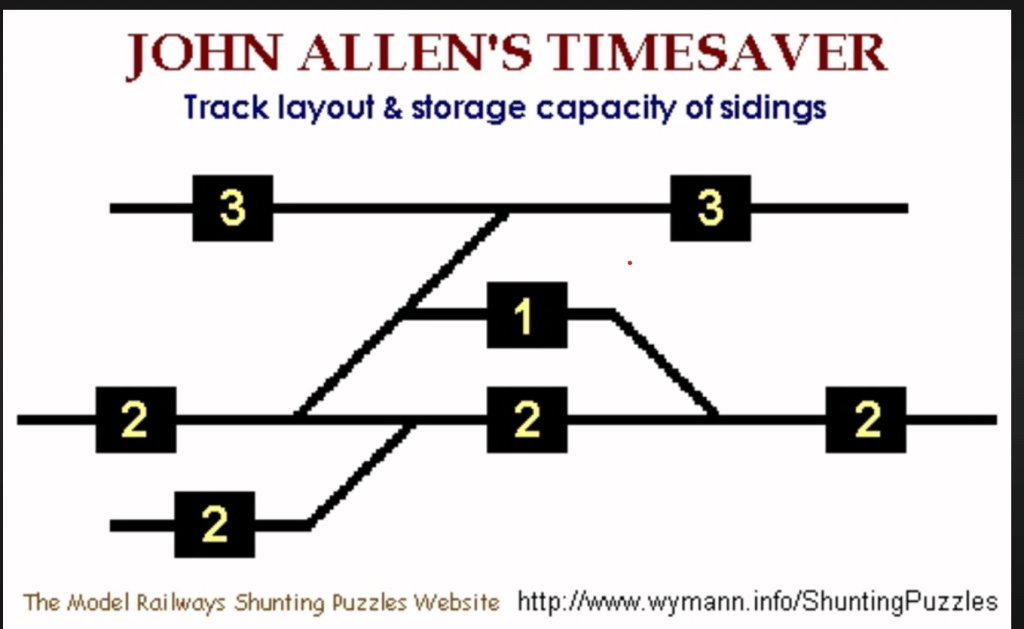
  • Use Switching Puzzles: Popular puzzles like Timesaver or Inglenook Sidings can help beginners practice switching techniques in a structured way6.
  • Patience and Practice: Switching can be complex and sometimes frustrating, but it is also very rewarding as you master the skills of organizing trains efficiently8.

Conclusion

A switching layout is an excellent introduction to model railroading for beginners who want more than just running trains around a loop. It combines operational realism, strategic thinking, and hands-on fun. By starting small and focusing on the basics of sorting and organizing cars, you can develop a deeper appreciation for the art and logistics of railroading.

Once you start switching, your layout will provide hours of pleasure and a rich understanding of how real railways work behind the scenes8. Enjoy the challenge and the satisfaction of creating order from the complexity of rail traffic!

This introduction is designed to spark interest and provide a clear understanding of what switching layouts are and why they are a rewarding choice for beginner model railroaders.

  1. https://www.youtube.com/watch?v=ZDqQxj4zPUc
  2. http://www.wymann.info/ShuntingPuzzles/small-layouts.html
  3. https://www.youtube.com/watch?v=awbeVHaZL3U
  4. https://www.reddit.com/r/modeltrains/comments/1ccpwqc/what_do_you_think_about_my_shunting_layout_plan/
  5. https://ercim-news.ercim.eu/en68/special/railyard-shunting-a-challenge-for-combinatorial-optimisation
  6. https://en.wikipedia.org/wiki/Model_railroad_layout
  7. https://www.dbcargo.com/rail-de-en/logistics-news/abc-rail-freight-transport-techniques-12984250
  8. https://www.modelrailforum.com/threads/beginners-guide-shunting.21933/
  9. https://homepages.cwi.nl/~lex/files/PlanningOfShuntTracks.pdf
  10. https://www.youtube.com/watch?v=2Q1O25XoHaE
  11. https://www.trainshop.co.uk/blog/post/1400-shunting-yards-designing-a-track-plan-for-realistic-operations.html

Exploring the June 2025 Night Sky: A Family-Friendly Guide for All Astronomers.

As summer begins in the Northern Hemisphere, June 2025 promises a dazzling array of celestial events, from bright planets and constellations to subtle meteor showers and rare planetary encounters. Whether you’re a beginner eager to spot your first star or an advanced astronomer seeking deep-sky targets, there’s something magical to discover every night. This guide will help you make the most of the June night sky, with tips and highlights for every level of experience.


Planets: Bright Guests in the Night Sky

Mercury and Jupiter—A Rare Evening Encounter

Early June brings a special treat: Mercury and Jupiter appear close together in the western sky just after sunset. On June 6, Mercury, shining at magnitude –1.5, stands about 3.7° west of Jupiter, which glows at magnitude –1.9. Both planets are visible low on the horizon about 30 minutes after sunset, but your window for observation is brief—they set within 25 minutes. For the best view, use binoculars and choose a spot with a clear western horizon. By June 8, Mercury and Jupiter are at their closest, with Mercury just 2° north of Jupiter. As the month progresses, Mercury’s disk grows from a tiny 5″ to a fatter 8″ crescent, making it an interesting target for telescopes134.

Venus—The Morning Star

June kicks off with Venus at its greatest western elongation on June 1, making it a brilliant “morning star.” Look for Venus in the eastern sky about an hour before sunrise. No telescope is needed—Venus is the third-brightest object in the night sky after the Sun and Moon. Its silvery glow is unmistakable, and it’s perfect for early risers and families wanting a gentle introduction to planet spotting43.

Mars—Leo’s Red Guest

Mars spends the month in the constellation Leo, visible in the western sky after sunset. On June 1, a waxing crescent Moon joins Mars, just 8° apart. Mars glows with a warm orange hue, making it easy to spot. By June 16, Mars has a close encounter with Regulus, Leo’s brightest star, standing just 48′ (less than a full degree) north of it. This pairing offers a beautiful color contrast—Mars’s orange against Regulus’s bluish-white. On June 29, the Moon returns to Leo, passing less than a degree from Mars. By month’s end, look for the galaxy pairing M95 and M96, just northeast of Mars—a treat for telescope users14.

Saturn and Neptune—A Distant Duo

Saturn is visible in the morning sky, rising higher as the month progresses. On June 16, early risers in the Eastern U.S. can catch the shadow of Saturn’s moon Titan transiting the planet’s disk starting at 4:11 a.m. EDT. By June 29, Neptune lies just 1° north of Saturn, making it easier to find with binoculars. Neptune shines at magnitude 7.8, and while its disk is tiny (just 2″ across), it’s a fascinating target for those with a telescope1.


Constellations and Stars: The Backbone of the Night Sky

The Summer Triangle

As darkness falls, look for the Summer Triangle—a giant asterism formed by three bright stars: Vega in Lyra, Deneb in Cygnus, and Altair in Aquila. This trio is visible all night and is a great starting point for beginners to navigate the sky23.

Boötes and Arcturus

Boötes, the Herdsman, is easily found by following the curve of the Big Dipper’s handle to Arcturus, one of the brightest stars in the sky. Arcturus shines with a golden hue and is a favorite among stargazers of all ages2.

Other Notable Constellations

  • Hercules: Home to the famous Hercules Cluster (M13), a globular cluster visible with binoculars or a small telescope.
  • Sagittarius and Scorpius: Rising in the southeast, these constellations are rich in star clusters and nebulae, especially for those with darker skies.
  • Ursa Major and Ursa Minor: The Big and Little Dippers are always visible in the north, helping orient you to the night sky2.
  • Capella in Auriga, Aquarius, Pegasus, Perseus, Andromeda, Capricornus, Cepheus, Ophiuchus, Cassiopeia, Draco: These constellations are visible at various times and offer a wealth of deep-sky objects for advanced observers2.

Special Celestial Events and Phenomena

June Solstice—The Longest Day

The summer solstice occurs on June 20 at 9:42 p.m. CDT (10:42 p.m. EDT), marking the official start of summer in the Northern Hemisphere. This is the longest day of the year, with up to 15 hours of daylight in some regions. While not a visual event, the solstice is a great time to observe the Sun’s path and reflect on Earth’s journey around it34.

Full Strawberry Moon

The full moon on June 11, known as the Strawberry Moon, rises at 3:45 a.m. and is a beautiful sight for early risers. Its name comes from the strawberry harvest season and is a highlight for families and photographers2.

Arietids Meteor Shower

From June 7 to 10, the Arietids meteor shower peaks. This is one of the strongest daytime meteor showers, but a few meteors can be seen in the early morning hours before sunrise. Look east about 30–60 minutes before dawn for the best chance to spot a meteor4.

Moon and Pleiades

Screenshot

On June 23, the waning crescent Moon meets the Pleiades star cluster in the early morning sky. This delicate pairing is easily visible to the naked eye and makes for a lovely photo opportunity4.

New Moon—Dark Sky Delight

The new moon on June 25 brings some of the darkest skies of the month, ideal for observing faint stars, galaxies, and nebulae. This is the best time for deep-sky observing and astrophotography4.


Tips for Stargazing with the Family

Make It a Family Adventure

Stargazing is a wonderful way to spend time together. Pack a picnic, bring blankets, and let everyone take turns spotting planets, stars, and constellations. Use free apps like Sky Tonight or Stellarium to help identify what you see5.

Start Simple

Begin with the brightest objects—Venus, Jupiter, Mars, and the Summer Triangle. Use the Big Dipper to find Polaris, the North Star, and explore the constellations around it5.

Try a Star Wheel or Star Deck

Download a star wheel or use a “Star Deck” of cards to make learning the constellations fun and interactive for kids. These tools are easy to use and help build confidence in navigating the night sky5.

Observe the Moon’s Phases

Follow the Moon throughout the month. Note how its shape changes and how it moves past different stars and planets. This is a great way to introduce the concept of lunar phases to children5.

Join a Star Party

Look for local astronomy clubs or star parties in your area. These events are family-friendly and often feature telescopes for public use, allowing everyone to see planets, star clusters, and nebulae up close5.


Summary Table: June 2025 Night Sky Highlights

Date/EventWhat to SeeBest Time to ViewEquipment Needed
June 1Venus at greatest elongationBefore sunrise, eastNaked eye
June 6–9Mercury & Jupiter closeAfter sunset, westBinoculars
June 11Full Strawberry MoonEarly morning, eastNaked eye
June 16Mars near RegulusBefore sunrise, eastNaked eye
June 16Titan’s shadow on SaturnEarly morning, eastTelescope
June 20Summer SolsticeAll dayN/A
June 23Moon near PleiadesBefore sunrise, eastNaked eye
June 25New MoonAll nightBinoculars/telescope
June 29Saturn & Neptune closeEarly morning, eastBinoculars/telescope

Educational Activities for All Ages

Star Clocks and Sundials

Build a simple star clock or sundial to learn how ancient people told time using the Sun and stars. These projects are fun, educational, and require minimal materials5.

Astrophotography for Beginners

Try capturing the Moon, planets, or constellations with a smartphone or camera. Use a tripod for stability and experiment with different exposure settings to get the best results45.

Constellation Stories

Learn the myths behind the constellations. Share stories about Hercules, Leo, and the Summer Triangle to make stargazing even more engaging for children5.


Conclusion

June 2025 is packed with celestial wonders for everyone—from the bright planets and the Summer Triangle to meteor showers and the solstice. Whether you’re a beginner or an advanced astronomer, the night sky offers endless opportunities for discovery and learning. Gather your family, head outside, and let the stars inspire you.


References and Further Reading

  1. Astronomy Magazine: June 2025 Sky Guide
    What’s in the sky this month? Titan’s shadow transits Saturn, and Mercury meets with Jupiter in the evening
    https://www.astronomy.com/observing/sky-this-month-june-2025/1
  2. Amateur Astronomers Association: What’s Up in the Sky? June 2025
    Look for Arcturus in Boötes, Capella in Auriga, and the stars of Hercules, Sagittarius, Aquarius, and more
    https://aaa.org/2025/06/01/whats-up-in-the-sky-june-2025/2
  3. Adler Planetarium: Adler Skywatch: June 2025
    When is the summer solstice and how to see the planets Venus, Saturn, Mercury, and Mars this month
    https://www.adlerplanetarium.org/blog/what-to-see-stargazing-tips-june-2025/3
  4. Orbital Today: Stargazing Guide for June 2025
    Best astronomy events of the month, including Venus at greatest elongation, Mercury and Jupiter conjunction, and the Arietids meteor shower
    https://orbitaltoday.com/2025/05/29/stargazing-guide-for-june-2025-best-astronomy-events-of-the-month/4
  5. Sky & Telescope: Family Fun with Sky Watching
    Make stargazing a family activity! Find and view the planets together, or spend an early morning watching a meteor shower
    https://skyandtelescope.org/astronomy-resources/stargazing-basics/family-projects-and-experiments/5

Footnotes

  • Planetary Conjunctions: When two planets appear close together in the sky. Great for photography and naked-eye viewing14.
  • Greatest Elongation: The point when a planet is farthest from the Sun in our sky, making it easier to observe4.
  • Summer Triangle: An asterism of three bright stars (Vega, Deneb, Altair) that helps orient observers in the summer sky23.
  • Meteor Shower: A celestial event where many meteors are seen radiating from one point in the sky4.
  • Solstice: The day when the Sun reaches its highest or lowest point in the sky at noon, marking the start of summer or winter34.

Citations:

  1. https://www.astronomy.com/observing/sky-this-month-june-2025/
  2. https://aaa.org/2025/06/01/whats-up-in-the-sky-june-2025/
  3. https://www.adlerplanetarium.org/blog/what-to-see-stargazing-tips-june-2025/
  4. https://orbitaltoday.com/2025/05/29/stargazing-guide-for-june-2025-best-astronomy-events-of-the-month/
  5. https://skyandtelescope.org/astronomy-resources/stargazing-basics/family-projects-and-experiments/
  6. https://www.irishastronomy.org/kunena/42-celestial-events/102436-june-2025-observing-guide
  7. https://www.photopills.com/articles/astronomical-events-photography-guide
  8. https://www.planetary.org/night-sky/night-sky-what-to-see-this-month
  9. https://www.astronomy.com/observing/june-2025-whats-in-the-southern-hemisphere-sky-this-month/
  10. https://starwalk.space/en/news/night-sky-tonight-june
  11. https://www.nationalgeographic.com/science/article/night-sky-strawberry-moon-june-2025
  12. https://www.timeanddate.com/news/astronomy/night-sky-june-2025
  13. https://earthsky.org/astronomy-essentials/visible-planets-tonight-mars-jupiter-venus-saturn-mercury/
  14. https://universemagazine.com/en/celestial-highlights-of-june-2025/
  15. https://www.hipcamp.com/journal/camping/stargazing-guide-astronomical-calendar/
  16. https://www.almanac.com/night-sky-june
  17. https://www.youtube.com/watch?v=NZDbKMeUX7Q
  18. https://spacecenter.org/education-programs/explorer-camps/
  19. https://www.greenchildmagazine.com/stargazing-with-kids-101/

A Celestial Smile: The “Smiley Face” in the Night Sky on May 29, 2025.

A 'smiley face' will appear in the night sky on May 29 ...

On the evening of May 29, 2025, skywatchers across the United States and much of the Northern Hemisphere will be treated to a rare and whimsical celestial alignment: a “smiley face” formed by the twin stars Castor and Pollux in the constellation Gemini and a slender crescent Moon.

About 45 minutes after sunset, look toward the western horizon. The bright stars Castor and Pollux—representing the eyes—will be visible about 5 degrees above a thin, waxing crescent Moon, which takes the shape of a lopsided grin. Together, these celestial objects create the illusion of a cheerful face gazing back at you from the heavens145.

The “smiley face” will remain visible for several hours, with the Moon and stars gradually setting as the night progresses. The alignment is best viewed from a location with a clear western view, away from city lights. Binoculars are not required but can enhance the experience, especially for those hoping to spot fainter stars or enjoy the Moon’s delicate crescent in detail.

This delightful event is a reminder of the beauty and playfulness of the night sky, offering a perfect opportunity for families, photographers, and stargazers to enjoy a memorable moment under the stars14.

Citations:

  1. https://www.space.com/stargazing/a-smiley-face-will-appear-in-the-night-sky-on-may-29-heres-how-to-see-it
  2. https://www.reddit.com/r/Stargazing/comments/1k5q6xd/dont_miss_the_smiley_face/
  3. https://www.highpointscientific.com/astronomy-hub/post/night-sky-news/2025-astronomical-calendar
  4. https://www.forbes.com/sites/jamiecartereurope/2025/05/26/see-a-smiley-face-above-as-a-supermoon-strikes-the-night-sky-this-week/
  5. https://www.youtube.com/watch?v=UQOwF6L_7KU
  6. https://earthsky.org/astronomy-essentials/visible-planets-tonight-mars-jupiter-venus-saturn-mercury/
  7. https://www.youtube.com/watch?v=7CNE5gBds5M
  8. https://www.timeanddate.com/moon/phases/@1547028
  9. https://www.instagram.com/reel/DKG1rrpyWbD/
  10. https://lunaf.com/lunar-calendar/2025/05/29/
  11. https://www.refinery29.com/en-us/the-new-moon-in-gemini-2025-horoscope-meaning-effects
  12. https://www.moonomens.com/new-moon-in-gemini-2025/
  13. https://economictimes.com/astrology/horoscope-today-29th-may-2025-daily-astrological-predictions-for-all-zodiac-signs-gemini-aquarius-and-taurus-signs-show-growth-leo-virgo-and-scorpio-may-face-delays/articleshow/121471018.cms
  14. https://mooncalendar.astro-seek.com/moon-phase-day-29-may-2025
  15. https://www.skyatnightmagazine.com/news/smiley-face-moon-venus-saturn-april-2025
  16. https://www.yourtango.com/2025385203/zodiac-signs-financial-success-may-29-2025
  17. https://www.youtube.com/watch?v=BGDfpSfxo5E

Complete Beginner’s Guide to Laying Track for an HO Scale Layout

Building an HO scale model railroad is a fun, creative, and rewarding family project. This guide covers everything a beginner needs to know-from planning and preparing the roadbed to choosing the right track and tools, step-by-step installation, and long-term maintenance. Each section is easy to follow and designed to help you achieve smooth, reliable operation and a realistic look.

1. Planning Your Layout

Start by sketching your track plan on paper or using planning software. This helps you visualize your layout and ensures it fits your available space. Mark the centerlines for your track on your baseboard using a pencil for accurate placement later. A well-thought-out plan saves time and prevents mistakes down the line13.

2. Preparing the Baseboard

A sturdy, flat base is essential for a reliable layout. Use plywood or foam board supported by a simple wooden framework. Make sure the surface is level and strong enough to support your scenery, track, and trains3.

Tools you’ll need:

  • Saw (for cutting wood)
  • Drill and screwdriver
  • Measuring tape and ruler
  • Pencil and set square

3. Understanding HO Scale Track Types

HO scale (1:87.1) is the most popular choice for model railroaders, offering a balance of detail and manageable size1.

Code 100 vs. Code 83 Track

Track TypeDescriptionProsCons
Code 100Taller rail (0.100″)Durable, easy for beginners, compatible with older trainsLess realistic appearance
Code 83Lower, more prototypical rail (0.083″)Realistic look, preferred for modern layoutsSlightly more delicate, not always compatible with vintage models
  • Code 100 is robust and forgiving, making it ideal for beginners.
  • Code 83 offers a more realistic look, perfect for those focused on detail.

Sectional vs. Flex Track

  • Sectional Track: Pre-formed, easy to assemble, ideal for beginners and temporary layouts.
  • Flex Track: Bendable, allows custom curves and more realistic layouts but requires careful cutting and fitting.

Integrated Roadbed Track

Some brands offer track with built-in roadbed (e.g., Bachmann EZ Track), simplifying installation for beginners and families.

4. Choosing and Preparing the Roadbed

The roadbed raises the track, provides sound dampening, and gives a realistic profile.

Roadbed TypeProsCons
FoamLightweight, easy to shape, quiets noiseSlightly more expensive
CorkTraditional, durable, easy to work withCan dry out or crumble over time
Integrated TrackSimplifies installation, portableLess realistic, limited flexibility
  • Foam (e.g., Woodland Scenics) is popular for its ease of use and sound dampening.
  • Cork is a classic, affordable choice.
  • Integrated roadbed track is best for quick setups and portability.

Step-by-Step: Preparing the Roadbed

  1. Mark Your Track Path:
    Use your track plan to draw the centerline on your baseboard.
  2. Cut and Fit the Roadbed:
    For curves, cut slits in the roadbed to help it bend smoothly. Dry-fit the roadbed along the marked centerline.
  3. Secure the Roadbed:
    Apply white glue or double-sided tape to attach the roadbed. Press firmly and use pins or small weights while the glue dries. Ensure it’s level and follows the centerline.
  4. Smooth the Surface:
    Once dry, check for bumps or gaps. Sand any rough edges or uneven spots gently.

5. Essential Tools for Accurate Track Laying

  • Track alignment gauges (for correct rail spacing)
  • Track cutters (for cutting track sections)
  • Needle-nose pliers (for bending rail ends and inserting joiners)
  • Small hammer or rubber mallet (for gently tapping in track nails or pins)
  • Measuring tape or ruler
  • Pencil/marker
  • Straightedge or flexible curve
  • Small level
  • Adhesive (white glue or double-sided tape)
  • Sandpaper or small file

6. Laying the Track: Step-by-Step

  1. Position the Track:
    Lay track sections on the prepared roadbed, aligning with the centerline. Shape flex track as needed.
  2. Connect and Secure:
    Join track sections using rail joiners. Use alignment gauges for correct spacing. Secure track with small nails, pins, or a dab of glue (avoid glue near moving parts).
  3. Test and Adjust:
    Run a piece of rolling stock over the track to check for bumps or misalignments. Adjust before final securing.
  4. (Optional) Ballasting:
    Spread model railroad ballast along the track for realism. Mist with a 50/50 water-glue mix (add a drop of dish soap) to secure, avoiding moving parts.

7. Maintenance and Repair Tips

  • Regular Cleaning:
    Use a soft cloth or track cleaning car to remove dust and dirt. Avoid harsh chemicals.
  • Inspect Joints:
    Check rail joiners and connections for gaps or looseness.
  • Check for Warping:
    Look for any warping or shifting in the roadbed or track, especially after temperature changes.
  • Repair as Needed:
    If a section becomes loose, re-glue or re-nail it. Replace damaged track or roadbed promptly.
  • Wheel and Coupler Checks:
    Make sure rolling stock wheels and couplers are clean and in good condition to prevent derailments.
  • Schedule Maintenance:
    Create a simple checklist to regularly inspect track, roadbed, and rolling stock.

8. Tips for Success

  • Start simple: Use sectional track and foam or cork roadbed for your first layout.
  • Test as you go to catch and fix issues early.
  • Take your time-patience leads to better results.
  • Involve family members in planning and assembly for a fun, shared project.

Suggested Images

  • Step-by-step photos: marking the baseboard, fitting roadbed, laying track, testing with rolling stock.
  • Close-ups of track types (Code 100 vs. Code 83).
  • Examples of foam and cork roadbed installation.

References

  1. Train scale guide – Webflow1
  2. How to Build a Model Railway | Step-by-Step Guide for Beginners & Railfans – YouTube3
  3. Walthers Model Railroading Products5

With these steps, you’ll be on your way to building a smooth-running, reliable HO scale railroad that the whole family can enjoy!

For Model Railroad Supplies check amazon.com

Citations:

  1. https://uploads-ssl.webflow.com/65f0212e0d7ed90e8f284129/681956687209e4ec9278c24d_58250850358.pdf
  2. https://lancemindheim.com/model-railroad-blog/
  3. https://www.youtube.com/watch?v=ZbPkf5B4zXo
  4. https://www.tiktok.com/discover/how-to-put-together-train-tracks
  5. https://www.walthers.com/about-us

Answer from Perplexity: pplx.ai/share

Stargazing Guide: Constellations in the May and June 2025 Night Sky,

As spring turns to summer, the night sky offers a shifting tapestry of constellations and celestial events. May and June 2025 present a rich opportunity for stargazers in the Northern Hemisphere, with classic constellations, planetary visits, and special phenomena like meteor showers and a predicted nova. Here’s your guide to what to look for, when to look, and how to make the most of your nights under the stars.

May 2025: What to See and When

Cancer

  • Best time to view: Early May, after sunset and before midnight, in the western sky.
  • Highlights: Mars passes through Cancer, coming close to the Beehive Cluster (M44), a beautiful open cluster visible with binoculars or a small telescope.
  • Viewing tip: Use binoculars to spot the Beehive Cluster, especially when Mars is nearby for a striking pairing.

Leo

  • Best time to view: All month, high in the southwest after dusk.
  • Highlights: Mars moves into Leo in late May, near the bright star Regulus.
  • Viewing tip: Naked eye is sufficient for the main stars; a telescope will reveal double stars and galaxies like M65 and M66.

Gemini

  • Best time to view: Early evenings in May, low in the western sky.
  • Highlights: The twin stars Castor and Pollux are easy to spot.
  • Viewing tip: Naked eye for the constellation; binoculars for open clusters.

Corona Borealis

  • Best time to view: Late evenings, rising in the east.
  • Highlights: Site of the anticipated T Coronae Borealis nova, expected to flare up and become visible to the naked eye for a few days in May or June.
  • Viewing tip: Use a star chart or astronomy app to pinpoint the constellation and watch for the nova event.

Coma Berenices

  • Best time to view: Evenings in May, high in the east.
  • Highlights: Home to a loose star cluster visible with binoculars.

Ursa Major & Ursa Minor

  • Best time to view: All night, high in the northern sky.
  • Highlights: The Big Dipper (part of Ursa Major) and the Little Dipper (Ursa Minor) are prominent and useful for orientation.
  • Viewing tip: Naked eye; use the Big Dipper’s “pointer” stars to locate Polaris, the North Star.

June 2025: What to See and When

Boötes

  • Best time to view: Evenings and all night, high in the sky.
  • Highlights: Contains Arcturus, one of the brightest stars in the night sky.
  • Viewing tip: Naked eye for the constellation; binoculars for double stars.

Ursa Minor

  • Best time to view: All night, due north.
  • Highlights: Polaris, the North Star, marks the end of the Little Dipper’s handle.
  • Viewing tip: Naked eye; use as a reference point for finding other constellations.

Libra

  • Best time to view: Late evenings, low in the southern sky.
  • Highlights: Appears above the southern horizon for northern observers.
  • Viewing tip: Naked eye for the main stars; telescope for double stars.

Lupus

  • Best time to view: Late June, low in the south.
  • Highlights: Near Libra, contains several deep-sky objects.
  • Viewing tip: Binoculars or telescope required due to low altitude.

Ursa Major

  • Best time to view: All night, northern sky.
  • Highlights: Remains a key landmark for orientation and navigation.

Special Events and Objects (May–June 2025)

  • Mars & the Beehive Cluster (M44): Mars passes close to M44 in early May, creating a beautiful binocular sight.
  • T Coronae Borealis Nova: Predicted to erupt and become visible to the naked eye for a few days in May or June, a rare event not to be missed.
  • Eta Aquariid Meteor Shower: Peaks in early May, best viewed before dawn from a dark location.
  • Comet SWAN: May be visible in early May, near the Pleiades; binoculars recommended.

Best Practices for Stargazing

  • Find a dark site: Get away from city lights for the clearest views.
  • Use the right equipment:
    • Naked eye for major constellations and bright stars.
    • Binoculars for star clusters, bright comets, and special pairings.
    • Telescope for deep-sky objects and detailed planetary views.
  • Check the weather and moon phase: Clear, moonless nights are best.
  • Let your eyes adjust: Wait 20–30 minutes in the dark for optimal night vision.
  • Use star maps or astronomy apps: Tools like Stellarium or SkySafari can help you locate constellations and track events in real time.
  • Best times:
    • May: Start observing after sunset for western constellations; late evening for those rising in the east.
    • June: Wait until at least 11:30 p.m. for the sky to be fully dark, especially at higher latitudes.

References and Footnotes

  1. Stargazing in May 2025: What to See in the Night Sky
  2. Night Sky Guide: May and June 2025
  3. T Coronae Borealis Nova Prediction

Images

May Sky Map
![May 2025 Night Sky Map](https://www.skyatnightmagazine.com/wp-content/uploads/sites/2/2023/04/May-2025-night Map**
![June 2025 Night Sky Map](https://www.skyatnightmagazine.com/wp-content/uploads/sites/2/2023/04/June-2025-night the Beehive Cluster**
![Mars near the Beehive Cluster](https://earthsky.org/upl/2021/06/mars-beehive-cluster-m44-June-2021-e1623151521205.jpg sky maps and event timings are based on Northern Hemisphere mid-latitude observations.

  • For southern observers, some constellations may appear lower or higher in the sky or at different times.
  • The timing of the T Coronae Borealis nova is a prediction and may vary by days or weeks.

Enjoy your nights under the stars, and don’t forget to look up-you never know what wonders you might see!