How To Brew Wine At Home

Ever wonder how to brew wine at home? What do I need? How much will it cost? Is it legal? Well keep reading, I am about to tell you all you need to know to get started on making your wine from home.

First you need a wine making kit. These kits, to a lot of peoples surprise, are not that expensive. A 5 or 6 gallon kit will cost between $100 and $200. A one gallon kit will run about $30. Your equipment will cost $70 to $170. The equipment kit is a one time purchase. That comes out to about 2.50$ a bottle. This will very on the type of wine, your first batch will be slightly higher. After that the cost will drop. I strongly suggest that the first batch be a one gallon variety.

You don’t need a winepress. Wineries use these winepresses to extract every last drop of juice from the fruit. Not for quality reasons. At $1 to $2 a bottle for home wine makers, the last drop of juice is not important.
Making wine at home is legal. A household of 2 adults can make up to 200 gallons of wine a year. And a household of 1 adult can make 100 gallons a year. You will need to check with your local authorities if you intend to sell or distibrut your wine.

The most important thing you need to have is good recipes and clear instruction on how to use them. This is where alot of wine makers fail. The recipes might be good but the instruction part is to vague. There are some additives that need to be added wheter listed or not. And some wine need to be shaken every 48 hours and some don’t.

You will also need to determine how sweet you like your wine. This is done with a hydrometer. Wich comes with the wine making kit. A reading of 1020 on the hydrometer means it is a sweet wine, 1010 is medieum and 990 is very dry.

Wine making at home is not hard as long as you have the right equipment, a basic kit works fine, and some good recipes and instruction. The kits come with all you will need.

Read the how to brew and watch the videos to learn more.

Try something new

How to make wine at home. A Great lesson. CLICK HERE

Small Batch wine Kits to try. Learning is Fun. CLICK HERE

ONE GALLON WINE KITS

The Total Wine System

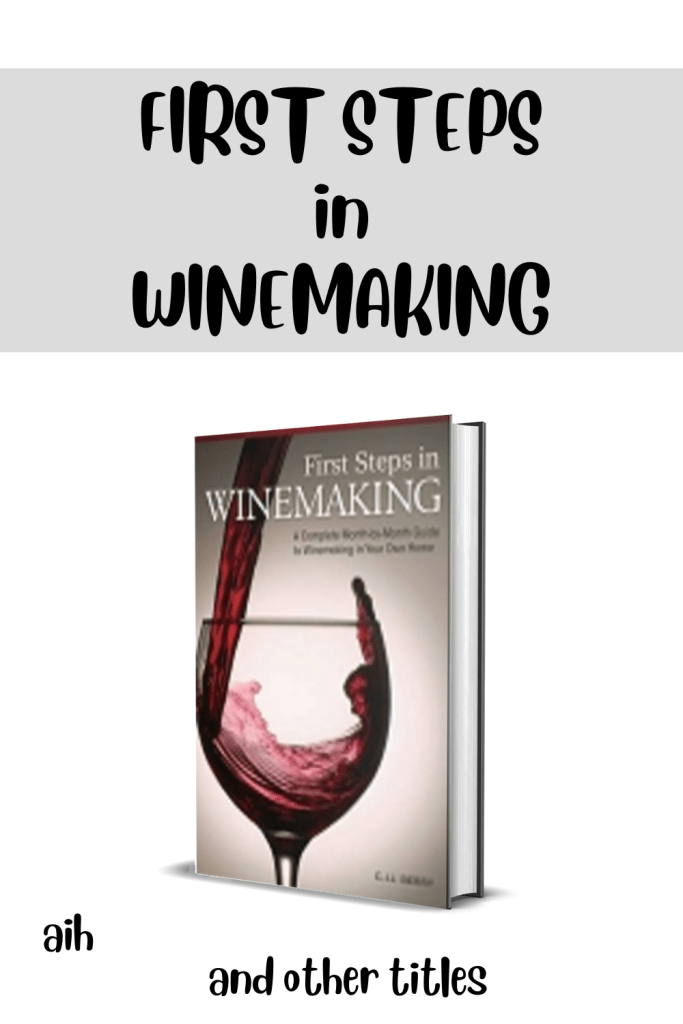
Home Winemaking: The Simple Way to Make Delicious Wine

Photography 101

So you want to jump into the expanding whirlwind of photographers? Here are some helpful notes to get you setup for a good first photo shoot.

Equipment
You probably have this notion that you should look like one of those photographers you see in the movies or paparazzi groups you see in the news when you think about what equipment to get. To your relief, all you really need to have is a camera that is portable and has good color reception, or in other words, will capture the colors for you. There are, at this time, a lot of options in the market that you no longer have to settle with a point-and-shoot camera. You can now acquire a DSLR for half the price than it used to sell for. For a starting photographer, I suggest that you get a DSLR as this type of camera would allow you to set manual controls and afford you to tinker with other settings that can widen your photographing range otherwise unavailable in a point-and-shoot. Most popular ones are Canon, Nikon and Olympus. These are the three names I trust. However, if we’re talking about options and flexibility, I’d go for a Canon since, not only do they have a lot of available lenses for DSLRs, but their cameras are more compatible with the other brand lenses too.

Manual Controls
You will notice that there a bunch of settings available in a camera. If you check your camera’s manual, you’ll find that there are programmed settings for you to easily choose from. There’s landscape, portrait, sport and macro. These settings are just preset or programmed combinations of the two items I refer to as Manual Controls. Hence, let me introduce you to aperture and shutterspeed. Aperture is a range of numbers and so is shutterspeed. The programmed settings I mentioned earlier are just preset combinations of these two. The portrait setting has a high aperture and low shutterspeed, the landscape setting has the opposite and so on. But for more flexibility, I strongly suggest you use Manual Controls. With this, you can select any aperture or shutterspeed you wish to use for any given picture at any time.

The aperture is the size of the opening of your shutter. To cut the chase short, the smaller the number, the bigger your opening is, thus more light will be rendered on your picture. Shutterspeed almost works in the same way. The smaller the number, the longer your shutter will be open to absorb light. Shutterspeed deals with time, aperture deals with the diameter. Given this, aperture of 2.8 and shutterspeed of 10 will render a very bright picture. Whereas an aperture of 9 and a shutterspeed of 1000 will render a rather dark picture. It’s up to you how to mix these two to come up with the perfect combination to capture your picture. This knowledge will enable you to take pictures even in situations when your programmed controls can no longer manage it.

Framing and Composition
Everybody can tell if a picture is nice or not after looking at it. But how can you tell if something will make a nice picture or not? This is the challenge you, as a photographer, will have to undertake. What might be interesting for others may not be interesting to you, and vice-versa. In this department, since we’re depending on your creativity and your so-called eye for photography, I can only leave you with two things: 1. check your frame: make sure everything is within it and leave as little dead space as you can and 2. check the available light (avoid harsh lighting) and what direction it’s coming from. Light pouring towards you will render your subject black and light pouring profusely from behind you will render your subject too bright. Check your frame if everything in it, really has to be in it. Will it distract the people from your real subject? Is it interesting enough to be in my picture? Should I do a tight shot instead? These are some of the questions you should be asking when examining your frame.

Lenses
When you purchase a camera body, it normally comes with a kit lens. Should it not come with a kit lens, then I suggest you get a kit lens before jumping to the more complex ones. Kit lens cover the normal range of aperture numbers. But then again, I don’t want to delve into this so much as you do not want to be overwhelmed with complexities that come with your lens on top of the complexities of your camera. So just to quickly give you an idea, there are several kinds of lenses. Lenses may differ in their aperture ranges and in the material the lens is made of. There are lenses that are specific to the smaller aperture numbers. There are lenses made of plastic and some of glass. Those made of glass have better color reception than the former.

Post Processing
This area is optional, but most of the mind-blowing pictures I’ve seen lately have been to some extent, post processed. Post processing involves some degree of enhancement using any one of the graphic design software. A very popular one is Adobe Photoshop. It wouldn’t hurt if you tried learning the basic enhancement techniques, not to manipulate your image altogether, but rather just to clean up your image, enhance colors and sharpen your subject. This will also prove to be helpful when you send your photos to an online printing company and see the final results.

Photography is a very technical subject at the same time highly customizable. Each photographer has his or her own style that they incorporate into their photos. The equipment can only do so much. But it still depends on you and how you want other people to see a commonplace object or perspective. So as a closing remark to beginning photographers, let me finish off with a phrase I used to take with me whenever I go shooting, remember: safety in numbers.

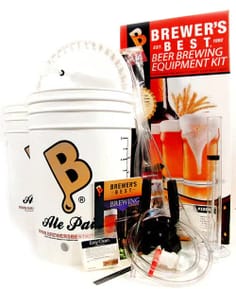
What is in a beer making kit?

You can get all the things that you are going to need in a beer making kit. If you are new or an experienced beer maker, you will find that you can create your own great tasting beer with a little knowledge and a great beer making kit. There is no other way of getting what you want and finding a fun new hobby.

Many simple beer kits are sold today. You can find many of the great brewing kits online or in the beer and liquor stores in your area. There are beer-making kits that will come with complete instructions to make it easier on the beer maker. They will also have the ingredients and the best beer recipe that will make any new beginner create the best beer that they can.

There are many books and other reading material that you can buy to give you the information that is necessary to get down to business. You can get all the facts that will get you ready for making the best tasting beer that you can. These books can guide you through the process and all the different kinds of recipes that you can try for your taste buds.

There are also deluxe beers making kits that are available too. These kits will have everything and more that you will need to get your beer making going. They will have the ingredients and some of the equipment that you will need to get started. You will get your sanitizer and some of the malts that you will need to get your beer making started. With some of the beer kits, the only thing that you will need is a stainless steel pot to do all the brewing in.

These brew kits will make great gifts for anyone that needs to have a hobby. These kits will be the very thing that they need to do this great hobby and get started learning about beer making. Most of the people will enjoy having these kits and trying their hand at making great tasting beer and doing something that they have always wanted to do.

It is a good idea to read and know all of the instructions that are included in the books. You can learn a lot and this is a great way to get all the information that you need first before you start on the process. This way, you will have a better idea of where and how to start your brewing at home.

Below you will find a listing for Beginning Homebrew Kit containing the equipment needed, also there are several recipe kits available. What is your favorite beer? If you see it or one similar make note. Read the product description and the questions and answers also watch the video. See how easy a beer kit an be. Try one, enjoy the results of your efforts. Start your new hobby and share it with family and friends. You never know your beer could be in great demand. Once you have the equipment kit the recipes are endless. Make several types for poker night or the game party.

Astronomy Binoculars A Great Alternative

It seems from the moment you begin to take your love of astronomy seriously, the thing that is on your mind is what kind of telescope will you get. And there is no question, investing in a good telescope can really enhance your enjoyment of your new passion in astronomy. But don’t be too hasty to keep up with the big wigs in the astronomy clubs that have advanced telescopes. There is another alternative that can give you most of the advantages of a telescope and some extra flexibility and reduced cost to boot.

That alternative is a good pair of astronomy binoculars. Mostly we think of binoculars as the thing you use to see the football game when you have to sit in the cheap seats. But if you do some homework and had a good grasp on what your stargazing objectives are, the advantages of astronomy binoculars over an entry level telescope can be pretty convincing.

Stephen James O’Meara’s Observing the Night Sky with Binoculars: A Simple Guide to the Heavens 

* As a rule, they are cheaper. So you can get a lot of good stargazing at much less of an investment. You can always spend more money later but for now, this may be just the solution for you.

* There are not so many accessories. To own and operate a telescope takes a lot of orientation to how to set up and use the device. Beyond that, tuning it for optimum view and diagnosing it when you have problems can sometimes make the telescope more of the passion than stargazing itself.

* It is much easier to use. If you have not bought a telescope yet, you may have seen telescope owners going through a laborious set up and break down discipline for each use. This is time they are not looking at the stars. The binocular users are happily stargazing as this goes on.

* Binoculars are lightweight and portable. Unless you have the luxury to set up and operate an observatory from your deck, you are probably going to travel to perform your viewings. Binoculars go with you much easier and they are more lightweight to carry to the country and use while you are there than a cumbersome telescope set up kit.

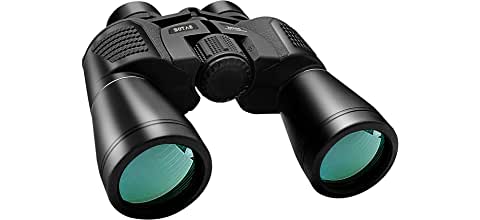
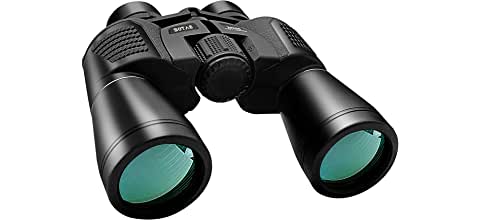
Professional High Powered Binoculars】Binoculars with 20X high power magnification and 50mm objective lens, provides wider field of view at 1000 yards

So give the binocular option some consideration. To make the most effective choice, however, here are a few facts about astronomy binoculars that will help you evaluate which ones are best for you…

Binoculars have two lens sets, one at the end of the eyepiece and a set right next to your eyes. The ones closest to the eye are called the ocular lenses which magnify the image (make it bigger). The ones closest to the sky are called the objective lenses and the size of these lenses will determine how much sky you can see at once. So anytime you are evaluating binoculars, there are two numbers associated with the set. So if the binoculars have a rating of 15-40, that means that the ocular lenses magnify 15 times and the later number is a relative number to how much of the sky you can see. The higher the second number, the more you can see. The explanation is simple. The bigger the lens, the more light it lets in. But be aware that the bigger the second number, the larger, heavier and more cumbersome the binoculars will be.

You will have to balance these two numbers with both your budget and what you want the binoculars to do for you. If you decide to go with a lower power binoculars, you could become frustrated with what you can see and you may have to take your eyes away from the view to get your orientation and consult the star map more often because your range of vision is so limited.

There will also be a temptation to buy a set of binoculars that have zoom functions and other features that will allow you to use it for other purposes such as hunting, whale watching or seeing the football game from the cheap seats. While this is good economy, those functions will get in the way when you are using the binoculars for astronomy. So if you are considering this purchase as your alternative to buying a telescope, our advice is buy binoculars made just for astronomy and don’t take them to the ball game.

Things to know about making wine

Some people will want to try their luck at making wine at home. This is a fun idea and one that needs to have a great deal of thought first. Wine making is the next step for anyone that has already tried their hand at brewing their own beer. If they have tried this, they can make wine and good tasting wine at that.

Not everyone is going to be able to make perfect wine the first time. They are going to have to take their time to perfect their recipe and figure out what they are going to need to make the right wine and make sure that it tastes great.

Being clean is critical when you are making wine. You will find that if you keep work area and equipment always clean, you will avoid many problems in the wine making process. You do not want to have unwanted bacteria in your wine solution.

Patience is another must that you have to have. You have to make sure that you are aware that you are going to be working at this for a while. You may be great it the first time or you may find that you need to have more practice. You will also have a hard time waiting to taste your creation. However, you have to let the wine sit for the recommended amount of time so that it can ferment over time.

The actual art of making wine has been around for a long time. The recipes and the styles of wine have changed but the process is just about the same that it always has been. You may find that the recipes have different ingredients, temperatures, yeast, and fruits. This makes no difference. All that really matters is that you are making your own naturally tasting wine. Even if you fail, you will at least have given it the chance. You may succeed or you may fail, but either way you will have enjoyed the experience.

You can find all the information and basics of wine making online and in other literature. You can get everything that you will need to know out of these books. This is how you are going to be able have the know how when it comes to making your own great tasting wine. Once you know what supplies you need and you have the right equipment and state of mind, you can then begin your own wine making experience.

One place you might start is with this article” How to make wine at home. A Great lesson”. CLICK HERE

Try something new

How to make wine at home. A Great lesson. CLICK HERE

Small Batch wine Kits to try. Learning is Fun. CLICK HERE

ONE GALLON WINE KITS

The Total Wine System

BOOKS

WINE MAKING BOOKS

ADVENTURES in HOMEBREWING BLOG

WINE MAKING KITS

Looking Before You Leap into Home Brewing

Whenever you start a major new hobby, its best to take a few minutes and think about what you are getting into. A lot of new hobbies require a significant investment of time and money. This is certainly true of golf, skydiving, scuba and home brewing. So along with a plan on how to get started, its good to have a good plan for getting ready to plunge into home brewing full scale. If you have a road map for “checking it out”, you can determine if home brewing will fit into your lifestyle and your budget.


“Looking before you leap” means that you find out what it means to be involved in the hobby or sport as a full time member of that hobby community. When it comes to home brewing, that will only happen when you too can make your own beer at home. And when that time finally gets here and you can play with the recipes and make the taste of your own beer very unique, that will be an exciting moment for you. But a mature approach to this very adult hobby means checking it out and knowing the investment of time, money and space in the home before you spend your first dollar to get set up as a home brewer.


An easy and fun way to ease into the hobby of home brewing that doesn’t cost a cent is to begin to network with those who are already well into their passion for making beer. You can find forums online to use to learn more about getting started. And there are almost certainly a number of home brewing societies and clubs in town that you can find out about online or through your local retail brewing supply store. These social connections will be people who are very much “evangelists” for home brewing because they know the fun of it. So you will get plenty of chances to sit in with a new friend to step through the brewing process and not only learn what equipment you will need but how it is used as you get training from an “old pro” in home beer making.


Once you have gotten some basic training the free route through home brewing gurus, the time will come when you are ready to consider buying your own equipment and taking a stab at it yourself. But you have already witnessed that home brewing is a big event in the house filling up the kitchen, the refrigerator, making a mess sometimes and requiring places to store, refrigerate and ferment the beer in the various stages from ingredients to finished product.
So it is important that the hobby of home brewing not just be your solitary passion but if at all possible you get the family into the act. If they can attend meetings at the home brewing club or go to competitions or other events that are all about home brewing, they can catch the same enthusiasm you have. That enthusiasm will be very important particularly in your significant other because each brewing session will be a major event in the house involving the kitchen with lots of pans and bottles and equipment. So having your wife or husband fully onboard with the process and even working on it together makes the fun of home brewing even more fulfilling.


Another area of looking before you leap is to plan out not only how you will use all of the equipment you will buy but how you will handle issues of storage. It’s a very pragmatic concern but if you bring in this arsenal of beer making equipment. Between batches it is going to have to be somewhere. And while you will enjoy that equipment a great deal, you don’t want it to dominate the home.


By getting a feel for the equipment when you are preparing to start your home brewing hobby, you can prepare a storage space for the equipment when it is not in use. Think ahead about storage for the fermentation phase of brewing as well as storing up to five gallons of beer per finished batch. But by thinking ahead, when you become a very active home brewer, you will have your family and facilities all ready for the changes. And that is looking before you leap into the exciting world of making and enjoying your own home made beer.

Below you will find a listing for Beginning Homebrew Kit containing the equipment needed, also there are several recipe kits available. What is your favorite beer? If you see it or one similar make note. Read the product description and the questions and answers also watch the video. See how easy a beer kit an be. Try one, enjoy the results of your efforts. Start your new hobby and share it with family and friends. You never know your beer could be in great demand. Once you have the equipment kit the recipes are endless. Make several types for poker night or the game party.

Moon Fever

A NEW WAY TO VIEW THE MOON

Of all of the celestial bodies that capture our attention and fascination as astronomers, none has a greater influence on life on planet Earth than it’s own satellite, the moon. When you think about it, we regard the moon with such powerful significance that unlike the moons of other planets which we give names, we only refer to our one and only orbiting orb as THE moon. It is not a moon. To us, it is the one and only moon.

The moon works its way into our way of thinking, our feelings about romance, our poetry and literature and even how we feel about our day in day out lives in many cases. It is not only primitive societies that ascribe mood swings, changes in social conduct and changes in weather to the moon. Even today, a full moon can have a powerful effect on these forces which we acknowledge even if we cannot explain them scientifically.

The most obvious physical phenomenon that is directly affected by the gravity of the moon are the tides of the ocean. The tides are an integral part of how maritime life is regulated and the comings and goings of the fishing world in coastal communities. But not very many people know that at certain times of the year when the orbits of the earth bring the sun and moon into right alignment, there can even be tidal effect on inland bodies of water and even on the solid earth. Eons ago, when the moon’s orbit was closer to the Earth, it was the effect of the moon that caused massive changes in the topography of the land and on continental drift as well. This reflects the powerful effect the moon has had on both human history and on global geographical history as well.

The Book of the Moon: A Guide to our Closest Neighbor

You may sometimes wonder where the moon came from. Was it a planet that traveled too close to Earth and was captured in our orbit? Actually, the prevailing theory of modern science is that the moon was the result of a large scale collision with the still developing Earth early in its development which caused this large “chuck” to spin off into an orbiting body. This explains the similarity in composition as has been confirmed by many of the moon exploratory space missions that were conducted by NASA.

But this background also highlights another important influence the moon has had on Earth’s development that is seldom recognized and that is the stabilization of Earth’s orbital pattern. Most know that Earth is not round but more of an egg shaped orb. To be blunt, the Earth would wobble. Without the moon’s stabilizing influence, this shape would shift dramatically so the tilt of the axis, that is the polar caps would shift dramatically with each seasonal rotation producing climacteric, changes much more violent and drastic than we are used to. It is possible that life as we know it could not have developed here had the moon not been there to “keep the Earth in line” and continue to stabilize the orbital position of the Earth so our climate could remain stable and mild.

A third significant influence of the moon comes from that origin as coming from a collision which “ripped” the body of the moon from the developing core of the Earth. Because of this disruption in how the core of our planet developed, the metals that are usually intact in the core of the planet are actually scattered up and down the geography of the earth in diverse ways. Usually the metals of the planet are all concentrated deep in the core. But because of the collision which took the moon out to orbit, metals that have been crucial to the development of our industrial and technological cultures are readily available and easy for use to mine. This again, is something we can thank the presence of that lovely moon in the sky for.

The Best Sights For Astronomy

What are the best sights for astronomy? That’s hard to say. There is so much out there that the determination of what are the best sights for astronomy probably requires you to do some advance study and decide for yourself what you’d like to learn about.

There are a couple of very helpful books that can guide you through a determination of what are the best views for astronomy.

A new beginner or intermediate handbook for stargazers is the “Guide to Astronomy” by Patrick Moore. This accomplished astronomer has concisely gathered reference information on the night sky that details the best views for astronomy. It looks at the moon as well as the various constellations. You’ll find charts, photographs and maps that have been garnered through study with earth bound and space telescopes. The best areas for astronomy are laid out in this book as well as some guidance on how you’re going to take a look at the best views for astronomy yourself.

Patrick Moore’s Pocket Guide to the Stars and Planets

Here you’ll find guidance on what telescope to buy, how to set up an observatory for yourself as home and how to become a good amateur astronomer. Details about the perfect sights for astronomy include information on the moon, our sun, the various planets, the debris found in the solar system, a myriad number of stars, the various galaxies we know about, the constellations, and comets, asteroids, meteors and eclipses that humans have noted and photographed in the past.

The best sights for astronomy have been highlighted in the book, including important features in the moon and the stars we’ve studied extensively.

Discover Model Trains

Model train manufacturers have done a great job of recreating life size trains as realistic models. And theyve been doing it since the late 19th century when electric model trains first appeared. Take a moment to discover the magic of model trains.

Germany is where it all began when Marklin introduced their full line of model trains back in 1891. Their first trains were based on earlier toy models and were available in three scales. They were made from tin and were very crude, but they were a great success.

Then, in 1901, Joshua Cowen entered the market with Lionel trains. Lionel would soon come to dominate the model train market in America.

Of course there were other companies that came on board with their own lines of model trains. Ives, American Flyer, and Marx all introduced model trains.

Because model trains are so interactive they are a great choice for children and adults. Even the youngest children can enjoy them. Its not uncommon for adults to recall their first train when talking about their fondest childhood memories.

Lionel was quick to recognize the importance of starting train collectors at a young age and thats why theyve got wooden train sets for ages 4 to 6. By the age of 8, kids are ready to be introduced to S scale, G scale, and the ever popular HO scale electric trains. And the hobby continues into adult life. Of course expanding on your model trains is just a matter of time, money, creativity, and space.

There are several different scales of model trains to choose from to fit your space, budget, and personal preferences. For example, if you are limited by space you can choose one of the smaller scales. Here are some of the most popular scale choices you have.

1. Z Scale is a 1:220 ratio. It is tiny and highly detailed, and is an excellent choice if you have limited space.

2. N Scale is a 1:160 ratio. It is the second smallest scale available and its a great choice for the hobbyist that want to be able to incorporate scenery and longer trains.

3. HO Scale is a 1:87 ratio. It is probably the most popular scale of model train. There is an endless supply of trains, cars, tracks, buildings, and scenery. The detail on HO is good and a fabulous setup can be put together in a reasonable amount of space.

4. S Scale is a 1:64 ratio. It is larger than the HO and is popular among those with plenty of room. It is the scale of American Flyer products.

5. O Scale is a 1:48 ratio. It is a popular choice for young children because they are able to easily handle them. Lionel carries a full line of O scale for the young ones.

6. G Scale is a 1:22.5 ratio. It is the perfect choice for the garden set up. Bachmann, L.G.B, and Aristo-Craft all make G scale trains.

To put together your model train you will need at least one engine along with some train cars. You can decide whether you want passenger cars or freight cars. And of course you will need train track. The type of track and how much track youll need is a personal choice.

Youll also need a transformer to provide the electricity to your train. Then all thats left is the scenery you want. Choose trees, tunnels, people, signals, or a host of other items.

If you are looking for a fun and rewarding hobby, why not discover the magic of model trains?

A Perfect Hobby for that Guy Who Loves Beer

To All,

If the man in your life is thinking of getting into brewing beer because he loves drinking different beers, there are some solid reasons to encourage that enthusiasm. Your first reflex might be that he already has a love of beer and that making his own is going over the top. But in truth, making the move toward home brewing has a lot going for it and it is a very creative and productive approach to the love of fine beers.
There is a difference between a true lover of beer as a fine beverage and the average “beer guzzler”. Beer actually has a rich history and the diversity of flavors, textures and blends of beers is almost as strong as the wine culture which we know is one where real connoisseurs know what a fine wine is. So the move toward making beer identifies with that side of the beer culture that seeks the finest in flavors in beer and seeks to become part of the way very good beer is made rather than just be a consumer.
By encouraging your beer connoisseur to develop this new found passion for beer making, you are emphasizing the noble and creative side of his love of good beer. And the new social connections that novice beer makers find at retail beer brewing stores and local societies devoted to this hobby will help him become educated in the best way to make a truly fine beer at home. Once that home brewing hobby takes off, the passion to make beer becomes more about improving the quality and taste of the beer he makes even more than just drinking a beer that you made yourself. And that is a productive and creative way to approach his passion for beer.
Along with the creative side of beer making, if you start to produce your own beer at home, there are some economic benefits. Like everything else, beer prices are going up. But the costs of making a batch of beer at home are phenomenally low if you break it down to a per glass cost. Now there is equipment to buy up front.
But it’s a myth that getting set up for making beer at home costs an arm and a leg. You don’t have to set up a brewery on the scale you may have seen when you toured the beer factory in St. Louis last summer. There are beer kits that give you all of the basic equipment you will need and you can usually have a home beer production factory going at home for under $200. And when you consider you can make many gallons of great tasting beer with that same set up, that’s a pretty smart investment.
It’s not out of the question that if your beer loving guy develops his abilities as a Brewmeister, you may find a market to sell the beer he makes. There are lots of brew pubs that specialize in quality home made beers. So if he can develop a unique taste and recipe that can be replicated consistently, you may be able to bottle it and sell it at local pubs. If that beer gets some popularity with the local beer drinking popularity, you may be able to make back your investment in equipment and supplies to make beer and even turn a nice profit from a great hobby.
These are all good reasons for you to encourage that fascination with how to make beer at home in your loved one. And if you jump in feet first and become a beer maker yourself, this new hobby can become a family affair and a wonderful way to share the fun together. And who knows, you may even get to be a bit of a beer connoisseur yourself!

Below you will find a listing for Beginning Homebrew Kit containing the equipment needed, also there are several recipe kits available. What is your favorite beer? If you see it or one similar make note. Read the product description and the questions and answers also watch the video. See how easy a beer kit an be. Try one, enjoy the results of your efforts. Start your new hobby and share it with family and friends. You never know your beer could be in great demand. Once you have the equipment kit the recipes are endless. Make several types for poker night or the game party.