Tips For Getting Started In Astronomy

When you are thinking about astronomy, the first thing that comes to mind is a telescope. This misconception is found every day. Actually, the first thing you need to do is look at the stars with a pair of binoculars. You cam spend hundreds of dollars on a telescope that might not be the right one. One thing that star glazers will tell you is that some of the lunar eclipses and bright comets look better with binoculars than with a high-powered telescope.

Celestron 70mm Travel Scope

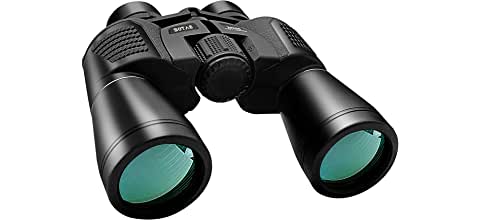
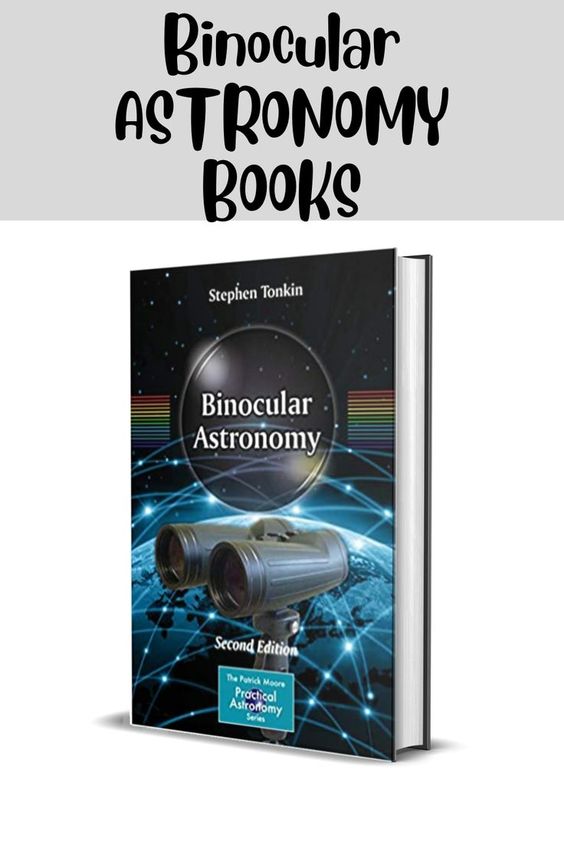
BINOCULARS for ASTRONOMY

You need to look around the sky with a star map and learn about the stars and other objects in space before you jump in and buy a telescope. Sometimes what you see through a telescope will be ugly, where as through the binoculars, it is a beautiful focused site to see. Once you learn about the stars themselves, you will have a better understanding of what you are looking at and how far away it really is.

Guide to the Stars

After you learn about the sky above you are ready to look for a telescope. Before rushing out and buying a telescope, you should find some astronomers who will share their experiences and maybe even their telescopes with a group. Trying out a telescope before you buy it is something that will help you decide on what telescope will be best for you.

Some things to consider are what you plan to do with the telescope, how much you have to spend and are you going to take photographs of your sightings. If you are a causal backyard astronomer, you might even look at the Dobsonian telescopes. Never worry about power, but be more concerned about aperture and optics. If you will be viewing planets, you will need a telescope with high magnification. You would not want to buy a telescope with 600 power, as it will not have the aperture needed.

Most professional astronomers use a reflector type of telescope. This is where the light path is diverted to the concave lens or eyepiece. With the refractor telescopes, the light passes through the telescope by way of a lens to the eyepiece. In some of the opinions from astronomers, the refractor is the best type of telescope for looking at the solar system. However, reflectors are cheaper than the refractors. Reflector telescopes are recommended for beginning astronomers.

Celestron – AstroMaster 130EQ Newtonian Telescope – Reflector Telescope for Beginners

You will find areas with complete darkness are the best, but city viewing is fine if you have very little light to distract your viewing. Keep in mind that planet viewing is spectacular. You can see the ring around Saturn as well as view Venus. Jupiter, which changes every time you view it, is an amazing planet to keep an eye on.

You will want to have a star map, planet map and keep an eye on the news to find out when any interesting things are appearing in the solar system. Experience the sighting of a comet or meter shower, you will find that astronomy is a great way to spend the evening by yourself or with friends.

The Science Of Astronomy Really Is Fascinating

Galaxies, the cosmos, astrophysics, observatories, telescopes: How do we possibly comprehend the reality that the universe is beyond measure, infinite, and endlessly mesmerizing?

We can’t; that’s why astronomy remains so completely fascinating. It’s the things in life we do not understand that most often draw our interest; that’s simply a natural human impulse — to be curious, to wonder and to want to be in awe of something far beyond and outside ourselves.

We know that stars, like everything else, live and die and that there are scientifically “correct” patterns in the remote sky that both perplex and bewitch us. If astronomy fascinates, it is because there exists in everyone a profound empathy with a world that is inaccessible in its complexity. Who among us has not felt, even fleetingly, spellbound by the immensity of this cosmos, this universe?

Modern observatories regularly function as educational centers, providing this feeling of entrancement by presenting the wonder of the cosmos directly to the audience, short-circuiting the intellect for an hour or so and uncovering the wonder at the magic of theuniverse; promoting a sensory, visceral feeling for the human condition and its place in the great book of the cosmos.

Astronomy, the science of stars, planets, galaxies, and black holes, is the oldest science, yet it is the most intriguing because the study of the universe will help answer the most important questions human beings can ask, such as:

How did the universe begin?

What is the structure of the universe?

How will the universe change in the future?

How do the planet Earth and its inhabitants fit into the larger universe of space and time?

Though we may never know the answers to these kinds of questions in our lifetime, we’re always thankful for those who will follow us, prepared, with a scientific brain, to one day provide answers — and maybe more — to humankind.

It’s difficult to understand our own galaxy, and we’re constantly “adding to it,” or discovering new frontiers and small, more distant planets than those we’re already familiar with. The sun, and the concept of the planets just in our galaxy alone, provoke wonder and all kinds of speculation. It’s food for our brain; it’s one of those applications of learning that so enthrall, it doesn’t seem like we’re “studying” anything. It’s an effortless exercise in the Unknown Sphere of the Universe.

What better way to pass the time, to postulate upon, to have an intellectually stimulating discussion, maybe with people you don’t even know yet?

And what about the theories of particle physics that have been developed in conjunction with the standard Big Bang model to explain the origin, evolution and
present structure of the universe?

What about the origins, evolution, interiors, and energy production of the stars themselves? How are they formed? Why? And we’ve all heard of “interacting galaxies,” but just what, exactly, does it mean? It all sounds like, well, a kind of heaven — a place we know exists, but that we cannot quite see or understand.

Then, there’s Newton’s laws, the concept of work and energy, momentum, gravitation, sound and light waves.

If you haven’t felt a slight thrill yet, it’s eitherbecause you already know about these atmospheric wonders, or you’ve been living under a local rock.

So get out there and Observe the Universe! It’s absolutely spellbinding!

The Benefits Of Wine Kits vs Fresh Grapes

What is the going opinion of making wine with fresh grapes and crushing them, as opposed to using a wine kit? Is one better than the other by default, or would you say either method can produce excellent or horrible results?

What is the going opinion of making wine with fresh grapes and crushing them, as opposed to using a wine kit? Is one better than the other by default, or would you say either method can produce excellent or horrible results?

Phil B. – TN
_____

Hello Phil,

Thanks for bringing up this great question about wine kits vs fresh grapes. It’s a question we get from time to time, so I’ll be more than happy to answer it here…

Whether you are making wine from grapes or making wine from kits the quality of the wine starts with the quality of the grapes. There is an adage in the wine making industry that says:

“You can never make a wine that is
better than the grapes used to make it.”

What this means is that you’ll never make great wine out of poor wine grapes. The quality of the wine always starts with the quality of the grapes.

When making wine from fresh grapes the individual winemaker usually has a limited selection of grapes to choose from. Quality can suffer when dealing in the take-it-or-leave-it type of market that often arises for the home winemaker.

The quality of grapes that you will find in wine kits varies from good to outstanding. It is not in the interest of these kit producers to spend their time preparing and packaging poor wine grapes. It doesn’t make economic sense, so great care is taken to locate and acquire grapes that are above average quality.

This is one of the major advantages to using a wine kit vs fresh grapes. You are able to rely on the wine kit producer’s expertise in selecting quality grapes. So on the whole you’ll be starting with a better quality grape when using a wine kit than when obtaining grapes on your own. Of coarse, there are always exceptions. Living near a grape growing mecca such as Napa can turn this point on its head, but for most home winemakers, this is a consideration that should be given some weight.

We offer an array of different brands of wine kits. As you go up the ladder in price, the finer your selection of grape. How much you spend depends on the level of taste. Some people are completely happy with the On The House wine kits and could not tell a difference even if they did choose a more expensive kit. For others, the On The House simply would not do. How far up the ladder one goes is very much a personal choice.

Unfortunately, quality grapes do not guarantee a stellar wine, it’s just the first requirement necessary to get there. Between the grapes and the wine bottle is a whole host of other factors such as: acidity, alcohol, sweetness, etc.

Making wine from a wine kit alleviates you from these variables. This is because all these factors have already been taken care of for you by the wine kit producers. They balance the acidity, sugar content and many other features such as clarification and oak treatment to match the typical character of the wine you are making. By eliminating as many variables as possible they are helping to insure that you will make a remarkable wine every time. This is a very valuable benefit of using wine kits vs fresh grapes – especially for the beginner.

Now having said this, I understand completely that we are talking about a hobby, and for some, part of the hobby is the passion that goes into the picking, the crushing, the pressing, and so forth. I get that. And if this is you, I completely support your efforts to make wine from the dirt to the wine bottle. I’m just trying to bring total objectivity to the consideration of using wine kits vs fresh grapes.

Shop Wine Making Kits

So while both wine kits and fresh grapes holds their own rewards, by starting with a wine you are virtually eliminating any chance of producing a bad wine. Add to that the incredible selection that is now available to the home winemaker and it starts to become apparent that a wine kit is the way to go for the beginner.

I hope this covers all your questions and curiosities about wine kits vs fresh grapes. Please realize that regardless of which path you decide to take, we will be more than happy to help you in any way you need.

Best Wishes,
Ed Kraus
—–
Ed Kraus is a 3rd generation home brewer/winemaker and has been an owner of E. C. Kraus since 1999. He has been helping individuals make better wine and beer for over 25 years.

From ADVENTURES IN HOMEBREWING

Below you will find listings for Small Batch Wine Kits and One Gallon Wine Kits, there are several wines listed. What is your favorite wine? If you see it or one similar make note, Read the article How to Make Wine at Home, watch the videos read the article, and see how easy a wine kit can be. Try one, enjoy the results of your efforts. Start your new hobby and share it with family and friends. You never know your wine could be in great demand.

Try something new

How to make wine at home. A Great lesson. CLICK HERE

Small Batch wine Kits to try. Learning is Fun. CLICK HERE

ONE GALLON WINE KITS

The Total Wine System

Home Winemaking: The Simple Way to Make Delicious Wine

5 Beer Recipe Kits Perfect For Beginners

Homebrewing is not especially difficult… at least it doesn’t have to be. For the beginning homebrewer, extract beer recipe kits are the easiest way to get into the hobby, requiring the least amount of time and energy and still resulting very remarkable beer.
As an absolute beginner, try to focus on the most important steps (like cleaning and sanitation) and just try to get the process down. As you continue to brew, you’ll have plenty of opportunities to try new and exciting brewing methods.
To get you started on that first batch, here are five excellent, easy-to-brew beer recipe kits:

  1. Munton’s Connoisseur Kit: India Pale Al
    IPAs are one of most popular styles of craft beer today, delighting hop heads from coast to coast. With this beer recipe kit, the hoppy bitterness is already present in the malt extract, so there is no need for a 60-minute boil with multiple hop additions. Add 2.2 pounds of dried malt extract to make a full 5-6 gallons of beer. Yeast packet included.
  2. Steam Freak: “Steam Stoker” American Stout
    Stouts, with their robust, roasted flavor, are very forgiving for the beginning homebrewer. Steeped specialty grains offer flavors of caramel, chocolate, and coffee, supported by bitterness and spicy, floral hop flavor from Nugget and Willamette hops. Steam Freak beer recipe kits include caps, priming sugar, yeast, and complete instructions to guide you through the brewing process.
  3. Munton’s Connoisseur Kit: Nut Brown Ale
    Many brewers start with a brown ale. It’s the perfect middle of the road beer to break into brewing. The Nut Brown Ale is a malt-forward, English-style beer with a subtle nutty flavor. Just like the IPA above, this one is super-easy to brew.
  4. Brewer’s Best: American Pale Wheat
    This beer recipe kit is as easy to make as it is easy-drinking. It produces a remarkable wheat beer with a beautiful light-copper cooler. It’s moderately hoppy from a combination of Cluster and Liberty hops, with an enjoyable, crisp finish.
  5. Steam Freak: Samuel Smith Taddy Porter Clone
    This beer recipe kit replicates the popular Samuel Smith brand of robust porter. Steep the specialty grains for improved body and flavor, then mix in the dark liquid malt extract. English hops (included in the kit) are boiled to provide bitterness, flavor, and aroma as characteristic for the style.

Looking for a beginner homebrewing equipment kit? Our Steam Freak Beermaking Starter Kit has everything you need. This starter kit is the ultimate way to start brewing.
—–
David Ackley is a beer writer, brewer, and self-described “craft beer crusader.” He holds a General Certificate in Brewing from the Institute of Brewing and Distilling and is founder and editor of the Local Beer Blog.

Finding The Right Photography Book

Looking through the lens and taking a picture is just one of the things people need to know about photography. This is because there are other things an aspiring photographer needs to know to be among the best in the field.

Aside from taking classes that may be expensive, the best resource is still from books. There have been many written for first timers as well as professionals. These focus on shots in different settings from portraits, to nature and a lot more.

Regardless of the location, here are some of the things hobbyists will find in most photography books.

1. The most important thing to taking a picture is having a good background. Many use a wall but the most important thing to remember is never to use one that is either black or plain white since this will not look good when the picture is developed.

2. The photographer should avoid taking pictures with anything metallic or shiny in the background since this could affect the overall impact of the shot.

3. The person or subject to be taken should be a few feet from the background to minimize shadows caused by artificial or natural light. This also increases depth, which is good for the picture.

4. Lighting can be controlled if this is done in a studio. It is advisable to use a flash meter to achieve the right settings. Outdoors, some lamps can be used to adjust the brightness coming from the sun.

5. The camera should always be a at the right distance. Some people are not able to stay in one position for a period of time so using a tripod can prevent blurs and hazy images. The position of the sun is also important. It must not be in front of the camera since the picture will not appear.

6. Some shots are done with the image moving. The shutter speed and aperture should be adjusted so that the pictures are not a blur when these come out.

7. Another good way to take a picture is when it is candid. It is one of those spontaneous shots that simply captures the emotion of the moment.

Photography is different for everybody. Some people find it rewarding while others find it difficult and becomes frustrating. The contents in books are theoretical and should be put into practice.

After all, it is only in practice that such a skill can be developed so others can respect the time and hard work put into this practice.

Homebrewing Kit Buyer’s Guide

Buy Propane Burners

Getting started in homebrewing should not be intimidating. E. C. Kraus makes the initial leap much easier by including nearly everything you need for your first batch in one homebrewing kit.
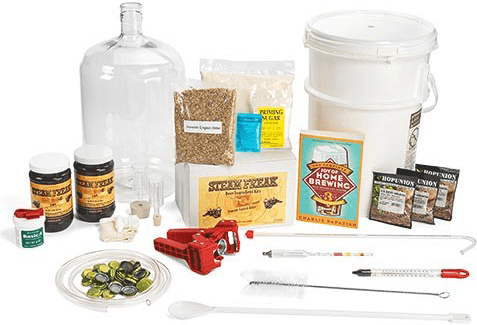
Our Steam Freak Beermaking Starter

 includes:

  • Complete Joy of Homebrewing – This book is the original homebrewer’s guidebook. It will guide you through your first few batches and well beyond into your homebrewing career.
  • 6 Gallon Screw-Top Fermenter – This is what the beer ferments in for a week or so before moving to the secondary fermentation carboy. The fermenter comes with an airlock, stopper, and faucet. It can also be used as a bottling bucket.
  • 5 Gallon Plastic Carboy – After about ten days in primary fermentation, the beer is moved to the carboy for further conditioning and flavor development. The carboy also comes with an airlock, stopper, and faucet.
  • Triple Scale Hydrometer – This tool is used to measure the gravity of your homebrew, and those measurements are used to determine alcohol content. Learn more about working with your hydrometer in this blog post.
  • 21″ Curved Racking Cane – The racking cane, along with a section of vinyl hose, helps you transfer, or rack, the beer from one fermenter to another.
  • 6′ Length of 3/8″ Vinyl Hose – Attach the hose to the racking cane to complete your racking setup.
  • Double Lever Capper – Used to cap bottles.
  • Beer Bottle Brush – Used for cleaning bottles.
  • Racking Cane Clip – This clip secures the racking cane to the bucket to facilitate racking procedures.
  • 8″ Floating Thermometer – A thermometer can be used in the home brewery in a number of ways, in particular, measuring mash temperature.
  • Basic A No Rinse Cleanser – A brewery-grade cleaning agents used to clean all of your homebrewing gear.
  • 24″ Stirring Spoon – Used to stir and aerate the wort before pitching yeast
  • Steam Freak Kit – Unlike other homebrewing starter kits, our kit includes a Steam Freak recipe kit of your choice, including bottle caps. So the tough question is this: What beer style will you make with your first batch?
Shop Carboys

In addition to the Beermaking Starter Kit, you will also need a brew kettle. The 20-qt. Brew Kettle is ideal for brewing indoors, but many homebrewers will eventually upgrade to a larger kettle (see below).
 
Suggested Equipment Upgrades

Once you’ve brewed your first batch or two, you might be willing to make a few upgrades to your home brewery. Some of the most popular steps forward on the equipment side include:

  • Auto-siphon – This nifty device makes siphoning from one fermenter to another a breeze.
  • Temperature controller – After you brew a few batches of beer, you’ll soon discover that fermentation temperature control is a very important part of brewing good beer. If you have a spare freezer or refrigerator, a temperature controller will allow you to control your fermentation temperature to the degree.
  • Additional Fermenters – Once you’re hooked on homebrewing, additional fermentation capacity will definitely come in handy.
  • Mash tun cooler – If you’re interested in making the jump to all-grain brewing, you’re going to need a mash tun. A mash tun cooler is a simple, affordable way to mash the grains before the boil. (On a tight budget? The Brew In a Bag method is a wallet-friendly alternative.)
  • Bigger kettle – You might need a propane burner as well.
  • Stir plate – Yeast health is a crucial part of brewing good beer. This includes making sure that you have a healthy colony of yeast large enough to ferment your beer. A stir plate stirs the yeast in your yeast starter, giving it plenty of oxygen in order to grow to the right size.

What piece of equipment is on your home brewery wish list?

Below you will find a listing for Beginning Homebrew Kit containing the equipment needed, also there are several recipe kits available. What is your favorite beer? If you see it or one similar make note. Read the product description and the questions and answers also watch the video. See how easy a beer kit an be. Try one, enjoy the results of your efforts. Start your new hobby and share it with family and friends. You never know your beer could be in great demand. Once you have the equipment kit the recipes are endless. Make several types for poker night or the game party.


——
David Ackley is a beer writer, brewer, and self-described “craft beer crusader.” He holds a General Certificate in Brewing from the Institute of Brewing and Distilling and is founder and editor of the Local Beer Blog.

The Wow Hobby

Some people sometimes view hobbies as sometimes silly or frivolous pastimes. And it’s true some hobbies are like that. But it is healthy to have a hobby because it diversifies our interests and keeps us active and fun to be with. But many hobbies are for the few that really get into that area of study. Stamp collecting or rock climbing are valid hobbies. But to be sure, these are not hobbies that just anybody will get into.

Astronomy, by contract, that you could say everybody gets into at some point or another. It is safe to say that everybody at some point has looked up at a magnificent night sky and said “WOW.” At that moment, even if was only for that moment, that person became an amateur astronomy hobbyist. They had that “Wow” moment in what can only be described as the “WOW” hobby.

That common experience is what makes astronomy one of the most exciting and popular hobbies of them all. Any hobby has to have a few “wow” moments. Whether it’s hitting that strike in bowling or finding that perfect stamp, there has to be a moment when the bell rings. Well astronomy has many “wow” moments that occur virtually any clear night in the stars. From the coming of an asteroid shower to just figuring out another constellation, there is so much to do and play with in astronomy that you can be a hobbyist your whole life and never get bored.

THIS LINK WILL TAKE YOU TO THE WEBB TELESCOPE LAUNCH MEDIA KIT

WEBB TELESCOPE PICTURES

Besides the excitement of astronomy, another reason it makes a great hobby is that it is easy and cheap to get started. Unlike skiing for example, to just start enjoying astronomy, all you need is the night sky. But there is no end to the levels of complexity and sophistication you can get to as you move along in astronomy as well. So like any good hobby, astronomy is endlessly fascinating and tremendously addictive because there is always more you want to learn and more you can do to make your knowledge and experiences more interesting and fun.

A great side benefit of how many people are into astronomy is that it is a tremendously social hobby as well. This is unusual for a hobby that is associated with a science, that is executed by staring up in the sky by yourself and that is not competitive. But in any town or city, there are at least a few and probably dozens of astronomy clubs and associations that meet regularly to discuss astronomy.

This is the perfect way to introduce a new recruit to the hobby of astronomy. These clubs thrive on sharing their love of astronomy with new members, kids and those just learning how to explore the stars. Most astronomy clubs schedule regular “safaris” to go out away from the lights of the city and get a good night of sky watching done. Going on such an outing with a big group of enthusiasts is the type of experience that will take a passive interest into astronomy and change it into a healthy obsession.

This side-by-side comparison shows observations of the Southern Ring Nebula in near-infrared light, at left, and mid-infrared light, at right, from NASA’s Webb Telescope. This scene was created by a white dwarf star – the remains of a star like our Sun after it shed its outer layers and stopped burning fuel though nuclear fusion. Those outer layers now form the ejected shells all along this view. In the Near-Infrared Camera (NIRCam) image, the white dwarf appears to the lower left of the bright, central star, partially hidden by a diffraction spike. The same star appears – but brighter, larger, and redder – in the Mid-Infrared Instrument (MIRI) image. This white dwarf star is cloaked in thick layers of dust, which make it appear larger. The brighter star in both images hasn’t yet shed its layers. It closely orbits the dimmer white dwarf, helping to distribute what it’s ejected. Over thousands of years and before it became a white dwarf, the star periodically ejected mass – the visible shells of material. As if on repeat, it contracted, heated up – and then, unable to push out more material, pulsated. Stellar material was sent in all directions – like a rotating sprinkler – and provided the ingredients for this asymmetrical landscape. Today, the white dwarf is heating up the gas in the inner regions – which appear blue at left and red at right. Both stars are lighting up the outer regions, shown in orange and blue, respectively. The images look very different because NIRCam and MIRI collect different wavelengths of light. NIRCam observes near-infrared light, which is closer to the visible wavelengths our eyes detect. MIRI goes farther into the infrared, picking up mid-infrared wavelengths. The second star more clearly appears in the MIRI image, because this instrument can see the gleaming dust around it, bringing it more clearly into view. The stars – and their layers of light – steal more attention in the NIRCam image, while dust pl

THIS LINK WILL TAKE YOU TO THE Webb Telescope Launch Media Kit

WEBB TELESCOPE PICTURES

By going out with a group, you can rub elbows with people who know the night sky, can help you learn how to spot the great constellations and how to train your eyes to see the really cool stuff going on over our heads virtually every night. Astronomy is a passion that is shared equally by everyone from children, to college students to serious scholars in the field to even professional astronomers who work at exploring the universe full time. On any given night, you or your child may be sitting next to an award winning professional astronomer who will happily provide a private lesson looking up at the cosmos just for the sheer fun of shared learning.

The great thing is that everything we have talked about here costs virtually nothing. You can get started with your love of astronomy and learn as you go so when you are ready to make some investment in equipment, you have learned from others what is just the right thing for you. Sure, eventually you will want some astronomy magazine subscriptions, a star map or two and binoculars or a telescope. But those things come as your love of the hobby matures. Meanwhile, get out there, meet others who share your excitement about star gazing and get to know a hobby that never stops making you say “WOW”.

Getting Started: Essential Home Brewing Equipment List

I’m frequently asked by craft beer fans what they need in order to start brewing their own beer. Is there a home brewing equipment list that one could follow? Luckily, E. C. Kraus has taken the guess work out of this question by offering a Starter Home Brew Kit, which includes a bunch of equipment and one ingredient kit for the homebrewer’s first batch of beer. The only thing not included is a large kettle, which you may have on hand already. (If you don’t, we can hook you up with a brew kettle, too!)

Now, let’s take a closer look at the list of home brewing equipment included in the Steam Freak beer brewing kit:

  • Home Brewing Book:
    Before even getting to the actual equipment, every brewer needs some literature to guide them through their first batch. The Complete Joy of Home Brewing is the perfect accompaniment for the beginning brewer. After getting a batch or two of homemade beer under their belt, homebrewers can upgrade to more advanced books. I recommend Marty Nachel’s Homebrewing for Dummies and Ray Daniels’ Designing Great BeersMore >>
  • 6 Gallon Primary Fermenter (Comes with airlock, stopper, and faucet):
    6 Gallon Fermenter is ideal for primary fermentation. Even though you will be brewing a five-gallon batch, the extra space allows for krausen, or foam, to build during the height of fermentation. The airlock and stopper allow carbon dioxide – a byproduct of fermentation – to escape from the fermenter, while the faucet makes it easy to transfer to the carboy for secondary fermentation. More >>
  • 5 Gallon Plastic Carboy (Comes with airlock, stopper, and faucet):
    The carboy is where the beer sits for a 10-14 day conditioning phase, known as secondary fermentation. A curved racking cane will make it easier to transfer from the carboy back into the fermenter for bottling. More >>
  • Home Brew Hydrometer:
    This nifty tool should on any home brewing equipment list. It allows brewers at every level to determine the alcohol content of their beer. Carefully place the sanitized home brew hydrometer in the unfermented wort to take the first measurement – referred to as the original gravity (OG). After fermentation, take another – called the final gravity (FG). The difference between the two is used to calculate the alcohol by volume (ABV)! More >>
  • Thermometer:
    Your fermentation temperature matters. Too cool, and the yeast won’t ferment; too warm and you are promoting bacterial growth and possible death of the yeast. More >>
  • 6′ Length of 3/8″ Vinyl Hose:
    Any home brewing equipment list is going to have this. The heat resistant hose facilitates transferring from one fermenter to the other. More >>
  • Bottle Capper  
    When it’s time to bottle your brew, you’ll need something to cap the beer bottles. The double lever capper is easy to operate and ensures a firm seal on every bottle. More >>
  • Cleaner/Sanitizer:
    Brewing can get a little messy, but with several cases of beer at the end, it’s well worth the effort. A cleaner is ideal for cleaning your home brewing equipment before and after brewing a batch of beer. More >>
  • Beer Bottle Brush:
    Homebrewers typically save beer bottles for when their home brew is ready. The beer bottle brush helps to clean the insides of the bottles, helping to make sure nothing contaminates the beer you’ve worked so hard to make. More >>
  • Beer Ingredient Kit:
    Choose from over 30 beer ingredient kits for your making your first batch of beer. The Steam Freak Ingredient Kits include all home brewing ingredients for a five gallon batch, recipe instructions, and caps. More >>

Check out this great video about the Beginning Homebrew Kit

So what are you waiting for? Order a kit already and start brewing! It has a home brewing equipment list that is perfect for the first-timer. And, it’s something you can easily build upon as you progress in this wonderful hobby.

Below you will find a listing for Beginning Homebrew Kit containing the equipment needed, also there are several recipe kits available. What is your favorite beer? If you see it or one similar make note. Read the product description and the questions and answers also watch the video. See how easy a beer kit an be. Try one, enjoy the results of your efforts. Start your new hobby and share it with family and friends. You never know your beer could be in great demand. Once you have the equipment kit the recipes are endless. Make several types for poker night or the game party.


—–
David Ackley is a beer writer, brewer, and self-described “craft beer crusader.” He is a graduate of the Siebel Institute of Technology’s “Start Your Own Brewery” program and the Oskar Blues Brew School in Brevard, NC.

The Heart of Home Brewing

Can you remember the moment you first got the idea in your head to take up brewing your own beer at home? For many it is a tour of a brew pub or some other behind the scenes exposure to all that happens when good beer is made. Before that one pivotal moment, you may have never even thought about beer being made at all. The origin of beer was the liquor store or the market and that was that.
But when you realized that not only does beer go through a fascinating transformation from grains, hops and malts to this delicious brew you enjoy but that you can make your own beer if you want to, that is when the idea of becoming a home brewer started to become a reality in your mind.
For others that moment of realization that home brewing could be a whole new world may have happened when you first were exposed to “real” beer, as the home brewing enthusiasts call it.
That is when you sampled a brew that was not made by one of the big retail beer makers like Budweiser, Coors or Miller and you discovered what beer tasted like when it came directly from the brewing process to your glass.
That may also be the day you found out what an amazing diversity of beer types, textures and flavors there were. And for many when you realize that you can find a diversity of beers that is almost as extensive as in the wine world that it is often very difficult to go back to boring old pasteurized beer again.
So if you are about to “make the leap” to become a home brewer yourself, you are about to step into a rich and full world that is full of history, culture, tradition and new friends and associates. You won’t just take up the hobby of brewing beer, you will “become” a home brewer which is a unique kind of individual indeed.
It isn’t hard to “define” home brewing because the term is self explanatory except to go on to say that it is entirely possible for you to make high quality beer right in your own home with a small investment in equipment, the base ingredients that are readily available as well and the love and patience it will take to learn the process.
But the process is not difficult which explains why home brewing is a passion and a hobby that is growing in popularity more and more every year. You might be surprised who you know who has a love of brewing beer because it is not just the hard core beer drinker you might know. Because brewing beer at home is as much about the art and the craft of making a quality beverage, home brewers come from every walk of life there is from bartenders to ministers and from college professors to librarians.
The heart of home brewing is the fun, the excitement and the fulfillment creating your own batch of delicious beer can bring. But what transforms home brewing hobbyists to life long makers of beer is the challenge of always finding new blends, new methods and new ways to make their beer even more flavorful than the last batch.
Be forewarned that a zeal for becoming better and better at home brewing can be habit forming. But if you get hooked, you will meet thousands of others in your town and around the country and the world who have the same addiction as you. It’s a wonderful addiction that you will never regret catching because brewing beer at home can provide decades of fun and enjoyment making your own blends of beer. But it provides something else just as good which is really great tasting beer. So enjoy.

Below you will find a listing for Beginning Homebrew Kit containing the equipment needed, also there are several recipe kits available. What is your favorite beer? If you see it or one similar make note. Read the product description and the questions and answers also watch the video. See how easy a beer kit an be. Try one, enjoy the results of your efforts. Start your new hobby and share it with family and friends. You never know your beer could be in great demand. Once you have the equipment kit the recipes are endless. Make several types for poker night or the game party.

HOW TO MAKE WINE AT HOME


Adventures in Homebrewing
has many options for the home winemaker. Even if you are new to winemaking, we can answer all of your questions.

How long does it take to make a wine?
Depending on the wine you choose, it will take between 4 and 8 weeks to complete the winemaking process.
Can I make wine that is as good as store bought brands?
Yes! Adventures in Homebrewing offers many wine recipe kits to choose from. We feature Winexpert, and Winexpert sources juices and concentrates from all over the world and follows the same process as a winery, but on a much smaller scale. For the best wine, allow your wine to age in the bottle – the longer you wait the better it will become.
Is making wine at home expensive?

Not at all. Adventures in Homebrewing offers options to make wine for every budget. Because you are making the wine yourself, you save the high tax rates associated with beverage alcohol. In fact, our wines can be made for as little as $5 per bottle, making it very affordable compared to store-bought wine.
How do I make my own wine?
To get started, you will need your 

. If you need everything, that is no problem. Adventures in Homebrewing has some complete Equipment Kits for the homebrewer ready to get started in winemaking. Don’t worry about extra costs…we are shipping Wine Beginner Kits Free.

With the right equipment, you just need to know the process. Making a wine kit from one of our Winexpert kits is simple and easy because the kit has all the ingredients, in pre-measured amounts, that one needs to make 6 gallons of wine (30 bottles).
Here is an example of some of the ingredients included in a Winexpert Kit.

  • Juice Bag: The grape juice has all the fermentable sugars that the yeast feed on to make alcohol. The vast majority of the wine’s flavor and complexity is also derived from the grape juice.
  • Wine Yeast: 1-2 Yeast packets depending on the kit. Yeast is what eats and converts the sugars to alcohol.
  • Oak: In select kits, you will find packets of oak. Oak will impart beneficial flavors and colors into the wine. Oak also helps to balance some of the rich flavors found in wines like chardonnays.
  • Bentonite: This is a fine clay in powder form that helps clarify the wine during fermentation
  • Metabisulfite: Stops yeast action and is used in stabilizing the wine before clarifying. Metabisulfite can also be used as a sanitizer for winemaking equipment in higher concentrations. Your kit will not include enough for use as a sanitizer but can be purchased from AHS if desired.
  • Potassium Sorbate: Stops all remaining fermentation action and fully stabilizes the wine. Sorbate is used in conjunction with metabisulfite for wine stabilization.
  • Finishing Fining Agent: Depending on the kit this will be either an isinglass pack or chitosan pack. Like bentonite, these agents help clarify the wine into the sparkling beauty you sip from your glass.
Check out Amazon for Wine Making Supplies

Wine kits do not take a long time to get into the bottle. It is possible to have a wine in bottle at 4-6 weeks from start. However, the catch that you’re looking for comes in the form of aging the wine. There are benefits to aging and following the recommended guidelines ensure your wine will always be delectable and desired by your friends. But, a remarkable amount of the improvement can be obtained within the first 1-2 months of bottling and as such it is possible for you to have a delicious wine within 3 months of starting. Packaged wine making juices tend to make wines faster than making wine using fresh fruit juices because there is generally no pulp or skins involved (with some very specific exceptions). 
Winexpert has some very specific aging recommendations from which you can get the best possible flavor. 
Island Mist: Island mist kits are fermented from a grape base and sweetened with a fruit juice. These wines are ready within just a few weeks of bottling.
Specialty Dessert Wine Kits: These kits can vary depending on the type of wine being made. A standard dessert wine could be ready with as little as 2-3 months age time, whereas a chocolate raspberry port may take 4-6 months. 
Winexpert Classic: It is recommended that these wines age from 2-5 months after bottling. The aging process allows tannins and other flavors to mellow meld into one another so as to be pleasing to the pallet.
One Gallon Winexpert Classic kits: Have all the same requirements for fermentation and aging as a 6 gallon Winexpert Classic kit. 
Winexpert Reserve: Winexpert strongly recommend that these wines be aged up to a year in order to enjoy the best possible flavors. While they will be ready to drink in as little as 3-4 months, they will be best at 12 months or more. This has to do with the quality of the juices in the juice bag. Reserve kits are a step above the rest in that they rely on purer grape juices that are sourced and/or blended from very specific locales within a given region. The quantity of juice is also more than what will be found in a Classic Kit, meaning less water will be used, which results in a longer age time. 
Winexpert Private Reserve: These kits are the highest quality wine kits produced on the market, bar none. They will take 16-18 months age time to achieve the best results. Private Reserve kits include the most pure juice of any level kit and the highest quality ingredients. The grapes used in these kits are often sourced from specific vineyards.
It can be hard to age a wine for this long, especially when you’ve put the time and effort and money into making a Reserve or Private Reserve Kit. I’m not saying you can’t start to drink the fruits of your labor at 3-4 months, it will be a very good wine, but at 12-18 months it will be a phenomenal wine. Adventures in Homebrewing recommends saving 1/4 to 1/2 your batch bottles and then start a new batch. This way you can enjoy your wine at its best, but you can start to enjoy it as it’s maturing.
In addition to a wine making recipe kit and being prepared to age it, you will need a wine making equipment kit and wine bottles in order to make your nectar of the gods. We offer several levels of kits to get you started. Or if you’re a brewer of beer already, all you need to do is get an additional 7.9 gallon fermentercorkercorks and a 6 gallon carboy.


Shop Now for Wine Making Supplies

Let’s Go Through The Whole Process

How To Make Wine At Home 1: Welcome to Winemaking
Tim Vandergrift walks you through some of the basics of making wine at home. Winemaking is a natural process, that you can do at home, and produce a good product. The process is completely safe, and with our equipment and wine kits, you can create store quality wine at home. All of our equipment and wine kits come with great instructions and are easy to follow. Watch this video, and you will learn about the basic equipment needed.
https://www.youtube.com/embed/Vcfs0DRtkAU


How To Make Wine At Home 2: Before You Begin
Now it is time to dive right in, right? Wrong. If you want a quality, good tasting wine, there is some prep work involved. But don’t worry, it is easy to do. This next video will walk you through the cleaning process and as well as an in-depth look at the instructions.
 https://www.youtube.com/embed/8SJbjNlp75M


How To Make Wine At Home 3: Primary Fermentation
With all your equipment clean and sanitized, it is time to make the wine. This next video will walk you through filling the fermenter and taking a Gravity Reading and all the way to pitching your yeast.


How To Make Wine At Home 4: Secondary Fermentation
Ferment again? You bet! After 5-7 days your Primary Fermentation should be complete. In this video, you will learn to how to take your Gravity to ensure fermentation has taken place. Typically, we will transfer into a Glass Carboy. Transferring your wine is made much easier with Auto-Siphon. They are available in a 1/2″ and 3/8″ diameter sizes.


How To Make Wine At Home 5: Stabilising and Clearing
At this point, the wine is just about finished with its fermentation. Now it is time to stabilize and clear the wine. Follow the instructions and to take a sample. A Wine Thief is a perfect tool for this. You will also learn how to calculate the Alcohol Content. There will be some additives that will need to be added at this point, refer to your instructions for your particular wine kit. Time to de-gas? Yes, a Wine Whip will make all the difference.


How To Make Wine At Home 6: Bottling
Finally, time to drink…I mean to bottle. The wine should now be clear. Use that Wine Thief again to get a close look, you want to bottle clear wine. You will need about 30 standard wine bottles. Adventures in Homebrewing has multiple sizes, colors, and styles of wine bottles to choose from. Check out our full selection here =>Wine Bottles.
 https://www.youtube.com/embed/80o0k-Eb4SI


That’s it, you are a winemaker. Now it is time to pick out a wine!


Other ARTICLES of INTEREST

What Is In A Bottle Of Wine?

Things to know about making wine

How To Brew Wine At Home

HOW TO MAKE WINE AT HOME From ADVENTURES IN HOMEBREWING

The Benefits Of Wine Kits vs Fresh Grapes From ADVENTURES IN HOMEBREWING

5 Myths About Homemade Wine

BOOKS

WINE MAKING BOOKS

ADVENTURES in HOMEBREWING BLOG

WINE MAKING KITS