Exploring the March Night Sky: A Novice’s Guide to Celestial Wonders

Welcome to the mesmerizing world of stargazing! March brings with it a tapestry of celestial delights waiting to be explored. Whether you’re a novice astronomer or a seasoned sky watcher, the March night sky offers a wealth of fascinating objects and events to discover. In this guide, we’ll embark on an astronomical journey through the March night sky, highlighting some of the most captivating sights and celestial phenomena visible to novice stargazers.

1. The Splendor of Spring Constellations

March marks the transition from winter to spring in the Northern Hemisphere, bringing with it a shift in the prominent constellations gracing the night sky.
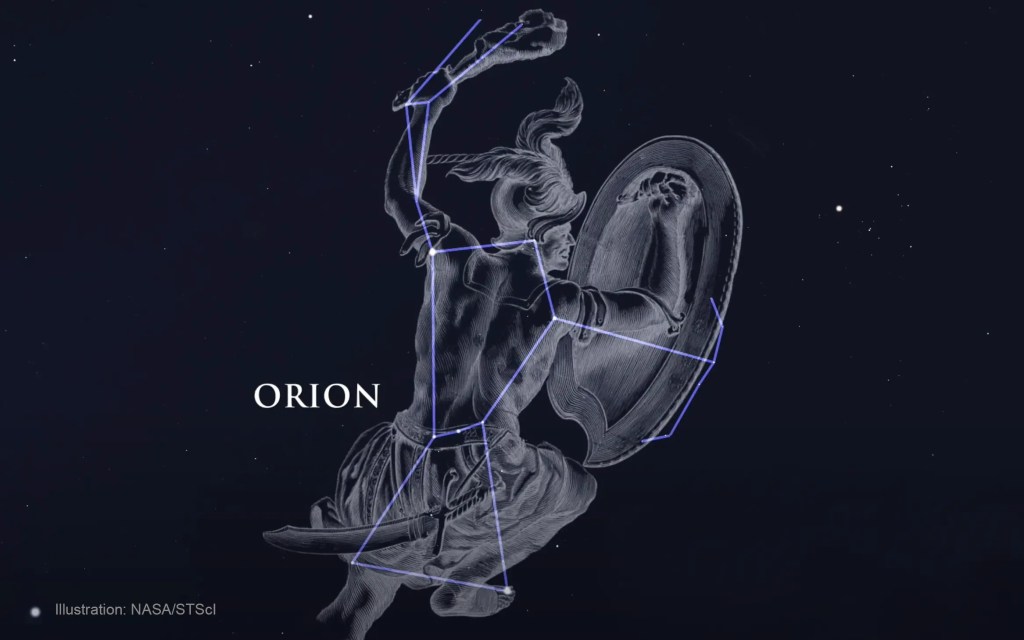
1.1 Orion Bids Farewell

As the winter constellations begin to fade from view, bid farewell to Orion the Hunter, with its distinctive belt of three bright stars and the dazzling Orion Nebula, a stellar nursery where new stars are born.

1.2 Welcome to Leo the Lion

Look towards the eastern horizon after sunset, and you’ll be greeted by the majestic constellation of Leo the Lion. Recognizable for its distinctive backward question mark shape, Leo is home to several bright stars and galaxies, including the famous Leo Triplet, a group of three interacting galaxies.

1.3 Virgo and the Realm of Galaxies

Adjacent to Leo lies the sprawling constellation of Virgo, home to the Virgo Cluster, a vast collection of galaxies located tens of millions of light-years away. With binoculars or a small telescope, you can explore this cosmic treasure trove and marvel at the countless galaxies scattered across the sky.

2. Planetary Parade in the Predawn Sky

March offers excellent opportunities for observing the planets in the predawn sky, with several bright planets visible to the naked eye or with binoculars.

2.1 Venus: The Morning Star

Look towards the eastern horizon before sunrise, and you’ll see the brilliant planet Venus shining brightly in the twilight. Venus, often referred to as the “Morning Star,” dazzles with its intense white light and is one of the most prominent objects in the predawn sky.

2.2 Mars and Saturn

To the southeast of Venus, you’ll find the reddish glow of Mars and the golden hue of Saturn. While both planets are not as bright as Venus, they are still visible to the naked eye and offer intriguing targets for observation with binoculars or a small telescope.

Shop HERE for Astronomy Equipment

3. Lunar Phases and Lunar Landmarks

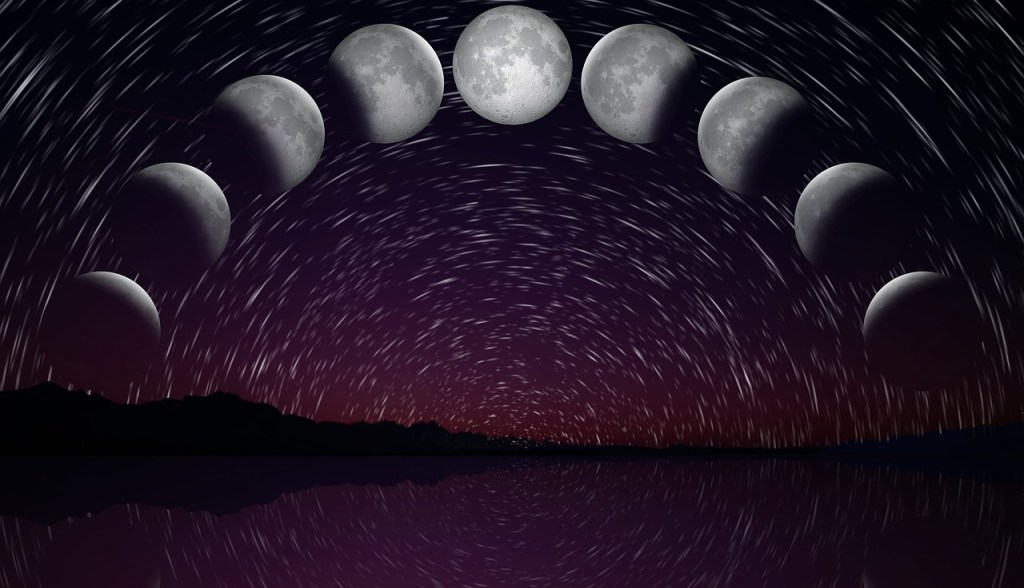
Keep an eye on the Moon throughout March as it waxes and wanes through its lunar phases, from the slender crescent of the New Moon to the bright disk of the Full Moon.
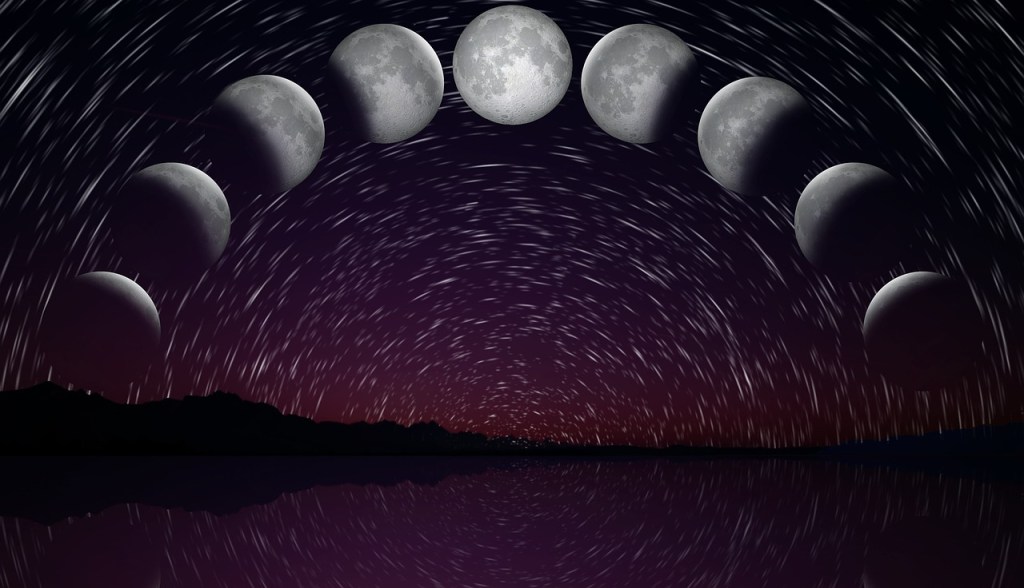
3.1 Lunar Landmarks

With binoculars or a small telescope, explore the rugged terrain of the Moon’s surface and discover its craters, mountains, and valleys. Look for prominent features like the Sea of Tranquility, where Apollo 11 landed in 1969, or the magnificent crater Tycho, with its central peak and bright rays extending outward.

4. Celestial Events and Meteor Showers
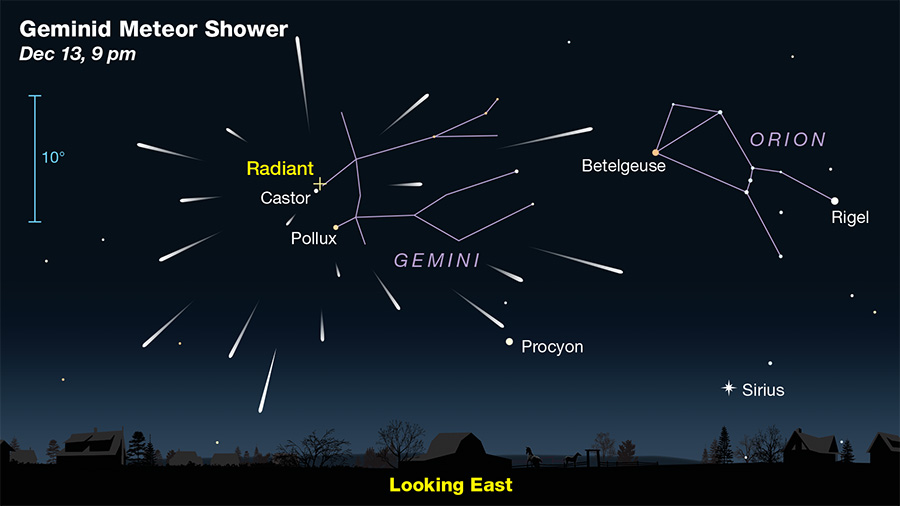
March offers several celestial events and meteor showers that are worth noting on your stargazing calendar.

4.1 Spring Equinox

On March 20th or 21st, the vernal equinox marks the official beginning of spring in the Northern Hemisphere. This astronomical event occurs when the Sun crosses the celestial equator, resulting in nearly equal day and night lengths.

4.2 Lyrid Meteor Shower

Towards the end of March, keep an eye out for the Lyrid meteor shower, which peaks around April 22nd. While not as prolific as some other meteor showers, the Lyrids can still produce bright meteors streaking across the sky, particularly in the predawn hours.

5. Stargazing Tips for Novice Astronomers

5.1 Dark Sky Location

To get the best views of the night sky, try to find a dark sky location away from city lights and light pollution. This will enhance your stargazing experience and allow you to see more stars and celestial objects.

5.2 Use a Red Light

When stargazing at night, use a red flashlight or headlamp to preserve your night vision. Red light has a longer wavelength and is less likely to disrupt your ability to see in the dark compared to white light.

5.3 Bring a Star Chart or Stargazing App

A star chart or stargazing app can help you navigate the night sky and identify constellations, stars, and other celestial objects. These handy tools can enhance your stargazing experience and make it easier to locate specific targets. Obtain a Star Chart HERE.

Obtain Astronomy Equipment HERE.

Conclusion: Embrace the Magic of the March Night Sky

As March unfolds its celestial wonders, take the time to explore the night sky with wonder and curiosity. Whether you’re admiring the beauty of Leo the Lion, observing the planets in the predawn sky, or marveling at the lunar landscape, each celestial sight offers a unique opportunity for discovery and awe. So gather your loved ones, bundle up against the chill of the night air, and let the magic of the March night sky ignite your imagination and inspire your cosmic journey.


In this novice-friendly guide to the March night sky, we’ve highlighted some of the most captivating celestial sights and events visible to stargazers of all levels. From the splendor of spring constellations to the planetary parade in the predawn sky, March offers a wealth of opportunities for exploration and discovery. So grab your binoculars, step outside, and prepare to be enchanted by the wonders of the universe unfolding above you. Happy stargazing!

Different types of Wine and their Characteristics

Wine, an elixir of joy and culture, has been celebrated across the globe for centuries. Its diversity in taste, aroma, and character offers an endless journey of discovery for both novices and connoisseurs alike. Understanding the different types of wine and their characteristics is essential for anyone looking to deepen their appreciation of this fascinating beverage. This article aims to demystify the world of wine, providing a comprehensive guide to the main types of wine and their unique features.

Red Wine

Red wine is perhaps the most iconic of all wine types, known for its rich flavors and deep colors ranging from bright ruby to dense purple. The color and complexity of red wine come from the grape skins, which are left in contact with the juice during fermentation. This process also introduces tannins, compounds that add structure and the potential for aging, giving red wine its characteristic dryness and astringency.

Characteristics: Red wines are celebrated for their complexity and depth, with flavors that can include fruits, herbs, and spices. The presence of tannins provides a unique texture, often described as astringent or drying to the mouth.

Popular Varieties:

  • Cabernet Sauvignon: Known for its boldness and rich fruit flavors, often accompanied by hints of spice and oak.
  • Merlot: Softer and more approachable, with plush textures and flavors of ripe berries and plums.
  • Pinot Noir: Elegant and aromatic, with lighter tannins and flavors of red fruits and earthy undertones[1].

White Wine

White wine is made from white or green grapes, and sometimes from red grapes with minimal contact with the skins. These wines are generally lighter in both color and tannins compared to red wines, offering a wide range of flavors from crisp and refreshing to rich and creamy.

Characteristics: White wines can be dry or sweet and are often appreciated for their acidity, which adds brightness and freshness. They can exhibit flavors of citrus, orchard fruits, tropical fruits, and even floral or mineral notes.

Popular Varieties:

  • Chardonnay: Versatile and popular, ranging from lean and mineral-driven to rich and buttery, depending on the winemaking style.
  • Sauvignon Blanc: Crisp and aromatic, with pronounced acidity and flavors of green fruits, herbs, and sometimes tropical notes.
  • Riesling: Can be made in styles from bone-dry to lusciously sweet, always with high acidity and aromatic intensity[2].

Rosé Wine

Rosé stands out for its beautiful pink hues, which are achieved by allowing the juice to have brief contact with red grape skins. This type of wine combines some of the color and flavors of red wine with the crispness and freshness of white wine.

Characteristics: Rosé wines are known for their refreshing and fruity profile, with flavors that can range from strawberries and cherries to melon and citrus. They can be dry or slightly sweet and are perfect for warm weather sipping.

Popular Varieties:

  • Provence Rosé: Typically dry and delicate, with subtle flavors of red fruits, flowers, and minerals.
  • Sangiovese Rosé: Offers a bit more body and vibrant acidity, with notes of fresh red berries and hints of spice[3].

Sparkling Wine

Sparkling wine is celebrated for its effervescence, achieved through secondary fermentation that traps carbon dioxide bubbles in the wine. This category includes some of the most prestigious wines in the world and is synonymous with celebration and luxury.

Characteristics: Sparkling wines can range from very dry to sweet and exhibit a wide array of flavors, including citrus, apple, pear, and bready or yeasty notes from the fermentation process.

Popular Varieties:

  • Champagne: The most renowned sparkling wine, from the Champagne region of France, known for its complexity and elegance.
  • Prosecco: Italian sparkling wine that is generally lighter, fruitier, and more approachable than Champagne.
  • Cava: Spanish sparkling wine that offers great value, with flavors ranging from fresh and fruity to rich and toasty[4].

Dessert and Fortified Wine

Dessert and fortified wines are a diverse group, including both sweet wines meant to accompany or serve as dessert and wines fortified with spirits to increase their alcohol content and complexity.

Characteristics: These wines are known for their sweetness and rich flavors, which can include fruits, nuts, honey, and spices. Fortified wines also have higher alcohol content and can offer a wide range of flavors from dry to sweet.

Popular Varieties:

  • Port: A sweet, fortified wine from Portugal, with rich flavors of dark fruit, chocolate, and spices.
  • Sherry: From Spain, ranging from dry and nutty to sweet and rich.
  • Ice Wine: Made from grapes frozen on the vine, offering intense sweetness and concentrated flavors[5].

Wine appreciation is a journey of discovery, with each sip offering a glimpse into the culture, geography, and craftsmanship that go into every bottle. Whether you’re drawn to the robust complexity of a Cabernet Sauvignon, the crisp freshness of a Sauvignon Blanc, or the celebratory sparkle of Champagne, the world of wine holds endless possibilities for exploration and enjoyment.

Citations:
[1] https://www.wineenthusiast.com/basics/red-wine-basics/
[2] https://winefolly.com/deep-dive/beginners-white-wines-list/
[3] https://ingoodtaste.com/blogs/wine-101/rose-wine
[4] https://www.firstleaf.com/wine-school/article/what-is-sparkling-wine
[5] https://www.thrillist.com/drink/nation/red-wine-types-explained
[6] https://www.abcfws.com/about-whiteWine
[7] https://legrandcourtage.com/a-guide-to-rose-what-it-is-how-it-is-made-and-what-it-pairs-with/
[8] https://ramsgatewinery.com/blogs/rams-gate-winery-blog/a-guide-to-red-wines
[9] https://wineinsiders.com/blogs/wine-101-essential-wine-guides/a-comprehensive-guide-to-white-wine
[10] https://winefolly.com/deep-dive/what-is-rose-wine/
[11] https://www.virginwines.co.uk/hub/wine-guide/wine-basics/quick-guide-to-red-wine/
[12] https://www.goodpairdays.com/guides/wine-101/article/white-wine/
[13] https://www.realsimple.com/food-recipes/shopping-storing/beverages/what-is-rose-wine
[14] https://winefolly.com/tips/the-spectrum-of-boldness-in-red-wines-chart/
[15] https://winepigeon.com/white-wine/
[16] https://usualwines.com/blogs/knowledge-base/what-is-rose-wine
[17] https://themillkeeper.com/the-red-wine-descriptions-chart-explained-to-beginners/
[18] https://winefolly.com/tips/flavor-profiles-of-white-wines/
[19] https://wineinsiders.com/blogs/wine-101-essential-wine-guides/a-comprehensive-guide-to-rose-wine
[20] https://winefolly.com/deep-dive/red-wine-flavor-profiles/
[21] https://ingoodtaste.com/blogs/wine-101/white-wine
[22] https://www.wineenthusiast.com/basics/a-quick-guide-to-rose-wine/
[23] https://wineinsiders.com/blogs/wine-101-wine-basics/a-comprehensive-guide-to-red-wine
[24] https://www.marketviewliquor.com/blog/the-different-types-of-white-wine/
[25] https://www.marketviewliquor.com/blog/what-is-rose-wine/

An Introduction to wine

Wine is a fascinating and diverse world, offering a wide array of flavors, aromas, and experiences. Whether you are a novice or a connoisseur, interested in simply sipping or expertly analyzing, enjoying a glass of wine can be a sublime experience. In this article, we will provide an introduction to wine, covering the basics of wine tasting, the different types of wine, and tips for beginners to start their wine exploration journey.

Understanding Wine

Good wine is one of life’s greatest pleasures. However, many people find wine and how to choose, serve, and describe it more intimidating than enjoyable. The very scope of the topic seems daunting. But never fear — you don’t have to take a class to appreciate the subtleties of fine wine. Still, as with many things in life, a little knowledge goes a long way[1].

Getting Started

As you set out to explore the world of wine, you might feel unsure about how to begin. Should you take a class? Join a wine-tasting group? Visit a winery? Buy a variety of wines and start sampling? There’s not one set rule you must follow; rather, think of it as having unlimited choices! Every new journey benefits from the presence of an experienced guide. Whether you’re exploring a mountain landscape, the wildlife of a faraway land, or the ins and outs of wine, an experienced guide can be your key to discovering hidden gems and expanding the horizons of your knowledge[1].

Wine Tasting

Learning to taste and appreciate wine is an essential part of the journey. It’s important to understand that responses to wine are as individual as fingerprints. An aroma or flavor that is pleasing to you may not be so to another. The trick is translating your preferences into words. Accomplish this, and you will add new dimensions to your enjoyment of wine[1].

Types of Wine

There are five main classifications of wine: white, red, rosé, sparkling, and dessert. Each category has a wide variety of wines within, which makes choosing wine for beginners especially daunting. Exploring these different types of wine is a great way to get started and find your perfect beginner wine[3].

  • White Wine: Known for its lighter taste and made from white or green grapes. Popular varieties include Chardonnay, Sauvignon Blanc, and Riesling[4].
  • Red Wine: Made from red grapes and has a rich taste, high in tannins. Popular varieties include Cabernet Sauvignon, Pinot Noir, and Merlot[4].
  • Rosé Wine: Made from red grapes but has a shorter skin contact period, giving it a pink color. It’s known for its refreshing and fruity flavors. Popular varieties include White Zinfandel, Grenache, and Sangiovese[4].
  • Sparkling Wine: Known for its bubbly nature and often associated with celebrations. The most famous type is Champagne, but other varieties include Prosecco, Cava, and Sparkling Rosé[3].
  • Dessert Wine: Sweet wines often served with or as a dessert. Popular varieties include Port, Sauternes, and Ice Wine[3].
  • Fortified Wine: Wines with a higher alcohol content due to the addition of a distilled spirit. Examples include Sherry, Port, and Madeira[3].

Shop HERE for Red Wines     

Shop HERE for White Wines

Tips for Beginners

  • Find your own approach and consistently follow it. Whenever you have a glass of wine in your hand, make it a habit to take a minute to stop all conversation, shut out all distraction and focus your attention on the wine’s appearance, scents, flavors, and finish[2].
  • The ideal beginner wine will generally be something that is not too extreme, not overly dry or exceptionally bold. The most important thing you need to know is what you like. Reading and researching are fantastic but they’re no substitute for experimenting[3].
  • Enjoy the journey! Learning about wine can be an exciting adventure that can take you all over the world, exploring different regions, grapes, and styles of wine—you might even learn a bit about yourself in the process[3].

In conclusion, the world of wine is vast and diverse, offering something for everyone. By understanding the basics of wine tasting and exploring the different types of wine, beginners can embark on an enjoyable journey of discovery. Remember that there are no set rules when it comes to exploring wine—find what you enjoy and savor the experience.

[1] Source: Seven Doors Winery
[2] Source: Wine Enthusiast
[3] Source: Usual Wines
[4] Source: Wine Folly

Citations:
[1] https://sevendoorswinery.com/an-introduction-to-wine/
[2] https://www.wineenthusiast.com/culture/wine-for-beginners/
[3] https://usualwines.com/blogs/knowledge-base/best-wine-for-beginners
[4] https://winefolly.com/wine-basics-beginners-guide/
[5] https://www.veranda.com/food-recipes/a44451471/best-wines-for-beginners/

How to bring a Model Railroad to life by using Figures and Vehicles

Model railroads are not just about the trains; they are about creating a whole miniature world. One of the key elements in bringing a model railroad to life is the use of figures and vehicles. These elements add a sense of scale, activity, and realism to the layout. Whether you are a novice or an experienced model railroader, incorporating figures and vehicles can significantly enhance the visual appeal and storytelling aspect of your model railroad. In this article, we will explore some expert tips on how to effectively use figures and vehicles to breathe life into your model railroad.

This article is a follow up to my first article on How to add Excitement to your Model Railroad.

Incorporating Figures

Figures play a crucial role in adding human activity and a sense of realism to a model railroad. Here are some tips for effectively incorporating figures into your layout:

  1. Scale and Proportion: It’s essential to ensure that the scale of the figures matches the scale of your model railroad. Common scales for figures include HO (1:87), N (1:160), and O (1:48). Using figures that are proportionate to the trains and structures will enhance the overall realism of the scene[2].
  2. Placement and Poses: When placing figures, consider natural poses and realistic placements. For example, figures can be positioned waiting at a station, boarding a train, or engaging in various activities such as walking, sitting, or working. This attention to detail adds depth and narrative to the layout[2].
  3. Customization: While there are pre-made figures available, customizing figures by painting them with unique clothing and facial details can add a personal touch to your layout. This allows you to create specific scenes and characters tailored to your vision[2].

Shop for Figures and Vehicles HERE

Utilizing Vehicles

Vehicles are another essential component that can bring dynamism and context to a model railroad. Here’s how you can effectively integrate vehicles into your layout:

  1. Variety of Vehicles: Incorporating a variety of vehicles such as cars, trucks, buses, and emergency vehicles adds visual interest and reflects real-world traffic. Ensure that the vehicles are appropriately scaled to match the trains and figures within the layout[2].
  2. Realistic Traffic Flow: Consider the traffic flow within your layout. Position vehicles as they would naturally appear in real life, such as obeying traffic signals, stopping at crossings, or navigating parking areas. This attention to detail enhances the authenticity of the scene[2].
  3. Dynamic Elements: To add an extra layer of realism, consider utilizing dynamic elements such as moving vehicles. This can be achieved through various methods, including motorized cars and trains, as well as incorporating sound effects to mimic real-world traffic noise[4].

In conclusion, incorporating figures and vehicles into your model railroad layout is an exciting way to elevate its visual appeal and storytelling potential. By paying attention to scale, proportion, placement, and customization of figures, as well as integrating a variety of vehicles in realistic traffic flow, you can bring your model railroad to life with vibrant human activity and dynamic movement.

By following these expert tips, novice model railroaders can create captivating scenes that capture the essence of real-life environments within their miniature worlds.

Find Figures and Vehicles HERE

[1] https://cs.trains.com/mrr/f/11/t/243863.aspx%5B2%5D https://trainlife.com/blogs/blog/5-of-the-best-ways-to-use-figurines-in-your-model-railway%5B3%5D https://youtube.com/watch?v=kbMlBkT_6nk%5B4%5D https://blog.balena.io/bring-model-railroad-to-life-led-movement-sound-balena/

Citations:
[1] https://cs.trains.com/mrr/f/11/t/243863.aspx
[2] https://trainlife.com/blogs/blog/5-of-the-best-ways-to-use-figurines-in-your-model-railway
[3] https://youtube.com/watch?v=kbMlBkT_6nk
[4] https://blog.balena.io/bring-model-railroad-to-life-led-movement-sound-balena/
[5] https://youtube.com/watch?v=_nucQujwkf0

Exploring the February Night Sky: A Family-Friendly Cosmic Adventure

Welcome to the enchanting world of stargazing! February brings with it a celestial tapestry that is both captivating and mesmerizing. As an expert astronomer, I’m thrilled to guide you and your family through the wonders of the February night sky. Together, we’ll embark on a cosmic journey filled with stars, planets, and celestial delights, all visible with the naked eye or a simple pair of binoculars. Get ready to explore the celestial wonders that await you in the February night sky.

Chapter 1: The Beauty of February’s Constellations

1.1 Orion the Hunter

One of the most prominent constellations in the February night sky is Orion the Hunter. Look towards the southeast after sunset, and you’ll see the distinctive shape of Orion, with its bright stars forming a recognizable pattern. Betelgeuse, a red supergiant, marks one of Orion’s shoulders, while Rigel shines brightly as one of his feet. The three stars in Orion’s Belt are another notable feature, easily identifiable even in light-polluted areas.

1.2 Canis Major and Sirius

Just below Orion lies Canis Major, the Great Dog, with its brightest star, Sirius. Known as the Dog Star, Sirius is the brightest star in the night sky, outshining all others with its brilliant white light. Its proximity to the horizon gives it a twinkling appearance, adding to its allure. With binoculars, you can explore the stars surrounding Sirius, revealing a cluster of celestial gems.

1.3 Taurus the Bull and the Pleiades

To the northwest of Orion, you’ll find Taurus the Bull, easily recognizable by the V-shaped cluster of stars known as the Hyades. At the heart of Taurus lies the beautiful Pleiades star cluster, also called the Seven Sisters. With its blue-white stars, the Pleiades are a stunning sight in binoculars, resembling a tiny jewel box against the backdrop of the night sky.

Shop for Astronomy Equipment HERE

Chapter 2: Planetary Highlights in February

2.1 Brilliant Venus

In February, Venus graces the western sky shortly after sunset. Look for the dazzling white light of Venus, often referred to as the Evening Star, as it shines brightly against the fading twilight. Venus is the second planet from the Sun and is often mistaken for a UFO due to its intense brightness.

2.2 Jupiter and Saturn in the Predawn Sky

Before dawn, two giant planets, Jupiter and Saturn, adorn the southeastern sky. Jupiter, with its creamy white glow, is unmistakable as it rises above the horizon. Binoculars reveal Jupiter’s four largest moons, known as the Galilean moons, which appear as tiny points of light surrounding the planet. Nearby, Saturn’s golden hue adds to the celestial spectacle, with its magnificent rings visible even through small telescopes.

Chapter 3: Meteor Showers and Celestial Events

3.1 The Quadrantids Meteor Shower

Although the peak of the Quadrantids meteor shower occurs in early January, some meteors may still be visible in early February. Look towards the northeast after midnight to catch a glimpse of these fast-moving shooting stars. Bundle up warmly, bring a blanket or reclining chair, and enjoy the celestial fireworks.

3.2 Lunar Highlights

Keep an eye on the Moon’s phases throughout February. From the slender crescent of the New Moon to the bright disk of the Full Moon, each phase offers its own unique beauty. Use binoculars to explore the craters and lunar seas visible along the Moon’s terminator, the line dividing its illuminated and darkened halves.

Chapter 4: Stargazing Tips for Families

4.1 Stargazing Apps and Tools

Enhance your stargazing experience with the help of astronomy apps and tools. Apps like SkyView, Stellarium, or Star Walk provide real-time information about celestial objects visible in the night sky. Simply point your smartphone or tablet towards a particular constellation or planet, and the app will identify it for you, making stargazing a fun and educational activity for the whole family.

4.2 Night Sky Photography

Capture the beauty of the February night sky with your camera or smartphone. Experiment with long exposure shots to capture the trails of passing meteors during meteor showers. You can also try astrophotography techniques to photograph the Moon’s craters or the planets Jupiter and Saturn. Don’t forget to share your photos with friends and family to inspire their own stargazing adventures.

Chapter 5: Engaging Activities for Families

5.1 Celestial Storytelling

Gather around a cozy fire pit or snuggle up indoors and share stories inspired by the constellations. Encourage creativity by inventing your own myths and legends about the stars and planets. Use the constellations as a backdrop for imaginative tales of adventure and discovery.

5.2 DIY Constellation Project

Create your own constellation map using glow-in-the-dark stickers or paint. Designate a wall or ceiling in your home as your personal observatory and map out the constellations you’ve observed in the night sky. This hands-on activity is a fun way to reinforce learning about the stars and their patterns.

Find Astronomy Equipment HERE

Chapter 6: Conclusion

As February unfolds its celestial wonders, take the time to explore the night sky with your family. Whether you’re admiring the beauty of Orion’s Belt, marveling at the brilliance of Venus, or counting shooting stars during a meteor shower, each celestial sight offers a unique opportunity for discovery and wonder. So, bundle up, grab your binoculars, and let the February night sky be your guide to a family-friendly cosmic adventure. Happy stargazing!


This comprehensive guide aims to make stargazing in February a delightful and educational experience for families. From identifying constellations to observing planets and meteor showers, there’s something for everyone to enjoy under the starry canopy of the February night sky.

A Celestial Spectacle: Highlights to be on the Lookout for in the 2024 Night Sky

As we usher in the new year, the night sky promises a stellar show for families and astronomy enthusiasts alike. The celestial tapestry of 2024 unfolds with a myriad of highlights—planetary alignments, meteor showers, and the dance of constellations—that invite us to gaze upward and marvel at the wonders of the universe. In this family-friendly guide, we’ll embark on a journey through the upcoming year, unveiling the astronomical delights that will grace our night sky.

Chapter 1: The Dance of the Planets

1.1 Venus as the Evening Star

In the early months of 2024, Venus takes center stage as the Evening Star. Visible shortly after sunset, Venus gleams brightly in the western sky. Its brilliance and steady presence make it an excellent object for families to observe. Encourage children to spot Venus and witness how its position changes over the weeks.

1.2 Mars and the Red Planet’s Close Encounter

Mars, the Red Planet, makes a notable appearance in the night sky. Keep an eye out for Mars as it gradually becomes more prominent, presenting a reddish glow. In the latter part of the year, Mars and Earth experience a close encounter known as opposition, bringing Mars closer to us and offering optimal viewing opportunities. This celestial event occurs approximately every 26 months, making 2024 an ideal time to observe the Red Planet.

1.3 Jovian Delights: Jupiter and Its Moons

Jupiter, the largest planet in our solar system, graces the night sky throughout 2024. What makes this year special is the opportunity to observe Jupiter and its four largest moons, known as the Galilean moons—Io, Europa, Ganymede, and Callisto. These moons are visible through binoculars or a small telescope, providing a captivating sight for families. Challenge your loved ones to identify and track the changing positions of these celestial companions.

Chapter 2: Meteor Showers Painting the Night Sky

2.1 Lyrid Meteor Shower: April’s Celestial Fireworks

In April, the Lyrid meteor shower treats stargazers to a celestial fireworks display. This annual event is known for its fast and bright meteors, originating from the debris left behind by Comet C/1861 G1 Thatcher. Find a dark spot away from city lights, set up some blankets, and enjoy the Lyrid meteor shower as it peaks in mid-April. Each shooting star carries with it the remnants of a comet’s journey through our solar system.

2.2 Perseids Meteor Shower: August’s Dazzling Show

One of the most anticipated meteor showers of the year, the Perseids, graces the night sky in August. Known for its prolific display, the Perseids are caused by the debris trail left by Comet Swift-Tuttle. This shower is family-friendly, offering a high meteor count and often producing bright fireballs. Make it a summer night tradition to observe the Perseids, lying back on a blanket and counting shooting stars.

Chapter 3: Celestial Alignments and Conjunctions

3.1 Venus and Mercury Embrace

In the early part of the year, Venus and Mercury engage in a celestial dance. Look for these two planets low in the western sky after sunset. Their close proximity creates a captivating sight, especially in February and March. Witnessing planetary alignments provides a unique opportunity to appreciate the orbital dynamics of our solar system.

3.2 Triple Conjunction of Venus, Mars, and Saturn

As 2024 progresses, an exciting triple conjunction occurs involving Venus, Mars, and Saturn. This celestial alignment unfolds in the pre-dawn sky, creating a celestial trio that captivates early risers. The juxtaposition of these planets offers a stunning visual treat and a memorable moment for families to share.

3.3 Jupiter and Saturn’s Continued Dance

Building on the Great Conjunction of 2020, Jupiter and Saturn continue their celestial dance in 2024. While not as close as in the previous conjunction, the ongoing proximity of these gas giants provides a visual spectacle. Observe their changing positions throughout the year, tracing the majestic orbits of these two giant planets.

Chapter 4: Lunar Marvels and Moonlit Nights

4.1 Supermoons: Luna’s Close Encounters

Several supermoons, where the Moon appears larger and brighter due to its closer proximity to Earth, adorn the night sky in 2024. These include the Full Moons of April, May, and June. Supermoons provide an excellent opportunity for families to observe and appreciate the Moon’s beauty, especially when it hangs low on the horizon, creating a mesmerizing illusion.

4.2 Total Lunar Eclipse: May’s Celestial Show

May brings a total lunar eclipse, a celestial phenomenon where the Earth casts its shadow on the Moon, resulting in a captivating red hue. Lunar eclipses are safe to observe with the naked eye, making them family-friendly events. Set up a telescope or simply step outside to witness the Moon’s transformation during this awe-inspiring celestial show.

4.3 Partial Solar Eclipse: A Glimpse of Cosmic Geometry

Later in the year, a partial solar eclipse occurs, treating certain regions to a celestial spectacle where the Moon

partially covers the Sun. While not visible everywhere, families within the eclipse path can safely observe this cosmic ballet. Remember to use proper solar viewing techniques to protect your eyes during solar events.

Chapter 5: Stargazing Tips for Families

5.1 Celestial Calendar for Family Planning

Create a celestial calendar for your family, marking the dates of meteor showers, planetary conjunctions, and other astronomical events. Engaging with a celestial calendar helps build excitement and anticipation for upcoming stargazing sessions.

5.2 Stellar Apps for Astronomical Exploration

Leverage stargazing apps that cater to families and beginners. These apps use augmented reality and real-time tracking to help identify constellations, stars, and planets. They can turn a simple stargazing session into an interactive and educational experience for the whole family.

5.3 Telescope and Binocular Adventures

Invest in a small telescope or a pair of binoculars to enhance your family’s stargazing experience. Telescopes reveal details on planets, while binoculars provide a broader view of the night sky. Encourage family members to take turns observing celestial objects, fostering a shared sense of wonder.

5.4 Night Sky Rituals and Traditions

Establish night sky rituals within your family. Whether it’s a monthly stargazing outing, creating celestial-themed artwork, or sharing space-related bedtime stories, these traditions create a sense of unity and foster a love for astronomy among family members.

5.5 Celestial Creativity: Sketching and Storytelling

Encourage your children to engage in celestial creativity. Whether it’s sketching the Moon’s phases, creating stories about constellations, or crafting a visual representation of a meteor shower, these activities blend artistic expression with a love for the cosmos.

Chapter 6: The Cosmic Connection

6.1 Educational Exploration of the Universe

Stargazing offers an excellent platform for educational exploration. Use your time under the stars to discuss the science behind celestial events, explore the mythology associated with constellations, and foster a sense of curiosity about the universe. Turn stargazing into a family science adventure.

6.2 Quality Family Time under the Stars

Make stargazing an opportunity for quality family time. Disconnect from screens, set up a cozy stargazing spot, and enjoy the serenity of the night sky together. Engage in conversations about the cosmos, share stories, and create lasting memories under the stars.

6.3 Inspiration from the Cosmos

Encourage family members to draw inspiration from the cosmos. Whether it’s creating art, writing poems, or composing music inspired by the night sky, these creative endeavors not only express individuality but also strengthen the connection between your family and the wonders of the universe.

6.4 Shared Experiences and Lifelong Memories

Stargazing experiences create shared memories that last a lifetime. Whether you’re watching a meteor shower, identifying constellations, or marveling at the planets, these moments become cherished memories that bind families together through a shared love for the night sky.

Conclusion: A Year of Celestial Marvels

As we venture into the celestial wonders of 2024, the night sky beckons families to engage in a cosmic journey. From the dance of planets to the brilliance of meteor showers, each celestial event offers a unique opportunity for shared exploration and discovery. So, mark your calendars, gather your loved ones, and let the night sky be the canvas for a year filled with celestial marvels that will inspire, educate, and create lasting memories for your family. Happy stargazing!

Creating Cherished Memories: A Family-Friendly Guide to Choosing a Train Set for Christmas

Introduction:

The holiday season is upon us, and there’s a timeless charm to the idea of a train set encircling the Christmas tree, bringing joy and nostalgia to the entire family. Choosing the perfect train set for Christmas involves more than just selecting a model; it’s about creating lasting memories and fostering a sense of togetherness. In this family-friendly guide, we’ll explore the enchanting world of train sets, offering insights into selecting the ideal set that will become a cherished part of your family’s holiday traditions.

The Magic of a Christmas Train Set:

A Christmas train set is not merely a toy; it’s a conduit for creating magical moments. The gentle chug of the locomotive, the clickety-clack of the wheels, and the warm glow of the miniature village passing by – these elements evoke a sense of wonder that captivates both young and old. As you embark on this journey to choose the perfect train set, consider the following factors to make this Christmas truly special for your family.

1. Consider the Age Range:

Family-friendly gifts should be age-appropriate, ensuring that everyone can enjoy the experience. Fortunately, there are a variety of train sets designed for different age groups. For younger children, look for sets with large, durable pieces that are easy to handle. Older kids and adults might appreciate sets with more intricate details and advanced features.

2. Size and Space:

Before selecting a train set, consider the available space in your home. If you have a small living room, a compact set might be more suitable. On the other hand, if you have ample space, you can go for a larger, more elaborate set that includes intricate landscapes and multiple cars.

3. Easy Assembly and Durability:

Christmas is a busy time, and complicated setups can be a source of stress. Look for train sets that are easy to assemble and disassemble, allowing more time for enjoyment. Additionally, opt for durable materials to withstand the inevitable bumps and excitement that come with family gatherings.

4. Theme and Aesthetics:

Train sets come in various themes, from classic steam engines to modern high-speed trains. Consider your family’s preferences and the overall aesthetic of your holiday decorations. A traditional, festive-themed set might complement a cozy, nostalgic Christmas atmosphere, while a more modern set could add a touch of excitement.

5. Inclusivity:

For a true family experience, involve everyone in the decision-making process. Allow children to express their preferences and consider the interests of all family members. Whether it’s a winter wonderland scene, a quaint village, or a bustling cityscape, choose a theme that resonates with everyone.

6. Interactive Features:

Engage your family with a train set that offers interactive features. Some sets come with remote controls, sound effects, and even apps that allow you to control the train’s speed and direction. These features add an extra layer of excitement and engagement for both kids and adults.

7. Expandability:

A great thing about train sets is that they can be expanded upon year after year. Consider this as a long-term investment in your family’s holiday traditions. Look for sets that are compatible with expansion packs, allowing you to add new cars, tracks, and features over time.

8. Safety First:

Safety is paramount, especially when children are involved. Ensure that the train set adheres to safety standards and is made from non-toxic materials. Be cautious with small parts that could pose a choking hazard for younger children.

Creating Traditions:

Once you’ve selected the perfect train set, it’s time to integrate it into your family’s Christmas traditions. Here are some ideas to make the experience even more memorable:

1. Family Decorating Day:

  • Turn the selection and setup of the train set into a family decorating day. Let each family member contribute to the layout and add personal touches.

SHOP NOW for Train Sets

2. Storytelling Sessions:

  • Use the train set as a backdrop for storytelling. Create narratives about the destinations the train is traveling to, involving everyone in the creation of the story.

3. Annual Unveiling:

  • Turn the setup of the train set into an annual event. Unveil it together, perhaps during a special family dinner or as part of your holiday decorations.

4. Christmas Eve Express:

  • Make the train set the centerpiece of your Christmas Eve. Set it in motion as part of the festivities, creating a magical atmosphere for the night before Christmas.

5. Family Competitions:

  • Organize friendly competitions. Who can build the longest track extension? Who can come up with the most creative landscape? This fosters a sense of friendly rivalry and collaboration.

SHOP HERE for Christmas Train Sets

Conclusion:

A Christmas train set is not just a delightful gift; it’s a conduit for creating enduring family memories. As you embark on the journey of choosing the perfect set, consider the age range, available space, ease of assembly, theme, and inclusivity. Opt for durability, interactive features, and expandability to ensure a long-lasting investment in your family’s holiday traditions. With careful consideration and a touch of creativity, your Christmas train set can become a cherished part of your family’s festive celebrations for years to come.

Preparing for a Night of Stargazing with Binoculars

Stargazing with binoculars offers an enchanting way to explore the wonders of the night sky. Whether you’re a novice or an experienced observer, the celestial realm beckons with its captivating array of stars, constellations, and celestial phenomena. To make the most of your stargazing experience with binoculars, it’s essential to prepare adequately and equip yourself with the knowledge and tools needed to embark on a celestial adventure. Here, we’ll delve into the essential steps and tips for preparing for a night of stargazing with binoculars, ensuring an enriching and memorable experience for the entire family.

Understanding the Basics of Binocular Stargazing

Before venturing into the night to explore the celestial wonders, it’s important to grasp the fundamental aspects of stargazing with binoculars. Binoculars offer a wide field of view and enhanced clarity, allowing observers to appreciate the intricate details of celestial objects. They are portable, easy to use, and provide an immersive viewing experience, making them an ideal choice for both beginners and seasoned astronomers.

Essential Tips for Stargazing with Binoculars

  1. Choosing the Right Binoculars: Opt for a pair of binoculars with moderate magnification and aperture. A common recommendation is 7×50 binoculars, which provide a good balance of magnification and light-gathering capability. Larger binoculars may require a tripod to stabilize the view, while smaller ones may not offer sufficient light-gathering power[2].
  2. Familiarize Yourself with the Night Sky: Before heading out for stargazing, acquaint yourself with the prominent constellations, stars, and celestial landmarks visible in the night sky. Sky maps, astronomy guides, and mobile apps can aid in identifying these celestial wonders, enhancing your stargazing experience[2].
  3. Location and Timing: Choose a suitable location away from urban light pollution, such as a dark-sky site or a rural area with minimal artificial light. Additionally, consider the timing of your stargazing session, aiming for nights with clear skies and minimal atmospheric disturbance for optimal viewing conditions[2].
  4. Prepare for Comfort: Stargazing can be a prolonged activity, so ensure you are adequately prepared for comfort. Dress warmly, especially during the cooler fall nights, and consider bringing along a comfortable chair or blanket for extended stargazing sessions. Additionally, a red flashlight can be useful for reading star charts and adjusting your eyes to the darkness without disrupting your night vision[2].

Resources for Stargazing with Binoculars

To further enhance your stargazing experience with binoculars, consider utilizing educational resources and guides tailored to celestial observation. Books such as “Exploring the Night Sky with Binoculars” by Patrick Moore offer valuable insights and practical tips for stargazing enthusiasts of all ages[5]. Additionally, online tutorials, astronomy vodcasts, and educational videos provide a wealth of information on stargazing techniques, celestial navigation, and the art of observing the night sky with binoculars[1][4].

Shop now for Binoculars for Stargazing

Embracing the Night Sky with Binoculars

As you prepare for a night of stargazing with binoculars, remember that the celestial realm holds a treasure trove of wonders waiting to be discovered. Whether you’re observing the intricate patterns of constellations, the ethereal glow of nebulae, or the distant allure of galaxies, stargazing with binoculars promises an enriching and awe-inspiring experience for the entire family. So, equip yourself with the right knowledge, choose a suitable location, and immerse yourself in the celestial splendor of the night sky with binoculars.

By following these essential tips and preparing adequately, you can embark on a captivating journey into the celestial realm, where the beauty of the cosmos unfolds before your eyes. Stargazing with binoculars offers an opportunity to connect with the wonders of the universe and create lasting memories with loved ones, making it a truly magical and rewarding experience for enthusiasts of all ages. So, grab your binoculars, venture outdoors, and prepare to be captivated by the celestial wonders that await you in the night sky.

Citations:
[1] https://youtube.com/watch?v=wAnAZz-ZPJ0&t=0
[2] https://earthsky.org/astronomy-essentials/top-tips-for-using-ordinary-binoculars-for-stargazing/
[3] https://www.davidchandler.com/shop/exploring-the-night-sky-with-binoculars/
[4] https://youtube.com/watch?v=68snWC9b8fE&t=0
[5] https://www.amazon.com/Exploring-Night-Binoculars-Patrick-Moore/dp/0521555388

How to get started in the hobby of Astronomy

If you’re interested in getting started in the hobby of astronomy, there are a few things you should know. Here are some of the most common questions people have about getting started in astronomy, along with some answers and tips to help you get started.

What is Astronomy?

Astronomy is the study of celestial objects such as stars, planets, galaxies, and other phenomena that exist outside of Earth’s atmosphere. It is a field that has been around for centuries and has contributed significantly to our understanding of the universe.

Why Get into Astronomy?

There are many reasons why people get into astronomy. Here are some of the most common reasons:

  • It’s Fascinating: Astronomy is a fascinating field that can teach you a lot about the universe. It’s a field that is constantly evolving, and there is always something new to learn.
  • It’s Accessible: Astronomy is an accessible hobby that anyone can enjoy. You don’t need a lot of expensive equipment to get started, and you can observe celestial objects from your own backyard.
  • It’s Relaxing: Observing the night sky can be a relaxing and calming experience. It’s a great way to unwind after a long day and connect with the universe.
  • It’s Educational: Astronomy is an educational hobby that can teach you a lot about science, math, and physics. It’s a great way to learn about the universe and how it works.

What Equipment Do I Need?

One of the most common questions people have about getting started in astronomy is what equipment they need. Here are some of the basics:

  • Telescope: A telescope is an essential tool for observing celestial objects. You don’t need an expensive telescope to get started. A basic telescope will do.
  • Binoculars: Binoculars can be a great alternative to a telescope, especially if you’re just starting out. They’re less expensive and easier to use.
  • Star Chart: A star chart is a map of the night sky that can help you locate celestial objects. You can use a printed star chart or a smartphone app.
  • Red Flashlight: A red flashlight is essential for observing the night sky. It helps preserve your night vision.

For Astronomy Equipment on Amazon Shop Here

How Do I Learn the Night Sky?

Learning the night sky is essential for observing celestial objects. Here are some tips to help you learn the night sky:

  • Use a Star Chart: A star chart is a map of the night sky that can help you locate celestial objects. You can use a printed star chart or a smartphone app.
  • Attend Events: Attending astronomy events is a great way to learn more about astronomy and meet other people who share your interest. Many observatories and planetariums offer events and programs for the public.
  • Join a Club: Joining an astronomy club is a great way to meet other people who share your interest in astronomy. You can learn from other members and get advice on observing celestial objects.

For Astronomy Equipment on Optics Planet.com SHOP HERE

How Do I Observe Celestial Objects?

Observing celestial objects is a crucial part of astronomy. Here are some tips to help you observe celestial objects:

  • Choose the Right Time: The best time to observe celestial objects is when the sky is dark and clear. Avoid observing on cloudy or hazy nights.
  • Choose the Right Location: Choose a location that is away from city lights and has a clear view of the sky.
  • Use the Right Equipment: Use a telescope or binoculars to observe celestial objects. Use a star chart or smartphone app to help you locate objects.

Conclusion

Getting started in the hobby of astronomy is easy and accessible. With a few basic tools and some knowledge of the night sky, you can start observing celestial objects and learning about the universe. Whether you’re a beginner or an experienced astronomer, there is always something new to discover in the night sky. So, grab a telescope, learn the night sky, and start exploring the universe today!

Contributors:
[1] https://link.springer.com/content/pdf/10.1007/978-0-387-46322-3.pdf
[2] https://dr.lib.iastate.edu/bitstreams/88bc5204-cb41-4dee-b9ff-d672d1e99b07/download
[3] http://staff.ustc.edu.cn/~xuey/IAC/000_Introduction_to_Astronomy_and_Cosmology.pdf
[4] https://spacemath.gsfc.nasa.gov/SMBooks/AstrophotographyV1.pdf
[5] https://spark.iop.org/stories-space
[6] https://static1.squarespace.com/static/54e8acf6e4b003ce1bcf3c4d/t/5715d8caa3360ca1d47a7f5c/1461049555650/2002.pdf

A lively debate on Steam vs. Diesel

After the last article I had some comments about the neglect to mention electric power along with steam and diesel. I used creative license and developed a discussion between Mark Twain and John Grisham, my favorite authors from the periods to have a lively discussion about motive power.

I can attempt to emulate the writing styles of Mark Twain and John Grisham (both authors from different eras Mark Twain wrote Huckleberry Finn, John Grisham wrote The Firm, The Pelican Brief and more) in the form of a debate on the topic of modeling steam or diesel locomotives. Both favorite authors.

Mark Twain: Well, here we are, gathered in the realm of model railroading, debating the merits of steam versus diesel locomotives. A delightful topic indeed! Let me begin by extolling the virtues of steam. Its hissing, chugging symphony carries us back to a bygone era, where the romance of train travel enthralled our imaginations.

Steam locomotives embody the very essence of nostalgia and provide a tangible link to our shared history.

John Grisham: Ah, Mark, while I appreciate your fondness for steam, allow me to advocate for the practicality of diesel locomotives. Picture this: sleek, efficient engines gliding effortlessly along the tracks, with the power to transport us to the modern era. Diesel locomotives symbolize progress, representing the advancement and innovation that have shaped the contemporary world we live in.

Their reliability and ease of maintenance make them a sensible choice for any model railroad enthusiast.

Mark Twain: John, I must concede that diesel locomotives have their merits. Their streamlined design and efficient performance do hold an undeniable allure. However, we must not dismiss the historical significance and visual grandeur of steam. The plumes of smoke and rhythmic chugging stir the soul and evoke a sense of adventure.

There’s a reason steam locomotives have captured the hearts of enthusiasts for generations.

John Grisham: Mark, I cannot dispute the emotional connection one may feel with steam locomotives. They do possess a certain charm. However, we must also consider the practical aspects of modeling. Diesel locomotives offer a wide range of models, allowing enthusiasts to explore various eras and railroad lines. They are more accessible, both in terms of maintenance and availability of models and accessories. For those seeking a modern touch, diesel power is the way to go.

Mark Twain: John, I understand your point. The modeling world is indeed fortunate to have a diverse array of diesel locomotives to choose from. But let us not forget that blending the two worlds can create a harmonious fusion. By incorporating both steam and diesel locomotives into our layouts, we can capture the best of both eras, paying homage to the rich history while embracing the dynamic present.

John Grisham: Mark, I must admit your proposition has merit. The juxtaposition of steam and diesel can add layers of intrigue and versatility to our layouts. It allows us to explore different time periods and create a narrative that spans generations. Perhaps a compromise is in order, blending the classic with the contemporary to create a truly captivating model train experience.

Mark Twain: Well said, John. By combining our passions for both steam and diesel locomotives, we can embark on a remarkable journey through time, where the echoes of history mingle with the pulse of progress. Let us celebrate the diversity and possibilities that model railroading offers, irrespective of our chosen power source.

In this lively debate between Mark Twain and John Grisham, we witness the clash of perspectives on the steam versus diesel locomotive dilemma. While Mark Twain champions the nostalgia and historical significance of steam, John Grisham emphasizes the practicality and modern appeal of diesel. Ultimately, they find common ground in the idea of blending the two, allowing for a harmonious coexistence on the model railroad.