Exploring the Celestial Wonders of the May Night Sky

As the spring season blossoms and the days grow longer, the May night sky offers a spectacular showcase of celestial wonders for stargazers of all ages. From dazzling planets to mesmerizing meteor showers, May’s cosmic display is sure to inspire awe and wonder in both novice and experienced observers alike. In this guide, we’ll embark on an astronomical journey through the May night sky, highlighting some of the most captivating sights and celestial events visible to the naked eye and with the aid of binoculars or a small telescope.

The Majestic Constellations of Spring
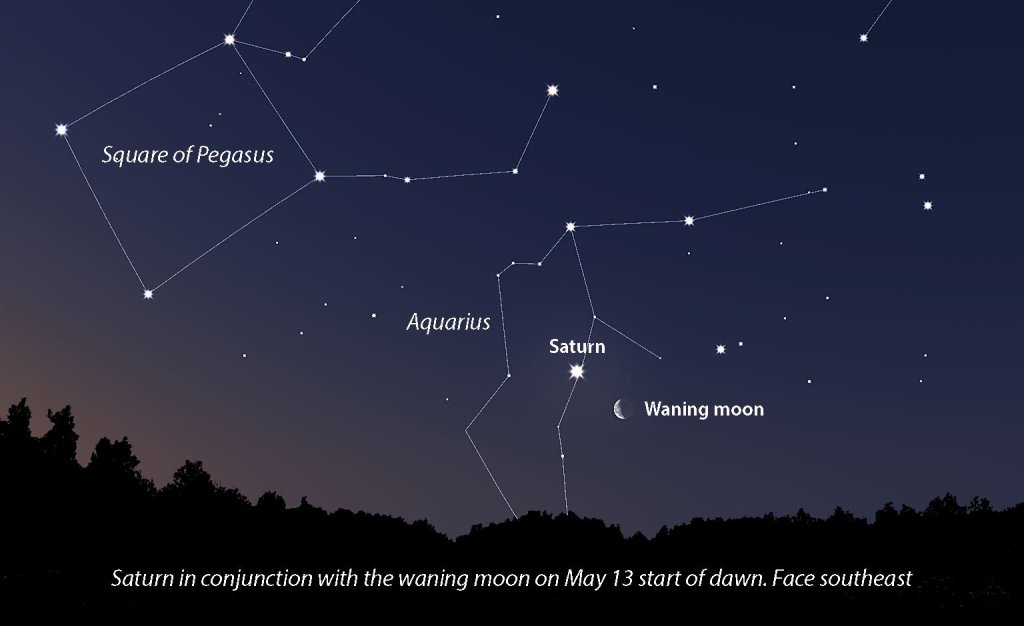
One of the most prominent features of the May night sky is the array of majestic constellations that grace the heavens. As the Earth continues its journey around the Sun, we are treated to a new cast of celestial characters that take center stage in the evening hours.

Ursa Major and the Big Dipper

High in the northern sky, the familiar asterism known as the Big Dipper, part of the larger constellation Ursa Major (the Great Bear), is a reliable signpost for stargazers. Its distinctive shape, with a bowl and handle, is easily recognizable and can serve as a starting point for exploring other nearby constellations. [1][4]

Virgo and the Springtime Galaxies

To the southeast, the constellation Virgo is home to a wealth of deep-sky objects, including numerous galaxies. With the aid of binoculars or a small telescope, you can spot the Sombrero Galaxy (M104), a striking spiral galaxy known for its prominent dust lane and central bulge. [1][2]

Boötes and Arcturus

Another prominent spring constellation is Boötes, the Herdsman, which features the brilliant orange-red star Arcturus. Arcturus is the fourth-brightest star in the night sky and can be easily found by following the arc of the Big Dipper’s handle. [1][4]

Night Sky Charts and Maps HERE

The Planetary Parade

As the month of May progresses, stargazers are treated to a celestial parade of planets gracing the evening sky. From the dazzling brilliance of Venus to the distant majesty of Saturn, each planet offers a unique perspective on our solar system.

Venus and the Crescent Moon

Early in the month, look for the brilliant planet Venus low in the western sky shortly after sunset. On May 11th, Venus will form a striking pair with a slender crescent Moon, creating a breathtaking celestial sight. [1]

Jupiter and Saturn

As the night progresses, turn your gaze to the southeast to spot the gas giants Jupiter and Saturn. Jupiter, the larger of the two, is easily recognizable by its bright, steady glow. With a small telescope, you can even glimpse some of Jupiter’s moons and the planet’s famous Great Red Spot. [1][2]

Saturn, known for its stunning ring system, appears slightly fainter than Jupiter but is still a captivating sight through a telescope. Look for its distinctive golden hue and the rings, which are currently tilted at a favorable angle for observation. [1][2]

Meteor Showers and Lunar Eclipses

In addition to the dazzling planets and constellations, May also offers a few celestial events that are sure to delight stargazers of all ages.

The Eta Aquariids Meteor Shower

One of the highlights of the May night sky is the Eta Aquariids meteor shower, which peaks on the night of May 5th and early morning of May 6th. This shower, originating from the debris of Halley’s Comet, can produce up to 30 meteors per hour under ideal conditions. [1][3]

To catch a glimpse of these shooting stars, find a dark location away from city lights, lie back, and gaze at the sky. Be patient and let your eyes adjust to the darkness – you may be rewarded with a dazzling display of celestial fireworks. [3]

A Total Lunar Eclipse

On May 26th, stargazers in parts of the world will be treated to a total lunar eclipse. During this event, the Moon passes through the Earth’s shadow, causing it to appear red or coppery in color. This phenomenon is sometimes referred to as a “Blood Moon.” [3]

The eclipse will be visible from most of the Americas, Europe, Africa, and parts of Asia. Check online resources or consult with local astronomy clubs to find out if the eclipse will be visible from your location and what time it will occur. [3]

Observing Tips and Resources

While many celestial objects are visible to the naked eye, binoculars or a small telescope can greatly enhance your views and allow you to see more detail. Consider investing in a pair of binoculars or a beginner-friendly telescope to enhance your stargazing experience. [1][4]

When planning your stargazing sessions, keep an eye on the weather forecast and aim for clear, moonless nights. The New Moon phase, when the Moon is not visible in the sky, is an ideal time for observing faint deep-sky objects. [3]

To learn more about the night sky and stay up-to-date with the latest celestial events, consider joining a local astronomy club or attending public stargazing events in your area. Many clubs offer beginner-friendly workshops, star parties, and telescope-viewing sessions that can help you get started on your cosmic journey. [4]

Help Observing the Night Sky

Conclusion: Embrace the Magic of the May Night Sky

As May unfolds its celestial wonders, take the time to explore the night sky and marvel at the beauty of the cosmos. Whether you’re admiring the brilliance of Venus, spotting planets in the evening sky, or counting shooting stars during the Eta Aquariids meteor shower, each celestial sight offers a unique opportunity for discovery and wonder. [1]

So gather your loved ones, step outside, and let the magic of the May night sky ignite your imagination and inspire your cosmic journey. Happy stargazing!

Citations:
[1] https://stanshobbiesandinterests.com/2024/04/03/exploring-the-april-night-sky-a-beginners-guide-to-celestial-wonders/
[2] https://stanshobbiesandinterests.com/2024/04/10/the-different-types-of-celestial-bodies-that-are-our-neighbors-in-space/
[3] https://darksky.org/news/planning-your-next-trip-to-the-dark-side/
[4] https://www.skyatnightmagazine.com/advice/astronomy-for-beginners
[5] https://www.kashiwaya.org/e/magazine/shimaonsen/starry-night-sky.html

 May’s Celestial Highlights: A Stargazer’s Guide

Some of the most interesting celestial events in the May night sky include:

The Eta Aquariids Meteor Shower

The Eta Aquariids meteor shower, originating from the debris of Halley’s Comet, peaks on the night of May 5th and early morning of May 6th. Under ideal conditions, this shower can produce up to 30 meteors per hour in the Northern Hemisphere. [1][3]

A Total Lunar Eclipse

On May 26th, stargazers in parts of the world will be treated to a total lunar eclipse. During this event, the Moon passes through the Earth’s shadow, causing it to appear red or coppery in color. The eclipse will be visible from most of the Americas, Europe, Africa, and parts of Asia. [1][3]

The Planetary Parade

As the month of May progresses, stargazers can enjoy a celestial parade of planets gracing the evening sky. Look for the brilliant planet Venus low in the western sky shortly after sunset, and later in the night, spot the gas giants Jupiter and Saturn in the southeast. [1]

The Majestic Constellations of Spring

The May night sky features the majestic constellations of spring, including Ursa Major (the Great Bear) with its famous asterism, the Big Dipper, and Virgo, which is home to numerous galaxies that can be spotted with binoculars or a small telescope. [1]

So mark your calendars and prepare to be enchanted by the celestial wonders of the May night sky!

Citations:
[1] https://stanshobbiesandinterests.com/2024/04/03/exploring-the-april-night-sky-a-beginners-guide-to-celestial-wonders/
[2] https://stanshobbiesandinterests.com/2024/04/10/the-different-types-of-celestial-bodies-that-are-our-neighbors-in-space/
[3] http://www.seasky.org/astronomy/astronomy-calendar-2025.html
[4] https://cw33.com/news/5-of-the-rarest-astronomical-events-and-when-youll-next-see-them/
[5] https://www.smithsonianmag.com/science-nature/nine-dazzling-celestial-events-to-watch-in-2024-180983505/

Key factors to consider when designing a Model Railroad Track Plan.

When designing a model railroad track plan, there are several key factors that a family-friendly novice should consider. These factors will help ensure that the layout is not only visually appealing but also functional, engaging, and suitable for the available space. Here are the key factors to keep in mind.

An Introduction to track planning.

  1. Available Space
    The first and most crucial factor to consider is the available space for your model railroad layout. This will determine the overall size and complexity of your track plan. Measure the length, width, and height of the room or area where you plan to set up your layout. Consider whether you want a permanent layout or a temporary one that can be disassembled and stored when not in use. Also, think about accessibility for operation, maintenance, and viewing.
  2. Layout Theme
    Choosing a theme for your layout will guide the overall design, scenery, and atmosphere. Popular themes include prototypical railroads, specific eras (such as the steam or diesel era), industries (like logging or mining), or fictional settings. Your theme will influence the types of trains, structures, and scenery you incorporate into your layout.
  3. Scale and Gauge
    The scale and gauge of your model railroad will significantly impact the size and complexity of your layout. The most common scales are HO (1:87.1), N (1:160), and O (1:48). Consider factors such as available space, budget, and personal preferences when choosing your scale and gauge.
  4. Layout Type
    There are several types of model railroad layouts to choose from, each with its own advantages and challenges. Some popular options include:
  • Loop Layout: A simple layout with a continuous loop of track, ideal for beginners or limited spaces.
  • Point-to-Point Layout: Trains run from one end of the layout to the other, allowing for more complex operations.
  • Switching Layout: Focused on realistic switching operations, with multiple industries and sidings.
  • Modular Layout: Composed of individual modules that can be easily assembled and disassembled.

Consider your available space, desired level of complexity, and operational preferences when selecting the layout type.

  1. Operational Elements
    To add excitement and realism to your layout, consider incorporating various operational elements such as:
  • Yards and Sidings: Dedicated areas for switching operations, allowing trains to pick up and drop off cars.
  • Staging Tracks: Hidden tracks that allow trains to “disappear” and reappear, simulating longer routes.
  • Turnouts and Crossings: Switches that allow trains to change tracks or cross paths, adding complexity and interest.
  • Grades and Elevations: Incorporate hills, mountains, and bridges to create a more realistic and visually appealing layout.
  1. Scenery and Structures
    While the track plan is the backbone of your layout, scenery and structures are what bring it to life. Consider incorporating elements such as:
  • Terrain: Mountains, hills, valleys, rivers, and other natural features to create a realistic environment.
  • Buildings and Structures: Buildings, bridges, tunnels, and other structures to add depth and interest.
  • Vegetation: Trees, shrubs, and other vegetation to create a natural and visually appealing landscape.
  • Lighting and Animations: Lighting effects, animated scenes, and other special effects to enhance the overall experience.
  1. Accessibility and Maintenance
    When designing your track plan, consider accessibility for maintenance and operation. Avoid placing track sections or structures in areas that will be difficult to reach. Plan for easy access to all parts of the layout for cleaning, repairs, and adjustments.
  2. Prototypical Operations
    If you’re aiming for a prototypical layout, research the actual track plans and operations of the railroad or region you’re modeling. This will help ensure that your layout accurately represents the real-world operations and track configurations.
  3. Future Expansion
    While you may start with a modest layout, consider the possibility of future expansion. Design your track plan in a way that allows for easy addition of new sections or modules as your skills and interests grow.
  4. Seek Inspiration and Advice
    Don’t hesitate to seek inspiration and advice from experienced model railroaders, clubs, or online communities. They can provide valuable insights, tips, and recommendations based on their own experiences. Attending model railroad shows and exhibitions can also give you ideas and inspiration for your own layout.

Check this link for Model Railroad Accessories

Designing a model railroad track plan is a crucial step in creating a layout that will provide endless hours of enjoyment for you and your family. By considering factors such as available space, theme, scale, layout type, operational elements, scenery, structures, accessibility, prototypical operations, and future expansion, you can create a layout that is not only visually appealing but also functional and engaging. Remember, model railroading is a journey, and your layout will evolve and grow over time. Embrace the process, seek inspiration, and most importantly, have fun!

Citations:
[1] https://www.bouldercreekrailroad.com/articles/track-planning-for-a-modular-model-railroad
[2] https://www.building-your-model-railroad.com/train-layout-design.html
[3] https://modelrailwaytechniques.com/how-to-design-a-track-plan-for-your-model-railroad/
[4] https://www.building-your-model-railroad.com/model-train-layout.html
[5] https://www.trains.com/mrr/how-to/track-types-and-uses-a-beginners-guide/

What Foods Pair well with Red Wines

Navigating the world of red wine can be an exhilarating journey, filled with discoveries of rich flavors, bold aromas, and the art of pairing these wines with food. Red wine, with its diverse range from light-bodied to full-bodied, offers a plethora of pairing possibilities that can elevate a simple meal into a memorable dining experience. This article aims to guide novices through the essentials of pairing red wines with food, ensuring each sip and bite harmonizes beautifully.

Understanding Red Wine

Before delving into pairings, it’s crucial to understand the characteristics of red wine. Red wines are distinguished by their color, which ranges from light red to deep purple, derived from the grape skins used in the winemaking process. The body of the wine, which refers to its weight and fullness on the palate, can be light, medium, or full. This is influenced by factors such as grape variety, region, and winemaking techniques. Tannins, natural compounds found in grape skins, seeds, and stems, give red wine its structure and can contribute to a drying sensation in the mouth[1][2].

Pairing Foods with Red Wine

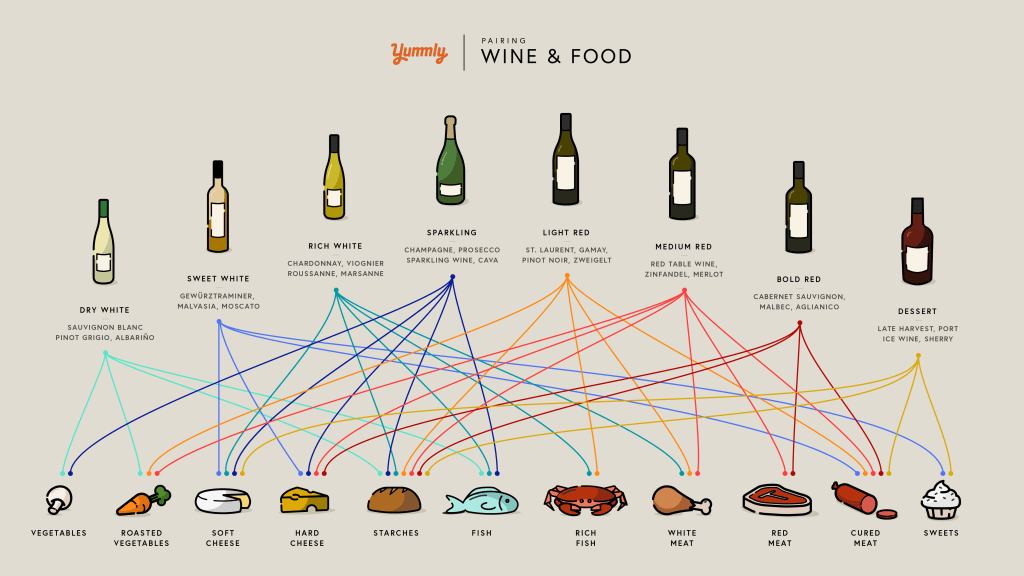
The key to successful wine pairing is balance. The wine should complement the food, enhancing its flavors without overpowering them. Here are some guidelines for pairing foods with different types of red wine:

Light-Bodied Red Wines

Light-bodied red wines, such as Pinot Noir, are known for their delicate flavors and higher acidity. They pair wonderfully with lighter dishes that might be overwhelmed by more robust wines.

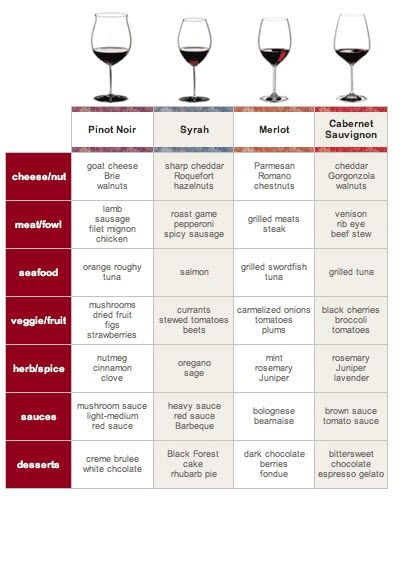
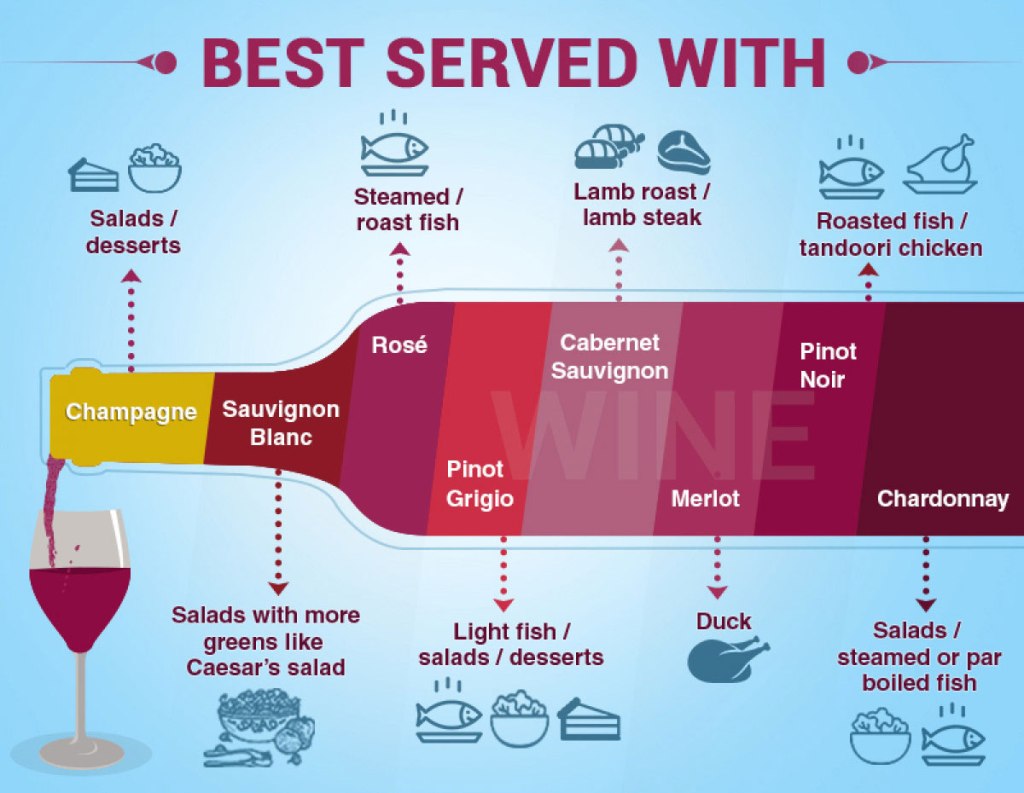
  • Pinot Noir: Ideal with earthy flavors, such as dishes featuring mushrooms or truffles. It also pairs well with poultry, like roasted chicken, and is versatile enough to complement lightly seasoned fish[1][3].
  • Beaujolais: With its fruity profile, Beaujolais goes well with a variety of foods, including grilled chicken, light pasta dishes, and charcuterie[5].

For a selection of red wines please check HERE

Medium-Bodied Red Wines

Medium-bodied red wines strike a balance between light and full-bodied, offering a wider range of pairing options.

  • Merlot: Known for its soft, smooth texture, Merlot pairs well with grilled meats, including steak and lamb chops. It’s also a great match for pasta with tomato-based sauces[2][4].
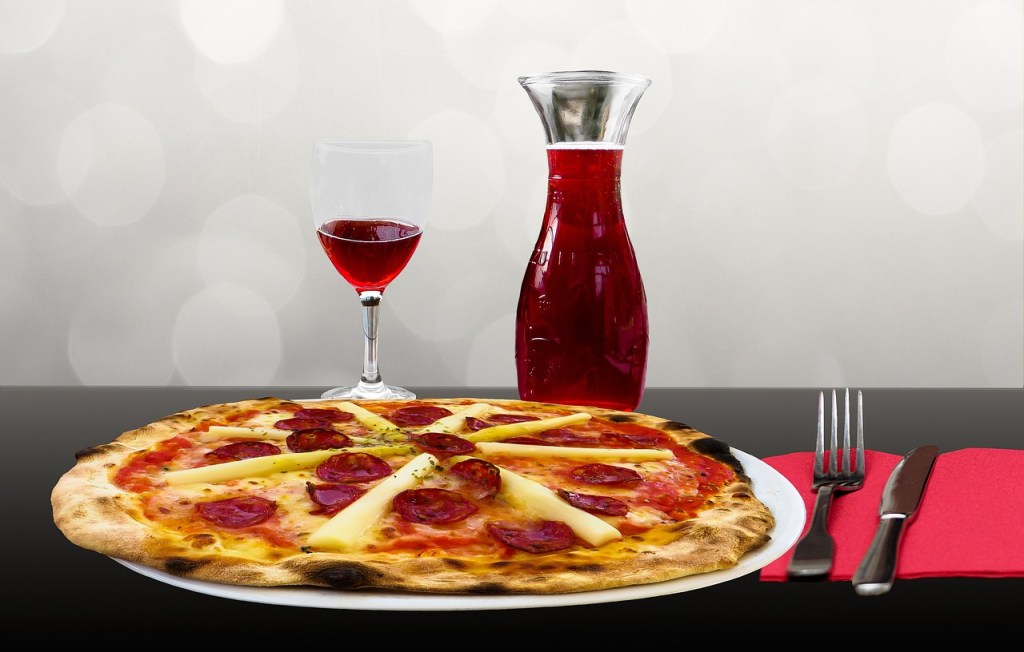
  • Chianti: With its high acidity and tannin content, Chianti complements dishes with tomato sauce, such as pizza and pasta, as well as grilled meats and hard cheeses[5].

Full-Bodied Red Wines

Full-bodied red wines are rich and powerful, with bold flavors that can stand up to hearty dishes.

  • Cabernet Sauvignon: The king of red wines, Cabernet Sauvignon, pairs excellently with red meat, including juicy steaks and burgers. Its bold flavors also complement strong cheeses and dark chocolate[1][2].
  • Syrah/Shiraz: This wine’s spicy and bold profile makes it a perfect match for barbecued meats, spicy dishes, and stews[2].

Special Considerations

  • Spicy Foods: For dishes with a kick, opt for a red wine with lower alcohol and softer tannins, like a Malbec or a fruitier Merlot, to avoid intensifying the heat[3].
  • Cheese Pairings: Red wines can be paired with a variety of cheeses. A general rule is to match the intensity of the wine with the intensity of the cheese. For example, a light-bodied Pinot Noir pairs well with soft cheeses, while a full-bodied Cabernet Sauvignon can stand up to aged cheeses[3].
  • Vegetarian Dishes: Earthy wines like Pinot Noir and Merlot complement dishes with mushrooms, lentils, and root vegetables. For spicy vegetarian stews, a softer, sweeter red wine can balance the spice[1].

Tips for Successful Pairings

  • Experiment: Don’t be afraid to try new combinations. Personal taste plays a significant role in what makes a pairing successful.
  • Consider the Sauce: Sometimes, the sauce can be the dominant element of a dish. Pair the wine with the sauce rather than the protein for a more harmonious match.
  • Balance Tannins with Fat: Tannic wines pair well with fatty foods, as the fat can soften the wine’s astringency, creating a pleasant balance[2].
  • Mind the Cooking Method: The way a dish is prepared can influence the pairing. Grilled and roasted dishes often pair well with bolder wines, while steamed or poached dishes might call for something lighter[4].

For RED WINES

Conclusion

Pairing red wine with food is an art that enhances the dining experience, creating a symphony of flavors that delight the palate. By understanding the characteristics of different red wines and following these guidelines, novices can confidently navigate the world of wine pairings. Remember, the ultimate goal is to enjoy the journey of discovery, experimenting with different wines and foods to find what delights your senses the most. Cheers to exploring the rich and rewarding world of red wine pairings!

Citations:
[1] https://theharewineco.com/red-wine-pairings-what-to-eat-with-red-wine/
[2] https://www.virginwines.co.uk/hub/wine-guide/wine-basics/types-of-red-wine/
[3] https://www.franbergerliving.com/blogs/signature-pairings/red-wine-pairings-definitive-guide-for-every-dish
[4] https://winecellarhq.com/blogs/news/food-and-wine-pairing-chart
[5] https://ilchianti.wine/5-most-common-types-of-wine-with-food-pairings/
[6] https://www.wienscellars.com/pairing-wine-with-food-a-comprehensive-guide/
[7] https://www.napacabs.com/blog/the-ultimate-red-wine-food-pairings-to-enhance-your-all-your-meals/
[8] https://www.wtso.com/blog/guide-on-how-to-pair-your-red-wine-and-food/
[9] https://www.altiwineexchange.com/news/pairing-101/
[10] https://www.ecoleducasse.com/en/blog/wine-food-pairing-guide
[11] https://winefolly.com/wine-pairing/getting-started-with-food-and-wine-pairing/
[12] https://cleaverandcocktail.com/wine-and-food-pairing-guide/
[13] https://www.stettyncellar.co.za/blog/red-wine-food-pairing/
[14] https://www.coravin.com/community/wine-101/coravins-guide-to-mastering-the-art-of-food-and-wine-pairings
[15] https://academy.getbackbar.com/the-basics-wine-and-food-pairing
[16] https://www.firstleaf.com/wine-school/article/how-to-pair-wine-with-food
[17] https://jonathansristorante.com/what-foods-pair-best-with-red-wine/
[18] https://www.wineenthusiast.com/basics/red-wine-basics/
[19] https://www.foodandwine.com/food-and-wine-pairing-guide-6409590
[20] https://www.reddit.com/r/Cooking/comments/u8lxp5/suggestions_for_snacks_that_go_with_red_wine/

The Different Types of Celestial Bodies that are our Neighbors in Space

As we gaze up at the night sky, we are surrounded by a vast array of celestial bodies that make up our cosmic neighborhood. From the planets that grace our solar system to the distant galaxies that populate the universe, each of these celestial wonders offers a unique glimpse into the grandeur and mysteries of the cosmos. In this article, we’ll embark on a journey to explore the different types of celestial bodies that are our neighbors in space.

Planets and Dwarf Planets

Our celestial neighborhood begins with the planets that orbit our Sun, each with its unique characteristics and allure. These celestial bodies have been the subject of human fascination and exploration for millennia, and they continue to reveal new secrets with every passing year.

  1. The Major Planets: Our solar system is home to eight major planets, including the inner terrestrial planets (Mercury, Venus, Earth, and Mars) and the outer gas giants (Jupiter, Saturn, Uranus, and Neptune). Each of these planets has its own distinct features, from the scorching surface of Venus to the iconic rings of Saturn[2].
  2. Dwarf Planets: In addition to the major planets, our solar system also harbors a category of celestial bodies known as dwarf planets. These objects, including Pluto, Eris, Haumea, and Makemake, are massive enough to be rounded by their own gravity but have not cleared the neighborhood around their orbits[1][2].

Moons and Asteroids

Beyond the planets and dwarf planets, our cosmic backyard is home to a diverse array of smaller celestial bodies that play a crucial role in our understanding of the solar system.

  1. Moons: Many of the planets in our solar system are accompanied by moons, ranging from Earth’s solitary Moon to the numerous moons that orbit the gas giants. These natural satellites offer a glimpse into the formation and evolution of our solar system, with some even harboring potential for future exploration[2].
  2. Asteroids: Scattered throughout the solar system, asteroids are rocky objects that orbit the Sun, primarily concentrated in the asteroid belt between Mars and Jupiter. These celestial remnants from the early days of our solar system provide valuable insights into the processes that shaped our cosmic neighborhood[2].

Comets and Meteors

While planets, moons, and asteroids are the more familiar celestial bodies, our cosmic neighborhood is also home to transient visitors that captivate stargazers with their fleeting beauty.

  1. Comets: These icy bodies travel in highly elliptical orbits, often bringing them close to the Sun and developing stunning tails of gas and dust. Comets are remnants from the formation of our solar system and offer a glimpse into the primordial materials that gave birth to the planets[2].
  2. Meteors: When small particles of dust and debris from asteroids or comets enter Earth’s atmosphere, they burn up, creating the streaks of light we know as meteors or shooting stars. These celestial fireworks are a reminder of the constant interplay between celestial bodies in our cosmic neighborhood[3].

For more information on the Neighbors in Space or Astronomy check HERE

Stars and Star Systems

While our solar system is home to a single star, the Sun, our cosmic neighborhood extends far beyond our local celestial family. The universe is teeming with countless stars, each one a blazing furnace of nuclear fusion.

  1. Stars: From the brilliant stars that adorn our own Milky Way galaxy to the distant suns that reside in other galaxies, stars offer a glimpse into the life cycles of these celestial powerhouses and the processes that shape the cosmos[1].
  2. Star Systems: Many stars are accompanied by their own planetary systems, with some even harboring planets that could potentially support life. These exoplanets, or planets orbiting stars other than our Sun, have opened up new frontiers in the search for habitable worlds beyond our solar system[1][3].

Star Clusters and Nebulae

As we venture further into our cosmic neighborhood, we encounter stunning collections of stars and the celestial nurseries where new stars are born.

  1. Star Clusters: Scattered throughout the universe are breathtaking collections of stars known as star clusters. These celestial jewels come in two varieties: open clusters, which are loosely bound groups of young stars, and globular clusters, which are tightly packed spherical collections of ancient stars[1][3].
  2. Nebulae: These vast clouds of gas and dust are the birthplaces of stars, where new suns are formed from the cosmic raw materials. From the iconic Orion Nebula to the ethereal Crab Nebula, these celestial wonders offer a glimpse into the processes that shape the universe[1][3].

Galaxies and Beyond

Extending our cosmic neighborhood to its grandest scale, we encounter the vast collections of stars, gas, and dust that make up galaxies, and even the mysterious forces that govern the universe itself.

  1. Galaxies: Beyond our own Milky Way, the universe is teeming with countless galaxies, each one a vast collection of stars, gas, and dust. From the majestic spiral galaxies to the enigmatic elliptical and irregular galaxies, these celestial cities offer a glimpse into the large-scale structure of the cosmos and the mysteries that lie beyond our own galactic home[1][3].
  2. Dark Matter and Dark Energy: Our cosmic neighborhood is also home to a variety of fascinating phenomena, such as dark matter, the invisible substance that holds galaxies together, and dark energy, the mysterious force that is driving the accelerated expansion of the universe. These enigmatic entities challenge our understanding of the cosmos and push the boundaries of scientific exploration[1][3].

To get information on Astronomy Binoculars and Telescopes check HERE

As we explore the different types of celestial bodies that are our neighbors in space, we are reminded of the vastness and complexity of the cosmos. From the familiar planets that grace our night sky to the distant galaxies that populate the universe, each celestial wonder offers a unique perspective on the grandeur and mysteries of the cosmos.

For those seeking to delve deeper into the wonders of our cosmic neighborhood, a wealth of resources is available. Astronomy clubs, planetariums, and online resources offer opportunities to learn from experts, attend stargazing events, and engage with like-minded enthusiasts. Additionally, books such as “The Backyard Astronomer’s Guide” by Terence Dickinson and Alan Dyer provide invaluable insights and guidance for exploring the night sky and understanding our celestial neighbors.

Ultimately, our journey through the cosmos is a testament to the human spirit of exploration and curiosity. As we continue to unravel the secrets of our neighbors in space, we are reminded of the profound connections that bind us to the universe and the endless wonders that await our discovery.

Citations:
[1] https://exoplanets.nasa.gov/resources/2331/astronomical-objects-through-the-history-of-the-universe/
[2] https://science.nasa.gov/solar-system/planets/what-is-a-planet/
[3] https://www.astronomy.com/science/dark-energy-survey-finds-more-celestial-neighbors/
[4] https://spacemesmerise.com/en-us/blogs/planets/venus-vs-earths-moon-a-comparative-study-of-our-planetary-neighbors
[5] https://science.howstuffworks.com/milky-way.htm

Guidelines and Basic Tips for Pairing Wine and Food

As a wine novice, the prospect of pairing wine with food can seem daunting. With countless varieties of wine and an endless array of culinary delights, it’s easy to feel overwhelmed. However, fear not! This comprehensive guide will provide you with the essential guidelines and basic tips to navigate the world of wine and food pairing with confidence.

Understanding the Fundamentals
Before we dive into the specifics, it’s crucial to grasp the fundamental principles that govern successful wine and food pairings. The key lies in achieving a harmonious balance between the flavors and characteristics of the wine and the dish. This balance can be achieved through complementing or contrasting flavors, textures, and intensities.

Complementary Pairings
One of the most common approaches to wine and food pairing is to seek out complementary flavors. This means selecting a wine that shares similar flavor profiles or characteristics with the dish. For example, a buttery Chardonnay can complement the richness of a creamy pasta dish, while a fruity Pinot Noir can enhance the earthy flavors of mushroom-based dishes.

Contrasting Pairings
On the other hand, contrasting pairings can create an exciting interplay of flavors by balancing opposing elements. A classic example is pairing a high-acid white wine, like a crisp Sauvignon Blanc, with a rich, fatty dish like fried fish or creamy risotto. The wine’s acidity cuts through the richness, creating a refreshing and balanced experience.

Weight and Intensity
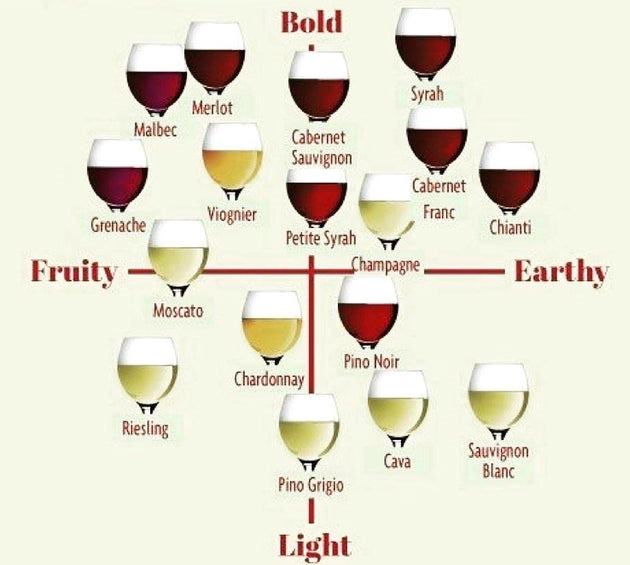
One of the most fundamental guidelines in wine and food pairing is to match the weight and intensity of the wine with the dish. Lighter wines, such as Pinot Grigio or Beaujolais, pair well with delicate dishes like salads or grilled fish. Conversely, full-bodied wines like Cabernet Sauvignon or Syrah are better suited for hearty dishes like grilled meats or rich stews.

Acidity and Richness
Acidity is a crucial factor in wine and food pairing. High-acid wines, like Sauvignon Blanc or Barbera, can cut through rich, fatty dishes, cleansing the palate and enhancing the flavors. On the other hand, low-acid wines, such as Chardonnay or Merlot, pair well with creamy or buttery dishes, as their softer acidity won’t overpower the richness.

Sweetness and Spice
When it comes to pairing wine with spicy or sweet dishes, the key is to find a balance. Slightly sweet wines, like off-dry Riesling or Gewürztraminer, can tame the heat of spicy dishes, while dessert wines, like Port or Sauternes, can complement the sweetness of desserts or rich, decadent dishes.

Tannins and Protein
Tannins, the compounds that give red wines their astringency and structure, can be softened by the presence of protein. This makes tannic red wines, like Cabernet Sauvignon or Syrah, ideal partners for protein-rich dishes like grilled steak or lamb.

Experiment and Enjoy
While these guidelines can serve as a starting point, the most important aspect of wine and food pairing is personal preference. Don’t be afraid to experiment and trust your palate. Try different combinations and take note of what works for you. Remember, the ultimate goal is to enhance your dining experience and create memorable moments of enjoyment.

Check HERE for a wide selection of wines

Basic Tips for Successful Pairings
Now that we’ve covered the fundamental principles, let’s explore some basic tips to help you navigate the world of wine and food pairing with confidence:

  1. Consider the Dominant Flavor: When pairing wine with a dish, identify the dominant flavor or ingredient and use that as a guide. For example, if you’re serving a dish with a prominent herb like rosemary, consider a wine with complementary herbal notes, like a Sauvignon Blanc or a Cabernet Franc.
  2. Balance Flavors: Aim for a balance between the flavors of the wine and the dish. If the dish is rich and heavy, opt for a full-bodied wine with robust flavors. If the dish is light and delicate, choose a lighter, more delicate wine.
  3. Pair by Weight: As a general rule, pair lighter wines with lighter dishes and heavier wines with heartier dishes. This helps create a harmonious balance and prevents either the wine or the food from overpowering the other.
  4. Consider Cooking Methods: The cooking method can also influence the wine pairing. For example, grilled or roasted dishes often pair well with wines that have a touch of smokiness or toasted notes, while braised or stewed dishes may benefit from a wine with a bit more body and richness.
  5. Don’t Forget Dessert: When it comes to dessert wines, the general rule is to choose a wine that is sweeter than the dessert itself. This ensures that the wine’s sweetness doesn’t taste flat or dull in comparison to the dessert.
  6. Serve at the Right Temperature: Serving wine at the appropriate temperature can greatly enhance the flavors and aromas. As a general guideline, white wines should be served chilled, while red wines should be served slightly cooler than room temperature.
  7. Start Light and Progress: When serving multiple courses, it’s best to start with lighter wines and progress to heavier, more full-bodied wines as the meal progresses. This allows your palate to appreciate the nuances of each wine without becoming overwhelmed.
  8. Trust Your Palate: Ultimately, the most important factor in wine and food pairing is your personal preference. Don’t be afraid to trust your palate and experiment with different combinations. What may seem like an unconventional pairing could turn out to be a delightful surprise.

Conclusion
The art of wine and food pairing is a journey of exploration and discovery. By understanding the fundamental principles and basic tips outlined in this guide, you’ll be well-equipped to navigate the world of wine and food pairings with confidence. Remember, the key is to experiment, trust your palate, and most importantly, enjoy the process. Cheers to a lifetime of delicious pairings and unforgettable dining experiences!

What’s in a Bottle of WINE

As a wine novice, understanding what’s inside a bottle of wine can be a fascinating journey into the world of viticulture and winemaking. While the ingredients may seem simple at first glance, the truth is that a bottle of wine contains a complex blend of natural and sometimes added components, each contributing to the wine’s unique character and flavor profile. In this article, we’ll delve into the primary constituents found in a bottle of wine, shedding light on their roles and significance.

The Primary Ingredient: Grape Juice
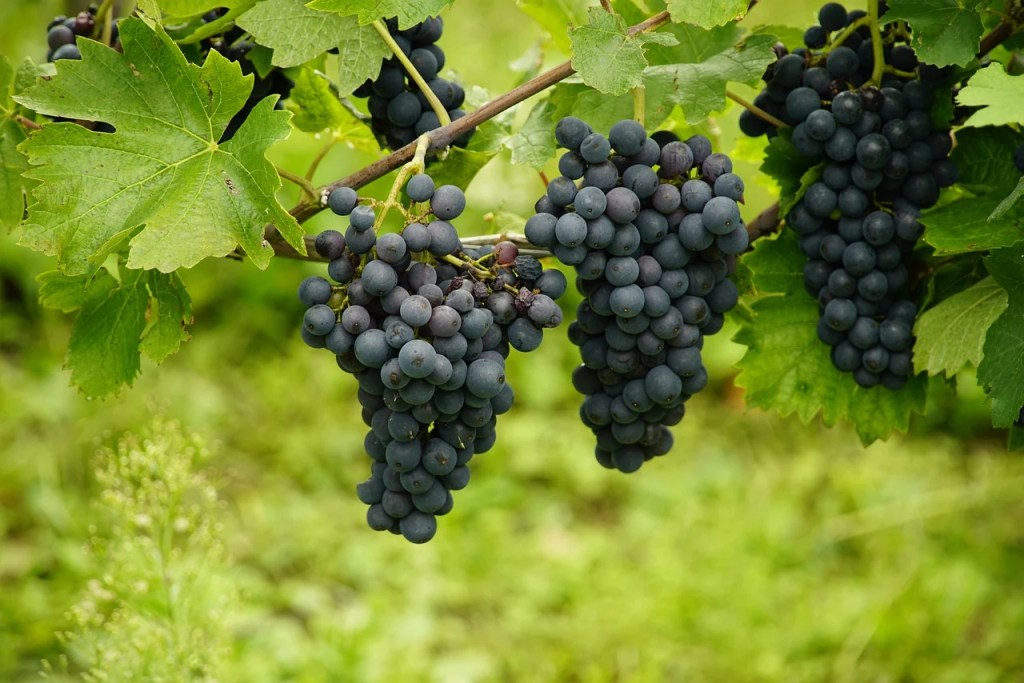
At the heart of every bottle of wine lies the humble grape juice, the liquid extracted from the fermented grapes. The type of grape used, whether red or white, is the foundation upon which the wine’s character is built. Different grape varieties impart distinct flavors, aromas, and tannin levels, resulting in the vast array of wine styles we enjoy today[1].

The Role of Yeast
While grape juice is the primary ingredient, the fermentation process that transforms it into wine is facilitated by the addition of yeast. Winemakers can choose between two types of yeast: wild yeast or cultured yeast. Wild yeast naturally occurs on the grape skins and in the winery environment, lending a unique character to the wine. Cultured yeast, on the other hand, is specifically selected and added to the grape juice, providing more consistent and predictable results[1][3].

The Importance of Acidity
Acidity is a crucial component in wine, contributing to its crispness, freshness, and overall balance. Various acids are naturally present in grapes, such as tartaric acid and malic acid. However, winemakers may also add specific acids during the winemaking process to adjust the wine’s acidity levels and enhance its stability[3].

The Role of Tannins
Tannins are compounds found primarily in red wines, derived from the grape skins, seeds, and stems. They contribute to the wine’s structure, mouthfeel, and aging potential. Tannins can impart a drying sensation in the mouth and add complexity to the wine’s flavor profile. The level of tannins in a wine is influenced by factors such as grape variety, winemaking techniques, and aging[1].

Sulfites: Friend or Foe?
Sulfites are a controversial topic in the wine world, but they play a vital role in preserving the wine’s freshness and preventing oxidation. While sulfites occur naturally during fermentation, winemakers often add additional sulfites to stabilize the wine and extend its shelf life. It’s important to note that sulfites are present in many other foods and beverages, and only a small percentage of people are truly sensitive to them[3].

The Art of Fining and Filtering
Fining and filtering are processes used to clarify and polish the wine before bottling. Fining agents, such as egg whites or bentonite clay, are added to the wine to remove unwanted particles and proteins, resulting in a clearer and more stable product. Filtering further refines the wine, removing any remaining solids and ensuring a brilliant clarity[3].

The Influence of Oak
For many red and some white wines, oak aging plays a significant role in shaping the wine’s flavor and aroma. Oak barrels or oak chips can impart notes of vanilla, spice, and toast, adding complexity and depth to the wine. The type of oak, the level of toasting, and the duration of aging all contribute to the wine’s unique oak profile[1].

The Importance of Terroir
While not a physical ingredient, terroir is a concept that encompasses the unique combination of soil, climate, and topography that influences a wine’s character. Wines from different regions or even vineyards can exhibit distinct flavors and aromas due to the terroir’s impact on the grapes[2].

Additives and Preservatives
In addition to the primary ingredients, some wines may contain additives and preservatives to enhance stability, color, or flavor. These can include sugar, acid regulators, tannins, and even egg whites or milk proteins used in fining. However, it’s important to note that many winemakers strive for minimal intervention, allowing the grapes and terroir to shine through[3].

Find excellant selections HERE

As a wine novice, understanding the components that make up a bottle of wine can deepen your appreciation for this complex and fascinating beverage. From the humble grape juice to the intricate interplay of yeast, acidity, tannins, and oak, each element contributes to the wine’s unique character and flavor profile. By exploring the world of wine ingredients, you’ll embark on a journey of discovery, unlocking the secrets behind every sip and developing a deeper connection with the art of winemaking.

Citations:
[1] https://www.streetdirectory.com/food_editorials/beverages/wine/what_is_in_a_bottle_of_wine.html
[2] https://uncorkedinitaly.com/whats-in-your-bottle-of-wine/
[3] https://www.usatoday.com/story/life/grateful/2019/09/11/wine-ingredients-labels-explained/1684913001/
[4] https://en.wikipedia.org/wiki/Wine_bottle
[5] https://www.chefintheburbs.com/how-many-glasses-of-wine-are-in-a-bottle/

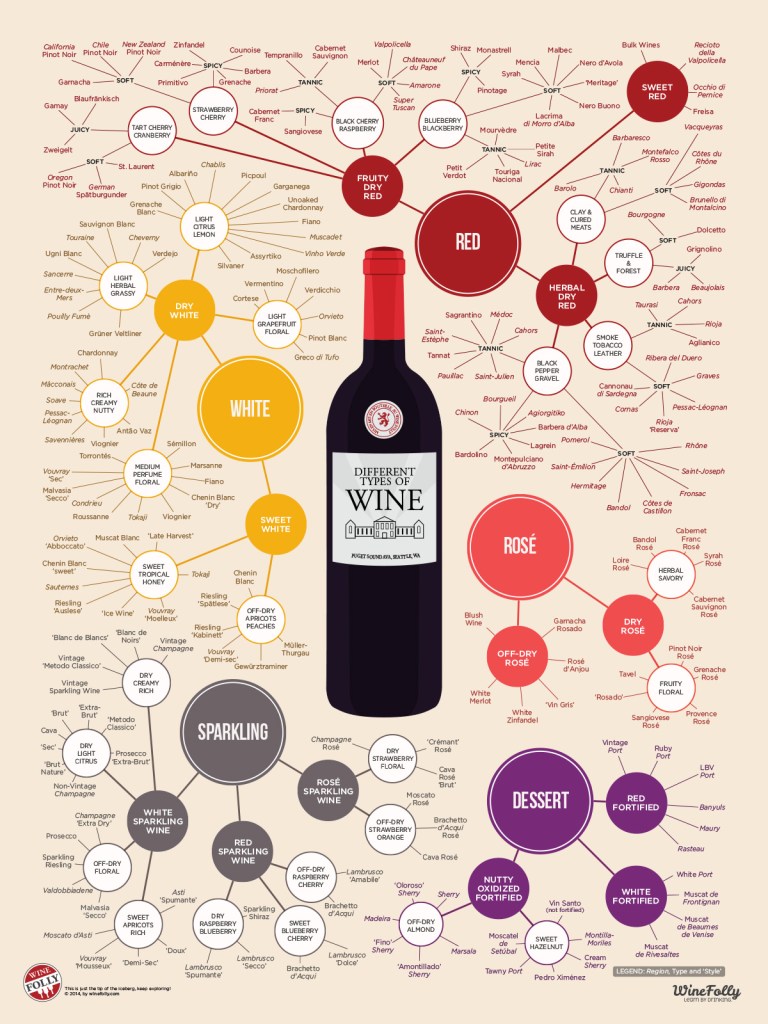
what are the different types of wine and how do they differ in taste and flavor

Wine is a complex and varied beverage, with a range of types that cater to every palate. Understanding the different types of wine and how they differ in taste and flavor can help beginners navigate their wine journey more effectively. Here’s an overview of some common types of wine and their characteristics:

Red Wines

Cabernet Sauvignon

  • Taste: Features flavors of black cherry, black currant, baking spices, and cedar from oak aging.
  • Style: Full-bodied with bold tannins and a long finish, making it great with food pairings like lamb, beef, and aged cheeses[1].

Syrah (Shiraz)

  • Taste: Known for blueberry, plum, tobacco, cured meat, and black pepper flavors.
  • Style: Full-bodied and tart, often with herbal, “green” fruit flavors, pairing well with meats and cheeses[1].

Zinfandel

  • Taste: Typically zesty with flavors of red and black fruit and a hint of black pepper.
  • Style: Bold and fruit-forward with high alcohol content and moderate to high tannins, great with grilled meats[1].

Pinot Noir

  • Taste: Delicate flavors of cherry, cranberry, and floral notes.
  • Style: Lighter-bodied with soft tannins, making it versatile for pairing with fish, chicken, pork, and more[1].

For red wines look HERE

White Wines

Chardonnay

  • Taste: Can range from apple and citrus in cooler climates to tropical fruits in warmer areas. Oak-aged versions can have vanilla and toast flavors.
  • Style: Medium to full-bodied, often with a creamy texture, pairing well with poultry, seafood, and creamy sauces[1].

Sauvignon Blanc

  • Taste: Features flavors of citrus, green apple, and herbaceous notes.
  • Style: Light to medium-bodied with high acidity, making it refreshing and great with salads, light fish, and goat cheese[1].

Pinot Gris (Pinot Grigio)

  • Taste: Light citrus, pomaceous fruits, and floral notes, sometimes with a hint of cheese rind from lees aging.
  • Style: Light-bodied and easy-drinking with some bitter flavors on the palate, pairing well with light fish and mild cheeses[1].

Riesling

  • Taste: Citrus and stone-fruit flavors with floral and sweet herbal elements, varying in sweetness from dry to sweet.
  • Style: High in acid, can be sweet or dry, pairing well with spicy foods, pork, and duck[1].

For whites look HERE

Rosé Wine

  • Taste: Primary flavors include red fruit, flowers, citrus, and melon, with a crunchy green finish similar to celery or rhubarb.
  • Style: Can be made from nearly any red wine grape and varies greatly in flavor depending on the grape and production method. It’s versatile for pairing, from salads to grilled dishes[4].

Sparkling Wine

  • Taste and Style: Sparkling wines, including Champagne, Prosecco, and Cava, have high acidity and carbonation, with flavors ranging from apple and pear in white versions to red fruit in rosé versions. They are excellent as aperitifs and pair well with a wide range of foods[5].

Understanding these basic wine types and their flavor profiles is the first step in exploring the vast world of wine. Remember, the best way to learn about wine is to taste as much as possible, so don’t hesitate to experiment with different types and find what you enjoy the most.

AMAZON for wine

Citations:
[1] https://winefolly.com/deep-dive/common-types-of-wine/
[2] https://themillkeeper.com/the-red-wine-descriptions-chart-explained-to-beginners/
[3] https://winefolly.com/tips/flavor-profiles-of-white-wines/
[4] https://winefolly.com/deep-dive/what-is-rose-wine/
[5] https://www.thepioneerwoman.com/food-cooking/cooking-tips-tutorials/g43567741/types-of-wine/
[6] https://winefolly.com/deep-dive/red-wine-flavor-profiles/
[7] https://wineinsiders.com/blogs/wine-101-essential-wine-guides/a-comprehensive-guide-to-white-wine
[8] https://legrandcourtage.com/a-guide-to-rose-what-it-is-how-it-is-made-and-what-it-pairs-with/
[9] https://winefolly.com/deep-dive/different-types-of-wine/
[10] https://ask.metafilter.com/339696/Whats-the-taste-I-dont-like-in-some-red-wines
[11] https://ingoodtaste.com/blogs/wine-101/white-wine
[12] https://www.reddit.com/r/wine/comments/z67yne/do_ros%C3%A9_wines_ever_have_a_rose_flavour/
[13] https://www.reddit.com/r/explainlikeimfive/comments/r5mkg/eli5_the_different_types_of_wine_and_how_they_are/
[14] https://wineflavorguru.com/what-does-wine-taste-like/
[15] https://winefolly.com/deep-dive/beginners-white-wines-list/
[16] https://www.realsimple.com/food-recipes/shopping-storing/beverages/what-is-rose-wine
[17] https://blissarizona.com/wine-for-beginners-the-different-types-of-wine/
[18] https://winefolly.com/deep-dive/identifying-flavors-in-wine/
[19] https://www.cardsofwine.com/wines_flavors_white.asp
[20] https://wineflavorguru.com/what-is-rose-wine/
[21] https://www.wsetglobal.com/knowledge-centre/blog/2023/october/03/how-many-wine-types-and-styles-are-there/
[22] https://ingoodtaste.com/blogs/wine-101/red-wine
[23] https://www.goodpairdays.com/guides/wine-101/article/white-wine/
[24] https://www.webstaurantstore.com/article/907/types-of-wine.html
[25] https://www.virginwines.co.uk/hub/wine-guide/wine-basics/types-of-red-wine/

Beginners Guide to Wine

Selecting wine can be an exciting and rewarding experience, but for those new to the world of wine, it can also be somewhat intimidating. With so many varieties, regions, and styles to choose from, knowing where to start is key. This beginner’s guide will provide you with the foundational knowledge to confidently select wines that suit your taste and occasion.

Understanding Wine Varieties

Wine is primarily categorized by the grape variety used to make it, known as the varietal. The most planted wine grape in the world is Cabernet Sauvignon, which produces full-bodied red wines[1]. Other popular red varietals include Merlot, Pinot Noir, and Syrah, while common white varietals are Chardonnay, Sauvignon Blanc, and Riesling.

The Importance of Glassware

The glassware you choose can significantly affect your wine experience. Red wines typically benefit from glasses with a larger bowl, allowing the wine to breathe and release its aromas. White wines, on the other hand, are often served in glasses with a narrower bowl to concentrate the more delicate aromas[1].

Developing Your Palate

Learning to identify flavors in wine is a skill that comes with practice. A helpful method is the 4-step tasting process: look, swirl, smell, and taste. This helps you to discern the wine’s bouquet (the total scent of the wine) and aroma (the scent of the grapes), as well as its flavor profile and finish[1].

Storing and Serving Wine

Proper storage and serving can enhance a wine’s qualities. Most wines are best stored in a cool, dark place, and serving temperatures can vary: reds are often best slightly below room temperature, while whites and rosés are typically served chilled[1].

Buying Wine

When purchasing wine, consider the occasion and your personal preferences. Don’t be swayed by ratings or labels alone. Instead, read descriptions to find a style that matches your taste. Starting with approachable wines like white or rosé can be a good introduction for beginners[1].

Pairing Wine with Food

A great wine and food pairing can create a harmonious balance on your palate. The basics of pairing are simple to learn and fun to practice. For example, white wines often pair well with lighter dishes like seafood, while red wines complement red meats[1].

Expanding Your Wine Knowledge

Wine for Beginners

As you become more familiar with wine, challenge yourself to try different types. Keep notes on the wines you enjoy, and don’t be afraid to ask questions at wine tastings or wine shops. Resources like Wine Folly’s “The Master Guide” can be invaluable for learning about wine basics, regions, and varietals[1].

Trusting Your Taste

The most important aspect of selecting wine is your personal enjoyment. Trust your taste and preferences, and remember that the best wine for you is the one you enjoy drinking[1].

Conclusion

Selecting wine is a personal journey that involves exploring different flavors, aromas, and textures. By understanding the basics of wine varieties, proper glassware, tasting techniques, and food pairings, you can begin to navigate the wine world with confidence. Remember to trust your palate, be open to new experiences, and most importantly, enjoy the process of discovering the wines that speak to you. Cheers to your wine exploration!

Citations:
[1] https://winefolly.com/wine-basics-beginners-guide/
[2] https://ingoodtaste.com/blogs/wine-101/beginners-guide-to-wine
[3] https://www.wineenthusiast.com/culture/wine-for-beginners/
[4] https://www.hookandladderwinery.com/wine-blog/a-beginners-guide-to-choosing-the-right-red-wine-for-your-meal/
[5] https://wineinsiders.com/blogs/wine-101-wine-basics/how-to-pick-a-wine-for-beginners
[6] https://www.primermagazine.com/2022/learn/different-wine-types
[7] https://www.getbackbar.com/basic-wine-knowledge
[8] https://latahcreek.com/news/a-beginners-guide-to-the-basics-of-wine-and-food-pairing

Easy Targets for Family Stargazing with Binoculars

Stargazing is a timeless activity that can be enjoyed by people of all ages and experience levels. Whether you’re a seasoned astronomer or a complete novice, there’s something magical about gazing up at the night sky and marveling at the wonders of the universe. With the right equipment and a little guidance, even families with no prior experience can embark on an exciting cosmic journey. In this article, we’ll explore some easy targets for family stargazing using binoculars, allowing you to discover the beauty of the night sky together.

Why Binoculars?

Binoculars are an excellent tool for family stargazing for several reasons. They’re portable, affordable, and easy to use, making them perfect for beginners and experts alike. Binoculars also provide a wide field of view, allowing you to take in larger sections of the sky at once and making it easier to locate celestial objects. Additionally, binoculars can reveal details that may not be visible to the naked eye, enhancing your stargazing experience and bringing the universe closer to home.

Getting Started

Before we dive into our list of easy targets, let’s cover some basics to ensure a successful stargazing session with your family:

Find a Dark Spot

To get the best views of the night sky, it’s essential to find a dark spot away from city lights and other sources of light pollution. Your backyard can be a great stargazing location, but if you’re surrounded by streetlights or other bright lights, you may need to venture further afield to find a suitable spot.

Use a Star Chart or Stargazing App

A star chart or stargazing app can be incredibly helpful for locating celestial objects in the night sky. These tools will help you identify stars, constellations, and other interesting targets, making it easier to navigate the heavens with your binoculars.

Allow Your Eyes to Adjust

It takes time for your eyes to adjust to the darkness, so be patient and give yourself at least 15-20 minutes to allow your eyes to adapt fully. Avoid using bright lights or electronic devices during this time, as they can interfere with your night vision.

Now that we’ve covered the basics, let’s explore some easy targets for family stargazing with binoculars:

1. The Moon

The Moon is one of the most accessible and captivating targets for family stargazing. With binoculars, you can explore the Moon’s craters, mountains, and maria (dark plains) in incredible detail. Look for prominent features like the Sea of Tranquility, where Apollo 11 famously landed in 1969, or the Tycho crater, with its bright rays extending outward like spokes on a wheel.

2. Planets

Several planets are visible with binoculars and can provide hours of entertainment for the whole family. Venus, the brightest planet in the night sky, is often visible shortly after sunset or before sunrise, shining like a brilliant beacon in the twilight. Jupiter and Saturn are also easy to spot with binoculars, and you may even be able to see some of Jupiter’s moons or Saturn’s rings depending on the size and quality of your binoculars.

3. Star Clusters

Star clusters are groups of stars that are gravitationally bound together, and many of them are visible with binoculars. The Pleiades, also known as the Seven Sisters, is one of the most famous star clusters and can be seen with the naked eye on a clear night. With binoculars, you can see even more stars in the cluster and appreciate its beauty in greater detail.

4. Nebulae

Nebulae are vast clouds of gas and dust where stars are born, and many of them are visible with binoculars. The Orion Nebula, located in the constellation Orion, is one of the most well-known nebulae and can be seen as a faint fuzzy patch of light with the naked eye. With binoculars, you can see the nebula’s intricate structure and perhaps even spot some of the stars forming within it.

5. Meteor Showers

Meteor showers are celestial events where numerous meteors (or “shooting stars”) can be seen streaking across the sky. While binoculars aren’t necessary for viewing meteor showers, they can enhance your experience by allowing you to see more meteors and appreciate their beauty in greater detail. Keep an eye out for popular meteor showers like the Perseids in August or the Geminids in December.

6. Constellations

Constellations are patterns of stars that form recognizable shapes in the night sky, and they’re a great way to navigate the heavens with your binoculars. Look for familiar constellations like Orion, the Hunter, or Ursa Major, the Great Bear, and see if you can identify their individual stars and features. Constellations can also provide a framework for finding other celestial objects, making them useful guides for family stargazing adventures.

Conclusion

Stargazing with binoculars is a rewarding and enjoyable activity that the whole family can participate in and enjoy. Whether you’re exploring the Moon’s craters, spotting planets in the night sky, or marveling at distant star clusters and nebulae, binoculars offer a unique and immersive way to experience the wonders of the universe. So grab your binoculars, head outside, and let the cosmic adventure begin!


In this family-friendly guide, we’ve explored some easy targets for stargazing with binoculars, making it accessible and enjoyable for families of all ages. Whether you’re observing the Moon, planets, star clusters, or nebulae, there’s no shortage of celestial wonders waiting to be discovered right from your own backyard. So gather your loved ones, bundle up, and prepare for an unforgettable journey through the cosmos. Happy stargazing!