Model railroading is a wonderful hobby that can bring families together, offering a blend of creativity, engineering, and fun. To make the most out of your model railroad setup, especially if you’re just starting out, it’s important to equip yourself with the right accessories. These accessories not only enhance the realism and functionality of your layout but also make the hobby more enjoyable for everyone involved. Here are some must-have accessories for a family-friendly model railroad setup in 2024.
1. Basic Tool Kit
A basic tool kit is essential for any model railroader, novice or experienced. It helps in assembling, maintaining, and troubleshooting your layout. Here are some key tools you should include:

- Hobby Knife: For cutting and trimming materials.
- Small Screwdrivers: Both flathead and Phillips for various screws.
- Needle-Nose Pliers: For handling small parts and wires.
- Wire Strippers/Cutters: Essential for working with electrical components.
- Tweezers: For placing small details and parts.
- Ruler and Measuring Tape: For accurate measurements.
These tools are fundamental and will be used frequently as you build and maintain your layout.
2. Track Cleaning Kit
Keeping your tracks clean is crucial for smooth operation. Dust and dirt can cause poor electrical contact and derailments. A basic track cleaning kit should include:

- Track Cleaning Eraser: A specialized eraser for removing grime from the rails.
- Isopropyl Alcohol: For cleaning the tracks without leaving residue.
- Lint-Free Cloths: To wipe down the tracks after cleaning.
Regular cleaning ensures that your trains run smoothly and reduces the need for more extensive maintenance.
3. Digital Command Control (DCC) System
A DCC system allows you to control multiple trains independently on the same track, adding a layer of realism and excitement to your layout. For beginners, a user-friendly DCC starter set is ideal. Look for sets that include:
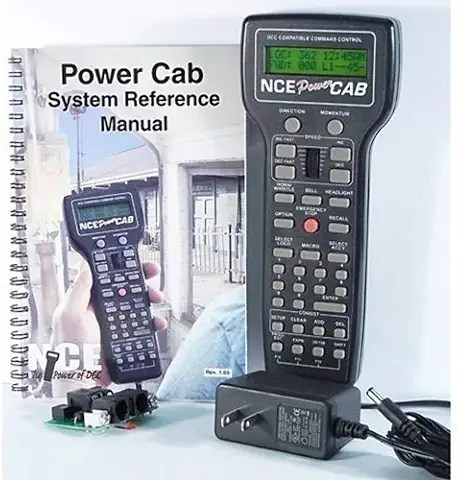
- Command Station: The brain of the DCC system.
- Power Supply: To provide the necessary power for your trains.
- Handheld Throttle: For controlling the speed and direction of your trains.
Brands like Digitrax, NCE, and ESU offer reliable starter sets that are expandable as your layout grows.
4. Scenery Materials
Creating realistic scenery is one of the most enjoyable aspects of model railroading. Basic scenery materials can transform your layout from a simple track to a miniature world. Consider starting with:

- Ground Foam: Available in various colors to simulate grass, dirt, and other ground covers.
- Static Grass Applicator: For creating realistic grass effects.
- Trees and Shrubs: Pre-made or kits that you can assemble and paint.
- Scenic Cement: To glue down your scenery materials.
These materials will help you create a visually stunning layout that captures the imagination.
5. LED Lighting Kit
Proper lighting can make a significant difference in the appearance of your layout. LED lighting kits are energy-efficient and long-lasting. Look for kits that include:

- Flexible LED Strips: For illuminating large areas.
- Individual LEDs: For lighting buildings and specific scenes.
- Power Supply and Connectors: To set up your lighting system.
LED lighting can simulate different times of day and add a dynamic element to your layout.
6. Rolling Stock and Locomotives
A variety of rolling stock and locomotives will keep your layout interesting and allow for different types of operations. When starting, consider:

- Freight Cars: Boxcars, tank cars, and flatcars for hauling goods.
- Passenger Cars: For simulating passenger services.
- Locomotives: Both steam and diesel engines to add variety.
Look for high-quality models that run smoothly and are easy to maintain.
7. Buildings and Structures
Adding buildings and structures to your layout enhances realism and provides context for your trains. Start with a few key structures:

- Railroad Station: A central hub for your layout.
- Industrial Buildings: Factories, warehouses, and other facilities.
- Residential Buildings: Houses and apartments to create a town or city scene.
- Bridges and Tunnels: For added complexity and visual interest.
Kits are available in various scales and levels of detail, allowing you to choose what best fits your layout and skill level.
8. Coupler Height Gauge

Ensuring that your couplers are at the correct height is crucial for reliable operation. A coupler height gauge helps you check and adjust the couplers on your rolling stock. Brands like Kadee offer gauges for different scales, ensuring compatibility with your setup. Kadee
9. Foam Cradle
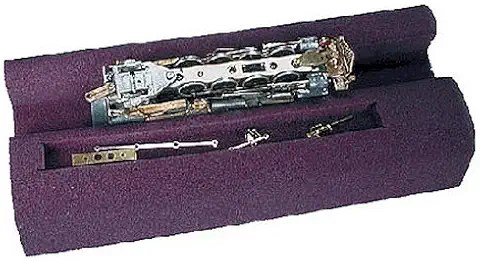
A foam cradle is a simple yet invaluable accessory for holding your locomotives and rolling stock securely while you work on them. It prevents damage to delicate parts and makes maintenance tasks easier.
10. Weathering Supplies
Weathering adds realism to your models by simulating the effects of age and use. Basic weathering supplies include:

- Weathering Powders: In various colors to create dirt, rust, and grime effects.
- Fine Brushes: For applying powders and paints.
- Matte Clear Coat: To seal the weathering and protect the finish.
Weathering can be as simple or as detailed as you like, and it adds a unique touch to your models.
11. Essential Books and Guides
Having a few good books and guides on hand can provide valuable information and inspiration. Consider starting with:
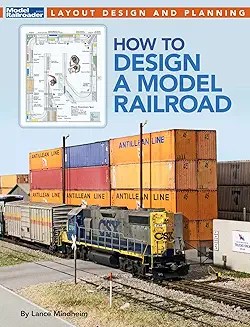
- “Starter Track Plans for Model Railroaders” by Kent J. Johnson: Offers a variety of track plans to suit different spaces and skill levels.
- “Model Railroading: A Family Guide” by Bruce C. Greenberg: A comprehensive guide that covers all aspects of the hobby.
- “The Complete Book of Model Railroading” by David Sutton: A classic reference book with detailed information on building and operating layouts.
These resources will help you learn the basics and provide ideas for expanding your layout.
Conclusion
Building a family-friendly model railroad setup is a rewarding and enjoyable hobby that can bring generations together. By equipping yourself with these must-have accessories, you’ll be well on your way to creating a layout that is both fun and realistic. Remember, the key to a successful model railroad is to start with the basics and gradually expand your collection as your skills and interests grow. Happy railroading!
Citations:
[1] https://toytooth.com/index.php?product_id=1617309&route=product%2Fproduct
[2] https://www.amazon.com/CityBuilder-Gauge-7mm-Railroad-Cardboard/dp/B00NXNWJEQ?psc=1&smid=AV83ANFWMW4VP
[3] https://www.etsy.com/listing/1194765654/scenic-model-railway-layout-made-to?gpla=1
[4] https://modelrailwaytechniques.com/benchworkstore/
[5] https://www.walthers.com/william-s-country-store-kit
[6] http://www.hobbylinc.com/bar-mills-potters-pub-kit-ho-scale-model-railroad-building-1440
[7] https://www.etsy.com/listing/1522850368/realistic-scenic-model-railway-layout?gpla=1
[8] https://www.walmart.com/ip/Starter-Track-Plans-for-Model-Railroaders-9780890248317/17131821?selectedSellerId=0&wmlspartner=wlpa
[9] https://www.trains.com/mrr/how-to/essential-tools-for-model-railroaders/
[10] https://www.youtube.com/watch?v=BkSPl7SSWbY
[11] https://www.amazon.com/Model-railroading-family-Bruce-Greenberg/dp/0135861497
[12] https://familygardentrains.com/primer/kids.htm
[13] https://forum.mrhmag.com/post/kids-and-model-railroading-12190242
 Stan's Hobbies and Interests
What a comprehensive article thanks! I’m on the wiring stage of my layout. There was no place I could install it permanently, so I came up with the solution of suspending it from the ceiling. I use a yacht winch to lower it down for an afternoon.
LikeLike
Excellant idea. I did a similar thing when we lived in New Orleans. The layout was in the garage and a pulley system was used to raise and lower the layout to allow the car to be parked when not working on my layout. Thank you for sharing.
LikeLike