Some of the most interesting celestial events in the May night sky include:
The Eta Aquariids Meteor Shower
The Eta Aquariids meteor shower, originating from the debris of Halley’s Comet, peaks on the night of May 5th and early morning of May 6th. Under ideal conditions, this shower can produce up to 30 meteors per hour in the Northern Hemisphere. [1][3]
A Total Lunar Eclipse
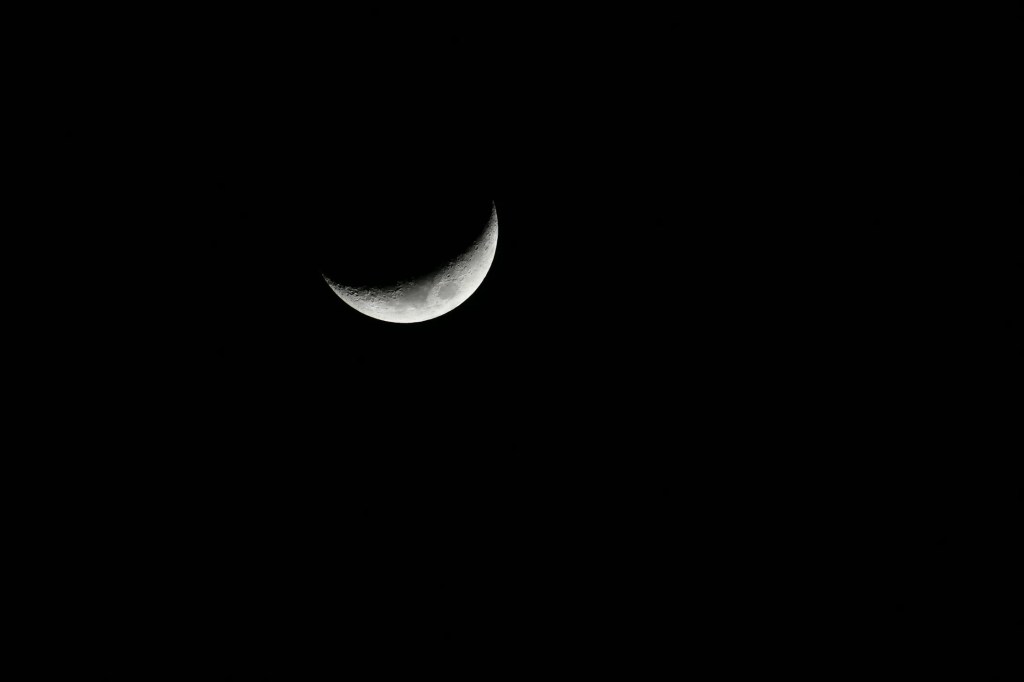
On May 26th, stargazers in parts of the world will be treated to a total lunar eclipse. During this event, the Moon passes through the Earth’s shadow, causing it to appear red or coppery in color. The eclipse will be visible from most of the Americas, Europe, Africa, and parts of Asia. [1][3]
The Planetary Parade
As the month of May progresses, stargazers can enjoy a celestial parade of planets gracing the evening sky. Look for the brilliant planet Venus low in the western sky shortly after sunset, and later in the night, spot the gas giants Jupiter and Saturn in the southeast. [1]
The Majestic Constellations of Spring

The May night sky features the majestic constellations of spring, including Ursa Major (the Great Bear) with its famous asterism, the Big Dipper, and Virgo, which is home to numerous galaxies that can be spotted with binoculars or a small telescope. [1]
So mark your calendars and prepare to be enchanted by the celestial wonders of the May night sky!
Citations:
[1] https://stanshobbiesandinterests.com/2024/04/03/exploring-the-april-night-sky-a-beginners-guide-to-celestial-wonders/
[2] https://stanshobbiesandinterests.com/2024/04/10/the-different-types-of-celestial-bodies-that-are-our-neighbors-in-space/
[3] http://www.seasky.org/astronomy/astronomy-calendar-2025.html
[4] https://cw33.com/news/5-of-the-rarest-astronomical-events-and-when-youll-next-see-them/
[5] https://www.smithsonianmag.com/science-nature/nine-dazzling-celestial-events-to-watch-in-2024-180983505/
 Stan's Hobbies and Interests