As a wine novice, the prospect of pairing wine with food can seem daunting. With countless varieties of wine and an endless array of culinary delights, it’s easy to feel overwhelmed. However, fear not! This comprehensive guide will provide you with the essential guidelines and basic tips to navigate the world of wine and food pairing with confidence.
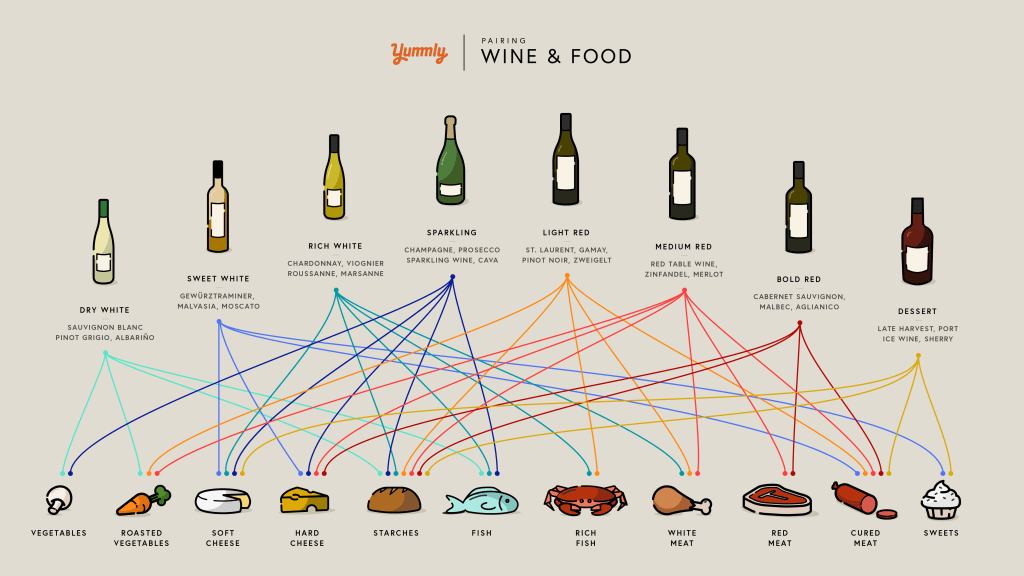
Understanding the Fundamentals
Before we dive into the specifics, it’s crucial to grasp the fundamental principles that govern successful wine and food pairings. The key lies in achieving a harmonious balance between the flavors and characteristics of the wine and the dish. This balance can be achieved through complementing or contrasting flavors, textures, and intensities.
Complementary Pairings
One of the most common approaches to wine and food pairing is to seek out complementary flavors. This means selecting a wine that shares similar flavor profiles or characteristics with the dish. For example, a buttery Chardonnay can complement the richness of a creamy pasta dish, while a fruity Pinot Noir can enhance the earthy flavors of mushroom-based dishes.
Contrasting Pairings
On the other hand, contrasting pairings can create an exciting interplay of flavors by balancing opposing elements. A classic example is pairing a high-acid white wine, like a crisp Sauvignon Blanc, with a rich, fatty dish like fried fish or creamy risotto. The wine’s acidity cuts through the richness, creating a refreshing and balanced experience.
Weight and Intensity
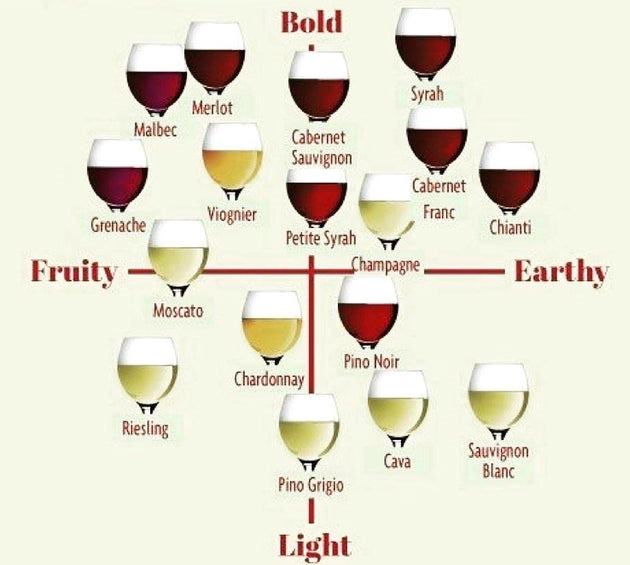
One of the most fundamental guidelines in wine and food pairing is to match the weight and intensity of the wine with the dish. Lighter wines, such as Pinot Grigio or Beaujolais, pair well with delicate dishes like salads or grilled fish. Conversely, full-bodied wines like Cabernet Sauvignon or Syrah are better suited for hearty dishes like grilled meats or rich stews.
Acidity and Richness
Acidity is a crucial factor in wine and food pairing. High-acid wines, like Sauvignon Blanc or Barbera, can cut through rich, fatty dishes, cleansing the palate and enhancing the flavors. On the other hand, low-acid wines, such as Chardonnay or Merlot, pair well with creamy or buttery dishes, as their softer acidity won’t overpower the richness.
Sweetness and Spice
When it comes to pairing wine with spicy or sweet dishes, the key is to find a balance. Slightly sweet wines, like off-dry Riesling or Gewürztraminer, can tame the heat of spicy dishes, while dessert wines, like Port or Sauternes, can complement the sweetness of desserts or rich, decadent dishes.
Tannins and Protein
Tannins, the compounds that give red wines their astringency and structure, can be softened by the presence of protein. This makes tannic red wines, like Cabernet Sauvignon or Syrah, ideal partners for protein-rich dishes like grilled steak or lamb.
Experiment and Enjoy
While these guidelines can serve as a starting point, the most important aspect of wine and food pairing is personal preference. Don’t be afraid to experiment and trust your palate. Try different combinations and take note of what works for you. Remember, the ultimate goal is to enhance your dining experience and create memorable moments of enjoyment.
Check HERE for a wide selection of wines
Basic Tips for Successful Pairings
Now that we’ve covered the fundamental principles, let’s explore some basic tips to help you navigate the world of wine and food pairing with confidence:
- Consider the Dominant Flavor: When pairing wine with a dish, identify the dominant flavor or ingredient and use that as a guide. For example, if you’re serving a dish with a prominent herb like rosemary, consider a wine with complementary herbal notes, like a Sauvignon Blanc or a Cabernet Franc.
- Balance Flavors: Aim for a balance between the flavors of the wine and the dish. If the dish is rich and heavy, opt for a full-bodied wine with robust flavors. If the dish is light and delicate, choose a lighter, more delicate wine.
- Pair by Weight: As a general rule, pair lighter wines with lighter dishes and heavier wines with heartier dishes. This helps create a harmonious balance and prevents either the wine or the food from overpowering the other.
- Consider Cooking Methods: The cooking method can also influence the wine pairing. For example, grilled or roasted dishes often pair well with wines that have a touch of smokiness or toasted notes, while braised or stewed dishes may benefit from a wine with a bit more body and richness.
- Don’t Forget Dessert: When it comes to dessert wines, the general rule is to choose a wine that is sweeter than the dessert itself. This ensures that the wine’s sweetness doesn’t taste flat or dull in comparison to the dessert.
- Serve at the Right Temperature: Serving wine at the appropriate temperature can greatly enhance the flavors and aromas. As a general guideline, white wines should be served chilled, while red wines should be served slightly cooler than room temperature.
- Start Light and Progress: When serving multiple courses, it’s best to start with lighter wines and progress to heavier, more full-bodied wines as the meal progresses. This allows your palate to appreciate the nuances of each wine without becoming overwhelmed.
- Trust Your Palate: Ultimately, the most important factor in wine and food pairing is your personal preference. Don’t be afraid to trust your palate and experiment with different combinations. What may seem like an unconventional pairing could turn out to be a delightful surprise.
Conclusion
The art of wine and food pairing is a journey of exploration and discovery. By understanding the fundamental principles and basic tips outlined in this guide, you’ll be well-equipped to navigate the world of wine and food pairings with confidence. Remember, the key is to experiment, trust your palate, and most importantly, enjoy the process. Cheers to a lifetime of delicious pairings and unforgettable dining experiences!
 Stan's Hobbies and Interests