The Perfect Wine Pairings for Football Snacks

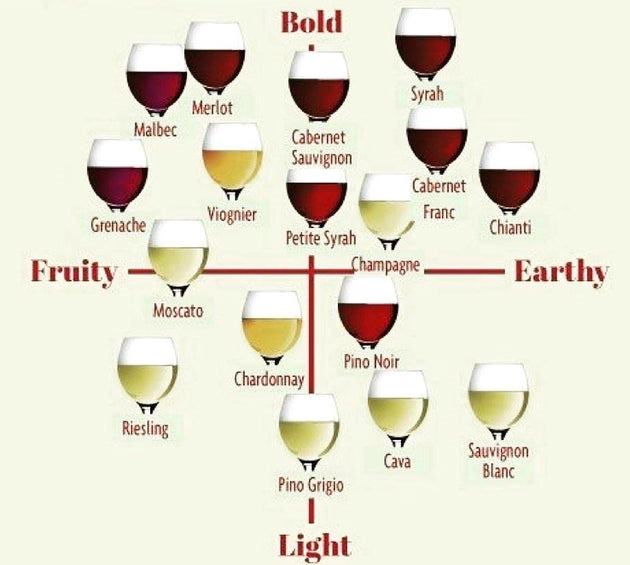
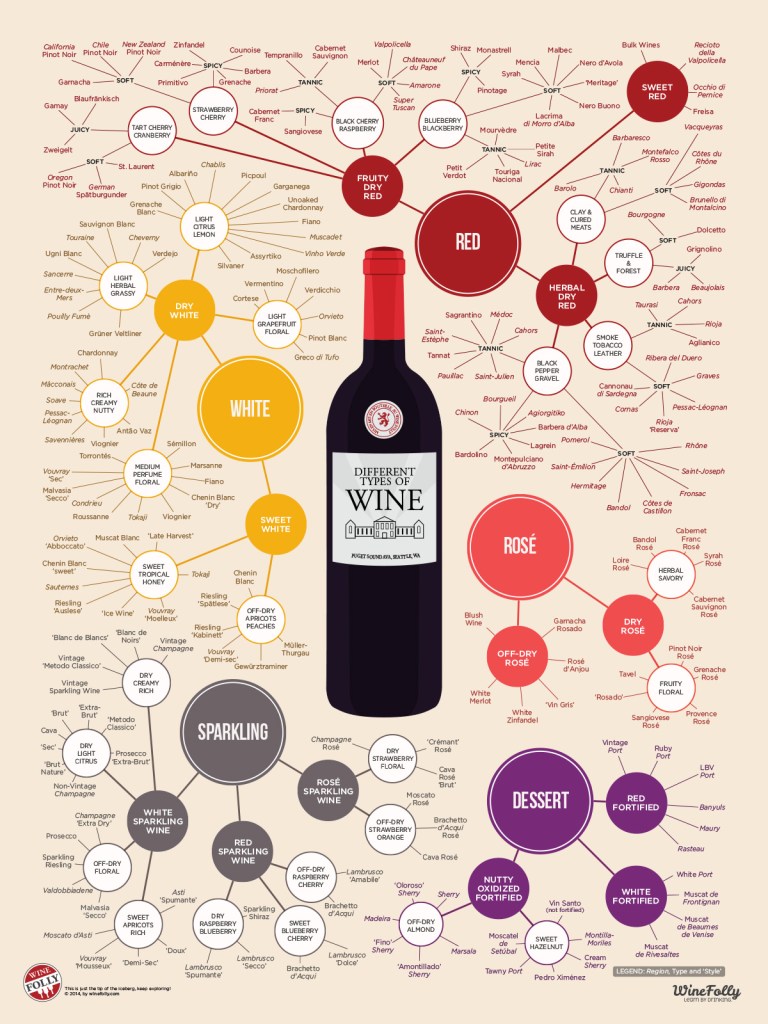
Here’s a guide on the best wines to pair with popular football snacks, using insights from various sources.
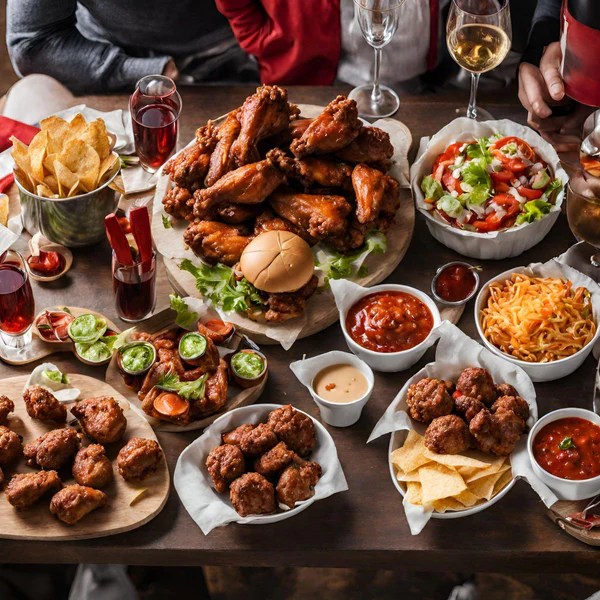
Football season is synonymous with delicious snacks, and while beer has traditionally been the beverage of choice, wine can elevate your game day experience. Here’s how to pair some classic football snacks with the perfect wines.

1. Buffalo Wings

Best Wine Pairings:
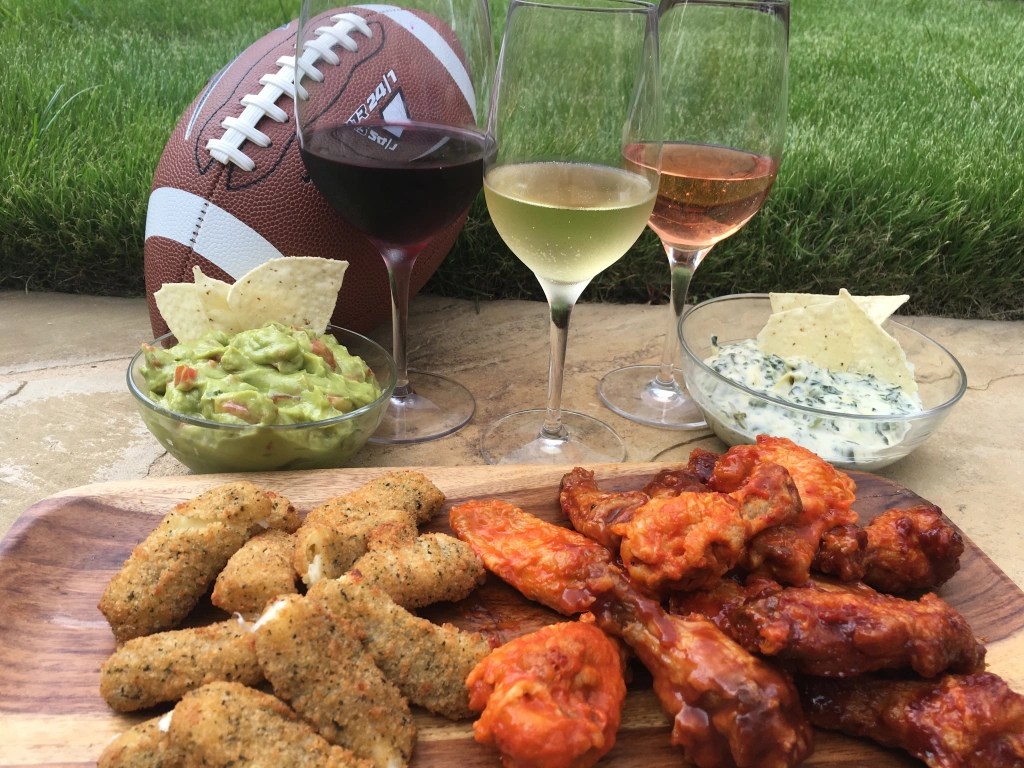
  • Riesling: A light and slightly sweet Riesling can balance the heat of buffalo wings. Its fruity notes and acidity refresh the palate, making it a great match for spicy flavors. A recommended choice is the 2019 Von Hövel Saar Riesling Kabinett, which offers aromas of pink grapefruit and a lime zest finish[2].
  • Zinfandel: This bold red wine features jammy fruit flavors that complement the tangy sauce of buffalo wings. Its peppery notes enhance the overall experience[4].
  • Prosecco: The effervescence of Prosecco cleanses the palate between bites, making it an excellent choice for classic buffalo wings. Look for options like Bisol Prosecco DOC “Jeio”[3].

2. Nachos
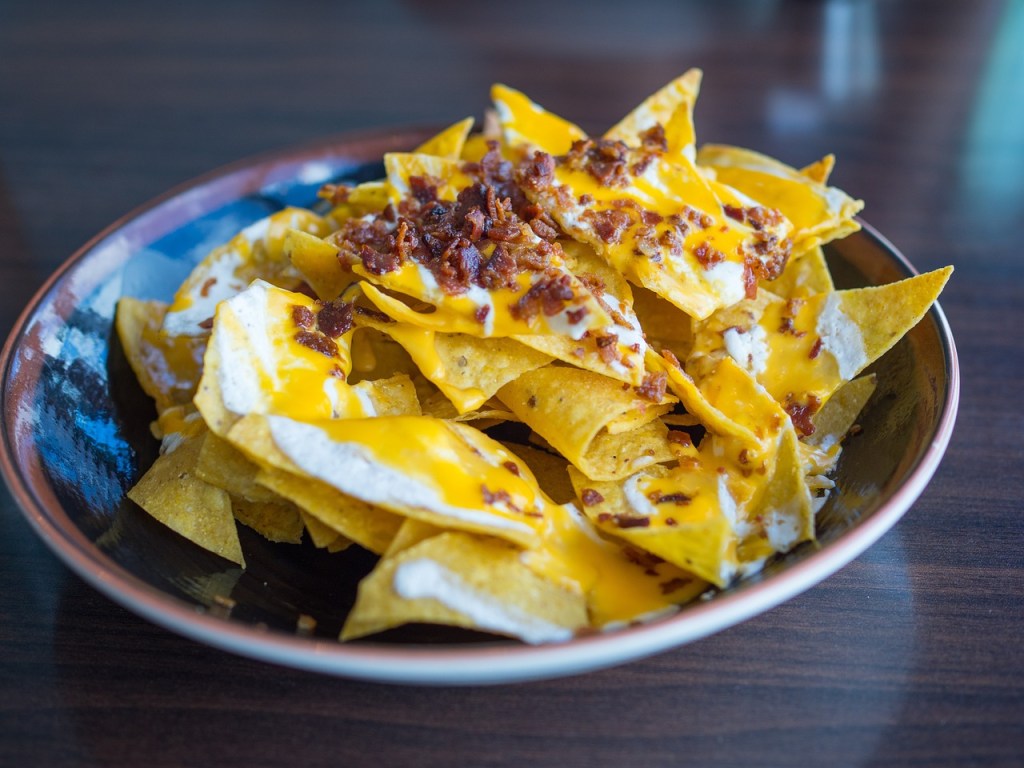
Best Wine Pairings:

  • Beaujolais: A light and fruity Beaujolais is perfect for nachos loaded with cheese, jalapeños, and guacamole. Its acidity cuts through the richness of the cheese while enhancing the flavors of the toppings[3].
  • Sauvignon Blanc: This white wine’s zesty acidity complements the flavors of nachos, especially when paired with salsa or guacamole.

3. Pizza

Best Wine Pairings:

  • Rosso di Montalcino: This Sangiovese-based wine pairs beautifully with pizza, enhancing its tomato sauce and cheese flavors. A good choice would be Lisini Rosso di Montalcino from the 2016 vintage[3].
  • Chianti: Another Sangiovese option, Chianti’s bright acidity and cherry notes work well with various pizza toppings.

4. Cheese Balls

Best Wine Pairings:

  • Pinot Noir: A California Pinot Noir complements the creamy texture of cheese balls perfectly. Its light body and fruit-forward profile enhance cheesy appetizers without overpowering them[2].
  • Pinot Blanc: For those preferring white wine, Pinot Blanc offers a crisp alternative that pairs well with cheese-based snacks.

5. Spinach Artichoke Dip

Best Wine Pairings:

  • Aligoté: This lesser-known white wine has floral notes and a refreshing acidity that pairs wonderfully with spinach artichoke dip. The 2019 Buisson-Charles Aligoté Sous le Chemin is a great option[2].
  • Chardonnay: A buttery Chardonnay can also complement this rich dip, providing a nice contrast to its creaminess.

6. Pigs in a Blanket

Best Wine Pairings:

  • Red Blend: A bold red blend can stand up to the savory flavors of pigs in a blanket. Look for one that offers earthy and fruity notes to enhance this classic snack[2].
  • Zinfandel or Merlot: Both wines have enough body to complement this dish while adding a layer of complexity.

7. Sliders

Best Wine Pairings:

  • Malbec or Syrah: These full-bodied reds pair excellently with sliders, especially beef or BBQ varieties. Their rich fruit flavors and tannins complement grilled meats well[1].
  • Chardonnay: For chicken or turkey sliders, a medium-bodied Chardonnay can provide a nice balance.

Tips for Successful Pairing

  1. Consider Spice Levels: When choosing wines for spicy snacks like buffalo wings or jalapeño poppers, opt for wines with higher acidity or slight sweetness to balance out the heat.
  2. Serve at Proper Temperatures: Whites should be chilled (45-50°F), while reds are best served slightly cooler than room temperature (60-65°F).
  3. Experiment and Enjoy: Encourage guests to try different pairings and share their favorites; this adds an interactive element to your gathering.

Conclusion

Pairing wine with football snacks is an excellent way to enhance your game day experience. From spicy buffalo wings to cheesy nachos, there’s a perfect wine for every snack. By considering flavor profiles and personal preferences, you can create an enjoyable atmosphere that elevates your football viewing party beyond traditional beer offerings. So grab your favorite wines, prepare those snacks, and enjoy the game!

Citations:
[1] https://drinkboxt.com/blogs/unboxt-blog/your-ultimate-football-and-wine-pairing-guide
[2] https://www.coravin.com/blogs/community/super-bowl-snack-wine-pairings
[3] https://flatiron-wines.com/blogs/the-latest/kickass-2020-super-bowl-pairings-1
[4] https://cambridgewinesnj.com/blogs/news/the-perfect-match-football-and-wine-pairings-for-buffalo-wings
[5] https://www.wine4food.com/food/wine-chicken-wings/
[6] https://www.brightcellars.com/blogs/learn/wine-wings-a-pairing-guide
[7] https://www.thewinecellargroup.com/scoring-a-touchdown-with-your-wine-and-football-pairings/
[8] https://www.1winedude.com/wine-for-football-tailgaiting/
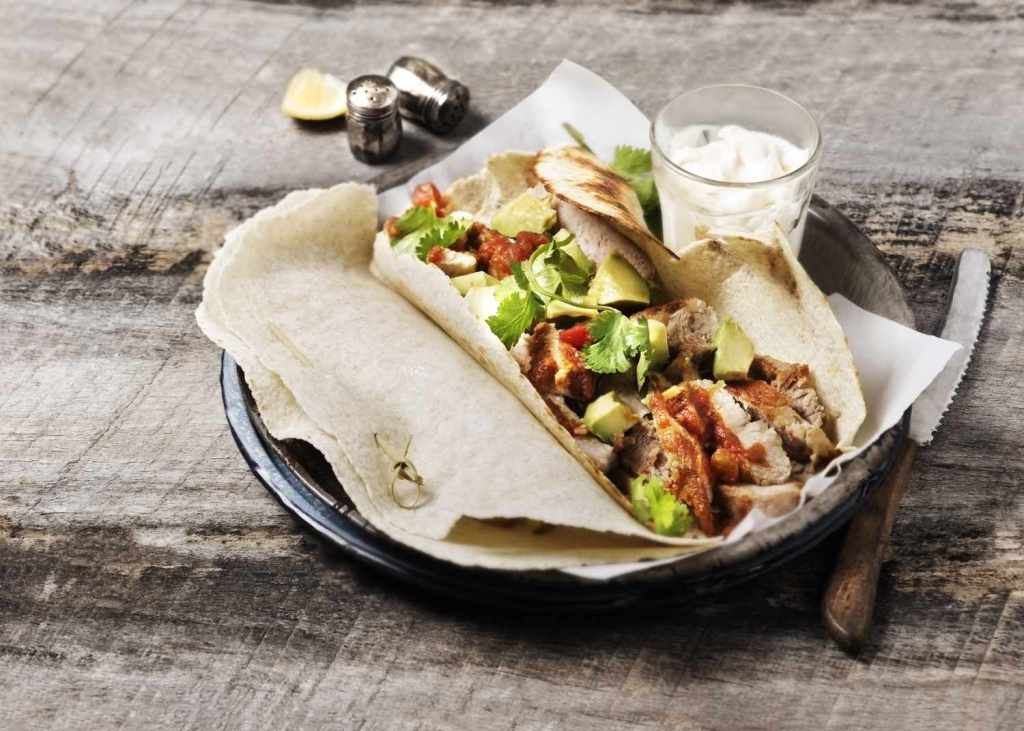
Spicing Up Your Mexican Fiesta: Perfect Food Pairings for a Wine Tasting Adventure

Hosting a Mexican Fiesta-themed wine tasting is an exciting way to explore the vibrant flavors of Mexican cuisine alongside carefully selected wines. While many people automatically think of margaritas or beer when it comes to Mexican food, wine can be an excellent and sophisticated accompaniment to these bold and spicy dishes. This guide will help you create delicious food pairings that will complement your wine selections and make your Mexican Fiesta wine tasting an unforgettable experience.

Understanding Wine Pairing Basics

Before diving into specific pairings, it’s helpful to understand some basic principles of pairing wine with Mexican food:

  1. Match intensity: Pair lighter wines with milder dishes and bolder wines with more robust flavors.
  2. Consider acidity: High-acid wines can cut through rich, fatty foods and balance spicy flavors.
  3. Embrace sweetness: A touch of sweetness in wine can help tame spicy heat.
  4. Think about texture: Crisp wines can contrast nicely with creamy dishes, while fuller-bodied wines complement heartier fare.

With these principles in mind, let’s explore some fantastic food and wine pairings for your Mexican Fiesta.

Appetizers and Light Bites

  1. Chips and Guacamole
    Guacamole’s creamy texture and bright flavors pair wonderfully with crisp white wines. Try serving it with a zesty Sauvignon Blanc or a light, refreshing Vinho Verde. The wine’s acidity will cut through the richness of the avocado, while its herbal notes complement the cilantro and lime in the guacamole.
  2. Ceviche
    This citrus-cured seafood dish is a natural match for crisp, high-acid white wines. Opt for an Albariño or a dry Riesling to complement the dish’s bright, tangy flavors. The wine’s citrusy notes will enhance the lime in the ceviche, while its minerality pairs beautifully with the seafood.
  3. Queso Fundido
    This rich, cheesy dip calls for a wine that can stand up to its bold flavors. A fruity, medium-bodied red like Zinfandel or Grenache works well here. The wine’s fruit-forward profile will balance the salty cheese, while its body can match the dip’s richness.

White Wine for your Tasting

Main Courses

  1. Tacos al Pastor
    These popular pork tacos, marinated with chiles and pineapple, pair beautifully with rosé wines. A dry rosé from Provence or a fruity rosé from Spain will complement the sweet and spicy flavors of the pork while refreshing the palate. The wine’s acidity also helps cut through the richness of the meat.
  2. Chicken Enchiladas
    For this classic dish, consider a light to medium-bodied red wine like Pinot Noir or Gamay. These wines have enough body to stand up to the sauce without overpowering the chicken. Their bright fruit flavors and low tannins make them versatile enough to pair with various enchilada sauces, from verde to mole.
  3. Carne Asada
    This grilled beef dish calls for a bolder red wine. Try pairing it with a Malbec or Tempranillo. These wines have enough structure and tannins to complement the beef’s richness, while their fruit flavors can stand up to any spicy marinade or salsa served alongside.
  4. Fish Tacos
    Light, flaky fish tacos pair wonderfully with crisp white wines. A Sauvignon Blanc or unoaked Chardonnay will complement the delicate fish flavors while cutting through any creamy sauces. If the tacos come with a spicy salsa, consider a slightly off-dry Riesling to balance the heat.
  5. Vegetarian Chiles Rellenos
    These cheese-stuffed peppers pair well with a variety of wines. For a red option, try a light-bodied Pinot Noir. Its earthy notes complement the peppers, while its acidity cuts through the cheese. For a white option, a Grüner Veltliner can match the green pepper flavors while offering enough body to stand up to the cheese.

Side Dishes

  1. Mexican Rice
    This tomato-based rice dish pairs nicely with both red and white wines. For a red option, try a fruity Grenache or Zinfandel. For white, a medium-bodied Chardonnay can complement the dish’s flavors without overpowering them.
  2. Refried Beans
    The rich, creamy texture of refried beans calls for a wine with good acidity. A Barbera or Sangiovese can cut through the richness while complementing the earthy flavors of the beans.
  3. Elote (Mexican Street Corn)
    This popular corn dish, often served with mayo, cheese, and chili powder, pairs wonderfully with a crisp, unoaked Chardonnay or a Viognier. The wine’s body can match the corn’s sweetness, while its acidity balances the creamy toppings.

Red Wine for your Tasting

Desserts

  1. Churros
    These crispy, cinnamon-sugar coated pastries pair beautifully with sweet dessert wines. Try a Pedro Ximénez sherry or a late-harvest Riesling. The wine’s sweetness will complement the cinnamon sugar, while its acidity keeps the pairing from becoming too cloying.
  2. Flan
    This creamy caramel custard calls for a wine with both sweetness and acidity. A Moscato d’Asti or a sweet Vouvray can complement the dessert’s sweetness while offering enough acidity to cut through its richness.
  3. Tres Leches Cake
    This ultra-moist cake pairs well with a sweet, bubbly wine. Try a demi-sec Champagne or a sweet sparkling Moscato. The bubbles will refresh the palate between bites of the rich cake, while the wine’s sweetness matches that of the dessert.

Tips for a Successful Mexican Fiesta Wine Tasting

  1. Offer a variety of wines: Include both red and white options to cater to different preferences and dish pairings.
  2. Serve wines at the proper temperature: Chill white wines and rosés, and serve red wines slightly cooler than room temperature.
  3. Provide water and palate cleansers: Offer plain crackers or bread to help guests cleanse their palates between tastings.
  4. Create a festive atmosphere: Decorate with colorful Mexican-inspired decor, play traditional music, and consider providing sombreros or other fun accessories for guests.
  5. Educate your guests: Provide tasting notes for each wine and explain why it pairs well with certain dishes.
  6. Encourage experimentation: While the pairings suggested here work well, encourage guests to try different combinations and discover their own favorite pairings.

Conclusion

Pairing wine with Mexican cuisine opens up a world of exciting flavor combinations. By considering the intensity, acidity, and sweetness of both the food and the wine, you can create harmonious pairings that enhance the dining experience. Remember, there’s no single “right” pairing – personal preference plays a big role, so don’t be afraid to experiment and find what you enjoy most.

A Mexican Fiesta wine tasting offers a unique opportunity to explore the rich, diverse flavors of Mexican cuisine alongside a carefully curated selection of wines. From crisp whites that complement fresh salsas and seafood to bold reds that stand up to grilled meats and rich sauces, there’s a perfect wine for every dish. By following these pairing suggestions and tips, you’ll be well on your way to hosting an unforgettable Mexican Fiesta wine tasting that your guests will be talking about for years to come. ¡Salud!

Citations:
[1] https://winefolly.com/wine-pairing/wine-with-mexican-food-starting-with-the-basics/
[2] https://www.brightcellars.com/blogs/learn/6-tacos-and-wine-pairings
[3] https://www.winereviewonline.com/Miranda_Franco_Wine_with_Mexican_Food.cfm
[4] https://armchairsommelier.com/food-and-pairings/pairing-wine-with-mexican-food/
[5] https://begoodrestaurants.com/exploring-the-flavors-of-mexico-5-popular-mexican-dishes/
[6] https://www.npr.org/2022/10/28/1132205161/mexican-cooking-ingredients-expert-tips
[7] https://www.tastingtable.com/1413962/essential-ingredients-need-mexican-cooking/
[8] https://www.decanter.com/learn/food/wine-with-tacos-food-matching-368831/
[9] https://rrealtacos.com/authentic-mexican-food-cuisine/
[10] https://www.matchingfoodandwine.com/news/pairings/wine-beer-and-other-pairings-for-mexican-food/
[11] https://www.tasteofhome.com/collection/mexican-foods-take/
[12] https://www.reddit.com/r/wine/comments/162va66/what_wine_to_pair_with_mexican/

What Dishes Pair Well with Chardonnay?

What Dishes Pair Well with Chardonnay?

Chardonnay is one of the most versatile and widely enjoyed white wines in the world. Its flavor profile can range from crisp and citrusy to rich and buttery, depending on the winemaking techniques and the region where it is produced. This versatility makes Chardonnay an excellent companion for a variety of dishes. Here are some dishes that pair exceptionally well with Chardonnay, along with some dos and don’ts to keep in mind when pairing this wine.

Classic Pairings for Chardonnay

  1. Roast Chicken with Herbs
  • Why it works: The mild, buttery flavors of roast chicken complement the creamy texture and subtle oakiness of many Chardonnays. Herbs like rosemary and thyme add an aromatic complexity that enhances the wine’s flavor profile[9].
  1. Wine-Braised Chicken with Mashed Potatoes
  • Why it works: The richness of the braised chicken and the creamy mashed potatoes are a perfect match for a full-bodied, oaky Chardonnay. The wine’s acidity cuts through the richness, balancing the dish[9].
  1. Grilled Lemon-Garlic Turkey
  • Why it works: The citrus and garlic flavors in the turkey highlight the crisp, citrusy notes in a lighter, unoaked Chardonnay. The grilling adds a smoky element that pairs well with the wine’s subtle oakiness[9].
  1. Pecan-Crusted Chicken
  • Why it works: The nutty, toasty flavors of the pecan crust complement the toasty oak notes in an oaked Chardonnay. The wine’s acidity balances the richness of the dish[9].
  1. Roast Pork with Apples
  • Why it works: The sweetness of the apples and the savory flavors of the roast pork create a harmonious balance with the ripe fruit flavors and slight sweetness of a well-rounded Chardonnay[9].
  1. Seafood Dishes
  • Meaty Fish (Halibut, Cod): The mild flavors of these fish pair well with both oaked and unoaked Chardonnays. The wine’s acidity enhances the delicate flavors of the fish.
  • Shellfish (Lobster, Shrimp, Crab, Scallops): The rich, buttery texture of shellfish is a natural match for a creamy, oaky Chardonnay. The wine’s acidity cuts through the richness, creating a balanced pairing[9].

Find your Favorite CHARDONNAY HERE

  1. Creamy Pasta Dishes
  • Risottos and Cream-Enhanced Sauces: The silky texture of risottos and creamy pasta dishes complements the creamy mouthfeel of a full-bodied Chardonnay. The wine’s acidity balances the richness of the dish[9].
  1. Vegetable Dishes
  • Corn, Butternut Squash, Sweet Potatoes: The natural sweetness of these vegetables pairs well with the ripe fruit flavors in Chardonnay. Roasting or grilling these vegetables adds a caramelized flavor that complements the wine’s toasty oak notes[9].

Dos and Don’ts for Pairing Chardonnay

DO:

  • Serve with mild, buttery, or creamy dishes: These flavors complement the creamy texture and subtle oakiness of Chardonnay.
  • Pair with meaty fish and shellfish: The wine’s acidity enhances the delicate flavors of the seafood.
  • Complement oaky Chardonnay with toasty flavors: Foods with toasted nuts, pastry crust, grilling, or smoking enhance the wine’s oak notes.
  • Pair crisp, delicate Chardonnay with simply flavored foods: Baked fish or poultry with butter and herbs are excellent choices.
  • Play to ripe Chardonnay’s impression of sweetness: Ingredients like corn, butternut squash, and sweet potatoes, as well as caramelized foods, work well.
  • Pair with dishes that have a silky texture: Risottos and cream-enhanced soups, sauces, and pastas are great matches[9].

DON’T:

  • Pair with aggressively seasoned food: Avoid fresh or dried chilies and super spicy dishes, as they can overpower the wine.
  • Pair with bitter foods: Bitter greens, vegetables, and spices like turmeric can make the wine taste sour.
  • Pair with acidic foods: Raw tomatoes, olives, capers, ceviche, and tangy vinaigrettes and sauces can clash with the wine’s acidity.
  • Pair with pungent or high-acid cheeses: Funky, washed-rind cheeses and aged goat and sheep’s cheese can overpower the wine.
  • Serve Chardonnay too cold: This can dull its pairing powers. Remove it from the ice bucket or refrigerator 15 to 20 minutes before pouring, and let it warm up to about 48 degrees Fahrenheit[9].

SHOP CHARDONNAY HERE

Conclusion

Chardonnay’s versatility makes it a fantastic wine to pair with a wide range of dishes. Whether you prefer a crisp, unoaked Chardonnay or a rich, buttery, oaked version, there are plenty of food pairings that can enhance your dining experience. By following these guidelines and experimenting with different combinations, you can discover the perfect pairings that suit your palate. Cheers to exploring the delightful world of Chardonnay and food pairings!

Citations:
[1] https://www.yelp.com/biz/ripple-wine-bar-covington-covington?adjust_creative=6zagVcKwffYZAA-51mlGNg
[2] https://www.yelp.com/biz/bouquet-restaurant-covington?adjust_creative=6zagVcKwffYZAA-51mlGNg
[3] https://www.yelp.com/biz/strongs-brick-oven-pizzeria-newport?adjust_creative=6zagVcKwffYZAA-51mlGNg
[4] https://www.yelp.com/biz/york-street-caf%C3%A9-newport-2?adjust_creative=6zagVcKwffYZAA-51mlGNg
[5] https://www.yelp.com/biz/louvino-otr-cincinnati?adjust_creative=6zagVcKwffYZAA-51mlGNg
[6] https://www.yelp.com/biz/sacred-beast-cincinnati-2?adjust_creative=6zagVcKwffYZAA-51mlGNg
[7] https://www.yelp.com/biz/bow-tie-caf%C3%A9-cincinnati-2?adjust_creative=6zagVcKwffYZAA-51mlGNg
[8] https://www.yelp.com/biz/alfios-buon-cibo-cincinnati?adjust_creative=6zagVcKwffYZAA-51mlGNg
[9] https://www.lacrema.com/chardonnay-food-pairings/
[10] https://www.matchingfoodandwine.com/news/pairings/the-best-food-to-match-with-chardonnay/
[11] https://www.lafatacellars.com/10-effortless-dishes-to-pair-with-chardonnay/
[12] https://hopefamilywines.com/blog/what-foods-pair-best-with-chardonnay-wine/
[13] https://www.wineberserkers.com/t/chardonnay-why-so-hard-to-pair-with-food/163072
[14] https://www.insolenceandwine.com/blog/2016/2/food-wine-pairings-chardonnay
[15] https://www.winetourism.com/top-5-dishes-to-pair-with-chardonnay/
[16] https://www.platingsandpairings.com/category/wine-pairings/chardonnay-food-pairings/

What Foods Pair well with Red Wines

Navigating the world of red wine can be an exhilarating journey, filled with discoveries of rich flavors, bold aromas, and the art of pairing these wines with food. Red wine, with its diverse range from light-bodied to full-bodied, offers a plethora of pairing possibilities that can elevate a simple meal into a memorable dining experience. This article aims to guide novices through the essentials of pairing red wines with food, ensuring each sip and bite harmonizes beautifully.

Understanding Red Wine

Before delving into pairings, it’s crucial to understand the characteristics of red wine. Red wines are distinguished by their color, which ranges from light red to deep purple, derived from the grape skins used in the winemaking process. The body of the wine, which refers to its weight and fullness on the palate, can be light, medium, or full. This is influenced by factors such as grape variety, region, and winemaking techniques. Tannins, natural compounds found in grape skins, seeds, and stems, give red wine its structure and can contribute to a drying sensation in the mouth[1][2].

Pairing Foods with Red Wine

The key to successful wine pairing is balance. The wine should complement the food, enhancing its flavors without overpowering them. Here are some guidelines for pairing foods with different types of red wine:

Light-Bodied Red Wines

Light-bodied red wines, such as Pinot Noir, are known for their delicate flavors and higher acidity. They pair wonderfully with lighter dishes that might be overwhelmed by more robust wines.

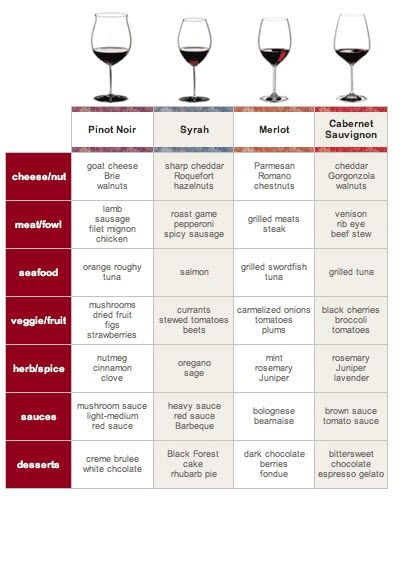
  • Pinot Noir: Ideal with earthy flavors, such as dishes featuring mushrooms or truffles. It also pairs well with poultry, like roasted chicken, and is versatile enough to complement lightly seasoned fish[1][3].
  • Beaujolais: With its fruity profile, Beaujolais goes well with a variety of foods, including grilled chicken, light pasta dishes, and charcuterie[5].

For a selection of red wines please check HERE

Medium-Bodied Red Wines

Medium-bodied red wines strike a balance between light and full-bodied, offering a wider range of pairing options.

  • Merlot: Known for its soft, smooth texture, Merlot pairs well with grilled meats, including steak and lamb chops. It’s also a great match for pasta with tomato-based sauces[2][4].
  • Chianti: With its high acidity and tannin content, Chianti complements dishes with tomato sauce, such as pizza and pasta, as well as grilled meats and hard cheeses[5].

Full-Bodied Red Wines

Full-bodied red wines are rich and powerful, with bold flavors that can stand up to hearty dishes.

  • Cabernet Sauvignon: The king of red wines, Cabernet Sauvignon, pairs excellently with red meat, including juicy steaks and burgers. Its bold flavors also complement strong cheeses and dark chocolate[1][2].
  • Syrah/Shiraz: This wine’s spicy and bold profile makes it a perfect match for barbecued meats, spicy dishes, and stews[2].

Special Considerations

  • Spicy Foods: For dishes with a kick, opt for a red wine with lower alcohol and softer tannins, like a Malbec or a fruitier Merlot, to avoid intensifying the heat[3].
  • Cheese Pairings: Red wines can be paired with a variety of cheeses. A general rule is to match the intensity of the wine with the intensity of the cheese. For example, a light-bodied Pinot Noir pairs well with soft cheeses, while a full-bodied Cabernet Sauvignon can stand up to aged cheeses[3].
  • Vegetarian Dishes: Earthy wines like Pinot Noir and Merlot complement dishes with mushrooms, lentils, and root vegetables. For spicy vegetarian stews, a softer, sweeter red wine can balance the spice[1].

Tips for Successful Pairings

  • Experiment: Don’t be afraid to try new combinations. Personal taste plays a significant role in what makes a pairing successful.
  • Consider the Sauce: Sometimes, the sauce can be the dominant element of a dish. Pair the wine with the sauce rather than the protein for a more harmonious match.
  • Balance Tannins with Fat: Tannic wines pair well with fatty foods, as the fat can soften the wine’s astringency, creating a pleasant balance[2].
  • Mind the Cooking Method: The way a dish is prepared can influence the pairing. Grilled and roasted dishes often pair well with bolder wines, while steamed or poached dishes might call for something lighter[4].

For RED WINES

Conclusion

Pairing red wine with food is an art that enhances the dining experience, creating a symphony of flavors that delight the palate. By understanding the characteristics of different red wines and following these guidelines, novices can confidently navigate the world of wine pairings. Remember, the ultimate goal is to enjoy the journey of discovery, experimenting with different wines and foods to find what delights your senses the most. Cheers to exploring the rich and rewarding world of red wine pairings!

Citations:
[1] https://theharewineco.com/red-wine-pairings-what-to-eat-with-red-wine/
[2] https://www.virginwines.co.uk/hub/wine-guide/wine-basics/types-of-red-wine/
[3] https://www.franbergerliving.com/blogs/signature-pairings/red-wine-pairings-definitive-guide-for-every-dish
[4] https://winecellarhq.com/blogs/news/food-and-wine-pairing-chart
[5] https://ilchianti.wine/5-most-common-types-of-wine-with-food-pairings/
[6] https://www.wienscellars.com/pairing-wine-with-food-a-comprehensive-guide/
[7] https://www.napacabs.com/blog/the-ultimate-red-wine-food-pairings-to-enhance-your-all-your-meals/
[8] https://www.wtso.com/blog/guide-on-how-to-pair-your-red-wine-and-food/
[9] https://www.altiwineexchange.com/news/pairing-101/
[10] https://www.ecoleducasse.com/en/blog/wine-food-pairing-guide
[11] https://winefolly.com/wine-pairing/getting-started-with-food-and-wine-pairing/
[12] https://cleaverandcocktail.com/wine-and-food-pairing-guide/
[13] https://www.stettyncellar.co.za/blog/red-wine-food-pairing/
[14] https://www.coravin.com/community/wine-101/coravins-guide-to-mastering-the-art-of-food-and-wine-pairings
[15] https://academy.getbackbar.com/the-basics-wine-and-food-pairing
[16] https://www.firstleaf.com/wine-school/article/how-to-pair-wine-with-food
[17] https://jonathansristorante.com/what-foods-pair-best-with-red-wine/
[18] https://www.wineenthusiast.com/basics/red-wine-basics/
[19] https://www.foodandwine.com/food-and-wine-pairing-guide-6409590
[20] https://www.reddit.com/r/Cooking/comments/u8lxp5/suggestions_for_snacks_that_go_with_red_wine/

Guidelines and Basic Tips for Pairing Wine and Food

As a wine novice, the prospect of pairing wine with food can seem daunting. With countless varieties of wine and an endless array of culinary delights, it’s easy to feel overwhelmed. However, fear not! This comprehensive guide will provide you with the essential guidelines and basic tips to navigate the world of wine and food pairing with confidence.

Understanding the Fundamentals
Before we dive into the specifics, it’s crucial to grasp the fundamental principles that govern successful wine and food pairings. The key lies in achieving a harmonious balance between the flavors and characteristics of the wine and the dish. This balance can be achieved through complementing or contrasting flavors, textures, and intensities.

Complementary Pairings
One of the most common approaches to wine and food pairing is to seek out complementary flavors. This means selecting a wine that shares similar flavor profiles or characteristics with the dish. For example, a buttery Chardonnay can complement the richness of a creamy pasta dish, while a fruity Pinot Noir can enhance the earthy flavors of mushroom-based dishes.

Contrasting Pairings
On the other hand, contrasting pairings can create an exciting interplay of flavors by balancing opposing elements. A classic example is pairing a high-acid white wine, like a crisp Sauvignon Blanc, with a rich, fatty dish like fried fish or creamy risotto. The wine’s acidity cuts through the richness, creating a refreshing and balanced experience.

Weight and Intensity
One of the most fundamental guidelines in wine and food pairing is to match the weight and intensity of the wine with the dish. Lighter wines, such as Pinot Grigio or Beaujolais, pair well with delicate dishes like salads or grilled fish. Conversely, full-bodied wines like Cabernet Sauvignon or Syrah are better suited for hearty dishes like grilled meats or rich stews.

Acidity and Richness
Acidity is a crucial factor in wine and food pairing. High-acid wines, like Sauvignon Blanc or Barbera, can cut through rich, fatty dishes, cleansing the palate and enhancing the flavors. On the other hand, low-acid wines, such as Chardonnay or Merlot, pair well with creamy or buttery dishes, as their softer acidity won’t overpower the richness.

Sweetness and Spice
When it comes to pairing wine with spicy or sweet dishes, the key is to find a balance. Slightly sweet wines, like off-dry Riesling or Gewürztraminer, can tame the heat of spicy dishes, while dessert wines, like Port or Sauternes, can complement the sweetness of desserts or rich, decadent dishes.

Tannins and Protein
Tannins, the compounds that give red wines their astringency and structure, can be softened by the presence of protein. This makes tannic red wines, like Cabernet Sauvignon or Syrah, ideal partners for protein-rich dishes like grilled steak or lamb.

Experiment and Enjoy
While these guidelines can serve as a starting point, the most important aspect of wine and food pairing is personal preference. Don’t be afraid to experiment and trust your palate. Try different combinations and take note of what works for you. Remember, the ultimate goal is to enhance your dining experience and create memorable moments of enjoyment.

Check HERE for a wide selection of wines

Basic Tips for Successful Pairings
Now that we’ve covered the fundamental principles, let’s explore some basic tips to help you navigate the world of wine and food pairing with confidence:

  1. Consider the Dominant Flavor: When pairing wine with a dish, identify the dominant flavor or ingredient and use that as a guide. For example, if you’re serving a dish with a prominent herb like rosemary, consider a wine with complementary herbal notes, like a Sauvignon Blanc or a Cabernet Franc.
  2. Balance Flavors: Aim for a balance between the flavors of the wine and the dish. If the dish is rich and heavy, opt for a full-bodied wine with robust flavors. If the dish is light and delicate, choose a lighter, more delicate wine.
  3. Pair by Weight: As a general rule, pair lighter wines with lighter dishes and heavier wines with heartier dishes. This helps create a harmonious balance and prevents either the wine or the food from overpowering the other.
  4. Consider Cooking Methods: The cooking method can also influence the wine pairing. For example, grilled or roasted dishes often pair well with wines that have a touch of smokiness or toasted notes, while braised or stewed dishes may benefit from a wine with a bit more body and richness.
  5. Don’t Forget Dessert: When it comes to dessert wines, the general rule is to choose a wine that is sweeter than the dessert itself. This ensures that the wine’s sweetness doesn’t taste flat or dull in comparison to the dessert.
  6. Serve at the Right Temperature: Serving wine at the appropriate temperature can greatly enhance the flavors and aromas. As a general guideline, white wines should be served chilled, while red wines should be served slightly cooler than room temperature.
  7. Start Light and Progress: When serving multiple courses, it’s best to start with lighter wines and progress to heavier, more full-bodied wines as the meal progresses. This allows your palate to appreciate the nuances of each wine without becoming overwhelmed.
  8. Trust Your Palate: Ultimately, the most important factor in wine and food pairing is your personal preference. Don’t be afraid to trust your palate and experiment with different combinations. What may seem like an unconventional pairing could turn out to be a delightful surprise.

Conclusion
The art of wine and food pairing is a journey of exploration and discovery. By understanding the fundamental principles and basic tips outlined in this guide, you’ll be well-equipped to navigate the world of wine and food pairings with confidence. Remember, the key is to experiment, trust your palate, and most importantly, enjoy the process. Cheers to a lifetime of delicious pairings and unforgettable dining experiences!