Festive Wine and Food Pairings for the Christmas Holidays: A Novice’s Guide

The holiday season is a time for gathering with loved ones, sharing delicious meals, and creating lasting memories. For many families, Christmas dinner is the centerpiece of these celebrations. While traditional fare often takes center stage, pairing the right wines with your holiday dishes can elevate the experience and add an extra layer of festivity to your gatherings. This guide will help novices navigate the world of Christmas wine pairings, ensuring a merry and delicious holiday season for all.

Setting the Scene: Christmas Eve

Many families begin their holiday celebrations on Christmas Eve. Whether you’re observing the Italian-American tradition of the Feast of Seven Fishes or simply enjoying a light meal before the main event, here are some wine pairing suggestions to kick off your festivities:

Appetizers and Light Bites

Start your evening with some festive appetizers. Smoked salmon canapés are a popular choice, and they pair beautifully with a crisp white wine. Consider a Chenin Blanc, which offers a moderate dryness and lower alcohol content, perfect for early evening sipping[5]. If you’re feeling extra festive, a glass of bubbly is always appropriate. Champagne or a sparkling Crémant can add a touch of elegance to your salmon bites[5].

For a classic holiday appetizer like pigs in a blanket, try a rosé Champagne. The bubbles and slight fruitiness will cut through the richness of the pastry and complement the smoky-sweet flavors of the pork[5].

The Feast of Seven Fishes

If your family celebrates the Feast of Seven Fishes on Christmas Eve, you’ll want wines that pair well with a variety of seafood dishes. A versatile Chardonnay is an excellent choice, as it won’t overpower the subtle flavors of seafood while adding complexity to simpler preparations[3].

For specific fish dishes, consider these pairings:

  • Calamari or Baccalà (salt cod): Try a bright and acidic Pinot Gris[1].
  • Shrimp or clam dishes: A crisp Sauvignon Blanc can complement these lighter seafood options.
  • Grilled fish: A light-bodied red like Pinot Noir can work surprisingly well with grilled fish dishes.
Christmas Day: The Main Event

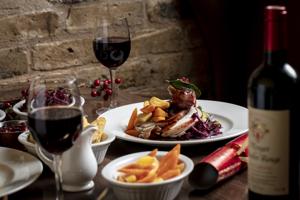
As Christmas Day arrives, it’s time for the main feast. Whether your family prefers a traditional roast turkey, a succulent ham, or a luxurious prime rib, there’s a perfect wine pairing for your centerpiece.

Roast Turkey

For the classic roast turkey, you have several excellent options:

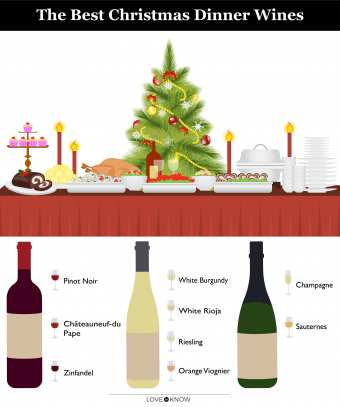
  • Pinot Noir: With its notes of cranberry, raspberry, and earthy undertones, Pinot Noir is a versatile choice that complements turkey beautifully[4].
  • Beaujolais: This light-bodied red wine, made from Gamay grapes, offers bright cherry flavors that pair wonderfully with roasted turkey[1].
  • Chardonnay: If you prefer white wine, a medium-bodied Chardonnay can stand up to the rich flavors of turkey and gravy.

Glazed Ham

If ham is the star of your Christmas table, consider these wine pairings:

  • Zinfandel: This bold, fruity red wine with notes of blackberry, cherry, and spice is an excellent match for a sweet and savory glazed ham[4][5].
  • Riesling: For a white wine option, a dry Riesling offers bright acidity and stone fruit flavors that can balance the saltiness of ham[4].

Prime Rib or Beef Roast

For those serving a hearty beef dish, reach for a full-bodied red wine:

  • Cabernet Sauvignon: With its complex flavors of blackberry, cocoa, and vanilla, a good Cabernet Sauvignon is the perfect companion to a rich prime rib[3].
  • Châteauneuf-du-Pape: This classic French blend offers a balance of fruit, savory herbs, and earthy notes that pair wonderfully with roasted red meats[4].

Side Dishes and Their Perfect Pairings

Don’t forget about the side dishes! Here are some suggestions for pairing wines with popular Christmas sides:

  • Mashed Potatoes: A medium-bodied Merlot can complement the creamy richness of mashed potatoes[1].
  • Roasted Brussels Sprouts: Try a buttery Chardonnay, especially if the sprouts are prepared with a maple glaze[1].
  • Butternut Squash Soup: The earthy flavors of butternut squash pair beautifully with a Chianti[1].

Sweet Endings: Dessert Pairings

No Christmas meal is complete without dessert. Here are some suggestions for ending your feast on a sweet note:

  • Pumpkin Pie: A late-harvest Riesling or a tawny Port can complement the warm spices in pumpkin pie.
  • Fruit Tarts: A sweet Sauternes, with its notes of honeyed apricot and marmalade, pairs wonderfully with fruit-based desserts[4].
  • Chocolate Desserts: A rich, full-bodied red like Zinfandel can stand up to the intensity of chocolate.
Tips for Novice Wine Enthusiasts

As you explore the world of wine pairings this holiday season, keep these tips in mind:

  1. Don’t stress too much about perfect pairings. The holidays are about enjoyment and togetherness, so choose wines you and your guests will enjoy.
  2. Serve wines at the proper temperature. Chill white wines and serve red wines slightly cooler than room temperature for optimal enjoyment[3].
  3. Have a variety of wines available to cater to different tastes. Include both red and white options, and perhaps a sparkling wine for toasting.
  4. Consider non-alcoholic options for designated drivers and non-drinkers. Sparkling cider or non-alcoholic wine can be festive alternatives.
  5. Pace yourself throughout the meal. Holiday dinners can be long affairs, so sip slowly and stay hydrated with water between glasses of wine.
  6. If you’re unsure about a pairing, Champagne or other sparkling wines are versatile choices that pair well with many foods[1][5].

Conclusion: Celebrating with Wine and Food

Pairing wine with your Christmas feast doesn’t have to be intimidating. By following these suggestions and keeping an open mind, you can enhance your holiday meals and create a truly festive atmosphere. Remember, the most important aspect of holiday dining is sharing good food and drink with those you love.

As you prepare for your Christmas celebrations, don’t be afraid to experiment with different pairings. You might discover a new favorite combination that becomes a holiday tradition for years to come. Whether you’re serving a traditional turkey, a glazed ham, or a variety of seafood, there’s a perfect wine waiting to complement your meal.

Most importantly, remember that the best pairing is the one that brings joy to you and your loved ones. So raise a glass, toast to good health and happiness, and savor the flavors of the season. Merry Christmas and happy pairing!

Citations:
[1] https://www.coravin.com/blogs/community/christmas-wine-pairings-dinner-dessert-sides
[2] https://westchesterwineguy.com/2012/12/19/some-new-and-improved-christmas-wine-pairings/
[3] https://www.harryanddavid.com/articles/holidays/how-to-pair-food-and-wine-for-christmas
[4] https://www.lovetoknow.com/food-drink/wine/christmas-dinner-wine-pairings
[5] https://vinepair.com/wine-blog/holiday-dinner-wine-pairing-guide/
[6] https://thebackpackermom.com/2021/12/21/wine-and-christmas-cookie-pairing/
[7] https://www.wallywine.com/blog/perfect-holiday-food-and-wine-pairings/
[8] https://www.winecountry.com/blog/holiday-food-and-wine-pairings/

The Ultimate Guide to Wine, Wings, and Football: A Novice’s Playbook

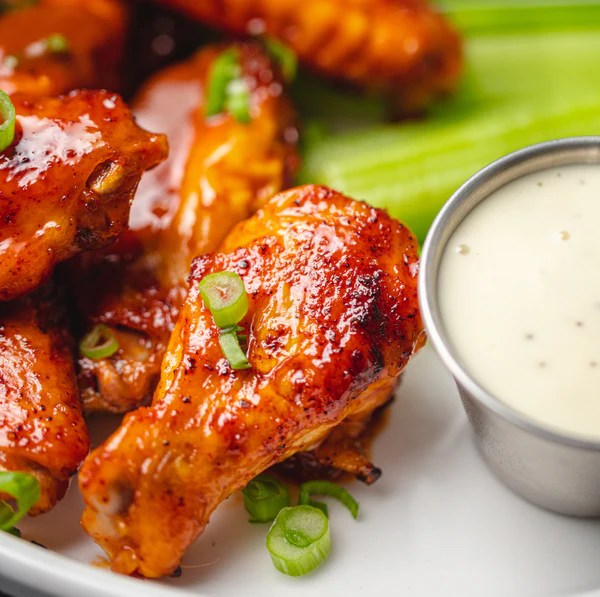
As football season kicks into high gear, it’s time to elevate your game day experience beyond the traditional beer and wings combo. This guide will introduce you to the exciting world of pairing wine with classic football fare, focusing on everyone’s favorite game day staple: chicken wings. Whether you’re hosting a watch party or heading to a tailgate, these wine and wing pairings will score big with your fellow fans.

Why Wine for Football?

While beer has long been the go-to beverage for football gatherings, wine offers a sophisticated alternative that can enhance your culinary experience. Wine can complement the flavors of your favorite game day snacks, cut through richness, and provide a refreshing counterpoint to spicy dishes. Plus, it’s a great way to avoid the dreaded beer bloat during those marathon viewing sessions.

Setting Up Your Wine Lineup

Before we dive into specific pairings, let’s cover some basics for serving wine at your football gathering:

  1. Temperature: Serve white wines chilled (45-50°F) and red wines slightly cool (60-65°F).
  2. Glassware: While fancy stemware isn’t necessary, having decent all-purpose wine glasses will enhance the experience.
  3. Variety: Offer a selection of wines to cater to different tastes and pair with various snacks.
  4. Quantity: Plan for about half a bottle per person for a typical game.

Wine and Wing Pairings: The Starting Lineup

Let’s break down some winning combinations for popular wing flavors:

1. Buffalo Wings & Riesling

Buffalo wings, with their spicy, tangy kick, pair beautifully with a slightly sweet Riesling. The wine’s fruity notes and touch of sweetness help tame the heat, while its high acidity refreshes the palate[2]. A German Riesling like the 2019 Von Hövel Saar Riesling Kabinett offers aromas of pink grapefruit and cherry with a lime zest finish that complements the hot elements of buffalo sauce perfectly[2].

2. BBQ Wings & Zinfandel

For sweet and smoky BBQ wings, reach for a bold, fruity red like Zinfandel. The wine’s jammy fruit flavors and hint of spice stand up well to the rich BBQ sauce. A California Zinfandel would be an excellent choice to match the bold American flavors of BBQ wings.

3. Garlic Parmesan Wings & Prosecco

The savory, cheesy flavors of garlic parmesan wings call for a crisp, bubbly wine to cleanse the palate. A dry Prosecco, like Collalto Colegliano Valdobbiadene Prosecco Superiore DOCG Brut, with its refreshing citrus and floral notes, pairs wonderfully with these rich wings[1].

4. Honey Garlic Wings & Chardonnay

For the sweet and savory profile of honey garlic wings, opt for a medium-bodied Chardonnay. Look for one with notes of honey, pear, and a touch of oak to complement the wings’ flavors. The Crossbow Russian River Valley Chardonnay, with its flavors of white peach, lemon curd, and honeycomb, would make an excellent pairing[1].

5. Teriyaki Wings & Gewürztraminer

The sweet and savory flavors of teriyaki wings pair beautifully with an aromatic white wine like Gewürztraminer. The Zinck Portrait Collection Gewürztraminer, with its distinct flavors of mandarin, lychee, and peach, can match the exotic flavors of the teriyaki glaze[1].

Beyond Wings: Pairing Wine with Other Game Day Favorites

While wings are a staple, a well-rounded game day spread includes other snacks. Here are some pairings to consider:

  1. Potato Skins & Tempranillo: The rich, savory flavors of loaded potato skins pair well with a medium-bodied red like Tempranillo. Try the 2018 Artadi Valdegines Rioja Tempranillo, which offers fig and oak notes that stand up to fully-loaded potato skins[2].
  2. Cheese Ball & Pinot Noir: A classic cheese ball appetizer pairs wonderfully with a light-bodied red like Pinot Noir. The 2019 Bien Nacido Estate Pinot Noir would complement the creamy, savory flavors of the cheese[2].
  3. Spinach Artichoke Dip & Aligoté: This creamy, tangy dip pairs well with a crisp white wine. Try the 2019 Buisson-Charles Aligote Sous le Chemin, which offers apple, honeycomb, and floral notes[2].
  4. Pizza & Sangiovese: For the ultimate game day comfort food, pair your pizza with a medium-bodied Italian red like Sangiovese. Its acidity cuts through the cheese and complements the tomato sauce perfectly.

Tips for a Successful Wine and Football Experience

  1. Pace Yourself: Wine typically has a higher alcohol content than beer. Enjoy responsibly and stay hydrated throughout the game.
  2. Provide Non-Alcoholic Options: Offer water, soda, or non-alcoholic wine for designated drivers and non-drinkers.
  3. Use Proper Glassware: While not essential, using the right glasses can enhance the wine-drinking experience. Stemless glasses are great for casual settings.
  4. Serve at the Right Temperature: Chill whites and rosés, and give reds a slight chill for optimal enjoyment.
  5. Have Fun with It: Don’t stress too much about perfect pairings. Encourage guests to try different combinations and share their favorites.

The Extra Point: Creating a Wine Tasting Experience

To add an extra layer of fun to your game day gathering, consider setting up a mini wine tasting alongside your food spread. Here’s how:

  1. Select 3-4 Wines: Choose a variety of styles that pair well with your menu.
  2. Provide Tasting Notes: Write brief descriptions of each wine for your guests.
  3. Offer Small Pours: Use 2-3 oz pours to allow guests to try multiple wines without overindulging.
  4. Encourage Discussion: Have fun comparing notes on which wines pair best with different foods.

Conclusion: Winning with Wine

Pairing wine with wings and other football snacks might seem unconventional, but it’s a great way to elevate your game day experience. By offering a selection of wines that complement classic football fare, you’ll create a more sophisticated and enjoyable atmosphere for your guests. Remember, the key is to have fun and experiment with different combinations.

As you become more comfortable with wine pairings, you’ll discover your own favorite combinations. Who knows? You might even convert some die-hard beer drinkers to the wonderful world of wine and football. So this season, trade in the six-pack for some bottles of vino, and get ready to score big with your fellow fans. Cheers to a season of great games, delicious food, and perfect pairings!

Citations:
[1] https://www.abcfws.com/wine-and-wing-pairings
[2] https://www.coravin.com/blogs/community/super-bowl-snack-wine-pairings
[3] https://www.wine4food.com/food/wine-chicken-wings/
[4] https://argaux.com/just-a-splash/best-wine-for-football-games-and-tailgates/
[5] https://www.brightcellars.com/blogs/learn/wine-wings-a-pairing-guide
[6] https://www.1winedude.com/wine-for-football-tailgaiting/
[7] https://drinkboxt.com/blogs/unboxt-blog/your-ultimate-football-and-wine-pairing-guide
[8] https://cambridgewinesnj.com/blogs/news/the-perfect-match-football-and-wine-pairings-for-buffalo-wings

Spicing Up Your Mexican Fiesta: Perfect Food Pairings for a Wine Tasting Adventure

Hosting a Mexican Fiesta-themed wine tasting is an exciting way to explore the vibrant flavors of Mexican cuisine alongside carefully selected wines. While many people automatically think of margaritas or beer when it comes to Mexican food, wine can be an excellent and sophisticated accompaniment to these bold and spicy dishes. This guide will help you create delicious food pairings that will complement your wine selections and make your Mexican Fiesta wine tasting an unforgettable experience.

Understanding Wine Pairing Basics

Before diving into specific pairings, it’s helpful to understand some basic principles of pairing wine with Mexican food:

  1. Match intensity: Pair lighter wines with milder dishes and bolder wines with more robust flavors.
  2. Consider acidity: High-acid wines can cut through rich, fatty foods and balance spicy flavors.
  3. Embrace sweetness: A touch of sweetness in wine can help tame spicy heat.
  4. Think about texture: Crisp wines can contrast nicely with creamy dishes, while fuller-bodied wines complement heartier fare.

With these principles in mind, let’s explore some fantastic food and wine pairings for your Mexican Fiesta.

Appetizers and Light Bites

  1. Chips and Guacamole
    Guacamole’s creamy texture and bright flavors pair wonderfully with crisp white wines. Try serving it with a zesty Sauvignon Blanc or a light, refreshing Vinho Verde. The wine’s acidity will cut through the richness of the avocado, while its herbal notes complement the cilantro and lime in the guacamole.
  2. Ceviche
    This citrus-cured seafood dish is a natural match for crisp, high-acid white wines. Opt for an Albariño or a dry Riesling to complement the dish’s bright, tangy flavors. The wine’s citrusy notes will enhance the lime in the ceviche, while its minerality pairs beautifully with the seafood.
  3. Queso Fundido
    This rich, cheesy dip calls for a wine that can stand up to its bold flavors. A fruity, medium-bodied red like Zinfandel or Grenache works well here. The wine’s fruit-forward profile will balance the salty cheese, while its body can match the dip’s richness.

White Wine for your Tasting

Main Courses

  1. Tacos al Pastor
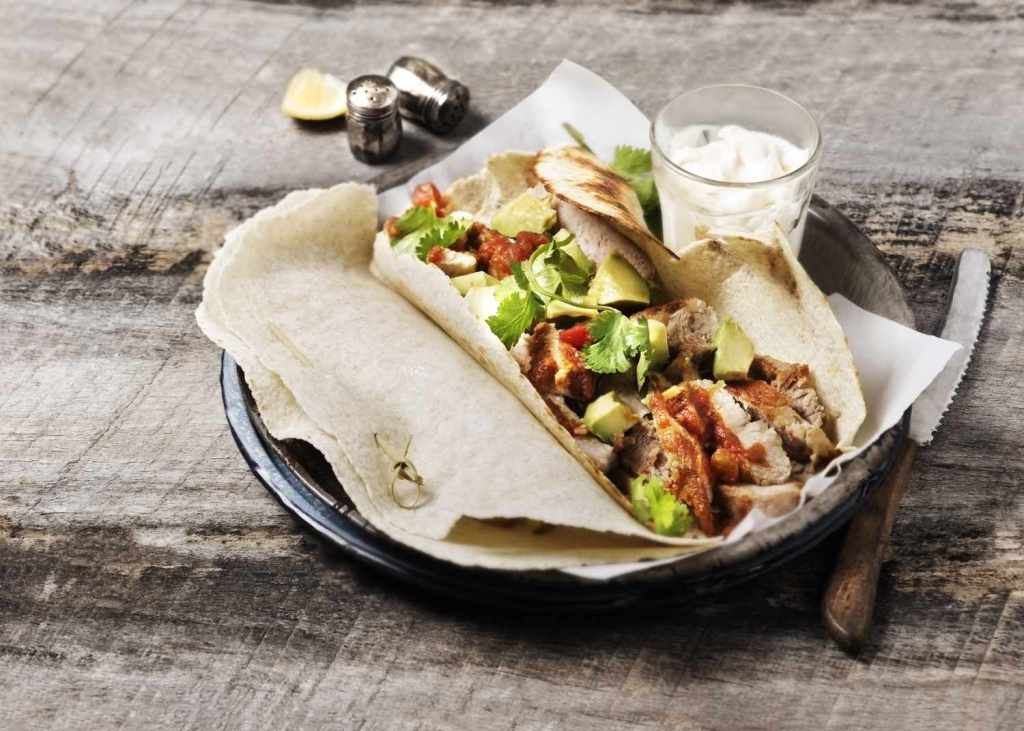
    These popular pork tacos, marinated with chiles and pineapple, pair beautifully with rosé wines. A dry rosé from Provence or a fruity rosé from Spain will complement the sweet and spicy flavors of the pork while refreshing the palate. The wine’s acidity also helps cut through the richness of the meat.
  2. Chicken Enchiladas
    For this classic dish, consider a light to medium-bodied red wine like Pinot Noir or Gamay. These wines have enough body to stand up to the sauce without overpowering the chicken. Their bright fruit flavors and low tannins make them versatile enough to pair with various enchilada sauces, from verde to mole.
  3. Carne Asada
    This grilled beef dish calls for a bolder red wine. Try pairing it with a Malbec or Tempranillo. These wines have enough structure and tannins to complement the beef’s richness, while their fruit flavors can stand up to any spicy marinade or salsa served alongside.
  4. Fish Tacos
    Light, flaky fish tacos pair wonderfully with crisp white wines. A Sauvignon Blanc or unoaked Chardonnay will complement the delicate fish flavors while cutting through any creamy sauces. If the tacos come with a spicy salsa, consider a slightly off-dry Riesling to balance the heat.
  5. Vegetarian Chiles Rellenos
    These cheese-stuffed peppers pair well with a variety of wines. For a red option, try a light-bodied Pinot Noir. Its earthy notes complement the peppers, while its acidity cuts through the cheese. For a white option, a Grüner Veltliner can match the green pepper flavors while offering enough body to stand up to the cheese.

Side Dishes

  1. Mexican Rice
    This tomato-based rice dish pairs nicely with both red and white wines. For a red option, try a fruity Grenache or Zinfandel. For white, a medium-bodied Chardonnay can complement the dish’s flavors without overpowering them.
  2. Refried Beans
    The rich, creamy texture of refried beans calls for a wine with good acidity. A Barbera or Sangiovese can cut through the richness while complementing the earthy flavors of the beans.
  3. Elote (Mexican Street Corn)
    This popular corn dish, often served with mayo, cheese, and chili powder, pairs wonderfully with a crisp, unoaked Chardonnay or a Viognier. The wine’s body can match the corn’s sweetness, while its acidity balances the creamy toppings.

Red Wine for your Tasting

Desserts

  1. Churros
    These crispy, cinnamon-sugar coated pastries pair beautifully with sweet dessert wines. Try a Pedro Ximénez sherry or a late-harvest Riesling. The wine’s sweetness will complement the cinnamon sugar, while its acidity keeps the pairing from becoming too cloying.
  2. Flan
    This creamy caramel custard calls for a wine with both sweetness and acidity. A Moscato d’Asti or a sweet Vouvray can complement the dessert’s sweetness while offering enough acidity to cut through its richness.
  3. Tres Leches Cake
    This ultra-moist cake pairs well with a sweet, bubbly wine. Try a demi-sec Champagne or a sweet sparkling Moscato. The bubbles will refresh the palate between bites of the rich cake, while the wine’s sweetness matches that of the dessert.

Tips for a Successful Mexican Fiesta Wine Tasting

  1. Offer a variety of wines: Include both red and white options to cater to different preferences and dish pairings.
  2. Serve wines at the proper temperature: Chill white wines and rosés, and serve red wines slightly cooler than room temperature.
  3. Provide water and palate cleansers: Offer plain crackers or bread to help guests cleanse their palates between tastings.
  4. Create a festive atmosphere: Decorate with colorful Mexican-inspired decor, play traditional music, and consider providing sombreros or other fun accessories for guests.
  5. Educate your guests: Provide tasting notes for each wine and explain why it pairs well with certain dishes.
  6. Encourage experimentation: While the pairings suggested here work well, encourage guests to try different combinations and discover their own favorite pairings.

Conclusion

Pairing wine with Mexican cuisine opens up a world of exciting flavor combinations. By considering the intensity, acidity, and sweetness of both the food and the wine, you can create harmonious pairings that enhance the dining experience. Remember, there’s no single “right” pairing – personal preference plays a big role, so don’t be afraid to experiment and find what you enjoy most.

A Mexican Fiesta wine tasting offers a unique opportunity to explore the rich, diverse flavors of Mexican cuisine alongside a carefully curated selection of wines. From crisp whites that complement fresh salsas and seafood to bold reds that stand up to grilled meats and rich sauces, there’s a perfect wine for every dish. By following these pairing suggestions and tips, you’ll be well on your way to hosting an unforgettable Mexican Fiesta wine tasting that your guests will be talking about for years to come. ¡Salud!

Citations:
[1] https://winefolly.com/wine-pairing/wine-with-mexican-food-starting-with-the-basics/
[2] https://www.brightcellars.com/blogs/learn/6-tacos-and-wine-pairings
[3] https://www.winereviewonline.com/Miranda_Franco_Wine_with_Mexican_Food.cfm
[4] https://armchairsommelier.com/food-and-pairings/pairing-wine-with-mexican-food/
[5] https://begoodrestaurants.com/exploring-the-flavors-of-mexico-5-popular-mexican-dishes/
[6] https://www.npr.org/2022/10/28/1132205161/mexican-cooking-ingredients-expert-tips
[7] https://www.tastingtable.com/1413962/essential-ingredients-need-mexican-cooking/
[8] https://www.decanter.com/learn/food/wine-with-tacos-food-matching-368831/
[9] https://rrealtacos.com/authentic-mexican-food-cuisine/
[10] https://www.matchingfoodandwine.com/news/pairings/wine-beer-and-other-pairings-for-mexican-food/
[11] https://www.tasteofhome.com/collection/mexican-foods-take/
[12] https://www.reddit.com/r/wine/comments/162va66/what_wine_to_pair_with_mexican/

How to Conduct a Wine Tasting for Summer Wines: A Guide for Novices

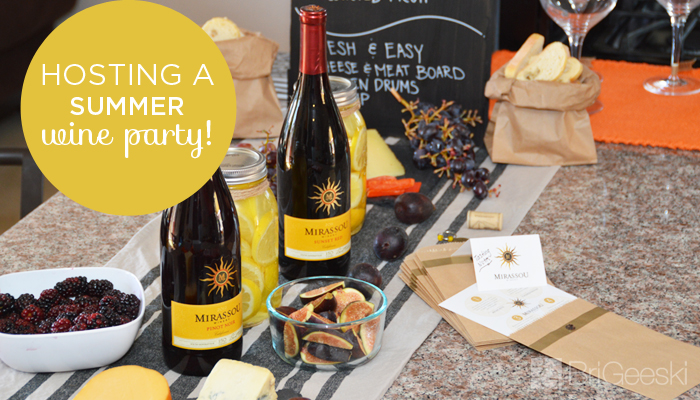
Hosting a wine tasting can be an exciting and educational experience, especially when it focuses on the refreshing and vibrant wines that are perfect for summer. Whether you’re a seasoned wine enthusiast or a curious novice, organizing a summer wine tasting is a fantastic way to explore new flavors, learn about different wine styles, and enjoy the company of friends. This comprehensive guide will walk you through the steps to conduct a successful summer wine tasting, ensuring a memorable and enjoyable event for all.

1. Selecting the Wines

The first step in conducting a summer wine tasting is to carefully curate the wines you’ll be featuring. Summer wines are typically light, crisp, and refreshing, making them perfect for warm weather. Here are some popular summer wine varieties to consider:

  • Sauvignon Blanc: Known for its vibrant citrus and herbaceous notes, Sauvignon Blanc is a quintessential summer wine. Its crisp acidity and refreshing flavors make it an ideal pairing for light salads, grilled seafood, and fresh summer produce[2][3].
  • Chardonnay: While Chardonnay can range from light and unoaked to rich and buttery, for a summer tasting, focus on the lighter, crisper styles. These Chardonnays often exhibit flavors of green apple, lemon, and subtle mineral notes, making them a versatile choice for summer dishes[1][3].
  • Pinot Grigio: With its delicate floral and citrus aromas, Pinot Grigio is a crowd-pleasing summer wine. Its light body and crisp acidity make it a refreshing choice for warm weather and a perfect accompaniment to light appetizers and salads[2][4].
  • Rosé: Rosé wines are incredibly popular in the summer due to their refreshing acidity and fruity flavors. They pair well with a variety of dishes, from grilled vegetables to seafood and charcuterie[3][4].
  • Sparkling Wine: Sparkling wines, such as Prosecco, Cava, and Champagne, are perfect for summer celebrations. Their effervescence and bright acidity make them a delightful pairing for a wide range of foods[1][4].

When selecting the specific wines, aim for a diverse range of styles and regions to showcase the variety within each grape variety. Consider including both well-known and lesser-known producers to expose your guests to new and exciting options.

2. Setting the Stage

Creating the right ambiance is crucial for a successful wine tasting. For a summer event, consider hosting it outdoors, weather permitting, or in a well-ventilated indoor space. Decorate the tasting area with summer-themed elements, such as fresh flowers, citrus slices, or even a touch of greenery to evoke a sense of warmth and vibrancy[2][3].

Ensure that you have enough glassware for each guest, preferably stemmed glasses designed for white wines. This will allow your guests to swirl and appreciate the aromas and colors of the wines more effectively[4].

3. Preparing for the Tasting

Before your guests arrive, it’s essential to prepare the wines properly. Chill the white wines to the appropriate serving temperature, typically between 45°F and 55°F (7°C and 13°C). This will help preserve the wines’ delicate aromas and flavors[3][4].

To add an element of mystery and intrigue, consider presenting the wines in a blind tasting format. Wrap each bottle in a brown paper bag or aluminum foil, and assign a number to each wine. This will encourage your guests to focus solely on the sensory experience, without any preconceived notions or biases[1][2].

Set up tasting stations with numbered placemats or notepads, where guests can jot down their observations and guesses about each wine. Provide pens or pencils, water for palate cleansing, and perhaps some neutral crackers or bread to help reset the palate between wines[1][2].

Wines for a wine Tasting look HERE

4. Conducting the Tasting

As your guests arrive, welcome them with a refreshing summer cocktail or a glass of sparkling wine. This will help set the tone for the event and get their palates primed for the tasting[3].

Once everyone is settled, provide an overview of the tasting format and any relevant information about the wines you’ll be featuring. Encourage your guests to engage their senses fully, taking note of the wines’ appearance, aromas, and flavors[1][2].

Guide your guests through the tasting process, starting with the lightest wine and progressing to the more full-bodied options. Encourage discussion and sharing of impressions, as this can enhance the overall learning experience[1][2].

5. Pairing with Summer Fare

To elevate the tasting experience further, consider pairing the wines with light summer fare. Prepare a selection of seasonal appetizers, such as fresh tomato bruschetta, grilled shrimp skewers, or a refreshing watermelon and feta salad. These pairings will not only complement the wines but also demonstrate how different flavors can harmonize or contrast with each wine[2][3].

Encourage your guests to experiment with different pairings and observe how the flavors of the wine and food interact. This hands-on approach will deepen their understanding of wine and food pairing principles[1][2].

6. Educational Elements

While the primary focus of a wine tasting is to enjoy the wines, it’s also an excellent opportunity to incorporate educational elements. Consider inviting a knowledgeable sommelier or wine expert to lead the tasting and provide insights into the winemaking process, grape varieties, and regions represented[1].

Alternatively, you can prepare informative handouts or presentations that delve into the history, terroir, and production methods of the featured wines. This added context can enhance your guests’ appreciation for the wines and foster a deeper understanding of the art and science behind winemaking[1][2].

7. Creating a Memorable Experience

To make your summer wine tasting truly memorable, consider incorporating additional elements that align with the theme. For instance, you could create a summer-inspired playlist featuring upbeat and relaxing tunes to set the mood. Alternatively, you could offer a selection of summer-themed party favors or small gifts for your guests to take home as a memento of the event[3][4].

Encourage your guests to share their experiences on social media, using a dedicated hashtag or tagging your event. This not only creates a sense of community but also serves as a valuable marketing tool for future wine tasting events[3].

8. Tips for a Successful Wine Tasting

  • Start with the Lightest Wines: Begin the tasting with the lightest wines and progress to the more full-bodied options. This will prevent the heavier wines from overwhelming the palate early on[1][2].
  • Use Proper Glassware: Ensure that each guest has a clean, stemmed glass for each wine. This allows them to swirl the wine and appreciate its aromas fully[4].
  • Encourage Note-Taking: Provide notepads or tasting sheets for guests to jot down their observations and impressions. This can help them remember their favorite wines and enhance their learning experience[1][2].
  • Provide Palate Cleansers: Offer water and neutral snacks, such as plain crackers or bread, to help guests cleanse their palates between wines[1][2].

Look HERE for Wines for your Tasting

Conclusion

Conducting a summer wine tasting is a delightful way to explore the vibrant and refreshing flavors of the season while creating lasting memories with friends and fellow wine enthusiasts. By carefully selecting the wines, setting the stage, and guiding your guests through the tasting process, you can provide an educational and enjoyable experience that will deepen their appreciation for the art of winemaking. Remember, the key to a successful wine tasting is to foster an environment of learning, sharing, and enjoyment, where every sip is a journey of discovery. Cheers to your summer wine tasting adventures!

Citations:
[1] https://www.sommeliercompany.com/how-to-host-a-wine-tasting-event-checklist
[2] http://life-uncorked.com/drink/how-to-plan-a-summer-wine-tasting/
[3] https://931coast.com/5-tips-for-hosting-a-successful-summer-wine-country-themed-party/
[4] https://www.mcbridesisters.com/blogs/the-edit/host-a-summer-wine-tasting-party
[5] https://overproof.com/2020/06/30/wine-tasting-for-beginners/
[6] http://www.fortbendfocus.com/5-simple-steps-to-hosting-a-summer-wine-tasting-party/
[7] https://www.foleyfoodandwinesociety.com/a-cheat-sheet-for-hosting-the-perfect-wine-tasting-party/
[8] https://www.domenicowinery.com/a-beginners-guide-to-wine-tasting/
[9] https://www.cuisinenoirmag.com/how-to-host-a-wine-tasting-party/
[10] https://www.foodandwine.com/wine/wine-tasting-party-tips
[11] https://petoskey.wine/beginners-guide-to-wine-tasting/
[12] https://www.lloydswines.com/blogs/news/top-tips-for-hosting-a-sizzling-summer-wine-tasting-party
[13] https://theeverygirl.com/wine-tasting-party/
[14] https://wolfgapvineyard.com/a-beginners-guide-to-wine-tasting
[15] https://www.grainandvine.com/how-to-host-a-summer-wine-tasting-party
[16] https://healdsburgisheavenly.com/how-to-go-wine-tasting/
[17] https://www.youtube.com/watch?v=AxcOyGUUQI4
[18] https://vincarta.com/blog/wine-tasting-beginners
[19] https://www.brigeeski.com/how-to-host-summer-wine-tasting-party/
[20] https://chaumette.com/beginners-guide-to-wine-tasting/

What Foods pair well with White Wines

As a wine novice, exploring the world of white wine and food pairings can be an exciting and rewarding journey. White wines, with their diverse range of flavors and styles, offer a versatile canvas for creating harmonious culinary experiences. In this comprehensive guide, we will delve into the art of pairing white wines with a variety of foods, empowering you to elevate your dining experiences.

Understanding White Wine Characteristics

Before we dive into specific pairings, it’s essential to understand the key characteristics of white wines that influence their compatibility with different foods.

Acidity: White wines generally have higher acidity levels compared to red wines. This acidity can cut through rich, fatty foods, cleansing the palate and preparing it for the next bite.

Body: White wines can range from light-bodied, such as Pinot Grigio, to full-bodied, like Chardonnay. The body of the wine should be considered when pairing it with food.

Sweetness: Some white wines, like Riesling, can have a touch of residual sugar, which can balance out spicy or salty dishes.

Aromas and Flavors: White wines exhibit a wide array of aromas and flavors, from citrus and stone fruits to herbaceous and floral notes. These flavor profiles can complement or contrast with the flavors in the food.

Pairing White Wines with Food

Light-Bodied White Wines

Sauvignon Blanc: This crisp, high-acid white wine pairs beautifully with seafood, salads, and dishes with tart or herbal flavors. The wine’s acidity can cut through the richness of creamy sauces, making it an excellent match for dishes like grilled shrimp or oysters Rockefeller[1].

Pinot Grigio: With its light, refreshing character, Pinot Grigio is a versatile pairing for a wide range of dishes, from light pasta dishes to grilled chicken or pork. Its subtle flavors allow it to complement rather than overpower the food[2].

Albariño: Hailing from Spain, Albariño is a white wine with bright acidity and citrus-driven flavors. It pairs exceptionally well with seafood, especially grilled or sautéed fish, as well as dishes with lemon or lime[2].

Medium-Bodied White Wines

Chardonnay: Depending on the winemaking style, Chardonnay can range from crisp and unoaked to rich and creamy. The former pairs well with grilled or roasted poultry, while the latter complements richer dishes, such as creamy pasta or roasted pork[1].

Viognier: This aromatic white wine, with its floral and stone fruit notes, can hold its own against dishes with bold flavors, such as curries or spicy Asian cuisine. The wine’s natural sweetness can also balance out the heat in these dishes[2].

Grüner Veltliner: Originating from Austria, Grüner Veltliner is known for its bright acidity and subtle spice notes. It’s an excellent pairing for dishes featuring fresh herbs, vegetables, and light proteins, such as salads, grilled fish, or roasted chicken[2].

Sweet and Dessert White Wines

Riesling: With its range of styles from dry to sweet, Riesling can be a versatile pairing for a variety of dishes. Dry Riesling complements spicy or Asian-inspired cuisine, while sweeter styles pair beautifully with desserts or dishes with a touch of sweetness[1].

Moscato: This lightly sparkling, sweet white wine is a delightful companion for fruit-based desserts, such as tarts or cobblers. Its floral and citrus notes can also balance out the heat in spicy dishes[2].

Sauternes: A classic French dessert wine, Sauternes is known for its rich, honeyed flavors. It pairs exceptionally well with foie gras, blue cheese, and decadent desserts, such as crème brûlée or tarte tatin.

Looking for White Wines

Pairing Principles

While these specific pairings provide a solid foundation, there are a few general principles to keep in mind when exploring white wine and food combinations:

  1. Match the Intensity: Pair lighter white wines with delicate dishes and fuller-bodied whites with more robust fare.
  2. Consider Acidity: High-acid white wines can cut through rich, creamy sauces, while lower-acid wines may be overwhelmed by such dishes.
  3. Balance Sweetness: Slightly sweet white wines can balance out spicy or salty dishes, while dessert wines pair beautifully with sweet treats.
  4. Experiment and Trust Your Palate: Don’t be afraid to try unexpected pairings. Personal preference is ultimately the most important factor in creating a successful wine and food match.

Conclusion

Exploring the world of white wine and food pairings is a journey of discovery, where each sip and bite can unveil new and delightful flavor combinations. By understanding the key characteristics of white wines and applying the principles of pairing, you can confidently navigate the vast array of culinary possibilities. Remember, the most important aspect of this journey is to trust your palate, experiment, and savor the harmonious moments that arise when the right wine meets the perfect dish. Cheers to your white wine and food pairing adventures!

White Wines for Food

Citations:
[1] https://www.napacabs.com/blog/a-white-wine-food-pairing-guide-to-make-every-meal-exceptional/
[2] https://theharewineco.com/white-wine-pairings-white-wine-food-pairing-guide/
[3] https://winefolly.com/wine-pairing/getting-started-with-food-and-wine-pairing/
[4] https://www.foodandwine.com/food-and-wine-pairing-guide-6409590
[5] https://themillkeeper.com/10-surprising-white-wine-food-pairings/

What’s in a Bottle of WINE

As a wine novice, understanding what’s inside a bottle of wine can be a fascinating journey into the world of viticulture and winemaking. While the ingredients may seem simple at first glance, the truth is that a bottle of wine contains a complex blend of natural and sometimes added components, each contributing to the wine’s unique character and flavor profile. In this article, we’ll delve into the primary constituents found in a bottle of wine, shedding light on their roles and significance.

The Primary Ingredient: Grape Juice
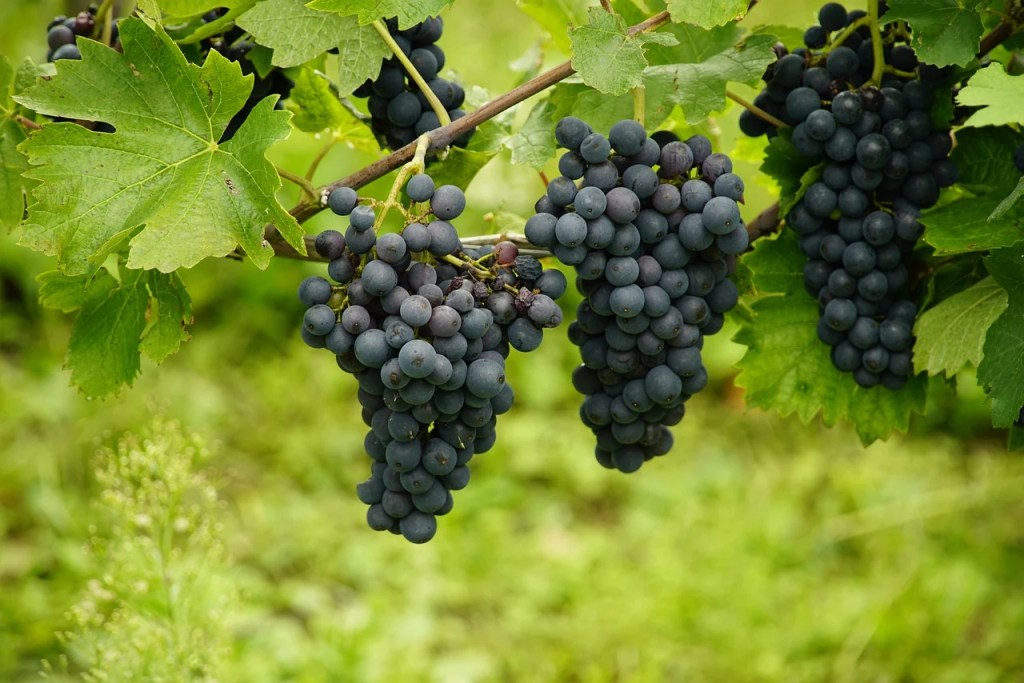
At the heart of every bottle of wine lies the humble grape juice, the liquid extracted from the fermented grapes. The type of grape used, whether red or white, is the foundation upon which the wine’s character is built. Different grape varieties impart distinct flavors, aromas, and tannin levels, resulting in the vast array of wine styles we enjoy today[1].

The Role of Yeast
While grape juice is the primary ingredient, the fermentation process that transforms it into wine is facilitated by the addition of yeast. Winemakers can choose between two types of yeast: wild yeast or cultured yeast. Wild yeast naturally occurs on the grape skins and in the winery environment, lending a unique character to the wine. Cultured yeast, on the other hand, is specifically selected and added to the grape juice, providing more consistent and predictable results[1][3].

The Importance of Acidity
Acidity is a crucial component in wine, contributing to its crispness, freshness, and overall balance. Various acids are naturally present in grapes, such as tartaric acid and malic acid. However, winemakers may also add specific acids during the winemaking process to adjust the wine’s acidity levels and enhance its stability[3].

The Role of Tannins
Tannins are compounds found primarily in red wines, derived from the grape skins, seeds, and stems. They contribute to the wine’s structure, mouthfeel, and aging potential. Tannins can impart a drying sensation in the mouth and add complexity to the wine’s flavor profile. The level of tannins in a wine is influenced by factors such as grape variety, winemaking techniques, and aging[1].

Sulfites: Friend or Foe?
Sulfites are a controversial topic in the wine world, but they play a vital role in preserving the wine’s freshness and preventing oxidation. While sulfites occur naturally during fermentation, winemakers often add additional sulfites to stabilize the wine and extend its shelf life. It’s important to note that sulfites are present in many other foods and beverages, and only a small percentage of people are truly sensitive to them[3].

The Art of Fining and Filtering
Fining and filtering are processes used to clarify and polish the wine before bottling. Fining agents, such as egg whites or bentonite clay, are added to the wine to remove unwanted particles and proteins, resulting in a clearer and more stable product. Filtering further refines the wine, removing any remaining solids and ensuring a brilliant clarity[3].

The Influence of Oak
For many red and some white wines, oak aging plays a significant role in shaping the wine’s flavor and aroma. Oak barrels or oak chips can impart notes of vanilla, spice, and toast, adding complexity and depth to the wine. The type of oak, the level of toasting, and the duration of aging all contribute to the wine’s unique oak profile[1].

The Importance of Terroir
While not a physical ingredient, terroir is a concept that encompasses the unique combination of soil, climate, and topography that influences a wine’s character. Wines from different regions or even vineyards can exhibit distinct flavors and aromas due to the terroir’s impact on the grapes[2].

Additives and Preservatives
In addition to the primary ingredients, some wines may contain additives and preservatives to enhance stability, color, or flavor. These can include sugar, acid regulators, tannins, and even egg whites or milk proteins used in fining. However, it’s important to note that many winemakers strive for minimal intervention, allowing the grapes and terroir to shine through[3].

Find excellant selections HERE

As a wine novice, understanding the components that make up a bottle of wine can deepen your appreciation for this complex and fascinating beverage. From the humble grape juice to the intricate interplay of yeast, acidity, tannins, and oak, each element contributes to the wine’s unique character and flavor profile. By exploring the world of wine ingredients, you’ll embark on a journey of discovery, unlocking the secrets behind every sip and developing a deeper connection with the art of winemaking.

Citations:
[1] https://www.streetdirectory.com/food_editorials/beverages/wine/what_is_in_a_bottle_of_wine.html
[2] https://uncorkedinitaly.com/whats-in-your-bottle-of-wine/
[3] https://www.usatoday.com/story/life/grateful/2019/09/11/wine-ingredients-labels-explained/1684913001/
[4] https://en.wikipedia.org/wiki/Wine_bottle
[5] https://www.chefintheburbs.com/how-many-glasses-of-wine-are-in-a-bottle/

what are the different types of wine and how do they differ in taste and flavor

Wine is a complex and varied beverage, with a range of types that cater to every palate. Understanding the different types of wine and how they differ in taste and flavor can help beginners navigate their wine journey more effectively. Here’s an overview of some common types of wine and their characteristics:

Red Wines

Cabernet Sauvignon

  • Taste: Features flavors of black cherry, black currant, baking spices, and cedar from oak aging.
  • Style: Full-bodied with bold tannins and a long finish, making it great with food pairings like lamb, beef, and aged cheeses[1].

Syrah (Shiraz)

  • Taste: Known for blueberry, plum, tobacco, cured meat, and black pepper flavors.
  • Style: Full-bodied and tart, often with herbal, “green” fruit flavors, pairing well with meats and cheeses[1].

Zinfandel

  • Taste: Typically zesty with flavors of red and black fruit and a hint of black pepper.
  • Style: Bold and fruit-forward with high alcohol content and moderate to high tannins, great with grilled meats[1].

Pinot Noir

  • Taste: Delicate flavors of cherry, cranberry, and floral notes.
  • Style: Lighter-bodied with soft tannins, making it versatile for pairing with fish, chicken, pork, and more[1].

For red wines look HERE

White Wines

Chardonnay

  • Taste: Can range from apple and citrus in cooler climates to tropical fruits in warmer areas. Oak-aged versions can have vanilla and toast flavors.
  • Style: Medium to full-bodied, often with a creamy texture, pairing well with poultry, seafood, and creamy sauces[1].

Sauvignon Blanc

  • Taste: Features flavors of citrus, green apple, and herbaceous notes.
  • Style: Light to medium-bodied with high acidity, making it refreshing and great with salads, light fish, and goat cheese[1].

Pinot Gris (Pinot Grigio)

  • Taste: Light citrus, pomaceous fruits, and floral notes, sometimes with a hint of cheese rind from lees aging.
  • Style: Light-bodied and easy-drinking with some bitter flavors on the palate, pairing well with light fish and mild cheeses[1].

Riesling

  • Taste: Citrus and stone-fruit flavors with floral and sweet herbal elements, varying in sweetness from dry to sweet.
  • Style: High in acid, can be sweet or dry, pairing well with spicy foods, pork, and duck[1].

For whites look HERE

Rosé Wine

  • Taste: Primary flavors include red fruit, flowers, citrus, and melon, with a crunchy green finish similar to celery or rhubarb.
  • Style: Can be made from nearly any red wine grape and varies greatly in flavor depending on the grape and production method. It’s versatile for pairing, from salads to grilled dishes[4].

Sparkling Wine

  • Taste and Style: Sparkling wines, including Champagne, Prosecco, and Cava, have high acidity and carbonation, with flavors ranging from apple and pear in white versions to red fruit in rosé versions. They are excellent as aperitifs and pair well with a wide range of foods[5].

Understanding these basic wine types and their flavor profiles is the first step in exploring the vast world of wine. Remember, the best way to learn about wine is to taste as much as possible, so don’t hesitate to experiment with different types and find what you enjoy the most.

AMAZON for wine

Citations:
[1] https://winefolly.com/deep-dive/common-types-of-wine/
[2] https://themillkeeper.com/the-red-wine-descriptions-chart-explained-to-beginners/
[3] https://winefolly.com/tips/flavor-profiles-of-white-wines/
[4] https://winefolly.com/deep-dive/what-is-rose-wine/
[5] https://www.thepioneerwoman.com/food-cooking/cooking-tips-tutorials/g43567741/types-of-wine/
[6] https://winefolly.com/deep-dive/red-wine-flavor-profiles/
[7] https://wineinsiders.com/blogs/wine-101-essential-wine-guides/a-comprehensive-guide-to-white-wine
[8] https://legrandcourtage.com/a-guide-to-rose-what-it-is-how-it-is-made-and-what-it-pairs-with/
[9] https://winefolly.com/deep-dive/different-types-of-wine/
[10] https://ask.metafilter.com/339696/Whats-the-taste-I-dont-like-in-some-red-wines
[11] https://ingoodtaste.com/blogs/wine-101/white-wine
[12] https://www.reddit.com/r/wine/comments/z67yne/do_ros%C3%A9_wines_ever_have_a_rose_flavour/
[13] https://www.reddit.com/r/explainlikeimfive/comments/r5mkg/eli5_the_different_types_of_wine_and_how_they_are/
[14] https://wineflavorguru.com/what-does-wine-taste-like/
[15] https://winefolly.com/deep-dive/beginners-white-wines-list/
[16] https://www.realsimple.com/food-recipes/shopping-storing/beverages/what-is-rose-wine
[17] https://blissarizona.com/wine-for-beginners-the-different-types-of-wine/
[18] https://winefolly.com/deep-dive/identifying-flavors-in-wine/
[19] https://www.cardsofwine.com/wines_flavors_white.asp
[20] https://wineflavorguru.com/what-is-rose-wine/
[21] https://www.wsetglobal.com/knowledge-centre/blog/2023/october/03/how-many-wine-types-and-styles-are-there/
[22] https://ingoodtaste.com/blogs/wine-101/red-wine
[23] https://www.goodpairdays.com/guides/wine-101/article/white-wine/
[24] https://www.webstaurantstore.com/article/907/types-of-wine.html
[25] https://www.virginwines.co.uk/hub/wine-guide/wine-basics/types-of-red-wine/

Different types of Wine and their Characteristics

Wine, an elixir of joy and culture, has been celebrated across the globe for centuries. Its diversity in taste, aroma, and character offers an endless journey of discovery for both novices and connoisseurs alike. Understanding the different types of wine and their characteristics is essential for anyone looking to deepen their appreciation of this fascinating beverage. This article aims to demystify the world of wine, providing a comprehensive guide to the main types of wine and their unique features.

Red Wine

Red wine is perhaps the most iconic of all wine types, known for its rich flavors and deep colors ranging from bright ruby to dense purple. The color and complexity of red wine come from the grape skins, which are left in contact with the juice during fermentation. This process also introduces tannins, compounds that add structure and the potential for aging, giving red wine its characteristic dryness and astringency.

Characteristics: Red wines are celebrated for their complexity and depth, with flavors that can include fruits, herbs, and spices. The presence of tannins provides a unique texture, often described as astringent or drying to the mouth.

Popular Varieties:

  • Cabernet Sauvignon: Known for its boldness and rich fruit flavors, often accompanied by hints of spice and oak.
  • Merlot: Softer and more approachable, with plush textures and flavors of ripe berries and plums.
  • Pinot Noir: Elegant and aromatic, with lighter tannins and flavors of red fruits and earthy undertones[1].

White Wine

White wine is made from white or green grapes, and sometimes from red grapes with minimal contact with the skins. These wines are generally lighter in both color and tannins compared to red wines, offering a wide range of flavors from crisp and refreshing to rich and creamy.

Characteristics: White wines can be dry or sweet and are often appreciated for their acidity, which adds brightness and freshness. They can exhibit flavors of citrus, orchard fruits, tropical fruits, and even floral or mineral notes.

Popular Varieties:

  • Chardonnay: Versatile and popular, ranging from lean and mineral-driven to rich and buttery, depending on the winemaking style.
  • Sauvignon Blanc: Crisp and aromatic, with pronounced acidity and flavors of green fruits, herbs, and sometimes tropical notes.
  • Riesling: Can be made in styles from bone-dry to lusciously sweet, always with high acidity and aromatic intensity[2].

Rosé Wine

Rosé stands out for its beautiful pink hues, which are achieved by allowing the juice to have brief contact with red grape skins. This type of wine combines some of the color and flavors of red wine with the crispness and freshness of white wine.

Characteristics: Rosé wines are known for their refreshing and fruity profile, with flavors that can range from strawberries and cherries to melon and citrus. They can be dry or slightly sweet and are perfect for warm weather sipping.

Popular Varieties:

  • Provence Rosé: Typically dry and delicate, with subtle flavors of red fruits, flowers, and minerals.
  • Sangiovese Rosé: Offers a bit more body and vibrant acidity, with notes of fresh red berries and hints of spice[3].

Sparkling Wine

Sparkling wine is celebrated for its effervescence, achieved through secondary fermentation that traps carbon dioxide bubbles in the wine. This category includes some of the most prestigious wines in the world and is synonymous with celebration and luxury.

Characteristics: Sparkling wines can range from very dry to sweet and exhibit a wide array of flavors, including citrus, apple, pear, and bready or yeasty notes from the fermentation process.

Popular Varieties:

  • Champagne: The most renowned sparkling wine, from the Champagne region of France, known for its complexity and elegance.
  • Prosecco: Italian sparkling wine that is generally lighter, fruitier, and more approachable than Champagne.
  • Cava: Spanish sparkling wine that offers great value, with flavors ranging from fresh and fruity to rich and toasty[4].

Dessert and Fortified Wine

Dessert and fortified wines are a diverse group, including both sweet wines meant to accompany or serve as dessert and wines fortified with spirits to increase their alcohol content and complexity.

Characteristics: These wines are known for their sweetness and rich flavors, which can include fruits, nuts, honey, and spices. Fortified wines also have higher alcohol content and can offer a wide range of flavors from dry to sweet.

Popular Varieties:

  • Port: A sweet, fortified wine from Portugal, with rich flavors of dark fruit, chocolate, and spices.
  • Sherry: From Spain, ranging from dry and nutty to sweet and rich.
  • Ice Wine: Made from grapes frozen on the vine, offering intense sweetness and concentrated flavors[5].

Wine appreciation is a journey of discovery, with each sip offering a glimpse into the culture, geography, and craftsmanship that go into every bottle. Whether you’re drawn to the robust complexity of a Cabernet Sauvignon, the crisp freshness of a Sauvignon Blanc, or the celebratory sparkle of Champagne, the world of wine holds endless possibilities for exploration and enjoyment.

Citations:
[1] https://www.wineenthusiast.com/basics/red-wine-basics/
[2] https://winefolly.com/deep-dive/beginners-white-wines-list/
[3] https://ingoodtaste.com/blogs/wine-101/rose-wine
[4] https://www.firstleaf.com/wine-school/article/what-is-sparkling-wine
[5] https://www.thrillist.com/drink/nation/red-wine-types-explained
[6] https://www.abcfws.com/about-whiteWine
[7] https://legrandcourtage.com/a-guide-to-rose-what-it-is-how-it-is-made-and-what-it-pairs-with/
[8] https://ramsgatewinery.com/blogs/rams-gate-winery-blog/a-guide-to-red-wines
[9] https://wineinsiders.com/blogs/wine-101-essential-wine-guides/a-comprehensive-guide-to-white-wine
[10] https://winefolly.com/deep-dive/what-is-rose-wine/
[11] https://www.virginwines.co.uk/hub/wine-guide/wine-basics/quick-guide-to-red-wine/
[12] https://www.goodpairdays.com/guides/wine-101/article/white-wine/
[13] https://www.realsimple.com/food-recipes/shopping-storing/beverages/what-is-rose-wine
[14] https://winefolly.com/tips/the-spectrum-of-boldness-in-red-wines-chart/
[15] https://winepigeon.com/white-wine/
[16] https://usualwines.com/blogs/knowledge-base/what-is-rose-wine
[17] https://themillkeeper.com/the-red-wine-descriptions-chart-explained-to-beginners/
[18] https://winefolly.com/tips/flavor-profiles-of-white-wines/
[19] https://wineinsiders.com/blogs/wine-101-essential-wine-guides/a-comprehensive-guide-to-rose-wine
[20] https://winefolly.com/deep-dive/red-wine-flavor-profiles/
[21] https://ingoodtaste.com/blogs/wine-101/white-wine
[22] https://www.wineenthusiast.com/basics/a-quick-guide-to-rose-wine/
[23] https://wineinsiders.com/blogs/wine-101-wine-basics/a-comprehensive-guide-to-red-wine
[24] https://www.marketviewliquor.com/blog/the-different-types-of-white-wine/
[25] https://www.marketviewliquor.com/blog/what-is-rose-wine/

An Introduction to wine

Wine is a fascinating and diverse world, offering a wide array of flavors, aromas, and experiences. Whether you are a novice or a connoisseur, interested in simply sipping or expertly analyzing, enjoying a glass of wine can be a sublime experience. In this article, we will provide an introduction to wine, covering the basics of wine tasting, the different types of wine, and tips for beginners to start their wine exploration journey.

Understanding Wine

Good wine is one of life’s greatest pleasures. However, many people find wine and how to choose, serve, and describe it more intimidating than enjoyable. The very scope of the topic seems daunting. But never fear — you don’t have to take a class to appreciate the subtleties of fine wine. Still, as with many things in life, a little knowledge goes a long way[1].

Getting Started

As you set out to explore the world of wine, you might feel unsure about how to begin. Should you take a class? Join a wine-tasting group? Visit a winery? Buy a variety of wines and start sampling? There’s not one set rule you must follow; rather, think of it as having unlimited choices! Every new journey benefits from the presence of an experienced guide. Whether you’re exploring a mountain landscape, the wildlife of a faraway land, or the ins and outs of wine, an experienced guide can be your key to discovering hidden gems and expanding the horizons of your knowledge[1].

Wine Tasting

Learning to taste and appreciate wine is an essential part of the journey. It’s important to understand that responses to wine are as individual as fingerprints. An aroma or flavor that is pleasing to you may not be so to another. The trick is translating your preferences into words. Accomplish this, and you will add new dimensions to your enjoyment of wine[1].

Types of Wine

There are five main classifications of wine: white, red, rosé, sparkling, and dessert. Each category has a wide variety of wines within, which makes choosing wine for beginners especially daunting. Exploring these different types of wine is a great way to get started and find your perfect beginner wine[3].

  • White Wine: Known for its lighter taste and made from white or green grapes. Popular varieties include Chardonnay, Sauvignon Blanc, and Riesling[4].
  • Red Wine: Made from red grapes and has a rich taste, high in tannins. Popular varieties include Cabernet Sauvignon, Pinot Noir, and Merlot[4].
  • Rosé Wine: Made from red grapes but has a shorter skin contact period, giving it a pink color. It’s known for its refreshing and fruity flavors. Popular varieties include White Zinfandel, Grenache, and Sangiovese[4].
  • Sparkling Wine: Known for its bubbly nature and often associated with celebrations. The most famous type is Champagne, but other varieties include Prosecco, Cava, and Sparkling Rosé[3].
  • Dessert Wine: Sweet wines often served with or as a dessert. Popular varieties include Port, Sauternes, and Ice Wine[3].
  • Fortified Wine: Wines with a higher alcohol content due to the addition of a distilled spirit. Examples include Sherry, Port, and Madeira[3].

Shop HERE for Red Wines     

Shop HERE for White Wines

Tips for Beginners

  • Find your own approach and consistently follow it. Whenever you have a glass of wine in your hand, make it a habit to take a minute to stop all conversation, shut out all distraction and focus your attention on the wine’s appearance, scents, flavors, and finish[2].
  • The ideal beginner wine will generally be something that is not too extreme, not overly dry or exceptionally bold. The most important thing you need to know is what you like. Reading and researching are fantastic but they’re no substitute for experimenting[3].
  • Enjoy the journey! Learning about wine can be an exciting adventure that can take you all over the world, exploring different regions, grapes, and styles of wine—you might even learn a bit about yourself in the process[3].

In conclusion, the world of wine is vast and diverse, offering something for everyone. By understanding the basics of wine tasting and exploring the different types of wine, beginners can embark on an enjoyable journey of discovery. Remember that there are no set rules when it comes to exploring wine—find what you enjoy and savor the experience.

[1] Source: Seven Doors Winery
[2] Source: Wine Enthusiast
[3] Source: Usual Wines
[4] Source: Wine Folly

Citations:
[1] https://sevendoorswinery.com/an-introduction-to-wine/
[2] https://www.wineenthusiast.com/culture/wine-for-beginners/
[3] https://usualwines.com/blogs/knowledge-base/best-wine-for-beginners
[4] https://winefolly.com/wine-basics-beginners-guide/
[5] https://www.veranda.com/food-recipes/a44451471/best-wines-for-beginners/