As a wine novice, understanding what’s inside a bottle of wine can be a fascinating journey into the world of viticulture and winemaking. While the ingredients may seem simple at first glance, the truth is that a bottle of wine contains a complex blend of natural and sometimes added components, each contributing to the wine’s unique character and flavor profile. In this article, we’ll delve into the primary constituents found in a bottle of wine, shedding light on their roles and significance.
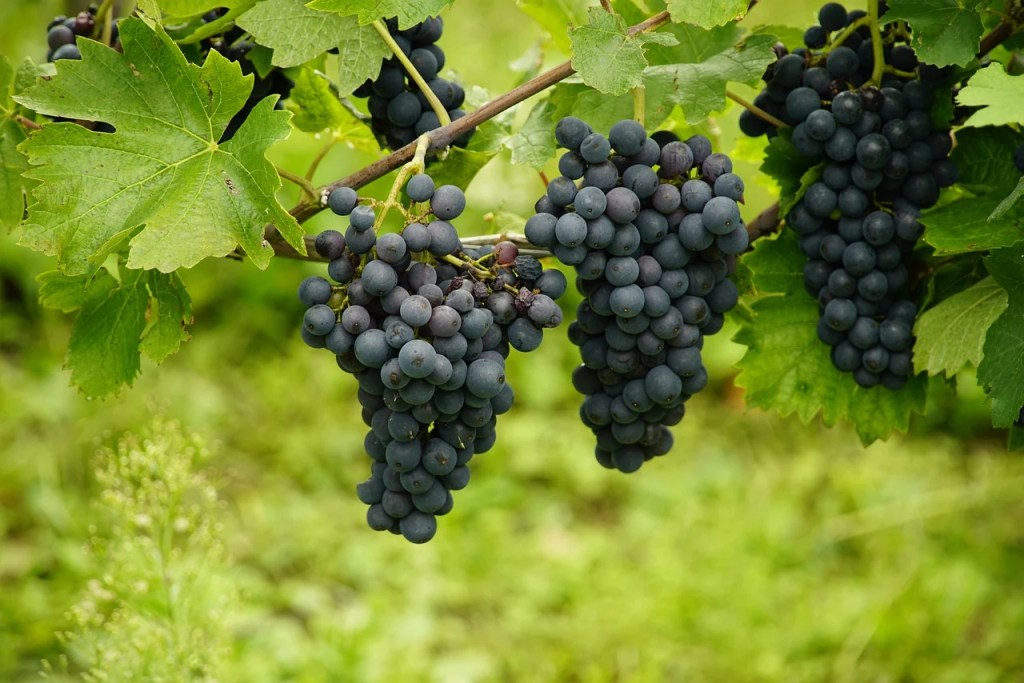
The Primary Ingredient: Grape Juice
At the heart of every bottle of wine lies the humble grape juice, the liquid extracted from the fermented grapes. The type of grape used, whether red or white, is the foundation upon which the wine’s character is built. Different grape varieties impart distinct flavors, aromas, and tannin levels, resulting in the vast array of wine styles we enjoy today[1].
The Role of Yeast
While grape juice is the primary ingredient, the fermentation process that transforms it into wine is facilitated by the addition of yeast. Winemakers can choose between two types of yeast: wild yeast or cultured yeast. Wild yeast naturally occurs on the grape skins and in the winery environment, lending a unique character to the wine. Cultured yeast, on the other hand, is specifically selected and added to the grape juice, providing more consistent and predictable results[1][3].
The Importance of Acidity
Acidity is a crucial component in wine, contributing to its crispness, freshness, and overall balance. Various acids are naturally present in grapes, such as tartaric acid and malic acid. However, winemakers may also add specific acids during the winemaking process to adjust the wine’s acidity levels and enhance its stability[3].
The Role of Tannins
Tannins are compounds found primarily in red wines, derived from the grape skins, seeds, and stems. They contribute to the wine’s structure, mouthfeel, and aging potential. Tannins can impart a drying sensation in the mouth and add complexity to the wine’s flavor profile. The level of tannins in a wine is influenced by factors such as grape variety, winemaking techniques, and aging[1].
Sulfites: Friend or Foe?
Sulfites are a controversial topic in the wine world, but they play a vital role in preserving the wine’s freshness and preventing oxidation. While sulfites occur naturally during fermentation, winemakers often add additional sulfites to stabilize the wine and extend its shelf life. It’s important to note that sulfites are present in many other foods and beverages, and only a small percentage of people are truly sensitive to them[3].
The Art of Fining and Filtering
Fining and filtering are processes used to clarify and polish the wine before bottling. Fining agents, such as egg whites or bentonite clay, are added to the wine to remove unwanted particles and proteins, resulting in a clearer and more stable product. Filtering further refines the wine, removing any remaining solids and ensuring a brilliant clarity[3].

The Influence of Oak
For many red and some white wines, oak aging plays a significant role in shaping the wine’s flavor and aroma. Oak barrels or oak chips can impart notes of vanilla, spice, and toast, adding complexity and depth to the wine. The type of oak, the level of toasting, and the duration of aging all contribute to the wine’s unique oak profile[1].
The Importance of Terroir
While not a physical ingredient, terroir is a concept that encompasses the unique combination of soil, climate, and topography that influences a wine’s character. Wines from different regions or even vineyards can exhibit distinct flavors and aromas due to the terroir’s impact on the grapes[2].
Additives and Preservatives
In addition to the primary ingredients, some wines may contain additives and preservatives to enhance stability, color, or flavor. These can include sugar, acid regulators, tannins, and even egg whites or milk proteins used in fining. However, it’s important to note that many winemakers strive for minimal intervention, allowing the grapes and terroir to shine through[3].
Find excellant selections HERE
As a wine novice, understanding the components that make up a bottle of wine can deepen your appreciation for this complex and fascinating beverage. From the humble grape juice to the intricate interplay of yeast, acidity, tannins, and oak, each element contributes to the wine’s unique character and flavor profile. By exploring the world of wine ingredients, you’ll embark on a journey of discovery, unlocking the secrets behind every sip and developing a deeper connection with the art of winemaking.
Citations:
[1] https://www.streetdirectory.com/food_editorials/beverages/wine/what_is_in_a_bottle_of_wine.html
[2] https://uncorkedinitaly.com/whats-in-your-bottle-of-wine/
[3] https://www.usatoday.com/story/life/grateful/2019/09/11/wine-ingredients-labels-explained/1684913001/
[4] https://en.wikipedia.org/wiki/Wine_bottle
[5] https://www.chefintheburbs.com/how-many-glasses-of-wine-are-in-a-bottle/
 Stan's Hobbies and Interests