The transition from March to April is one of the most poetic moments in the astronomical calendar. As the “Winter Hexagon” of bright stars like Sirius and Orion bows out in the west, the curtain rises on a deeper, more mysterious stage. This is Galaxy Season, a time when the Earth’s night side points away from the crowded disk of our own Milky Way and out into the vast, silent reaches of intergalactic space.
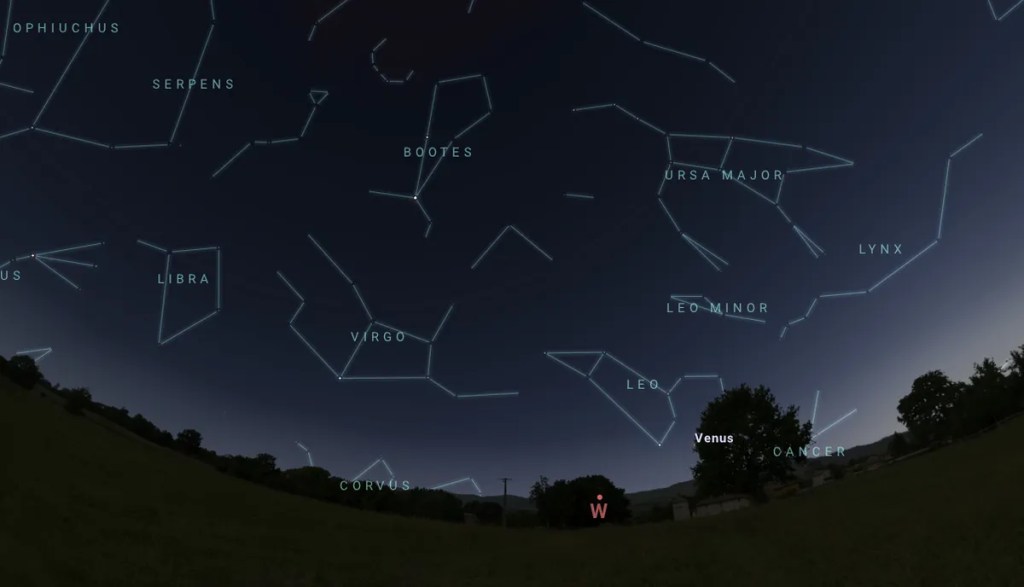
1. The Main Attractions: Constellations to Watch
Leo the Lion: The Royal Landmark
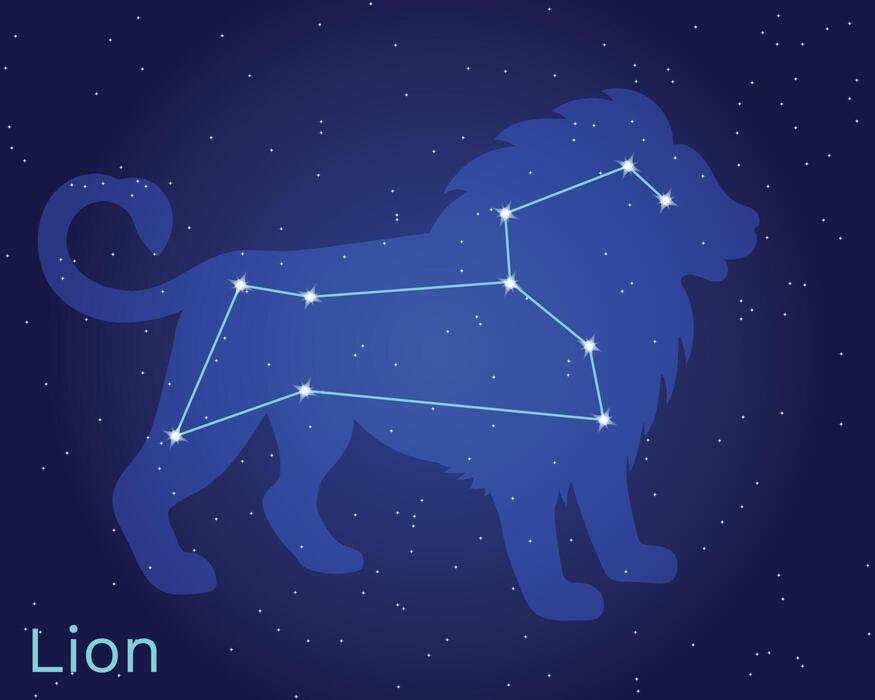
Leo is the undisputed king of the spring sky. Visible throughout March and April, it is one of the few constellations that actually resembles its namesake.
- How to Find It: Look for the “Sickle,” a backwards question mark that forms the Lion’s head.
- Key Star: At the base of the Sickle sits Regulus, the “Heart of the Lion.”
- The View: By late March, Leo sits nearly at the zenith (directly overhead) around 10:00 PM, providing the clearest possible views through the atmosphere.
Virgo: The Gateway to Other Worlds
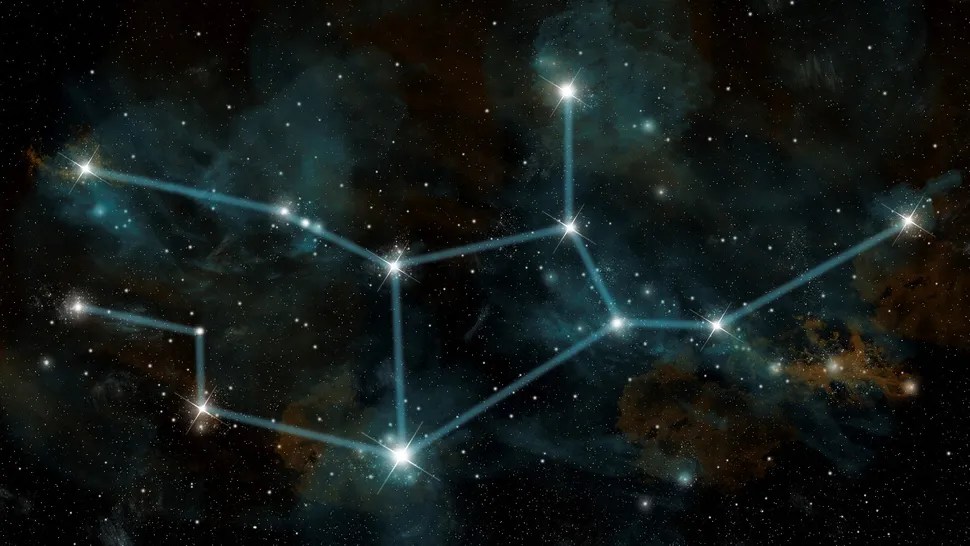
Rising behind Leo is Virgo, the second-largest constellation. It is the “Capital City” of Galaxy Season.
- The “Arc to Arcturus”: Follow the curve of the Big Dipper’s handle to the bright orange star Arcturus, then “Spike to Spica”—the brilliant blue-white star in Virgo.
- The Virgo Cluster: This region contains over 1,300 galaxies. With a telescope, you can see Markarian’s Chain, a curved string of eight galaxies floating in the void.
2. 2026 Special Events: Meteors, Planets, and the ISS
- The International Space Station (ISS): Between March 18 and 25, the ISS will make high, bright passes. It looks like a steady, fast-moving white light. Use the NASA App or Spot the Station for exact timings.
- The March Equinox (March 20): Day and night are equal. In the North, spring begins; in the South, autumn arrives.
- Venus & The Pleiades (April 19): Look West after sunset. The “Evening Star” (Venus) will sit just 2.3° from the Pleiades (Seven Sisters). A thin crescent Moon will join them, creating the most beautiful alignment of the year.
- The Lyrid Meteor Shower (April 21–22): Peak occurs after midnight on April 21. With the Moon setting early, the sky will be dark enough to see 15–20 meteors per hour.
3. The “Star Hopper’s” Guide to the Leo Triplet
For telescope users, finding the Leo Triplet (M65, M66, and NGC 3628) is a must.
- Locate Chertan: Find the middle star in the triangle of Leo’s hindquarters.
- Hop South: Move your telescope halfway toward the star Iota Leonis.
- Scan for “Fuzzies”: At low power, you will see three distinct, ghostly smudges—each a spiral galaxy 35 million light-years away.
4. Pro-Tips: Backyard Telescope Setup
- Daytime Alignment: Align your finder scope during the day. Center a distant chimney in your eyepiece, then adjust the finder’s screws until its crosshairs match perfectly.
- The “Infinity” Focus: Don’t focus on a dim galaxy. Focus on a bright star like Regulus until it is a sharp, tiny point. Your telescope is now perfectly focused for the entire universe.
- Averted Vision: To see more detail in a galaxy, look slightly to the side of it in the eyepiece. Your peripheral vision is more sensitive to faint light!
5. Gear Guide: Recommended Products for 2026
Enhance your stargazing with these top-rated tools. (Check these out at major retailers like Amazon or OpticsPlanet.com).
| Product Category | Recommendation | Why It’s Great |
| Best All-Rounder Telescope | Celestron StarSense Explorer DX 130AZ | Uses your phone to guide you to galaxies like the Leo Triplet—no manual searching required! |
| Best Binoculars | Celestron SkyMaster 15×70 | Perfect for the Venus-Pleiades conjunction; captures both in one high-detail field of view. |
| Smart Telescope | ZWO Seestar S50 / S30 Pro | Fully automated; takes photos of galaxies and sends them to your phone or tablet instantly. |
| Night Vision Tool | Nitecore NU25 Red Light Headlamp | Keeps your hands free and protects your night vision with its dedicated red-light mode. |
| Essential App | SkySafari 8 Plus | The gold standard for sky mapping, ISS tracking, and planning your April 17 “Dark Sky” night. |
 Stan's Hobbies and Interests