Festive Wine and Food Pairings for the Christmas Holidays: A Novice’s Guide

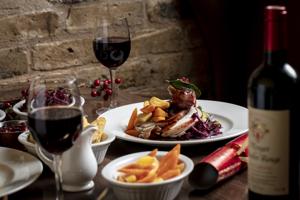
The holiday season is a time for gathering with loved ones, sharing delicious meals, and creating lasting memories. For many families, Christmas dinner is the centerpiece of these celebrations. While traditional fare often takes center stage, pairing the right wines with your holiday dishes can elevate the experience and add an extra layer of festivity to your gatherings. This guide will help novices navigate the world of Christmas wine pairings, ensuring a merry and delicious holiday season for all.

Setting the Scene: Christmas Eve

Many families begin their holiday celebrations on Christmas Eve. Whether you’re observing the Italian-American tradition of the Feast of Seven Fishes or simply enjoying a light meal before the main event, here are some wine pairing suggestions to kick off your festivities:

Appetizers and Light Bites

Start your evening with some festive appetizers. Smoked salmon canapés are a popular choice, and they pair beautifully with a crisp white wine. Consider a Chenin Blanc, which offers a moderate dryness and lower alcohol content, perfect for early evening sipping[5]. If you’re feeling extra festive, a glass of bubbly is always appropriate. Champagne or a sparkling Crémant can add a touch of elegance to your salmon bites[5].

For a classic holiday appetizer like pigs in a blanket, try a rosé Champagne. The bubbles and slight fruitiness will cut through the richness of the pastry and complement the smoky-sweet flavors of the pork[5].

The Feast of Seven Fishes

If your family celebrates the Feast of Seven Fishes on Christmas Eve, you’ll want wines that pair well with a variety of seafood dishes. A versatile Chardonnay is an excellent choice, as it won’t overpower the subtle flavors of seafood while adding complexity to simpler preparations[3].

For specific fish dishes, consider these pairings:

  • Calamari or Baccalà (salt cod): Try a bright and acidic Pinot Gris[1].
  • Shrimp or clam dishes: A crisp Sauvignon Blanc can complement these lighter seafood options.
  • Grilled fish: A light-bodied red like Pinot Noir can work surprisingly well with grilled fish dishes.

Christmas Day: The Main Event

As Christmas Day arrives, it’s time for the main feast. Whether your family prefers a traditional roast turkey, a succulent ham, or a luxurious prime rib, there’s a perfect wine pairing for your centerpiece.

Roast Turkey

For the classic roast turkey, you have several excellent options:

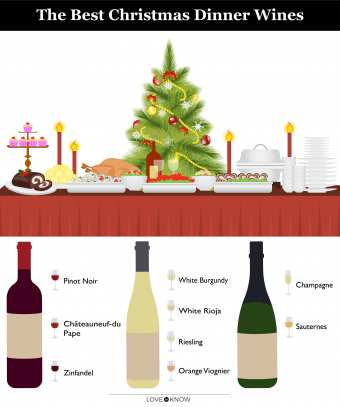
  • Pinot Noir: With its notes of cranberry, raspberry, and earthy undertones, Pinot Noir is a versatile choice that complements turkey beautifully[4].
  • Beaujolais: This light-bodied red wine, made from Gamay grapes, offers bright cherry flavors that pair wonderfully with roasted turkey[1].
  • Chardonnay: If you prefer white wine, a medium-bodied Chardonnay can stand up to the rich flavors of turkey and gravy.

Glazed Ham

If ham is the star of your Christmas table, consider these wine pairings:

  • Zinfandel: This bold, fruity red wine with notes of blackberry, cherry, and spice is an excellent match for a sweet and savory glazed ham[4][5].
  • Riesling: For a white wine option, a dry Riesling offers bright acidity and stone fruit flavors that can balance the saltiness of ham[4].

Prime Rib or Beef Roast

For those serving a hearty beef dish, reach for a full-bodied red wine:

  • Cabernet Sauvignon: With its complex flavors of blackberry, cocoa, and vanilla, a good Cabernet Sauvignon is the perfect companion to a rich prime rib[3].
  • Châteauneuf-du-Pape: This classic French blend offers a balance of fruit, savory herbs, and earthy notes that pair wonderfully with roasted red meats[4].

Side Dishes and Their Perfect Pairings

Don’t forget about the side dishes! Here are some suggestions for pairing wines with popular Christmas sides:

  • Mashed Potatoes: A medium-bodied Merlot can complement the creamy richness of mashed potatoes[1].
  • Roasted Brussels Sprouts: Try a buttery Chardonnay, especially if the sprouts are prepared with a maple glaze[1].
  • Butternut Squash Soup: The earthy flavors of butternut squash pair beautifully with a Chianti[1].

Sweet Endings: Dessert Pairings

No Christmas meal is complete without dessert. Here are some suggestions for ending your feast on a sweet note:

  • Pumpkin Pie: A late-harvest Riesling or a tawny Port can complement the warm spices in pumpkin pie.
  • Fruit Tarts: A sweet Sauternes, with its notes of honeyed apricot and marmalade, pairs wonderfully with fruit-based desserts[4].
  • Chocolate Desserts: A rich, full-bodied red like Zinfandel can stand up to the intensity of chocolate.

Tips for Novice Wine Enthusiasts

As you explore the world of wine pairings this holiday season, keep these tips in mind:

  1. Don’t stress too much about perfect pairings. The holidays are about enjoyment and togetherness, so choose wines you and your guests will enjoy.
  2. Serve wines at the proper temperature. Chill white wines and serve red wines slightly cooler than room temperature for optimal enjoyment[3].
  3. Have a variety of wines available to cater to different tastes. Include both red and white options, and perhaps a sparkling wine for toasting.
  4. Consider non-alcoholic options for designated drivers and non-drinkers. Sparkling cider or non-alcoholic wine can be festive alternatives.
  5. Pace yourself throughout the meal. Holiday dinners can be long affairs, so sip slowly and stay hydrated with water between glasses of wine.
  6. If you’re unsure about a pairing, Champagne or other sparkling wines are versatile choices that pair well with many foods[1][5].

Conclusion: Celebrating with Wine and Food

Pairing wine with your Christmas feast doesn’t have to be intimidating. By following these suggestions and keeping an open mind, you can enhance your holiday meals and create a truly festive atmosphere. Remember, the most important aspect of holiday dining is sharing good food and drink with those you love.

As you prepare for your Christmas celebrations, don’t be afraid to experiment with different pairings. You might discover a new favorite combination that becomes a holiday tradition for years to come. Whether you’re serving a traditional turkey, a glazed ham, or a variety of seafood, there’s a perfect wine waiting to complement your meal.

Most importantly, remember that the best pairing is the one that brings joy to you and your loved ones. So raise a glass, toast to good health and happiness, and savor the flavors of the season. Merry Christmas and happy pairing!

Citations:
[1] https://www.coravin.com/blogs/community/christmas-wine-pairings-dinner-dessert-sides
[2] https://westchesterwineguy.com/2012/12/19/some-new-and-improved-christmas-wine-pairings/
[3] https://www.harryanddavid.com/articles/holidays/how-to-pair-food-and-wine-for-christmas
[4] https://www.lovetoknow.com/food-drink/wine/christmas-dinner-wine-pairings
[5] https://vinepair.com/wine-blog/holiday-dinner-wine-pairing-guide/
[6] https://thebackpackermom.com/2021/12/21/wine-and-christmas-cookie-pairing/
[7] https://www.wallywine.com/blog/perfect-holiday-food-and-wine-pairings/
[8] https://www.winecountry.com/blog/holiday-food-and-wine-pairings/

Choosing the Perfect Starter Model Train Set for Christmas: A Family-Friendly Guide

The holiday season is a magical time, filled with joy, family gatherings, and the excitement of gift-giving. One of the most cherished traditions during Christmas is setting up a model train around the Christmas tree. Whether you’re starting a new hobby or continuing a beloved tradition, selecting the right starter model train set can create lasting memories for your family. This guide will help you choose a family-friendly model train set that not only delights during the holiday season but can also be expanded into larger layouts as your interest grows.

Understanding Scale and Gauge

Before you dive into specific recommendations, it’s essential to understand the concepts of scale and gauge:

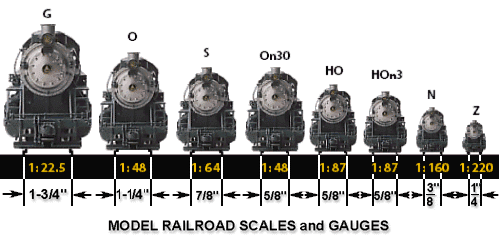
  1. Scale: This refers to the size ratio between the model and the real-life train. Common scales include:
  • HO Scale (1:87): The most popular scale, offering a good balance between size and detail. It’s perfect for families because it has many available accessories.
  • N Scale (1:160): Smaller than HO, great for limited spaces, making it ideal for compact holiday displays.
  • O Scale (1:48): Larger and more robust, often associated with classic brands like Lionel, which are perfect for young children.
  1. Gauge: This is the distance between the rails. Each scale has a corresponding gauge, so it’s crucial to ensure that your track and trains match.

Recommended Starter Sets for Christmas

  1. BRIO World Christmas Steaming Train Set
  • Why it’s great for families: This set is designed specifically for the holiday season, featuring a battery-operated engine that produces safe-to-touch steam effects. It’s perfect for setting up around the Christmas tree.
  • Expandability: The BRIO system is compatible with other BRIO products, allowing you to expand your layout over time.
  • Family-friendly features: The set includes snowy tracks, a North Pole station with a Christmas tree, and a Santa Claus character, making it festive and fun for kids.
  1. Lionel Pennsylvania Flyer Train Set (O Gauge)
  • Classic appeal: Lionel trains are iconic and often evoke nostalgic memories of childhood.
  • Durability: O gauge trains are larger and more robust, making them great for younger children who might be rougher with toys.
  • Remote control operation: Many Lionel sets come with remote controls, adding an interactive element to your holiday experience.
  1. Electric Train Set by Minmi
  • Ideal for toddlers and big kids: This electric train set is designed for ages 2-10 and provides endless entertainment during the festive season.
  • Creative play features: With lights, sounds, and action, this train set can be used as a fantasy Polar Express around the tree or as part of an imaginative roller coaster setup.
  • Perfect gift idea: This set makes an excellent birthday or Christmas gift that will delight young train enthusiasts.

Key Features to Look for in a Starter Set

When choosing a starter model train set for Christmas, keep these key features in mind:

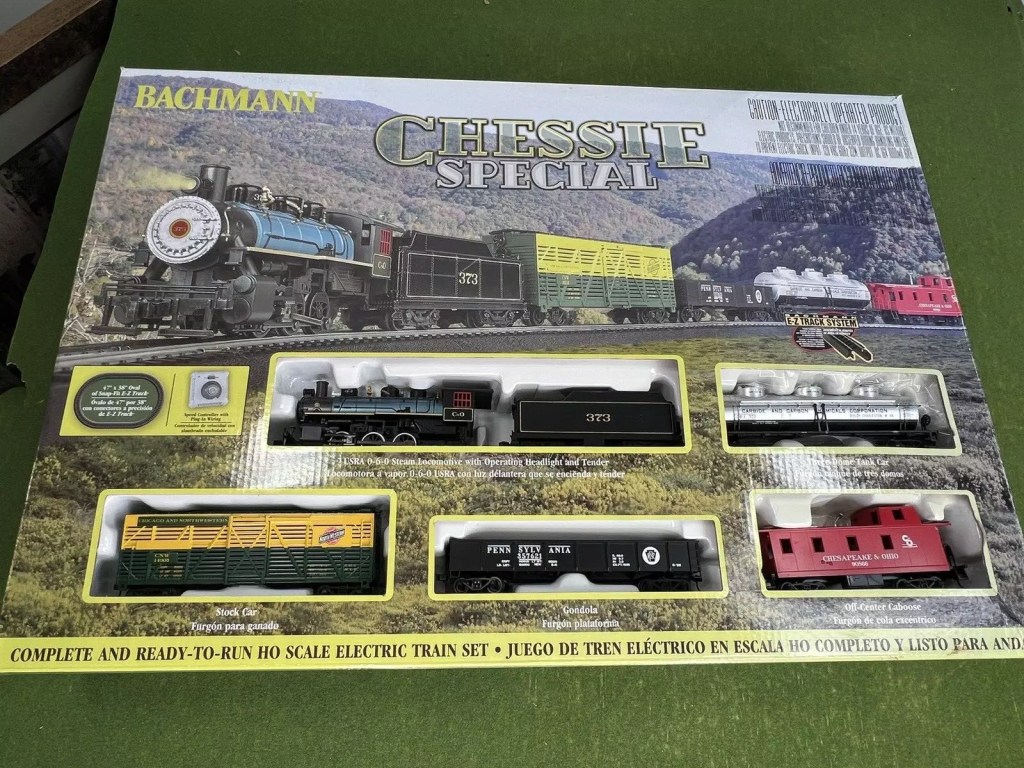
  1. Complete Package: Ensure the set includes everything needed to start: locomotive, cars, track, power supply, and controller.
  2. Quality of Track: Look for track systems that are easy to assemble and expand. Snap-track systems are particularly user-friendly for beginners.
  3. Power Supply: A good power pack should have variable speed control and direction change capabilities.
  4. Locomotive Quality: Choose sets with locomotives that run smoothly and have good pulling power.
  5. Expandability: Ensure the set uses standard components that can be easily supplemented with additional pieces from various manufacturers.

Expanding Your Layout After Christmas

Once you’ve enjoyed your starter set during the holiday season, you can begin expanding your layout throughout the year. Here are some ideas:

  1. Additional Track: Start by adding more track to create larger loops or more complex configurations.
  2. Scenery Elements: Add buildings, trees, and figures to create a more realistic environment that reflects different seasons or themes.
  3. Extra Rolling Stock: Increase your train’s length with additional cars to enhance playability.
  4. Switches and Turnouts: These allow you to create sidings and more intricate track layouts.
  5. Digital Command Control (DCC): As you advance in your hobby, consider upgrading to a DCC system for more realistic operation and the ability to run multiple trains independently.

Making It a Family Activity

Model railroading can be a wonderful family hobby during the holiday season and beyond. Here are some tips to involve everyone:

  1. Assign Roles: Let each family member take charge of different aspects such as track layout design, scenery creation, or train operation.
  2. Create Holiday Themes: Design your layout around festive themes like winter wonderlands or Christmas villages that interest different family members.
  3. Learn Together: Use this hobby as an opportunity to learn about geography, history, and engineering as a family while building your layout together.
  4. Host Operating Sessions: Once your layout is more developed after Christmas, invite friends or other families over for operating sessions where everyone can enjoy running trains together.

Maintenance and Care

Proper maintenance will ensure your trains run smoothly through many holiday seasons:

  1. Clean the Track Regularly: Use a track cleaning eraser or isopropyl alcohol to keep the rails free of dirt and oxidation from festive decorations.
  2. Lubricate Moving Parts: Apply a small amount of plastic-compatible lubricant to gears and axles as recommended by the manufacturer after heavy use during the holidays.
  3. Store Properly After Use: When not in use after Christmas, store your trains and accessories in a cool, dry place—preferably in their original packaging or dedicated storage boxes—to protect them until next year.
  4. Handle with Care: Teach children to handle the trains gently to avoid damage during playtime.

Troubleshooting Common Issues

Even the best sets can sometimes have issues; here are some common problems and solutions:

  1. Train Won’t Run: Check power connections; ensure that the track is clean; verify that all wheels are on the track properly.
  2. Derailments: Look for misaligned track joints; ensure curves aren’t too tight for your locomotive; check that wheel gauges are correct.
  3. Jerky Operation: Clean both track and locomotive wheels; ensure electrical connections are secure; check batteries if applicable.

Safety Considerations

While model trains are generally safe toys, keep these points in mind:

  1. Electrical Safety: Always use the power supply that comes with your set or one specifically designed for model trains.
  2. Small Parts Caution: Some models have small parts that could pose choking hazards for very young children; supervise playtime accordingly.
  3. Age-Appropriate Sets: Choose sets that match the age and skill level of users to ensure safe play experiences.

Resources for Learning Together

As you delve deeper into this exciting hobby during the holiday season:

  1. Local Hobby Shops: These can be invaluable sources of advice, supplies, and connections with other enthusiasts who share your passion.
  2. Online Forums & Communities: Websites like ModelTrainForum.com offer wealths of information along with communities where you can connect with fellow modelers.
  3. Model Railroad Clubs & Events: Joining local clubs can provide inspiration while also giving you access to larger layouts during community events throughout the year.
  4. YouTube Tutorials & Demonstrations: Many experienced modelers share tips through video tutorials—great visual aids when learning new techniques together!
  5. Model Railroader Magazine & Blogs: A fantastic source of layout ideas, product reviews, industry news—perfect reading material during cozy winter evenings!

I would recommend checking Ebay or Amazon for Starter train sets.

Conclusion

Choosing a starter model train set during this festive season opens up an exciting world of creativity and fun for families! By selecting quality sets designed for expansion while incorporating seasonal themes into playtime activities—you’re setting yourself up not just for joyful holidays but also countless hours of enjoyment throughout the year!

So gather around as you embark on this enchanting journey into model railroading together—whether it’s running trains under twinkling lights or creating elaborate layouts full of charm—there’s no limit to what you can achieve! Happy holidays from our family to yours—may your tracks always lead home!

Citations:
[1] https://www.brio.us/en-US/products/railway-toys/train-sets/christmas-steaming-train-set-63601400
[2] https://www.amazon.com/Electric-Set-Toddler-Figures-Playsets-Motorized/dp/B07SH19FBL
[3] https://www.reddit.com/r/modeltrains/comments/18dxjfv/whats_the_best_starter_train_set_for_kids/
[4] https://www.strasburgrailroad.com/blog/best-train-toys-and-model-trains/
[5] http://garden-train-store.com/begin/kids_trains.htm
[6] http://www.lionel.com/categories/holiday-memories
[7] https://shop.trains.com/collections/toys
[8] https://www.target.com/s/electric+christmas+train+sets

What Dishes Pair Well with Chardonnay?

What Dishes Pair Well with Chardonnay?

Chardonnay is one of the most versatile and widely enjoyed white wines in the world. Its flavor profile can range from crisp and citrusy to rich and buttery, depending on the winemaking techniques and the region where it is produced. This versatility makes Chardonnay an excellent companion for a variety of dishes. Here are some dishes that pair exceptionally well with Chardonnay, along with some dos and don’ts to keep in mind when pairing this wine.

Classic Pairings for Chardonnay

  1. Roast Chicken with Herbs
  • Why it works: The mild, buttery flavors of roast chicken complement the creamy texture and subtle oakiness of many Chardonnays. Herbs like rosemary and thyme add an aromatic complexity that enhances the wine’s flavor profile[9].
  1. Wine-Braised Chicken with Mashed Potatoes
  • Why it works: The richness of the braised chicken and the creamy mashed potatoes are a perfect match for a full-bodied, oaky Chardonnay. The wine’s acidity cuts through the richness, balancing the dish[9].
  1. Grilled Lemon-Garlic Turkey
  • Why it works: The citrus and garlic flavors in the turkey highlight the crisp, citrusy notes in a lighter, unoaked Chardonnay. The grilling adds a smoky element that pairs well with the wine’s subtle oakiness[9].
  1. Pecan-Crusted Chicken
  • Why it works: The nutty, toasty flavors of the pecan crust complement the toasty oak notes in an oaked Chardonnay. The wine’s acidity balances the richness of the dish[9].
  1. Roast Pork with Apples
  • Why it works: The sweetness of the apples and the savory flavors of the roast pork create a harmonious balance with the ripe fruit flavors and slight sweetness of a well-rounded Chardonnay[9].
  1. Seafood Dishes
  • Meaty Fish (Halibut, Cod): The mild flavors of these fish pair well with both oaked and unoaked Chardonnays. The wine’s acidity enhances the delicate flavors of the fish.
  • Shellfish (Lobster, Shrimp, Crab, Scallops): The rich, buttery texture of shellfish is a natural match for a creamy, oaky Chardonnay. The wine’s acidity cuts through the richness, creating a balanced pairing[9].

Find your Favorite CHARDONNAY HERE

  1. Creamy Pasta Dishes
  • Risottos and Cream-Enhanced Sauces: The silky texture of risottos and creamy pasta dishes complements the creamy mouthfeel of a full-bodied Chardonnay. The wine’s acidity balances the richness of the dish[9].
  1. Vegetable Dishes
  • Corn, Butternut Squash, Sweet Potatoes: The natural sweetness of these vegetables pairs well with the ripe fruit flavors in Chardonnay. Roasting or grilling these vegetables adds a caramelized flavor that complements the wine’s toasty oak notes[9].

Dos and Don’ts for Pairing Chardonnay

DO:

  • Serve with mild, buttery, or creamy dishes: These flavors complement the creamy texture and subtle oakiness of Chardonnay.
  • Pair with meaty fish and shellfish: The wine’s acidity enhances the delicate flavors of the seafood.
  • Complement oaky Chardonnay with toasty flavors: Foods with toasted nuts, pastry crust, grilling, or smoking enhance the wine’s oak notes.
  • Pair crisp, delicate Chardonnay with simply flavored foods: Baked fish or poultry with butter and herbs are excellent choices.
  • Play to ripe Chardonnay’s impression of sweetness: Ingredients like corn, butternut squash, and sweet potatoes, as well as caramelized foods, work well.
  • Pair with dishes that have a silky texture: Risottos and cream-enhanced soups, sauces, and pastas are great matches[9].

DON’T:

  • Pair with aggressively seasoned food: Avoid fresh or dried chilies and super spicy dishes, as they can overpower the wine.
  • Pair with bitter foods: Bitter greens, vegetables, and spices like turmeric can make the wine taste sour.
  • Pair with acidic foods: Raw tomatoes, olives, capers, ceviche, and tangy vinaigrettes and sauces can clash with the wine’s acidity.
  • Pair with pungent or high-acid cheeses: Funky, washed-rind cheeses and aged goat and sheep’s cheese can overpower the wine.
  • Serve Chardonnay too cold: This can dull its pairing powers. Remove it from the ice bucket or refrigerator 15 to 20 minutes before pouring, and let it warm up to about 48 degrees Fahrenheit[9].

SHOP CHARDONNAY HERE

Conclusion

Chardonnay’s versatility makes it a fantastic wine to pair with a wide range of dishes. Whether you prefer a crisp, unoaked Chardonnay or a rich, buttery, oaked version, there are plenty of food pairings that can enhance your dining experience. By following these guidelines and experimenting with different combinations, you can discover the perfect pairings that suit your palate. Cheers to exploring the delightful world of Chardonnay and food pairings!

Citations:
[1] https://www.yelp.com/biz/ripple-wine-bar-covington-covington?adjust_creative=6zagVcKwffYZAA-51mlGNg
[2] https://www.yelp.com/biz/bouquet-restaurant-covington?adjust_creative=6zagVcKwffYZAA-51mlGNg
[3] https://www.yelp.com/biz/strongs-brick-oven-pizzeria-newport?adjust_creative=6zagVcKwffYZAA-51mlGNg
[4] https://www.yelp.com/biz/york-street-caf%C3%A9-newport-2?adjust_creative=6zagVcKwffYZAA-51mlGNg
[5] https://www.yelp.com/biz/louvino-otr-cincinnati?adjust_creative=6zagVcKwffYZAA-51mlGNg
[6] https://www.yelp.com/biz/sacred-beast-cincinnati-2?adjust_creative=6zagVcKwffYZAA-51mlGNg
[7] https://www.yelp.com/biz/bow-tie-caf%C3%A9-cincinnati-2?adjust_creative=6zagVcKwffYZAA-51mlGNg
[8] https://www.yelp.com/biz/alfios-buon-cibo-cincinnati?adjust_creative=6zagVcKwffYZAA-51mlGNg
[9] https://www.lacrema.com/chardonnay-food-pairings/
[10] https://www.matchingfoodandwine.com/news/pairings/the-best-food-to-match-with-chardonnay/
[11] https://www.lafatacellars.com/10-effortless-dishes-to-pair-with-chardonnay/
[12] https://hopefamilywines.com/blog/what-foods-pair-best-with-chardonnay-wine/
[13] https://www.wineberserkers.com/t/chardonnay-why-so-hard-to-pair-with-food/163072
[14] https://www.insolenceandwine.com/blog/2016/2/food-wine-pairings-chardonnay
[15] https://www.winetourism.com/top-5-dishes-to-pair-with-chardonnay/
[16] https://www.platingsandpairings.com/category/wine-pairings/chardonnay-food-pairings/

Guidelines and Basic Tips for Pairing Wine and Food

As a wine novice, the prospect of pairing wine with food can seem daunting. With countless varieties of wine and an endless array of culinary delights, it’s easy to feel overwhelmed. However, fear not! This comprehensive guide will provide you with the essential guidelines and basic tips to navigate the world of wine and food pairing with confidence.

Understanding the Fundamentals
Before we dive into the specifics, it’s crucial to grasp the fundamental principles that govern successful wine and food pairings. The key lies in achieving a harmonious balance between the flavors and characteristics of the wine and the dish. This balance can be achieved through complementing or contrasting flavors, textures, and intensities.

Complementary Pairings
One of the most common approaches to wine and food pairing is to seek out complementary flavors. This means selecting a wine that shares similar flavor profiles or characteristics with the dish. For example, a buttery Chardonnay can complement the richness of a creamy pasta dish, while a fruity Pinot Noir can enhance the earthy flavors of mushroom-based dishes.

Contrasting Pairings
On the other hand, contrasting pairings can create an exciting interplay of flavors by balancing opposing elements. A classic example is pairing a high-acid white wine, like a crisp Sauvignon Blanc, with a rich, fatty dish like fried fish or creamy risotto. The wine’s acidity cuts through the richness, creating a refreshing and balanced experience.

Weight and Intensity
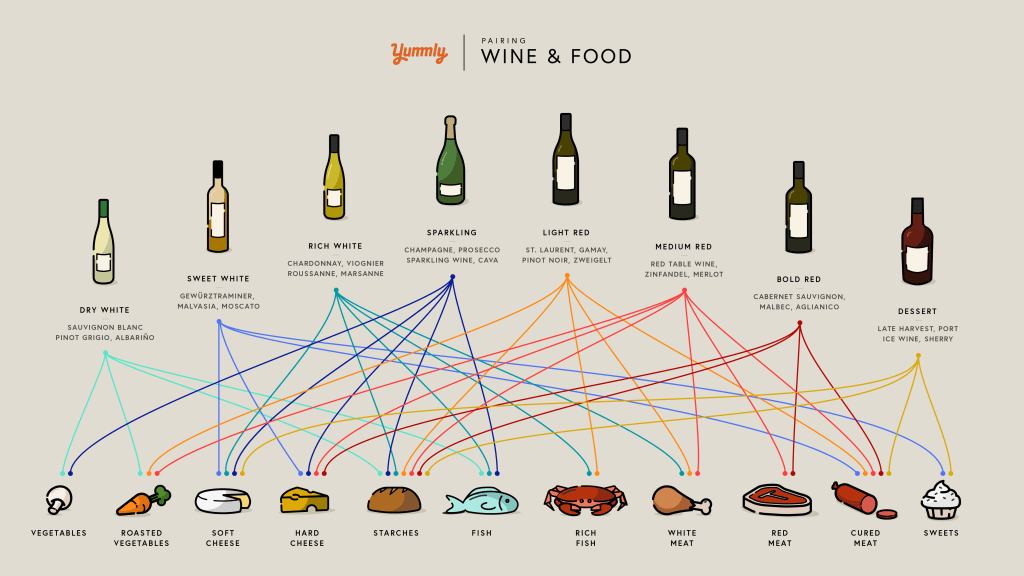
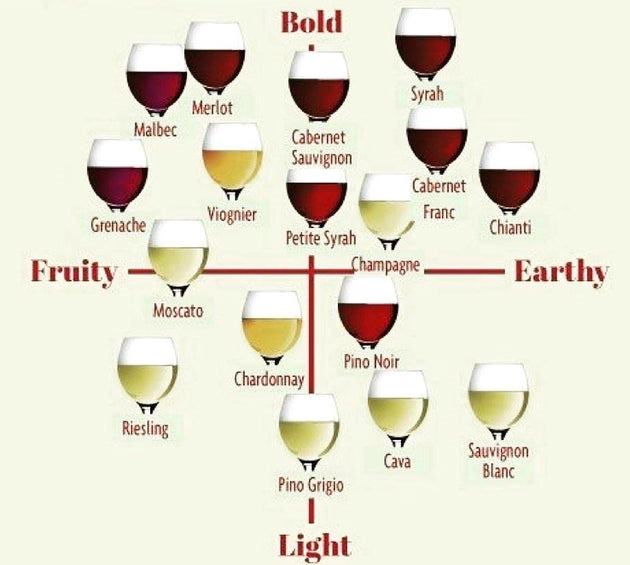
One of the most fundamental guidelines in wine and food pairing is to match the weight and intensity of the wine with the dish. Lighter wines, such as Pinot Grigio or Beaujolais, pair well with delicate dishes like salads or grilled fish. Conversely, full-bodied wines like Cabernet Sauvignon or Syrah are better suited for hearty dishes like grilled meats or rich stews.

Acidity and Richness
Acidity is a crucial factor in wine and food pairing. High-acid wines, like Sauvignon Blanc or Barbera, can cut through rich, fatty dishes, cleansing the palate and enhancing the flavors. On the other hand, low-acid wines, such as Chardonnay or Merlot, pair well with creamy or buttery dishes, as their softer acidity won’t overpower the richness.

Sweetness and Spice
When it comes to pairing wine with spicy or sweet dishes, the key is to find a balance. Slightly sweet wines, like off-dry Riesling or Gewürztraminer, can tame the heat of spicy dishes, while dessert wines, like Port or Sauternes, can complement the sweetness of desserts or rich, decadent dishes.

Tannins and Protein
Tannins, the compounds that give red wines their astringency and structure, can be softened by the presence of protein. This makes tannic red wines, like Cabernet Sauvignon or Syrah, ideal partners for protein-rich dishes like grilled steak or lamb.

Experiment and Enjoy
While these guidelines can serve as a starting point, the most important aspect of wine and food pairing is personal preference. Don’t be afraid to experiment and trust your palate. Try different combinations and take note of what works for you. Remember, the ultimate goal is to enhance your dining experience and create memorable moments of enjoyment.

Check HERE for a wide selection of wines

Basic Tips for Successful Pairings
Now that we’ve covered the fundamental principles, let’s explore some basic tips to help you navigate the world of wine and food pairing with confidence:

  1. Consider the Dominant Flavor: When pairing wine with a dish, identify the dominant flavor or ingredient and use that as a guide. For example, if you’re serving a dish with a prominent herb like rosemary, consider a wine with complementary herbal notes, like a Sauvignon Blanc or a Cabernet Franc.
  2. Balance Flavors: Aim for a balance between the flavors of the wine and the dish. If the dish is rich and heavy, opt for a full-bodied wine with robust flavors. If the dish is light and delicate, choose a lighter, more delicate wine.
  3. Pair by Weight: As a general rule, pair lighter wines with lighter dishes and heavier wines with heartier dishes. This helps create a harmonious balance and prevents either the wine or the food from overpowering the other.
  4. Consider Cooking Methods: The cooking method can also influence the wine pairing. For example, grilled or roasted dishes often pair well with wines that have a touch of smokiness or toasted notes, while braised or stewed dishes may benefit from a wine with a bit more body and richness.
  5. Don’t Forget Dessert: When it comes to dessert wines, the general rule is to choose a wine that is sweeter than the dessert itself. This ensures that the wine’s sweetness doesn’t taste flat or dull in comparison to the dessert.
  6. Serve at the Right Temperature: Serving wine at the appropriate temperature can greatly enhance the flavors and aromas. As a general guideline, white wines should be served chilled, while red wines should be served slightly cooler than room temperature.
  7. Start Light and Progress: When serving multiple courses, it’s best to start with lighter wines and progress to heavier, more full-bodied wines as the meal progresses. This allows your palate to appreciate the nuances of each wine without becoming overwhelmed.
  8. Trust Your Palate: Ultimately, the most important factor in wine and food pairing is your personal preference. Don’t be afraid to trust your palate and experiment with different combinations. What may seem like an unconventional pairing could turn out to be a delightful surprise.

Conclusion
The art of wine and food pairing is a journey of exploration and discovery. By understanding the fundamental principles and basic tips outlined in this guide, you’ll be well-equipped to navigate the world of wine and food pairings with confidence. Remember, the key is to experiment, trust your palate, and most importantly, enjoy the process. Cheers to a lifetime of delicious pairings and unforgettable dining experiences!

Beginners Guide to Wine

Selecting wine can be an exciting and rewarding experience, but for those new to the world of wine, it can also be somewhat intimidating. With so many varieties, regions, and styles to choose from, knowing where to start is key. This beginner’s guide will provide you with the foundational knowledge to confidently select wines that suit your taste and occasion.

Understanding Wine Varieties

Wine is primarily categorized by the grape variety used to make it, known as the varietal. The most planted wine grape in the world is Cabernet Sauvignon, which produces full-bodied red wines[1]. Other popular red varietals include Merlot, Pinot Noir, and Syrah, while common white varietals are Chardonnay, Sauvignon Blanc, and Riesling.

The Importance of Glassware

The glassware you choose can significantly affect your wine experience. Red wines typically benefit from glasses with a larger bowl, allowing the wine to breathe and release its aromas. White wines, on the other hand, are often served in glasses with a narrower bowl to concentrate the more delicate aromas[1].

Developing Your Palate

Learning to identify flavors in wine is a skill that comes with practice. A helpful method is the 4-step tasting process: look, swirl, smell, and taste. This helps you to discern the wine’s bouquet (the total scent of the wine) and aroma (the scent of the grapes), as well as its flavor profile and finish[1].

Storing and Serving Wine

Proper storage and serving can enhance a wine’s qualities. Most wines are best stored in a cool, dark place, and serving temperatures can vary: reds are often best slightly below room temperature, while whites and rosés are typically served chilled[1].

Buying Wine

When purchasing wine, consider the occasion and your personal preferences. Don’t be swayed by ratings or labels alone. Instead, read descriptions to find a style that matches your taste. Starting with approachable wines like white or rosé can be a good introduction for beginners[1].

Pairing Wine with Food

A great wine and food pairing can create a harmonious balance on your palate. The basics of pairing are simple to learn and fun to practice. For example, white wines often pair well with lighter dishes like seafood, while red wines complement red meats[1].

Expanding Your Wine Knowledge

Wine for Beginners

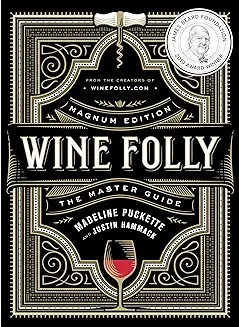
As you become more familiar with wine, challenge yourself to try different types. Keep notes on the wines you enjoy, and don’t be afraid to ask questions at wine tastings or wine shops. Resources like Wine Folly’s “The Master Guide” can be invaluable for learning about wine basics, regions, and varietals[1].

Trusting Your Taste

The most important aspect of selecting wine is your personal enjoyment. Trust your taste and preferences, and remember that the best wine for you is the one you enjoy drinking[1].

Conclusion

Selecting wine is a personal journey that involves exploring different flavors, aromas, and textures. By understanding the basics of wine varieties, proper glassware, tasting techniques, and food pairings, you can begin to navigate the wine world with confidence. Remember to trust your palate, be open to new experiences, and most importantly, enjoy the process of discovering the wines that speak to you. Cheers to your wine exploration!

Citations:
[1] https://winefolly.com/wine-basics-beginners-guide/
[2] https://ingoodtaste.com/blogs/wine-101/beginners-guide-to-wine
[3] https://www.wineenthusiast.com/culture/wine-for-beginners/
[4] https://www.hookandladderwinery.com/wine-blog/a-beginners-guide-to-choosing-the-right-red-wine-for-your-meal/
[5] https://wineinsiders.com/blogs/wine-101-wine-basics/how-to-pick-a-wine-for-beginners
[6] https://www.primermagazine.com/2022/learn/different-wine-types
[7] https://www.getbackbar.com/basic-wine-knowledge
[8] https://latahcreek.com/news/a-beginners-guide-to-the-basics-of-wine-and-food-pairing

Different types of Wine and their Characteristics

Wine, an elixir of joy and culture, has been celebrated across the globe for centuries. Its diversity in taste, aroma, and character offers an endless journey of discovery for both novices and connoisseurs alike. Understanding the different types of wine and their characteristics is essential for anyone looking to deepen their appreciation of this fascinating beverage. This article aims to demystify the world of wine, providing a comprehensive guide to the main types of wine and their unique features.

Red Wine

Red wine is perhaps the most iconic of all wine types, known for its rich flavors and deep colors ranging from bright ruby to dense purple. The color and complexity of red wine come from the grape skins, which are left in contact with the juice during fermentation. This process also introduces tannins, compounds that add structure and the potential for aging, giving red wine its characteristic dryness and astringency.

Characteristics: Red wines are celebrated for their complexity and depth, with flavors that can include fruits, herbs, and spices. The presence of tannins provides a unique texture, often described as astringent or drying to the mouth.

Popular Varieties:

  • Cabernet Sauvignon: Known for its boldness and rich fruit flavors, often accompanied by hints of spice and oak.
  • Merlot: Softer and more approachable, with plush textures and flavors of ripe berries and plums.
  • Pinot Noir: Elegant and aromatic, with lighter tannins and flavors of red fruits and earthy undertones[1].

White Wine

White wine is made from white or green grapes, and sometimes from red grapes with minimal contact with the skins. These wines are generally lighter in both color and tannins compared to red wines, offering a wide range of flavors from crisp and refreshing to rich and creamy.

Characteristics: White wines can be dry or sweet and are often appreciated for their acidity, which adds brightness and freshness. They can exhibit flavors of citrus, orchard fruits, tropical fruits, and even floral or mineral notes.

Popular Varieties:

  • Chardonnay: Versatile and popular, ranging from lean and mineral-driven to rich and buttery, depending on the winemaking style.
  • Sauvignon Blanc: Crisp and aromatic, with pronounced acidity and flavors of green fruits, herbs, and sometimes tropical notes.
  • Riesling: Can be made in styles from bone-dry to lusciously sweet, always with high acidity and aromatic intensity[2].

Rosé Wine

Rosé stands out for its beautiful pink hues, which are achieved by allowing the juice to have brief contact with red grape skins. This type of wine combines some of the color and flavors of red wine with the crispness and freshness of white wine.

Characteristics: Rosé wines are known for their refreshing and fruity profile, with flavors that can range from strawberries and cherries to melon and citrus. They can be dry or slightly sweet and are perfect for warm weather sipping.

Popular Varieties:

  • Provence Rosé: Typically dry and delicate, with subtle flavors of red fruits, flowers, and minerals.
  • Sangiovese Rosé: Offers a bit more body and vibrant acidity, with notes of fresh red berries and hints of spice[3].

Sparkling Wine

Sparkling wine is celebrated for its effervescence, achieved through secondary fermentation that traps carbon dioxide bubbles in the wine. This category includes some of the most prestigious wines in the world and is synonymous with celebration and luxury.

Characteristics: Sparkling wines can range from very dry to sweet and exhibit a wide array of flavors, including citrus, apple, pear, and bready or yeasty notes from the fermentation process.

Popular Varieties:

  • Champagne: The most renowned sparkling wine, from the Champagne region of France, known for its complexity and elegance.
  • Prosecco: Italian sparkling wine that is generally lighter, fruitier, and more approachable than Champagne.
  • Cava: Spanish sparkling wine that offers great value, with flavors ranging from fresh and fruity to rich and toasty[4].

Dessert and Fortified Wine

Dessert and fortified wines are a diverse group, including both sweet wines meant to accompany or serve as dessert and wines fortified with spirits to increase their alcohol content and complexity.

Characteristics: These wines are known for their sweetness and rich flavors, which can include fruits, nuts, honey, and spices. Fortified wines also have higher alcohol content and can offer a wide range of flavors from dry to sweet.

Popular Varieties:

  • Port: A sweet, fortified wine from Portugal, with rich flavors of dark fruit, chocolate, and spices.
  • Sherry: From Spain, ranging from dry and nutty to sweet and rich.
  • Ice Wine: Made from grapes frozen on the vine, offering intense sweetness and concentrated flavors[5].

Wine appreciation is a journey of discovery, with each sip offering a glimpse into the culture, geography, and craftsmanship that go into every bottle. Whether you’re drawn to the robust complexity of a Cabernet Sauvignon, the crisp freshness of a Sauvignon Blanc, or the celebratory sparkle of Champagne, the world of wine holds endless possibilities for exploration and enjoyment.

Citations:
[1] https://www.wineenthusiast.com/basics/red-wine-basics/
[2] https://winefolly.com/deep-dive/beginners-white-wines-list/
[3] https://ingoodtaste.com/blogs/wine-101/rose-wine
[4] https://www.firstleaf.com/wine-school/article/what-is-sparkling-wine
[5] https://www.thrillist.com/drink/nation/red-wine-types-explained
[6] https://www.abcfws.com/about-whiteWine
[7] https://legrandcourtage.com/a-guide-to-rose-what-it-is-how-it-is-made-and-what-it-pairs-with/
[8] https://ramsgatewinery.com/blogs/rams-gate-winery-blog/a-guide-to-red-wines
[9] https://wineinsiders.com/blogs/wine-101-essential-wine-guides/a-comprehensive-guide-to-white-wine
[10] https://winefolly.com/deep-dive/what-is-rose-wine/
[11] https://www.virginwines.co.uk/hub/wine-guide/wine-basics/quick-guide-to-red-wine/
[12] https://www.goodpairdays.com/guides/wine-101/article/white-wine/
[13] https://www.realsimple.com/food-recipes/shopping-storing/beverages/what-is-rose-wine
[14] https://winefolly.com/tips/the-spectrum-of-boldness-in-red-wines-chart/
[15] https://winepigeon.com/white-wine/
[16] https://usualwines.com/blogs/knowledge-base/what-is-rose-wine
[17] https://themillkeeper.com/the-red-wine-descriptions-chart-explained-to-beginners/
[18] https://winefolly.com/tips/flavor-profiles-of-white-wines/
[19] https://wineinsiders.com/blogs/wine-101-essential-wine-guides/a-comprehensive-guide-to-rose-wine
[20] https://winefolly.com/deep-dive/red-wine-flavor-profiles/
[21] https://ingoodtaste.com/blogs/wine-101/white-wine
[22] https://www.wineenthusiast.com/basics/a-quick-guide-to-rose-wine/
[23] https://wineinsiders.com/blogs/wine-101-wine-basics/a-comprehensive-guide-to-red-wine
[24] https://www.marketviewliquor.com/blog/the-different-types-of-white-wine/
[25] https://www.marketviewliquor.com/blog/what-is-rose-wine/

An Introduction to wine

Wine is a fascinating and diverse world, offering a wide array of flavors, aromas, and experiences. Whether you are a novice or a connoisseur, interested in simply sipping or expertly analyzing, enjoying a glass of wine can be a sublime experience. In this article, we will provide an introduction to wine, covering the basics of wine tasting, the different types of wine, and tips for beginners to start their wine exploration journey.

Understanding Wine

Good wine is one of life’s greatest pleasures. However, many people find wine and how to choose, serve, and describe it more intimidating than enjoyable. The very scope of the topic seems daunting. But never fear — you don’t have to take a class to appreciate the subtleties of fine wine. Still, as with many things in life, a little knowledge goes a long way[1].

Getting Started

As you set out to explore the world of wine, you might feel unsure about how to begin. Should you take a class? Join a wine-tasting group? Visit a winery? Buy a variety of wines and start sampling? There’s not one set rule you must follow; rather, think of it as having unlimited choices! Every new journey benefits from the presence of an experienced guide. Whether you’re exploring a mountain landscape, the wildlife of a faraway land, or the ins and outs of wine, an experienced guide can be your key to discovering hidden gems and expanding the horizons of your knowledge[1].

Wine Tasting

Learning to taste and appreciate wine is an essential part of the journey. It’s important to understand that responses to wine are as individual as fingerprints. An aroma or flavor that is pleasing to you may not be so to another. The trick is translating your preferences into words. Accomplish this, and you will add new dimensions to your enjoyment of wine[1].

Types of Wine

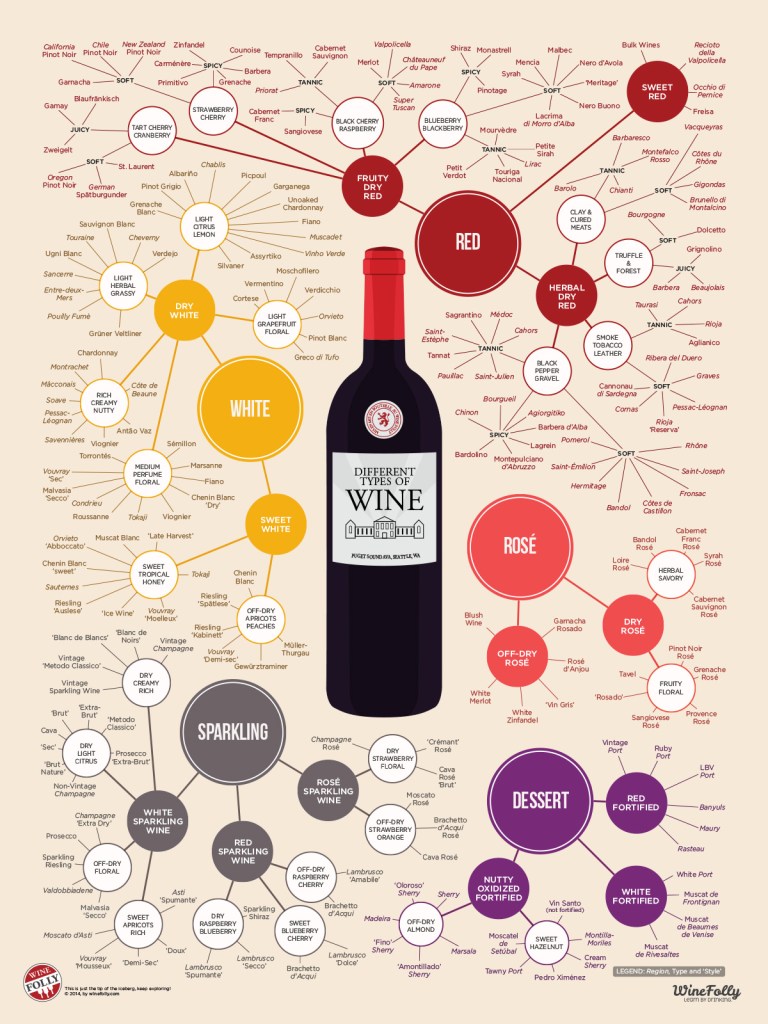
There are five main classifications of wine: white, red, rosé, sparkling, and dessert. Each category has a wide variety of wines within, which makes choosing wine for beginners especially daunting. Exploring these different types of wine is a great way to get started and find your perfect beginner wine[3].

  • White Wine: Known for its lighter taste and made from white or green grapes. Popular varieties include Chardonnay, Sauvignon Blanc, and Riesling[4].
  • Red Wine: Made from red grapes and has a rich taste, high in tannins. Popular varieties include Cabernet Sauvignon, Pinot Noir, and Merlot[4].
  • Rosé Wine: Made from red grapes but has a shorter skin contact period, giving it a pink color. It’s known for its refreshing and fruity flavors. Popular varieties include White Zinfandel, Grenache, and Sangiovese[4].
  • Sparkling Wine: Known for its bubbly nature and often associated with celebrations. The most famous type is Champagne, but other varieties include Prosecco, Cava, and Sparkling Rosé[3].
  • Dessert Wine: Sweet wines often served with or as a dessert. Popular varieties include Port, Sauternes, and Ice Wine[3].
  • Fortified Wine: Wines with a higher alcohol content due to the addition of a distilled spirit. Examples include Sherry, Port, and Madeira[3].

Shop HERE for Red Wines     

Shop HERE for White Wines

Tips for Beginners

  • Find your own approach and consistently follow it. Whenever you have a glass of wine in your hand, make it a habit to take a minute to stop all conversation, shut out all distraction and focus your attention on the wine’s appearance, scents, flavors, and finish[2].
  • The ideal beginner wine will generally be something that is not too extreme, not overly dry or exceptionally bold. The most important thing you need to know is what you like. Reading and researching are fantastic but they’re no substitute for experimenting[3].
  • Enjoy the journey! Learning about wine can be an exciting adventure that can take you all over the world, exploring different regions, grapes, and styles of wine—you might even learn a bit about yourself in the process[3].

In conclusion, the world of wine is vast and diverse, offering something for everyone. By understanding the basics of wine tasting and exploring the different types of wine, beginners can embark on an enjoyable journey of discovery. Remember that there are no set rules when it comes to exploring wine—find what you enjoy and savor the experience.

[1] Source: Seven Doors Winery
[2] Source: Wine Enthusiast
[3] Source: Usual Wines
[4] Source: Wine Folly

Citations:
[1] https://sevendoorswinery.com/an-introduction-to-wine/
[2] https://www.wineenthusiast.com/culture/wine-for-beginners/
[3] https://usualwines.com/blogs/knowledge-base/best-wine-for-beginners
[4] https://winefolly.com/wine-basics-beginners-guide/
[5] https://www.veranda.com/food-recipes/a44451471/best-wines-for-beginners/

Exploring the December Night Sky: A Celestial Celebration for Families

As December unfolds, the night sky becomes a canvas of celestial wonders, inviting families to embark on a cosmic adventure. From dazzling constellations to bright planets and a meteor shower, the December night sky offers a celestial celebration for stargazers of all ages. In this family-friendly guide, we’ll delve into the splendors awaiting you and your loved ones as you gaze upwards during this magical time of the year.

Chapter 1: The Winter Constellations

December marks the official arrival of winter in the Northern Hemisphere, bringing with it a host of iconic winter constellations. These stellar patterns, rich in mythology and beauty, add a touch of enchantment to the crisp winter nights.

1. Orion, the Hunter: One of the most recognizable and prominent winter constellations is Orion, the Hunter. Known for its distinctive “belt” of three bright stars, Orion dominates the southwestern sky during December evenings. For families, spotting Orion is like finding an old friend in the night sky.

2. Taurus, the Bull: The constellation Taurus, with its prominent orange star Aldebaran and the stunning Pleiades star cluster, graces the eastern sky. These celestial gems are a delight to observe, especially for children fascinated by the stories of ancient mythology.

3. Canis Major and Canis Minor: Keep an eye out for the bright star Sirius in Canis Major, often referred to as the “Dog Star.” Sirius is the brightest star in our night sky and adds a brilliant twinkle to winter evenings. Canis Minor, a smaller constellation, features the star Procyon, another gem in December’s celestial display.

Chapter 2: The Geminid Meteor Shower: Nature’s Fireworks

December offers stargazers one of the most spectacular meteor showers of the year—the Geminids. Known for their bright and colorful meteors, the Geminids provide a celestial fireworks display that is perfect for families to enjoy.

The Geminid Meteor Shower: Peaking around mid-December, the Geminids are associated with the asteroid 3200 Phaethon. This shower is unique because it produces a high number of meteors, some of which can be quite bright and leave persistent trails. Find a dark location away from city lights, bundle up in warm clothes, and witness nature’s own light show.

Chapter 3: The Great Conjunction of Jupiter and Saturn

A celestial event of special significance occurs in December—the Great Conjunction of Jupiter and Saturn. These gas giants come together in the night sky, creating a mesmerizing celestial alignment that hasn’t been this close in centuries.

The Great Conjunction: Jupiter and Saturn appear in the southwestern sky after sunset, gradually drawing closer throughout December. On December 21, they reach their closest point, creating a stunning double planet effect. Even a small telescope will reveal the distinct rings of Saturn and the cloud bands of Jupiter.

For families, witnessing this rare event can be a memorable experience. Encourage your children to observe the changing positions of Jupiter’s moons and Saturn’s rings over the course of several nights. This celestial dance is a testament to the dynamic nature of our solar system.

Chapter 4: The Moon’s Phases and Observations

The Moon, our constant celestial companion, graces the December night sky with its changing phases. Observing the Moon’s craters, mountains, and lunar seas can be an engaging activity for families.

Moon Phases in December:

  • New Moon (December 4): The Moon is not visible, presenting an excellent opportunity for stargazers to observe faint celestial objects.
  • First Quarter (December 11): Half of the Moon is illuminated, revealing striking shadows along the lunar terminator.
  • Full Moon (December 19): The entire face of the Moon is lit, casting a silvery glow. Use binoculars or a telescope to explore lunar features in detail.
  • Last Quarter (December 27): Half of the Moon is again illuminated, but on the opposite side from the First Quarter phase.

Lunar Observations: Challenge your family to observe the Moon’s changing phases throughout December. Discuss the reasons behind these phases and explore the lunar features visible through binoculars or a telescope. Identify prominent craters like Tycho and Copernicus, enhancing your family’s lunar exploration.

SHOP NOW for Star Gazing supplies

Chapter 5: Stargazing Tips for Families

To make the most of your December stargazing experiences, consider these practical tips for families:

  1. Dress Warmly: December nights can be chilly, so dress in layers to stay warm. Blankets, gloves, and hats can make your stargazing sessions more comfortable.
  2. Use Stellar Apps: Take advantage of stargazing apps that help identify constellations, stars, and planets. Some apps even include augmented reality features, allowing you to point your device at the sky and see information about celestial objects.
  3. Telescope and Binoculars: While not mandatory, a small telescope or binoculars can enhance your stargazing experience. They allow for closer views of the Moon, planets, and even deep-sky objects.
  4. Create Sky Stories: Weave your own stories about the constellations. Encourage your children to imagine shapes and characters in the stars, fostering creativity and a sense of wonder.
  5. Celestial Calendar: Plan your stargazing sessions around celestial events like meteor showers, planetary conjunctions, and Moon phases. Mark these dates on a calendar, making astronomy an integral part of your family’s monthly activities.

Chapter 6: The Cosmic Connection in December

Beyond the scientific and observational aspects, stargazing in December provides families with a unique opportunity to connect with the cosmos on a deeper level:

  • Cultural Exploration: Explore the cultural significance of celestial objects. Share myths and stories associated with constellations from different cultures, fostering a sense of connection to human history.
  • Family Traditions: Establish stargazing traditions within your family. Whether it’s setting up a telescope in the backyard, creating celestial-themed art projects, or sharing hot cocoa under the stars, these traditions create lasting memories.
  • Wonder and Awe: Embrace the sense of wonder and awe that the night sky evokes. Instill in your children a curiosity about the universe, igniting a lifelong passion for exploration and discovery.
  • Reflection and Contemplation: Use the quiet moments under the stars for reflection and contemplation. Discuss the vastness of the cosmos and our place within it, fostering a sense of humility and interconnectedness.

SHOP HERE for Star Gazing Equipment

Conclusion: A Celestial Journey for the Whole Family

In conclusion, the December night sky unfolds as a celestial celebration, inviting families to partake in the wonders of the cosmos. Whether you’re observing the Geminid meteor shower, marveling at the Great Conjunction, or simply exploring the beauty of the Moon, the December sky offers a rich tapestry for families to explore together. So, bundle up, gather your loved ones, and let the December night sky be the backdrop for a celestial journey that will leave lasting impressions and spark a lifelong love for the wonders of the universe. Happy stargazing!

**