🚂✨ All Aboard the Holiday Express: How Families Can Find Christmas Train Exhibits in Their Communities

The holiday season is a time of twinkling lights, joyful music, and cherished traditions. For many families, one of the most magical experiences is gathering together to watch model trains chug along snowy landscapes, weaving through miniature villages adorned with festive decorations. Christmas train exhibits capture the wonder of the season, sparking nostalgia for adults and igniting imagination in children. But how can families locate these enchanting displays in their own communities? Let’s take a journey together to explore where to find them, why they’re so special, and how to make the most of your holiday outing.

🎄 Why Christmas Train Exhibits Are So Magical

  • A blend of nostalgia and wonder: Model trains have been a beloved holiday tradition for generations. They remind grandparents of their childhood, while giving kids a chance to marvel at tiny worlds brought to life.
  • Interactive fun: Many exhibits feature buttons children can press to activate lights, sounds, or moving figures, making the experience hands-on and engaging.
  • Holiday atmosphere: Train displays are often paired with Christmas trees, carolers, or hot cocoa stands, creating a festive environment that feels like stepping into a holiday card.

🏘️ Where to Look for Christmas Train Exhibits in Your Community

Finding these displays doesn’t have to be difficult. With a little sleuthing, families can uncover local gems that make for memorable outings.

1. Local Museums

  • Many history museums, children’s museums, and transportation museums host seasonal train exhibits.
  • Railroad museums often create elaborate holiday-themed layouts, sometimes with full-size trains decorated for Christmas.

2. Public Libraries

  • Libraries frequently set up small train displays during December, especially in children’s sections.
  • They may also host special events like “Storytime by the Trains,” combining reading with the magic of model railroads.

3. Community Centers and Town Halls

  • Local civic spaces sometimes feature volunteer-run train layouts as part of holiday festivals.
  • These are often free or low-cost, making them accessible for families.

4. Shopping Malls

  • Malls often include train exhibits as part of their holiday decorations, sometimes near Santa’s workshop.
  • Some even offer miniature train rides for children.

5. Botanical Gardens and Zoos

  • Gardens and zoos frequently host holiday light festivals, and many incorporate train displays into their winter wonderlands.
  • Outdoor train rides through decorated landscapes can be especially magical.

6. Model Railroad Clubs

  • Local hobbyist groups often open their doors during the holidays to showcase their layouts.
  • These clubs are a great way to meet enthusiasts and learn more about the hobby.

7. Churches and Holiday Festivals

  • Churches sometimes feature train exhibits as part of Christmas bazaars or nativity celebrations.
  • Town festivals may include train displays alongside parades, tree lightings, and craft fairs.

🔍 How to Locate Exhibits Near You

Here are practical steps families can take to discover nearby train displays:

  • Search online: Use keywords like “Christmas train exhibit near me” or “holiday model railroad display [your city].”
  • Check social media: Local event pages on Facebook or community groups often share details about seasonal exhibits.
  • Visit tourism websites: City or county tourism boards list holiday attractions, including train displays.
  • Ask at local hobby shops: Model train stores usually know where exhibits are happening and may even sponsor them.
  • Look for flyers: Libraries, schools, and coffee shops often post flyers about community events.
  • Word of mouth: Ask neighbors, coworkers, or friends if they know of any local train exhibits—they may have family traditions tied to them.

🎁 Making the Most of Your Family Outing

Once you’ve found a Christmas train exhibit, here are tips to ensure your family has a magical experience:

  • Go in the evening: Many displays are paired with holiday lights, which shine brightest after dark.
  • Bring a camera: Capture your children’s expressions as they watch trains glide through snowy villages.
  • Dress warmly: If the exhibit is outdoors, bundle up with scarves, gloves, and festive hats.
  • Pair with other traditions: Combine your train outing with hot cocoa, caroling, or a visit to see Santa.
  • Encourage curiosity: Ask kids to describe what they see—tiny ice skaters, glowing lampposts, or miniature reindeer.
  • Make it annual: Turn your visit into a yearly tradition, building anticipation and memories over time.

🌟 The Joy of Supporting Local Exhibits

Visiting Christmas train displays isn’t just fun—it also supports your community:

  • Encourages volunteers: Many exhibits are run by passionate hobbyists who love sharing their creations.
  • Boosts local businesses: Pairing your outing with dinner at a nearby restaurant or shopping at local stores helps your town thrive.
  • Builds connections: Attending community events fosters a sense of belonging and holiday spirit.

🚂 A Tradition That Keeps Rolling

Christmas train exhibits remind us that the holidays are about slowing down, savoring simple joys, and spending time together. Whether you discover a grand display at a museum or a cozy layout at your local library, the magic of trains weaving through snowy villages never fails to delight. By exploring your community, asking around, and keeping an eye out for festive events, you’ll find that the holiday express is closer than you think.

So this season, gather your loved ones, sip some cocoa, and let the trains carry you into a world of miniature wonder. All aboard for holiday memories that will last a lifetime!


🎅 Family-Friendly Holiday Checklist for Visiting Christmas Train Exhibits

🗺️ Before You Go

  • Search online for local exhibits using phrases like “Christmas train display near me.”
  • Check community calendars (libraries, museums, town halls, and tourism websites).
  • Call ahead to confirm hours, admission fees, and any special events.
  • Invite friends or relatives to make it a group outing for extra fun.

🎁 What to Bring

  • Camera or smartphone to capture magical moments.
  • Warm clothing (scarves, gloves, festive hats) if the exhibit is outdoors.
  • Snacks or hot cocoa for cozy enjoyment.
  • Small bills or change for donations or hot chocolate stands.
  • Holiday spirit—sing carols on the way or wear matching sweaters!

🚂 At the Exhibit

  • Encourage kids to spot details (tiny skaters, glowing lampposts, Santa figures).
  • Press interactive buttons if available—kids love making trains move or lights twinkle.
  • Take family photos near the trains or decorated trees.
  • Ask volunteers questions—they often love sharing stories about the trains.
  • Pair with other traditions like visiting Santa or enjoying nearby holiday lights.

🌟 After the Visit

  • Talk about favorite parts of the exhibit during the ride home.
  • Create a scrapbook page with photos, tickets, or flyers.
  • Start a tradition—make visiting train exhibits an annual family outing.
  • Share the joy by telling neighbors or friends about the exhibit so they can enjoy it too.

✅ Quick Planning Checklist

  • [ ] Found a local exhibit
  • [ ] Confirmed hours and admission
  • [ ] Packed warm clothes and snacks
  • [ ] Charged camera/phone
  • [ ] Invited family or friends
  • [ ] Planned a festive add-on (lights, cocoa, Santa visit)

Holiday Night Sky 2025: Family Guide to December’s Best Meteors, Supermoon, and Christmas Constellations.

The holiday night sky is one of the best natural “light displays” of the year, and December 2025 is packed with events that are perfect for families, beginners, and experienced astronomers alike. With long nights, bright stars, meteors, and a dramatic Supermoon, it is easy to turn Christmas break into a memorable, educational adventure under the stars. starwalk+2


1. Key Holiday Night-Sky Events to Watch

Super Cold Moon & Pleiades – December 4

  • On December 4, 2025, the “Cold Moon” becomes a Supermoon, appearing slightly larger and brighter as it reaches full phase at 23:14 UTC. Learn more.
  • That same night the Moon passes right through the Pleiades star cluster for parts of North America, Europe, and northern Africa, creating a rare lunar occultation where the Moon briefly hides some of the cluster’s brightest stars. starwalk

How to observe:

  • Beginners: Use binoculars to frame the bright Moon and the nearby cluster; even from cities, the sight of the Moon close to the Pleiades is striking. starwalk
  • Advanced observers: Try photographing the sequence as the Moon covers and uncovers Pleiades stars, or sketch the changing view through a small telescope. starwalk

Geminid Meteor Shower – December 13–14

  • The Geminids peak on the nights of December 13–14 and are often called the best meteor shower of the year, with up to about 120 meteors per hour under dark skies. More information.
  • Meteors seem to radiate from Gemini near the bright star Castor, but they can streak across any part of the sky, often leaving colorful, slow-burning trails. Learn more.

How to observe:

  • No telescope needed—your eyes are the best “instrument.” Lie back in a reclining chair with a blanket and hot drinks, and watch a wide swath of sky. More details.
  • For a family activity, let kids count meteors in 10‑minute intervals and compare numbers, turning the shower into a simple science experiment about rates and randomness. Learn more.

New Moon & Deep-Sky Darkness – December 20

  • The New Moon on December 20 brings the darkest night of the month, excellent for galaxies, nebulae, and star clusters.starwalk
  • This is a great time to hunt for the Orion Nebula, the Hyades, the Pleiades (without moonlight), and open clusters in Auriga and Gemini.starwalk

How to observe:

  • Beginners: Start with naked‑eye patterns—Orion’s Belt, the V‑shape of the Hyades, and the “tiny dipper” of the Pleiades—then use binoculars for more stars and haze.starwalk
  • Advanced: Use a telescope with low‑power eyepieces and, if possible, a nebula filter on the Orion Nebula to show structure and color, a guaranteed “wow” moment.starwalk

Ursid Meteor Shower – December 22

  • Around December 22, the Ursid meteor shower peaks, producing roughly 10 meteors per hour under good conditions and sometimes surprising observers with higher rates. More information.
  • The radiant lies near the Little Dipper (Ursa Minor), making this a northern‑sky treat close to Christmas. More information .

How to observe:

  • Treat it as a quieter, more reflective meteor watch: set up chairs, dress warmly, and let your eyes wander across the whole sky instead of staring at one point. cloudynights+1
  • Encourage kids to write down the brightest meteors they see and what direction they traveled, an easy way to introduce scientific note‑taking. celestron

December Solstice – December 21

  • The December solstice on the 21st marks the official start of winter in the Northern Hemisphere and the longest night of the year, which naturally aligns with Christmas traditions of light in darkness. timeanddate+1
  • This is an ideal evening for a “solstice & Christmas sky walk,” combining seasonal storytelling with constellation spotting. timeanddate

2. What to Look For: A Holiday Sky Checklist

Here is a simple observing checklist that works for both beginners and seasoned observers:

  • The Supermoon and Pleiades (Dec 4): Moon + star cluster pairing, best with binoculars or a short‑exposure phone photo through a telescope. starwalk
  • Bright planets: Mercury’s best morning visibility around December 7, plus evening views of Jupiter and Saturn earlier in the month. timeanddate+1
  • Constellations of winter: Orion, Taurus, Gemini, Auriga, and Canis Major dominate the Christmas sky, offering bright, easy‑to‑find patterns. eaglecreek+1
  • Deep‑sky showpieces: Orion Nebula (M42), the Pleiades (M45), the Hyades, and open clusters like M36–M38 in Auriga. starwalk
  • Meteor showers: Geminids (Dec 13–14) and Ursids (Dec 22), each offering different levels of activity and a reason to head outside more than once. planetary+1

Families can turn this checklist into a printable “Holiday Night‑Sky Bucket List” for December, which also works well as a downloadable resource or Pinterest‑friendly graphic. orbitaltoday


3. How to Observe Comfortably and Safely

Stay Warm and Cozy

  • Wear several layers, including thermal base layers, an insulating mid‑layer, a windproof coat, warm hat with ear coverage, thick wool socks, and insulated boots. science.nasa+1
  • Use blankets, sleeping bags, or foam/yoga mats under your feet or chair to insulate from the cold ground, and pack hand warmers or heated pads for gloves and boots. science.nasa+1

Choose the Right Location

  • Aim for a dark, open area with a wide view of the sky—parks, fields, lakeshores, or hilltops—avoiding bright streetlights and tall buildings. idealcu+1
  • Make sure your spot is safe and legal; check park hours in advance, and always let someone know where you are if you go to a remote area. ecoflow

Use Simple, Effective Gear

  • Naked eye: Best for meteor showers, spotting constellations, and enjoying the overall sky. cloudynights+1
  • Binoculars (7× or 10×): Transform views of the Moon, Pleiades, star clusters, and large nebulae; easy to share among family members. celestron+1
  • Telescope (for advanced users): Adds detail and magnification, but keep expectations realistic—show bright, high‑contrast targets first, especially for kids. starwalk
  • Red light and phone apps: A red‑filtered flashlight or headlamp preserves night vision, while astronomy apps help point out stars and planets without long learning curves. idealcu+1

Allow 20–40 minutes for your eyes to adjust fully to the dark; during this time, avoid looking at phone screens or bright white lights. ecoflow


4. Educational and Family-Friendly Angles

The holiday night sky is a ready‑made science lesson wrapped in seasonal wonder.

  • Physics and motion: Use the Supermoon to talk about orbits and why the Moon sometimes appears larger, and meteor showers to explain that Earth is passing through streams of comet or asteroid debris. celestron+1
  • Seasons and solstice: The December solstice is a practical way to discuss Earth’s tilt, day length, and why holidays of light cluster around the darkest time of the year. timeanddate+1
  • History and culture: Connect constellations and the Pleiades to ancient navigation and farming calendars, and discuss historical ideas about the “Christmas Star” as possible planetary alignments, comets, or novae. rmg+1

For families and educators, consider:

  • Creating a simple observing journal where children draw what they saw—Moon phases, bright constellations, or a particularly vivid meteor. science.nasa+1
  • Turning a Geminid or Ursid watch into a “citizen science” session where older kids time meteors and record estimates of brightness using simple scales. cloudynights+1

5. Making It Exciting for All Experience Levels

For Newcomers

  • Focus first on big wins: the Supermoon, Orion’s Belt, the Pleiades, and bright meteors—objects that look impressive without equipment or expertise. timeanddate+1
  • Keep sessions short and fun: 30–60 minutes outside, with hot chocolate, blankets, and a clear goal such as “Find Orion and count how many Geminids we see.” idealcu+1

For Experienced Astronomers

  • Use these events as outreach opportunities—host neighborhood or church parking‑lot star parties that introduce others to the sky and to your gear. eaglecreek+1
  • Set personal projects: imaging the Moon–Pleiades occultation, logging Geminid hourly rates, or sketching deep‑sky objects on the New Moon night. celestron+1

By blending simple visual highlights for beginners with deeper observing projects for seasoned observers, a single holiday‑season article can appeal widely, increasing shares, saves, and return visits across WordPress, Google search, and Pinterest. bigthink+1


Suggested SEO‑Friendly Post Title & Meta Description

  • Title: “Holiday Night Sky 2025: Family Guide to December’s Best Meteors, Supermoon, and Christmas Constellations”
  • Meta description (up to ~155 characters):
    “Discover December 2025’s holiday night sky: Supermoon, Geminids, Ursids, Christmas constellations, and family‑friendly stargazing tips for all experience levels.” bigthink

These elements, combined with clear headings, keyword‑rich subtopics (e.g., “Geminid meteor shower,” “December Supermoon,” “winter stargazing tips”), and Pinterest‑ready graphics or checklists, will help the article perform strongly across major platforms while remaining educational, inspiring, and family‑friendly. orbitaltoday+1

Add to follow-up

Check sources

  1. https://starwalk.space/en/news/night-sky-tonight-december
  2. https://www.timeanddate.com/news/astronomy/night-sky-december-2025
  3. https://www.planetary.org/articles/calendar-of-space-events-2025
  4. https://www.celestron.com/blogs/knowledgebase/the-ultimate-guide-to-observing-the-meteor-showers
  5. https://www.cloudynights.com/topic/742482-how-to-observe-a-meteor-shower/
  6. https://eaglecreek.com/blogs/articles/stargazing-tips-cozy-winter-nights
  7. https://orbitaltoday.com/2025/11/28/december-2025-stargazing-bucket-list-must-see-night-sky-events/
  8. https://science.nasa.gov/solar-system/skywatching/night-sky-network/winter-stargazing-tips-stay-warm-and-cozy/
  9. https://www.idealcu.com/blog/entry/frosty-nights-starry-sights-top-winter-stargazing-tips
  10. https://www.ecoflow.com/us/blog/perseid-meteor-shower-viewing-guide
  11. https://www.rmg.co.uk/stories/space-astronomy/what-was-christmas-star
  12. https://bigthink.com/starts-with-a-bang/devious-trick-sensational-science-headlines/

Christmas Gifts for Astronomers: For All Ages & Experience Levels

For Beginners (Adults & Teens)

Here’s a detailed Christmas Gift Guide for astronomers—covering beginners, seasoned hobbyists, kids, and adults—with descriptions, price ranges, and suggested retailers. Every gift is chosen to spark excitement and deepen a love for the universe!


For Beginners (Adults & Teens)

1. Gskyer 70mm Refractor Telescope

  • Description: An easy-to-use starter telescope, perfect for first-time astronomers. Includes two eyepieces, 3x Barlow lens, easy phone adapter, finder scope, tripod, and carry bag.
  • Purpose: Lets new stargazers see the Moon’s craters, Jupiter’s moons, and Saturn’s rings right from the backyard.
  • Price: ~$100–130
  • Where to Buy: Amazon, Telescope.com, High Point Scientific Learn more.

2. Astronomy Activity Book for Kids (100+ Fun Ways to Learn About Space)

  • Description: A colorful, hands-on workbook with puzzles, facts, and mini-experiments.
  • Purpose: Jumpstarts curiosity for younger beginners. Great gift from parents, grandparents, or teachers.
  • Price: $8–15
  • Where to Buy: Amazon, Barnes & Noble, Observatory gift shops Learn more.

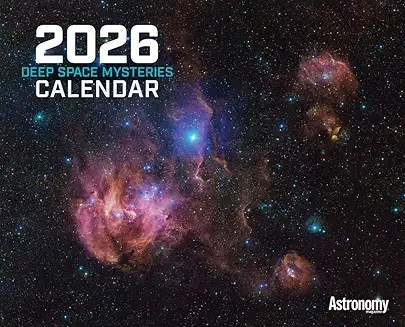
3. Deep Space Mysteries Calendar

  • Description: Yearly calendar highlighting planetary visibility, meteor shower peaks, and full moon dates.
  • Purpose: Inspires nightly skywatching and builds knowledge throughout the year.
  • Price: $10–15
  • Where to Buy: Astronomy.com, Amazon, Barnes & Noble Learn more.

For Seasoned Stargazers & Astrophotographers

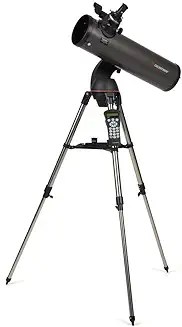
4. Celestron NexStar 130 SLT or Orion SkyScanner 135mm Dobsonian

  • Description: Robust, portable scopes perfect for intermediate astronomers wanting computerized object-finding or deeper views.
  • Purpose: Lets users explore deep-sky objects easily and track planets with accuracy.
  • Price: $350–500 (SkyScanner is often $250–300)
  • Where to Buy: Telescope.com, OPT, Amazon More information.

5. Unistellar eQuinox 2 Smart Telescope

  • Description: All-in-one, app-controlled telescope with light pollution reduction—great for city observers.
  • Purpose: Makes astronomy high-tech and accessible to tech-lovers or experienced observers looking for the next leap.
  • Price: $2,500–3,000
  • Where to Buy: Unistellar.com, OPT, High Point Scientific Learn more.

6. Sky-Watcher Skymax 150 Pro Maksutov-Cassegrain

  • Description: High-quality optics ideal for planet and lunar astronomy, also useful for entry-level astrophotography.
  • Purpose: Provides crisp, detailed solar system views, perfect for hobbyists wishing to upgrade their kit.
  • Price: $600–900
  • Where to Buy: OPT, B&H Photo, Telescope.com More information.

For Kids and Families

7. LEGO City Lunar Space Station

  • Description: Creative 500-piece set replicating space station life, includes minifigs and labs.
  • Purpose: Inspires imaginative play and learning about human space exploration.
  • Price: ~$70–80
  • Where to Buy: Amazon, LEGO.com, Walmart Learn more.

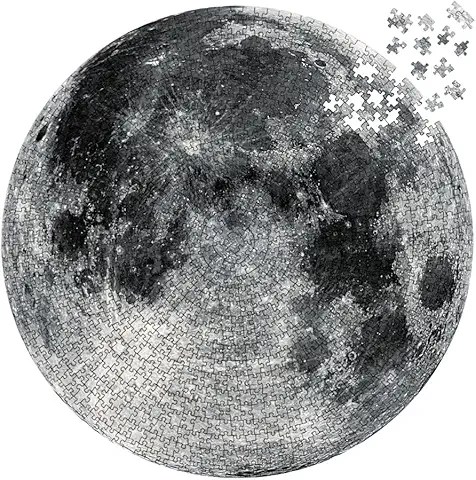
8. Moon Jigsaw Puzzle (100–1000 pcs.)

  • Description: Stunning puzzles featuring lunar surfaces or NASA images for family winter nights.
  • Purpose: Family bonding, hands-on sky learning, and quiet enjoyment during long evenings.
  • Price: $15–28
  • Where to Buy: Astronomy.com, AMNH Shop, Target More information.

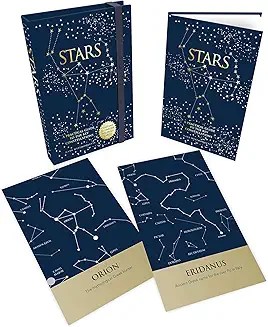
9. Stars Pinhole Constellation Cards

  • Description: Durable cards shining starlight through dots to teach 20+ constellations—can be used as flashlights or wall art.
  • Purpose: Fun way for families to learn and remember constellations together.
  • Price: ~$18
  • Where to Buy: BBC Sky at Night magazine shop, Amazon More information.

10. Planetarium Experience Day or Local Observatory Pass

  • Description: Vouchers for real-world astronomy adventures—includes tickets or memberships.
  • Purpose: Encourages hands-on discovery and can be a wonderful experience gift for parent/child, grandparent/grandchild, or friends.
  • Price: $15–100
  • Where to Buy: Local planetariums, McDonald Observatory, Science museum websites Learn more.

For Gift Givers Seeking Unique & Memorable Ideas

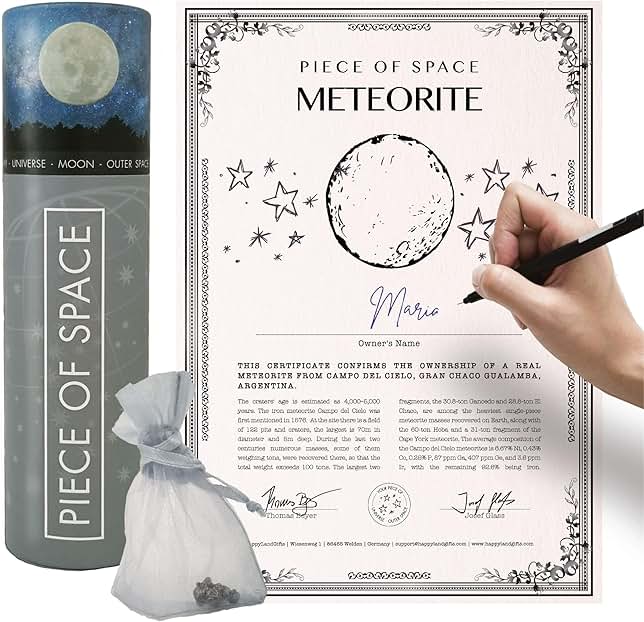
11. Meteorite Fragment or “Space Fossil”

  • Description: Authentic meteorite slivers in an acrylic case with a story card.
  • Purpose: Genuine artifact from space—intrigues anyone with a sense of wonder, perfect for display or a conversation starter.
  • Price: $20–45
  • Where to Buy: MiniMuseum.com, Astronomy gift shops More information.

12. Sunoculars (Solar Viewing Binoculars, 6x30mm)

  • Description: Safe, compact binoculars designed for direct Sun viewing.
  • Purpose: Lets kids and adults safely spot sunspots, eclipses, and solar events.
  • Price: $60–90
  • Where to Buy: Explore Scientific, Amazon, Sky at Night magazine shop Learn more.

13. Astronomy-Themed Apparel, Mugs, and Journals

  • Description: T-shirts, space art mugs, nebula glass magnets, journals with Hubble images, or backpacks with NASA patches.
  • Purpose: Share astronomy passion in everyday life—great stocking stuffer from anyone.
  • Price: $10–60
  • Where to Buy: AMNH Shop, planetarium stores, McDonald Observatory, Etsy More Information.

How to Choose the Right Gift

  • For Kids & Complete Beginners: Focus on fun, simplicity, and activities that spark curiosity—simple telescopes, puzzles, or activity books.
  • For Teens & Adult Beginners: Look for affordable telescopes and observing tools that don’t require expertise to use.
  • For Intermediate or Advanced Hobbyists: Choose gear upgrades (barlow lenses, filters), experience-based gifts, or high-tech telescopes.
  • For Families: Opt for board games, constellation kits, event tickets, or shared experiences that turn astronomy into a memory-making adventure.
  • For Anyone: Meteorite fragments, calendars, or astro-themed gifts add a universal “wow” and show you support their interest.

Each of these gifts comes with a story—and the purpose is always to inspire wonder, encourage discovery, and create lasting memories with every look at the night sky.

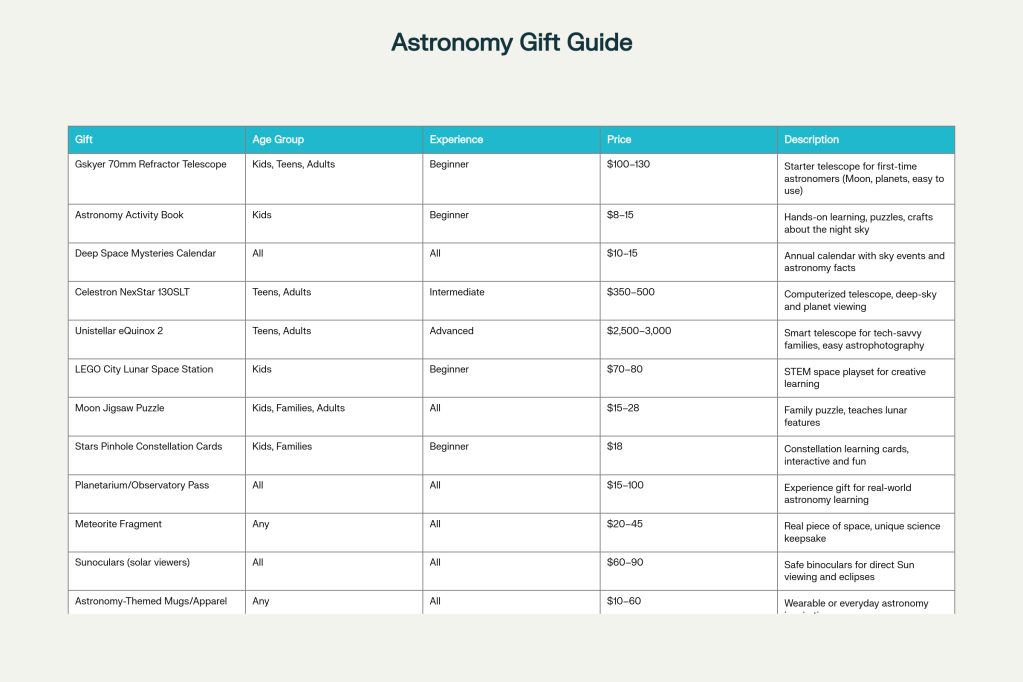
Printable Christmas Astronomy Gift Chart: Age, Experience, and Price Guide

  1. https://www.space.com/34669-kids-gifts.html
  2. https://mcdonaldobservatory.org/giftshop
  3. https://www.astronomy.com/observing/the-best-space-gifts-for-astronomy-lovers-and-stargazers-holiday-gift-guide-2024/
  4. https://www.space.com/telescope-christmas-holiday-gift-guide
  5. https://www.skyatnightmagazine.com/top-astronomy-kit/astronomy-space-gifts
  6. https://shop.minimuseum.com/blogs/guides/11-best-space-gifts-for-2025
  7. https://www.astronomy.com/observing/gift-ideas-for-astronomy-lovers-and-stargazers-xmas-and-holiday-gift-guide/
  8. https://shop.amnh.org/gifts/space-gifts
  9. https://explorescientific.com/collections/stocking-stuffers-for-adults
  10. https://www.facebook.com/groups/828178678983076/posts/1109214670879474/

Beginner Parent’s Guide: Finding a First Train Set Your Child Will Love for Years”

When you’re a parent shopping on Amazon for your 6–10-year-old’s first model train set, it helps to go in knowing exactly what to ask and what details to check. This ensures you pick a set that’s fun, safe, durable, expandable, and—most importantly—something your child will love and can handle independently. The questions below are based on expert guidance and family-friendly hobby resources. More Information


1. Is this train set the right age level for my child?

Search on Amazon:
“Best model train set for 6–10 years old”

  • Avoid sets with small parts or fragile pieces.
  • Check the age recommendation on the box.
  • Look for “Age 6+” or “family starter sets.”

Tip: If your child is careful and you plan to help, you can safely start with simple HO or O scale electric sets.


2. What type of train is best for my child—wooden, battery, or electric?

Ask yourself:

  • “Will my son play with this mostly on his own or with me?”
  • “Do we want quick, creative play or a long-term hobby?”

Options:

  • Wooden train sets (like BRIO, Tiny Land, or Thomas & Friends): Safe and durable for ages under 8, great for free play.
  • Battery-powered trains: Move on their own but stay safe for kids to operate.
  • Electric model trains (Lionel, Bachmann): More realistic but require adult supervision and help with setup. More Information

Search on Amazon:
“Wooden train starter set for kids 6–10” or
“Battery-powered model train for beginners”


3. What scale or size should I buy?

Scale = how big the train is compared to real life.

  • O scale (large, easy to handle): Great for kids.
  • HO scale (medium, detailed): Ideal for older children with patience.
  • N scale (tiny, detailed): Best for adults or advanced teens.

Ask on Amazon:

  • “Best O scale model train set for beginners”
  • “HO scale train for kids 8–10 years old”

Tip: Bigger trains are easier for younger children and more resistant to rough handling. More Information


4. How safe and durable is this train set?

Search phrases:

  • “Non-toxic paint wooden train set”
  • “Child-safe battery train with large parts”

Check for:

  • Rounded edges and sturdy materials
  • Secure magnets or connectors on cars
  • Non-toxic or safety-certified markings (ASTM, CE)

BRIO’s “My First Railway” and Tiny Land sets are top-rated for safety and indoor use. More Information


5. How easy is it to set up and put away?

Single moms often ask:

  • “Can my child assemble this without help?”
  • “Does it include a table or storage bin?”

Look for:

  • Click-together tracks or magnetic connectors
  • Ready-to-run or Plug-and-play labeled sets
  • Sets that come with storage boxes or fold-flat designs

Search:
“Train set easy setup storage box kids”
“Lionel ready-to-run electric train set beginner”

Model Train Starter Sets – Information


6. Is it expandable so my child won’t get bored?

Look for:

  • “Compatible with BRIO / Thomas / Tiny Land” — for wooden sets
  • “Expandable track set” or “Add-on packs available” — for electric ones

Expandable sets keep your child interested for years as they collect new track pieces, freight cars, or bridges later on. More Information


7. What kind of features make it engaging?

Ask:

  • “Does it have lights, sound, or interactive accessories?”
  • “Can my child rebuild or modify the track easily?”

Fun features include:

  • Battery engines with forward/reverse controls
  • Whistle and train sounds
  • Bridges, tunnels, or cranes
  • Interchangeable layouts (oval, figure-eight, loop)

Search:
“Battery train set with lights and sound for kids”
“Expandable wooden railway with tunnels and bridges”


8. Does it fit our space?

Measure before buying:

  • “Can this run on the living room floor or table?”
  • “Do I have storage for pieces when not in use?”

Space Tip:

  • Wooden and battery sets can go on any floor or table.
  • Larger electric O-scale trains need about a 4-foot circle minimum.

Search:
“Compact train set for small space”
“Train set with foldable table for kids”


9. How much maintenance or supervision will it need?

For a busy single mom, the goal is low maintenance.

Ask:

  • “Does this need constant cleaning or delicate wiring?”
  • “Is it durable if it’s bumped or dropped?”

Wooden and battery sets need minimal care. Electric trains require supervision, especially during setup and track wiring.

Search:
“Low-maintenance kids train set”
“Durable electric train for families”


10. Is it educational and imaginative?

A good starter train should develop more than play—it helps kids learn:

  • Hand-eye coordination
  • Patience and problem-solving
  • Storytelling and design through layout building

Look for:
Descriptions mentioning “STEM,” “creative play,” or “motor skills.”

Search on Amazon:
“Educational wooden train set for creativity and learning”
“STEM model train set for kids age 6–10”. More Information


11. What is a realistic budget range?

TypeTypical Price RangeGood Starter Brand
Wooden$40–$80BRIO, Tiny Land, Thomas
Battery-Powered Plastic$60–$120Lionel Battery Sets, Fisher-Price
Electric (HO or O Scale)$130–$250Bachmann, Lionel Ready-to-Run

Remember: You don’t need the priciest one to make it meaningful! Focus on simplicity, sturdiness, and play value.More Information


12. What do parent reviews say?

Before adding to your cart, scroll through Amazon reviews and look for:

  • Mentions of “6-year-old loved it!” or “easy to assemble”
  • 4.5-star average ratings or higher
  • Verified video reviews showing playtime or setup ease

High-volume reviews often highlight durability, track fit, or customer support—use these to avoid frustration later.


Quick Amazon Search Examples:

  • “Best train set for kids 6–10 expandable and safe”
  • “Wooden train with bridges and tunnels for boys”
  • “Lionel ready-to-run battery train set family gift”
  • “Starter set HO scale train for beginners 2025 kids”

Model Train Starter Sets – Information

Final Tip for Parents

If your son (or daughter!) loves building worlds, playing pretend, or watching trains pass, a model train set can become a lifelong hobby. Focus on simplicity, safety, and fun, and let curiosity carry the rest. Ask these questions up front, and your Amazon search will lead you to the perfect starter set for hands-on creativity and years of shared joy.

  1. https://charlesro.com/how-to-choose-the-right-model-train-set/
  2. https://www.tinylandus.com/en-de/blogs/collections/what-is-the-best-train-set-for-kids
  3. https://www.parents.com/best-train-sets-for-kids-8606278
  4. https://tandkhobby.com/blog/how-to-choose-juniors-first-train-set/
  5. https://play-trains.com/best-wooden-train-sets/
  6. https://www.trainworld.com/which-train-set-is-right-for-me
  7. https://www.strasburgrailroad.com/blog/best-train-toys-and-model-trains/
  8. https://www.reddit.com/r/modeltrains/comments/rjywci/how_young_is_too_young_for_model_trains/
  9. https://www.facebook.com/groups/438725726326410/posts/2600023460196615/
  10. http://www.joesherlock.com/train-faq.html
  11. https://www.reddit.com/r/modeltrains/comments/18dxjfv/whats_the_best_starter_train_set_for_kids/
  12. https://www.tcmrm.org/about/ask-the-train-doctor/
  13. https://www.trainworld.com/train-set.html
  14. https://forum.trains.com/t/store-bought-train-set-vs-indavidual-bought-pieces/116133
  15. https://www.reddit.com/r/modeltrains/comments/5lao6n/what_train_set_would_you_recommend_for_a_first/
  16. https://factorydirecthobbies.com/collections/kids-toys
  17. https://www.nmra.org/beginners-guide
  18. https://www.youtube.com/watch?v=5-wf2tEmUAI
  19. https://forum.trains.com/t/which-is-the-best-train-set-for-a-young-child/99592
  20. https://www.youtube.com/watch?v=J11J3hG0vUk

Picking Your First Locomotive: A Family Guide to Smarter Model Railroading Expansion


Introduction

Upgrading your starter train set is a major milestone for every new model railroad family. While your original set likely came with a dependable locomotive, expanding your roster brings diversity, improves play, and sets the stage for more realistic operations as your layout and interest grow. But faced with so many brands and models, how do you choose your first new locomotive? This article will empower parents and kids to select a locomotive that looks great, runs reliably, and fits their goals—so everyone enjoys the next stage of the journey.

Understanding Scales and Compatibility

Before selecting, double-check your train’s scale (HO, N, O, etc.) so the new locomotive matches both your track and existing rolling stock. Mixing scales is a frequent rookie mistake—so read the box or manual if you’re unsure.

Choosing Locomotive Types

  • Steam vs. Diesel: Steam engines have classic, old-time charm, perfect for vintage scenes and younger kids who love “Thomas”-like engines. Diesels and electrics are rugged, easy to run, and suit modern layouts.
  • Passenger vs. Freight: Think about what you want to haul most. Passenger locos pair with elegant coaches for family travel scenes. Freight engines are ideal for operational games—delivering cargo across your budding empire.

Key Features to Consider

  • Ease of Maintenance: Choose models with simple, accessible mechanisms so families can keep them clean and running.
  • Durability: Young children may be hands-on. Opt for sturdy mechanisms and robust body shells, especially for entry-level use.
  • Control System Compatibility: If you plan to switch from DC (traditional) to DCC (digital), look for “DCC-ready” locomotives for easy future upgrades.

Top Picks for Starter Family Locomotives

  • Bachmann, Lionel, and Kato are all beginner-friendly brands with strong reputations for reliability and support.
  • Consider local railroad favorites or engines seen in your area for personal connections and history learning.

For a look at various steam and diesel locomotives check here.

Color, Style, and Storytelling

Involve the whole family in picking a color or type. Vote on favorites or research real-life trains that inspire your adventures—this sparks creative energy and deeper play.

Testing, Running, and Learning

Once purchased, test your new loco at different speeds, on curves, over switches, and hauling cars. Practice running two engines if your system allows, encouraging teamwork and gentle competition.

Wrapping Up

With the right locomotive, your family’s model railroad will gain energy, realism, and fun. Remember, upgrading is about play—enjoy the journey, and grow your skills together

Five Starter Track Plans That Make Model Railroading Fun.


Stepping into the world of model trains is exhilarating—especially if a shiny new starter set found its way under the tree this holiday season! While simply running loops is good fun, adding a layout designed for operational challenges opens up new levels of enjoyment and learning. Below, you’ll find five proven, easy-to-build layouts ideal for new modelers. Each plan encourages hands-on activity and sets you up for deeper adventures in the world’s greatest hobby.


1. The Classic Oval with a Siding

Why it’s great for beginners:
Every starter set includes enough track for a simple oval. The continuous closed loop lets you just run trains and watch them go. Once the thrill of spinning laps wanes, it’s time to add a short siding. Using a turnout, you can branch off for storage, pretend deliveries, or engine changes.

How to make it interesting:

  • Use your siding as a delivery spot for different freight cars.
  • Invent stories: “Drop the boxcar at the bakery, pick up the flatcar at the lumber mill.”
  • Challenge yourself with basic operations, such as swapping cars between trains using the siding to minimize moves.

Scalability:
This layout is endlessly expandable. Add sidings and industries as your collection grows, turning a simple loop into a busy rail network.More Info.


2. Inglenook Sidings – The Puzzle Champion

Why it’s great for new modelers:
This classic British yard puzzle fits on a bookshelf and works in HO, N, or OO scale—especially if space is limited. The basic ingredients are a headshunt (main track) and three sidings: one long, two short.

How to play the Inglenook puzzle:

  • Arrange 8 cars in the sidings.
  • Draw cards to assemble a train of 5 cars in a set order.
  • Only use the available track space—no cheating!
    The fun comes from working out how to marshal the train by shunting back and forth, often with limited room to maneuver.

Learning from it:
The Inglenook teaches essential switching skills, logical thinking, and real-world railroading practices like coupling, reversing, and making strategic decisions. It’s endlessly replayable, and you can compete against friends or your own “best score.”
For detailed building tips, see resources like the [Wymann sidings guide].More Info.


3. The Timesaver – A Tidy Little Challenge

Why it’s great:
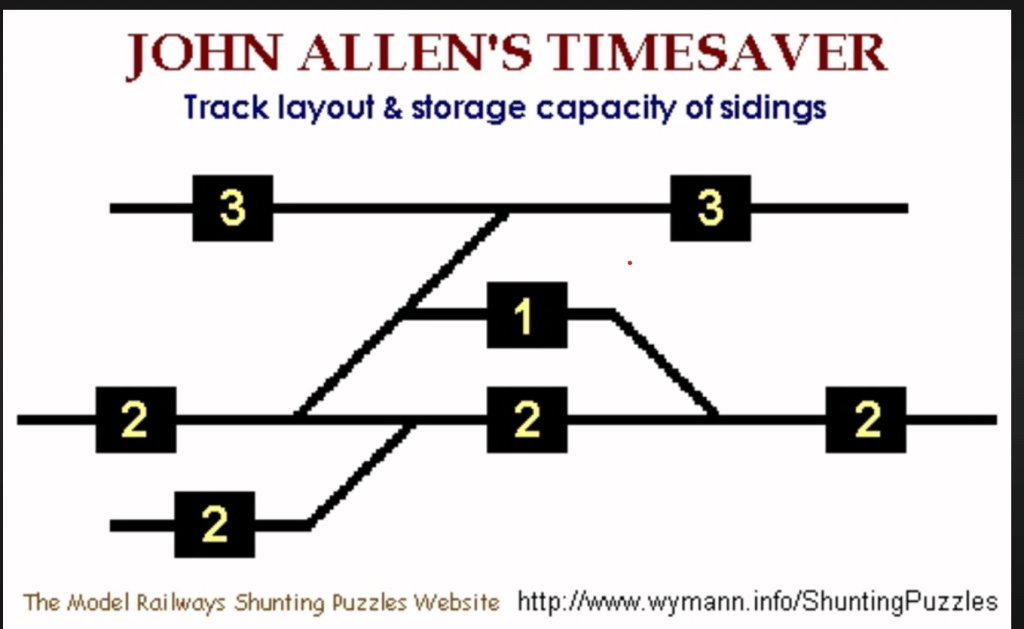
Invented by John Allen, the Timesaver is a classic switching puzzle famous worldwide for its tricky operations. It uses a simple yard ladder with five stub sidings and a connecting main line.

How to set up:

  • Place a car in each siding, randomly.
  • Assign each car a destination: warehouse, station, mill, etc.
  • Your goal is to sort the cars to those destinations using as few moves as possible.

Why you’ll love it:
Timesaver fits on a door-sized table or smaller and can be customized with extra spurs, scenery, or industries. It brings real railroad logic to the living room, keeps you thinking, and becomes even more fun when played as a timed challenge or shared with friends.More Info.


4. Point-to-Point Branch Line

Why it’s great for play and realism:
Not all trains run in endless circles! Many real railroads operate “branches” linking small towns or factories in a straight (or gently curved) line. A point-to-point layout brings purpose and realism to your runs.

How to use it:

  • Build a straight or L-shaped track with a station at either end and optional sidings for industry.
  • Send your train from one end to the other, making “collections” and “deliveries” along the journey.
  • Use waybills or dice rolls to assign tasks: “Deliver the blue boxcar to the furniture factory, then pick up the coal hopper.”

Benefits for beginners:
The branch line approach teaches scheduling, multi-tasking, and has a much more realistic feel than pure loops or ovals. Best of all, it can fit on a bookshelf or desktop and you can expand it by adding stations or yards over time.More Info.

For Model Railroad Supplies look Here.


5. Holiday Village Layout – Family, Fun, and Festivity

Why it’s a perennial favorite:
Trains and Christmas go together perfectly! Building a simple loop around the tree, through a festive village, offers unlimited imaginative play and family tradition.

How to set up:

  • Lay a continuous loop around your tree or under the living room table.
  • Add short sidings and decorate with miniature buildings, people, and seasonal scenery (fake snow, street lamps, even Santa!).
  • Play delivery games: “Drop presents at the post office,” “Pick up candy from the sweet shop,” etc.

Making memories:
This layout isn’t just for rail fans—it’s for everyone! Kids can get hands-on, grownups can compete in delivery races, and every year, you can add new accessories or rolling stock.More Info.


Tips for Starting Strong with Your First Layout

Stay Simple:
Don’t stress about complex wiring or scenery for your first build. Focus on reliable track-laying, smooth running, and fun operations.

Adapt to Your Space:
From tabletops to under-the-tree villages, these track plans work in small spaces and can be moved or modified as needed.

Build Gradually:
Start with the basics, then add turnouts, sidings, and mini-scenes as your skills grow and your interest deepens. Every new piece brings new challenges and fun.

Embrace the Community:
Model railroading is filled with welcoming enthusiasts who love helping beginners. Join a local club, watch YouTube build-alongs, or follow forums to ask questions and get inspired.More Info.


Conclusion: The Start of a Wonderful Journey

No matter which starter set you received or which track plan you choose, remember: every layout is a blank canvas for creativity, learning, and play. These five layouts are practical, accessible, and designed to teach you the joys of operations—a lifelong model railroad adventure awaits!

Whether you chase holiday magic, puzzle out switching challenges, or simply enjoy the whir and click of wheels on rails, you’re now part of a worldwide tradition. So set up your tracks, gather loved ones, and let imagination lead the way—steam ahead into model railroading fun!


Happy Railroading!
For more inspiration and detailed beginner guides, explore resources at Trains.com and join local groups or online communities to boost your skills and enthusiasm.More Info

  1. https://www.trains.com/mrr/beginners/model-railroading-the-beginners-guide/
  2. https://www.trains.com/mrr/beginners/10-recommended-track-plans-for-beginners/
  3. https://www.reddit.com/r/modeltrains/comments/1uuxfb/complete_beginner_wondering_where_to_start_on_a/
  4. http://www.wymann.info/ShuntingPuzzles/SPL-build.html
  5. https://www.reddit.com/r/modeltrains/comments/zm1o0k/jd_railroad_ho_scale_christmas_train_layout/
  6. https://shop.trains.com/blogs/the-trains-com-store-blog/crafting-your-christmas-model-train-layout
  7. https://www.hearnshobbies.com/blogs/model-kits/what-is-the-most-expensive-model-railway-layout-the-cheapest-which-layout-should-you-go-for
  8. https://www.reddit.com/r/modeltrains/comments/wxi987/looking_to_get_started_with_my_first_model_train/
  9. https://www.armballast.com/best-starter-set-for-model-railroading/
  10. https://forum.mrhmag.com/post/good-starter-sets-for-newbie-12192816
  11. https://www.trainshop.co.uk/blog/post/1400-shunting-yards-designing-a-track-plan-for-realistic-operations.html
  12. https://www.youtube.com/watch?v=GHLMFrk9zXY
  13. https://www.youtube.com/watch?v=Ozo7gK4oc6Y
  14. https://www.nmra.org/beginners-guide-part-9-operations
  15. https://www.trainworld.com/train-set/ho-scale-train-set.html
  16. https://www.youtube.com/watch?v=le6MmX7wZHU
  17. https://www.reddit.com/r/modeltrains/comments/qfp2no/recommendations_needed_christmas_village_meets/
  18. https://www.youtube.com/watch?v=cUcVJM5bsSw
  19. https://www.modeltrainforum.com/threads/designing-for-operations.198257/
  20. https://www.trainz.com

The Ultimate Model Railroad Gift Guide: Top Accessories to Wish for Christmas 2025

Here’s a comprehensive, family-friendly article about the newest accessories for model railroading in 2025, with expanded descriptions, organized references, and annotated footnotes for deeper insight. The recommended gifts are divided for beginners and advanced modelers to make holiday shopping easy and rewarding.


The world of model railroading keeps evolving, and 2025 brings exciting new accessories for every level of hobbyist. Whether it’s a first train set under the tree or cutting-edge upgrades for a sprawling rail empire, this year’s releases offer better realism, easier setup, and more immersive experiences. Here’s a look at the hottest accessories—perfect for Christmas surprises—with detailed descriptions, credible references, and clear, organized lists. For more information.


Accessories for Beginners

Designed to spark imagination, streamline layout setup, and encourage family participation, these products are ideal for newcomers and young engineers.

Starter Train Sets

Description:
Starter sets from top brands like Bachmann and Lionel now come in fresh themes—holiday, classic American railroads, and even licensed children’s favorites such as “Thomas Saves Santa’s Sleigh.” These sets offer reliable engines, robust couplers, and snap-together tracks, making them perfect for quick holiday assembly. Most sets include plug-and-play features, sound modules, and detailed rolling stock to keep interest high for new users. More information Click here

Reference:
Model Train Stuff highlights new arrivals and regular updates to starter sets, available in most popular scales (HO, N, O, and more).Information

Plug-and-Play Track Systems.

Description:
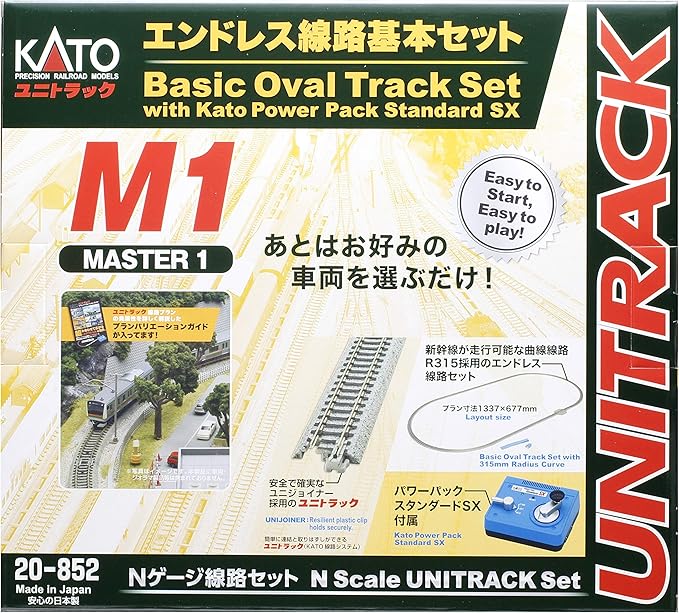
Track systems like Kato’s Unitrack and Bachmann’s E-Z Track have updated connectors in 2025, offering even sturdier fit and faster setup. These modular tracks reduce errors and help beginners create layouts efficiently, ideal for small spaces or temporary holiday displays. Recent upgrades include more realistic ballast textures and integrated electronic connection ports, making layout expansion easy.More information. Where to Buy

Prelit Buildings

Description:
LED-lit structures by Woodland Scenics and Lionel can plug straight into both DC and DCC power systems. No additional wiring knowledge required—simply place on the layout and connect to your starter set’s power terminal. Buildings now feature animated holiday scenes and synchronized window lighting, making village setups magical.More info. Purchase

Scenic Mini-Packs

Description:
New scenery bundles include flocked snow mats, holiday market figures, mini trees, lamp posts, and even removable candy cane decorations for tracks. These packs allow beginners and families to easily enhance layouts with seasonal charm and character, often without the need for glue or specialty tools.Information. Buy
Reference:
Midwest Model Railroad and Model Train Stuff offer affordable packs and variety for all scales—especially popular for family layouts and first-timers.More info.

Animated Accessories

Description:
Animated crossing gates, passenger platforms with moving figures, and sound-equipped signal towers bring layouts alive without technical hassle. These accessories arrive pre-assembled and feature simple “plug and play” connectors or battery operation, making them ideal for younger hobbyists looking for action and excitement.More listings Buy
Reference:
Micro-Mark and other major accessory retailers showcase these animated features and their easy installation guides.Info

Railroad Signs and Billboards

Description:
Clip-on signs with seasonal messages, directional arrows, or playful graphics are now available in most scales. Reversible designs let hobbyists swap themes for different holidays, adding personalization to any layout.Article Purchase

Reference:
TrainWorld’s latest billboard sets are highly rated for creative family layouts and seasonal displays.More Info


Accessories for Advanced Modelers

For those seeking deeper realism, precision control, and advanced layout management, these new releases deliver professional-grade features and innovation.

Smart DCC Systems

Description:
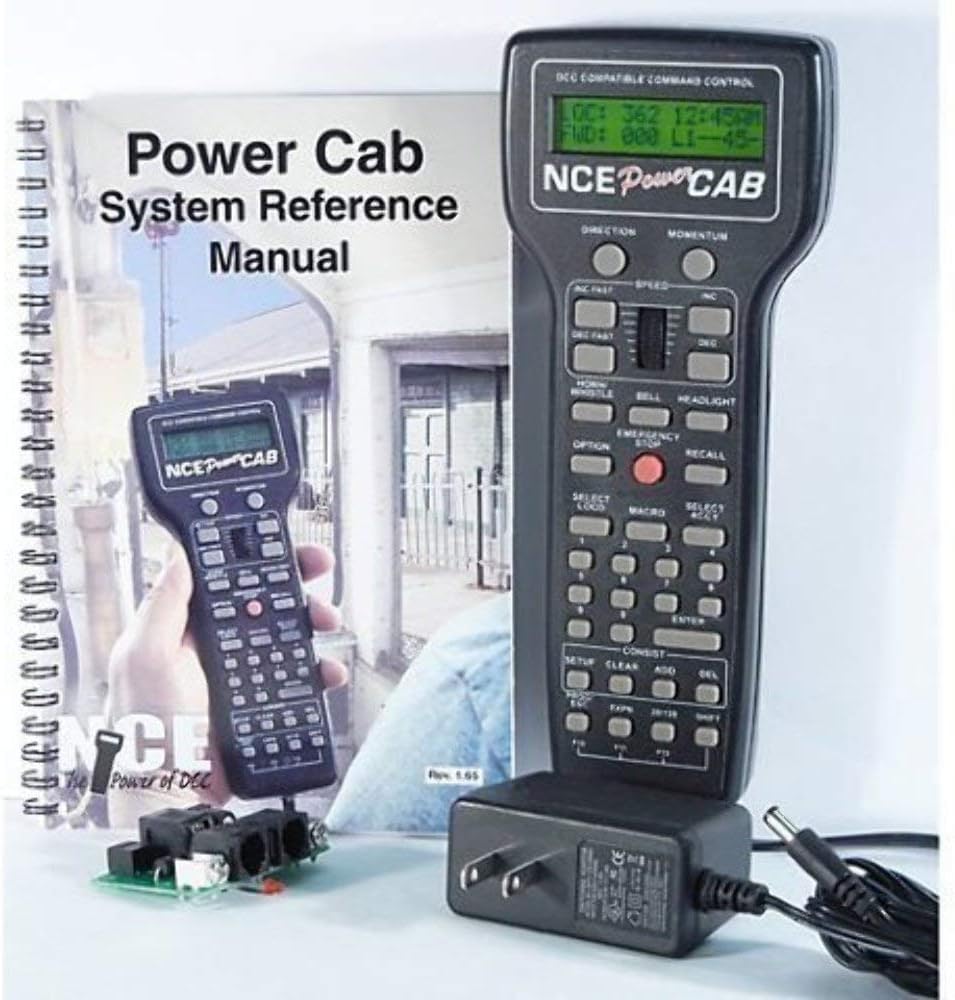
Digital Command Control (DCC) systems continue to evolve. The newest units for 2025 feature wireless connectivity to dedicated apps, voice-control commands, easy firmware updates, and direct integration with home automation (Alexa/Google Home). Advanced multiplexing allows up to 10 locomotives on a single channel, with individual accessory control and real-time monitoring of track voltage and engine performance.Additional Info. Purchase.
Reference:
Model Train Stuff’s “Just Arrived” and “Preorder” sections highlight the emerging DCC controllers and their technical specs.More Info

Sound Decoders and Upgraded Locos

Description:
LokSound, TCS, and Soundtraxx have released new sound chips and sound-equipped locomotives with refined sampling, customizable sound libraries, and environmental effects (rain, wind, crossing bells). The latest decoders support manual and automatic adjustments for dynamic volume, speaker type, and “sound zone” operation based on engine location on the track.modeltrainstuff+1 Buy dcc equiped locomotives Buy
Reference:
Industry reviews praise these modules for bringing “mainline realism” to even small home layouts.modeltrainstuff

Programmable Lighting Sets

Description:
Addressable RGB LEDs now feature ultra-thin wires and glue-free mounting clips, letting advanced modelers illuminate entire city blocks, animate trackside scenes, and synchronize train headlights and building interiors. Updated controllers interface with DCC throttles, enabling “layout-wide” light shows or real-time intensity adjustments.micromark Buy
Reference:
Micro-Mark’s 2025 catalog lists compatible kits for expansion on existing and new layouts.micromark

Bluetooth Turnout Motors

Description:
2025 brings mobile-app-enabled turnout motors—mountable without soldering or drilling—so users can change switch positions from phones or tablets. This innovation empowers operators to manage complex yard operations or puzzle layouts without crawling under benchwork, a frequent challenge in traditional designs.modeltrainstuff+1 Coming.
Reference:
Featured on Model Train Stuff’s accessory page and in online user reviews for quick installation.modeltrainstuff

Weathering Tools Kits

Description:
Weathering is an art, and this year’s kits include new airbrush-compatible applicators, “seasonal” pigment packs (rust, soot, snow, autumn leaves), and video tutorials. These make realistic car, building, and landscape aging possible for every modeler, without risk of permanent damage.charlesro+1 Purchase
Reference:
MegaHobby and Micro-Mark showcase popular brands and their step-by-step guides for advanced finishing.charlesro+1

3D Printed Accessories

Description:
With high-resolution 3D printing now accessible, hobbyists can order or design ultrafine detail figures, rare vehicles, and custom structures—precisely scaled to their layout’s era or geographical setting. 2025’s offerings include build-your-own kits or “made to order” pieces from new boutique print shops.megahobby Buy
Reference:
ModelTrainStuff and MegaHobby’s partnership with accessories designers means an ever-changing catalog of exclusive items.megahobby+1

High-Definition Cameras

Description:
“Cab ride” cameras and layout monitors have moved to true HD/4K, with streaming and instant sharing features. Modelers can now capture inside-the-train perspectives or broadcast their club’s switching puzzle challenges live—and even analyze operations for improvement.modeltrainstuff Buy


Reference:
Midwest Model Railroad’s tech section features trending video and control products for advanced users.modeltrainstuff

Automated Car Routing Systems

Description:
Using RFID or Bluetooth tags, layouts can now have every car digitally tracked. Integration with management apps and sensors allows real-time switch lists, “favorited” operational plans, and automated accidental routing fixes, which streamlines puzzle play or full-operation sessions.trains
Reference:
Trains.com’s planning bundles and digital operations guides introduce these systems for both club and home layouts.trains


Final Touches and Gift Suggestions

Stocking Stuffers:
Don’t forget utility items: specialty hobby knives, extra brushes, track cleaning pads, repositionable signage, and era-specific detail packs are always appreciated—even by experienced hobbyists.charlesro

Gift Bundles:
Family-oriented “starter scenery plus a new animated accessory” packs, e-gift cards from favorite retailers, and new-release books on creative layout design and railroad history make for ideal group or solo gifts that inspire and educate.


References & Footnotes

** Model Train Stuff: Shop for trains, accessories, and newly launched gadgets, offering up-to-date listings and periodic sales for every skill level.transum+1
** Midwest Model Railroad: Resource for affordable trains, skill-building tips, and trending layout tools, with accessible advice for beginners and advanced users.
robotimeonline+1
** Micro-Mark & MegaHobby: Specializing in weathering tools, animated accessories, and model building packs for creative upgrades.escaperoomgeeks+2
** TrainWorld: Leading source of seasonal and family-oriented model railroading products, including billboard and signage options for 2025.
happilyevermom+1
** Trains.com: Guide to digital management systems, advanced planning materials, and the latest railroad trends for serious enthusiasts.parents.highlights+1
** Retailer and manufacturer product reviews: Cited throughout for specific features, innovations, and practical installation tips.
bloomberg


May every model railroader’s wish list find inspiration and delight from the newest 2025 accessories—and may your holiday layouts shine brighter and run smoother than ever!trainworld+3

  1. https://www.modeltrainstuff.com
  2. https://micromark.com/collections/model-trains
  3. https://www.trainworld.com/gifts/christmas-trains.html
  4. https://www.trainworld.com/gifts.html
  5. https://www.modeltrainstuff.com/train-layout/
  6. https://charlesro.com/ultimate-christmas-guide-for-model-trains/
  7. https://www.megahobby.com/categories/model-railroading.html
  8. https://shop.trains.com/products/great-model-railroads-and-model-railroad-planning-2025-bundle
  9. https://www.transum.org/Software/Shunting/Default.asp?Level=1
  10. https://www.robotimeonline.com/blogs/all-blogs/family-puzzle-time-how-to-make-it-a-fun-experience-1
  11. https://midwestmodelrr.com
  12. https://escaperoomgeeks.com/diy-puzzles/
  13. https://happilyevermom.com/puzzle-activities-for-kids/
  14. https://parents.highlights.com/7-family-games-to-play-anywhere
  15. https://www.bloomberg.com/company/stories/get-ready-for-bloombergs-summer-of-puzzles-2025/

Switching Made Simple: Model Railroad Operations Through Puzzles

Here is a follow-up article focused on model railroading, designed to teach switching operations through interactive puzzles. The article introduces you to operational concepts, explains how puzzle-based exercises build skills, and provides instructions for accessing the online puzzle series, which progresses from beginner-friendly to advanced.conrail1285+3


Switching operations are the heart of both real-world railroads and engaging model layouts. Whether you’re simulating a busy freight yard or managing branchline deliveries, understanding the basics of car movements is what transforms toy trains into an operational railroad. In this article, you’ll explore switching concepts through a series of carefully designed puzzles—each one created to challenge, educate, and entertain railfans of all ages.trains+1

Why Switching Matters

Switching (also called shunting) is the process of sorting, assembling, and delivering railcars to their destinations. In real railroad operations, switch crews must plan every move, navigate limited track space, and problem-solve to efficiently route cars. On your model railway, switching operations add realistic purpose to running trains, making every operating session more meaningful and rewarding.nmra+2

Learning By Doing: Puzzle Format

This hands-on puzzle series was created to demystify the basics of switching. Each challenge provides a layout schematic and a set of objectives. Starting with the fundamentals—simple moves, basic sidings, and runaround tracks—you’ll build your expertise, session by session. The puzzles gradually increase in complexity, introducing new strategies and operational scenarios.nmra-scwd+1

How To Join In

All puzzle materials and instructions are hosted online. Access the puzzles here: YOUR PUZZLE WEBSITE LINK HERE.

  • Beginner Puzzles: Learn basic maneuvers like the pull, shove, and runaround.trains
  • Intermediate Puzzles: Tackle car sorting, limited track scenarios, and industry switching.
  • Advanced Operations: Practice building trains to spec, working with switch lists, and navigating complex yards.

Each puzzle includes diagrams, clear rules, and introductory notes. Work through them at your own pace; as your confidence grows, the next level will introduce new twists.

Family-Friendly Challenges

Model railroading is truly a family affair. Puzzles are designed for all ages—kids can start with basic moves, while adults and teens attempt trickier switching problems. Collaborate as a crew: assign one person as the engineer, another as conductor, and let everyone try their hand at solving each session’s “mission”.hearnshobbies+2

Step-by-Step Success

Switching puzzles mirror real railroad procedures. A typical job may ask you to:

  • Move boxcars to specified industries
  • Pickup and reassemble cars in order
  • Use runaround tracks to navigate trick sidings
  • Manage space, avoid fouling other tracks, and update your switch listrrmodelcraftsman+1

Hints and explanations guide beginners at each step. As you work through the series, you’ll discover pro tips for efficiency and precision—skills that transfer back to your full layout operations.wymann+1

Growing Your Skills

Each puzzle in the series builds on prior lessons. You may start with straightforward pulls and shoves, but soon you’ll face limited switch leads, multi-car movements, and service schedules. The skills you gain—planning, teamwork, and problem-solving—will make operating your model railroad even more enjoyable.conrail1285+2

Ready to Switch?

Visit the puzzle website, choose your starting level, and dive into the challenges. Each puzzle is open-ended: try multiple strategies, collaborate with friends or family, and compare solutions online. New puzzles will be added over time, so keep checking back for fresh operational adventures.

Final Thoughts

Model railroad switching turns play into purposeful operating. These puzzles are more than games—they’re training tools for making model railroading realistic and fun. Whether you’re just starting out or striving for advanced operations, puzzle-based exercises are the perfect way to master the art of switching.

Begin your journey today, and see how a few clever moves can transform your railroad into a bustling, operational railway—one puzzle at a time.nmra-scwd+3


  1. https://conrail1285.com/an-introduction-to-model-railroad-ops/
  2. https://www.nmra-scwd.org/ops-puzzles.html
  3. https://www.trains.com/mrr/beginners/ask-trains/switching-a-model-railroad/
  4. http://www.wymann.info/ShuntingPuzzles/shunting-puzzles.html
  5. https://www.nmra.org/beginners-guide-part-9-operations
  6. https://www.hearnshobbies.com/blogs/model-railways/model-railroading-for-families-creating-memories-on-miniature-tracks
  7. https://www.philobiblon.com/eisenbahn/puzzle_article.shtml
  8. https://rrmodelcraftsman.com/set-up-your-layout-for-realistic-operations/
  9. https://midwestmodelrr.com/blog/understanding-model-railroad-operations-a-journey-into-the-fascinating-world-of-model-railroads/
  10. https://www.youtube.com/watch?v=3OHnVh4sEPU
  11. https://www.youtube.com/watch?v=wxZUIhMjjIA
  12. https://www.youtube.com/watch?v=7LdHlfPOB6o
  13. https://www.trains.com/mrr/how-to/how-to-switch-model-railroad-freight-cars/
  14. https://shop.trains.com/collections/puzzles-games
  15. http://www.wymann.info/ShuntingPuzzles/
  16. https://shop.trains.com/products/railroad-family-trees-puzzle
  17. https://www.wired.com/2007/04/my-son-age-3-is/
  18. https://www.delmarvamodelrailroadclub.org/Operations/Operations.html
  19. https://www.youtube.com/watch?v=nf0Iz36PGmA
  20. https://www.youtube.com/watch?v=ldl0VoMgQCs

The Delta Aquariid Meteor Shower: A Beginner’s and Family Guide for July 28–31, 2025

Every summer, as July transitions into August, a lesser-known yet enchanting celestial event graces the night sky: the Delta Aquariid meteor shower. Peaking from July 28 to July 31, 2025, this meteor shower promises a memorable spectacle for families, skywatching beginners, and anyone hoping to experience a night of awe under the stars. This guide will help you understand, prepare for, and enjoy the Delta Aquariids—even if you’re new to stargazing.

What Are the Delta Aquariids?

The Delta Aquariids are an annual meteor shower named after the star Delta Aquarii in the constellation Aquarius, where the meteors appear to originate (their radiant point). The shower is caused by Earth passing through debris left behind by the comet 96P/Machholz. As tiny bits of comet dust enter our atmosphere at over 90,000 miles per hour, they burn up and streak across the sky as meteors, or “shooting stars”.

Why the Delta Aquariids Are Special

While the Delta Aquariid shower isn’t as famous as the Perseids in August, it is beloved by skywatchers for several reasons:

  • Steady Meteor Rate: During the peak, you can expect to see 15–20 meteors per hour from a dark, rural sky.
  • Early Show: It kicks off the summer “meteor shower season” and sometimes overlaps with early Perseid meteors for a double show.
  • Long-Lasting Meteors: Many Delta Aquariids produce faint but long-lasting trails—sometimes glowing for a second or more.

When and Where to Watch in 2025

Peak Dates & Times

  • Best Nights: July 28, 29, 30, and 31, 2025
  • Best Hours: Between midnight and 4:00 a.m. (local time). The shower is best after midnight when the constellation Aquarius climbs higher in the southern sky.
  • Moon Phase: The Moon will be a waning crescent, setting before the best radiant hours, leaving the sky mostly dark—excellent for meteor watching.

Where to Look

  • Direction: Face generally southeast or south. Find a broad, open view of the sky, focusing east to south.
  • Constellation: Meteors will radiate from the area near Aquarius, but “shooting stars” can appear anywhere overhead.

Preparing for Your Meteor-Watching Night

What You’ll Need

  • No Telescopes Required: Meteors move too fast for telescopes or binoculars; use just your eyes!
  • Comfort Essentials:
    • Blanket, sleeping bag, or reclining lawn chair to lie back and watch comfortably.
    • Warm clothes and bug spray—even summer nights can get chilly or buggy.
    • Snacks and drinks for your meteor party.
  • Optional:
    • A red flashlight (to preserve night vision).
    • Star charts or a free stargazing app for finding constellations like Aquarius and Capricornus.

Family-Friendly Tips to Maximize the Experience

1. Make It a Nighttime Picnic

Pack favorite snacks and turn the meteor shower into an event. Invite family, neighbors, or friends for a backyard “shooting star” picnic.

2. Get Kids Involved

  • Encourage children to keep count of meteors or sketch their favorite ones.
  • Turn it into a science lesson about comets, space, and Earth’s atmosphere.
  • Have kids make a wish on each shooting star!

3. Safety First

Observe from a safe location away from busy roads. Bring flashlights for safe navigation but keep lights off while watching.

4. Choose the Right Spot

For the best show, escape city lights. A rural park, beach, or even a family-friendly campsite will reveal many more meteors.

What to Expect

  • Patience Pays Off: It can take 15–20 minutes for your eyes to adapt to darkness. The more time spent outside, the more meteors you’ll see.
  • Persistence: Meteors arrive at random. Sometimes, several appear in a quick burst, followed by a lull.
  • Look Up All Around: While the radiant is in Aquarius, meteors may streak across any part of the sky.

Suggested Viewing Timeline

Time (Local)What’s HappeningTips
10:00 p.m.Twilight ends, stars appearSettle in and get comfy
MidnightAquarius rises higher, meteors beginStart serious watching
2:00–4:00 a.m.Peak meteor activityHighest rates, darkest sky
DawnShower ends as sky brightensTime for breakfast stories!

Fun Delta Aquariid Facts

  • Parent Comet: The debris stream comes from Comet 96P/Machholz—a visitor that returns every five years.
  • Speed: Delta Aquariid meteors travel at about 25 miles per second!
  • Best in the South: The further south you are (e.g., southern US states), the higher Aquarius appears, and the more meteors you’ll spot.
  • Double Show: Early Perseid meteors (from August’s more famous shower) sometimes mingle with the Delta Aquariids, offering extra surprises.

Bringing Astronomy to Life

Meteor showers are a magical entryway to astronomy for families and beginners. They require no equipment, no expertise—just a little patience, wonder, and a clear night. Watching shooting stars is also a shared experience, connecting all ages with the wonders of the universe.

If you’d like to identify more stars or planets while you wait for meteors:

  • Look for the bright Summer Triangle stars: Vega, Deneb, and Altair high overhead.
  • Saturn, the ringed planet, will be rising in the southeast before midnight.
  • Jupiter may rise before dawn in the east by the end of July.

Common Questions

Are showers best seen at their radiant?

Not necessarily—meteors can appear anywhere in the sky. But more will appear to originate from the Aquarius region.

What if it’s cloudy?

If clouds cover your location, try another night within the peak window, or tune in to online streams from observatories.

Can I photograph meteors?

A camera with a tripod and long-exposure settings may capture bright “fireballs,” but relax and enjoy watching with your eyes first.

Summary

The Delta Aquariids offer families and beginners a perfect opportunity to enjoy the universe together. On a warm night in late July, all you have to do is lie back, look up, and watch as cosmic dust transforms into fleeting, brilliant streaks of light. The memory of a shared meteor shower may last far longer than the meteors themselves.

References & Further Reading

  1. American Meteor Society – Delta Aquariid Meteor Shower Overview
  2. Star Walk – Delta Aquariids 2025 Viewing Guide
  3. EarthSky – 2025 Meteor Shower Calendar
  4. Royal Astronomical Society – How to Watch Meteor Showers
  5. Sky & Telescope – July 2025 Night Sky Guide

Wishing you clear, star-filled skies and a wonderful Delta Aquariid experience!

Exploring the July 2025 Night Sky: A Celestial Spectacle for All

July 2025 promises one of the most dazzling night skies in years, offering wonders for beginners with unaided eyes and challenges for seasoned astronomers. From planetary parades and meteor showers to glittering star clusters and the Milky Way’s core, this guide unlocks the cosmos with practical tips for every stargazer.

Planetary Highlights: The Summer Solar System

  1. Venus: The Dazzling “Morning Star”
    • When: 1–2 hours before sunrise
    • Location: Low in the eastern sky near Taurus
    • Viewing Tip: Venus outshines all stars; its crescent phase is visible through binoculars.
    • Special Event: On July 7, Venus passes just 0.5° from Uranus—a rare binocular duo.
  2. Mars: The Fiery Beacon
    • When: Early evening after sunset
    • Location: Moves from Leo to Virgo mid-month
    • Viewing Tip: Look for its rust-colored glow near the bright star Regulus on July 15.
  3. Jupiter: The Giant Returns
    • When: Rises around 3 a.m. by month’s end
    • Location: Eastern sky in Taurus
    • Viewing Tip: Telescopes reveal cloud bands and the Great Red Spot.
  4. Saturn: Lord of the Rings
    • When: Rises by 10 p.m. in early July; visible all night late-month
    • Location: In Pisces
    • Viewing Tip: Even small telescopes show its iconic rings tilted at 8.6°.
  5. Neptune and Uranus
    • Neptune: Rises near midnight in Pisces (requires telescope)
    • Uranus: Visible in Taurus before dawn; binoculars reveal its aquamarine hue.

Constellations and Stars: July’s Celestial Landmarks

  • The Summer Triangle:
    Vega (Lyra), Deneb (Cygnus), and Altair (Aquila) dominate the zenith. Use them to navigate:
    • Follow the Milky Way through Cygnus (“Northern Cross”)
    • Spot the Ring Nebula (M57) near Vega—a smoke-ring-like planetary nebula.
  • Scorpius and Sagittarius:
    Low in the south, these mark the Milky Way’s heart:
    • Scorpius: Identified by red supergiant Antares and its curved tail.
    • Sagittarius: Home to the Teapot asterism; its “steam” is the Milky Way core.
  • Hercules:
    High overhead, containing the Great Globular Cluster (M13)—a fuzzy “star” visible through binoculars that resolves into thousands of stars via telescope.

Must-See Celestial Events

  1. Delta Aquariids Meteor Shower
    • Peak: July 28–30
    • Best Viewing: 2–4 a.m. from dark locations
    • Expected Rate: 15–20 meteors/hour
    • Tip: Lie back and scan south; no equipment needed.
  2. “Buck Moon” Lunar Eclipse
    • Date: July 10 (Full Moon)
    • Event: Penumbral lunar eclipse visible across the Americas, Europe, and Africa.
    • Viewing: Starts at 1:14 a.m. UTC; maximum at 3:09 a.m. UTC. The Moon darkens subtly but noticeably.
  3. Moon-Venus Conjunction
    • Date: July 31
    • Event: A waning crescent Moon meets Venus before dawn.
    • Photography Tip: Capture them with landscapes for stunning compositions.

Deep-Sky Delights for Advanced Observers

ObjectTypeLocationBest DateEquipment
M22 (Sagittarius)Globular ClusterSagittariusJuly 15Binoculars
Lagoon Nebula (M8)Star-Forming GasSagittariusJuly 20Telescope
Wild Duck Cluster (M11)Open ClusterScutumJuly 25Small telescope
Black Eye Galaxy (M64)Spiral GalaxyComa BerenicesJuly 308″+ telescope

Moon Phases: Your Stargazing Calendar

  • New Moon: July 24 (prime time for deep-sky observing)
  • First Quarter: July 3
  • Full Moon (Buck Moon): July 10
  • Last Quarter: July 18

Stargazing Tips for All Levels

For Families & Beginners:

  • Play “Connect the Dots”: Trace the Summer Triangle or Scorpius’ tail.
  • Meteor Shower Party: Bring blankets and hot cocoa for the Delta Aquariids.
  • Moon Journal: Sketch the Moon’s phases nightly.

For Advanced Astronomers:

  • Dark-Sky Protocol: Use red flashlights and star charts to preserve night vision.
  • Astrophotography: Target the Milky Way core July 20–30 (moonless nights).
  • Telescope Targets: Hunt galaxy trio M81, M82, and NGC 3077 in Ursa Major.

Universal Tips:

  • Timing: Wait 1.5 hours after sunset for full darkness.
  • Location: Escape city lights—national parks or rural areas ideal.
  • Apps: Use SkySafari or Stellarium for real-time object tracking.

Why July 2025 Stands Out

  • Saturn’s rings are tilted wider than in 2024, offering spectacular views.
  • Jupiter returns to dawn skies after solar conjunction, beginning a new observational cycle.
  • The Milky Way core is nearly vertical at midnight—optimal for Southern Hemisphere observers.

Conclusion: Your Cosmic Invitation

July 2025 blends accessibility and wonder: spot planets with naked eyes, count meteors with kids, or photograph galaxies with a telescope. As daylight fades, remember—you’re not just looking at stars; you’re witnessing a 13.8-billion-year story unfold above you.

References & Further Exploration

  1. NASA Solar System Exploration: July 2025 Skywatching
  2. Sky & Telescope: July 2025 Observing Guide
  3. Time and Date: Lunar Eclipse Details
  4. American Meteor Society: Delta Aquariids Forecast
  5. Royal Astronomical Society: Deep-Sky Objects for Summer

Footnotes

  • *Planetary positions calculated for 40°N latitude; timings in UTC.
  • *Meteor shower rates assume dark-sky conditions.
  • *Telescope recommendations based on Bortle 4 skies or darker.