Adding industries to your model railroad layout brings it to life and provides engaging operational possibilities. For beginners, starting with simple yet effective industries is key. Here are some easy-to-build model industries that will enhance your layout without overwhelming you:
Grain Elevator

A grain elevator is a classic rail-served industry that’s visually striking and operationally significant2.
Key Elements:
- Tall cylindrical silos
- Loading/unloading area
- Small office building
Materials Needed:
- Plastic tubing or PVC pipe for silos
- Styrene sheets for walls and roofs
- Small-scale ladders and railings
Construction Steps:
- Cut plastic tubing to desired heights for silos
- Create a base and top for silos using styrene sheet
- Build a small office structure using styrene
- Add details like ladders, conveyor belts, and signage
Operation:
- Receive covered hoppers of grain
- Ship out processed products in boxcars
A grain elevator provides excellent opportunities for switching operations and adds vertical interest to your layout5.
Lumber Yard

A lumber yard is easy to model and offers varied operational possibilities3.
Key Elements:
- Stacks of lumber
- Loading dock
- Small office or shed
Materials Needed:
- Stripwood or basswood sheets for lumber stacks
- Styrene for the loading dock and office
- Glue and paint
Construction Steps:
- Cut stripwood into various lengths for lumber stacks
- Glue strips together to form stacks of different sizes
- Build a simple loading dock from styrene
- Construct a small office or shed
Operation:
- Receive flatcars of raw lumber
- Ship out finished products in boxcars
Team Track
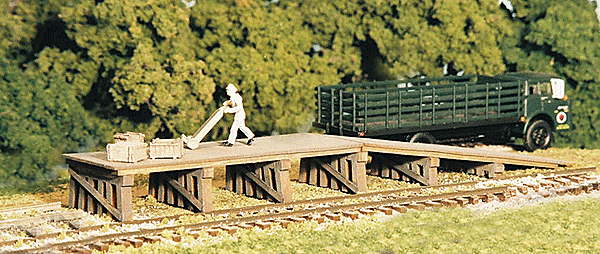
A team track is versatile and perfect for beginners, accommodating various car types without complex structures.
Key Elements:
- Simple track siding
- Small loading area
- Optional small storage shed
Materials Needed:
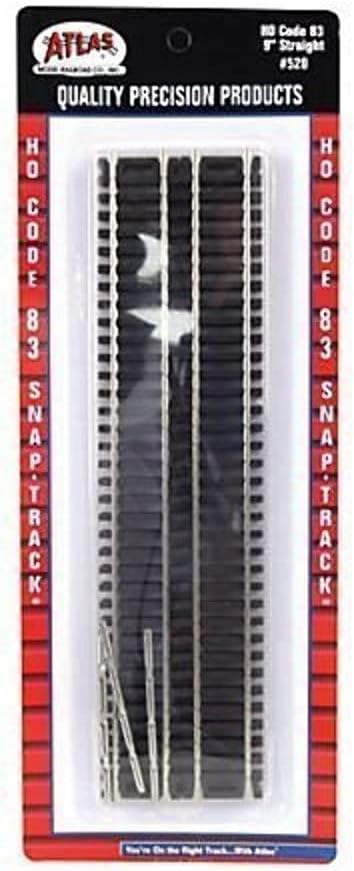
- Track and ballast
- Styrene or cardstock for the loading area
- Optional kit for a small shed
Construction Steps:
- Lay a siding track parallel to your mainline
- Create a small paved area using styrene or textured cardstock
- Add details like pallets, crates, and barrels
- Optionally, build a small storage shed nearby
Operation:
- Load and unload various car types (boxcars, flatcars, gondolas)
- Simulate different small businesses using the same track
Small Factory or Warehouse

A generic industrial building offers flexibility in operations and is simple to construct.
Key Elements:
- Rectangular building with loading docks
- Parking area
- Signage
Materials Needed:
- Styrene sheets for walls and roof
- Window and door castings
- Acrylic paints
Construction Steps:
- Cut styrene sheets for walls and roof
- Add windows and doors
- Create loading docks on one side
- Paint and weather the structure
- Add signage and details like air conditioning units and downspouts
Operation:
- Receive raw materials in various car types
- Ship out finished products in boxcars or flatcars
Coal Dealer

A small coal yard with a simple unloading trestle provides opportunities for hopper car operations.
Key Elements:
- Elevated track or small trestle
- Coal pile
- Small office or scale house
Materials Needed:
- Styrene or balsa wood for the trestle
- Fine gravel or commercial coal material
- Small kit for the office
Construction Steps:
- Construct a simple elevated track or trestle
- Create a coal pile using fine gravel or commercial coal material
- Build a small office or scale house
- Add details like fencing and equipment
Operation:
- Receive hopper cars of coal
- Simulate local delivery operations
Tips for Building Model Industries
- Start Small: Begin with one or two industries and expand as you gain confidence and skills.
- Research: Look at photos of real industries for inspiration and accuracy.
- Use Kits: Many manufacturers offer kits for beginners that can be easily assembled.
- Weathering: Add realism by lightly weathering your structures and surrounding areas.
- Lighting: Consider adding simple LED lighting to bring your industries to life at night.
- Scenery: Integrate your industries into the landscape with appropriate ground cover, trees, and details.
- Operations: Plan how your industries will interact with your trains to create interesting operating sessions.
Conclusion
Building model industries for your railroad layout doesn’t have to be daunting. These easy-to-build options provide a great starting point for beginners. They offer a balance of simplicity in construction and interest in operation. As you become more comfortable with modeling techniques, you can add more details or expand to more complex industries.
Remember, the key to enjoying model railroading is to have fun and be creative. Don’t worry about perfect realism at first – focus on creating a layout that you enjoy operating and looking at. With these simple industries, you’ll be well on your way to creating an engaging and operational model railroad that will provide hours of enjoyment.
As your skills grow, you can always modify or replace these starter industries with more complex ones. The beauty of model railroading is that your layout can evolve with your skills and interests. So start simple, enjoy the process, and watch your miniature world come to life!
Citations:
- https://www.indeed.com/career-advice/finding-a-job/how-to-find-model-jobs
- https://www.scarm.info/blog/tutorials-and-examples/ho-scale-grain-elevator/
- https://www.armballast.com/modeling-a-lumber-operation-and-sawmill-a-detailed-guide/
- https://www.brandonandrephoto.com/blog/fashion-industry-101-a-guide-for-beginner-models
- https://www.youtube.com/watch?v=_BjVEAfxi9I
- https://www.youtube.com/watch?v=1yzfPK5LQwc
- https://www.reddit.com/r/modelmakers/comments/17wywax/whats_the_best_model_brand_in_your_opinion_for/
- https://forum.trains.com/t/grain-elevator-placement/315078
Answer from Perplexity: pplx.ai/share



 Stan's Hobbies and Interests