Exploring the June 2025 Night Sky: A Family-Friendly Guide for All Astronomers.

As summer begins in the Northern Hemisphere, June 2025 promises a dazzling array of celestial events, from bright planets and constellations to subtle meteor showers and rare planetary encounters. Whether you’re a beginner eager to spot your first star or an advanced astronomer seeking deep-sky targets, there’s something magical to discover every night. This guide will help you make the most of the June night sky, with tips and highlights for every level of experience.


Planets: Bright Guests in the Night Sky

Mercury and Jupiter—A Rare Evening Encounter
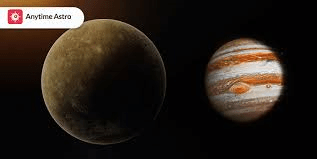
Early June brings a special treat: Mercury and Jupiter appear close together in the western sky just after sunset. On June 6, Mercury, shining at magnitude –1.5, stands about 3.7° west of Jupiter, which glows at magnitude –1.9. Both planets are visible low on the horizon about 30 minutes after sunset, but your window for observation is brief—they set within 25 minutes. For the best view, use binoculars and choose a spot with a clear western horizon. By June 8, Mercury and Jupiter are at their closest, with Mercury just 2° north of Jupiter. As the month progresses, Mercury’s disk grows from a tiny 5″ to a fatter 8″ crescent, making it an interesting target for telescopes134.

Venus—The Morning Star

June kicks off with Venus at its greatest western elongation on June 1, making it a brilliant “morning star.” Look for Venus in the eastern sky about an hour before sunrise. No telescope is needed—Venus is the third-brightest object in the night sky after the Sun and Moon. Its silvery glow is unmistakable, and it’s perfect for early risers and families wanting a gentle introduction to planet spotting43.

Mars—Leo’s Red Guest

Mars spends the month in the constellation Leo, visible in the western sky after sunset. On June 1, a waxing crescent Moon joins Mars, just 8° apart. Mars glows with a warm orange hue, making it easy to spot. By June 16, Mars has a close encounter with Regulus, Leo’s brightest star, standing just 48′ (less than a full degree) north of it. This pairing offers a beautiful color contrast—Mars’s orange against Regulus’s bluish-white. On June 29, the Moon returns to Leo, passing less than a degree from Mars. By month’s end, look for the galaxy pairing M95 and M96, just northeast of Mars—a treat for telescope users14.

Saturn and Neptune—A Distant Duo

Saturn is visible in the morning sky, rising higher as the month progresses. On June 16, early risers in the Eastern U.S. can catch the shadow of Saturn’s moon Titan transiting the planet’s disk starting at 4:11 a.m. EDT. By June 29, Neptune lies just 1° north of Saturn, making it easier to find with binoculars. Neptune shines at magnitude 7.8, and while its disk is tiny (just 2″ across), it’s a fascinating target for those with a telescope1.


Constellations and Stars: The Backbone of the Night Sky

The Summer Triangle
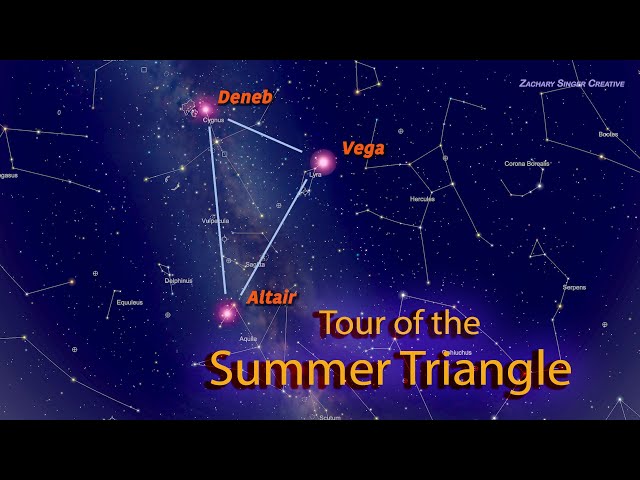
As darkness falls, look for the Summer Triangle—a giant asterism formed by three bright stars: Vega in Lyra, Deneb in Cygnus, and Altair in Aquila. This trio is visible all night and is a great starting point for beginners to navigate the sky23.

Boötes and Arcturus

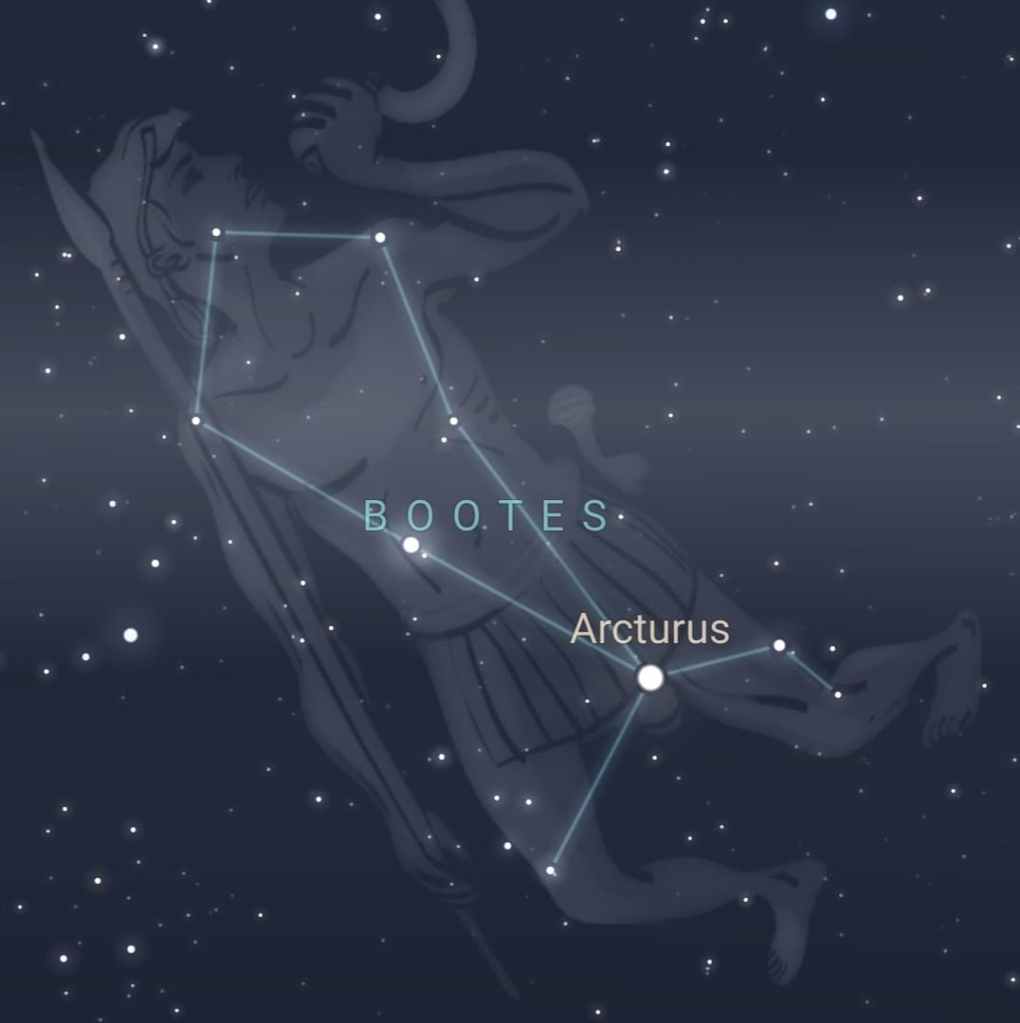
Boötes, the Herdsman, is easily found by following the curve of the Big Dipper’s handle to Arcturus, one of the brightest stars in the sky. Arcturus shines with a golden hue and is a favorite among stargazers of all ages2.

Other Notable Constellations

  • Hercules: Home to the famous Hercules Cluster (M13), a globular cluster visible with binoculars or a small telescope.
  • Sagittarius and Scorpius: Rising in the southeast, these constellations are rich in star clusters and nebulae, especially for those with darker skies.
  • Ursa Major and Ursa Minor: The Big and Little Dippers are always visible in the north, helping orient you to the night sky2.
  • Capella in Auriga, Aquarius, Pegasus, Perseus, Andromeda, Capricornus, Cepheus, Ophiuchus, Cassiopeia, Draco: These constellations are visible at various times and offer a wealth of deep-sky objects for advanced observers2.

Special Celestial Events and Phenomena

June Solstice—The Longest Day

The summer solstice occurs on June 20 at 9:42 p.m. CDT (10:42 p.m. EDT), marking the official start of summer in the Northern Hemisphere. This is the longest day of the year, with up to 15 hours of daylight in some regions. While not a visual event, the solstice is a great time to observe the Sun’s path and reflect on Earth’s journey around it34.

Full Strawberry Moon

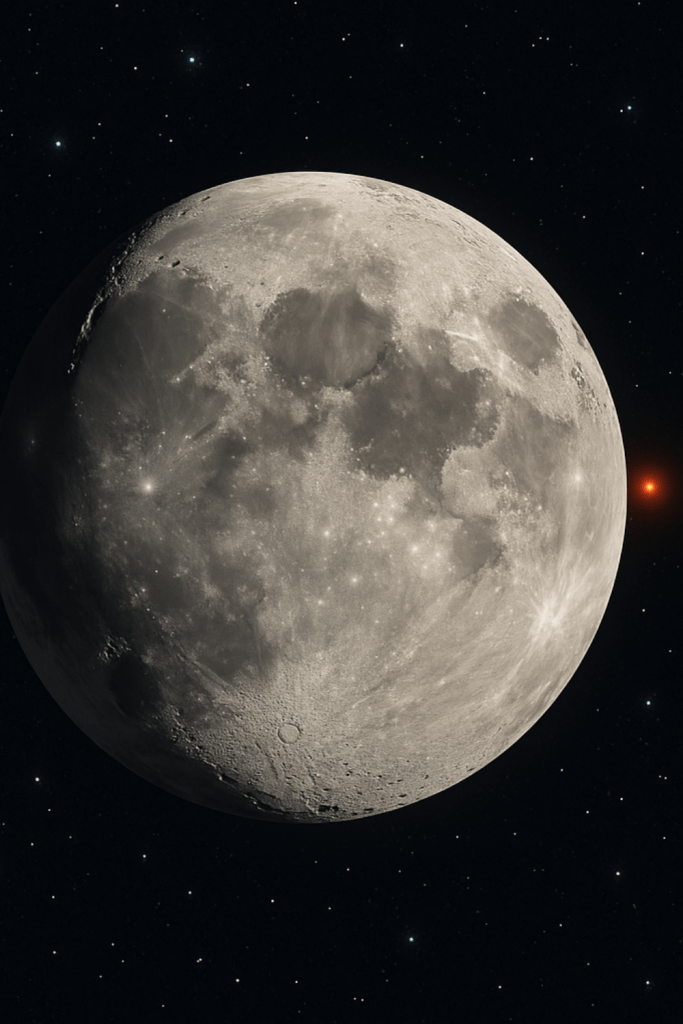
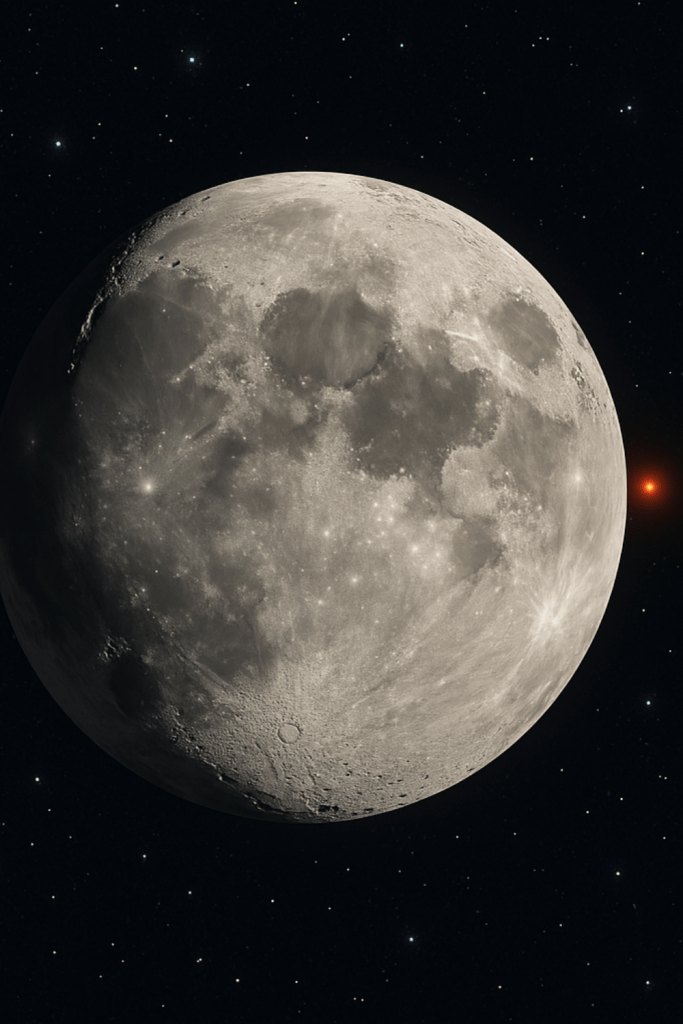
The full moon on June 11, known as the Strawberry Moon, rises at 3:45 a.m. and is a beautiful sight for early risers. Its name comes from the strawberry harvest season and is a highlight for families and photographers2.

Arietids Meteor Shower

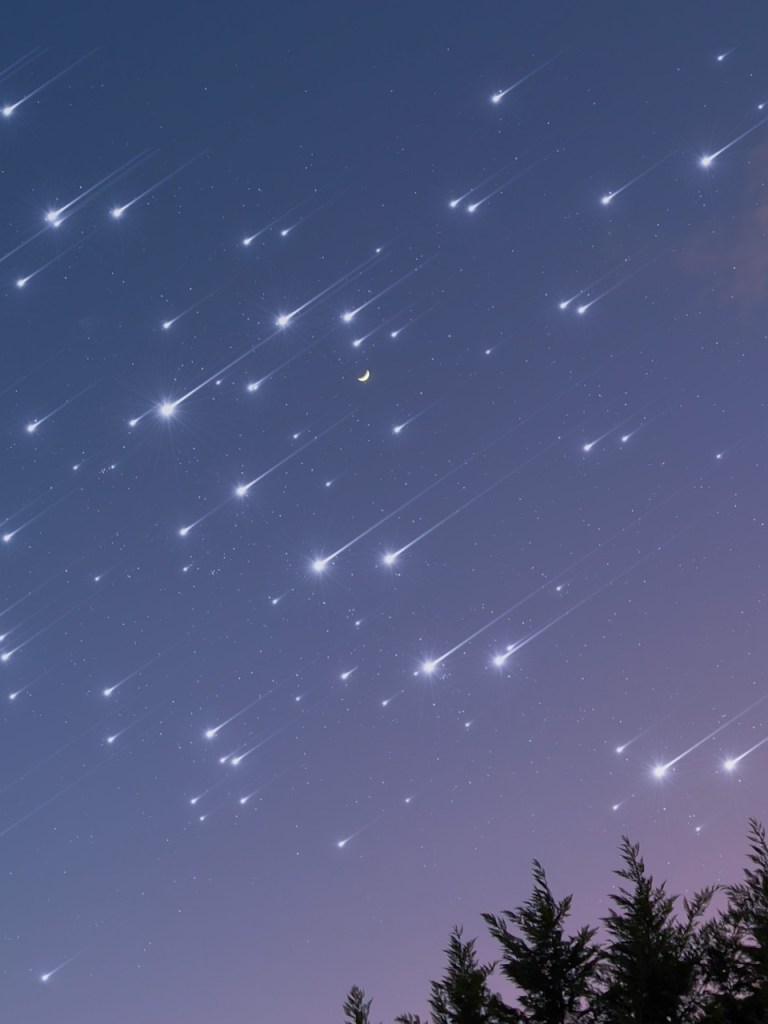
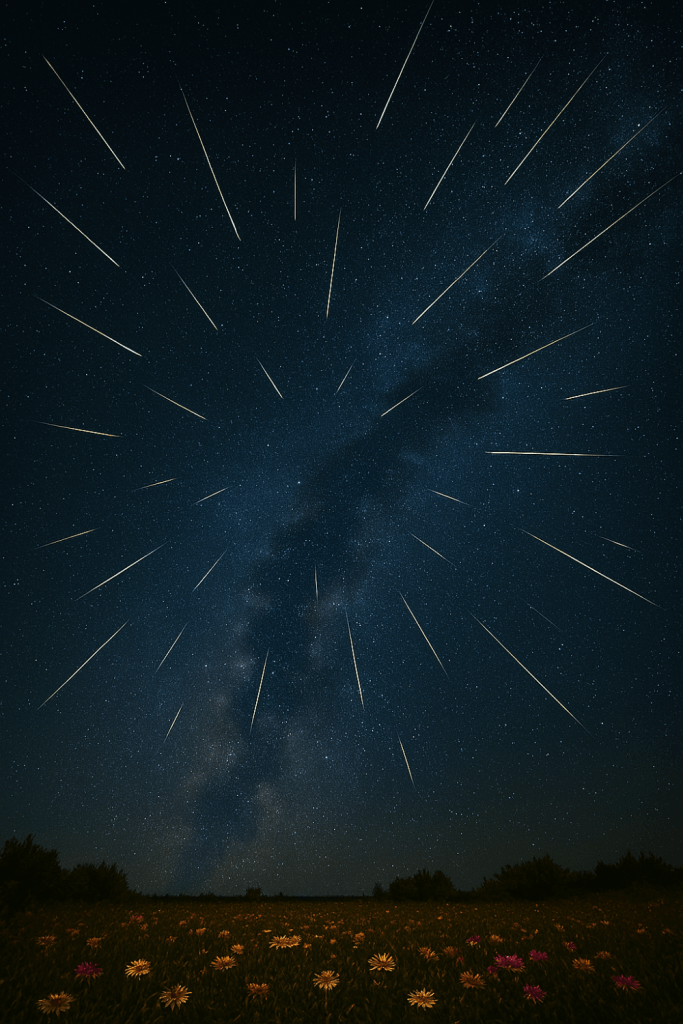
From June 7 to 10, the Arietids meteor shower peaks. This is one of the strongest daytime meteor showers, but a few meteors can be seen in the early morning hours before sunrise. Look east about 30–60 minutes before dawn for the best chance to spot a meteor4.

Moon and Pleiades

Screenshot

On June 23, the waning crescent Moon meets the Pleiades star cluster in the early morning sky. This delicate pairing is easily visible to the naked eye and makes for a lovely photo opportunity4.

New Moon—Dark Sky Delight

The new moon on June 25 brings some of the darkest skies of the month, ideal for observing faint stars, galaxies, and nebulae. This is the best time for deep-sky observing and astrophotography4.


Tips for Stargazing with the Family

Make It a Family Adventure

Stargazing is a wonderful way to spend time together. Pack a picnic, bring blankets, and let everyone take turns spotting planets, stars, and constellations. Use free apps like Sky Tonight or Stellarium to help identify what you see5.

Start Simple

Begin with the brightest objects—Venus, Jupiter, Mars, and the Summer Triangle. Use the Big Dipper to find Polaris, the North Star, and explore the constellations around it5.

Try a Star Wheel or Star Deck

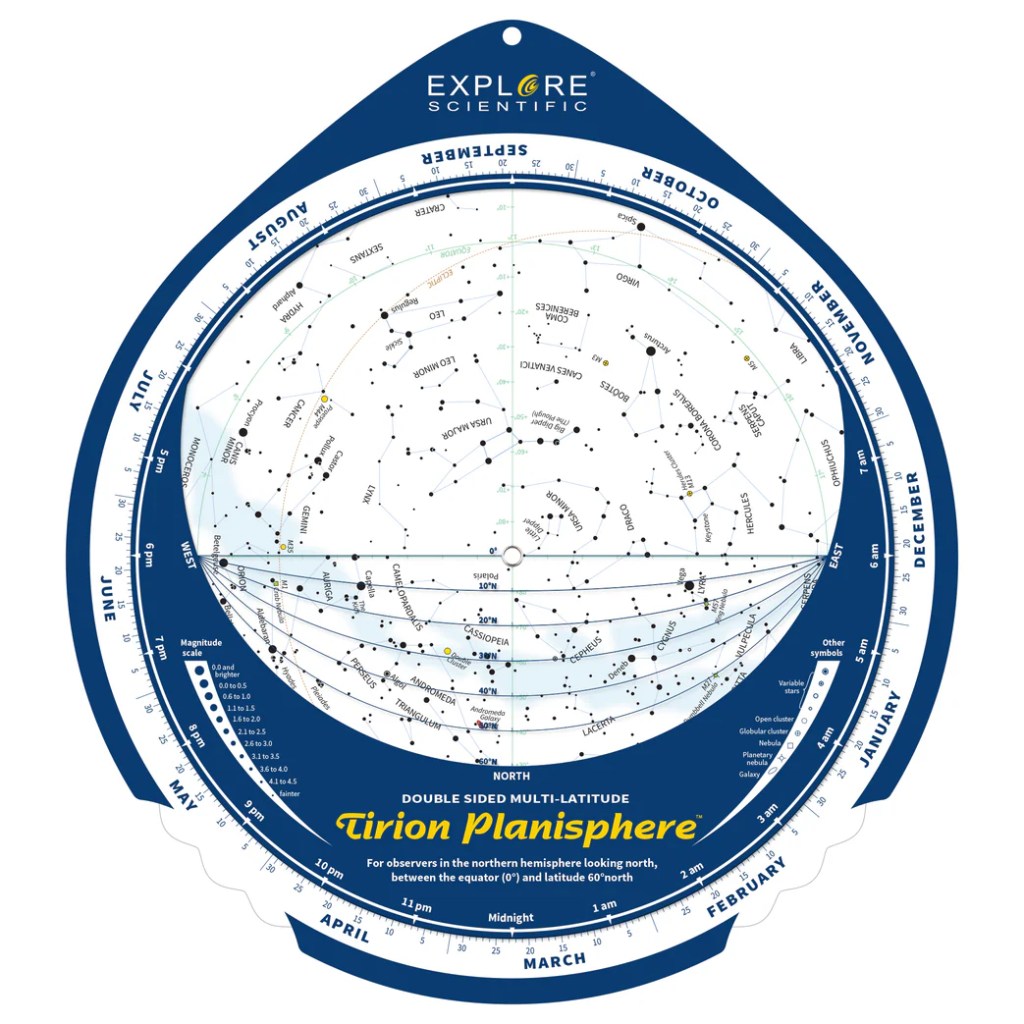
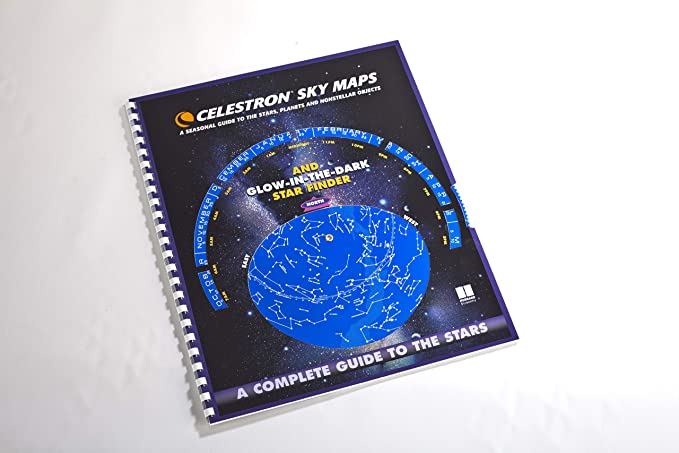
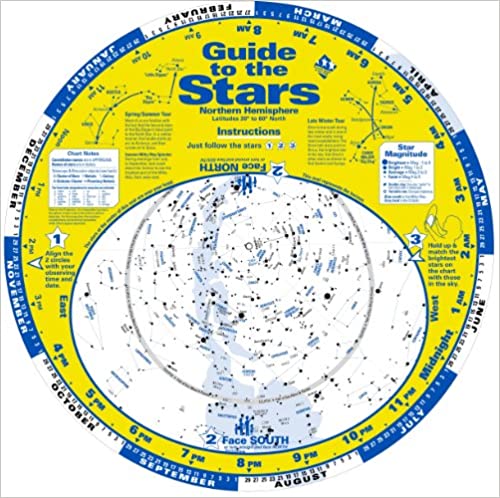
Download a star wheel or use a “Star Deck” of cards to make learning the constellations fun and interactive for kids. These tools are easy to use and help build confidence in navigating the night sky5.

Observe the Moon’s Phases

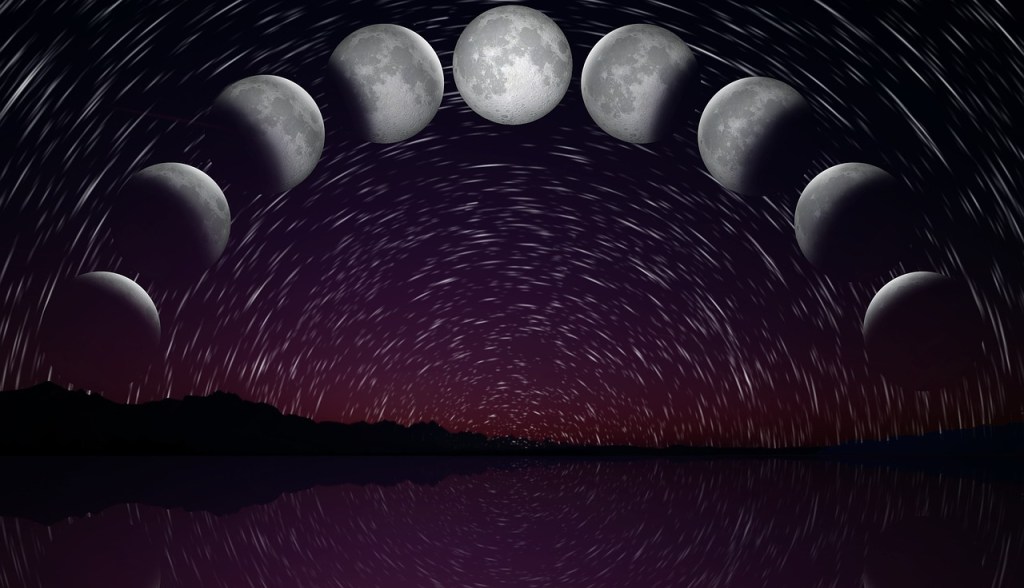
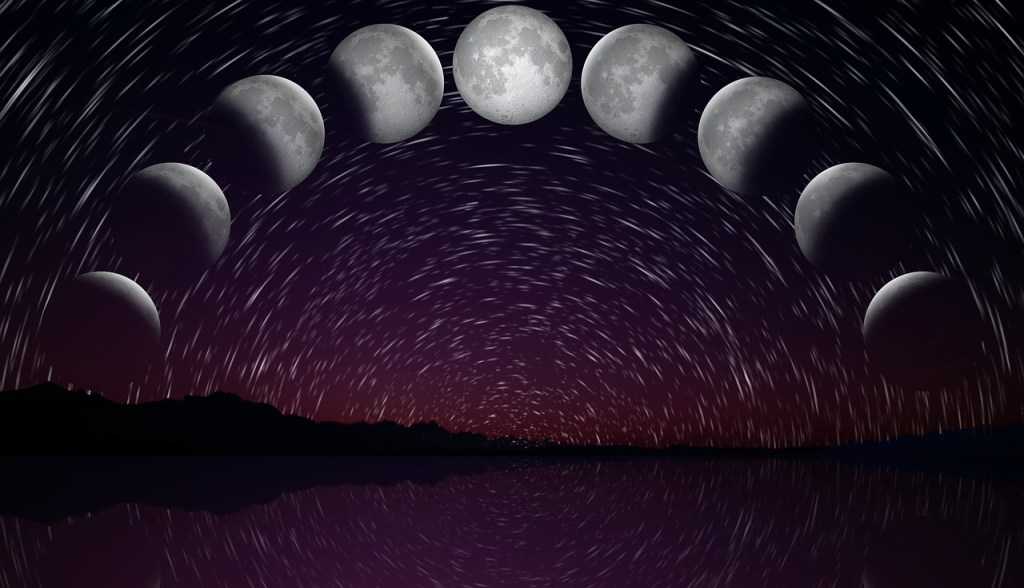
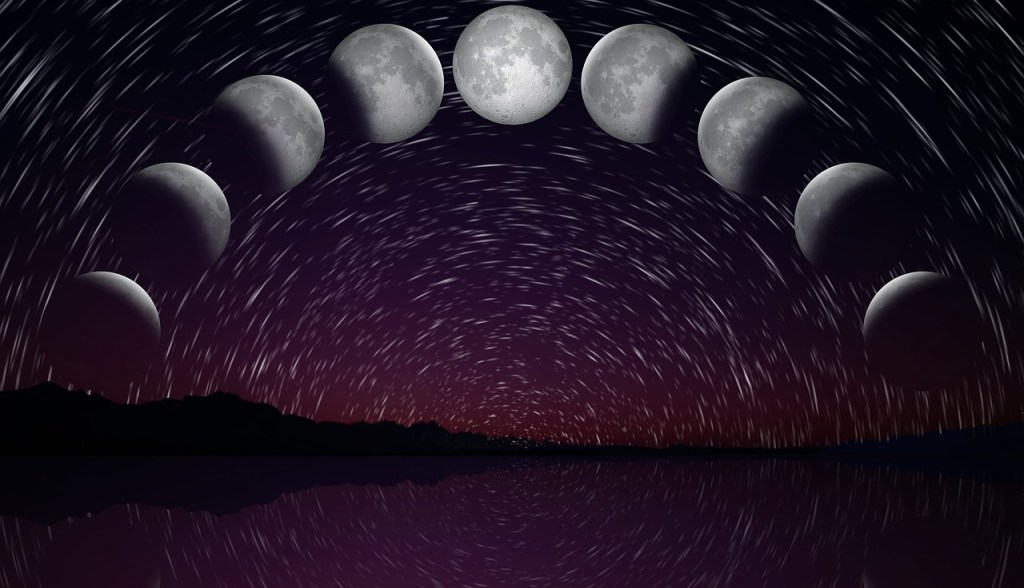
Follow the Moon throughout the month. Note how its shape changes and how it moves past different stars and planets. This is a great way to introduce the concept of lunar phases to children5.

Join a Star Party

Look for local astronomy clubs or star parties in your area. These events are family-friendly and often feature telescopes for public use, allowing everyone to see planets, star clusters, and nebulae up close5.


Summary Table: June 2025 Night Sky Highlights

Date/EventWhat to SeeBest Time to ViewEquipment Needed
June 1Venus at greatest elongationBefore sunrise, eastNaked eye
June 6–9Mercury & Jupiter closeAfter sunset, westBinoculars
June 11Full Strawberry MoonEarly morning, eastNaked eye
June 16Mars near RegulusBefore sunrise, eastNaked eye
June 16Titan’s shadow on SaturnEarly morning, eastTelescope
June 20Summer SolsticeAll dayN/A
June 23Moon near PleiadesBefore sunrise, eastNaked eye
June 25New MoonAll nightBinoculars/telescope
June 29Saturn & Neptune closeEarly morning, eastBinoculars/telescope

Educational Activities for All Ages

Star Clocks and Sundials

Build a simple star clock or sundial to learn how ancient people told time using the Sun and stars. These projects are fun, educational, and require minimal materials5.

Astrophotography for Beginners

Try capturing the Moon, planets, or constellations with a smartphone or camera. Use a tripod for stability and experiment with different exposure settings to get the best results45.

Constellation Stories

Learn the myths behind the constellations. Share stories about Hercules, Leo, and the Summer Triangle to make stargazing even more engaging for children5.


Conclusion

June 2025 is packed with celestial wonders for everyone—from the bright planets and the Summer Triangle to meteor showers and the solstice. Whether you’re a beginner or an advanced astronomer, the night sky offers endless opportunities for discovery and learning. Gather your family, head outside, and let the stars inspire you.


References and Further Reading

  1. Astronomy Magazine: June 2025 Sky Guide
    What’s in the sky this month? Titan’s shadow transits Saturn, and Mercury meets with Jupiter in the evening
    https://www.astronomy.com/observing/sky-this-month-june-2025/1
  2. Amateur Astronomers Association: What’s Up in the Sky? June 2025
    Look for Arcturus in Boötes, Capella in Auriga, and the stars of Hercules, Sagittarius, Aquarius, and more
    https://aaa.org/2025/06/01/whats-up-in-the-sky-june-2025/2
  3. Adler Planetarium: Adler Skywatch: June 2025
    When is the summer solstice and how to see the planets Venus, Saturn, Mercury, and Mars this month
    https://www.adlerplanetarium.org/blog/what-to-see-stargazing-tips-june-2025/3
  4. Orbital Today: Stargazing Guide for June 2025
    Best astronomy events of the month, including Venus at greatest elongation, Mercury and Jupiter conjunction, and the Arietids meteor shower
    https://orbitaltoday.com/2025/05/29/stargazing-guide-for-june-2025-best-astronomy-events-of-the-month/4
  5. Sky & Telescope: Family Fun with Sky Watching
    Make stargazing a family activity! Find and view the planets together, or spend an early morning watching a meteor shower
    https://skyandtelescope.org/astronomy-resources/stargazing-basics/family-projects-and-experiments/5

Footnotes

  • Planetary Conjunctions: When two planets appear close together in the sky. Great for photography and naked-eye viewing14.
  • Greatest Elongation: The point when a planet is farthest from the Sun in our sky, making it easier to observe4.
  • Summer Triangle: An asterism of three bright stars (Vega, Deneb, Altair) that helps orient observers in the summer sky23.
  • Meteor Shower: A celestial event where many meteors are seen radiating from one point in the sky4.
  • Solstice: The day when the Sun reaches its highest or lowest point in the sky at noon, marking the start of summer or winter34.

Citations:

  1. https://www.astronomy.com/observing/sky-this-month-june-2025/
  2. https://aaa.org/2025/06/01/whats-up-in-the-sky-june-2025/
  3. https://www.adlerplanetarium.org/blog/what-to-see-stargazing-tips-june-2025/
  4. https://orbitaltoday.com/2025/05/29/stargazing-guide-for-june-2025-best-astronomy-events-of-the-month/
  5. https://skyandtelescope.org/astronomy-resources/stargazing-basics/family-projects-and-experiments/
  6. https://www.irishastronomy.org/kunena/42-celestial-events/102436-june-2025-observing-guide
  7. https://www.photopills.com/articles/astronomical-events-photography-guide
  8. https://www.planetary.org/night-sky/night-sky-what-to-see-this-month
  9. https://www.astronomy.com/observing/june-2025-whats-in-the-southern-hemisphere-sky-this-month/
  10. https://starwalk.space/en/news/night-sky-tonight-june
  11. https://www.nationalgeographic.com/science/article/night-sky-strawberry-moon-june-2025
  12. https://www.timeanddate.com/news/astronomy/night-sky-june-2025
  13. https://earthsky.org/astronomy-essentials/visible-planets-tonight-mars-jupiter-venus-saturn-mercury/
  14. https://universemagazine.com/en/celestial-highlights-of-june-2025/
  15. https://www.hipcamp.com/journal/camping/stargazing-guide-astronomical-calendar/
  16. https://www.almanac.com/night-sky-june
  17. https://www.youtube.com/watch?v=NZDbKMeUX7Q
  18. https://spacecenter.org/education-programs/explorer-camps/
  19. https://www.greenchildmagazine.com/stargazing-with-kids-101/
Exploring the Night Sky in May 2025: A Stargazer’s Guide

The night sky is a cosmic treasure map, where stars, planets, and meteors hold clues to the mysteries of the universe. May 2025 promises to be an exceptionally exciting month for stargazers, offering dazzling meteor showers, planetary conjunctions, and lunar phenomena that will captivate enthusiasts of all ages. Whether you’re an astronomy novice, a seasoned observer, or a family looking for a fun outdoor activity, this guide will equip you with everything you need to make the most of May’s celestial wonders.


Introduction

May 2025 is a month of astronomical marvels. From the annual Eta Aquariids meteor shower to a rare conjunction of Venus and Jupiter, the night sky invites us to explore the universe like never before. Perfect for beginners and hobbyists, this month offers cosmic events that are easy to spot and fascinating to study. With little more than curiosity and a clear night, you can immerse yourself in the beauty of the cosmos.

This guide will break down each celestial event, the best times and locations for stargazing, tools to enhance your experience, and family-friendly tips to make stargazing an unforgettable adventure.


Key Celestial Events in May 2025

May is packed with astronomical phenomena that make the night sky more vibrant than ever. Here are the highlights:

1. The Eta Aquariids Meteor Shower

The Eta Aquariids meteor shower, linked to the famous Halley’s Comet, peaks on May 5–6, offering up to 30 meteors per hour. These meteors are fast, bright, and leave glowing trails behind them.

Family-Friendly Tips:

  • Best Viewing Times: After midnight until dawn in dark-sky areas.
  • Bring blankets, snacks, and chairs for a cozy outdoor viewing experience.
  • Turn it into a meteor-counting game for kids and make wishes on shooting stars.

2. Venus and Jupiter Conjunction

On May 23, two of the brightest planets, Venus and Jupiter, will almost “kiss” in the night sky as they align in a rare conjunction. The pairing will be visible just after sunset in the western sky.

Family-Friendly Fun:

  • Use binoculars or a telescope for an enhanced view.
  • Explain to kids that Venus is named after the Roman goddess of love, while Jupiter is named after the king of Roman gods—making the pairing magical.
  • Encourage the family to create stories about why the planets are “meeting.”

3. The Full Flower Moon

On May 14, the “Flower Moon,” named for spring’s blooming flowers, will rise in all its luminous glory. This full moon is perfect for family moonlit walks, photography, and storytelling.

Tips for Viewing:

  • Watch the moonrise when it’s near the horizon for dramatic views.
  • Use binoculars to observe craters and valleys for a closer look.

4. Lunar Occultation of Mars

On May 27, the moon will pass in front of Mars, temporarily hiding the Red Planet in an event known as a lunar occultation. This rare phenomenon is best viewed with a telescope.

Why It’s Special:

  • Watch Mars “disappear” and reappear behind the moon—an exciting event that demonstrates the motion of celestial objects.

5. Saturn’s Rings on Display

Throughout May, Saturn’s iconic rings will be visible in the early evening sky. This is a great opportunity to introduce kids to the wonders of the ringed planet.


Best Times and Locations for Stargazing

To make the most of these celestial events, timing and location are key.

Best Times for Stargazing in Eastern Standard Time

  • Early Evening: Perfect for spotting Venus, Jupiter, and Saturn.
  • Midnight to Dawn: Ideal for meteor showers and deep-sky observations.
  • Moon Phase Considerations: The new moon (May 8) is best for dark-sky viewing, while the full moon is perfect for lunar exploration.

Suggested Locations

Dark Sky Parks in the Eastern United States

  • Cherry Springs State Park, PA: One of the best dark-sky reserves in the country.
  • Assateague Island, MD/VA: Gorgeous beach settings for stargazing.
  • Blue Ridge Parkway, NC/VA: Scenic overlooks ideal for observing the cosmos.

Urban Areas

  • Parks or Rooftops: Seek out local parks or elevated rooftops where light pollution is minimal.
  • Apps to Locate Dark Sites: Use apps like Dark Sky Finder or SkySafari to locate dark-sky zones near you.

Tools for Observing the Night Sky

Binoculars

Binoculars are great for beginners and offer a simple way to observe celestial objects.
Some excellent models include:

  • Celestron SkyMaster 15×60: Large aperture for stargazing (~$130). Optics Planet
  • Nikon Action EX 12×50: Waterproof and durable (~$180).
  • Orion UltraView 10×50: Wide field of view for general stargazing (~$160).

Telescopes

Telescopes allow detailed exploration of the night sky.
Recommended models:

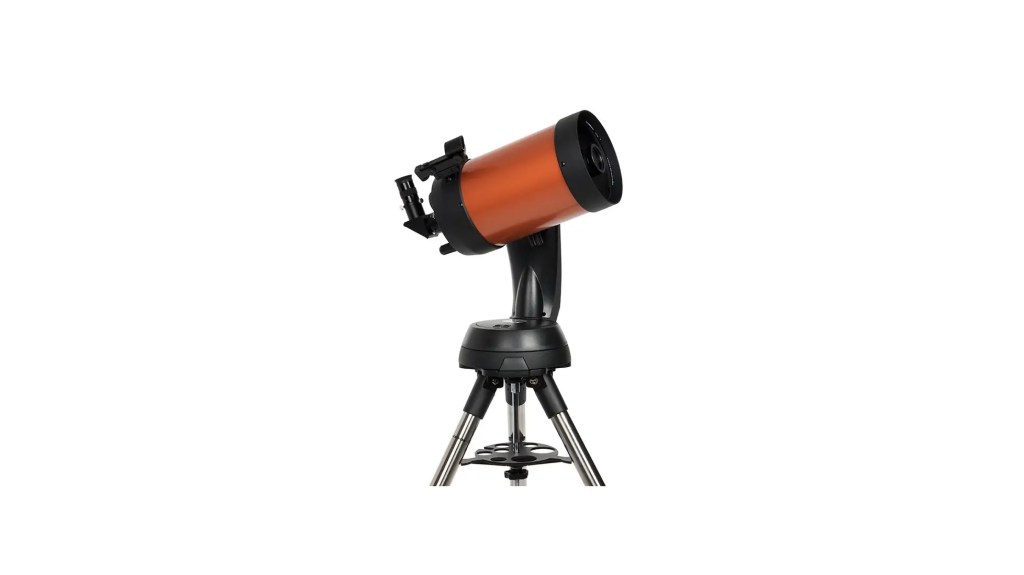
Celestron NexStar 6SE:

  • Celestron NexStar 6SE: Computerized telescope with GoTo technology (~$1,000).
  • Sky-Watcher Heritage 130P: Portable Dobsonian telescope (~$220).
  • Orion StarBlast 4.5 Astro Reflector Telescope: For moon and planetary viewing (~$270).

App

Technology can enhance your stargazing experience.
Popular apps:

  • Stellarium Mobile Plus: Realistic star map (~$15).
  • SkySafari 7 Pro: Celestial tracking and telescope integration (~$20–$50).
  • Night Sky: AR stargazing and event notifications (free, premium available).

Stargazing Tips for Families

Stargazing with your family is a wonderful way to bond and inspire curiosity about the universe. Here are some tips to make your nights magical:

  1. Make It a Treasure Hunt:
    Use star maps or apps to find constellations like Orion, Leo, or Ursa Major. Turn spotting meteors or planets into a friendly competition.
  2. Tell Stories and Myths:
    Share legends about the constellations or let kids create their own stories about celestial objects.
  3. DIY Projects:
  • Create glow-in-the-dark constellation maps or simple star wheels.
  • Make “Moon Rocks” or “Galaxy Cupcakes” for themed stargazing snacks.
  1. Capture the Memories:
  • Keep a stargazing journal with drawings and notes.
  • Take photos of celestial events with a smartphone or camera.
  1. Respect Nature:
    Encourage kids to protect the environment by using eco-friendly tools and learning about light pollution.

Conclusion

May 2025 is a month of celestial wonders, filled with opportunities to connect with the universe and create unforgettable memories. From dazzling meteor showers to rare planetary alignments, the night sky invites you to explore its mysteries. With the right tools, timing, and family-friendly tips, you can turn every stargazing session into an adventure.

So grab your binoculars, download a star-map app, and head outside—because the cosmos is waiting to be discovered!


References

  1. NASA for Kids (2025). Fun Stargazing Activities.
    Website: https://climatekids.nasa.gov
  2. National Park Service (2025). Dark Sky Preservation.
    Website: https://www.nps.gov
  3. Stellarium (2025). Stellarium Mobile Plus Features.
    Website: https://stellarium-mobile.org
  4. SkySafari (2025). SkySafari 7 Pro Overview.
    Website: https://skysafariastronomy.com
  5. Celestron (2025). Official Telescope and Binoculars Catalog.
    Website: https://www.celestron.com
  6. Sky-Watcher (2025). Telescopes for Beginners.
    Website: https://skywatcher.com
  7. Orion Telescopes & Binoculars (2025). Beginner Stargazing Tips for Families.
    Website: https://www.telescope.com
  8. International Meteor Organization (2025). Eta Aquariids Meteor Shower Details.
    Website: https://www.imo.net


Space Mysteries: Exploring the Unknown Universe

The universe is a vast and fascinating place filled with mysteries that have captivated humans for centuries. From enigmatic black holes to the possibility of alien life, space holds secrets that challenge our understanding of science and inspire curiosity in people of all ages. In this family-friendly article, we’ll explore some of the most intriguing space mysteries, explain them in simple terms, and discuss what scientists are doing to uncover their secrets.


1. What Are Black Holes?

Black holes are among the most mysterious objects in the universe. They form when massive stars collapse under their own gravity, creating a region where gravity is so strong that nothing—not even light—can escape.

Scientists have discovered different types of black holes:

  • Stellar black holes form from dying stars.
  • Supermassive black holes sit at the centers of galaxies, including our Milky Way.
  • Intermediate black holes are a rare type that falls between the other two categories.

One of the biggest mysteries about black holes is what happens inside them. The center of a black hole, called the singularity, is a point where gravity becomes infinite and space-time breaks down. Scientists use mathematical models to study these regions, but no one knows for sure what lies beyond the event horizon—the boundary around a black hole where escape becomes impossible[^1].


2. Are We Alone in the Universe?

The question of whether life exists beyond Earth is one of humanity’s greatest mysteries. Scientists search for alien life by studying planets outside our solar system, known as exoplanets.

To find habitable worlds, researchers look for planets in the “Goldilocks zone”—a region around a star where conditions are just right for liquid water to exist. NASA’s Kepler Space Telescope and its successor, the James Webb Space Telescope, have identified thousands of exoplanets[^2].

One intriguing candidate is Proxima Centauri b, an Earth-sized planet orbiting our closest neighboring star. While scientists haven’t found direct evidence of alien life yet, they continue to study atmospheres and chemical compositions to look for signs like oxygen or methane that might indicate biological activity[^3].


3. The Mystery of Dark Matter

When astronomers observe galaxies, they notice something strange: The stars within them move as if there’s far more mass than we can see. This invisible material is called dark matter, and it makes up about 27% of the universe[^4].

Dark matter doesn’t emit light or energy, which means scientists can’t see it directly. Instead, they detect its presence through its gravitational effects on visible objects like stars and galaxies.

Despite decades of research, scientists still don’t know what dark matter is made of. Some theories suggest it could be composed of exotic particles that interact weakly with ordinary matter[^5]. Experiments like CERN’s Large Hadron Collider aim to uncover its secrets by studying particle collisions at high energies.


4. What Are Fast Radio Bursts?

Fast Radio Bursts (FRBs) are mysterious flashes of radio waves coming from deep space. These bursts last only milliseconds but release as much energy as the Sun does in an entire day[^6].

FRBs were first discovered in 2007, and since then, astronomers have detected hundreds more using radio telescopes like Canada’s CHIME Observatory. Some FRBs seem to repeat from the same location, while others occur only once[^7].

What causes FRBs? Scientists think they might be produced by neutron stars (the dense remnants of supernova explosions), but other theories suggest exotic phenomena like magnetars or even advanced alien civilizations[^8].


5. The Enigma of Time Travel

Time travel has fascinated humans for centuries and often appears in science fiction stories. But is it possible according to science?

Einstein’s theory of relativity suggests that time isn’t fixed—it can stretch or compress depending on how fast you’re moving or how close you are to a massive object like a black hole[^9]. This means traveling into the future is theoretically possible if you move at near-light speeds or experience intense gravitational fields.

However, traveling into the past presents paradoxes (like changing events before they happen) that make it much harder to explain scientifically. While time travel remains a mystery, it continues to inspire both scientists and storytellers alike!


6. Why Do Galaxies Collide?

Galaxies are enormous collections of stars, gas, and dust held together by gravity—but they don’t stay still! Over billions of years, galaxies can collide and merge into larger structures[^10].

One famous example is the Andromeda Galaxy, which is on a collision course with our Milky Way Galaxy. In about 4 billion years, these two galaxies will merge into one giant galaxy called “Milkomeda”[^11].

Galactic collisions might seem chaotic, but they rarely result in star collisions because stars are so far apart relative to their sizes. Instead, these events create new star-forming regions and reshape galaxies’ appearances over time[^12].


7. The Mystery of Cosmic Inflation

The Big Bang theory explains how the universe began about 13.8 billion years ago—but scientists believe something extraordinary happened just moments after: cosmic inflation. During this period, the universe expanded faster than the speed of light[^13].

Why did inflation occur? Scientists don’t fully understand what caused this rapid expansion or why it stopped after such a short time (less than a trillionth of a second). Studying cosmic microwave background radiation—the faint glow left over from the Big Bang—helps researchers learn more about inflation’s effects on today’s universe[^14].


Fun Activities for Families

Want to explore space mysteries at home? Here are some engaging activities:

  1. Black Hole Simulation: Use marbles and bowls to simulate how objects fall into a black hole’s gravity well!
  2. Alien Planet Design: Create your own exoplanet with features like oceans or diamond rain (inspired by real discoveries).
  3. Dark Matter Hunt: Use flashlights and shadows to explain how invisible forces affect visible objects!
  4. Time Travel Debate: Discuss whether you’d rather visit the future or change history—and why!

Conclusion

Space mysteries remind us how vast and complex our universe truly is—and how much more we have yet to discover! Whether it’s black holes swallowing light or galaxies colliding over billions of years, each mystery challenges us to think bigger and ask deeper questions about existence itself.

As scientists continue exploring these phenomena with cutting-edge technology like telescopes and particle accelerators, we gain new insights into our cosmic origins—and perhaps even clues about our future among the stars! So grab your telescope or stargazing app tonight—you never know what wonders await just beyond Earth’s atmosphere!


References & Footnotes

[^1]: NASA Goddard Space Flight Center (2025). “Black Holes Explained.” https://www.nasa.gov/blackholes
[^2]: Kepler Mission Team (2025). “Exoplanet Discoveries.” https://kepler.nasa.gov/discoveries/
[^3]: James Webb Space Telescope Team (2025). “Proxima Centauri b Observations.” https://jwst.nasa.gov/observations/
[^4]: European Space Agency (2025). “Understanding Dark Matter.” https://www.darkmatter.eu/
[^5]: CERN (2025). “Particle Physics Experiments.” https://home.cern/science/darkmatterresearch
[^6]: CHIME Observatory (2025). “Fast Radio Burst Catalog.” https://chimeobservatory.org/frbs/
[^7]: Nature Astronomy Journal (2025). “Repeating FRBs.” https://nature.com/articles/frbs-repeating-patterns
[^8]: Harvard-Smithsonian Center for Astrophysics (2025). “FRB Origins.” https://cfa.harvard.edu/frb-research/
[^9]: Einstein Relativity Institute (2025). “Time Travel Possibilities.” https://einsteinrelativity.org/timetravel/
[^10]: Hubble Space Telescope Team (2025). “Galactic Collisions.” https://hubblesite.org/galaxies-colliding/
[^11]: NASA Science News (2025). “Milky Way-Andromeda Collision Course.” https://science.nasa.gov/milkomeda-future-galaxy/
[^12]: Space.com (2025). “Star Formation During Collisions.” https://space.com/star-formation-collisions/
[^13]: Planck Satellite Mission Team (2025). “Cosmic Inflation Studies.” https://planckmission.org/inflation-data/
[^14]: Astrophysical Journal Letters (2025). “Microwave Background Radiation Insights.” https://astrophysicaljournal.org/cosmic-background-radiation/


Exploring the April 2025 Night Sky: A Family-Friendly Guide

As spring fully blossoms in the Northern Hemisphere, April 2025 brings longer days and milder nights, perfect for family stargazing adventures. This month offers a variety of celestial treats, from planets to meteor showers, making it an excellent time to explore the wonders of the night sky. Let’s embark on a cosmic journey through the April 2025 night sky!

Planets on Parade

Earth and solar system planets, sun and star. Sun, Mercury, Venus, Earth, Mars, Jupiter, Saturn, Uranus, Neptune, Pluto. Sci-fi background. Elements of this image furnished by NASA. ______ Url(s):

April 2025 presents several opportunities to observe planets in our solar system. Here’s what to look for:

Venus: The “Evening Star” continues to dazzle in the western sky after sunset. Its brightness makes it easy to spot, even in areas with some light pollution. Challenge your family to see who can spot Venus first as twilight fades!

Mars: The Red Planet will be visible in the constellation Gemini. Its distinct reddish hue makes it stand out among the stars. With a small telescope, you might catch a glimpse of its polar ice caps or dark surface features.

Jupiter: The largest planet in our solar system will be visible in the early morning sky. Even with binoculars, you can spot its four largest moons: Io, Europa, Ganymede, and Callisto. Try observing Jupiter over several mornings to see how the positions of these moons change.

Saturn: The ringed planet rises in the early morning hours. While you’ll need a telescope to see the rings clearly, even small instruments can reveal this breathtaking sight.

Uranus and Neptune: These distant ice giants are challenging to spot without a telescope and will be close to the Sun this month, making observation difficult.

The Moon’s Journey

Our celestial neighbor, the Moon, goes through its phases this month:

April 1: Last Quarter Moon
April 8: New Moon
April 15: First Quarter Moon
April 23: Full Moon (Pink Moon)
April 30: Last Quarter Moon

The Full Moon on April 23 is traditionally known as the Pink Moon, named after the pink flowers (wild ground phlox) that bloom in early spring. This is a great opportunity to observe the Moon’s features with binoculars or a small telescope.

Lyrid Meteor Shower

One of the highlights of April is the Lyrid meteor shower, active from April 16 to April 25, with its peak on the night of April 22-23. The Lyrids typically produce about 10-20 meteors per hour at their peak, but occasionally can surge to rates of 100 per hour.

To observe the Lyrids:

  1. Find a dark location away from city lights.
  2. Allow your eyes at least 30 minutes to adjust to the darkness.
  3. Look towards the constellation Lyra, the radiant point of the shower.
  4. The best viewing time is typically after midnight and before dawn.

Remember, patience is key when watching for meteors. Make it a family event by bringing comfortable chairs, warm blankets, and snacks for a cozy night under the stars.

Constellations of Spring

April offers a mix of winter constellations setting in the west and spring constellations dominating the sky. Here are some to look out for:

Leo: The majestic lion is high in the southern sky. Look for the backwards question mark shape (the Sickle) that forms the lion’s head and mane, with the bright star Regulus at the bottom.

Ursa Major: The Great Bear, which contains the famous Big Dipper asterism, is high overhead. Use the two stars at the front of the Dipper’s bowl to point to Polaris, the North Star.

Boötes: This kite-shaped constellation rises in the east, led by its bright star Arcturus. To find Arcturus, follow the arc of the Big Dipper’s handle.

Virgo: This large constellation is visible in the southeast, marked by its brightest star, Spica.

Corvus: Look for this small but distinctive constellation, shaped like a trapezoid, to the southwest of Spica.

Deep Sky Wonders

For those with binoculars or small telescopes, April offers some beautiful deep sky objects to observe:

The Beehive Cluster (M44): This open star cluster in Cancer is a beautiful sight through binoculars.

The Leo Triplet: A group of three galaxies (M65, M66, and NGC 3628) visible in the constellation Leo with a small telescope.

The Whirlpool Galaxy (M51): This face-on spiral galaxy near the handle of the Big Dipper is a favorite target for amateur astronomers.

The Leo Triplet, with M65 (right top), M66 (right bottom) and
NGC 3628 (left). North is to the left.

Family-Friendly Stargazing Activities

  1. Moon Journal: Throughout the month, observe and sketch the Moon’s changing phases. This is a great way to understand lunar cycles and improve observational skills.
  2. Planet Scavenger Hunt: Create a checklist of visible planets and see who in the family can spot them all first.
  3. Constellation Storytelling: Learn the myths associated with the constellations and create your own stories about the shapes you see in the sky.
  4. Meteor Shower Watch Party: Plan a family outing to watch the Lyrid meteor shower. Bring comfortable chairs, blankets, and snacks for a memorable night under the stars.
  5. Astrophotography: Try capturing the night sky with a smartphone or camera. The Moon, bright planets, and star trails make great subjects for beginners.

For ALL your Astronomy Needs please go to EXPLORE SCIENTIFIC and OPTICS PLANET. Links on the left.

Tips for Successful Stargazing

  1. Choose the right location: Find a spot away from city lights for the best views.
  2. Allow time for dark adaptation: Give your eyes at least 30 minutes to adjust to the darkness.
  3. Use red light: If you need light to read star charts or adjust equipment, use a red flashlight to preserve your night vision.
  4. Dress appropriately: Even spring nights can be chilly, so dress in layers and bring blankets.
  5. Bring the right tools: Binoculars are a great starting point for astronomy. They’re easier to use than telescopes and can show you many celestial wonders.
  6. Use star charts or apps: Sky maps or smartphone apps can help you identify what you’re seeing. Just remember to use night mode on your device to preserve your dark adaptation.

As you explore the April 2025 night sky with your family, remember that stargazing is an activity that rewards patience and persistence. Not every night will be clear, and it takes time to learn your way around the celestial sphere. But with each stargazing session, you’ll become more familiar with the wonders above us.

Take a moment to reflect on the vastness of space and our place within it. The light from the stars you see has traveled for years, decades, or even centuries to reach your eyes. You’re not just looking at the sky – you’re looking back in time.

Stargazing can be a profound and humbling experience. It reminds us of the beauty and mystery of the universe, and our connection to the cosmos. Every atom in our bodies was once forged in the heart of a star – we are, quite literally, made of stardust.

So step outside, look up, and prepare to be amazed by the celestial wonders of the April 2025 night sky. Happy stargazing!

References:

  1. NASA. (2024). Solar System Exploration. https://solarsystem.nasa.gov/
  2. International Astronomical Union. (2024). Constellations. https://www.iau.org/public/themes/constellations/
  3. American Meteor Society. (2024). Meteor Shower Calendar. https://www.amsmeteors.org/meteor-showers/meteor-shower-calendar/
  4. Sky & Telescope. (2024). This Week’s Sky at a Glance. https://skyandtelescope.org/observing/sky-at-a-glance/
  5. Stellarium Web. (2024). Online Planetarium. https://stellarium-web.org/
  6. EarthSky. (2024). Tonight’s Sky. https://earthsky.org/tonight/
  7. Space.com. (2024). Night Sky, April 2025: What You Can See This Month. https://www.space.com/skywatching
  8. The Old Farmer’s Almanac. (2024). Full Moon Calendar 2025. https://www.almanac.com/astronomy/moon/calendar
  9. National Optical-Infrared Astronomy Research Laboratory. (2024). Astronomical Information. https://noirlab.edu/public/products/astronomical-information/

Answer from Perplexity: https://www.perplexity.ai/search/backyard-astronomy-as-a-beginn-5UrB9jN6TReA1CDQWmJimw?utm_source=copy_output

Identifying Constellations in the March-April 2025 Night Sky: A Family-Friendly Guide for Novices

As spring blossoms in 2025, the night sky offers a wonderful opportunity for families to explore the stars together. Identifying constellations can be a fun and educational activity that sparks curiosity about the universe. Here’s a comprehensive guide to help novice stargazers navigate the March-April 2025 night sky.

Getting Started

Before you begin your constellation adventure, there are a few things you’ll need:

  1. A clear night sky: Choose an evening with minimal cloud cover.
  2. A dark location: Get away from city lights if possible.
  3. A star chart or smartphone app: These will help you identify what you’re seeing.
  4. A red flashlight: This preserves your night vision while allowing you to read your star chart.
  5. Comfortable seating: Lawn chairs or blankets make for a cozy stargazing experience.
  6. Patience and enthusiasm: Learning the night sky takes time, but it’s a rewarding journey!

Preparing for Your Stargazing Session

Before heading out, spend some time familiarizing yourself with the major constellations visible in spring. Use your star chart or app to get an idea of what patterns to look for. Remember, the sky appears to rotate throughout the night, so constellations will seem to move from east to west.

Allow your eyes at least 20-30 minutes to adjust to the darkness. During this time, avoid looking at bright lights or smartphone screens (unless they’re in night mode).

Starting with the Big Dipper

One of the easiest and most recognizable patterns in the night sky is the Big Dipper. It’s not actually a constellation, but part of Ursa Major (the Great Bear). In March and April, the Big Dipper is high in the northern sky, appearing to stand on its handle.

To find it, face north and look high up. You should see a pattern that looks like a large ladle or saucepan with a long handle. Once you’ve found the Big Dipper, you can use it to locate other constellations.

Finding the North Star and Little Dipper

The two stars at the front of the Big Dipper’s bowl (farthest from the handle) are called the “pointer stars.” If you draw an imaginary line through these stars and extend it about five times the distance between them, you’ll reach Polaris, the North Star.

Polaris is the last star in the handle of the Little Dipper (part of Ursa Minor, the Little Bear). The Little Dipper is fainter and can be harder to spot, but finding Polaris first makes it easier.

Locating Leo the Lion

In March and April, Leo the Lion is prominent in the southern sky. To find Leo, look for a backwards question mark shape (called the Sickle) with a bright star at the bottom. This star, Regulus, forms the heart of the lion. To the east of the Sickle, you’ll see a triangle shape forming the lion’s hindquarters.

Spotting Boötes the Herdsman

To find Boötes, use the handle of the Big Dipper. Follow the curve of the handle away from the bowl, and you’ll “arc to Arcturus,” the brightest star in Boötes. Arcturus is an orange giant star and one of the brightest stars in the night sky.

Boötes looks like a kite or ice cream cone shape, with Arcturus at the bottom.

Identifying Virgo the Maiden

Virgo is a large but relatively faint constellation. Its brightest star, Spica, is easy to find if you continue the arc from the Big Dipper’s handle through Arcturus and keep going. “Arc to Arcturus, then spike to Spica” is a helpful memory aid.

The rest of Virgo spreads out to the north and west of Spica, but its stars are fainter and can be challenging to see from light-polluted areas.

Finding the Spring Triangle

The Spring Triangle is an asterism (a recognizable pattern of stars) formed by three bright stars from different constellations:

  1. Arcturus in Boötes
  2. Spica in Virgo
  3. Regulus in Leo

Locating these three stars can help you orient yourself in the spring night sky.

Spotting Corvus the Crow

Near Virgo, you can find the small but distinctive constellation Corvus the Crow. It looks like a small, slightly lopsided square or diamond shape. Look for it to the southwest of Spica.

Identifying Hydra the Water Snake

Hydra is the largest constellation in the sky, stretching across a significant portion of the spring night sky. Its head is a small circle of stars located between Cancer and Leo. The rest of its body winds southward and eastward below Leo, Virgo, and Libra.

Fun Activities for Families

  1. Constellation Story Time: Learn the myths associated with each constellation and share these stories while stargazing. Encourage family members to create their own stories about the shapes they see.
  2. Star Hop Challenge: Create a “star hopping” game where family members take turns guiding others from one constellation to another using nearby stars as reference points.
  3. Constellation Drawing: Bring sketchpads and pencils to draw the constellations as you see them. Compare your drawings to official star charts.
  4. Seasonal Constellation Comparison: If you’ve observed the sky in winter, discuss how the visible constellations have changed with the season.
  5. Mythology Mix-up: Invent new stories that combine characters from different constellation myths.

Tips for Success

  1. Start with the brightest stars and most recognizable patterns, then work your way to fainter stars and constellations.
  2. Use your hands to measure distances in the sky. Your fist held at arm’s length covers about 10 degrees of sky.
  3. Don’t get discouraged if you can’t identify everything at once. Learning the night sky is a gradual process.
  4. Make stargazing a regular family activity. The more often you observe, the more familiar the patterns will become.
  5. Consider joining a local astronomy club for guided stargazing sessions and access to telescopes.

Remember, the joy of stargazing comes not just from identifying constellations, but from sharing the experience with loved ones and marveling at the vastness of the universe. Each time you look up, you’re likely to notice something new or see a familiar pattern in a different way.

As you explore the March-April 2025 night sky with your family, you’re participating in an activity that has fascinated humans for thousands of years. From ancient navigators to modern astronomers, people have always looked to the stars for guidance, inspiration, and a sense of our place in the cosmos.

So bundle up, head outside, and prepare to be amazed by the celestial wonders above. Happy stargazing!

Resources:

  1. Stellarium (https://stellarium.org/): A free, open-source planetarium software that allows you to see a realistic 3D sky on your computer.
  2. Sky Map (https://play.google.com/store/apps/details?id=com.google.android.stardroid): A free Android app that helps you identify stars, planets, and constellations.
  3. Star Walk 2 (https://starwalk.space/en): A paid app available for iOS and Android that offers an augmented reality star-gazing experience.
  4. NASA’s Night Sky Network (https://nightsky.jpl.nasa.gov/): Provides information about astronomy events and local astronomy clubs.
  5. International Dark-Sky Association (https://www.darksky.org/): Offers resources on light pollution and how to find dark sky locations.
  6. Astronomical Society of the Pacific (https://astrosociety.org/): Provides educational resources and activities for astronomy enthusiasts.
  7. EarthSky (https://earthsky.org/): Offers daily updates on what’s visible in the night sky.
  8. Space.com’s Night Sky (https://www.space.com/skywatching): Provides regular updates on celestial events and what to look for in the night sky.

These resources can help enhance your stargazing experience and provide additional information as you explore the wonders of the night sky.

Exploring the February 2025 Night Sky: A Family-Friendly Guide

February 2025 offers an exciting array of celestial events for families to enjoy together. As the winter chill lingers, the night sky presents a perfect opportunity for stargazing adventures. Let’s explore what the February 2025 night sky has in store for us!

The Planet Parade Continues

One of the month’s highlights is the continuation of the planet parade from late January. This spectacular alignment of planets provides an excellent chance for families to explore our solar system neighbors.

Venus and the Moon – February 1

Start your month with a beautiful pairing of Venus and the crescent Moon. Look to the southwestern sky after sunset to spot this dazzling duo. Venus will appear as an extremely bright “star” near the delicate crescent Moon.

Observing tip: This is an excellent opportunity for astrophotography beginners. Try capturing the scene with a smartphone camera or a DSLR on a tripod.

Moon near Uranus – February 5

On February 5, the Moon will pass close to Uranus. While Uranus itself is too faint to see with the naked eye, you can use the Moon as a guide to locate its position.

Observing tip: You’ll need a telescope to spot Uranus. Look for a tiny, blue-green disk near the Moon.

Moon and Jupiter – February 6

Jupiter, the largest planet in our solar system, will have its turn with the Moon on February 6. Look for the bright planet near the Moon in the evening sky.

Observing tip: With binoculars or a small telescope, you might be able to spot Jupiter’s four largest moons as tiny “stars” around the planet.

Moon near Mars – February 9

The Moon’s planetary tour continues with a close approach to Mars on February 9. Look for the reddish planet near the Moon in the night sky.

Observing tip: Mars’ distinctive reddish color should be visible to the naked eye. A telescope might reveal some of the planet’s surface features.

Venus at Peak Brightness – February 16

Mark your calendars for February 16, when Venus reaches its peak brightness for 2025. On this night, Venus will shine at an impressive magnitude of -4.9, making it the brightest object in the night sky after the Moon.

Observing tip: This is a great opportunity to show young stargazers how bright a planet can appear. Challenge them to spot Venus before any stars become visible after sunset.

Full Snow Moon – February 12

The Full Moon of February, traditionally known as the Snow Moon, will illuminate the night sky on February 12. This is an excellent opportunity for moon-watching and lunar photography.

Observing tip: Try observing the Moon with binoculars or a small telescope. Even low magnification will reveal craters, mountains, and dark “seas” on the lunar surface.

Alpha Centaurids Meteor Shower – February 8 and 9

While not one of the year’s most spectacular meteor showers, the Alpha Centaurids can still provide an enjoyable viewing experience. The shower peaks on the nights of February 8 and 9.

Observing tip: Find a dark location away from city lights. Look towards the constellation Centaurus in the southern sky. Remember, patience is key when watching for meteors!

Seven-Planet Alignment – February 28

The month concludes with a rare treat – all seven planets visible in the night sky simultaneously on February 28. While not all will be easily visible to the naked eye, this alignment offers a unique opportunity to explore our solar system neighbors.

Observing tip: Start with the easily visible planets like Venus and Jupiter, then use binoculars or a telescope to locate the fainter ones. A star chart or astronomy app can be helpful for identifying each planet.

Constellations of February

February’s long nights provide excellent opportunities to explore winter constellations. Here are a few to look out for:

  1. Orion: This prominent constellation is easy to spot with its distinctive “belt” of three stars. Look for the Orion Nebula below the belt – it’s visible as a fuzzy patch even to the naked eye.
  2. Taurus: Find the V-shaped face of the bull, marked by the bright orange star Aldebaran. The beautiful Pleiades star cluster is also part of this constellation.
  3. Gemini: Look for the twin stars Castor and Pollux marking the heads of the twins.
  4. Canis Major: Home to Sirius, the brightest star in the night sky, this constellation represents Orion’s larger hunting dog.

Family-Friendly Stargazing Activities

  1. Moon Journal: Throughout the month, observe and sketch the Moon’s changing phases. This is a great way to understand lunar cycles.
  2. Planet Scavenger Hunt: Use the planet parade as an opportunity to locate and identify different planets. Make it a friendly competition to see who can spot the most!
  3. Constellation Storytelling: Learn the myths associated with the winter constellations and share these stories while stargazing.
  4. Star Party: Host a family gathering for stargazing. Bring hot cocoa, blankets, and snacks for a cozy night under the stars.
  5. Astrophotography: Try capturing the night sky with a smartphone or camera. The Moon and bright planets make great subjects for beginners.

Tips for Successful Stargazing

  1. Choose the right location: Find a spot away from city lights for the best views.
  2. Allow time for dark adaptation: Give your eyes at least 30 minutes to adjust to the darkness.
  3. Use red light: If you need light to read star charts or adjust equipment, use a red flashlight to preserve your night vision.
  4. Dress warmly: February nights can be cold, so dress in layers and bring blankets.
  5. Bring the right tools: Binoculars are a great starting point for astronomy. They’re easier to use than telescopes and can show you many celestial wonders.
  6. Use star charts or apps: Sky maps or smartphone apps can help you identify what you’re seeing. Just remember to use night mode on your device to preserve your dark adaptation.

Remember, patience and persistence are key when exploring the night sky. Not every night will be clear, and it takes time to learn your way around the celestial sphere. But with each stargazing session, you’ll become more familiar with the wonders above us.

As you gaze up at the February sky, take a moment to reflect on the vastness of space and our place within it. The light from the stars you see has traveled for years, decades, or even centuries to reach your eyes. You’re not just looking at the sky – you’re looking back in time.

So bundle up, step outside, and look up. The February 2025 night sky is waiting to be explored, full of wonders both familiar and new. Whether you’re using your naked eyes, binoculars, or a telescope, there’s something for everyone to discover. Happy stargazing!

Citations:
[1] https://www.popsci.com/science/stargazing-guide-february-2025/
[2] https://starwalk.space/en/news/night-sky-tonight-february
[3] https://hudsonriverpark.org/visit/events/event/kids-week-at-the-intrepid-museum-february-24-2024/
[4] https://intrepidmuseum.org/kids-week
[5] http://www.seasky.org/astronomy/astronomy-calendar-current.html
[6] https://skyandtelescope.org/astronomy-resources/stargazing-basics/family-projects-and-experiments/
[7] https://www.instagram.com/starwalkapp/reel/DFeUisfoqX6/
[8] https://intrepidmuseum.org/kids-week-february-15-22-2025
[9] https://in-the-sky.org/newscal.php?year=2025&month=2
[10] https://science.nasa.gov/for-everyone/february-2025/


Answer from Perplexity: https://www.perplexity.ai/search/backyard-astronomy-as-a-beginn-5UrB9jN6TReA1CDQWmJimw?utm_source=copy_output

Exploring the November Night Sky: A Celestial Odyssey for the Whole Family

As the crisp autumn air settles in, November 2024 offers a spectacular array of celestial events for backyard astronomers of all levels. This guide will help novice stargazers navigate the night sky, highlighting key events and providing tips for optimal viewing. Remember, patience and persistence are key when exploring the cosmos.

Preparing for Your Stargazing Sessions:

  1. Choose a dark location away from city lights.
  2. Allow your eyes to adjust to the darkness for about 30 minutes.
  3. Use red light to preserve night vision when reading charts or adjusting equipment.
  4. Dress warmly, as November nights can be cold.
  5. Bring star charts, a compass, and a planisphere to help locate objects.

Now, let’s explore the celestial highlights for November 2024:

  1. New Moon – November 1

The month begins with a New Moon on November 1 at 4:49 am Alaska time. This is an excellent opportunity for deep-sky observation, as the absence of moonlight allows for optimal viewing of faint objects like galaxies and star clusters[4].

Tip for Novices: Use this dark night to familiarize yourself with constellations. Start with easily recognizable patterns like the Big Dipper or Orion, then use these as guideposts to explore further.

  1. Taurid Meteor Shower – Peak on November 4-5

The Taurids meteor shower, while minor, offers an interesting viewing opportunity. This long-running shower produces about 5-10 meteors per hour and consists of two separate streams[4].

Observing Tips:

  • Best viewing will be just after midnight from a dark location.
  • Look towards the constellation Taurus, but remember meteors can appear anywhere in the sky.
  • Be patient, as this is not a prolific shower.
  1. Jupiter at Opposition – November 7

Jupiter reaches opposition on November 7, making it an excellent time to observe the gas giant. The planet will be at its closest approach to Earth and fully illuminated by the Sun[2].

Observing Tips:

  • Look for Jupiter as a bright, non-twinkling “star” in the eastern sky after sunset.
  • With binoculars or a small telescope, you may be able to see Jupiter’s four largest moons.
  • A medium-sized telescope might reveal Jupiter’s cloud bands.
  1. Uranus at Opposition – November 17

Uranus reaches opposition on November 17, offering a rare opportunity to observe this distant ice giant[2].

Observing Tips:

  • Uranus is barely visible to the naked eye under perfect conditions. Binoculars or a small telescope are recommended.
  • Look for a tiny, blue-green disk in the constellation Aries.
  • Use a star chart or astronomy app to help locate Uranus, as it’s not easily distinguishable from stars.
  1. Full Moon (Beaver Moon) and Supermoon – November 15

The Full Moon on November 15 is known as the Beaver Moon, Frosty Moon, or Dark Moon. It’s also the last of three supermoons for 2024, appearing slightly larger and brighter than usual[4].

Observing Tips:

  • The Full Moon rises around sunset and sets around sunrise.
  • Use binoculars or a small telescope to observe lunar features, especially along the terminator (the line between light and dark).
  • Try to spot the “Moon illusion” when it’s near the horizon, appearing larger due to an optical illusion.
  1. Leonid Meteor Shower – Peak on November 17-18

The Leonids meteor shower, while not as spectacular as some years, can still provide an enjoyable viewing experience. It typically produces up to 15 meteors per hour at its peak[2].

Observing Tips:

  • The shower peaks on the night of November 17 and early morning of November 18.
  • Look towards the constellation Leo, but remember meteors can appear anywhere in the sky.
  • The best viewing is usually after midnight and before dawn.
  1. Mercury at Greatest Eastern Elongation – November 16

Mercury reaches its greatest eastern elongation on November 16, making it visible in the evening sky just after sunset[4].

Observing Tips:

  • Look for Mercury low in the southwestern sky shortly after sunset.
  • Use binoculars to help spot this elusive planet, as it’s often difficult to see with the naked eye.
  • Don’t confuse Mercury with brighter Venus, which will be higher in the sky.

Check out these Beginner Telescopes

Constellation Highlights for November:

  1. Cassiopeia: This W-shaped constellation is high in the northeast.
    Tip: Use Cassiopeia to find the Andromeda Galaxy (M31), our nearest large galactic neighbor.
  2. Perseus: Look for this constellation below Cassiopeia.
    Tip: Try to spot the Perseus Double Cluster with binoculars or a small telescope.
  3. Taurus: The V-shaped face of the bull is prominent in the eastern sky.
    Tip: Observe
  4. the Pleiades star cluster (M45) within Taurus, visible to the naked eye but stunning through binoculars.
  5. Orion: Rising in the east later in the evening, Orion is one of the most recognizable winter constellations.
    Tip: Use Orion’s Belt to find the Orion Nebula (M42), visible as a fuzzy patch below the belt.

Additional Tips for Novice Backyard Astronomers:

  1. Start with Naked-Eye Observing: Begin by identifying bright stars and constellations before moving on to binoculars or telescopes. This will help you learn to navigate the night sky.
  2. Use Star Charts or Apps: Familiarize yourself with the night sky using star charts or smartphone apps like Stellarium or Sky Map. These can help you identify objects and plan your observing sessions.
  3. Join an Astronomy Club: Local astronomy clubs often host star parties and can provide valuable guidance for beginners. They’re also a great way to meet fellow enthusiasts and learn from more experienced observers.
  4. Keep a Log: Record your observations, including date, time, and sky conditions. This can help you track your progress and remember what you’ve seen.
  5. Be Patient: Astronomical observing requires patience. Take your time and don’t rush from object to object. Allow your eyes to adjust and really soak in the views.
  6. Experiment with Astrophotography: Try capturing the night sky with your smartphone or camera. The Moon and bright planets can make great subjects for beginner astrophotographers.
  7. Learn to Star-Hop: Practice finding objects by using bright stars as guideposts. This skill will serve you well as you progress in your astronomical journey.
  8. Understand Light Pollution: Be aware of how light pollution affects your observations. Even in cities, you can often find darker areas in parks or on the outskirts of town.
  9. Maintain Your Equipment: Keep your optics clean and properly aligned. Learn basic maintenance for your binoculars or telescope to ensure the best views.
  10. Stay Safe and Comfortable: Always let someone know where you’re going if observing alone. Bring snacks, water, and extra layers to stay comfortable during long observing sessions.

Conclusion:

November 2024 offers a wealth of celestial wonders for backyard astronomers to explore. From the Taurid and Leonid meteor showers to the oppositions of Jupiter and Uranus, there’s something for everyone to enjoy in the night sky this month. The New Moon at the beginning of the month provides an excellent opportunity for deep-sky observing, while the Full Supermoon mid-month offers its own unique charm.

As you embark on your astronomical journey, remember that every night under the stars is an opportunity to learn and grow. Don’t be discouraged if you can’t immediately find or identify everything – astronomy is a lifelong pursuit, and there’s always something new to discover.

Take time to appreciate the vastness of the universe and our place within it. Stargazing not only offers a chance to learn about astronomy but also provides a unique perspective on our world and our place in the cosmos. It’s a hobby that can inspire wonder, foster curiosity, and provide a sense of connection to the universe around us.

So bundle up, grab your binoculars or telescope, and head outside to experience the magic of the November night sky. Who knows? You might just inspire the next generation of astronomers, astrophysicists, or space explorers. Happy stargazing!

Citations:
[1] https://spacetourismguide.com/november-night-sky/
[2] https://www.mestarocks.org/Celestial-Events-2024
[3] https://www.timeanddate.com/astronomy/sights-to-see.html
[4] https://www.uaf.edu/museum/education/educators/heliophysics-aurora-outre/astronomy-calendar/
[5] http://www.seasky.org/astronomy/astronomy-calendar-2024.html
[6] https://www.space.com/16149-night-sky.html
[7] https://getthekidsoutside.com/celestial-events-in-2024/
[8] https://earthsky.org/astronomy-essentials/visible-planets-tonight-mars-jupiter-venus-saturn-mercury/

Tips for the Backyard Astronomer: Exploring the August Night Sky

As summer nights grow longer and the air becomes cooler, August offers an excellent opportunity for families to explore the wonders of the night sky from the comfort of their own backyard. Whether you’re a novice stargazer or an experienced astronomer, the celestial events and constellations visible during this month provide a captivating experience for all. This family-friendly guide will help you and your loved ones navigate the August night sky, ensuring a memorable and educational stargazing adventure.

Preparing for Your Stargazing Adventure

Before you head out to explore the night sky, it’s essential to prepare adequately to ensure a comfortable and enjoyable experience:

  1. Choose a Dark Location: Find a spot away from city lights for the best viewing experience. A local park, a rural area, or even your backyard can work well if it’s sufficiently dark.
  2. Allow Your Eyes to Adjust: Give your eyes about 20-30 minutes to adapt to the darkness. This will significantly improve your ability to see fainter celestial objects.
  3. Bring the Right Equipment: While many objects can be seen with the naked eye, a pair of binoculars can greatly enhance your viewing experience. A star chart or a smartphone app can also be helpful for identifying celestial objects.
  4. Dress Appropriately: Even in August, nights can get chilly. Bring warm clothes and blankets for comfort during extended viewing sessions.
  5. Pack Snacks and Drinks: Stargazing can be a lengthy activity, so bring some treats to keep energy levels up.

Celestial Highlights for August

The Perseid Meteor Shower

One of the most anticipated celestial events of August is the Perseid meteor shower. Known for its bright and numerous meteors, the Perseids peak around August 11-13. During this time, you can expect to see up to 60-70 meteors per hour under ideal conditions. The best time to observe the Perseids is after midnight when the radiant point (the point in the sky from which the meteors appear to originate) in the constellation Perseus is high in the sky.

To maximize your viewing experience, find a dark location with a clear view of the sky, lie back on a blanket or reclining chair, and look towards the northeast. The Perseids are known for their bright, fast-moving meteors, some of which leave persistent trails, making this meteor shower a spectacular event for the whole family.

Planets on Display

August offers excellent opportunities to observe several planets:

  1. Venus: The “Evening Star” shines brilliantly in the western sky after sunset. It’s the brightest object in the night sky after the Moon, making it easy for even the youngest stargazers to spot.
  2. Mars: The Red Planet can be seen in the western sky during the early evening hours. Its distinct reddish hue makes it stand out among the stars.
  3. Jupiter: Rising in the east during the late evening, Jupiter is a spectacular sight. With binoculars, you might even be able to spot its four largest moons.
  4. Saturn: The ringed planet rises in the southeast as darkness falls. While its rings aren’t visible without a telescope, its golden hue is distinctive.

The Summer Triangle

One of the most prominent features of the August night sky is the Summer Triangle. This asterism (a pattern of stars that is not an official constellation) is formed by three bright stars:

  1. Vega in the constellation Lyra (the Harp)
  2. Deneb in Cygnus (the Swan)
  3. Altair in Aquila (the Eagle)

Challenge your family to spot this large triangle high in the eastern sky. It’s a great starting point for learning to navigate the night sky.

The Milky Way

August provides an excellent opportunity to view our home galaxy, the Milky Way. On a clear, moonless night in a dark location, look for a faint, cloudy band stretching across the sky from the southern to the northern horizon. This is the combined light of billions of stars in our galaxy’s disk. Viewing the Milky Way can be a truly awe-inspiring experience for stargazers of all ages.

Constellations to Spot

August’s night sky features several prominent constellations:

  1. Scorpius (the Scorpion): Look for this distinctive constellation low in the southern sky. Its bright red star, Antares, marks the scorpion’s heart.
  2. Sagittarius (the Archer): Just east of Scorpius, Sagittarius is often visualized as a teapot. The center of our galaxy lies in this direction.
  3. Cygnus (the Swan): Also known as the Northern Cross, this constellation flies high overhead, with its bright star Deneb marking the tail.
  4. Ursa Major (the Great Bear): This large constellation, which contains the Big Dipper, is visible year-round in the northern sky.

Fun Activities for Family Stargazing

  1. Constellation Story Time: Many constellations have fascinating myths associated with them. Research these stories beforehand and share them as you identify the constellations in the sky.
  2. Star Hop Challenge: Use bright stars or constellations as starting points to “hop” to other celestial objects. For example, use the Big Dipper to find Polaris, the North Star.
  3. Moon Observation: If the Moon is visible, observe its phases and prominent features like craters and “seas” (large, dark plains).
  4. Satellite Spotting: Try to spot artificial satellites moving across the sky. The International Space Station is particularly bright and can be seen at specific times.
  5. Astrophotography: With today’s smartphone cameras, it’s possible to capture basic images of the Moon and bright planets. This can be a fun way to document your stargazing adventures.

Astronomy Equipment

Tips for a Successful Stargazing Experience

  1. Be Patient: Stargazing requires patience. Take your time, let your eyes adjust, and don’t rush from object to object. The joy of stargazing often comes from the peaceful contemplation of the cosmos and the shared experience with loved ones.
  2. Stay Informed: Keep an eye on astronomy websites and apps for updates on celestial events and optimal viewing times. This will help you plan your stargazing sessions more effectively.
  3. Engage the Kids: Make stargazing a fun and educational experience for children by involving them in the preparation and observation process. Encourage them to ask questions and share their observations.
  4. Stay Comfortable: Bring comfortable seating, such as reclining chairs or blankets, to make your stargazing session more enjoyable. Don’t forget to pack insect repellent if you’re in an area with bugs.
  5. Respect Nature: If you’re stargazing in a natural setting, be mindful of your surroundings. Leave no trace, and respect wildlife and other stargazers.

Educational Resources for Stargazing

To further enhance your family’s stargazing experience, consider utilizing educational resources and guides tailored to celestial observation. Books such as “NightWatch” by Terence Dickinson and “The Backyard Astronomer’s Guide” by Alan Dyer provide invaluable insights and practical advice for exploring the night sky.

Additionally, online tutorials, astronomy vodcasts, and educational videos offer a wealth of information on stargazing techniques, celestial navigation, and the art of observing the night sky. Websites like NASA’s education portal and the Astronomy Picture of the Day (APOD) provide fascinating insights and stunning images that can inspire and educate stargazers of all ages.

Find your Astronomy Equipment HERE

Conclusion

Exploring the August night sky as a family can be an enriching and bonding experience. It offers a unique opportunity to learn about the universe, spark curiosity, and create lasting memories. From the Perseid meteor shower to the planets on display, and the constellation story time to the Milky Way, August presents a celestial treasure trove waiting to be discovered. So this August, take advantage of the warm nights, head outdoors, look up, and embark on your own cosmic adventure. The wonders of the universe await!

Citations:
[1] https://www.atlasobscura.com/articles/stargazing-with-kids
[2] https://wildbloomfamilies.com/star-gazing-with-kids/
[3] https://porch.com/advice/beginners-guide-stargazing-home-children
[4] https://spaceandbeyondbox.com/family-stargazing-with-kids/
[5] https://tinybeans.com/look-up-tips-for-an-awesome-night-of-stargazing/

A Celestial Spectacle: Highlights to be on the Lookout for in the 2024 Night Sky

As we usher in the new year, the night sky promises a stellar show for families and astronomy enthusiasts alike. The celestial tapestry of 2024 unfolds with a myriad of highlights—planetary alignments, meteor showers, and the dance of constellations—that invite us to gaze upward and marvel at the wonders of the universe. In this family-friendly guide, we’ll embark on a journey through the upcoming year, unveiling the astronomical delights that will grace our night sky.

Chapter 1: The Dance of the Planets

1.1 Venus as the Evening Star

In the early months of 2024, Venus takes center stage as the Evening Star. Visible shortly after sunset, Venus gleams brightly in the western sky. Its brilliance and steady presence make it an excellent object for families to observe. Encourage children to spot Venus and witness how its position changes over the weeks.

1.2 Mars and the Red Planet’s Close Encounter

Mars, the Red Planet, makes a notable appearance in the night sky. Keep an eye out for Mars as it gradually becomes more prominent, presenting a reddish glow. In the latter part of the year, Mars and Earth experience a close encounter known as opposition, bringing Mars closer to us and offering optimal viewing opportunities. This celestial event occurs approximately every 26 months, making 2024 an ideal time to observe the Red Planet.

1.3 Jovian Delights: Jupiter and Its Moons

Jupiter, the largest planet in our solar system, graces the night sky throughout 2024. What makes this year special is the opportunity to observe Jupiter and its four largest moons, known as the Galilean moons—Io, Europa, Ganymede, and Callisto. These moons are visible through binoculars or a small telescope, providing a captivating sight for families. Challenge your loved ones to identify and track the changing positions of these celestial companions.

Chapter 2: Meteor Showers Painting the Night Sky

2.1 Lyrid Meteor Shower: April’s Celestial Fireworks

In April, the Lyrid meteor shower treats stargazers to a celestial fireworks display. This annual event is known for its fast and bright meteors, originating from the debris left behind by Comet C/1861 G1 Thatcher. Find a dark spot away from city lights, set up some blankets, and enjoy the Lyrid meteor shower as it peaks in mid-April. Each shooting star carries with it the remnants of a comet’s journey through our solar system.

2.2 Perseids Meteor Shower: August’s Dazzling Show

One of the most anticipated meteor showers of the year, the Perseids, graces the night sky in August. Known for its prolific display, the Perseids are caused by the debris trail left by Comet Swift-Tuttle. This shower is family-friendly, offering a high meteor count and often producing bright fireballs. Make it a summer night tradition to observe the Perseids, lying back on a blanket and counting shooting stars.

Chapter 3: Celestial Alignments and Conjunctions

3.1 Venus and Mercury Embrace

In the early part of the year, Venus and Mercury engage in a celestial dance. Look for these two planets low in the western sky after sunset. Their close proximity creates a captivating sight, especially in February and March. Witnessing planetary alignments provides a unique opportunity to appreciate the orbital dynamics of our solar system.

3.2 Triple Conjunction of Venus, Mars, and Saturn

As 2024 progresses, an exciting triple conjunction occurs involving Venus, Mars, and Saturn. This celestial alignment unfolds in the pre-dawn sky, creating a celestial trio that captivates early risers. The juxtaposition of these planets offers a stunning visual treat and a memorable moment for families to share.

3.3 Jupiter and Saturn’s Continued Dance

Building on the Great Conjunction of 2020, Jupiter and Saturn continue their celestial dance in 2024. While not as close as in the previous conjunction, the ongoing proximity of these gas giants provides a visual spectacle. Observe their changing positions throughout the year, tracing the majestic orbits of these two giant planets.

Chapter 4: Lunar Marvels and Moonlit Nights

4.1 Supermoons: Luna’s Close Encounters

Several supermoons, where the Moon appears larger and brighter due to its closer proximity to Earth, adorn the night sky in 2024. These include the Full Moons of April, May, and June. Supermoons provide an excellent opportunity for families to observe and appreciate the Moon’s beauty, especially when it hangs low on the horizon, creating a mesmerizing illusion.

4.2 Total Lunar Eclipse: May’s Celestial Show

May brings a total lunar eclipse, a celestial phenomenon where the Earth casts its shadow on the Moon, resulting in a captivating red hue. Lunar eclipses are safe to observe with the naked eye, making them family-friendly events. Set up a telescope or simply step outside to witness the Moon’s transformation during this awe-inspiring celestial show.

4.3 Partial Solar Eclipse: A Glimpse of Cosmic Geometry

Later in the year, a partial solar eclipse occurs, treating certain regions to a celestial spectacle where the Moon

partially covers the Sun. While not visible everywhere, families within the eclipse path can safely observe this cosmic ballet. Remember to use proper solar viewing techniques to protect your eyes during solar events.

Chapter 5: Stargazing Tips for Families

5.1 Celestial Calendar for Family Planning

Create a celestial calendar for your family, marking the dates of meteor showers, planetary conjunctions, and other astronomical events. Engaging with a celestial calendar helps build excitement and anticipation for upcoming stargazing sessions.

5.2 Stellar Apps for Astronomical Exploration

Leverage stargazing apps that cater to families and beginners. These apps use augmented reality and real-time tracking to help identify constellations, stars, and planets. They can turn a simple stargazing session into an interactive and educational experience for the whole family.

5.3 Telescope and Binocular Adventures

Invest in a small telescope or a pair of binoculars to enhance your family’s stargazing experience. Telescopes reveal details on planets, while binoculars provide a broader view of the night sky. Encourage family members to take turns observing celestial objects, fostering a shared sense of wonder.

5.4 Night Sky Rituals and Traditions

Establish night sky rituals within your family. Whether it’s a monthly stargazing outing, creating celestial-themed artwork, or sharing space-related bedtime stories, these traditions create a sense of unity and foster a love for astronomy among family members.

5.5 Celestial Creativity: Sketching and Storytelling

Encourage your children to engage in celestial creativity. Whether it’s sketching the Moon’s phases, creating stories about constellations, or crafting a visual representation of a meteor shower, these activities blend artistic expression with a love for the cosmos.

Chapter 6: The Cosmic Connection

6.1 Educational Exploration of the Universe

Stargazing offers an excellent platform for educational exploration. Use your time under the stars to discuss the science behind celestial events, explore the mythology associated with constellations, and foster a sense of curiosity about the universe. Turn stargazing into a family science adventure.

6.2 Quality Family Time under the Stars

Make stargazing an opportunity for quality family time. Disconnect from screens, set up a cozy stargazing spot, and enjoy the serenity of the night sky together. Engage in conversations about the cosmos, share stories, and create lasting memories under the stars.

6.3 Inspiration from the Cosmos

Encourage family members to draw inspiration from the cosmos. Whether it’s creating art, writing poems, or composing music inspired by the night sky, these creative endeavors not only express individuality but also strengthen the connection between your family and the wonders of the universe.

6.4 Shared Experiences and Lifelong Memories

Stargazing experiences create shared memories that last a lifetime. Whether you’re watching a meteor shower, identifying constellations, or marveling at the planets, these moments become cherished memories that bind families together through a shared love for the night sky.

Conclusion: A Year of Celestial Marvels

As we venture into the celestial wonders of 2024, the night sky beckons families to engage in a cosmic journey. From the dance of planets to the brilliance of meteor showers, each celestial event offers a unique opportunity for shared exploration and discovery. So, mark your calendars, gather your loved ones, and let the night sky be the canvas for a year filled with celestial marvels that will inspire, educate, and create lasting memories for your family. Happy stargazing!

Pictures In The Sky

One of the earliest activities we engaged in when we first got into astronomy is the same one we like to show our children just as soon as their excitement about the night sky begins to surface. That is the fun of finding constellations. But finding constellations and using them to navigate the sky is a discipline that goes back virtually to the dawn of man. In fact, we have cave pictures to show that the more primitive of human societies could “see pictures” in the sky and ascribe to their importance.

Constellations also have been important in culture and navigation long before we had sophisticated systems of navigation. Early explorers, particularly by sea, relied exclusively on the night sky to help them find their way to their destination. In fact, when “Columbus sailed the ocean blue in 1492″ and “discovered” America, he could not have done it without astronomy and the help of navigation of the cosmos, much of which is made possible because of the important constellations.

When learning to find the great constellations in the sky, we use the “find one, you found them all” system. That is because the easiest constellation to find will guide us to the rest of them. That constellation is The Big Dipper. Look to the northern sky on a clear night and widen your field of vision from just focusing on one star and it will pretty much jump out at you. In will look like a big kitchen pot or ladle, right side up in the fall, upside down in the spring.

When you have the big dipper under control, you can pretty easily find the North Star. This is the star that those ancient sailors depended on the most to find their way to land. Start with the far edge of the bowl of the Big Dipper, the side that is opposite the handle. There are two stars that make up that side of the bowl. So start at the bottom of the pot and mentally draw a line to the top star of the bowl. These two stars are “pointing” to the North Star. Just keep following that line, curving a bit with the sky and the bright star that you come to is the North Star. You can impress your friends or family if you know the scientific name for this star is Polaris.

The North Star can then take you to The Little Dipper. The key here is that Polaris is the tip of the handle of The Little Dipper and the bowl hangs down from the handle like it was hanging up in the kitchen. Be patient with this one as the stars that make up The Little Dipper are dimmer than The Big Dipper. But it pretty cool once you find it.

These are the obvious starting places but from The Little Dipper you can find the constellation known as “The Swan” or Cygnus. Just use the same system you used to find The North Star but continue drawing that line that started in those pointer stars in the bowl of The Big Dipper. Go about half as far as you went to find Polaris and you are there. You will see a trapezoid of stars about as big as The Big Dipper. This trapezoid forms the tail of The Swan.

That line that we are drawing from the pointer stars is our roadmap to another well known constellation which is Cassiopeia. If you use that line and imagine you are directly under the two pointer stars, you will se a big “W” just off to the left of the line. This is the constellation Cassiopeia, the wife of the king of Egypt, Cepheus, in Greek mythology. There are so many more wonderful constellations to find and a good star map can continue your search.

Like Cassiopeia, all of the constellations have wonderful stories and myths related to Greek culture. It is just as fun to find the star clusters themselves as it is to enjoy the rich culture related to that constellation. For all of the signs of the zodiac, for example, there is a related constellation in the sky. So whether you are serious about astrology or not, its fun to find the constellation that relates to your “sign” (or that of your children) and be able to see how the ancients related to these pictures in the sky.