Exploring the June Night Sky: A Celestial Delight for Stargazers
As the warm embrace of summer approaches, the night sky in June offers a captivating spectacle for stargazers of all levels. With its longer days and shorter nights, this month presents a unique opportunity to witness the celestial wonders that grace our cosmic neighborhood. From the majestic planets to the shimmering stars and constellations, the June night sky is a treasure trove waiting to be explored. In this article, we’ll delve into the celestial highlights that adorn the heavens during this enchanting time of year.
The Planetary Parade
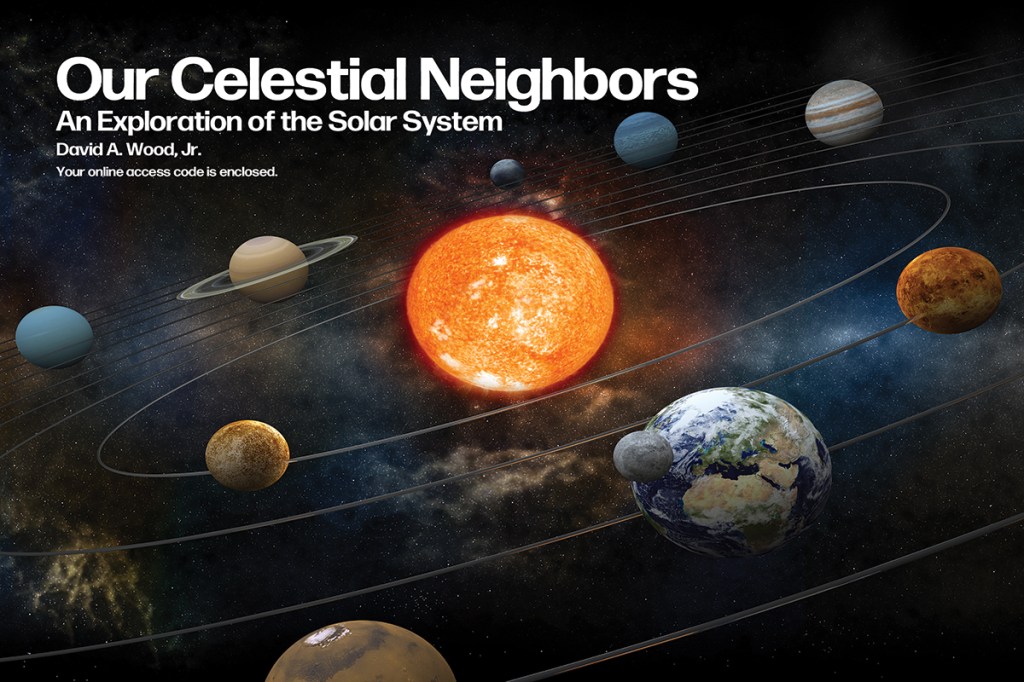
One of the most striking features of the June night sky is the presence of several planets, creating a celestial parade that spans the eastern horizon. As the month begins, the planets Saturn and Mars are the early risers, gracing the pre-dawn sky with their distinct hues[4][5]. Saturn, with its iconic rings, shines as a yellowish point of light, while Mars displays its characteristic reddish glow[5].
As the month progresses, the celestial lineup expands with the addition of Jupiter, the largest planet in our solar system[4][5]. This brilliant world emerges from behind the Sun’s glare, joining the planetary procession in the eastern sky[5]. By the end of June, stargazers can witness the remarkable sight of Saturn, Mars, and Jupiter aligned in the morning twilight, offering a breathtaking celestial display[4][5].
The Moon’s Celestial Dance
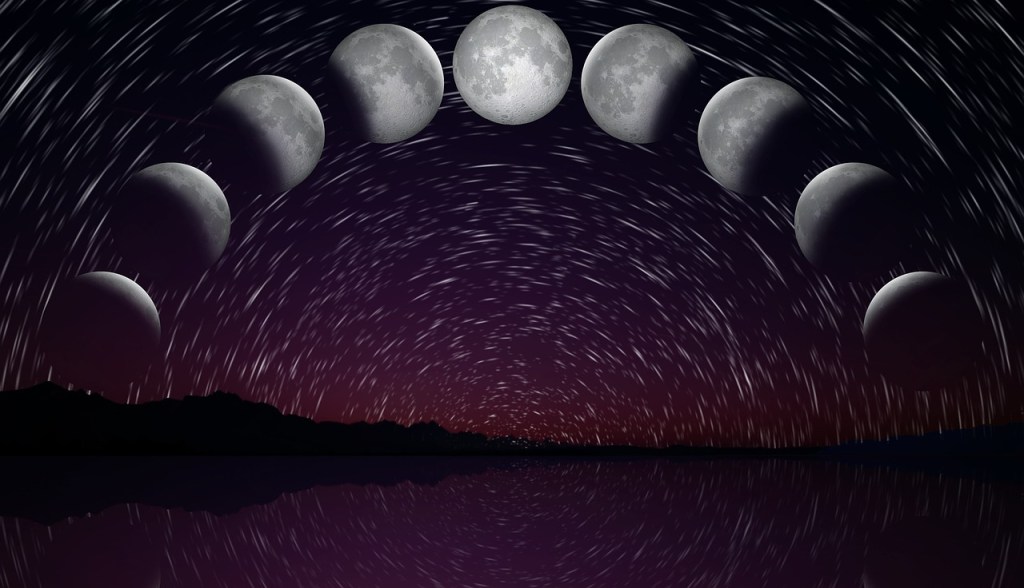
The Moon, our closest celestial companion, plays a pivotal role in the June night sky, serving as a guide to explore the wonders that surround it. On June 2nd and 3rd, the crescent Moon will be found in close proximity to Mars, providing a stunning visual contrast[5]. Later in the month, on June 27th, the Moon will appear remarkably close to Saturn, offering a celestial pairing that can be appreciated even with the naked eye or a pair of binoculars[5].
The full moon, known as the “Strawberry Moon,” graces the night sky on June 21st, coinciding with the summer solstice[1]. This celestial event marks the longest day of the year in the Northern Hemisphere, offering stargazers a unique opportunity to witness the Moon’s brilliance against the backdrop of a shorter night[1].
Constellations and Star Clusters
While the planets and the Moon steal the spotlight, the June night sky is also adorned with a tapestry of constellations and star clusters that beckon to be explored. The iconic Big Dipper, part of the larger constellation Ursa Major (the Great Bear), hangs high in the northern sky, serving as a celestial signpost for navigating the heavens[1].
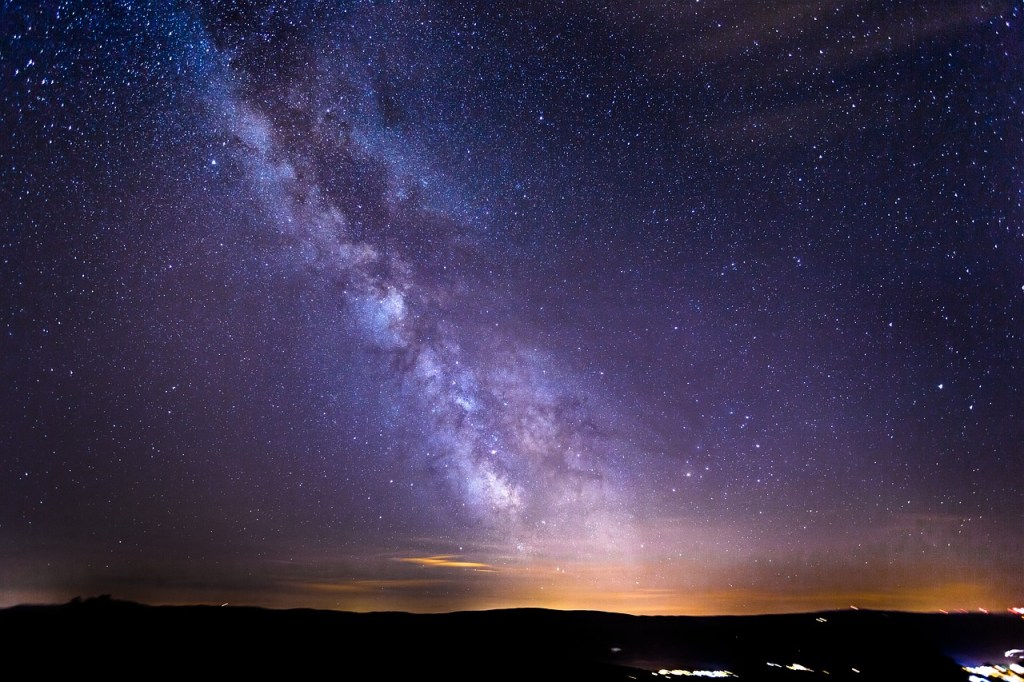
As the night progresses, the Summer Triangle, formed by the bright stars Vega, Altair, and Deneb, rises in the eastern sky, offering a striking celestial landmark[3]. Within this region, stargazers can also glimpse the ethereal beauty of the Milky Way, our home galaxy, stretching across the night sky like a celestial river[3].
For those with binoculars or a small telescope, the June night sky presents an opportunity to explore the wonders of star clusters. The Beehive Cluster (M44) in the constellation Cancer and the Hercules Cluster (M13) in the constellation Hercules are two notable targets that showcase the breathtaking beauty of these celestial gatherings[4].
For books and maps on the Night Sky look HERE
Celestial Phenomena and Observing Tips
Beyond the celestial objects that adorn the June night sky, stargazers may also have the chance to witness unique celestial phenomena. Noctilucent clouds, delicate wisps of ice crystals that reflect sunlight at high altitudes, can sometimes be observed in the northern latitudes during the summer months[3]. These ethereal clouds paint the night sky with a silvery-blue hue, offering a mesmerizing sight for those willing to stay up late or rise early.
To fully appreciate the wonders of the June night sky, it’s essential to find a location away from light pollution, where the celestial objects can be observed in their full glory. Dark sky sites or rural areas with minimal artificial light are ideal for stargazing. Additionally, stargazers should allow their eyes to adjust to the darkness, which can take up to 30 minutes, to fully appreciate the faint details of the night sky[2].
For those seeking guidance and resources, astronomy clubs, planetariums, and online platforms offer a wealth of information, including star charts, observing tips, and educational materials. Books such as “NightWatch” by Terence Dickinson and “The Backyard Astronomer’s Guide” by Alan Dyer provide invaluable insights and practical advice for exploring the night sky[4].
The June night sky is a celestial treasure trove, offering stargazers of all levels an opportunity to witness the grandeur of our cosmic neighborhood. From the planetary parade to the celestial dance of the Moon, and the tapestry of constellations and star clusters, this month presents a unique window into the wonders of the universe. So, grab your binoculars, find a dark spot, and immerse yourself in the celestial splendor that the June night sky has to offer.
To learn more about the Night Sky Shop HERE
Citations:
[1] https://www.washingtonpost.com/weather/2023/06/01/june-night-sky-strawberry-moon/
[2] https://www.nature.com/articles/143892a0
[3] https://www.theguardian.com/science/2017/may/28/the-june-night-sky
[4] https://www.planetary.org/night-sky/night-sky-what-to-see-this-month
[5] https://science.nasa.gov/solar-system/skywatching/whats-up-june-2024-skywatching-tips-from-nasa/








 Stan's Hobbies and Interests