Welcome to a brand‑new year of celestial wonder! January 2026 brings some of the brightest, boldest, and most family‑friendly sky events of the entire year. Whether you’re a seasoned stargazer or simply love sharing magical moments with your kids, this month’s night sky is packed with excitement — from a dramatic Supermoon to Jupiter’s dazzling display and the sparkling winter constellations overhead.
Bundle up, step outside, and let the universe kick off your year with awe.
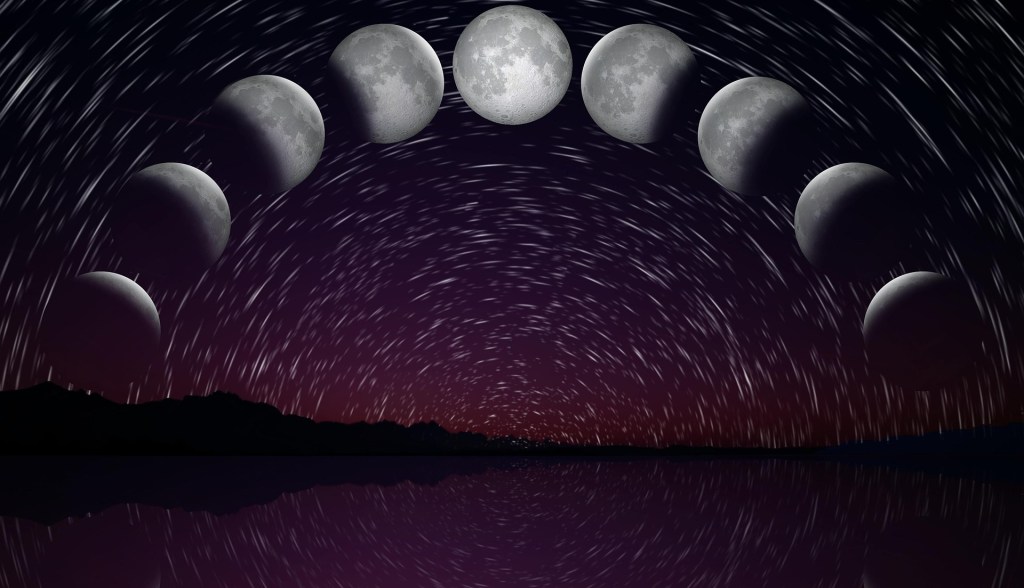
🌕 January’s Supermoon: The First Big Sky Moment of 2026
The year begins with a showstopper — a Supermoon that rises big, bright, and impossible to miss. Because the Moon is closer to Earth in its orbit, it appears larger and more luminous than usual.
⭐ Why Families Will Love It
No equipment needed — just look up
Kids instantly notice the “extra big” Moon
A perfect moment to talk about orbits, gravity, and tides
Great for photos, journaling, or a quick backyard adventure
🌟 Viewing Tip
Catch the Moon right at moonrise. Near the horizon, it looks even bigger thanks to a fun optical illusion that kids love learning about.
⭐ Jupiter Takes Center Stage: The Brightest Planet of January
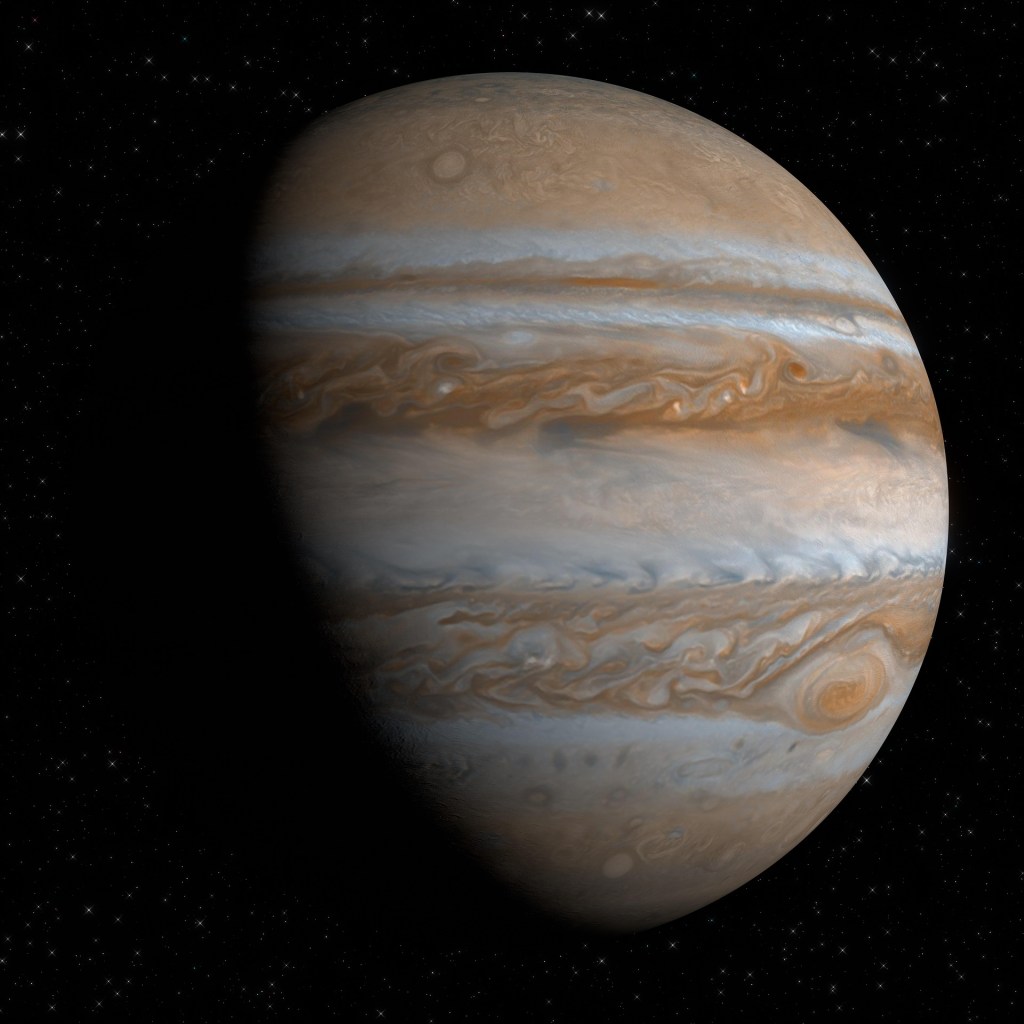
Jupiter dominates the evening sky all month long, shining like a cosmic beacon. Even with simple binoculars, you can spot its four largest moons — tiny dots lined up beside the planet.
⭐ Why Jupiter Is a Must‑See
It’s the brightest object in the night sky after the Moon
Its moons shift positions nightly, creating a new view every time
A perfect introduction to planetary observing for beginners
Kids love seeing “mini worlds” orbiting another planet
🌟 Family Activity
Sketch Jupiter and its moons for a few nights in a row. You’ll see them move — just like Galileo did over 400 years ago.
January is famous for crisp, clear nights and some of the most iconic constellations of the year. These star patterns are bright, easy to find, and full of stories that kids love.
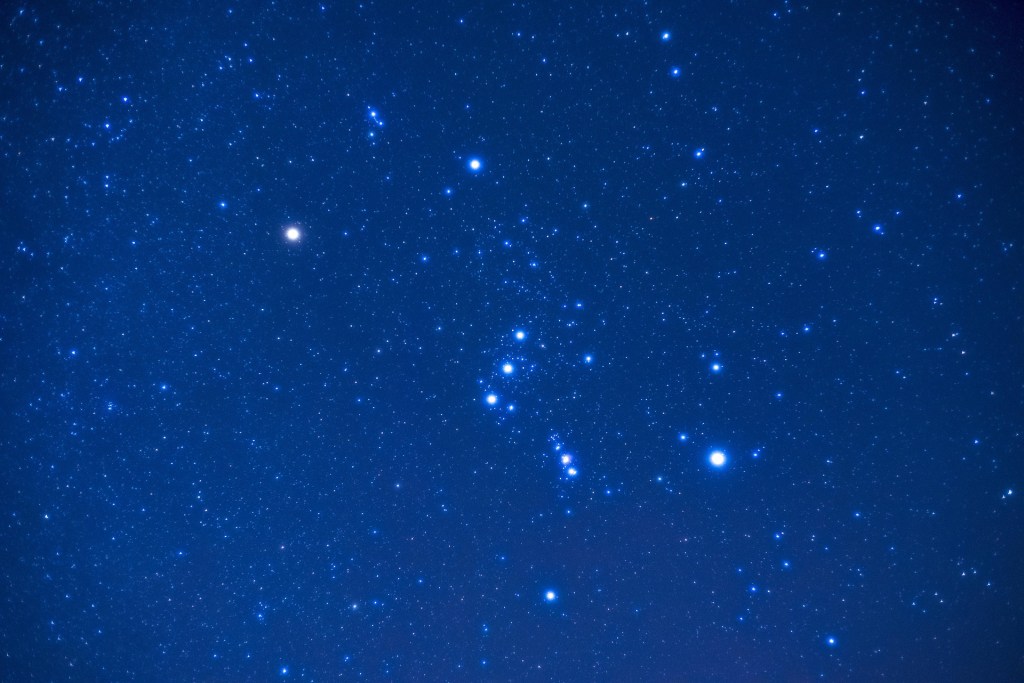
⭐ Orion the Hunter
Look for the three stars of Orion’s Belt — they point directly to Sirius, the brightest star in the sky.
⭐ Taurus the Bull
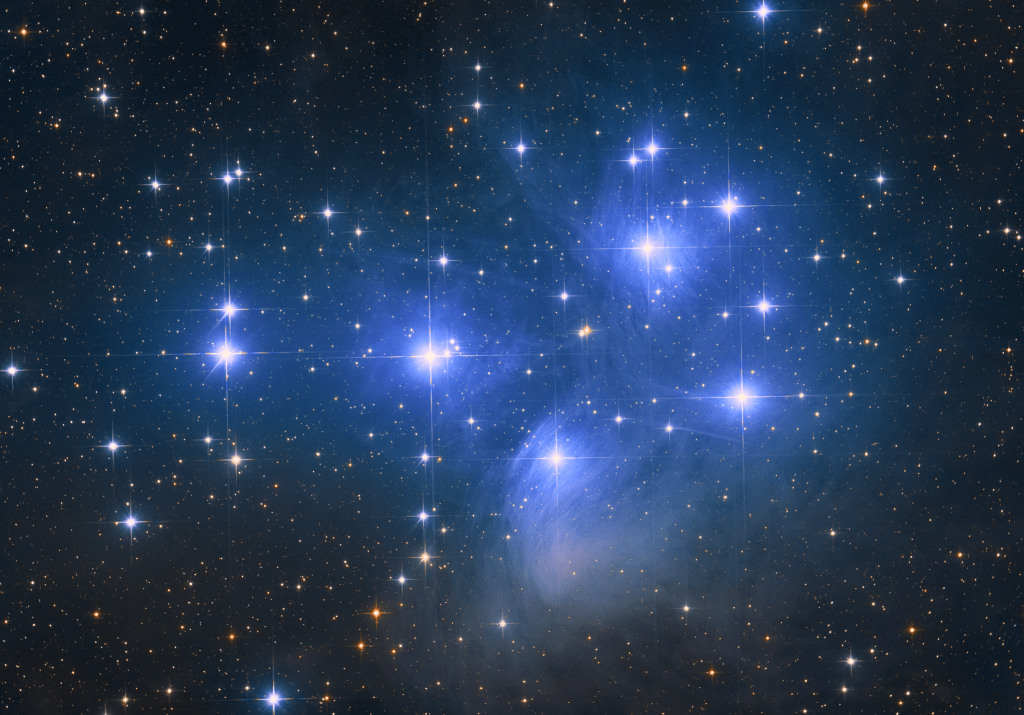
Home to the fiery red star Aldebaran and the beautiful Pleiades star cluster.
⭐ Gemini the Twins
Castor and Pollux shine side by side, marking the heads of the celestial twins.
🌟 Why Winter Constellations Are Perfect for Families
Easy to identify
Great for storytelling and mythology
Ideal for teaching kids how to navigate the sky
🔭 How to Make January Stargazing Extra Special
Pinterest readers love simple, actionable tips — so here are family‑friendly ideas to elevate your night‑sky adventure:
Bring warm drinks like hot chocolate
Use a stargazing app to help kids identify stars
Keep a “sky journal” to record what you see
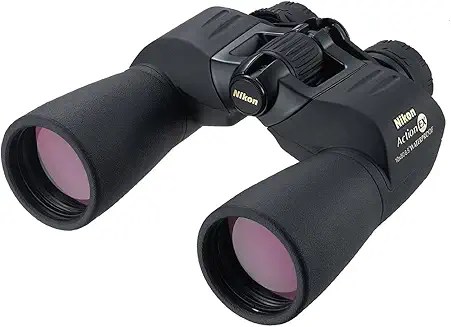
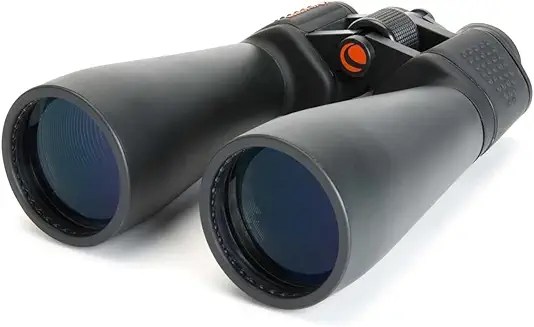
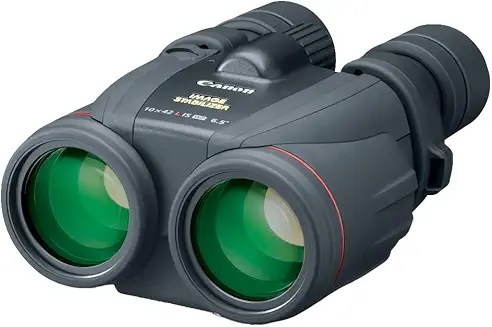
Try binoculars before investing in a telescope
Turn off nearby lights to make the stars pop
🌌 A Magical Start to 2026
January’s night sky is a gift — bright, bold, and full of wonder. Whether you’re watching the Supermoon rise, spotting Jupiter’s moons, or tracing Orion across the sky, this month invites families to slow down, look up, and share unforgettable moments together.
November 2025 is a holiday gift for skywatchers, offering planetary displays, dazzling meteor showers, a record-bright supermoon, and a host of famous constellations and stars. Whether you’re spending quiet moments in your backyard with family or gathering fellow enthusiasts in a local astronomy club, the month promises magic for stargazers of all ages and experience levels.
Planets on Parade
November is one of the richest months for planet watching in 2025. On clear nights, nearly every naked-eye planet makes a memorable appearance:
Mercury: The elusive innermost planet appears just above the southeastern horizon at dawn near the end of the month (November 28–30). Its fleeting glow is best caught about 30 minutes before sunrise, challenging even for seasoned observers but a thrill for patient families. farmersalmanac+1
Venus: Brilliant Venus shines low in the morning twilight the first three weeks of November before disappearing from view—look for it before sunrise in the east and southeast. astroshop+4
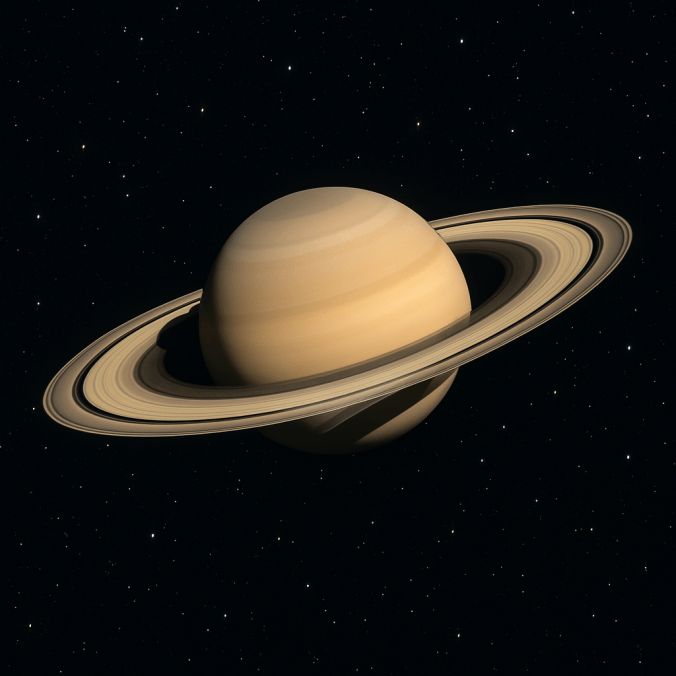
Saturn: The ringed planet graces the southwest after sunset all month. On November 1–2, Saturn pairs closely with the waxing gibbous Moon—don’t miss the pairing with binoculars or a telescope. adlerplanetarium+3
Jupiter: Jupiter rises in the east after 9 PM and dominates the late-night sky. Its moons and cloud bands are visible in even small telescopes, offering an inviting family observing project. skyatnightmagazine+2
Uranus: On November 21, Uranus reaches opposition and shines all night in Aries. Usually invisible to the naked eye, it’s within reach of binoculars or a modest telescope—a blue-green gem for those ready to find new worlds. timeanddate+3
Neptune: Faint Neptune lurks in Pisces, crossing the southern sky late at night. Binoculars or a telescope are needed, but locating this distant planet can be a rewarding family challenge. farmersalmanac+1
Moon Facts and Lunar Events
This November offers a lunar showstopper sure to spark curiosity and creativity, plus several phase changes for sky journaling:
Supermoon – November 5: The year’s biggest and brightest full moon rises on Nov. 5. Named the Beaver Moon or Frosty Moon, it appears nearly 8% larger and up to 16% brighter than a typical full moon. Early Native Americans used this time to set beaver traps ahead of winter. rmg+5
Moon-Planet Conjunctions: The Moon passes near Saturn on Nov. 1–2 and pairs up with Aldebaran (the “Bull’s Eye”) in Taurus on Nov. 7—a great reason for crafty photos or family stories about the sky’s ancient myths. whenthecurveslineup+1
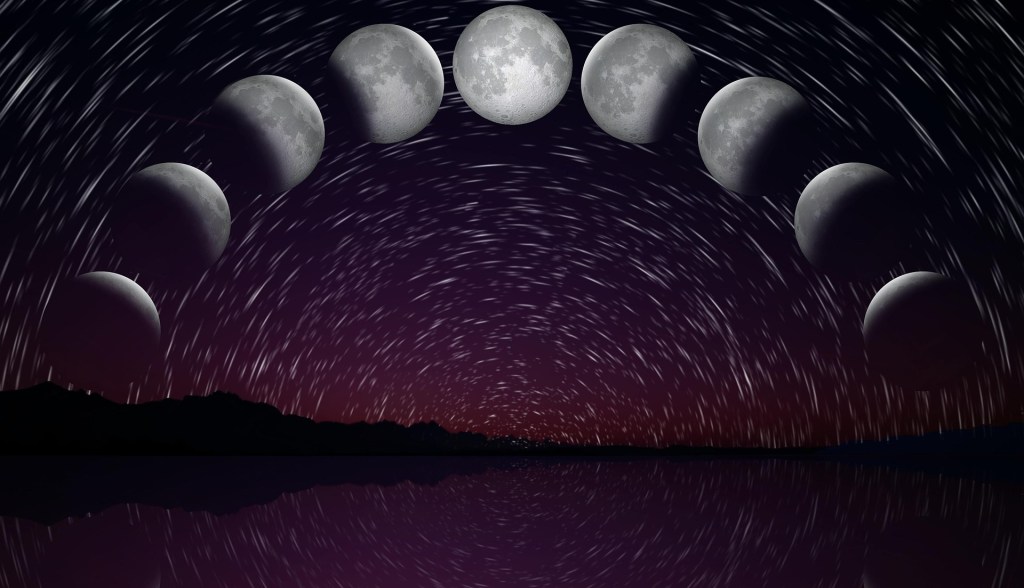
Other Phases: The moon’s changing face is easy to track and sketch:
Full Moon: Nov. 5
Last Quarter: Nov. 12
New Moon: Nov. 20 (a “micro” new moon at farthest distance from Earth)
November delivers two meteor showers—one spectacular, the other subtle but known for bright fireballs:
Southern Taurids – Nov. 4–5: This minor shower produces slow, bright meteors. Only 5–10 meteors per hour, but some may become fireballs as they radiate from Taurus. Try viewing after midnight—best with the whole family, lying back and sharing wishes. seasky+1
Leonids – Nov. 17: The Leonid meteor shower, famed for epic storms, produces 10–15 bright meteors per hour at its peak just before dawn. Look southeast from a safe, dark spot. The crescent moon will set early, leaving a perfectly dark sky for viewing. planetary+3
Constellations: Old Friends Return
As November evenings lengthen, classic constellations and famous stars reclaim their positions:
Orion the Hunter: Orion rises by midnight, instantly recognizable by his three-star “belt.” Follow the belt downward left to find Sirius, the sky’s brightest star, rising in the southeast near the end of the month. nationalgeographic+2
Taurus the Bull: Home to red-orange Aldebaran (the “Bull’s Eye”), the glimmering Pleiades (Seven Sisters), and the Hyades cluster—the V-shaped “face” of Taurus. rmg+2
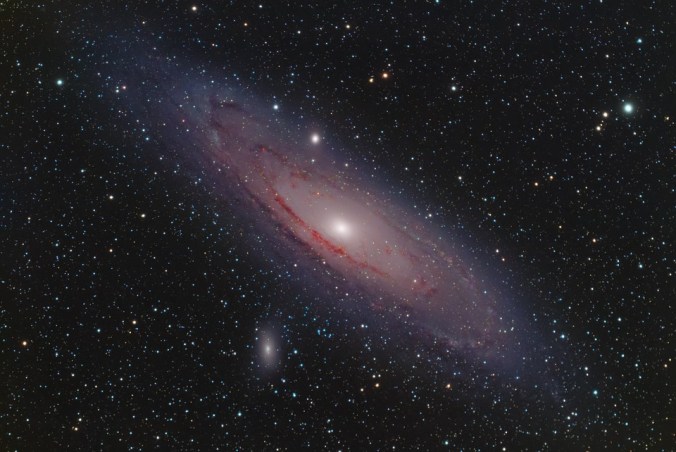
Andromeda: High overhead, Andromeda forms a graceful arc and hosts the Andromeda Galaxy (M31)—a faint smudge in dark skies visible to the naked eye, binoculars, or small telescopes. starwalk+1
Pegasus: The Great Square of Pegasus marks autumn and is a great jumping-off point for star-hopping.
Cassiopeia, Pisces, and more: Cassiopeia’s “W” shape dominates the northeast. Pisces, the Fishes, is less obvious but sits south of Andromeda. starwalk
Sirius and Canis Major: By late November, Sirius—known as the “Dog Star”—rises in the southeast. It’s 25 times more luminous than the sun and just 8.6 light years away, a brilliant beacon for cold nights. rmg
Other Notable Night Sky Events
Planetary Encounters: Nov. 3, the Moon and three planets (Venus, Saturn, Jupiter) are on display overnight. Nov. 25, Venus and Mercury share the dawn in a rare pairing. whenthecurveslineup+1
Hyades at Apex – Nov. 27: The Hyades cluster, making the V of Taurus’s face, reaches its highest point around midnight. This is the best time to see its dozens of stars under dark skies, an ideal binocular or family-accessible target. nationalgeographic
Comet c/2025 A6: Expected to be visible from dark locations in late October and early November. It may be possible to spot it with binoculars just before sunrise or after sunset—watch astronomy news sites for updates. facebook
Aldebaran (Taurus): Orange-red, marking the Bull’s eye.
Betelgeuse and Rigel (Orion): Red and blue supergiants, highlighting Orion’s shoulder and foot.
Capella (Auriga): Bright, yellowish star rising high in the northeast.
Spica (Virgo): Visible near Venus in the dawn sky early in the month. whenthecurveslineup
Family Activities and Tips
Make a Sky Journal: Track phases of the moon and meteor counts. Sketch constellations or note unusual “shooting stars.”
Try Star Storytelling: Share myths about Orion, Taurus, and the Pleiades, or invent your own tales.
Holiday Stargazing: Pair a hot cocoa night with meteor counting or supermoon watching. Invite friends or neighbors for a “full moon walk” or a “Leonids pajama party.”
Binocular Astronomy: Many November targets—the moon’s craters, Pleiades, Hyades, Jupiter’s moons—look wonderful even through basic binoculars.
Prepare for the Cold: Layer up, bring blankets and sleeping bags, and warm drinks.
Handy Stargazing Tips
Allow 15 minutes for your eyes to adapt to the darkness.
Avoid bright lights (use red flashlights to preserve night vision).
Choose a safe, dark location away from city lights.
Use free sky map apps or printable star charts to help identify targets.
Record your sightings and try to spot new constellations each week.rmg
As the nights lengthen and the year edges closer to holidays, November 2025 offers families and astronomers a cosmos packed with both new wonders and returning favorites. There’s no better time to start a skywatching tradition with your children, friends, or students—nature’s awe-inspiring show is always free and never repeats in quite the same way.
From the joy of the supermoon’s silvery glow and the thrill of counting Leonid meteors to the satisfaction of picking out planets and patterns among the stars, the night sky rewards curiosity and connects us to ancient stories and ongoing scientific discovery.
Wishing clear skies, many discoveries, and countless family memories under the November night sky! kenpress+17
When you’re a single mother shopping on Amazon for your 6–10-year-old’s first telescope or binoculars, the key is to focus on ease of use, safety, and lasting curiosity—something that makes astronomy fun without being frustrating. Here’s a complete list of questions you’ll want to know the answers to before buying, based on leading astronomy guides and family-focused resources. More Information.
1. What do I want my child to see?
Ask yourself what kind of viewing experience your son wants:
Moon and planets? Look for a refractor telescope with a smaller aperture (60–80mm) for bright, clear details.
Stars, nebulae, or galaxies? Choose a reflector telescope with a larger aperture (90–130mm) that gathers more light.
Simple sky watching or birding by day? Start with kid-sized binoculars (7×35 or 8×21)—they’re lightweight and affordable.
Amazon Search Example: “Best telescope for kids to see the moon clearly” “Binoculars for child astronomy and nature watching”
2. How easy is it to set up and use?
A telescope that’s too technical can frustrate a beginner. Look for:
Clear instructions, labeled as “easy setup” or “no tools required.”
An alt-azimuth mount (simple up-down, left-right control).
Adjustable tripod height for both mom and child.
Tip: Avoid complex “GoTo” or computerized scopes until your child has experienced basic astronomy first.More Information.
Search Terms: “Easy setup telescope for kids 6–10” “Simple tabletop telescope for beginner family use”
3. Is it durable and stable for children?
Kids are naturally curious and sometimes rough on equipment. You’ll want to check:
Durable housing: metal or rigid plastic.
A stable tripod: avoid models with wobbly mounts.
Shock-resistant eyepieces: especially for binoculars.
Binoculars Tip: Choose ones with rubberized grips, breakaway straps, and padded eyepieces. These protect both the equipment and your child’s face. More Information.
Search Example: “Durable first telescope for kids” “Shockproof binoculars for kids outdoor and astronomy”
4. What size and weight are manageable for a 6–10-year-old?
The best starter scope or binocular feels stable, not heavy.
For telescopes, look for under 10 lbs total weight.
For binoculars, choose lightweight models (under 1 lb) and magnifications between 2× and 8× so steady viewing is easy.
Example Keywords: “Lightweight telescope for kids beginner” “Compact binoculars for children small hands”
5. What is aperture—and why does it matter?
Aperture = the size of the telescope’s main lens or mirror.
More aperture = more light and better detail, but also heavier and costlier. For kids, 60mm–100mm is ideal—you’ll clearly see the Moon’s surface, Jupiter’s moons, and Saturn’s rings without frustration. More Information.
Ask: “What is the aperture size of this telescope?”
12. Are there learning resources or apps included?
Engaging materials can help keep your son curious beyond the first few nights. Look for telescopes like Celestron Inspire 100AZ that include smartphone adapters or apps with guided tours of the sky. More Information.
Ask:
“Does this telescope include an app or guidebook?”
“Can we take photos with our phone?”
Search Examples: “Telescope with smartphone adapter for kids” “Starter astronomy kit for families”
Final Tip for Parents:
If your goal is to spark wonder (not confusion), choose simple, durable, and fun equipment that works right out of the box. Pair observation nights with stories about planets and constellations—your child’s excitement will grow astronomically!
Quick Parent-Oriented Searches:
“Best beginner telescope for 7-year-old with help from mom”
“Educational astronomy kit for kids and parents”
“Family stargazing telescope easy to set up 2025”
Would you like a Pinterest Pin set (titles, descriptions, and keywords) designed for this article, geared toward fall and holiday search trends (“STEM gifts,” “family astronomy nights,” “early Christmas science toys”)? It would boost your reach for the 2025 season.
October is one of the year’s very best months for skywatching—perfect for families, beginners, and experienced observers. The air is crisp, darkness falls early, and the heavens are packed with cosmic treats: a super harvest moon, meteor showers, bright planets, and famous constellations ready for everyone to explore. Here’s your guide to October’s best celestial events, how to see them, and why they’re worth a moment outdoors—whether you spend five minutes or all night under the stars.
The Super Harvest Moon & Saturn Dazzle the Skies
October 6–7 brings this year’s Harvest Full Moon—a supermoon, bigger and brighter than most. Also called the “Hunter’s Moon,” this full moon rises just after sunset, filling the eastern sky in gold and lighting up fields, parks, and city rooftops. This month’s moon is “super” because it’s especially close to Earth in its orbit, making it up to 14% larger and 30% brighter than average. More Information.
On October 5, Saturn appears close to the full moon in the southeast. The ringed planet shines as a steady, golden “star” above and to the right of the glowing moon shortly after dark. Point out Saturn to kids: tell them that, even though its rings are not visible without a telescope, they can use their imagination and binoculars to spot its unique color.
Family tip: No special equipment needed—just step outside after sunset and gaze east. Try taking a moonrise photo with a smartphone or watch the moon usefully light up an evening walk.
Meteor Showers: Orionids Steal the Show
The Orionid Meteor Shower peaks on the nights of October 21–22. Each year, Earth passes through the leftover dust of Halley’s Comet, resulting in fast, sometimes bright meteors—up to 20 per hour streaking from the direction of Orion’s “shoulder.” This year, the new moon means truly dark skies for peak viewing. Look for the brightest meteors after midnight, anywhere from an open backyard or park. More Information.
Draconids (Oct 8–9): A minor shower peaking after dusk, best for those who enjoy an early evening search for “shooting stars.” This year, strong moonlight means just a few may be visible.
How to watch a meteor shower:
Find a dark spot away from streetlights.
Bring blankets or reclining chairs and face southeast (for Orionids) or north (for Draconids).
Let your eyes adjust 20–30 minutes to maximize faint meteor sightings.
Don’t use binoculars—meteors fly across the whole sky!
Family tip: Hold a contest: Who can spot the first meteor, or the most meteors in an hour? Every “shooting star” is a great chance for a wish!
Saturn Visible all October in Pisces after sunset, Saturn is high in the southeast—easy to spot as a steady, golden light. Early in the month, Saturn appears close to the full moon. More Information.
Jupiter By mid-October, the solar system’s brightest planet (after Venus) rises after 9 p.m. in the east and grows even brighter as it approaches its November opposition. With binoculars, you can see up to four of its big moons lined up beside it. The moon swings close to Jupiter on October 13. Details.
Venus Dazzles as the “Morning Star” all month, especially when paired with a slender crescent moon on October 19. It blazes low in the east just before sunrise, impossible to miss—even from cities. Details.
Mercury The solar system’s speediest planet is toughest to see but reaches its best evening show of 2025 around October 29. Look low in the west just after sunset for a tiny, bright “star.” Use binoculars for your best chance, and pick a flat, unobstructed view. More Information.
Family tip: Challenge kids to spot Saturn’s steady glow (it doesn’t twinkle!), Jupiter’s brightness, and Venus’s dawn appearance. Use an astronomy app to find the planets’ exact places each night.
October’s Constellations & Deep-Sky Wonders
Pegasus The Great Square of Pegasus is a huge, easy-to-spot diamond in the eastern sky after dusk, high overhead by midnight. It’s the “stepping stone” to autumn’s most famous constellations.
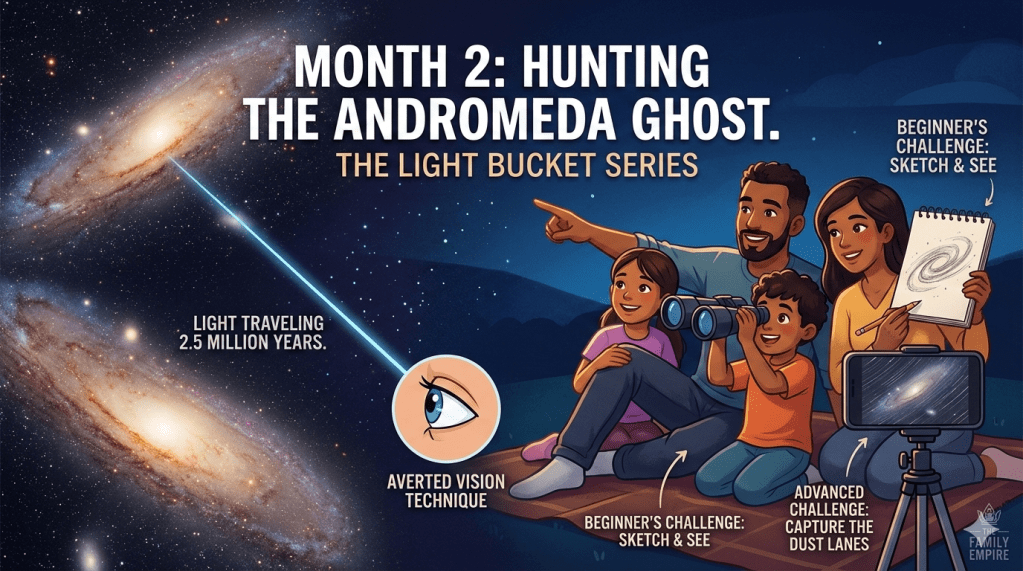
Andromeda Follow a gentle line of stars away from the Square to see Andromeda, stretching northeast. If you’re far from city lights, you might spot the faint oval of the Andromeda Galaxy—2.5 million light-years away and the most distant object you can see with your eyes! Binoculars make it easy, even from suburbs.
Cassiopeia Always visible as a giant “W” or “M” in the northeast, Cassiopeia is a perfect sky marker for beginners. Its legends of a vain queen are fun to share as you star-hop.
Other constellations:
Pisces and Aquarius (zodiac): Lower and fainter, but both cross the sky through October, trailing Saturn and Jupiter.
Taurus and the Pleiades (the “Seven Sisters”): Rising after 10 p.m. in the east and easily found with a star map or phone app.
Special Sky Events & Group Activities
October 10: Moon Meets The Pleiades
Look east 9–11 p.m. to see a lovely pairing between the waxing moon and the glittering “Seven Sisters” star cluster. Binoculars give a fantastic family view.
October 13–14: Moon and Jupiter Pairing
Shortly after moonrise, see bright Jupiter beside the moon in the evening sky. Binoculars show Jupiter’s moons.
October 19: Crescent Moon, Venus, and Comet Hunt
Before sunrise, look east for a bright Venus and a thin crescent moon paired in the twilight. At sunset, try for Mercury and possibly even Mars with binoculars, low in the west. Check astronomy news for updates about Comet Lemmon, which could make a faint binocular appearance after dusk. Details.
October 21: New Moon & Milky Way
With no moonlight, it’s the best night to see faint constellations and the full sweep of the Milky Way. Try for star clusters in Cassiopeia, Perseus, and Andromeda with binoculars. More Information.
October 23–24: Lunar Triangle
Right after sunset, the crescent moon, Mercury, and Mars gather to form a small triangle low in the southwest (binoculars best).
How, When, and Where to Watch
Best Times:
Evenings (8–11 p.m.) for the moon, Saturn, Jupiter, and major stars.
Pre-dawn for Venus and the moon.
After midnight for the Orionid meteor shower.
Best Places:
Any open space with a low view of the east and west.
Parks, backyards, campgrounds, or drive a short way from city lights for a darker view.
Even city dwellers can enjoy planets, the moon, and the brightest stars.
Tips for Families:
Bring a blanket or reclining chair, warm clothes, and snacks.
Allow 20 minutes for eyes to adjust to darkness.
Try a red flashlight or phone “night mode” to preserve night vision.
Use phone apps (“Stellarium,” “Star Walk 2,” “Sky Tonight”) for real-time stargazing help.
Stargazing Fun & Learning
Draw Your Night Sky: Sketch the moon’s different shapes or map constellations in a journal each night.
Meteor Journals: Count “shooting stars” and make note of color or speed.
Planet Spotting: Try to find all visible planets in one night—Jupiter, Saturn, Venus, and Mercury.
Constellation Storytelling: Share the mythology of Pegasus, Andromeda, Orion, and Cassiopeia with kids—or create new family legends!
Binocular Treasure Hunt: List interesting things to find: Jupiter’s moons, the Andromeda Galaxy, the Pleiades, Saturn’s color.
October’s night sky is rich with memories, new discoveries, and cosmic stories awaiting your family. Whether you’re five or ninety-five, clear a little space, look up, and let the universe dazzle you!
Here’s a concise, beginner-friendly October 2025 night-sky events calendar for easy skywatching:
October 6–7: Full Harvest Supermoon
The brightest, closest full moon of the yelar! Look east just after sunset—no equipment needed. More Info.
October 8–9: Draconid Meteor Shower
Watch for a few “shooting stars” from the Dragon constellation just after sunset. This year’s display will be faint due to moonlight, but it’s a fun, easy event for families. More Info.
October 13: Moon Close to Jupiter
Spot the moon and bright Jupiter together in the east after sunset—great with naked eyes or binoculars. More Info.
October 19: Moon Close to Venus at Dawn
Before sunrise, look east to see super-bright Venus and a thin crescent moon side by side. More Info.
October 20–22: Orionid Meteor Shower Peaks
Watch after midnight for bright, fast meteors “shooting” from Orion’s shoulder. Best seen from dark spots, and this year, the moon will be out of the way for better viewing. More Info.
October 21: New Moon
The sky will be extra dark—you’ll see more stars than usual. Perfect for spotting constellations and the Milky Way. More Info.
October 29: Mercury at Its Best
Mercury shines low in the west just after sunset. Use binoculars and a clear horizon to catch it, as it fades quickly with twilight. More info.
Planets All Month
Saturn visible after sunset, high in the southeast.
Jupiter rises in the east, growing brighter each week.
Venus—spectacular before dawn in the east.
Pro Tips for Beginners:
For most events, just step outside—no telescope needed!
Use a stargazing app to help identify planets and constellations.
The best nights for stargazing are near the new moon (October 21–24).
Clear skies! October is packed with easy, awe-inspiring sky events for everyone to enjoy.
September and October are magical months for family stargazing. As days grow shorter, evenings cool, and the night sky swells with brilliant stars, both beginners and seasoned astronomers can find joy in the constellations that rise and sweep overhead. Whether stargazing from a backyard, a park, or on a camping trip, here’s a friendly guide to the brightest, easiest, and most memorable constellations on display—and how families can best enjoy them together throughout early autumn.
Why Early Autumn Is Perfect for Family Stargazing
September and October offer nights that come earlier and last longer, making it easy for kids and adults to explore the sky without staying up late. The air is clear, there’s less humidity and haze than summer, and the moon’s phase lets some moonless nights reveal even fainter stars. For experienced observers, the shift in constellations marks a transition between summer and winter favorites, and brings the celestial equinox—a balance between day and night—right overhead. For more information.
The Brightest Autumn Constellations: Your Top Six
1. Aquila (The Eagle)
How to Find: Look high in the southern sky on September evenings for Altair, a blazing white star. Two nearby fainter stars, Tarazed and Alshain, outline Aquila’s “head,” forming a short straight line. Aquila is a part of the famous Summer Triangle, along with Cygnus and Lyra. For more information.
Best Time: 9 p.m.–midnight, from September through early October.
How to View: Naked-eye for the main shape; sweep binoculars along the Milky Way for star clusters and nebulae.
Family Fact: In Greek myth, Aquila carried Zeus’s thunderbolts and the youth Ganymede to the gods.
2. Cygnus (The Swan, or Northern Cross)
How to Find: High overhead right after dusk, Cygnus stretches across the Milky Way. Find Deneb, a bright star, as the top of the “cross.”
Best Time: 9 p.m.–midnight, best viewed in September; in October it moves westward.
How to View: Very easy with just your eyes. Binoculars bring out the rich star clouds nearby.
Family Fact: Cygnus resembles a swan flying along the river of the Milky Way.
3. Lyra
How to Find: Vega, the dazzling blue-white star, marks Lyra; search overhead or a bit west after sunset.
Best Time: 9–11 p.m. in September, earlier evenings in October.
How to View: Vega can be seen from cities; binoculars pick out the tiny parallelogram of Lyra and may show the famous Ring Nebula.
Family Fact: Vega is one of the closest bright stars to Earth and part of the Summer Triangle.
4. Cassiopeia (The Queen)
How to Find: A big “W” or “M” of five bright stars in the northeast. As autumn progresses, Cassiopeia rises higher and is easily spotted all night. For more information.
Best Time: All evening, from dusk onward.
How to View: Naked-eye; it’s perfect for teaching star patterns to kids.
Family Fact: Cassiopeia was a vain queen from Greek myth—her throne now glimmers in the sky.
5. Pegasus (The Winged Horse)
How to Find: At dusk in September, look east for the Great Square—a near-perfect diamond of four stars. Through October, Pegasus soars higher, marking the gateway to other autumn constellations.For additional information.
Best Time: 9 p.m.–midnight, climbs higher each night.
How to View: Naked-eye for the Square; with binoculars, scan for faint star clusters like M15.
Family Fact: Imagine the Winged Horse carrying heroes across the sky—let kids create their own stories!
6. Andromeda
How to Find: Trace a line from the top left corner of Pegasus’s Square upward. Look for a chain of stars running northeast.
Best Time: 10 p.m.–midnight in September; by October, visible earlier in the east. More information.
How to View: Naked-eye may reveal the faint smudge of Andromeda Galaxy (M31) under dark skies. Binoculars or a small scope show it as a clear oval.
Family Fact: Light from Andromeda’s stars started traveling here over two million years ago!
Other Notable Constellations and Features
Capricornus: Faint, low in the south—best seen on moonless nights with a star chart.
Pisces & Aquarius: Zodiac patterns rising in the east. Binoculars make finding their stars easier.
Perseus & Auriga: In the northeast after 10 p.m., lovely for finding star clusters.
Milky Way: Still visible sweeping overhead in early autumn—binoculars reveal clouds and dark lanes near Aquila and Cygnus.Additional information.
How to View: Family-Friendly Tips
With the Naked Eye
All the constellations above are easily visible without any equipment, especially under clear, moonless skies.
Let your eyes adapt to the dark for 15–20 minutes.
Use a reclining chair or blanket for comfort—looking up is much easier!
A printed star chart or a phone app (try “Star Walk 2” or “Stellarium”) helps everyone find patterns and learn names.
With Binoculars
All you need is a basic pair (7×50 or 10×50). They reveal more stars, clusters, and even the Andromeda Galaxy’s true shape.
Sweep Cygnus and Aquila for star clouds; scan Andromeda for the galaxy M31.
Avoid city lights; the darker the sky, the more you’ll see.
Best Times to View
Early Evening (8–10 p.m.): Great for young families; Pegasus, Cygnus, Vega, Cassiopeia are high.
Late Night (10 p.m.–midnight): Andromeda, Perseus, Auriga, and the Milky Way move higher.
Activities for All Ages
Star Pattern Drawing: Let everyone draw their favorite constellation or invent new ones.
Sky Storytelling: Share the myths for each constellation, or create your family’s own!
Constellation Bingo: Make a game out of spotting shapes, bright stars, and unique patterns.
Sky Journals: Track what you see each week, watch how the sky moves and changes.
Special September & October Events
Equinox: September brings the celestial balance of day and night—observe how sunset time changes!
Saturn at Opposition (Sept 21): Glows golden, near Pisces, visible all night. Spot it with the naked eye or binoculars.
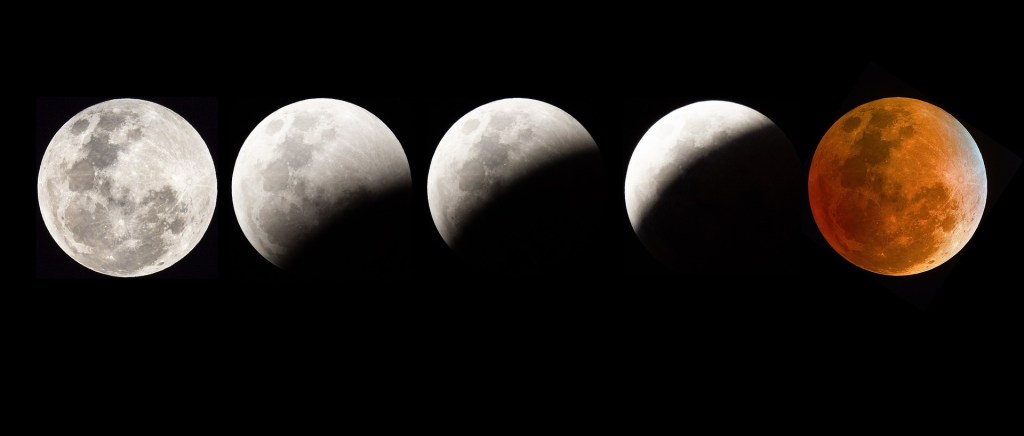
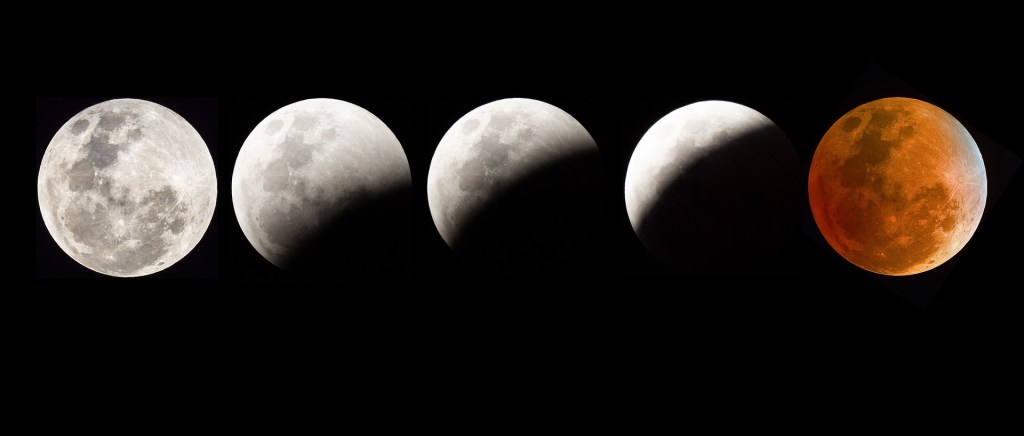
Blood Moon Eclipse (Sept 7): A total lunar eclipse turns the Moon red for many regions.
Orionid Meteor Shower (October 21–22): Watch for “falling stars” near Orion after midnight.
[Young Stargazers – What’s Up for September]popastro
For best stargazing, check local weather, moon phase, and sunset times before heading out. Use apps, join astronomy clubs, and let every family member’s curiosity guide the adventure! Clear autumn skies and happy stargazing!
September 2025 is set to dazzle skywatchers on every continent, with celestial spectacles ranging from dramatic eclipses and bright planets to subtle meteor showers and shifting constellations. Whether you’re an absolute beginner or a longtime astronomy lover, this educational, family-friendly guide will walk you through this month’s most rewarding highlights. We’ll explore naked-eye and binocular sights, provide skywatching tips, and show you how to make the most of every clear night — all optimized for high engagement, readability, and shareability in today’s online world.
Why September 2025 Is So Special
September 2025 brings a rare convergence of events:
A stunning total lunar (“Blood Moon”) eclipse
A striking partial solar eclipse
Saturn and Neptune at their brightest (“opposition”)
A lunar meet-up with Venus, visible occultations, and close planetary approaches
Constellations shifting from summer to autumn dominance
Meteor showers, celestial equinox, and more
No expensive gear is required for many of these sights — just your own eyes, curiosity, and a sense of wonder.
September 2025: Celestial Events Calendar (All dates are approximate; check local apps for timing in your region)
September 1: Aurigid meteor shower peaks
September 7: Full Moon & total lunar eclipse (“Blood Moon”)
September 8: Moon close to Saturn & Neptune
September 9: ε-Perseid meteor shower peaks
September 12: Moon occults the Pleiades cluster
September 14: Last Quarter Moon
September 16–17: Moon near Jupiter and the Beehive Cluster
September 19: Moon near Venus, lunar occultation of Venus in some regions
September 21: Saturn at opposition & partial solar eclipse & New Moon
September 22: September Equinox (start of fall)
September 23: Neptune at opposition
September 27: Daytime Sextantids meteor shower
September 29: First Quarter Moon
1. The Eclipses: September’s Main Attractions
Total Lunar Eclipse — September 7
On the evening of September 7, the Full Moon will slip into Earth’s shadow, transforming into a coppery red “Blood Moon” for lucky viewers across Africa, Asia, Australia, and parts of Europe and the Pacific. Since lunar eclipses are safe to watch with unaided eyes, it’s a perfect family event!starwalk+3
How to Watch:
No special equipment needed, though binoculars reveal extra detail in the reddish lunar surface.
Try taking a photo: even a smartphone will capture the dramatic change in color.
Make it fun: have children sketch the moon’s phases or write “moon eclipse diaries.”
Partial Solar Eclipse — September 21
This deep partial solar eclipse is visible from Antarctica, parts of Australia and New Zealand’s south, southern South America, and the South Pacific. For safety, only use special eclipse glasses or viewers.planetary+2
Family Tip:
If you aren’t in the path: Many observatories and NASA stream eclipses live. Make popcorn and have a “solar eclipse party” at home!
2. Planetary Spectacles: Saturn, Jupiter, Venus & More
Saturn at Opposition — September 21
Saturn rises as the sun sets and is visible all night at its biggest and brightest of the year, in Pisces. Binoculars will show its golden hue; even a small telescope (especially if borrowed from a local library or club!) may reveal Saturn’s rings, although the rings are nearly edge-on this year—a rare geometric arrangement that makes them appear very thin or almost vanish.starwalk+3
How to See:
Look southeast after dusk for a bright golden “star” — that’s Saturn.
Binoculars or telescopes reveal more detail.
For kids: Have them pretend “lining a marble up” with Saturn’s rings — are they really flat?
Jupiter Returns
Jupiter rises after midnight and stays up until dawn, growing spectacularly bright through the month. It’s great for “early bird” skywatchers and a favorite target for binoculars; in crisp conditions, you can spot up to four of Jupiter’s large moons in a little row!ts2+2
Venus — The Glorious Morning Star
Venus blazes before sunrise in the east, sometimes called the “Morning Star.” On September 19, Venus and the slender crescent Moon perform a special dance. In certain regions (Europe, Africa, Russia, Asia, Canada, Greenland), the Moon will actually “cover” Venus in a rare occultation. If you’re outside the path, you’ll still enjoy the pair’s close, sparkly approach.starwalk+2
Try This: Use a free stargazing app (like Sky Tonight or Stellarium) to see exactly where Venus, Saturn, and Jupiter are hiding each morning or evening.
Distant Planets at Opposition
Neptune (September 23): Only visible with binoculars or a telescope but at its brightest for the year.
Uranus: Begins retrograde; faint but fun to find with star maps and optics.
3. Constellations to Watch as Summer Fades
September skies transition from summer to autumn starshows. Here’s what to scan for:
Summer Triangle (Vega–Deneb–Altair): High overhead at dusk, these three bright stars anchor the constellations Lyra (look for the Ring Nebula with optics!), Cygnus (the Northern Cross), and Aquila (the eagle).
Pegasus & Andromeda: Rising higher each night in the east, these constellations signal fall’s return. Try to spot the Andromeda Galaxy — bare eye in very dark skies, binoculars make it easy even in suburbs.
Pisces, Aquarius, Capricornus: Look along the “ecliptic” (the Sun’s path). Use a star map or app to help orient yourself.
Pisces Austrinus: Low in the southern sky (northern hemisphere) — try to spot its bright “alpha” star, Fomalhaut.
Make it a family game to spot new constellations each week and compare how they move across the night sky!
4. September’s Minor Meteor Showers
Aurigids (September 1), ε-Perseids (September 9), and Daytime Sextantids (September 27) offer glimpses of shooting stars. These are minor showers (5–10 meteors/hour) and sometimes washed out by moonlight — but if you do catch one, it’s a fun bonus for night owls and early risers. For best results, go outside after midnight, find a dark spot, and let your eyes adjust.in-the-sky+2
5. Special Nights and Skywatching Events
September 12: The Moon crosses in front of the beautiful Pleiades Star Cluster. Binoculars show this “jewel box” hiding behind the bright limb of the moon!
September 16–17: The Moon passes near Jupiter and the Beehive Cluster.
September 21: New Moon = best night for deep-space viewing; no moonlight to wash out faint galaxies and clusters.
September 22: The Equinox — day and night are nearly equal. The autumn sky takes center stage!
September 23: Neptune at opposition — use binoculars or a telescope for a special challenge.
September 27: The Moon briefly “occults” (blocks) fiery red Antares.
6. Skywatching Tips: Making the Most of September
Find Dark Skies: Light pollution hides many celestial treats; visit parks, open fields, or dark-sky preserves if possible.
Let Your Eyes Adapt: Wait 15–30 minutes outside for full night vision — avoid phone glare.
Use Apps: Tools like Stellarium Mobile, Sky Tonight, and Star Walk 2 make it easy for families and beginners to locate objects and understand what they’re seeing.
Bring Binoculars: Unlock details in the Moon, star clusters, and see Jupiter’s moons and Saturn’s rings (when visible).
Log Your Observations: Keep a “sky journal” to track each sighting and share the sky with friends or family.
Join a Club or Attend Star Parties: Most astronomy groups welcome all ages and love to share telescopic views during big events (like Saturn at opposition or lunar eclipses).
7. Activities for the Whole Family
Sky Scavenger Hunt: List the planets, constellations, or major stars you want to find — see who spots the most in one night!
Eclipse Story Night: Read about ancient eclipse myths and invite kids (and grownups!) to draw what they see.
Take Photos: Use a tripod and even a basic smartphone to snap the Big Three—Moon, Jupiter, Saturn—plus wide-field shots during eclipses or conjunctions.
References
[Star Walk: Astronomical Events in September 2025]starwalk
[Sea and Sky: Astronomy Calendar of Celestial Events 2025]seasky
[The Planetary Society: Calendar of Space Events 2025]planetary
[In-The-Sky.org: Calendar of Astronomical Events 2025]in-the-sky
[Space.com: Must-See Naked-Eye Events in 2025]space
[Star Walk: Calendar of All Astronomical Events 2025]starwalk
[All Eyes on the Skies: September Spectacles 2025]ts2
Footnotes
For exact eclipse, occultation, and opposition times in your location, use a reputable mobile app (e.g., Sky Tonight, Stellarium Mobile) or check your local observatory’s website.
Eclipses require safety precautions for solar viewing — only use certified eclipse glasses or safe indirect viewing methods.
Many events are perfectly visible without any equipment, but binoculars and even entry-level telescopes will enrich every experience.
Family star parties can be hosted at local parks, schoolyards, or anyone’s backyard!
September 2025 offers something special for everyone — from total lunar eclipses and bright Saturn to the rhythms of the autumn equinox and the return of the Andromeda Galaxy. There’s never been a better time to look up, learn together, and create memories that will last a lifetime. Happy skywatching!
September is one of the finest months for family stargazing—with mild evenings, earlier nightfall, and some of the sky’s most brilliant and easily recognized constellations on full display. Whether you have a backyard, a park, or can drive to a darker spot, these constellations offer a beautiful way for kids and adults to connect with the universe—no telescope required.
Why September Is a Great Month for Beginner Skywatchers
September brings longer nights without freezing temperatures and showcases both late summer and early fall stars. Early evening hours are packed with bright patterns, making it easier for families to enjoy lingering outside together. And this month, you’ll find sky features that spark wonder, stories, and learning in equal measure.starwalk+2
The Six Brightest and Easiest Constellations for Naked-Eye Viewing
1. Pegasus (The Winged Horse)
Best Time: By 9–10 p.m., Pegasus’s “Great Square” is climbing high in the eastern sky.
Where to Look: Find a large, almost perfect diamond of four stars rising east, then higher southeast as night advances.
How to See: Just your eyes; the four stars make a huge square. Kids can connect the dots in the sky!
Fun Fact: The “Great Square” is used as a sky landmark for finding other autumn constellations.constellation-guide+1
2. Andromeda
Best Time: 10 p.m. and later, following the line of stars from Pegasus upward.
Where to Look: Trace a curved chain of stars leading northeast from Pegasus’s upper left star.
How to See: Naked eye. Look for a faint smudge above Andromeda’s stars—this is the Andromeda Galaxy, our nearest galactic neighbor (binoculars show it better!).
Fun Fact: Light from the Andromeda Galaxy began its journey over 2 million years ago.kenpress+1
3. Cassiopeia (The Queen)
Best Time: Visible all night, easiest in the northeast at 9–11 p.m.
Where to Look: Look for a bright, unmistakable “W” or “M” shape of five stars.
How to See: Naked eye—its zigzag is excellent for teaching kids patterns and sky mapping.
Fun Fact: Cassiopeia was named for a vain queen in Greek myth; the “W” forms her throne in the sky.starwalk+1
4. Cygnus (The Swan, a.k.a. The Northern Cross)
Best Time: Overhead or slightly west by 9–11 p.m.
Where to Look: High overhead; a long cross pattern with the bright star Deneb at its top.
How to See: Naked eye; the Northern Cross shape is easy to point out, with the long “body” running north–south.
Fun Fact: Cygnus is part of the giant “Summer Triangle” with Lyra and Aquila, making an epic sky marker for children.skyandtelescope+2
5. Lyra
Best Time: Directly overhead or just west of overhead, after dusk.
Where to Look: Spot the dazzling, blue-white star Vega—one of the three corners of the Summer Triangle.
How to See: Naked eye for the main star; those with binoculars can find nearby star clusters.
Fun Fact: Vega is one of the brightest stars in the sky and just 25 light years away.constellation-guide+1
6. Aquila
Best Time: High in the southern sky during evening.
Where to Look: Look for its bright star Altair, flanked by two fainter stars in a straight line.
How to See: Naked eye; the straight line points the way to other Summer Triangle stars.
Fun Fact: Aquila represents an eagle in mythology and is connected to the hero Hercules.skyandtelescope+2
When and Where’s Best for Family Viewing?
Best Time: 9:00 p.m. to midnight. This is when all the bright “autumn constellations” are above the horizon and easy for kids who don’t want to stay up too late.
Best Place: Any clear spot with an open view of the sky (backyard, field, park). City lights drown out fainter stars, but the constellations above are bright enough to see from suburbs and cities alike.
Weather: Look for dry, clear nights—the stars will look their sharpest after a cool front sweeps through.
Moon Phase: For spotting more stars, plan viewing near a New Moon (September 21, 2025). Even with some moonlight, bright constellations listed here remain visible.
Family-Friendly Viewing Tips
Use a Blanket or Reclining Chair: Looking up for long periods is much more comfortable lying down or with good back support.
Let Your Eyes Adjust: Fifteen minutes in darkness helps everyone spot more stars—avoid cell phone screens.
Apps and Charts: Use a family-friendly app (like Sky Tonight or Star Walk 2) or print a sky chart to help kids “star-hop.”
Star Story Nights: Share the myths and facts about each constellation—let kids imagine and create their own sky stories!
Bonus: What About Binoculars?
Most constellations above are best recognized by eye—but binoculars unlock new delights:
See fuzzy star clusters in Andromeda, Cassiopeia, and Cygnus.
Spot Jupiter’s moons, Saturn’s golden glow, and even the Andromeda Galaxy’s shape more clearly.
References & Further Exploration
[Star Walk – Astronomical Events September 2025]starwalk
Clear skies and happy family stargazing! September is the perfect month to discover these ancient sky patterns together—passing on the magic of the night sky to the next curious generation.
The night sky is a vast natural theater, and meteor showers are among its most magical live performances. Each year, the Aurigid meteor shower peaks in early September, offering a chance to witness shooting stars streak through the constellation Auriga. Whether you’re a curious beginner or a seasoned astrophile, exploring the Aurigids can transform an ordinary night into a cosmic adventure for all ages.
What Are Meteor Showers?
Before diving into what makes the Aurigids special, let’s quickly recap what meteor showers are. Meteor showers occur when Earth, on its journey around the Sun, passes through debris left behind by a comet or asteroid. These tiny bits of rock and dust burn up in our atmosphere, producing the brilliant streaks of light people call “shooting stars.”
Meteor showers are named after the constellation from which their meteors appear to originate—the “radiant.” For the Aurigids, that’s Auriga, the Charioteer.
The Aurigid Meteor Shower: Overview
2025 Peak Dates and Times
The Aurigids peak in early September, typically centering around the night and early morning of September 1. In 2025, ideal viewing conditions are forecast, offering a wonderful show for everyone willing to rise before dawn.
Peak Date: Night of August 31–morning of September 1
Radiant: Constellation Auriga (easy to spot in the northeast sky)
Best Time to Watch: After midnight and before dawn, when the radiant is highest in the sky and the sky is darkest.
2025: What to Expect
Meteor Rate: The Aurigids are a modest shower, usually producing 5–10 meteors per hour at their peak under good conditions. However, the Aurigids have delivered spectacular outbursts—spikes up to 100 meteors per hour—in rare years.
Visibility: This year, the Moon sets before peak viewing hours, providing a dark sky and optimal conditions for viewing even faint meteors.
Meteor Appearance: Aurigid meteors are often fast and can sometimes produce bright, colorful streaks across the sky.
Why Are the Aurigids Significant?
A Historical and Scientific Oddity
The Aurigids stem from Comet Kiess (C/1911 N1), a long-period comet discovered over a century ago. Unlike famous showers (like the Perseids), the Aurigids are less predictable and can range from quiet to surprisingly explosive years. Their unpredictability excites astronomers and motivates meteor network observations worldwide.
Scientific Value: Observing the Aurigids helps researchers refine orbital calculations for Comet Kiess. It also teaches us about the structure, composition, and age of debris streams that Earth crosses only during specific years.
A Rare Treat for the Northern Hemisphere
The Aurigids are best seen from northern latitudes—they’re a late summer bonus for North American and European skywatchers after the famous Perseids. The relatively faint, often blue-white meteors present a subtler, but deeply rewarding show—especially for those who value sky events off the beaten path.
How and Where to Watch the Aurigids
Step 1: Find the Radiant
The radiant lies in the constellation Auriga. Around 2–4 a.m., Auriga is high in the northeast for most Northern Hemisphere observers. You’ll recognize the bright star Capella as Auriga’s anchor.
Step 2: Choose the Best Spot
Seek out a dark-sky site, far from city lights.
A flat, unobstructed view of as much sky as possible improves your chances.
Bring a reclining chair, blanket, and snacks—comfort is key!
Step 3: Look Up and Enjoy
No optical equipment needed! Meteors rain all over the sky; keep your gaze relaxed (peripheral vision is excellent for catching movement).
Let your eyes adjust for 15–30 minutes in the dark to spot the faintest meteors.
Stay out from midnight to dawn for your best chance.
Advance Techniques for Experienced Observers
Photography: Use a wide-angle lens and long exposure settings on a tripod to capture multiple meteors in one frame.
Meteor Logs: Record meteor counts, brightness, and color. Multiple observers can coordinate watches to collect scientific data.
Networking: Join local astronomy clubs or join online meteor watch parties to share your counts and images.
Making It a Family or Group Event
Meteor showers are among the best astronomy activities for families, classrooms, or scout groups. Here’s how to make it engaging for everyone:
Meteor Counting Competitions: Who can spot the most?
Meteor Journals: Draw fast meteors, note colors, and write what if feels like to see a “shooting star.”
Wish-Making Traditions: Tell stories about meteor origins across cultures—every shooting star can be a wish!
Science Challenge: See if anyone can spot a meteor that leaves a persistent train (a glowing after-effect), then look up why this happens.
Frequently Asked Questions
Do I need a telescope or binoculars? No. Meteor showers are best enjoyed with the naked eye, as their long, sweeping paths often cross large sky areas.
What’s the best time to watch? After midnight until dawn, especially after the Moon has set.
Will I see them in the city? Bright meteors can be spotted from urban sites, but the darker the sky, the more you’ll see.
What if it’s cloudy? Try again the next night—the Aurigids can be active for a day or two around peak, and you may still catch stragglers.
The Aurigids for Advanced Astronomers
If you’re experienced, the Aurigids are scientifically notable due to their dynamic, sometimes surprising outbursts. In some years, the Earth passes through denser clumps of comet debris—the best-known outburst was in 2007, when rates briefly surpassed 100 meteors per hour.
Opportunities include:
Coordinated meteor counts with global organizations (such as the International Meteor Organization)
Photography for trail analysis and orbital computation
Spectroscopy campaigns for those with specialized equipment to analyze meteor composition
Final Thoughts: Why the Aurigids Matter for Everyone
Each shooting star is a connection—between us on Earth and a distant, icy wanderer from the solar system’s past. The Aurigid meteor shower may be modest compared to others, but it shows how even subtle natural wonders can be shared by communities, spark scientific curiosity, and make lasting memories.
So spread out a blanket, invite your friends or family, and let the quiet magic of the Aurigids fill your September night.
Curiosity about the cosmos has never been higher, and with today’s wealth of resources, getting started in astronomy is easier and more rewarding than ever. Whether you dream of seeing the rings of Saturn, want to marvel at meteor showers with your family, or simply crave quiet nights under the stars, 2025 offers new tools, sky events, and community connections for beginner and advancing astronomers alike. Here’s your updated roadmap to exploring the universe from right where you are.
Why Astronomy?
Astronomy connects us across space and time. Watching the night sky fosters awe, science curiosity, and a sense of place in the cosmos. It’s also an easy, affordable hobby—no expensive gear required to begin—making it perfect for families, solo explorers, and lifelong learners.
1. Start With the Naked Eye
Astronomy is an outdoor nature hobby. The most important first step is simply to go outside at night and look up. Take in the Moon, note the brightest “stars” (some are planets!), and see if you can spot patterns or constellations as the ancients did.skyandtelescope+2
Learn the sky’s basics:
Identify a few bright stars (like Vega, Arcturus, or Sirius).
Trace constellation shapes: the Big Dipper, Orion, Cassiopeia, or the Summer Triangle are perfect starters.
Use a star wheel (planisphere) or printable star map to guide your exploration—these show you “what’s up” based on date and time.ras
Observe the sky regularly: Patterns change with the seasons, making the hobby fresh all year.planetary+1
2. Leverage Modern Technology: Apps and Online Resources
Smartphones and tablets have revolutionized astronomy. Point your device at the sky, and apps instantly tell you what you’re seeing—stars, planets, constellations, satellites, and more.highpointscientific+2
Top free/recommended apps for 2025:
Stellarium Mobile (Android free, iOS paid): A digital planetarium; see real-time sky maps.
SkyView Lite (iOS/Android): AR overlays highlight and name sky objects.
Star Walk 2 Free (iOS/Android): Beautiful, intuitive, and great for families.
Sky Map (Android): Simple, reliable, always free.
Tips:
Download your app of choice and allow camera/location access.
Use the built-in night mode (often red light) to preserve your night vision.
Try exploring ahead of time: many apps let you “time travel” to future (or past) sky events.
3. Upgrade Your Sky Experience With Binoculars
You don’t need a telescope to see more! Binoculars are a simple, budget-friendly next step that reveal lunar craters, Jupiter’s moons, and star clusters invisible to the naked eye.discoverspace+1
Ideal specs: 7×50 or 10×50 binoculars are a common recommendation—big enough to gather light, light enough to hold.ras+1
Bonus: Binoculars are great for daytime use as well (birds, landscapes)—and you might already have a set in the closet!
4. Join the Astronomy Community
Astronomy is a social hobby!
Find a local astronomy club: Most welcome beginners and host star parties, telescope “try-it” nights, and educational programs.reddit+1
Online forums and social groups (Cloudy Nights, Reddit’s r/Astronomy or r/Stargazing): Share your questions, photos, and discoveries; get advice before buying equipment.cloudynights
Attend virtual sky events: Many observatories stream sky tours or planetary alignments, with real-time Q&A.
5. Try a Telescope (When Ready!)
Ready to go deeper? Take your time before buying a telescope; starting with binoculars or observing with a club is often best.pathloom+2
For 2025, these beginner scopes earn high marks:
Celestron Inspire 100AZ (refractor): “Best beginner telescope for kids,” easy to use.space+3
Celestron NexStar 5SE (computerized): Tracks objects for you, great optics, top pick for families and serious beginners.nytimes+1
Sky-Watcher Heritage 100P Tabletop Dobsonian: Compact, portable, and praised for value.skyatnightmagazine+1
Pro tips:
Avoid low-quality “toy store” telescopes—they often disappoint.ras
Look for scopes with sturdy mounts, good finders, and included eyepieces.
Many scopes now feature smartphone app integration to help you find and track objects.pathloom+1
6. Keep Learning and Observing
Get a good starter book: “NightWatch” by Terence Dickinson or “Turn Left at Orion” are favorites.
Follow a sky calendar: Websites like Stellarium-Web, timeanddate.com, or astronomy magazines highlight each month’s best events.
Track your observations: Keep a simple logbook or photo journal—kids especially love charting their “discoveries.”
7. Best Practices for Enjoyable Stargazing
Dress warmly, bring snacks, and a comfortable chair.
Use red light only: Protect your (and your family’s) night vision.
Be patient: Some objects (distant galaxies, nebulae) can be faint even through good optics.
Adapt to your sky: Even in cities, planets, the Moon, and some bright stars/charts remain visible.planetary+1
Share the moment: Stargazing is more fun with others—invite friends, neighbors, or participate in community events.
8. Exciting 2025 Sky Events for Beginners
This year’s memorable highlights include:astronomy
Saturn’s rings edge-on (rare sight!).
Total lunar eclipse (visible in the Americas).
Mars at opposition (bright and easy to spot).
Meteor showers: Perseids (August), Geminids (December)—great with the naked eye or binoculars.
Summary Checklist: Getting Started in Astronomy, 2025 Edition
Step outside and look up often
Use a planisphere/star chart or a free sky app
Grab binoculars for a better view (7×50 or 10×50)
Join a club or online community
Try a telescope only after learning your way around the sky
Keep a log and have fun with family and friends
Follow a sky calendar for upcoming cosmic events
Resources and References
Sky & Telescope – How to Start Right in Astronomyskyandtelescope
The Planetary Society – Astronomy for Beginners Guideplanetary
Royal Astronomical Society – Getting Started in Astronomyras
BBC Sky at Night Magazine – Best Telescopes for Beginners 2025skyatnightmagazine