Exploring the Celestial Wonders of the May Night Sky

As the spring season blossoms and the days grow longer, the May night sky offers a spectacular showcase of celestial wonders for stargazers of all ages. From dazzling planets to mesmerizing meteor showers, May’s cosmic display is sure to inspire awe and wonder in both novice and experienced observers alike. In this guide, we’ll embark on an astronomical journey through the May night sky, highlighting some of the most captivating sights and celestial events visible to the naked eye and with the aid of binoculars or a small telescope.

The Majestic Constellations of Spring
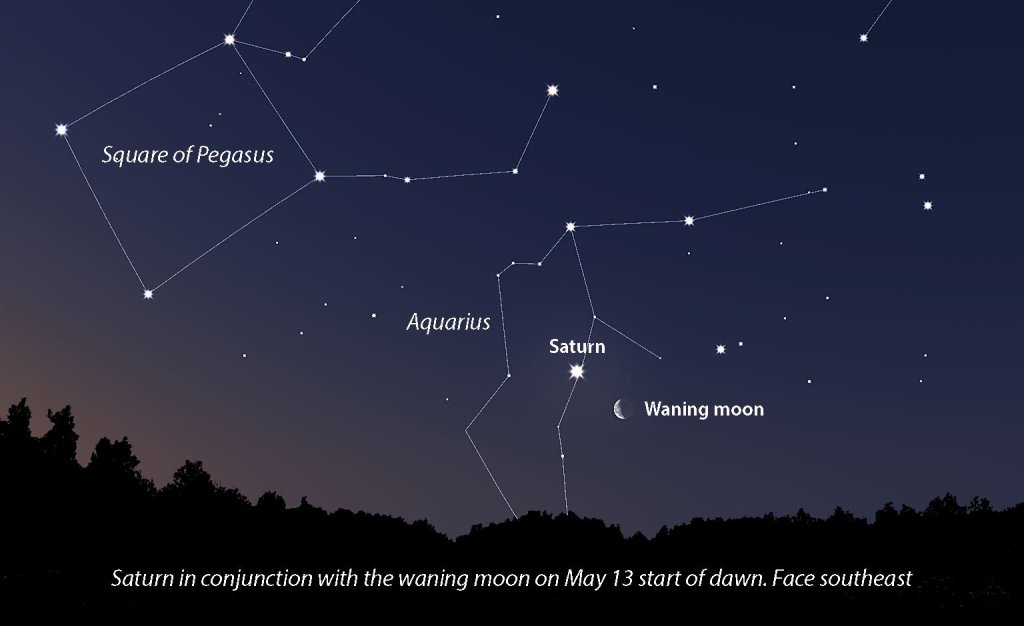
One of the most prominent features of the May night sky is the array of majestic constellations that grace the heavens. As the Earth continues its journey around the Sun, we are treated to a new cast of celestial characters that take center stage in the evening hours.

Ursa Major and the Big Dipper
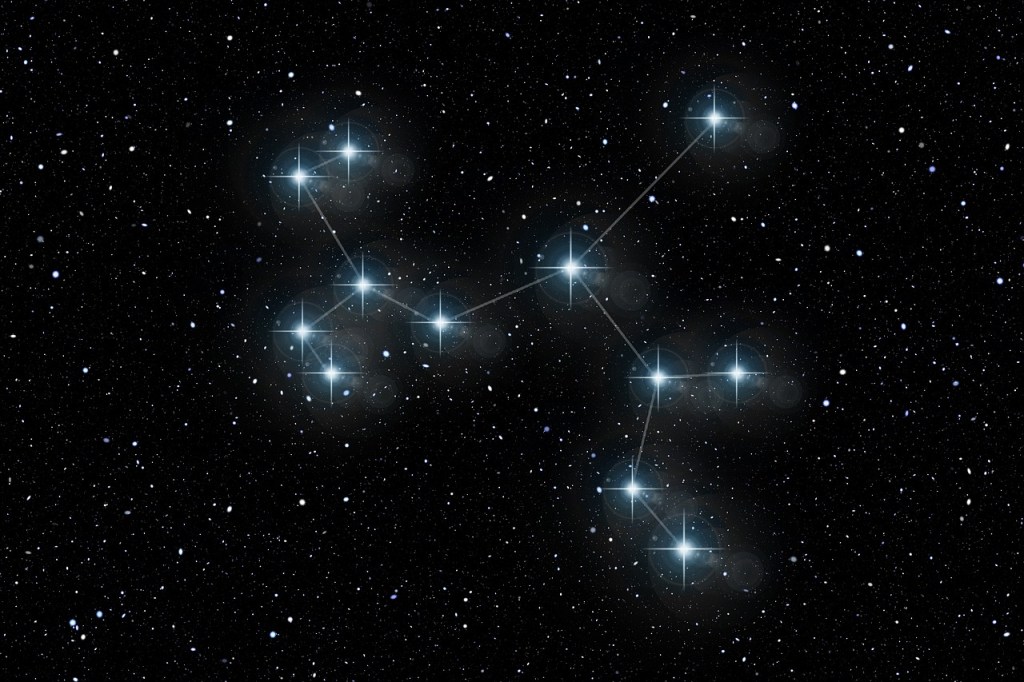
High in the northern sky, the familiar asterism known as the Big Dipper, part of the larger constellation Ursa Major (the Great Bear), is a reliable signpost for stargazers. Its distinctive shape, with a bowl and handle, is easily recognizable and can serve as a starting point for exploring other nearby constellations. [1][4]

Virgo and the Springtime Galaxies

To the southeast, the constellation Virgo is home to a wealth of deep-sky objects, including numerous galaxies. With the aid of binoculars or a small telescope, you can spot the Sombrero Galaxy (M104), a striking spiral galaxy known for its prominent dust lane and central bulge. [1][2]

Boötes and Arcturus
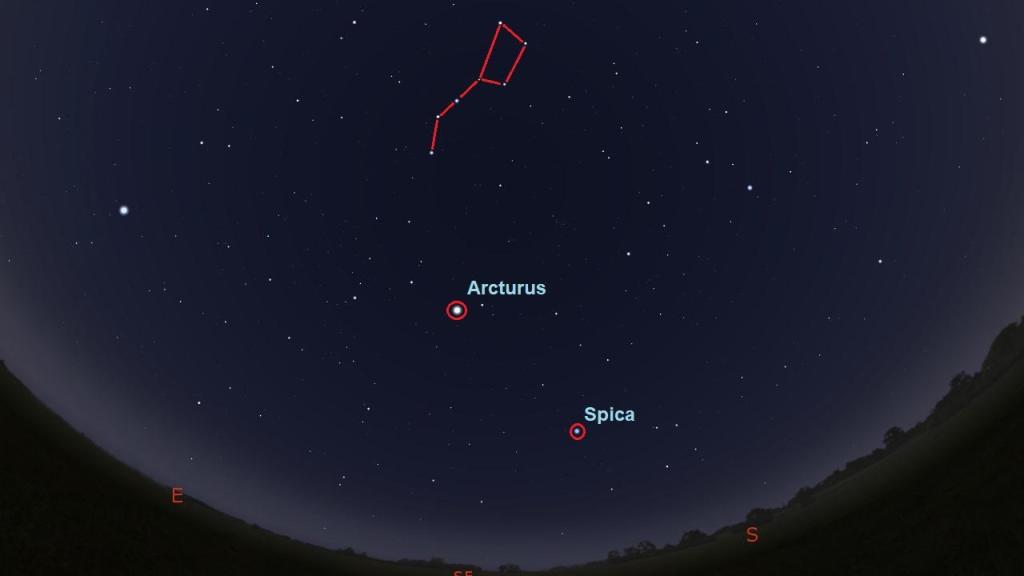
Another prominent spring constellation is Boötes, the Herdsman, which features the brilliant orange-red star Arcturus. Arcturus is the fourth-brightest star in the night sky and can be easily found by following the arc of the Big Dipper’s handle. [1][4]

Night Sky Charts and Maps HERE

The Planetary Parade

As the month of May progresses, stargazers are treated to a celestial parade of planets gracing the evening sky. From the dazzling brilliance of Venus to the distant majesty of Saturn, each planet offers a unique perspective on our solar system.

Venus and the Crescent Moon

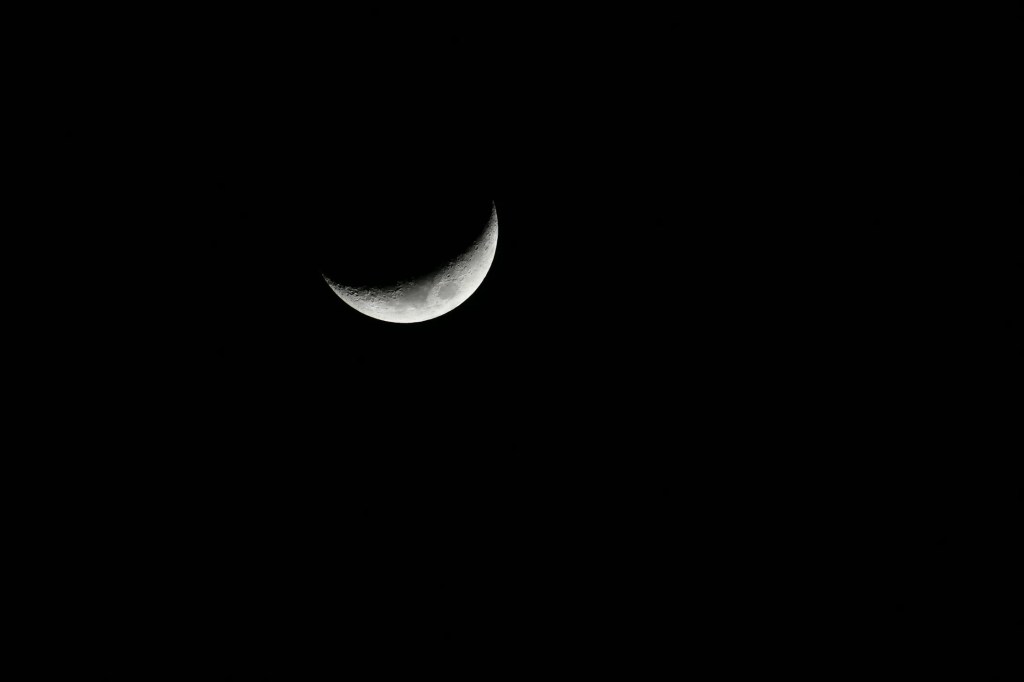
Early in the month, look for the brilliant planet Venus low in the western sky shortly after sunset. On May 11th, Venus will form a striking pair with a slender crescent Moon, creating a breathtaking celestial sight. [1]

Jupiter and Saturn

As the night progresses, turn your gaze to the southeast to spot the gas giants Jupiter and Saturn. Jupiter, the larger of the two, is easily recognizable by its bright, steady glow. With a small telescope, you can even glimpse some of Jupiter’s moons and the planet’s famous Great Red Spot. [1][2]

Saturn, known for its stunning ring system, appears slightly fainter than Jupiter but is still a captivating sight through a telescope. Look for its distinctive golden hue and the rings, which are currently tilted at a favorable angle for observation. [1][2]

Meteor Showers and Lunar Eclipses

In addition to the dazzling planets and constellations, May also offers a few celestial events that are sure to delight stargazers of all ages.

The Eta Aquariids Meteor Shower

One of the highlights of the May night sky is the Eta Aquariids meteor shower, which peaks on the night of May 5th and early morning of May 6th. This shower, originating from the debris of Halley’s Comet, can produce up to 30 meteors per hour under ideal conditions. [1][3]

To catch a glimpse of these shooting stars, find a dark location away from city lights, lie back, and gaze at the sky. Be patient and let your eyes adjust to the darkness – you may be rewarded with a dazzling display of celestial fireworks. [3]

A Total Lunar Eclipse
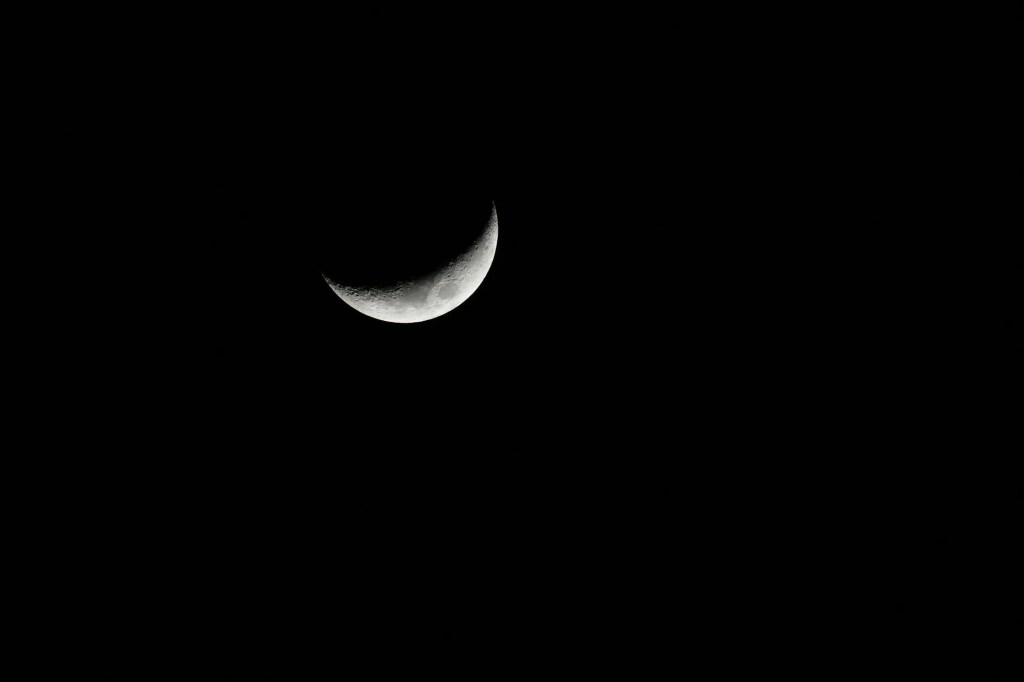
On May 26th, stargazers in parts of the world will be treated to a total lunar eclipse. During this event, the Moon passes through the Earth’s shadow, causing it to appear red or coppery in color. This phenomenon is sometimes referred to as a “Blood Moon.” [3]

The eclipse will be visible from most of the Americas, Europe, Africa, and parts of Asia. Check online resources or consult with local astronomy clubs to find out if the eclipse will be visible from your location and what time it will occur. [3]

Observing Tips and Resources

While many celestial objects are visible to the naked eye, binoculars or a small telescope can greatly enhance your views and allow you to see more detail. Consider investing in a pair of binoculars or a beginner-friendly telescope to enhance your stargazing experience. [1][4]

When planning your stargazing sessions, keep an eye on the weather forecast and aim for clear, moonless nights. The New Moon phase, when the Moon is not visible in the sky, is an ideal time for observing faint deep-sky objects. [3]

To learn more about the night sky and stay up-to-date with the latest celestial events, consider joining a local astronomy club or attending public stargazing events in your area. Many clubs offer beginner-friendly workshops, star parties, and telescope-viewing sessions that can help you get started on your cosmic journey. [4]

Help Observing the Night Sky

Conclusion: Embrace the Magic of the May Night Sky

As May unfolds its celestial wonders, take the time to explore the night sky and marvel at the beauty of the cosmos. Whether you’re admiring the brilliance of Venus, spotting planets in the evening sky, or counting shooting stars during the Eta Aquariids meteor shower, each celestial sight offers a unique opportunity for discovery and wonder. [1]

So gather your loved ones, step outside, and let the magic of the May night sky ignite your imagination and inspire your cosmic journey. Happy stargazing!

Citations:
[1] https://stanshobbiesandinterests.com/2024/04/03/exploring-the-april-night-sky-a-beginners-guide-to-celestial-wonders/
[2] https://stanshobbiesandinterests.com/2024/04/10/the-different-types-of-celestial-bodies-that-are-our-neighbors-in-space/
[3] https://darksky.org/news/planning-your-next-trip-to-the-dark-side/
[4] https://www.skyatnightmagazine.com/advice/astronomy-for-beginners
[5] https://www.kashiwaya.org/e/magazine/shimaonsen/starry-night-sky.html
 May’s Celestial Highlights: A Stargazer’s Guide

Some of the most interesting celestial events in the May night sky include:

The Eta Aquariids Meteor Shower

The Eta Aquariids meteor shower, originating from the debris of Halley’s Comet, peaks on the night of May 5th and early morning of May 6th. Under ideal conditions, this shower can produce up to 30 meteors per hour in the Northern Hemisphere. [1][3]

A Total Lunar Eclipse

On May 26th, stargazers in parts of the world will be treated to a total lunar eclipse. During this event, the Moon passes through the Earth’s shadow, causing it to appear red or coppery in color. The eclipse will be visible from most of the Americas, Europe, Africa, and parts of Asia. [1][3]

The Planetary Parade

As the month of May progresses, stargazers can enjoy a celestial parade of planets gracing the evening sky. Look for the brilliant planet Venus low in the western sky shortly after sunset, and later in the night, spot the gas giants Jupiter and Saturn in the southeast. [1]

The Majestic Constellations of Spring

The May night sky features the majestic constellations of spring, including Ursa Major (the Great Bear) with its famous asterism, the Big Dipper, and Virgo, which is home to numerous galaxies that can be spotted with binoculars or a small telescope. [1]

So mark your calendars and prepare to be enchanted by the celestial wonders of the May night sky!

Citations:
[1] https://stanshobbiesandinterests.com/2024/04/03/exploring-the-april-night-sky-a-beginners-guide-to-celestial-wonders/
[2] https://stanshobbiesandinterests.com/2024/04/10/the-different-types-of-celestial-bodies-that-are-our-neighbors-in-space/
[3] http://www.seasky.org/astronomy/astronomy-calendar-2025.html
[4] https://cw33.com/news/5-of-the-rarest-astronomical-events-and-when-youll-next-see-them/
[5] https://www.smithsonianmag.com/science-nature/nine-dazzling-celestial-events-to-watch-in-2024-180983505/

The Different Types of Celestial Bodies that are our Neighbors in Space

As we gaze up at the night sky, we are surrounded by a vast array of celestial bodies that make up our cosmic neighborhood. From the planets that grace our solar system to the distant galaxies that populate the universe, each of these celestial wonders offers a unique glimpse into the grandeur and mysteries of the cosmos. In this article, we’ll embark on a journey to explore the different types of celestial bodies that are our neighbors in space.

Planets and Dwarf Planets

Our celestial neighborhood begins with the planets that orbit our Sun, each with its unique characteristics and allure. These celestial bodies have been the subject of human fascination and exploration for millennia, and they continue to reveal new secrets with every passing year.

  1. The Major Planets: Our solar system is home to eight major planets, including the inner terrestrial planets (Mercury, Venus, Earth, and Mars) and the outer gas giants (Jupiter, Saturn, Uranus, and Neptune). Each of these planets has its own distinct features, from the scorching surface of Venus to the iconic rings of Saturn[2].
  2. Dwarf Planets: In addition to the major planets, our solar system also harbors a category of celestial bodies known as dwarf planets. These objects, including Pluto, Eris, Haumea, and Makemake, are massive enough to be rounded by their own gravity but have not cleared the neighborhood around their orbits[1][2].

Moons and Asteroids

Beyond the planets and dwarf planets, our cosmic backyard is home to a diverse array of smaller celestial bodies that play a crucial role in our understanding of the solar system.

  1. Moons: Many of the planets in our solar system are accompanied by moons, ranging from Earth’s solitary Moon to the numerous moons that orbit the gas giants. These natural satellites offer a glimpse into the formation and evolution of our solar system, with some even harboring potential for future exploration[2].
  2. Asteroids: Scattered throughout the solar system, asteroids are rocky objects that orbit the Sun, primarily concentrated in the asteroid belt between Mars and Jupiter. These celestial remnants from the early days of our solar system provide valuable insights into the processes that shaped our cosmic neighborhood[2].

Comets and Meteors

While planets, moons, and asteroids are the more familiar celestial bodies, our cosmic neighborhood is also home to transient visitors that captivate stargazers with their fleeting beauty.

  1. Comets: These icy bodies travel in highly elliptical orbits, often bringing them close to the Sun and developing stunning tails of gas and dust. Comets are remnants from the formation of our solar system and offer a glimpse into the primordial materials that gave birth to the planets[2].
  2. Meteors: When small particles of dust and debris from asteroids or comets enter Earth’s atmosphere, they burn up, creating the streaks of light we know as meteors or shooting stars. These celestial fireworks are a reminder of the constant interplay between celestial bodies in our cosmic neighborhood[3].

For more information on the Neighbors in Space or Astronomy check HERE

Stars and Star Systems

While our solar system is home to a single star, the Sun, our cosmic neighborhood extends far beyond our local celestial family. The universe is teeming with countless stars, each one a blazing furnace of nuclear fusion.

  1. Stars: From the brilliant stars that adorn our own Milky Way galaxy to the distant suns that reside in other galaxies, stars offer a glimpse into the life cycles of these celestial powerhouses and the processes that shape the cosmos[1].
  2. Star Systems: Many stars are accompanied by their own planetary systems, with some even harboring planets that could potentially support life. These exoplanets, or planets orbiting stars other than our Sun, have opened up new frontiers in the search for habitable worlds beyond our solar system[1][3].

Star Clusters and Nebulae

As we venture further into our cosmic neighborhood, we encounter stunning collections of stars and the celestial nurseries where new stars are born.

  1. Star Clusters: Scattered throughout the universe are breathtaking collections of stars known as star clusters. These celestial jewels come in two varieties: open clusters, which are loosely bound groups of young stars, and globular clusters, which are tightly packed spherical collections of ancient stars[1][3].
  2. Nebulae: These vast clouds of gas and dust are the birthplaces of stars, where new suns are formed from the cosmic raw materials. From the iconic Orion Nebula to the ethereal Crab Nebula, these celestial wonders offer a glimpse into the processes that shape the universe[1][3].

Galaxies and Beyond

Extending our cosmic neighborhood to its grandest scale, we encounter the vast collections of stars, gas, and dust that make up galaxies, and even the mysterious forces that govern the universe itself.

  1. Galaxies: Beyond our own Milky Way, the universe is teeming with countless galaxies, each one a vast collection of stars, gas, and dust. From the majestic spiral galaxies to the enigmatic elliptical and irregular galaxies, these celestial cities offer a glimpse into the large-scale structure of the cosmos and the mysteries that lie beyond our own galactic home[1][3].
  2. Dark Matter and Dark Energy: Our cosmic neighborhood is also home to a variety of fascinating phenomena, such as dark matter, the invisible substance that holds galaxies together, and dark energy, the mysterious force that is driving the accelerated expansion of the universe. These enigmatic entities challenge our understanding of the cosmos and push the boundaries of scientific exploration[1][3].

To get information on Astronomy Binoculars and Telescopes check HERE

As we explore the different types of celestial bodies that are our neighbors in space, we are reminded of the vastness and complexity of the cosmos. From the familiar planets that grace our night sky to the distant galaxies that populate the universe, each celestial wonder offers a unique perspective on the grandeur and mysteries of the cosmos.

For those seeking to delve deeper into the wonders of our cosmic neighborhood, a wealth of resources is available. Astronomy clubs, planetariums, and online resources offer opportunities to learn from experts, attend stargazing events, and engage with like-minded enthusiasts. Additionally, books such as “The Backyard Astronomer’s Guide” by Terence Dickinson and Alan Dyer provide invaluable insights and guidance for exploring the night sky and understanding our celestial neighbors.

Ultimately, our journey through the cosmos is a testament to the human spirit of exploration and curiosity. As we continue to unravel the secrets of our neighbors in space, we are reminded of the profound connections that bind us to the universe and the endless wonders that await our discovery.

Citations:
[1] https://exoplanets.nasa.gov/resources/2331/astronomical-objects-through-the-history-of-the-universe/
[2] https://science.nasa.gov/solar-system/planets/what-is-a-planet/
[3] https://www.astronomy.com/science/dark-energy-survey-finds-more-celestial-neighbors/
[4] https://spacemesmerise.com/en-us/blogs/planets/venus-vs-earths-moon-a-comparative-study-of-our-planetary-neighbors
[5] https://science.howstuffworks.com/milky-way.htm