September 2025 is set to dazzle skywatchers on every continent, with celestial spectacles ranging from dramatic eclipses and bright planets to subtle meteor showers and shifting constellations. Whether you’re an absolute beginner or a longtime astronomy lover, this educational, family-friendly guide will walk you through this month’s most rewarding highlights. We’ll explore naked-eye and binocular sights, provide skywatching tips, and show you how to make the most of every clear night — all optimized for high engagement, readability, and shareability in today’s online world.
Why September 2025 Is So Special
September 2025 brings a rare convergence of events:
- A stunning total lunar (“Blood Moon”) eclipse
- A striking partial solar eclipse
- Saturn and Neptune at their brightest (“opposition”)
- A lunar meet-up with Venus, visible occultations, and close planetary approaches
- Constellations shifting from summer to autumn dominance
- Meteor showers, celestial equinox, and more
No expensive gear is required for many of these sights — just your own eyes, curiosity, and a sense of wonder.
September 2025: Celestial Events Calendar (All dates are approximate; check local apps for timing in your region)
- September 1: Aurigid meteor shower peaks
- September 7: Full Moon & total lunar eclipse (“Blood Moon”)
- September 8: Moon close to Saturn & Neptune
- September 9: ε-Perseid meteor shower peaks
- September 12: Moon occults the Pleiades cluster
- September 14: Last Quarter Moon
- September 16–17: Moon near Jupiter and the Beehive Cluster
- September 19: Moon near Venus, lunar occultation of Venus in some regions
- September 21: Saturn at opposition & partial solar eclipse & New Moon
- September 22: September Equinox (start of fall)
- September 23: Neptune at opposition
- September 27: Daytime Sextantids meteor shower
- September 29: First Quarter Moon
1. The Eclipses: September’s Main Attractions
Total Lunar Eclipse — September 7

On the evening of September 7, the Full Moon will slip into Earth’s shadow, transforming into a coppery red “Blood Moon” for lucky viewers across Africa, Asia, Australia, and parts of Europe and the Pacific. Since lunar eclipses are safe to watch with unaided eyes, it’s a perfect family event!starwalk+3
How to Watch:
- No special equipment needed, though binoculars reveal extra detail in the reddish lunar surface.
- Try taking a photo: even a smartphone will capture the dramatic change in color.
- Make it fun: have children sketch the moon’s phases or write “moon eclipse diaries.”
Partial Solar Eclipse — September 21
This deep partial solar eclipse is visible from Antarctica, parts of Australia and New Zealand’s south, southern South America, and the South Pacific. For safety, only use special eclipse glasses or viewers.planetary+2
Family Tip:
- If you aren’t in the path: Many observatories and NASA stream eclipses live. Make popcorn and have a “solar eclipse party” at home!
2. Planetary Spectacles: Saturn, Jupiter, Venus & More
Saturn at Opposition — September 21

Saturn rises as the sun sets and is visible all night at its biggest and brightest of the year, in Pisces. Binoculars will show its golden hue; even a small telescope (especially if borrowed from a local library or club!) may reveal Saturn’s rings, although the rings are nearly edge-on this year—a rare geometric arrangement that makes them appear very thin or almost vanish.starwalk+3
How to See:
- Look southeast after dusk for a bright golden “star” — that’s Saturn.
- Binoculars or telescopes reveal more detail.
- For kids: Have them pretend “lining a marble up” with Saturn’s rings — are they really flat?
Jupiter Returns
Jupiter rises after midnight and stays up until dawn, growing spectacularly bright through the month. It’s great for “early bird” skywatchers and a favorite target for binoculars; in crisp conditions, you can spot up to four of Jupiter’s large moons in a little row!ts2+2
Venus — The Glorious Morning Star
Venus blazes before sunrise in the east, sometimes called the “Morning Star.” On September 19, Venus and the slender crescent Moon perform a special dance. In certain regions (Europe, Africa, Russia, Asia, Canada, Greenland), the Moon will actually “cover” Venus in a rare occultation. If you’re outside the path, you’ll still enjoy the pair’s close, sparkly approach.starwalk+2
Try This: Use a free stargazing app (like Sky Tonight or Stellarium) to see exactly where Venus, Saturn, and Jupiter are hiding each morning or evening.
Distant Planets at Opposition
- Neptune (September 23): Only visible with binoculars or a telescope but at its brightest for the year.
- Uranus: Begins retrograde; faint but fun to find with star maps and optics.
3. Constellations to Watch as Summer Fades
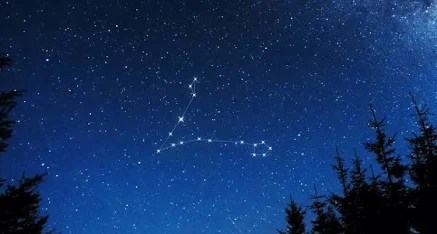
September skies transition from summer to autumn starshows. Here’s what to scan for:
- Summer Triangle (Vega–Deneb–Altair): High overhead at dusk, these three bright stars anchor the constellations Lyra (look for the Ring Nebula with optics!), Cygnus (the Northern Cross), and Aquila (the eagle).
- Pegasus & Andromeda: Rising higher each night in the east, these constellations signal fall’s return. Try to spot the Andromeda Galaxy — bare eye in very dark skies, binoculars make it easy even in suburbs.
- Pisces, Aquarius, Capricornus: Look along the “ecliptic” (the Sun’s path). Use a star map or app to help orient yourself.
- Pisces Austrinus: Low in the southern sky (northern hemisphere) — try to spot its bright “alpha” star, Fomalhaut.
Make it a family game to spot new constellations each week and compare how they move across the night sky!
4. September’s Minor Meteor Showers
Aurigids (September 1), ε-Perseids (September 9), and Daytime Sextantids (September 27) offer glimpses of shooting stars. These are minor showers (5–10 meteors/hour) and sometimes washed out by moonlight — but if you do catch one, it’s a fun bonus for night owls and early risers. For best results, go outside after midnight, find a dark spot, and let your eyes adjust.in-the-sky+2
5. Special Nights and Skywatching Events
- September 12: The Moon crosses in front of the beautiful Pleiades Star Cluster. Binoculars show this “jewel box” hiding behind the bright limb of the moon!
- September 16–17: The Moon passes near Jupiter and the Beehive Cluster.
- September 21: New Moon = best night for deep-space viewing; no moonlight to wash out faint galaxies and clusters.
- September 22: The Equinox — day and night are nearly equal. The autumn sky takes center stage!
- September 23: Neptune at opposition — use binoculars or a telescope for a special challenge.
- September 27: The Moon briefly “occults” (blocks) fiery red Antares.
6. Skywatching Tips: Making the Most of September
- Find Dark Skies: Light pollution hides many celestial treats; visit parks, open fields, or dark-sky preserves if possible.
- Let Your Eyes Adapt: Wait 15–30 minutes outside for full night vision — avoid phone glare.
- Use Apps: Tools like Stellarium Mobile, Sky Tonight, and Star Walk 2 make it easy for families and beginners to locate objects and understand what they’re seeing.
- Bring Binoculars: Unlock details in the Moon, star clusters, and see Jupiter’s moons and Saturn’s rings (when visible).
- Log Your Observations: Keep a “sky journal” to track each sighting and share the sky with friends or family.
- Join a Club or Attend Star Parties: Most astronomy groups welcome all ages and love to share telescopic views during big events (like Saturn at opposition or lunar eclipses).
7. Activities for the Whole Family
- Sky Scavenger Hunt: List the planets, constellations, or major stars you want to find — see who spots the most in one night!
- Eclipse Story Night: Read about ancient eclipse myths and invite kids (and grownups!) to draw what they see.
- Take Photos: Use a tripod and even a basic smartphone to snap the Big Three—Moon, Jupiter, Saturn—plus wide-field shots during eclipses or conjunctions.
References
- [Star Walk: Astronomical Events in September 2025]starwalk
- [Sea and Sky: Astronomy Calendar of Celestial Events 2025]seasky
- [The Planetary Society: Calendar of Space Events 2025]planetary
- [In-The-Sky.org: Calendar of Astronomical Events 2025]in-the-sky
- [Space.com: Must-See Naked-Eye Events in 2025]space
- [Star Walk: Calendar of All Astronomical Events 2025]starwalk
- [All Eyes on the Skies: September Spectacles 2025]ts2
Footnotes
- For exact eclipse, occultation, and opposition times in your location, use a reputable mobile app (e.g., Sky Tonight, Stellarium Mobile) or check your local observatory’s website.
- Eclipses require safety precautions for solar viewing — only use certified eclipse glasses or safe indirect viewing methods.
- Many events are perfectly visible without any equipment, but binoculars and even entry-level telescopes will enrich every experience.
- Family star parties can be hosted at local parks, schoolyards, or anyone’s backyard!
September 2025 offers something special for everyone — from total lunar eclipses and bright Saturn to the rhythms of the autumn equinox and the return of the Andromeda Galaxy. There’s never been a better time to look up, learn together, and create memories that will last a lifetime. Happy skywatching!
- https://starwalk.space/en/news/night-sky-tonight-september
- https://www.planetary.org/articles/calendar-of-space-events-2025
- https://starwalk.space/en/news/astronomy-calendar-2025
- https://ts2.tech/en/all-eyes-on-the-skies-september-2025-celestial-spectacles-meteor-showers-eclipses-more/
- http://www.seasky.org/astronomy/astronomy-calendar-current.html
- https://www.space.com/stargazing/15-must-see-naked-eye-skywatching-events-in-2025
- https://in-the-sky.org/newscal.php?year=2025&month=9
- https://whenthecurveslineup.com/2025/08/21/2025-september-3-uranus-and-neptune-before-sunrise/
- https://thevlm.org/the-planets-in-our-night-sky-what-you-can-see-this-month/
- https://koa.com/blog/celestial-events-2025/
 Stan's Hobbies and Interests