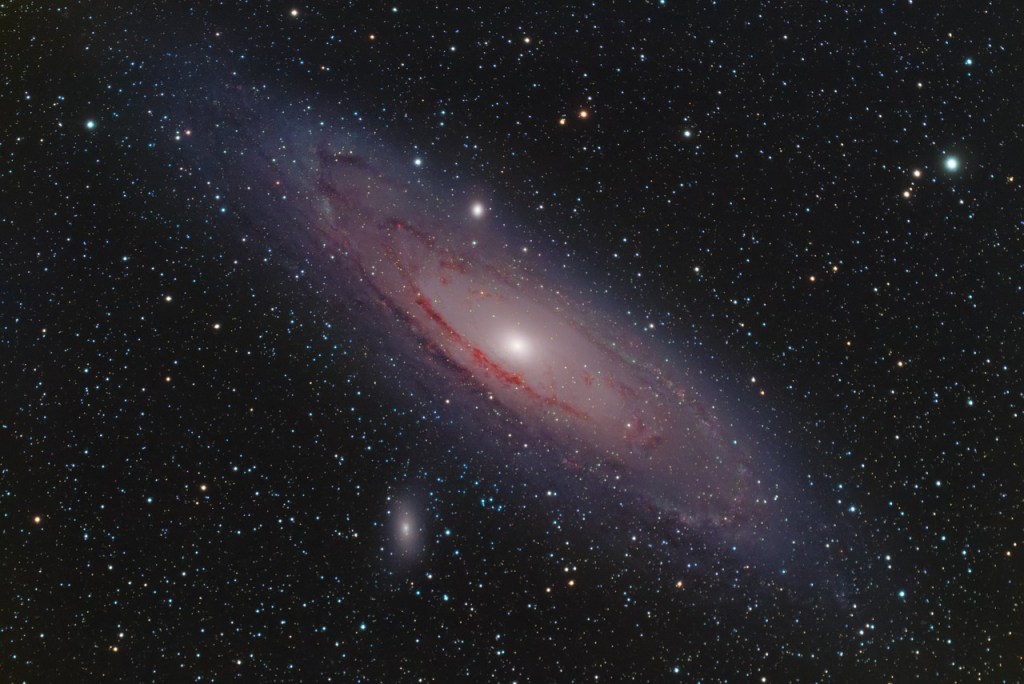
Best apps for Navigating the Night Sky:

Based on the search results, here are the best apps for navigating the night sky:

1. SkySafari

  • Features an interactive star map with real-time sky viewing
  • Uses GPS for precise location-based information
  • Supports telescope control
  • Offers educational content about celestial objects
  • Available on iOS and Android

2. Stellarium Mobile

  • Acts like a mobile planetarium
  • Real-time sky simulation
  • Time control function to see sky changes
  • Detailed information about celestial objects
  • Easy to use for beginners

3. Star Walk 2

  • Great for beginners
  • Includes satellite tracker
  • Augmented reality (AR) overlays
  • Tracks over 200,000 celestial bodies
  • Free version available with affordable upgrade options

4. Night Sky

  • Uses augmented reality to identify stars, planets, and constellations
  • Offers “Grand Orrery” 3D solar system model
  • Includes “Sky Tours” feature
  • Compatible with iOS and Apple Watch
  • Some premium features require subscription

5. SkyView

  • Excellent for locating and describing celestial objects
  • Interactive map
  • Affordable option for beginners

Each app offers unique features, so choose based on your specific stargazing needs and preferences.

Citations:
[1] https://shopeverbeam.com/blogs/news/5-best-stargazing-apps-for-beginners-top-tools-to-explore-the-night-sky
[2] https://www.space.com/best-stargazing-apps
[3] https://www.reddit.com/r/telescopes/comments/xsz9sd/what_is_the_best_stargazing_app/
[4] https://www.hipcamp.com/journal/camping/best-apps-for-stargazing
[5] https://astrobackyard.com/astronomy-apps-for-stargazing/
[6] https://www.skyatnightmagazine.com/top-astronomy-kit/best-astronomy-stargazing-apps
[7] https://play.google.com/store/apps/details?id=com.vitotechnology.StarWalk2Free&hl=en_US

The Perfect Christmas Gifts for Astronomy Enthusiasts: Binoculars and Telescopes

As the holiday season approaches, finding the perfect gift for the budding astronomer in your family can be a delightful yet challenging task. Whether you’re shopping for a curious child or an adult hobbyist, binoculars and telescopes make excellent gifts that can ignite a passion for stargazing and exploration of the night sky. This guide will help you choose the right equipment, ensuring your loved ones have the best tools to embark on their astronomical adventures.

Why Choose Binoculars or Telescopes?

Binoculars and telescopes offer unique ways to explore the cosmos. Binoculars are portable, easy to use, and provide a wide field of view, making them ideal for beginners and casual stargazers. Telescopes, on the other hand, offer higher magnification and more detailed views of celestial objects, perfect for those ready to dive deeper into astronomy.

Binoculars: A Gateway to the Stars

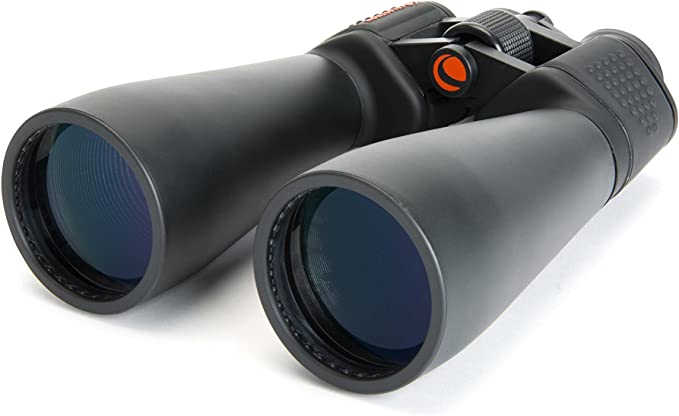
Celestron SkyMaster Pro 20×80
For those seeking powerful magnification and large objective lenses, the Celestron SkyMaster Pro 20×80 binoculars are an excellent choice. These binoculars provide bright, clear images of stars and galaxies, making them perfect for serious stargazers[1].

Nikon 10×50 Aculon A211
Ideal for entry-level astronomy enthusiasts, these binoculars offer 10x magnification and 50mm objective lenses. They are lightweight and easy to handle, providing a great balance between performance and portability[6].

Celestron Echelon 20×70
Designed specifically for astronomy, these binoculars feature powerful magnification and are also suitable for long-range terrestrial viewing. They are robustly built to withstand various environmental conditions[4].

Look here for the perfect Binocular Gift

Telescopes: Delving Deeper into Space

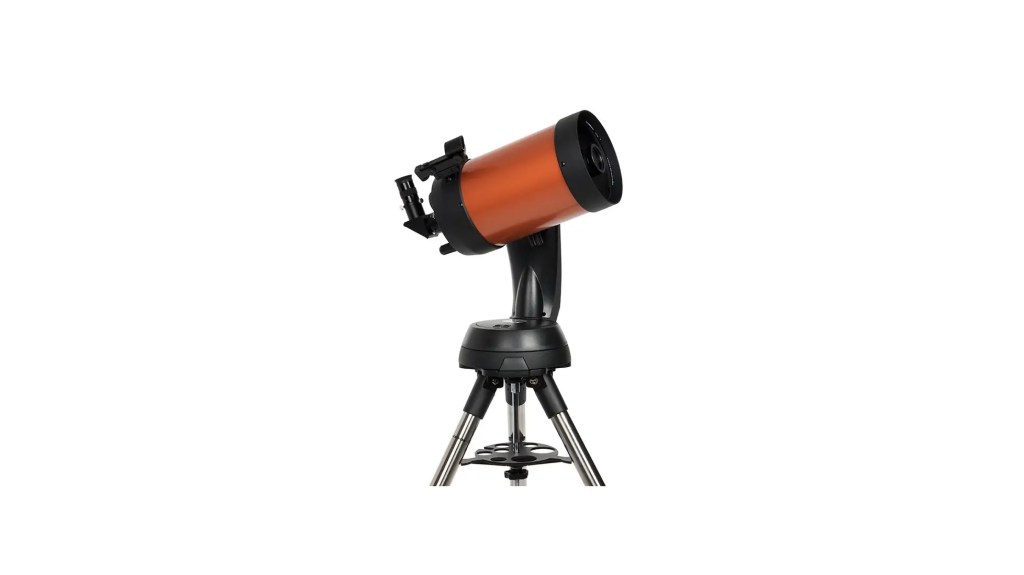
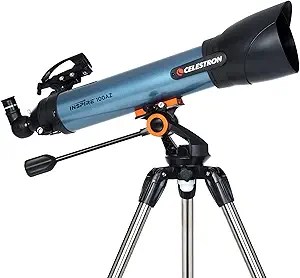
Celestron Inspire 100AZ Refractor Telescope
Perfect for beginners and families, this telescope is easy to set up and use. It features an innovative design with integrated smartphone adapters for capturing images of celestial objects. The Inspire 100AZ provides clear views of the Moon, planets, and bright deep-sky objects.

Orion StarBlast II 4.5 Equatorial Reflector Telescope
This telescope is an excellent choice for those who want to learn how to manually track celestial objects using an equatorial mount. Its compact design makes it portable, while its optics provide crisp views of planets and star clusters.

Sky-Watcher Dobsonian Telescope (8-inch)
For hobbyists ready to take their stargazing to the next level, this Dobsonian telescope offers large aperture optics at an affordable price. It delivers stunning views of deep-sky objects like nebulae and galaxies.

Choosing the right Christmas Gift

Choosing the Right Equipment

When selecting binoculars or telescopes as gifts, consider the recipient’s age, experience level, and interests. Here are some tips to guide your decision:

  1. Age Appropriateness: For young children or beginners, start with binoculars or simple telescopes that are easy to use. Avoid overly complex models that might discourage them.
  2. Portability: Consider how portable the equipment needs to be. Binoculars are generally more portable than telescopes, but some compact telescopes can also be easily transported.
  3. Ease of Use: Look for equipment with straightforward setup processes. Telescopes with alt-azimuth mounts are generally easier for beginners compared to equatorial mounts.
  4. Budget: Set a budget that fits your needs. There are quality options available at various price points.
  5. Features: Consider additional features like smartphone adapters for astrophotography or computerized mounts for automatic tracking of celestial objects.

Enhancing the Stargazing Experience

To complement binoculars or telescopes, consider these additional gift ideas:

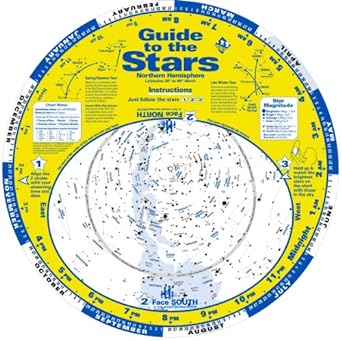
  • Star Charts or Astronomy Apps: These tools help users identify constellations and celestial objects.
  • Red Flashlights: Preserve night vision while reading star charts.
  • Astronomy Books: Provide educational content about stars, planets, and other celestial phenomena.
  • Observation Journals: Encourage note-taking during stargazing sessions to track observations over time.

Family-Friendly Stargazing Activities

Stargazing can be a wonderful family activity that fosters curiosity and learning. Here are some ideas to make it engaging for all ages:

  • Plan a Stargazing Night: Choose a clear night and head outside with your new equipment. Use star charts or apps to locate constellations and planets.
  • Create a Constellation Craft: Use glow-in-the-dark stickers or paint to recreate constellations on paper or canvas.
  • Host a Meteor Shower Party: Gather friends and family during meteor showers like the Geminids in December for a night of sky-watching.
  • Attend Local Astronomy Events: Check if local observatories or astronomy clubs host public viewing nights or events.

Conclusion

Binoculars and telescopes make thoughtful Christmas gifts that can spark a lifelong interest in astronomy. Whether you’re gifting a child their first pair of binoculars or helping an adult upgrade their telescope setup, these tools open up a universe of exploration right from your backyard.

By considering factors like age appropriateness, ease of use, portability, budget, and features, you can select the perfect equipment tailored to your loved one’s needs. Complement these gifts with educational materials and family-friendly activities to enhance their stargazing experience.

As you prepare for the holiday season, remember that the gift of astronomy is not just about observing distant worlds but also about creating memories under the stars with family and friends. Happy stargazing!

Citations:
[1] https://www.livescience.com/best-binoculars-for-stargazing
[2] https://www.space.com/29798-best-telescopes-for-kids.html
[3] https://teachbesideme.com/fun-kids-astronomy-activities-for-teaching/
[4] https://www.bestbinocularsreviews.com/astronomy/best-astronomy-binoculars.php
[5] https://littlebinsforlittlehands.com/space-activities-for-kids/
[6] https://www.space.com/26021-best-binoculars.html
[7] https://www.skyatnightmagazine.com/advice/science-projects-kids-children
[8] https://www.skyatnightmagazine.com/advice/best-binoculars-for-astronomy

Night Sky for December 2024: A Family-Friendly Guide

December 2024 offers a spectacular array of celestial events for families to enjoy together. This guide will help you navigate the night sky, providing instructions for aligning manual telescopes and using binoculars to observe each event. Bundle up, grab your stargazing gear, and prepare for an unforgettable month under the stars!

New Moon – December 1

The month begins with a New Moon, providing an excellent opportunity for deep-sky observation. With no moonlight to interfere, this is the perfect time to explore faint objects like galaxies and star clusters.

Observing tip: Use this dark night to locate the Andromeda Galaxy (M31) with binoculars or a manual telescope. Find the constellation Andromeda and slowly sweep the area with your lowest power eyepiece until you spot a faint, fuzzy patch.

Moon near Venus – December 4

Look for the crescent Moon close to bright Venus in the early morning sky.

Observing tip: Use binoculars to spot the pair low in the eastern sky before sunrise. Venus will appear as a bright, non-twinkling “star” near the Moon. With a manual telescope, start with a low-power eyepiece to find the pair, then switch to higher magnification to observe Venus’s phase.

Jupiter at Opposition – December 7

Jupiter will be at its brightest and closest to Earth, visible all night long.

Observing tip: With a manual telescope, look for Jupiter’s cloud bands and four largest moons. Start with a low-power eyepiece to find Jupiter, then switch to higher magnification for more detail. Align your telescope on a bright star near Jupiter first, then slowly move to Jupiter itself.

Moon near Saturn – December 8

The Moon will pass close to Saturn in the evening sky.

Observing tip: Use binoculars or a manual telescope to observe this pairing. Saturn’s rings should be visible through a telescope with at least 25x magnification. Align your telescope on the Moon first, then slowly move towards Saturn, which will appear as a small, yellowish “star” nearby.

Geminid Meteor Shower Peak – December 14-15

One of the year’s best meteor showers, producing up to 120 meteors per hour at its peak.

Observing tip: No telescope needed! Find a dark location away from city lights. Look towards the constellation Gemini, but meteors will be visible across the sky. Use binoculars to examine any persistent trails left by bright meteors.

Full Moon (Cold Moon) – December 15

The last full Moon of 2024, also known as the Cold Moon.

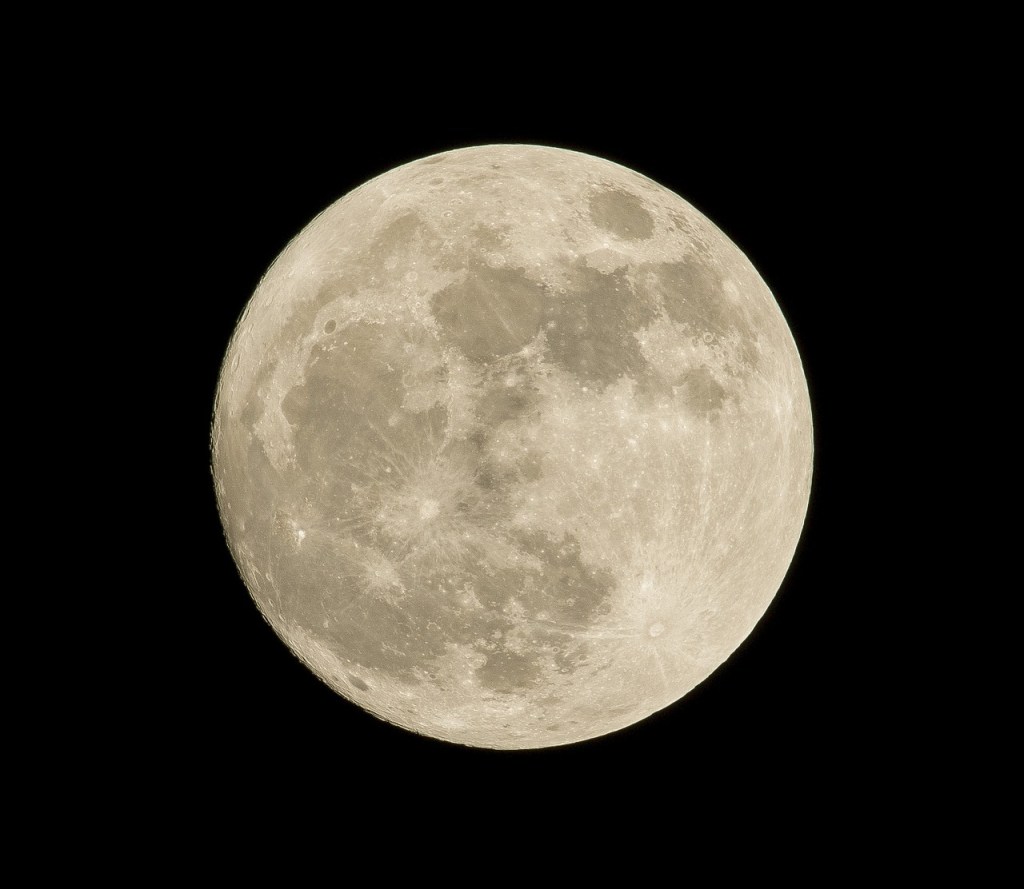
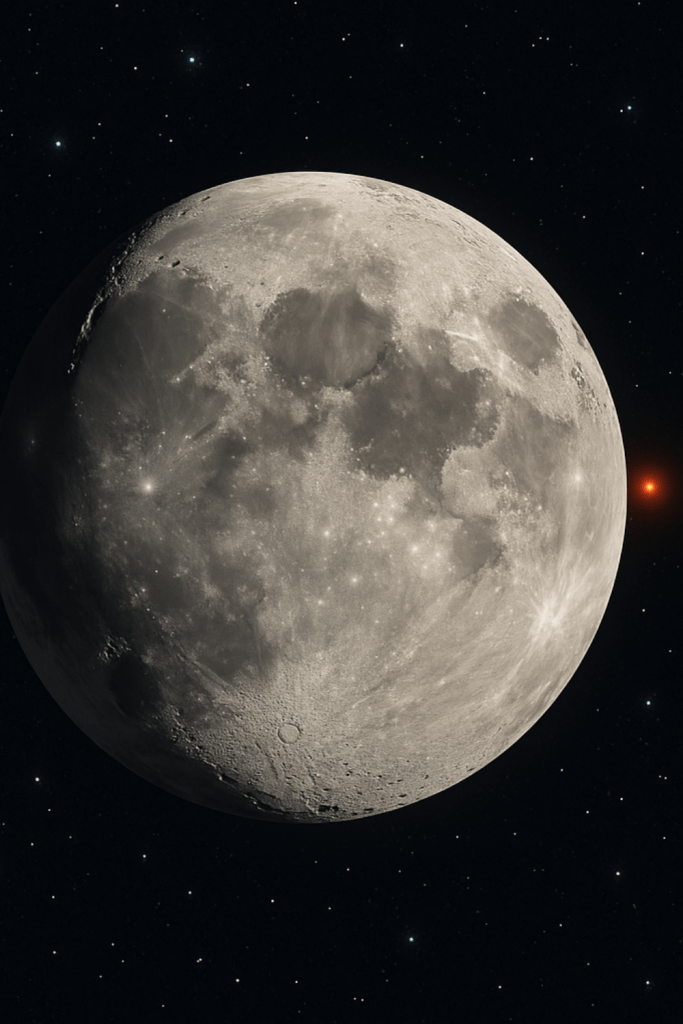
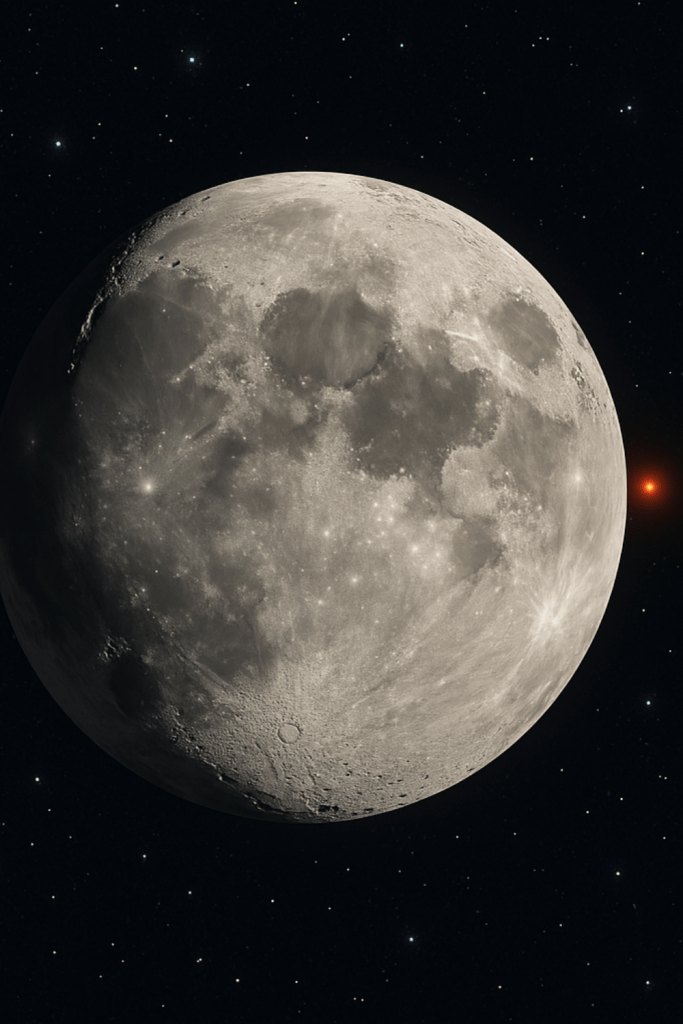
Observing tip: Use binoculars or a low-power eyepiece on your telescope to observe the Moon’s craters and maria (dark plains). Focus on the terminator (the line between light and dark) for the best views of lunar features.

Moon near Mars – December 18

The Moon will pass close to Mars in the night sky.

Observing tip: Use binoculars or a manual telescope to spot Mars near the Moon. Mars will appear as a reddish “star” through binoculars. With a telescope, start with a low-power eyepiece to find the pair, then increase magnification to observe Mars’s surface features.

December Solstice – December 21

The shortest day of the year in the Northern Hemisphere, marking the beginning of winter.

Observing tip: While not an observable event, use this day to learn about Earth’s seasons and axial tilt. You can use a globe and a flashlight to demonstrate how the tilt affects sunlight distribution on Earth.

Ursid Meteor Shower Peak – December 22-23

A minor meteor shower producing about 5-10 meteors per hour.

Observing tip: Look towards the constellation Ursa Minor (Little Dipper) after midnight. No telescope needed, but binoculars can help observe meteor trails. Find a dark location and be patient, as this shower is less active than the Geminids.

Mercury at Greatest Western Elongation – December 25

Mercury reaches its greatest separation from the Sun, visible in the morning sky.

Observing tip: Look for Mercury low in the eastern sky just before sunrise. Use binoculars to help spot this elusive planet. With a manual telescope, start with a low-power eyepiece and scan the area just above the eastern horizon.

General Tips for December Stargazing:

  1. Dress warmly: December nights can be cold, so wear layers and bring blankets.
  2. Allow time for dark adaptation: Give your eyes at least 30 minutes to adjust to the darkness for optimal viewing.
  3. Use red light: To preserve your night vision, use a red flashlight or cover your regular flashlight with red cellophane.
  4. Choose your location wisely: Find a dark spot away from city lights for the best views.
  5. Bring hot beverages: A thermos of hot cocoa or tea can make your stargazing session more enjoyable.

Aligning Your Manual Telescope:

  1. Set up your telescope and ensure it’s level.
  2. If you have an equatorial mount, align the polar axis with the North Star (Polaris).
  3. Start with a low-power eyepiece to find objects more easily.
  4. Use your finderscope to locate bright stars or planets, then center them in your eyepiece.
  5. Once you’ve found a bright object, switch to higher magnification for more detail.

Using Binoculars for Stargazing:

  1. Choose binoculars with magnification between 7x and 10x for astronomical viewing.
  2. Use a tripod or lean against a stable object to minimize shake.
  3. Focus on one eye at a time for the sharpest view.
  4. Scan the sky slowly, giving your eyes time to detect faint objects.
  5. Use star charts or astronomy apps to help identify what you’re seeing.

Family-Friendly Stargazing Activities:

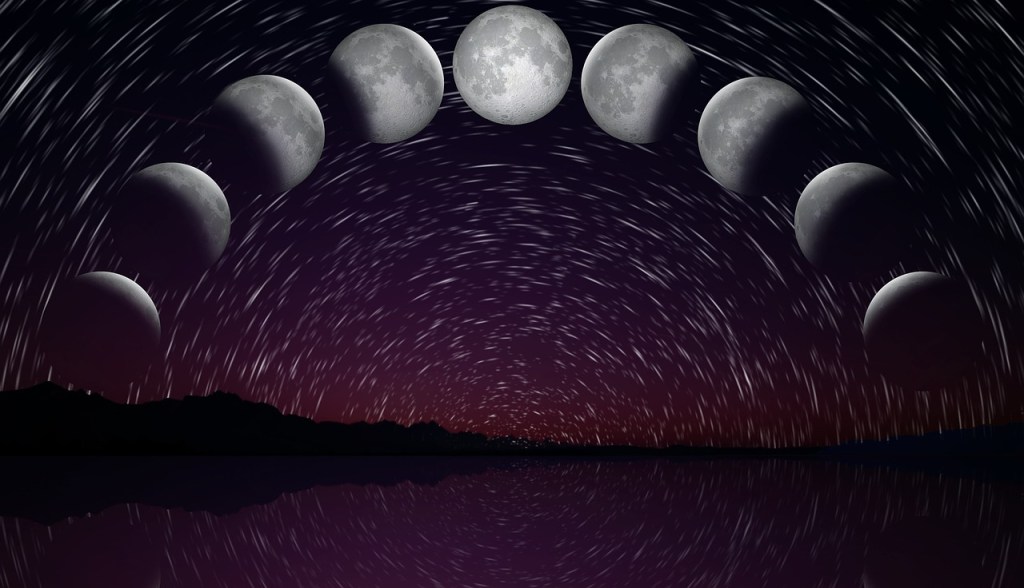
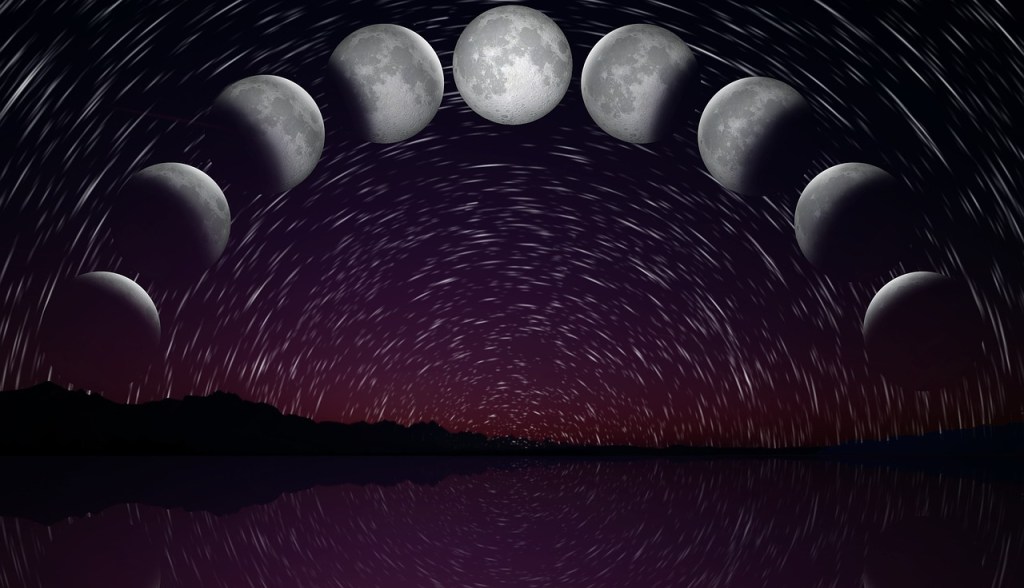
  1. Moon Observation Challenge: Throughout the month, observe how the Moon’s appearance changes. Use a manual telescope or binoculars to sketch what you see each night.
  2. Planet Watch: Jupiter and Saturn are visible in the evening sky. Use your manual telescope to observe Jupiter’s moons and Saturn’s rings.
  3. Constellation Storytelling: Learn the myths associated with the winter constellations and share these stories while stargazing.
  4. Meteor Shower Party: Host a family gathering for the Geminid meteor shower. Bring blankets, hot cocoa, and snacks for a memorable night under the stars.
  5. Solar System Model: Create a scale model of the solar system in your backyard or a local park to better understand the distances between planets.

Constellation Highlights for December:

  1. Orion: This prominent winter constellation is easy to spot with its distinctive “belt” of three stars. Use binoculars to observe the Orion Nebula (M42) below the belt.
  2. Taurus: Look for the V-shaped Hyades cluster and the compact Pleiades cluster (M45) in this constellation.
  3. Gemini: The radiant point for the Geminid meteor shower, this constellation features the bright stars Castor and Pollux.
  4. Canis Major: Home to Sirius, the brightest star in the night sky, easily visible to the naked eye.
  5. Cassiopeia: This W-shaped constellation is high in the northern sky and provides a starting point for finding other objects.

Remember, patience and persistence are key when stargazing. Don’t get discouraged if you can’t immediately find or identify everything. Each night under the stars is an opportunity to learn and improve your observing skills.

December 2024 offers a diverse array of celestial events for families to enjoy together. From meteor showers to planetary alignments, and from the winter solstice to deep sky objects, there’s something for everyone to discover in the night sky this month.

As you explore the wonders of the cosmos, take time to appreciate the vastness of the universe and our place within it. Stargazing not only offers a chance to learn about astronomy but also provides a unique opportunity for family bonding and creating lasting memories.

So grab your manual telescope or binoculars, bundle up, and head outside to experience the magic of the December night sky. Who knows? You might just inspire the next generation of astronomers, astrophysicists, or space explorers. Happy stargazing!

Citations:
[1] https://www.telescopeguide.org/space-gifts-for-kids/
[2] http://www.seasky.org/astronomy/astronomy-calendar-2024.html
[3] https://www.hipcamp.com/journal/camping/stargazing-guide-astronomical-calendar
[4] https://www.rmg.co.uk/stories/blog/astronomy/night-sky-highlights-december-2024
[5] https://www.farmersalmanac.com/december-night-sky-guide-december-2024
[6] https://www.astronomy.com/observing/the-best-space-gifts-for-astronomy-lovers-and-stargazers-holiday-gift-guide-2024/
[7] https://www.farmersalmanac.com/monthly-stargazing-night-sky-guide
[8] https://www.almanac.com/night-sky-december

Exploring the November Night Sky: A Celestial Odyssey for the Whole Family

As the crisp autumn air settles in, November 2024 offers a spectacular array of celestial events for backyard astronomers of all levels. This guide will help novice stargazers navigate the night sky, highlighting key events and providing tips for optimal viewing. Remember, patience and persistence are key when exploring the cosmos.

Preparing for Your Stargazing Sessions:

  1. Choose a dark location away from city lights.
  2. Allow your eyes to adjust to the darkness for about 30 minutes.
  3. Use red light to preserve night vision when reading charts or adjusting equipment.
  4. Dress warmly, as November nights can be cold.
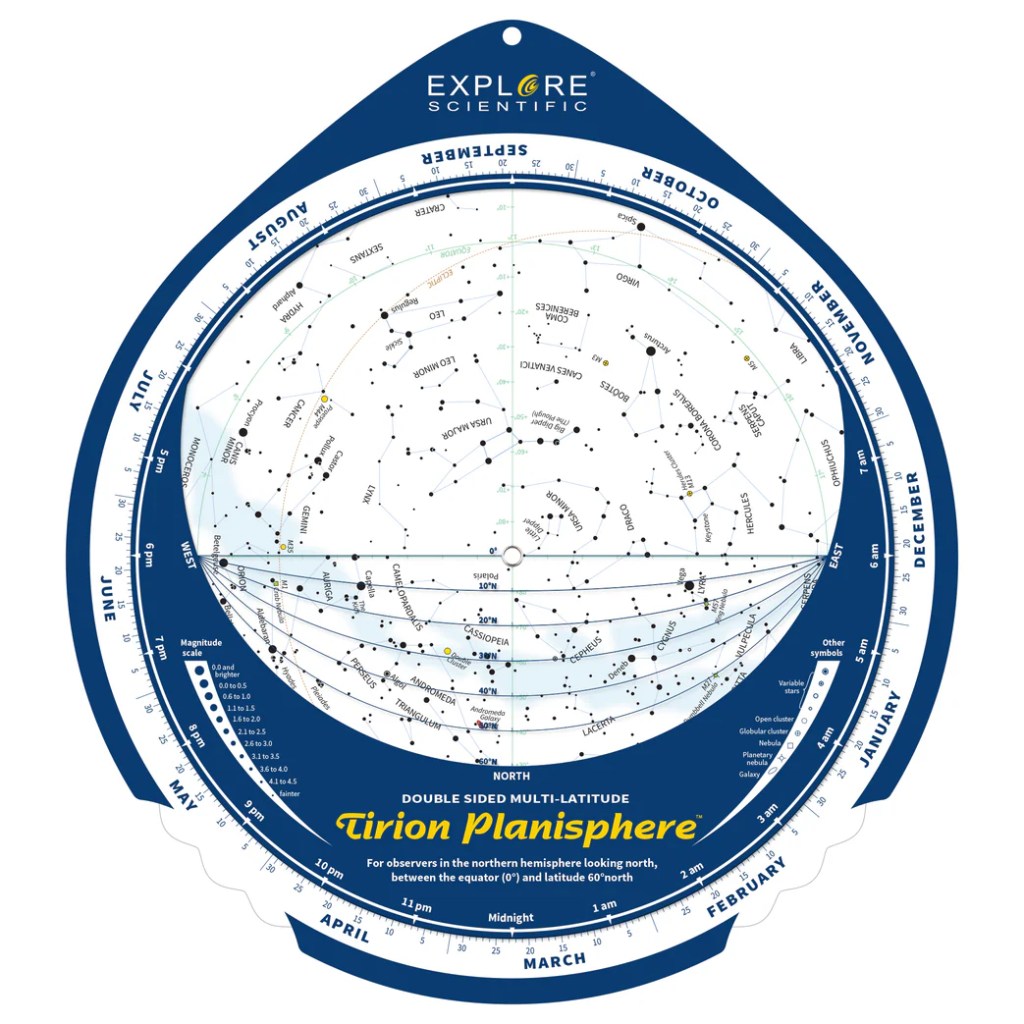
  5. Bring star charts, a compass, and a planisphere to help locate objects.

Now, let’s explore the celestial highlights for November 2024:

  1. New Moon – November 1

The month begins with a New Moon on November 1 at 4:49 am Alaska time. This is an excellent opportunity for deep-sky observation, as the absence of moonlight allows for optimal viewing of faint objects like galaxies and star clusters[4].

Tip for Novices: Use this dark night to familiarize yourself with constellations. Start with easily recognizable patterns like the Big Dipper or Orion, then use these as guideposts to explore further.

  1. Taurid Meteor Shower – Peak on November 4-5

The Taurids meteor shower, while minor, offers an interesting viewing opportunity. This long-running shower produces about 5-10 meteors per hour and consists of two separate streams[4].

Observing Tips:

  • Best viewing will be just after midnight from a dark location.
  • Look towards the constellation Taurus, but remember meteors can appear anywhere in the sky.
  • Be patient, as this is not a prolific shower.
  1. Jupiter at Opposition – November 7

Jupiter reaches opposition on November 7, making it an excellent time to observe the gas giant. The planet will be at its closest approach to Earth and fully illuminated by the Sun[2].

Observing Tips:

  • Look for Jupiter as a bright, non-twinkling “star” in the eastern sky after sunset.
  • With binoculars or a small telescope, you may be able to see Jupiter’s four largest moons.
  • A medium-sized telescope might reveal Jupiter’s cloud bands.
  1. Uranus at Opposition – November 17

Uranus reaches opposition on November 17, offering a rare opportunity to observe this distant ice giant[2].

Observing Tips:

  • Uranus is barely visible to the naked eye under perfect conditions. Binoculars or a small telescope are recommended.
  • Look for a tiny, blue-green disk in the constellation Aries.
  • Use a star chart or astronomy app to help locate Uranus, as it’s not easily distinguishable from stars.
  1. Full Moon (Beaver Moon) and Supermoon – November 15

The Full Moon on November 15 is known as the Beaver Moon, Frosty Moon, or Dark Moon. It’s also the last of three supermoons for 2024, appearing slightly larger and brighter than usual[4].

Observing Tips:

  • The Full Moon rises around sunset and sets around sunrise.
  • Use binoculars or a small telescope to observe lunar features, especially along the terminator (the line between light and dark).
  • Try to spot the “Moon illusion” when it’s near the horizon, appearing larger due to an optical illusion.
  1. Leonid Meteor Shower – Peak on November 17-18

The Leonids meteor shower, while not as spectacular as some years, can still provide an enjoyable viewing experience. It typically produces up to 15 meteors per hour at its peak[2].

Observing Tips:

  • The shower peaks on the night of November 17 and early morning of November 18.
  • Look towards the constellation Leo, but remember meteors can appear anywhere in the sky.
  • The best viewing is usually after midnight and before dawn.
  1. Mercury at Greatest Eastern Elongation – November 16

Mercury reaches its greatest eastern elongation on November 16, making it visible in the evening sky just after sunset[4].

Observing Tips:

  • Look for Mercury low in the southwestern sky shortly after sunset.
  • Use binoculars to help spot this elusive planet, as it’s often difficult to see with the naked eye.
  • Don’t confuse Mercury with brighter Venus, which will be higher in the sky.

Check out these Beginner Telescopes

Constellation Highlights for November:

  1. Cassiopeia: This W-shaped constellation is high in the northeast.
    Tip: Use Cassiopeia to find the Andromeda Galaxy (M31), our nearest large galactic neighbor.
  2. Perseus: Look for this constellation below Cassiopeia.
    Tip: Try to spot the Perseus Double Cluster with binoculars or a small telescope.
  3. Taurus: The V-shaped face of the bull is prominent in the eastern sky.
    Tip: Observe
  4. the Pleiades star cluster (M45) within Taurus, visible to the naked eye but stunning through binoculars.
  5. Orion: Rising in the east later in the evening, Orion is one of the most recognizable winter constellations.
    Tip: Use Orion’s Belt to find the Orion Nebula (M42), visible as a fuzzy patch below the belt.

Additional Tips for Novice Backyard Astronomers:

  1. Start with Naked-Eye Observing: Begin by identifying bright stars and constellations before moving on to binoculars or telescopes. This will help you learn to navigate the night sky.
  2. Use Star Charts or Apps: Familiarize yourself with the night sky using star charts or smartphone apps like Stellarium or Sky Map. These can help you identify objects and plan your observing sessions.
  3. Join an Astronomy Club: Local astronomy clubs often host star parties and can provide valuable guidance for beginners. They’re also a great way to meet fellow enthusiasts and learn from more experienced observers.
  4. Keep a Log: Record your observations, including date, time, and sky conditions. This can help you track your progress and remember what you’ve seen.
  5. Be Patient: Astronomical observing requires patience. Take your time and don’t rush from object to object. Allow your eyes to adjust and really soak in the views.
  6. Experiment with Astrophotography: Try capturing the night sky with your smartphone or camera. The Moon and bright planets can make great subjects for beginner astrophotographers.
  7. Learn to Star-Hop: Practice finding objects by using bright stars as guideposts. This skill will serve you well as you progress in your astronomical journey.
  8. Understand Light Pollution: Be aware of how light pollution affects your observations. Even in cities, you can often find darker areas in parks or on the outskirts of town.
  9. Maintain Your Equipment: Keep your optics clean and properly aligned. Learn basic maintenance for your binoculars or telescope to ensure the best views.
  10. Stay Safe and Comfortable: Always let someone know where you’re going if observing alone. Bring snacks, water, and extra layers to stay comfortable during long observing sessions.

Conclusion:

November 2024 offers a wealth of celestial wonders for backyard astronomers to explore. From the Taurid and Leonid meteor showers to the oppositions of Jupiter and Uranus, there’s something for everyone to enjoy in the night sky this month. The New Moon at the beginning of the month provides an excellent opportunity for deep-sky observing, while the Full Supermoon mid-month offers its own unique charm.

As you embark on your astronomical journey, remember that every night under the stars is an opportunity to learn and grow. Don’t be discouraged if you can’t immediately find or identify everything – astronomy is a lifelong pursuit, and there’s always something new to discover.

Take time to appreciate the vastness of the universe and our place within it. Stargazing not only offers a chance to learn about astronomy but also provides a unique perspective on our world and our place in the cosmos. It’s a hobby that can inspire wonder, foster curiosity, and provide a sense of connection to the universe around us.

So bundle up, grab your binoculars or telescope, and head outside to experience the magic of the November night sky. Who knows? You might just inspire the next generation of astronomers, astrophysicists, or space explorers. Happy stargazing!

Citations:
[1] https://spacetourismguide.com/november-night-sky/
[2] https://www.mestarocks.org/Celestial-Events-2024
[3] https://www.timeanddate.com/astronomy/sights-to-see.html
[4] https://www.uaf.edu/museum/education/educators/heliophysics-aurora-outre/astronomy-calendar/
[5] http://www.seasky.org/astronomy/astronomy-calendar-2024.html
[6] https://www.space.com/16149-night-sky.html
[7] https://getthekidsoutside.com/celestial-events-in-2024/
[8] https://earthsky.org/astronomy-essentials/visible-planets-tonight-mars-jupiter-venus-saturn-mercury/

Tips for the Backyard Astronomer: Exploring the August Night Sky

As summer nights grow longer and the air becomes cooler, August offers an excellent opportunity for families to explore the wonders of the night sky from the comfort of their own backyard. Whether you’re a novice stargazer or an experienced astronomer, the celestial events and constellations visible during this month provide a captivating experience for all. This family-friendly guide will help you and your loved ones navigate the August night sky, ensuring a memorable and educational stargazing adventure.

Preparing for Your Stargazing Adventure

Before you head out to explore the night sky, it’s essential to prepare adequately to ensure a comfortable and enjoyable experience:

  1. Choose a Dark Location: Find a spot away from city lights for the best viewing experience. A local park, a rural area, or even your backyard can work well if it’s sufficiently dark.
  2. Allow Your Eyes to Adjust: Give your eyes about 20-30 minutes to adapt to the darkness. This will significantly improve your ability to see fainter celestial objects.
  3. Bring the Right Equipment: While many objects can be seen with the naked eye, a pair of binoculars can greatly enhance your viewing experience. A star chart or a smartphone app can also be helpful for identifying celestial objects.
  4. Dress Appropriately: Even in August, nights can get chilly. Bring warm clothes and blankets for comfort during extended viewing sessions.
  5. Pack Snacks and Drinks: Stargazing can be a lengthy activity, so bring some treats to keep energy levels up.

Celestial Highlights for August

The Perseid Meteor Shower

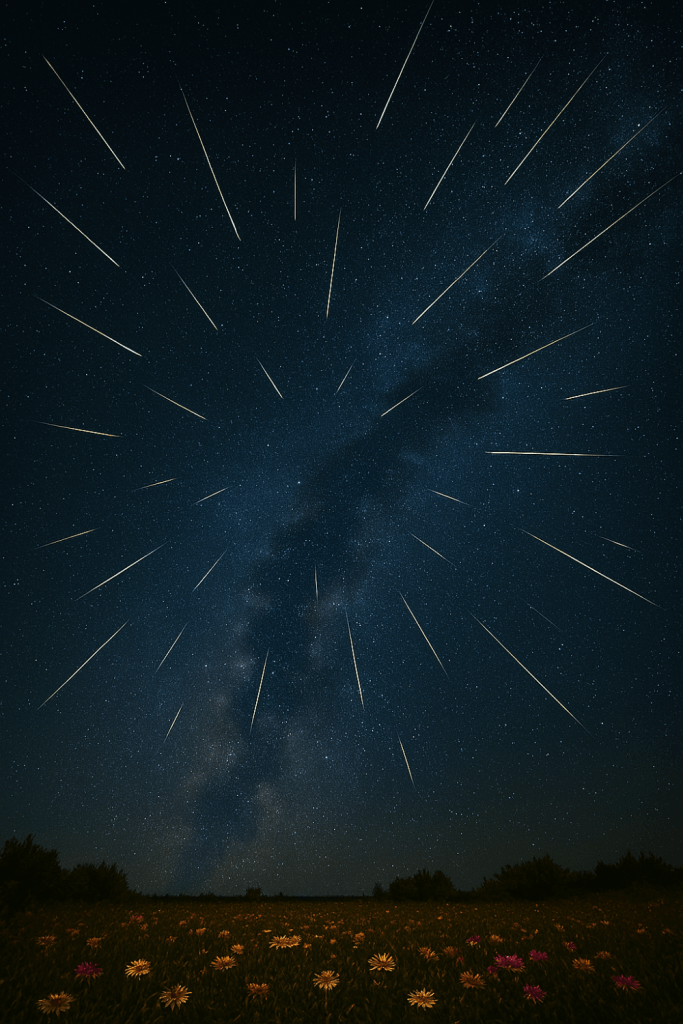
One of the most anticipated celestial events of August is the Perseid meteor shower. Known for its bright and numerous meteors, the Perseids peak around August 11-13. During this time, you can expect to see up to 60-70 meteors per hour under ideal conditions. The best time to observe the Perseids is after midnight when the radiant point (the point in the sky from which the meteors appear to originate) in the constellation Perseus is high in the sky.

To maximize your viewing experience, find a dark location with a clear view of the sky, lie back on a blanket or reclining chair, and look towards the northeast. The Perseids are known for their bright, fast-moving meteors, some of which leave persistent trails, making this meteor shower a spectacular event for the whole family.

Planets on Display

August offers excellent opportunities to observe several planets:

  1. Venus: The “Evening Star” shines brilliantly in the western sky after sunset. It’s the brightest object in the night sky after the Moon, making it easy for even the youngest stargazers to spot.
  2. Mars: The Red Planet can be seen in the western sky during the early evening hours. Its distinct reddish hue makes it stand out among the stars.
  3. Jupiter: Rising in the east during the late evening, Jupiter is a spectacular sight. With binoculars, you might even be able to spot its four largest moons.
  4. Saturn: The ringed planet rises in the southeast as darkness falls. While its rings aren’t visible without a telescope, its golden hue is distinctive.

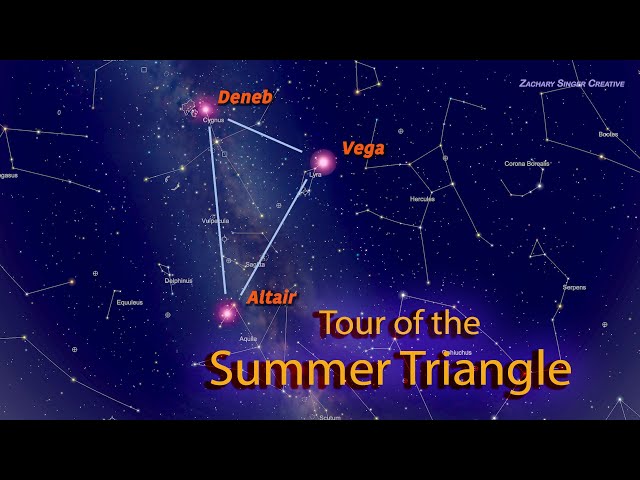
The Summer Triangle

One of the most prominent features of the August night sky is the Summer Triangle. This asterism (a pattern of stars that is not an official constellation) is formed by three bright stars:

  1. Vega in the constellation Lyra (the Harp)
  2. Deneb in Cygnus (the Swan)
  3. Altair in Aquila (the Eagle)

Challenge your family to spot this large triangle high in the eastern sky. It’s a great starting point for learning to navigate the night sky.

The Milky Way

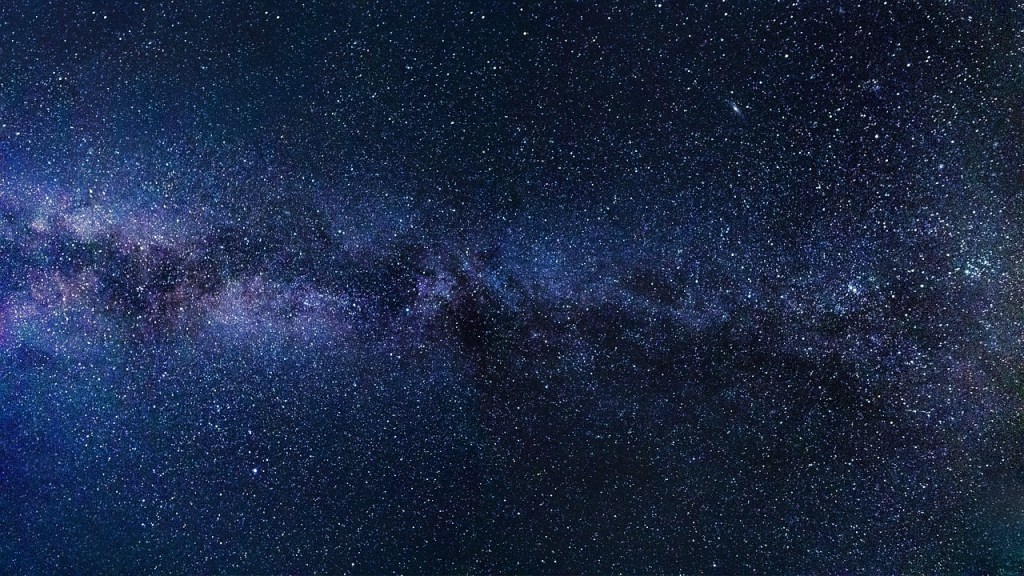
August provides an excellent opportunity to view our home galaxy, the Milky Way. On a clear, moonless night in a dark location, look for a faint, cloudy band stretching across the sky from the southern to the northern horizon. This is the combined light of billions of stars in our galaxy’s disk. Viewing the Milky Way can be a truly awe-inspiring experience for stargazers of all ages.

Constellations to Spot

August’s night sky features several prominent constellations:

  1. Scorpius (the Scorpion): Look for this distinctive constellation low in the southern sky. Its bright red star, Antares, marks the scorpion’s heart.
  2. Sagittarius (the Archer): Just east of Scorpius, Sagittarius is often visualized as a teapot. The center of our galaxy lies in this direction.
  3. Cygnus (the Swan): Also known as the Northern Cross, this constellation flies high overhead, with its bright star Deneb marking the tail.
  4. Ursa Major (the Great Bear): This large constellation, which contains the Big Dipper, is visible year-round in the northern sky.

Fun Activities for Family Stargazing

  1. Constellation Story Time: Many constellations have fascinating myths associated with them. Research these stories beforehand and share them as you identify the constellations in the sky.
  2. Star Hop Challenge: Use bright stars or constellations as starting points to “hop” to other celestial objects. For example, use the Big Dipper to find Polaris, the North Star.
  3. Moon Observation: If the Moon is visible, observe its phases and prominent features like craters and “seas” (large, dark plains).
  4. Satellite Spotting: Try to spot artificial satellites moving across the sky. The International Space Station is particularly bright and can be seen at specific times.
  5. Astrophotography: With today’s smartphone cameras, it’s possible to capture basic images of the Moon and bright planets. This can be a fun way to document your stargazing adventures.

Astronomy Equipment

Tips for a Successful Stargazing Experience

  1. Be Patient: Stargazing requires patience. Take your time, let your eyes adjust, and don’t rush from object to object. The joy of stargazing often comes from the peaceful contemplation of the cosmos and the shared experience with loved ones.
  2. Stay Informed: Keep an eye on astronomy websites and apps for updates on celestial events and optimal viewing times. This will help you plan your stargazing sessions more effectively.
  3. Engage the Kids: Make stargazing a fun and educational experience for children by involving them in the preparation and observation process. Encourage them to ask questions and share their observations.
  4. Stay Comfortable: Bring comfortable seating, such as reclining chairs or blankets, to make your stargazing session more enjoyable. Don’t forget to pack insect repellent if you’re in an area with bugs.
  5. Respect Nature: If you’re stargazing in a natural setting, be mindful of your surroundings. Leave no trace, and respect wildlife and other stargazers.

Educational Resources for Stargazing

To further enhance your family’s stargazing experience, consider utilizing educational resources and guides tailored to celestial observation. Books such as “NightWatch” by Terence Dickinson and “The Backyard Astronomer’s Guide” by Alan Dyer provide invaluable insights and practical advice for exploring the night sky.

Additionally, online tutorials, astronomy vodcasts, and educational videos offer a wealth of information on stargazing techniques, celestial navigation, and the art of observing the night sky. Websites like NASA’s education portal and the Astronomy Picture of the Day (APOD) provide fascinating insights and stunning images that can inspire and educate stargazers of all ages.

Find your Astronomy Equipment HERE

Conclusion

Exploring the August night sky as a family can be an enriching and bonding experience. It offers a unique opportunity to learn about the universe, spark curiosity, and create lasting memories. From the Perseid meteor shower to the planets on display, and the constellation story time to the Milky Way, August presents a celestial treasure trove waiting to be discovered. So this August, take advantage of the warm nights, head outdoors, look up, and embark on your own cosmic adventure. The wonders of the universe await!

Citations:
[1] https://www.atlasobscura.com/articles/stargazing-with-kids
[2] https://wildbloomfamilies.com/star-gazing-with-kids/
[3] https://porch.com/advice/beginners-guide-stargazing-home-children
[4] https://spaceandbeyondbox.com/family-stargazing-with-kids/
[5] https://tinybeans.com/look-up-tips-for-an-awesome-night-of-stargazing/

Exploring the July Night Sky: A Family-Friendly Guide

Jupiter Largest planet in the Solar System

Basic Information

A gas giant, fifth from the Sun, with a mass more than two and a half times that of all the other planets in the Solar System combined.

Orbital Period – 11.86 Earth years

Distance from Sun – 5.20 AU (778.5 million km)

As the warm summer nights of July unfold, the celestial canvas above offers a spectacular array of wonders for stargazers of all ages. This month presents an excellent opportunity for families to embark on a cosmic adventure, exploring the marvels of the night sky together. From bright planets to dazzling constellations, the July night sky is a treasure trove of celestial delights waiting to be discovered.

Getting Started: Preparing for Your Stargazing Adventure

Before venturing out to explore the night sky, it’s essential to prepare adequately:

  1. Choose a dark location: Find a spot away from city lights for the best viewing experience. A local park or even your backyard can work well if it’s sufficiently dark.
  2. Allow your eyes to adjust: Give your eyes about 20-30 minutes to adapt to the darkness. This will significantly improve your ability to see fainter celestial objects.
  3. Bring the right equipment: While many objects can be seen with the naked eye, a pair of binoculars can greatly enhance your viewing experience. A star chart or a smartphone app can also be helpful for identifying celestial objects.
  4. Dress appropriately: Even in July, nights can get chilly. Bring warm clothes and blankets for comfort during extended viewing sessions.
  5. Pack snacks and drinks: Stargazing can be a lengthy activity, so bring some treats to keep energy levels up.

Celestial Highlights for July

Planets on Parade

July offers excellent opportunities to observe several planets:

  1. Venus: The “Evening Star” shines brilliantly in the western sky after sunset. It’s the brightest object in the night sky after the Moon, making it easy for even the youngest stargazers to spot.
  2. Mars: The Red Planet can be seen in the western sky during the early evening hours. Its distinct reddish hue makes it stand out among the stars.
  3. Jupiter: Rising in the east during the late evening, Jupiter is a spectacular sight. With binoculars, you might even be able to spot its four largest moons.
  4. Saturn: The ringed planet rises in the southeast as darkness falls. While its rings aren’t visible without a telescope, its golden hue is distinctive.

The Summer Triangle

One of the most prominent features of the July night sky is the Summer Triangle. This asterism (a pattern of stars that is not an official constellation) is formed by three bright stars:

  1. Vega in the constellation Lyra (the Harp)
  2. Deneb in Cygnus (the Swan)
  3. Altair in Aquila (the Eagle)

Challenge your family to spot this large triangle high in the eastern sky. It’s a great starting point for learning to navigate the night sky.

Locate your star locations with the star chart

The Milky Way

July provides an excellent opportunity to view our home galaxy, the Milky Way. On a clear, moonless night in a dark location, look for a faint, cloudy band stretching across the sky from the southern to the northern horizon. This is the combined light of billions of stars in our galaxy’s disk. Viewing the Milky Way can be a truly awe-inspiring experience for stargazers of all ages.

Constellations to Spot

July’s night sky features several prominent constellations:

  1. Scorpius (the Scorpion): Look for this distinctive constellation low in the southern sky. Its bright red star, Antares, marks the scorpion’s heart.
  2. Sagittarius (the Archer): Just east of Scorpius, Sagittarius is often visualized as a teapot. The center of our galaxy lies in this direction.
  3. Cygnus (the Swan): Also known as the Northern Cross, this constellation flies high overhead, with its bright star Deneb marking the tail.
  4. Ursa Major (the Great Bear): This large constellation, which contains the Big Dipper, is visible year-round in the northern sky.

Meteor Showers

While July isn’t known for major meteor showers, patient observers might spot a few “shooting stars” on any given night. The Delta Aquariids meteor shower begins in mid-July and peaks at the end of the month, offering a chance to wish upon a star!

Fun Activities for Family Stargazing

  1. Constellation Story Time: Many constellations have fascinating myths associated with them. Research these stories beforehand and share them as you identify the constellations in the sky.
  2. Star Hop Challenge: Use bright stars or constellations as starting points to “hop” to other celestial objects. For example, use the Big Dipper to find Polaris, the North Star.
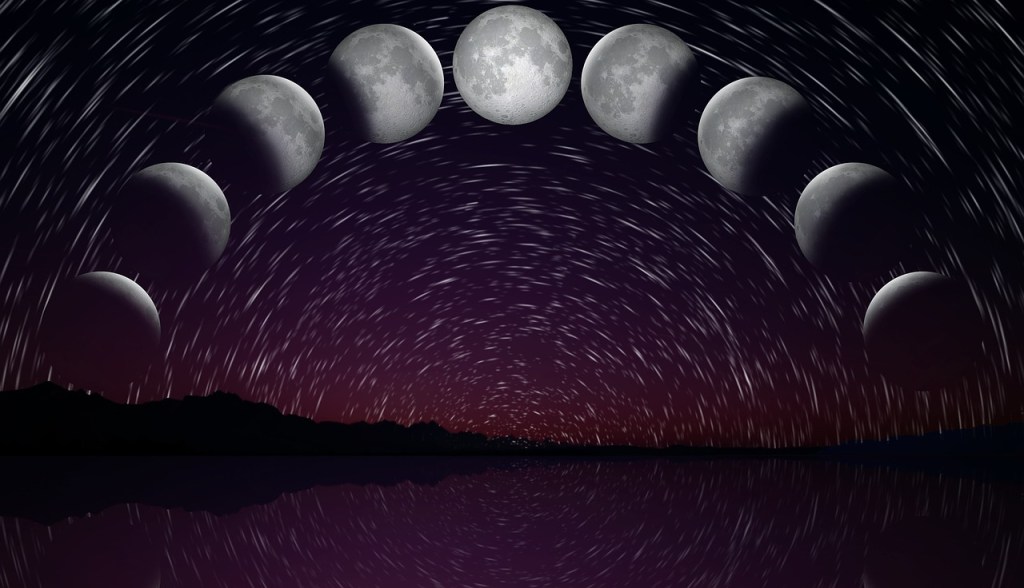
  3. Moon Observation: If the Moon is visible, observe its phases and prominent features like craters and “seas” (large, dark plains).
  4. Satellite Spotting: Try to spot artificial satellites moving across the sky. The International Space Station is particularly bright and can be seen at specific times.
  5. Astrophotography: With today’s smartphone cameras, it’s possible to capture basic images of the Moon and bright planets. This can be a fun way to document your stargazing adventures.

Find the BEST Equipment HERE

Remember, patience is key when stargazing. Take your time, let your eyes adjust, and don’t rush from object to object. The joy of stargazing often comes from the peaceful contemplation of the cosmos and the shared experience with loved ones.

Exploring the July night sky as a family can be an enriching and bonding experience. It offers a unique opportunity to learn about the universe, spark curiosity, and create lasting memories. So this July, take advantage of the warm nights, head outdoors, look up, and embark on your own cosmic adventure. The wonders of the universe await!

Citations:
[1] https://www.theguardian.com/science/2017/may/28/the-june-night-sky
[2] https://www.planetary.org/night-sky/night-sky-what-to-see-this-month
[3] https://en.wikipedia.org/wiki/Jupiter
[4] https://www.space.com/16452-jupiters-moons.html
[5] https://www.britannica.com/place/Jupiter-planet

Exploring the Celestial Wonders of the May Night Sky

As the spring season blossoms and the days grow longer, the May night sky offers a spectacular showcase of celestial wonders for stargazers of all ages. From dazzling planets to mesmerizing meteor showers, May’s cosmic display is sure to inspire awe and wonder in both novice and experienced observers alike. In this guide, we’ll embark on an astronomical journey through the May night sky, highlighting some of the most captivating sights and celestial events visible to the naked eye and with the aid of binoculars or a small telescope.

The Majestic Constellations of Spring

One of the most prominent features of the May night sky is the array of majestic constellations that grace the heavens. As the Earth continues its journey around the Sun, we are treated to a new cast of celestial characters that take center stage in the evening hours.

Ursa Major and the Big Dipper

High in the northern sky, the familiar asterism known as the Big Dipper, part of the larger constellation Ursa Major (the Great Bear), is a reliable signpost for stargazers. Its distinctive shape, with a bowl and handle, is easily recognizable and can serve as a starting point for exploring other nearby constellations. [1][4]

Virgo and the Springtime Galaxies

To the southeast, the constellation Virgo is home to a wealth of deep-sky objects, including numerous galaxies. With the aid of binoculars or a small telescope, you can spot the Sombrero Galaxy (M104), a striking spiral galaxy known for its prominent dust lane and central bulge. [1][2]

Boötes and Arcturus

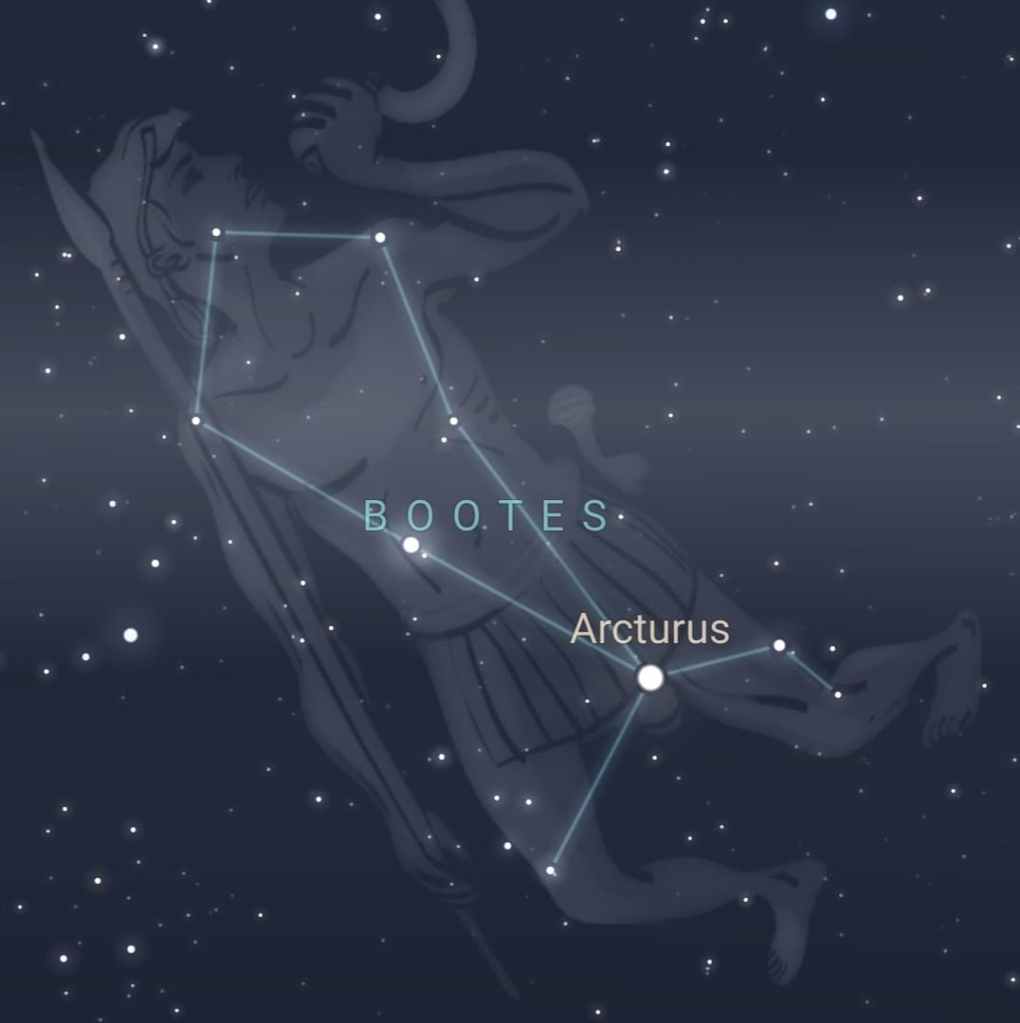
Another prominent spring constellation is Boötes, the Herdsman, which features the brilliant orange-red star Arcturus. Arcturus is the fourth-brightest star in the night sky and can be easily found by following the arc of the Big Dipper’s handle. [1][4]

Night Sky Charts and Maps HERE

The Planetary Parade

As the month of May progresses, stargazers are treated to a celestial parade of planets gracing the evening sky. From the dazzling brilliance of Venus to the distant majesty of Saturn, each planet offers a unique perspective on our solar system.

Venus and the Crescent Moon

Early in the month, look for the brilliant planet Venus low in the western sky shortly after sunset. On May 11th, Venus will form a striking pair with a slender crescent Moon, creating a breathtaking celestial sight. [1]

Jupiter and Saturn

As the night progresses, turn your gaze to the southeast to spot the gas giants Jupiter and Saturn. Jupiter, the larger of the two, is easily recognizable by its bright, steady glow. With a small telescope, you can even glimpse some of Jupiter’s moons and the planet’s famous Great Red Spot. [1][2]

Saturn, known for its stunning ring system, appears slightly fainter than Jupiter but is still a captivating sight through a telescope. Look for its distinctive golden hue and the rings, which are currently tilted at a favorable angle for observation. [1][2]

Meteor Showers and Lunar Eclipses

In addition to the dazzling planets and constellations, May also offers a few celestial events that are sure to delight stargazers of all ages.

The Eta Aquariids Meteor Shower

One of the highlights of the May night sky is the Eta Aquariids meteor shower, which peaks on the night of May 5th and early morning of May 6th. This shower, originating from the debris of Halley’s Comet, can produce up to 30 meteors per hour under ideal conditions. [1][3]

To catch a glimpse of these shooting stars, find a dark location away from city lights, lie back, and gaze at the sky. Be patient and let your eyes adjust to the darkness – you may be rewarded with a dazzling display of celestial fireworks. [3]

A Total Lunar Eclipse

On May 26th, stargazers in parts of the world will be treated to a total lunar eclipse. During this event, the Moon passes through the Earth’s shadow, causing it to appear red or coppery in color. This phenomenon is sometimes referred to as a “Blood Moon.” [3]

The eclipse will be visible from most of the Americas, Europe, Africa, and parts of Asia. Check online resources or consult with local astronomy clubs to find out if the eclipse will be visible from your location and what time it will occur. [3]

Observing Tips and Resources

While many celestial objects are visible to the naked eye, binoculars or a small telescope can greatly enhance your views and allow you to see more detail. Consider investing in a pair of binoculars or a beginner-friendly telescope to enhance your stargazing experience. [1][4]

When planning your stargazing sessions, keep an eye on the weather forecast and aim for clear, moonless nights. The New Moon phase, when the Moon is not visible in the sky, is an ideal time for observing faint deep-sky objects. [3]

To learn more about the night sky and stay up-to-date with the latest celestial events, consider joining a local astronomy club or attending public stargazing events in your area. Many clubs offer beginner-friendly workshops, star parties, and telescope-viewing sessions that can help you get started on your cosmic journey. [4]

Help Observing the Night Sky

Conclusion: Embrace the Magic of the May Night Sky

As May unfolds its celestial wonders, take the time to explore the night sky and marvel at the beauty of the cosmos. Whether you’re admiring the brilliance of Venus, spotting planets in the evening sky, or counting shooting stars during the Eta Aquariids meteor shower, each celestial sight offers a unique opportunity for discovery and wonder. [1]

So gather your loved ones, step outside, and let the magic of the May night sky ignite your imagination and inspire your cosmic journey. Happy stargazing!

Citations:
[1] https://stanshobbiesandinterests.com/2024/04/03/exploring-the-april-night-sky-a-beginners-guide-to-celestial-wonders/
[2] https://stanshobbiesandinterests.com/2024/04/10/the-different-types-of-celestial-bodies-that-are-our-neighbors-in-space/
[3] https://darksky.org/news/planning-your-next-trip-to-the-dark-side/
[4] https://www.skyatnightmagazine.com/advice/astronomy-for-beginners
[5] https://www.kashiwaya.org/e/magazine/shimaonsen/starry-night-sky.html

The Different Types of Celestial Bodies that are our Neighbors in Space

As we gaze up at the night sky, we are surrounded by a vast array of celestial bodies that make up our cosmic neighborhood. From the planets that grace our solar system to the distant galaxies that populate the universe, each of these celestial wonders offers a unique glimpse into the grandeur and mysteries of the cosmos. In this article, we’ll embark on a journey to explore the different types of celestial bodies that are our neighbors in space.

Planets and Dwarf Planets

Our celestial neighborhood begins with the planets that orbit our Sun, each with its unique characteristics and allure. These celestial bodies have been the subject of human fascination and exploration for millennia, and they continue to reveal new secrets with every passing year.

  1. The Major Planets: Our solar system is home to eight major planets, including the inner terrestrial planets (Mercury, Venus, Earth, and Mars) and the outer gas giants (Jupiter, Saturn, Uranus, and Neptune). Each of these planets has its own distinct features, from the scorching surface of Venus to the iconic rings of Saturn[2].
  2. Dwarf Planets: In addition to the major planets, our solar system also harbors a category of celestial bodies known as dwarf planets. These objects, including Pluto, Eris, Haumea, and Makemake, are massive enough to be rounded by their own gravity but have not cleared the neighborhood around their orbits[1][2].

Moons and Asteroids

Beyond the planets and dwarf planets, our cosmic backyard is home to a diverse array of smaller celestial bodies that play a crucial role in our understanding of the solar system.

  1. Moons: Many of the planets in our solar system are accompanied by moons, ranging from Earth’s solitary Moon to the numerous moons that orbit the gas giants. These natural satellites offer a glimpse into the formation and evolution of our solar system, with some even harboring potential for future exploration[2].
  2. Asteroids: Scattered throughout the solar system, asteroids are rocky objects that orbit the Sun, primarily concentrated in the asteroid belt between Mars and Jupiter. These celestial remnants from the early days of our solar system provide valuable insights into the processes that shaped our cosmic neighborhood[2].

Comets and Meteors

While planets, moons, and asteroids are the more familiar celestial bodies, our cosmic neighborhood is also home to transient visitors that captivate stargazers with their fleeting beauty.

  1. Comets: These icy bodies travel in highly elliptical orbits, often bringing them close to the Sun and developing stunning tails of gas and dust. Comets are remnants from the formation of our solar system and offer a glimpse into the primordial materials that gave birth to the planets[2].
  2. Meteors: When small particles of dust and debris from asteroids or comets enter Earth’s atmosphere, they burn up, creating the streaks of light we know as meteors or shooting stars. These celestial fireworks are a reminder of the constant interplay between celestial bodies in our cosmic neighborhood[3].

For more information on the Neighbors in Space or Astronomy check HERE

Stars and Star Systems

While our solar system is home to a single star, the Sun, our cosmic neighborhood extends far beyond our local celestial family. The universe is teeming with countless stars, each one a blazing furnace of nuclear fusion.

  1. Stars: From the brilliant stars that adorn our own Milky Way galaxy to the distant suns that reside in other galaxies, stars offer a glimpse into the life cycles of these celestial powerhouses and the processes that shape the cosmos[1].
  2. Star Systems: Many stars are accompanied by their own planetary systems, with some even harboring planets that could potentially support life. These exoplanets, or planets orbiting stars other than our Sun, have opened up new frontiers in the search for habitable worlds beyond our solar system[1][3].

Star Clusters and Nebulae

As we venture further into our cosmic neighborhood, we encounter stunning collections of stars and the celestial nurseries where new stars are born.

  1. Star Clusters: Scattered throughout the universe are breathtaking collections of stars known as star clusters. These celestial jewels come in two varieties: open clusters, which are loosely bound groups of young stars, and globular clusters, which are tightly packed spherical collections of ancient stars[1][3].
  2. Nebulae: These vast clouds of gas and dust are the birthplaces of stars, where new suns are formed from the cosmic raw materials. From the iconic Orion Nebula to the ethereal Crab Nebula, these celestial wonders offer a glimpse into the processes that shape the universe[1][3].

Galaxies and Beyond

Extending our cosmic neighborhood to its grandest scale, we encounter the vast collections of stars, gas, and dust that make up galaxies, and even the mysterious forces that govern the universe itself.

  1. Galaxies: Beyond our own Milky Way, the universe is teeming with countless galaxies, each one a vast collection of stars, gas, and dust. From the majestic spiral galaxies to the enigmatic elliptical and irregular galaxies, these celestial cities offer a glimpse into the large-scale structure of the cosmos and the mysteries that lie beyond our own galactic home[1][3].
  2. Dark Matter and Dark Energy: Our cosmic neighborhood is also home to a variety of fascinating phenomena, such as dark matter, the invisible substance that holds galaxies together, and dark energy, the mysterious force that is driving the accelerated expansion of the universe. These enigmatic entities challenge our understanding of the cosmos and push the boundaries of scientific exploration[1][3].

To get information on Astronomy Binoculars and Telescopes check HERE

As we explore the different types of celestial bodies that are our neighbors in space, we are reminded of the vastness and complexity of the cosmos. From the familiar planets that grace our night sky to the distant galaxies that populate the universe, each celestial wonder offers a unique perspective on the grandeur and mysteries of the cosmos.

For those seeking to delve deeper into the wonders of our cosmic neighborhood, a wealth of resources is available. Astronomy clubs, planetariums, and online resources offer opportunities to learn from experts, attend stargazing events, and engage with like-minded enthusiasts. Additionally, books such as “The Backyard Astronomer’s Guide” by Terence Dickinson and Alan Dyer provide invaluable insights and guidance for exploring the night sky and understanding our celestial neighbors.

Ultimately, our journey through the cosmos is a testament to the human spirit of exploration and curiosity. As we continue to unravel the secrets of our neighbors in space, we are reminded of the profound connections that bind us to the universe and the endless wonders that await our discovery.

Citations:
[1] https://exoplanets.nasa.gov/resources/2331/astronomical-objects-through-the-history-of-the-universe/
[2] https://science.nasa.gov/solar-system/planets/what-is-a-planet/
[3] https://www.astronomy.com/science/dark-energy-survey-finds-more-celestial-neighbors/
[4] https://spacemesmerise.com/en-us/blogs/planets/venus-vs-earths-moon-a-comparative-study-of-our-planetary-neighbors
[5] https://science.howstuffworks.com/milky-way.htm