Must-Have Accessories for a Family-Friendly Model Railroad Setup

Model railroading is a wonderful hobby that can bring families together, offering a blend of creativity, engineering, and fun. To make the most out of your model railroad setup, especially if you’re just starting out, it’s important to equip yourself with the right accessories. These accessories not only enhance the realism and functionality of your layout but also make the hobby more enjoyable for everyone involved. Here are some must-have accessories for a family-friendly model railroad setup in 2024.

1. Basic Tool Kit

A basic tool kit is essential for any model railroader, novice or experienced. It helps in assembling, maintaining, and troubleshooting your layout. Here are some key tools you should include:

  • Hobby Knife: For cutting and trimming materials.
  • Small Screwdrivers: Both flathead and Phillips for various screws.
  • Needle-Nose Pliers: For handling small parts and wires.
  • Wire Strippers/Cutters: Essential for working with electrical components.
  • Tweezers: For placing small details and parts.
  • Ruler and Measuring Tape: For accurate measurements.

These tools are fundamental and will be used frequently as you build and maintain your layout.

2. Track Cleaning Kit

Keeping your tracks clean is crucial for smooth operation. Dust and dirt can cause poor electrical contact and derailments. A basic track cleaning kit should include:

  • Track Cleaning Eraser: A specialized eraser for removing grime from the rails.
  • Isopropyl Alcohol: For cleaning the tracks without leaving residue.
  • Lint-Free Cloths: To wipe down the tracks after cleaning.

Regular cleaning ensures that your trains run smoothly and reduces the need for more extensive maintenance.

3. Digital Command Control (DCC) System

A DCC system allows you to control multiple trains independently on the same track, adding a layer of realism and excitement to your layout. For beginners, a user-friendly DCC starter set is ideal. Look for sets that include:

  • Command Station: The brain of the DCC system.
  • Power Supply: To provide the necessary power for your trains.
  • Handheld Throttle: For controlling the speed and direction of your trains.

Brands like Digitrax, NCE, and ESU offer reliable starter sets that are expandable as your layout grows.

4. Scenery Materials

Creating realistic scenery is one of the most enjoyable aspects of model railroading. Basic scenery materials can transform your layout from a simple track to a miniature world. Consider starting with:

  • Ground Foam: Available in various colors to simulate grass, dirt, and other ground covers.
  • Static Grass Applicator: For creating realistic grass effects.
  • Trees and Shrubs: Pre-made or kits that you can assemble and paint.
  • Scenic Cement: To glue down your scenery materials.

These materials will help you create a visually stunning layout that captures the imagination.

5. LED Lighting Kit

Proper lighting can make a significant difference in the appearance of your layout. LED lighting kits are energy-efficient and long-lasting. Look for kits that include:

  • Flexible LED Strips: For illuminating large areas.
  • Individual LEDs: For lighting buildings and specific scenes.
  • Power Supply and Connectors: To set up your lighting system.

LED lighting can simulate different times of day and add a dynamic element to your layout.

6. Rolling Stock and Locomotives

A variety of rolling stock and locomotives will keep your layout interesting and allow for different types of operations. When starting, consider:

  • Freight Cars: Boxcars, tank cars, and flatcars for hauling goods.
  • Passenger Cars: For simulating passenger services.
  • Locomotives: Both steam and diesel engines to add variety.

Look for high-quality models that run smoothly and are easy to maintain.

7. Buildings and Structures

Adding buildings and structures to your layout enhances realism and provides context for your trains. Start with a few key structures:

  • Railroad Station: A central hub for your layout.
  • Industrial Buildings: Factories, warehouses, and other facilities.
  • Residential Buildings: Houses and apartments to create a town or city scene.
  • Bridges and Tunnels: For added complexity and visual interest.

Kits are available in various scales and levels of detail, allowing you to choose what best fits your layout and skill level.

8. Coupler Height Gauge

Ensuring that your couplers are at the correct height is crucial for reliable operation. A coupler height gauge helps you check and adjust the couplers on your rolling stock. Brands like Kadee offer gauges for different scales, ensuring compatibility with your setup. Kadee

9. Foam Cradle

A foam cradle is a simple yet invaluable accessory for holding your locomotives and rolling stock securely while you work on them. It prevents damage to delicate parts and makes maintenance tasks easier.

10. Weathering Supplies

Weathering adds realism to your models by simulating the effects of age and use. Basic weathering supplies include:

  • Weathering Powders: In various colors to create dirt, rust, and grime effects.
  • Fine Brushes: For applying powders and paints.
  • Matte Clear Coat: To seal the weathering and protect the finish.

Weathering can be as simple or as detailed as you like, and it adds a unique touch to your models.

11. Essential Books and Guides

Having a few good books and guides on hand can provide valuable information and inspiration. Consider starting with:

  • “Starter Track Plans for Model Railroaders” by Kent J. Johnson: Offers a variety of track plans to suit different spaces and skill levels.
  • “Model Railroading: A Family Guide” by Bruce C. Greenberg: A comprehensive guide that covers all aspects of the hobby.
  • “The Complete Book of Model Railroading” by David Sutton: A classic reference book with detailed information on building and operating layouts.

These resources will help you learn the basics and provide ideas for expanding your layout.

Conclusion

Building a family-friendly model railroad setup is a rewarding and enjoyable hobby that can bring generations together. By equipping yourself with these must-have accessories, you’ll be well on your way to creating a layout that is both fun and realistic. Remember, the key to a successful model railroad is to start with the basics and gradually expand your collection as your skills and interests grow. Happy railroading!

Citations:
[1] https://toytooth.com/index.php?product_id=1617309&route=product%2Fproduct
[2] https://www.amazon.com/CityBuilder-Gauge-7mm-Railroad-Cardboard/dp/B00NXNWJEQ?psc=1&smid=AV83ANFWMW4VP
[3] https://www.etsy.com/listing/1194765654/scenic-model-railway-layout-made-to?gpla=1
[4] https://modelrailwaytechniques.com/benchworkstore/
[5] https://www.walthers.com/william-s-country-store-kit
[6] http://www.hobbylinc.com/bar-mills-potters-pub-kit-ho-scale-model-railroad-building-1440
[7] https://www.etsy.com/listing/1522850368/realistic-scenic-model-railway-layout?gpla=1
[8] https://www.walmart.com/ip/Starter-Track-Plans-for-Model-Railroaders-9780890248317/17131821?selectedSellerId=0&wmlspartner=wlpa
[9] https://www.trains.com/mrr/how-to/essential-tools-for-model-railroaders/
[10] https://www.youtube.com/watch?v=BkSPl7SSWbY
[11] https://www.amazon.com/Model-railroading-family-Bruce-Greenberg/dp/0135861497
[12] https://familygardentrains.com/primer/kids.htm
[13] https://forum.mrhmag.com/post/kids-and-model-railroading-12190242

Top Accessories for Model Railroading in 2024

As an expert in model railroading, I’m excited to share with you the top 7 accessories that every novice enthusiast should consider for their hobby in 2024. These accessories will enhance your model railroading experience, improve the realism of your layouts, and make your hobby more enjoyable overall. Let’s dive into the must-have items for the coming year!

  1. Digital Command Control (DCC) System

In 2024, Digital Command Control (DCC) systems continue to be at the forefront of model railroading technology. A DCC system allows you to control multiple trains independently on the same track, offering a more realistic and engaging experience. For novices, I recommend starting with a user-friendly DCC starter set, which typically includes:

  • A DCC command station
  • A power supply
  • At least one handheld throttle

Look for systems from reputable brands like Digitrax, NCE, or ESU. These starter sets are expandable, allowing you to add more features as your skills and layout grow. With DCC, you’ll be able to control train speed, direction, lighting, and even sound effects with precision.

  1. LED Lighting Kit

Proper lighting can transform your model railroad layout from good to great. In 2024, LED lighting kits are more affordable and versatile than ever. A good LED lighting kit for your layout should include:

  • Flexible LED strip lights
  • A power supply
  • Connectors and mounting hardware

Look for kits that offer different color temperatures, allowing you to simulate various times of day or different lighting conditions. Some advanced kits even offer programmable RGB LEDs, enabling you to create dynamic lighting effects. Woodland Scenics.

  1. Weathering Powders and Tools

Weathering is the process of making your models look more realistic by simulating the effects of age, use, and environmental exposure. In 2024, weathering powders and tools are essential accessories for creating authentic-looking models. A basic weathering kit should include:

  • A set of weathering powders in various earth tones
  • Fine brushes for application
  • A sealing spray to fix the weathering in place

Brands like AK Interactive and Vallejo offer excellent weathering products. As you gain experience, you can expand your weathering toolkit to include specialized powders, washes, and pigments for different effects.

  1. Static Grass Applicator

Static grass has revolutionized the way model railroaders create realistic ground cover. A static grass applicator uses an electric charge to make grass fibers stand upright, creating a lifelike appearance. In 2024, these tools have become more affordable and user-friendly. Look for a static grass applicator that includes:

  • The applicator unit
  • A power supply (some are battery-operated for portability)
  • A selection of different grass lengths and colors

Brands like Woodland Scenics and Noch offer reliable static grass applicators. This tool will dramatically improve the realism of your layout’s landscape.

  1. Airbrush and Compressor Set

While not strictly necessary for beginners, an airbrush can significantly enhance your ability to paint and weather models. In 2024, entry-level airbrush and compressor sets are more affordable and easier to use than ever. A good starter set should include:
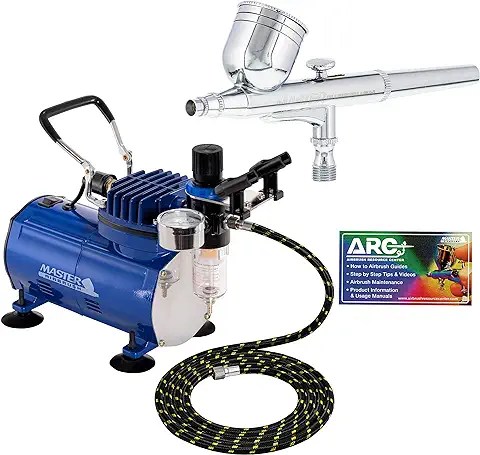
  • A dual-action airbrush
  • A small, quiet compressor
  • Basic cleaning and maintenance tools

Brands like Iwata and Badger offer excellent beginner-friendly airbrush sets. With an airbrush, you’ll be able to achieve smooth, professional-looking paint jobs on your locomotives, rolling stock, and structures.

  1. Digital Multimeter

A digital multimeter is an invaluable tool for troubleshooting electrical issues on your layout. In 2024, even basic multimeters offer features that can help you diagnose and fix common problems. Look for a multimeter that includes:

  • Voltage measurement (AC and DC)
  • Resistance measurement
  • Continuity testing

Brands like Fluke and Klein Tools offer reliable, user-friendly multimeters. This tool will help you identify short circuits, test track power, and ensure your wiring is correct.

  1. 3D Printer

While this might seem like an advanced accessory, 3D printers have become increasingly affordable and user-friendly in recent years. In 2024, a basic 3D printer can be a game-changer for model railroaders. With a 3D printer, you can:
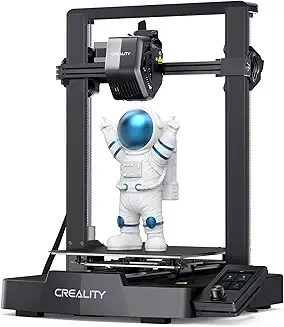
  • Create custom parts and details for your models
  • Print entire structures or scenic elements
  • Prototype your own designs

Look for an entry-level 3D printer with a build volume of at least 200mm x 200mm x 200mm. Brands like Creality and Prusa offer excellent printers for beginners. While there is a learning curve, the ability to create custom parts can take your modeling to the next level.

Tips for Choosing and Using These Accessories:

  1. Research and read reviews before purchasing any of these accessories. Look for products that are well-regarded in the model railroading community.
  2. Start with the basics and gradually expand your toolkit as your skills and interests grow.
  3. Join online forums or local model railroad clubs to learn from experienced modelers about how to use these accessories effectively.
  4. Always prioritize safety, especially when working with electrical components or tools like airbrushes.
  5. Keep your accessories organized and well-maintained to ensure they last for years to come.
  6. Don’t be afraid to experiment and try new techniques with your accessories. Model railroading is as much about the journey as it is about the final product.
  7. Consider the scale of your layout when choosing accessories, as some tools may be better suited for certain scales.

Conclusion:

As we look ahead to 2024, these seven accessories represent some of the most valuable additions to any novice model railroader’s toolkit. From enhancing the control and operation of your trains with DCC to creating stunningly realistic scenery with static grass and 3D-printed details, these tools will help you take your hobby to the next level.

Remember, model railroading is a journey of continuous learning and improvement. Don’t feel pressured to acquire all of these accessories at once. Start with the ones that align best with your current interests and goals, and gradually expand your collection as you grow in the hobby.

With these accessories at your disposal, you’ll be well-equipped to create a model railroad that not only looks great but also provides countless hours of enjoyment and satisfaction. Happy modeling!

Citations:
[1] https://www.trains.com/mrr/how-to/model-train-layouts/a-beginners-ho-scale-layout-from-one-sheet-of-plywood/
[2] https://www.youtube.com/watch?v=rbPZkp8gaY0
[3] https://www.youtube.com/watch?v=oJL8DZO5mks
[4] https://www.nmra.org/beginners-guide-part-2-layout-planning
[5] https://kalmbachhobbystore.com/product/book/12466

Different types of Model Railroad Track Plans

As a model railroading enthusiast, one of the most exciting aspects of the hobby is designing and building your own layout. The track plan serves as the foundation for your entire layout, and choosing the right type can make a significant difference in the overall experience. In this article, we’ll explore the different types of model railroad track plans, their unique characteristics, and the factors to consider when selecting the best option for your family-friendly layout.

  1. Continuous Loop
    The continuous loop is perhaps the simplest and most beginner-friendly track plan. As the name suggests, it involves a single, continuous loop of track with no beginning or end. This design is ideal for those who are just starting out in the hobby or have limited space available. The continuous loop allows trains to run indefinitely without the need for complex operations or switching.

Advantages:

  • Easy to set up and operate
  • Suitable for small spaces
  • Ideal for young children or those new to the hobby

Disadvantages:

  • Can become monotonous over time
  • Limited operational possibilities
  1. Point-to-Point
    The point-to-point track plan is a more advanced design that features a defined starting point and endpoint. Trains run from one terminus to the other, allowing for more realistic operations and the simulation of long-distance routes. This type of layout often includes staging yards at each end, where trains can be stored and prepared for their next run.

Advantages:

  • Offers more operational possibilities
  • Simulates long-distance routes
  • Allows for more complex scenery and industries

Disadvantages:

  • Requires more space than a continuous loop
  • Staging yards can be challenging to incorporate
  1. Out-and-Back
    The out-and-back track plan is a variation of the point-to-point design, but with only one terminus. Trains depart from the starting point, travel along the mainline, and then return to the same terminus using the same track. This design can be particularly appealing for those who want to model a specific branch line or spur.

Advantages:

  • Offers a balance between simplicity and operational possibilities
  • Suitable for smaller spaces
  • Can model specific branch lines or spurs

Disadvantages:

  • Limited staging options
  • Trains must reverse direction at the terminus
  1. Switching or Shunting Layout
    A switching or shunting layout is designed specifically for realistic switching operations. These layouts typically feature multiple industries, sidings, and yards where trains can pick up and drop off cars. This type of layout is ideal for those who enjoy the intricacies of freight operations and want to recreate the complex movements of a busy rail yard or industrial area.

Advantages:

  • Offers highly realistic switching operations
  • Allows for detailed modeling of industries and rail facilities
  • Provides a challenging and engaging operating experience

Disadvantages:

  • Requires a significant amount of space
  • Can be complex to design and operate

For help finding a track plan LOOK HERE

  1. Modular Layout
    A modular layout is a unique approach that involves building the layout in separate, interconnected modules. Each module can be designed and constructed independently, allowing for greater flexibility and portability. Modular layouts are often used by model railroad clubs or for exhibition purposes, as they can be easily transported and assembled.

Advantages:

  • Highly flexible and portable
  • Allows for collaboration and sharing of modules
  • Can be expanded or reconfigured over time

Disadvantages:

  • Requires careful planning and coordination
  • Transitions between modules can be challenging
  • Limited space for large-scale scenery or industries

When choosing the right track plan for your family-friendly model railroad layout, it’s essential to consider several factors, including:

  1. Available Space: The amount of space you have available will play a significant role in determining the type of track plan you can accommodate. Continuous loops and out-and-back designs are better suited for smaller spaces, while point-to-point and switching layouts typically require more room.
  2. Operational Preferences: Consider the type of operations you and your family enjoy. If you prefer simple running and enjoy watching trains go around a loop, a continuous loop or out-and-back design might be the best choice. If you’re interested in more complex operations, such as switching or simulating long-distance routes, a point-to-point or switching layout might be more suitable.
  3. Skill Level: Some track plans, such as switching layouts or modular designs, can be more challenging to design and operate. If you’re a beginner or introducing the hobby to younger children, it might be best to start with a simpler track plan and gradually work your way up to more complex designs as your skills and interests develop.
  4. Portability: If you plan to move your layout or participate in exhibitions, a modular design might be the most practical option. Modular layouts can be easily disassembled, transported, and reassembled at a new location.
  5. Collaboration: If you plan to involve multiple family members or friends in the construction and operation of your layout, a modular design can be an excellent choice. Each person can work on their own module, and the modules can be combined to create a larger, collaborative layout.

Remember, there is no one-size-fits-all solution when it comes to model railroad track plans. The beauty of this hobby lies in its versatility and the ability to tailor your layout to your specific preferences and needs. Don’t be afraid to experiment and try different designs until you find the one that best suits your family’s interests and available space.

Look Here for help with your TRACK PLAN

In conclusion, choosing the right track plan is a crucial step in creating a model railroad layout that will provide endless hours of enjoyment for you and your family. Whether you opt for a simple continuous loop, a complex switching layout, or a modular design, the key is to select a plan that aligns with your goals, space constraints, and operational preferences. With careful planning and a willingness to explore different options, you can create a layout that not only looks stunning but also offers an engaging and rewarding experience for everyone involved.

For Model Railroad Supplies check amazon.com

Citations:
[1] https://www.youtube.com/watch?v=kZZuGz1SUDw
[2] https://www.trains.com/mrr/how-to/track-types-and-uses-a-beginners-guide/
[3] https://www.nmra.org/beginners-guide-part-4-laying-track
[4] https://www.trains.com/mrr/beginners/the-basics-of-model-railroad-track/
[5] https://midwestmodelrr.com/blog/the-different-types-of-model-railroad-layouts/