Introduction to Puzzle Layouts in Model Railroading: A Beginner’s Guide
Puzzles, also known as switching in the US, is a fascinating and engaging aspect of model railroading that focuses on organizing and rearranging train cars within a yard or station area. For beginners, a puzzle layout offers a hands-on way to experience the operational side of railroading beyond simply running trains in loops or point-to-point tracks.
What is a Puzzle Layout?
A puzzle layout is a type of model railway designed primarily for the purpose of sorting, assembling, and disassembling trains rather than continuous running. It typically features sidings, yards, and multiple tracks where freight or passenger cars can be moved around, detached, and reattached in specific sequences to simulate real railway operations6.
Why Choose a Puzzle Layout?
- Operational Interest: Unlike simple loop layouts, shunting layouts provide a puzzle-like challenge where you manage the placement and order of cars. This adds depth and realism, making the hobby more interactive and rewarding28.
- Space Efficiency: Many puzzle layouts are compact, making them ideal for hobbyists with limited space. Despite their small size, they offer complex operational possibilities2.
- Learning Real Railway Practices: Puzzles mimics real-world railway logistics where freight cars are sorted in classification yards or stations for delivery to various destinations. This helps beginners understand how goods and passengers are moved efficiently by rail78.
Basic Concepts of Switching
- Organizing Trains: Switching involves arranging cars in a required sequence for departure. For example, brake wheels must be at the rear, and cars destined for different locations are sorted accordingly8.
- Sidings and Yards: These are the tracks off the main line where cars are temporarily parked or rearranged. A typical puzzle layout will have several sidings to represent different industries or destinations28.
- Operations: The process includes detaching cars from incoming trains, moving them to the correct sidings (such as goods sheds, coal yards, or cattle docks), and assembling outbound trains with the correct cars8.
Getting Started with a Simple Switching Layout
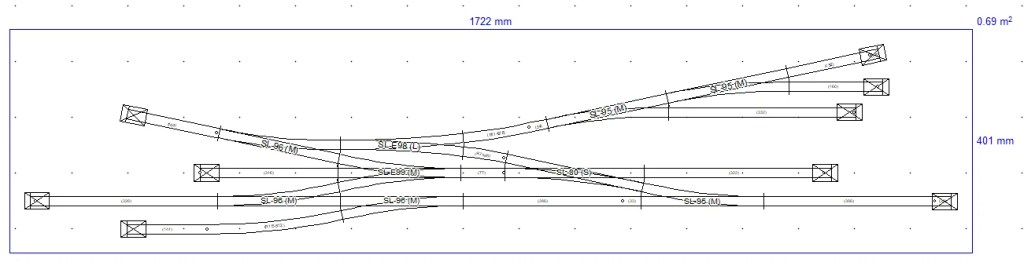
For beginners, starting with a simple switching layout is recommended. This can be as small as a shelf or table-top design with a few sidings and a small yard. The goal is to create a scenario where you receive a mixed train and then sort the wagons according to their destinations or cargo types.
- Example Layout: A small branch line with a goods yard and a passenger platform can provide a variety of switching tasks, such as dropping off freight cars and picking up passengers1.
- Operating Potential: Even simple layouts can offer hours of engagement by simulating real railway tasks like mixed passenger and goods trains, prioritizing passenger cars, and managing slow speeds to avoid mistakes1.
Tips for Enjoying Switching
- Plan Your Traffic: Decide on the era, location, and type of traffic your layout will represent. This determines the kinds of cars and operations you’ll have2.
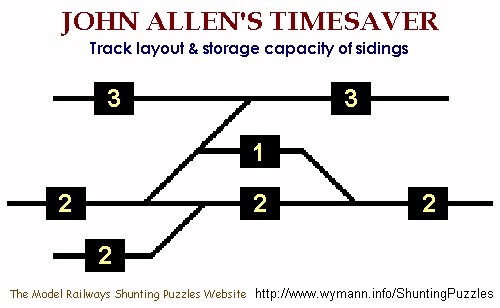
- Use Switching Puzzles: Popular puzzles like Timesaver or Inglenook Sidings can help beginners practice switching techniques in a structured way6.
- Patience and Practice: Switching can be complex and sometimes frustrating, but it is also very rewarding as you master the skills of organizing trains efficiently8.
Conclusion
A switching layout is an excellent introduction to model railroading for beginners who want more than just running trains around a loop. It combines operational realism, strategic thinking, and hands-on fun. By starting small and focusing on the basics of sorting and organizing cars, you can develop a deeper appreciation for the art and logistics of railroading.
Once you start switching, your layout will provide hours of pleasure and a rich understanding of how real railways work behind the scenes8. Enjoy the challenge and the satisfaction of creating order from the complexity of rail traffic!
This introduction is designed to spark interest and provide a clear understanding of what switching layouts are and why they are a rewarding choice for beginner model railroaders.
- https://www.youtube.com/watch?v=ZDqQxj4zPUc
- http://www.wymann.info/ShuntingPuzzles/small-layouts.html
- https://www.youtube.com/watch?v=awbeVHaZL3U
- https://www.reddit.com/r/modeltrains/comments/1ccpwqc/what_do_you_think_about_my_shunting_layout_plan/
- https://ercim-news.ercim.eu/en68/special/railyard-shunting-a-challenge-for-combinatorial-optimisation
- https://en.wikipedia.org/wiki/Model_railroad_layout
- https://www.dbcargo.com/rail-de-en/logistics-news/abc-rail-freight-transport-techniques-12984250
- https://www.modelrailforum.com/threads/beginners-guide-shunting.21933/
- https://homepages.cwi.nl/~lex/files/PlanningOfShuntTracks.pdf
- https://www.youtube.com/watch?v=2Q1O25XoHaE
- https://www.trainshop.co.uk/blog/post/1400-shunting-yards-designing-a-track-plan-for-realistic-operations.html
 Stan's Hobbies and Interests