Saturn and the Moon’s Celestial Dance: How to Watch Their Close Encounter on July 16, 2025

On the night of July 16, 2025, the Moon and Saturn will create a beautiful spectacle in the sky, appearing close together in a conjunction visible across the United States. This event is perfect for families, beginners, and seasoned astronomers alike. Here’s how to make the most of this cosmic rendezvous—including the best times to watch from different US regions, simple ways to identify Saturn, and a look back at memorable images of similar events.

What’s Happening?

On July 16, the waning gibbous Moon will pass near Saturn, the solar system’s iconic ringed planet. While the two are separated by vast distances in space, they’ll appear just a few degrees apart in the sky, creating a striking visual pairing for observers on Earth123.

Best Times to View Across the US

US RegionSaturn & Moon RiseClosest ApproachHighest in SkyBest Viewing Window
East Coast~11:00 p.m. EDT~2:00 a.m. EDT2:00–4:00 a.m.11:00 p.m.–4:30 a.m.
Central~10:00 p.m. CDT~1:00 a.m. CDT1:00–3:30 a.m.10:00 p.m.–4:00 a.m.
Mountain~9:00 p.m. MDT~12:00 a.m. MDT12:00–3:00 a.m.9:00 p.m.–4:00 a.m.
Pacific~8:30 p.m. PDT~11:00 p.m. PDT11:00 p.m.–2:30 a.m.8:30 p.m.–4:00 a.m.
  • Where to Look: The pair will rise in the east after sunset, climb high in the southeast by midnight, and drift toward the south by dawn245.
  • Peak Viewing: Around midnight to 3 a.m. local time, when both are highest and most easily seen.

How to Identify Saturn: A Beginner’s Guide

Saturn can be mistaken for a bright star, but here’s how to spot it:

  • Color: Saturn appears as a steady, pale yellow or gold “star.” Most stars are white or blue-white, while Saturn’s subtle hue stands out675.
  • No Twinkle: Unlike stars, Saturn does not twinkle. Its light remains steady because it’s close enough to appear as a tiny disk rather than a pinpoint.
  • Position: On July 16, Saturn will be just a few degrees below or beside the bright Moon, making it easy to locate.
  • Brightness: Saturn shines brighter than most surrounding stars but is dimmer than the Moon and Venus.
  • Movement: Over weeks, Saturn slowly shifts eastward among the stars, unlike the fixed star patterns.

Tip: Use a free sky app (like Stellarium, SkySafari, or Star Walk) to confirm Saturn’s position in real time75.

Viewing Tips for All Ages

  • Naked Eye: Simply look for the bright Moon, then spot the steady yellow “star” nearby—that’s Saturn!
  • Binoculars: Enhance Saturn’s color and may reveal its oval shape.
  • Telescope: Even a small telescope will reveal Saturn’s famous rings and perhaps a few moons.
  • Family Fun: Bring blankets, snacks, and sketchpads. Encourage kids to draw the Moon and Saturn or try smartphone photography.

Sample Viewing Timeline (Local Time)

TimeWhat to SeeWhere to Look
10:00 p.m.–12:00 a.m.Moon and Saturn rising togetherEast
12:00–2:00 a.m.Closest approach, high in skySoutheast
2:00–4:00 a.m.Pair moves toward southSouth
4:00 a.m.–DawnSetting, still visibleSouthwest

Memorable Images of Past Moon-Saturn Conjunctions

Below are examples of how the Moon and Saturn have appeared together in the night sky during previous conjunctions. These images illustrate what you can expect to see, whether with your eyes, binoculars, or a telescope.

  • Smartphone Photo of Saturn and the Moon:
    Astrophotographers have captured stunning images using just a smartphone and a small telescope, showing Saturn as a bright dot near the Moon8.
  • Telescope View:
    Through a telescope, Saturn’s rings are visible, while the Moon’s craters and maria provide a dramatic backdrop910.
  • Wide-Angle Sky Photos:
    Many skywatchers have shared beautiful wide-angle images of the Moon and Saturn together, highlighting their proximity and the Moon’s brightness10.

Why This Event Is Special

  • Easy and Accessible: No special equipment or expertise needed—just look up!
  • Great for Families: The Moon and Saturn are bright, easy targets for all ages.
  • A Gateway to Astronomy: Seeing Saturn’s rings for the first time is unforgettable.
  • Rare and Beautiful: While the Moon and Saturn pair up monthly, this July’s conjunction is especially well-placed for nighttime viewing across the US25.

Safety and Comfort Tips

  • Dress for the weather—even summer nights can get cool.
  • Use red flashlights to preserve night vision.
  • Bring bug spray if stargazing outdoors.

Fun Saturn and Moon Facts

  • Saturn is about 890 million miles from Earth; the Moon is just 239,000 miles away.
  • Saturn’s rings are made of ice and rock and stretch over 170,000 miles wide.
  • The Moon will be a waning gibbous, more than half full but shrinking nightly.

References & Further Reading

  1. [In-The-Sky.org – US Rise/Set Times for Planets]11
  2. [When the Curves Line Up – Saturn-Moon Conjunction July 16, 2025]1
  3. [Astronomy Magazine – July 2025 Sky Guide]12
  4. [Travel + Leisure – July 2025 Night Sky]2
  5. [Star Walk – July 2025 Astronomy Calendar]13
  6. [High Point Scientific – How to Observe Saturn]6
  7. [Business Insider – Smartphone Photos of Saturn and the Moon]8
  8. [Adler Planetarium – July 2025 Skywatching]4
  9. [Cosmic Pursuits – Guide to Observing Saturn]9
  10. [EarthSky – Moon and Saturn Close Together]10
  11. [National Geographic – July 2025 Sky Events]3
  12. [Adler Planetarium – How to Identify Planets]7
  13. [The Planetary Society – July 2025 Night Sky]5
  14. [BBC Sky at Night Magazine – Observing Planets July 2025]14

Clear skies and happy stargazing!

  1. https://whenthecurveslineup.com/2025/07/01/2025-july-16-pre-dawn-saturn-moon-conjunction-venus-aims-at-jupiter/
  2. https://www.travelandleisure.com/july-2025-stargazing-astronomy-guide-11766109
  3. https://www.nationalgeographic.com/science/article/best-night-sky-events-july-2025
  4. https://www.adlerplanetarium.org/blog/what-to-see-stargazing-tips-july-2025/
  5. https://www.planetary.org/night-sky/night-sky-what-to-see-this-month
  6. https://www.highpointscientific.com/astronomy-hub/post/astronomy-101/how-to-observe-saturn
  7. https://www.adlerplanetarium.org/blog/how-to-identify-planets/
  8. https://www.businessinsider.com/saturn-moon-conjunction-smartphone-pictures-2019-4
  9. https://cosmicpursuits.com/2560/guide-to-observing-saturn/
  10. https://earthsky.org/space/moon-and-saturn-close-together-this-week-see-the-images/
  11. https://in-the-sky.org/whatsup_times.php
  12. https://www.astronomy.com/observing/sky-this-month-july-2025/
  13. https://starwalk.space/en/news/astronomy-calendar-2025
  14. https://www.skyatnightmagazine.com/advice/skills/how-see-planets-night-sky-july
  15. https://whenthecurveslineup.com/2024/12/20/2025-january-4-saturn-moon-conjunction-after-sunset/
  16. https://www.skyatnightmagazine.com/advice/skills/how-to-find-planets-night-sky
  17. https://www.reddit.com/r/astrophotography/comments/1e8g776/moon_and_saturn_conjunction_composite_image/
  18. https://www.space.com/33619-visible-planets-guide.html
  19. https://www.youtube.com/watch?v=iTT6Kkh57Rw
  20. https://www.instagram.com/p/C0-nVx7svoY/
Why July 2025 Is a Stellar Month for Astronomy

July 2025 is shaping up to be a truly stellar month for astronomy, offering a rich tapestry of celestial events that will captivate both casual skywatchers and experienced astronomers. Here’s why this month stands out and what makes it so special for anyone looking up at the night sky:

1. Mercury at Greatest Elongation – Best Time to Spot the Elusive Planet

On July 4, Mercury reaches its greatest western elongation, appearing at its farthest distance from the Sun in the morning sky. This is the best time of the year to observe Mercury, as it will be higher above the horizon and easier to find just before sunrise. For many observers, Mercury is a challenging target, so this event is a rare opportunity to add it to your planetary checklist12.

2. Venus and Uranus Pair Up in the Dawn

Also on July 4, Venus—the brilliant “morning star”—makes a close approach to Uranus. While Venus is easily visible to the naked eye, Uranus will require binoculars or a small telescope. The two planets will appear just a couple of degrees apart in the constellation Taurus, providing a striking sight for early risers and a great chance to spot distant Uranus13.

3. Full Buck Moon and Penumbral Eclipse

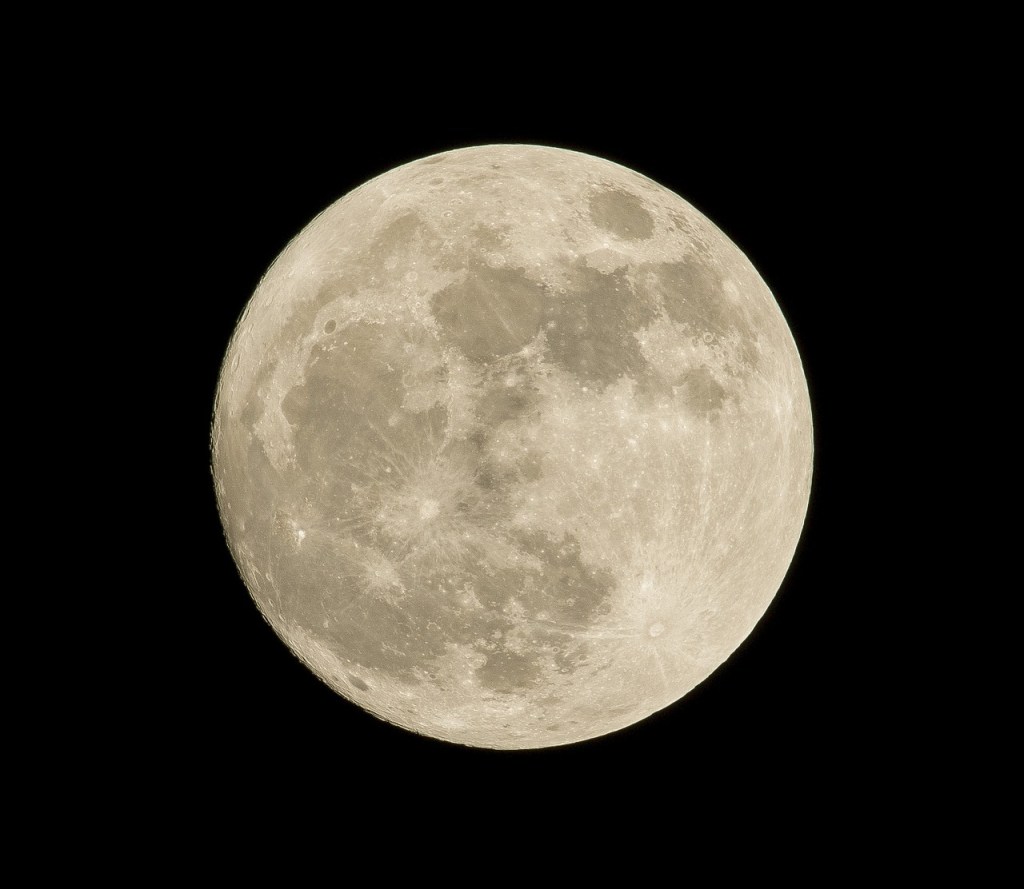
The Full Moon on July 10, known as the Buck Moon, will be fully illuminated and located in the constellation Sagittarius. This full moon is named for the time when male deer start to grow new antlers. In some regions, a subtle penumbral lunar eclipse may also be visible, with the Moon passing through the outer part of Earth’s shadow. While not as dramatic as a total eclipse, it’s still a noteworthy event for lunar enthusiasts124.

4. Saturn’s Grand Entrance

Saturn becomes a showstopper in July, rising earlier each night and dominating the late evening and pre-dawn skies. By mid-month, the ringed planet is easily visible in Pisces, and on July 16, the Moon will appear close to Saturn, creating a beautiful pairing that’s easily seen with the naked eye or binoculars. Saturn’s rings are tilted for optimal viewing, making this a great time for telescopic observations134.

5. Mars and Mercury After Sunset

After sunset, both Mars and Mercury are visible in the western sky. Mars, with its reddish hue, is easy to spot, while Mercury’s position is best in the first week of July. These planetary pairings offer excellent opportunities for comparison and planetary photography34.

6. Delta Aquariid Meteor Shower – A Summer Classic

Late July brings the Delta Aquariid meteor shower, peaking around July 28–31. This shower is known for its steady stream of meteors, with up to 20 meteors per hour under ideal dark-sky conditions. The Moon will be only slightly illuminated, so its light won’t interfere much, making this one of the best meteor showers of the year for southern and mid-latitude observers. Watch after midnight for the best display, and keep an eye out for meteors with persistent glowing trails562.

7. Prime Time for Deep-Sky Observing

With the New Moon on July 24, the skies will be at their darkest, providing perfect conditions for observing faint galaxies, nebulae, and star clusters. July’s warm nights and minimal moonlight make it a favorite month for deep-sky exploration, whether with binoculars or a telescope24.

8. The Summer Milky Way and Classic Constellations

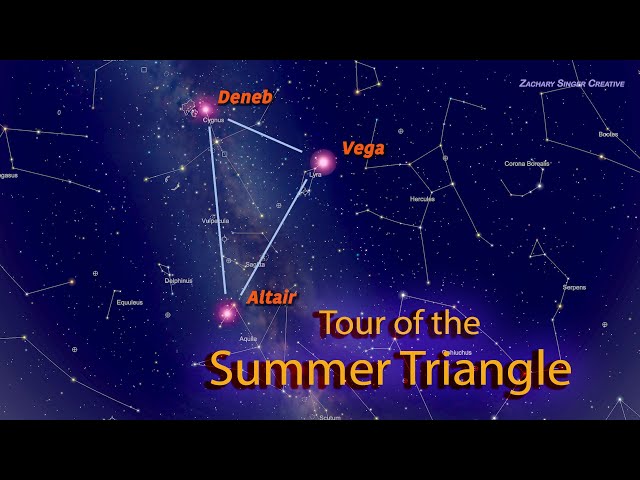
July is the heart of Milky Way season. As darkness falls, the bright band of our galaxy stretches across the sky, especially prominent in rural locations. Constellations like Scorpius and Sagittarius mark the Milky Way’s core, while the Summer Triangle (Vega, Deneb, Altair) climbs high overhead. These star patterns are easy to spot and serve as gateways to countless deep-sky wonders4.

9. Opportunities for All Ages and Skill Levels

Whether you’re a beginner using just your eyes or an advanced astronomer with a telescope, July 2025 offers something for everyone:

  • Beginners can enjoy bright planets, the full Moon, and the Milky Way.
  • Families can host meteor-watching parties or try spotting Mercury at dawn.
  • Advanced observers can chase faint galaxies and nebulae during the new moon window.

10. Easy Planning with Modern Tools

Apps like Sky Tonight and interactive sky maps make it simple to locate planets, stars, and meteor showers in real time, ensuring you don’t miss any celestial highlights1.

Summary Table: July 2025 Night Sky Highlights

DateEventViewing Tip
July 4Mercury at greatest elongation (west)Best dawn view of Mercury
July 4Venus near UranusBinoculars for Uranus
July 10Full Buck Moon & penumbral eclipseLook southeast at moonrise
July 16Moon near SaturnNaked eye or binoculars
July 24New MoonBest for deep-sky objects
July 28–31Delta Aquariid meteor shower peakAfter midnight, dark location

References & Further Reading

  1. Star Walk – Astronomy Calendar 2025
  2. When the Curves Line Up – July 7, 2025: A Celestial Showcase
  3. EarthSky – Meteor Shower Guide 2025
  4. Planetary Society – Calendar of Space Events 2025
  5. Sea and Sky – Astronomy Calendar 2025
  6. Almanac.com – Night Sky for July 2025

In short: July 2025 is packed with planetary encounters, a bright full Moon, a top-tier meteor shower, and some of the best deep-sky viewing of the year. Whether you’re a first-time stargazer or a seasoned astronomer, this month’s night sky is not to be missed!

  1. https://starwalk.space/en/news/astronomy-calendar-2025
  2. http://www.seasky.org/astronomy/astronomy-calendar-2025.html
  3. https://whenthecurveslineup.com/2025/06/22/2025-july-7-a-celestial-showcase-planets-and-the-moon-light-up-the-sky/
  4. https://www.almanac.com/night-sky-july
  5. https://earthsky.org/astronomy-essentials/earthskys-meteor-shower-guide/
  6. https://www.planetary.org/articles/calendar-of-space-events-2025
  7. https://www.rmg.co.uk/stories/space-astronomy/space-astronomy-highlights-2025
  8. https://www.spacecentre.co.uk/news/space-now-blog/stargazing-challenges-july-2025/
  9. https://timesofindia.indiatimes.com/science/best-stargazing-events-of-summer-2025-full-moons-meteor-showers-and-eclipses-you-cant-miss/articleshow/121263047.cms
  10. https://www.reddit.com/r/UKWitches/comments/1ht02q9/astrological_events_2025/
  11. https://in-the-sky.org/newscal.php?year=2025&month=7
  12. https://tpwd.texas.gov/calendar/bonham/copy_of_night-sky-2/2025-07-25
  13. https://repeatreplay.com/july-2024-astrological-events/
  14. https://www.bankbazaar.com/indian-holiday/july-holidays.html
  15. https://www.space.com/stargazing/international-dark-sky-week-2025-see-these-10-night-sky-sights-to-celebrate
  16. https://matadornetwork.com/read/night-sky-events/
  17. https://shop.australiangeographic.com.au/products/astronomy-2025-australia-your-guide-to-the-night-sky

Exploring the June 2025 Night Sky: A Family-Friendly Guide for All Astronomers.

As summer begins in the Northern Hemisphere, June 2025 promises a dazzling array of celestial events, from bright planets and constellations to subtle meteor showers and rare planetary encounters. Whether you’re a beginner eager to spot your first star or an advanced astronomer seeking deep-sky targets, there’s something magical to discover every night. This guide will help you make the most of the June night sky, with tips and highlights for every level of experience.


Planets: Bright Guests in the Night Sky

Mercury and Jupiter—A Rare Evening Encounter

Early June brings a special treat: Mercury and Jupiter appear close together in the western sky just after sunset. On June 6, Mercury, shining at magnitude –1.5, stands about 3.7° west of Jupiter, which glows at magnitude –1.9. Both planets are visible low on the horizon about 30 minutes after sunset, but your window for observation is brief—they set within 25 minutes. For the best view, use binoculars and choose a spot with a clear western horizon. By June 8, Mercury and Jupiter are at their closest, with Mercury just 2° north of Jupiter. As the month progresses, Mercury’s disk grows from a tiny 5″ to a fatter 8″ crescent, making it an interesting target for telescopes134.

Venus—The Morning Star

June kicks off with Venus at its greatest western elongation on June 1, making it a brilliant “morning star.” Look for Venus in the eastern sky about an hour before sunrise. No telescope is needed—Venus is the third-brightest object in the night sky after the Sun and Moon. Its silvery glow is unmistakable, and it’s perfect for early risers and families wanting a gentle introduction to planet spotting43.

Mars—Leo’s Red Guest

Mars spends the month in the constellation Leo, visible in the western sky after sunset. On June 1, a waxing crescent Moon joins Mars, just 8° apart. Mars glows with a warm orange hue, making it easy to spot. By June 16, Mars has a close encounter with Regulus, Leo’s brightest star, standing just 48′ (less than a full degree) north of it. This pairing offers a beautiful color contrast—Mars’s orange against Regulus’s bluish-white. On June 29, the Moon returns to Leo, passing less than a degree from Mars. By month’s end, look for the galaxy pairing M95 and M96, just northeast of Mars—a treat for telescope users14.

Saturn and Neptune—A Distant Duo

Saturn is visible in the morning sky, rising higher as the month progresses. On June 16, early risers in the Eastern U.S. can catch the shadow of Saturn’s moon Titan transiting the planet’s disk starting at 4:11 a.m. EDT. By June 29, Neptune lies just 1° north of Saturn, making it easier to find with binoculars. Neptune shines at magnitude 7.8, and while its disk is tiny (just 2″ across), it’s a fascinating target for those with a telescope1.


Constellations and Stars: The Backbone of the Night Sky

The Summer Triangle

As darkness falls, look for the Summer Triangle—a giant asterism formed by three bright stars: Vega in Lyra, Deneb in Cygnus, and Altair in Aquila. This trio is visible all night and is a great starting point for beginners to navigate the sky23.

Boötes and Arcturus

Boötes, the Herdsman, is easily found by following the curve of the Big Dipper’s handle to Arcturus, one of the brightest stars in the sky. Arcturus shines with a golden hue and is a favorite among stargazers of all ages2.

Other Notable Constellations

  • Hercules: Home to the famous Hercules Cluster (M13), a globular cluster visible with binoculars or a small telescope.
  • Sagittarius and Scorpius: Rising in the southeast, these constellations are rich in star clusters and nebulae, especially for those with darker skies.
  • Ursa Major and Ursa Minor: The Big and Little Dippers are always visible in the north, helping orient you to the night sky2.
  • Capella in Auriga, Aquarius, Pegasus, Perseus, Andromeda, Capricornus, Cepheus, Ophiuchus, Cassiopeia, Draco: These constellations are visible at various times and offer a wealth of deep-sky objects for advanced observers2.

Special Celestial Events and Phenomena

June Solstice—The Longest Day

The summer solstice occurs on June 20 at 9:42 p.m. CDT (10:42 p.m. EDT), marking the official start of summer in the Northern Hemisphere. This is the longest day of the year, with up to 15 hours of daylight in some regions. While not a visual event, the solstice is a great time to observe the Sun’s path and reflect on Earth’s journey around it34.

Full Strawberry Moon

The full moon on June 11, known as the Strawberry Moon, rises at 3:45 a.m. and is a beautiful sight for early risers. Its name comes from the strawberry harvest season and is a highlight for families and photographers2.

Arietids Meteor Shower

From June 7 to 10, the Arietids meteor shower peaks. This is one of the strongest daytime meteor showers, but a few meteors can be seen in the early morning hours before sunrise. Look east about 30–60 minutes before dawn for the best chance to spot a meteor4.

Moon and Pleiades

Screenshot

On June 23, the waning crescent Moon meets the Pleiades star cluster in the early morning sky. This delicate pairing is easily visible to the naked eye and makes for a lovely photo opportunity4.

New Moon—Dark Sky Delight

The new moon on June 25 brings some of the darkest skies of the month, ideal for observing faint stars, galaxies, and nebulae. This is the best time for deep-sky observing and astrophotography4.


Tips for Stargazing with the Family

Make It a Family Adventure

Stargazing is a wonderful way to spend time together. Pack a picnic, bring blankets, and let everyone take turns spotting planets, stars, and constellations. Use free apps like Sky Tonight or Stellarium to help identify what you see5.

Start Simple

Begin with the brightest objects—Venus, Jupiter, Mars, and the Summer Triangle. Use the Big Dipper to find Polaris, the North Star, and explore the constellations around it5.

Try a Star Wheel or Star Deck

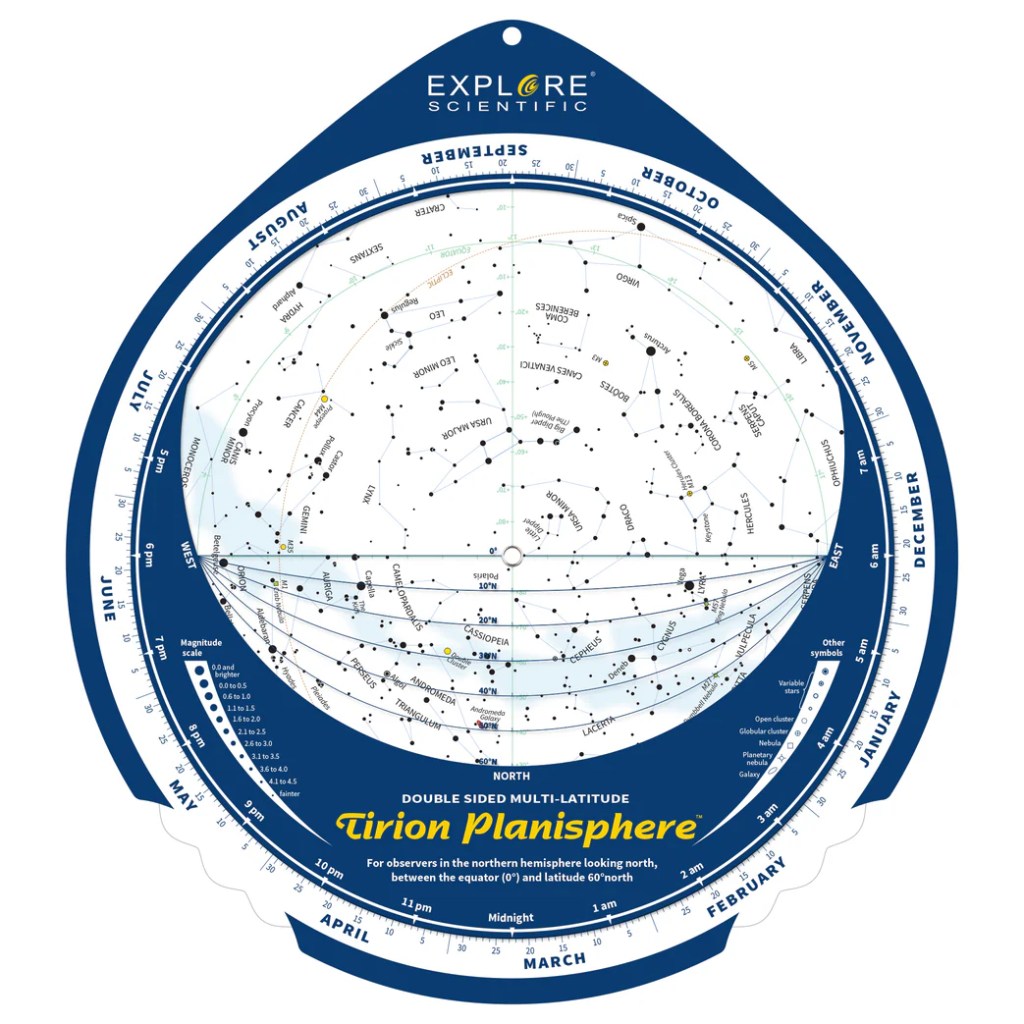
Download a star wheel or use a “Star Deck” of cards to make learning the constellations fun and interactive for kids. These tools are easy to use and help build confidence in navigating the night sky5.

Observe the Moon’s Phases

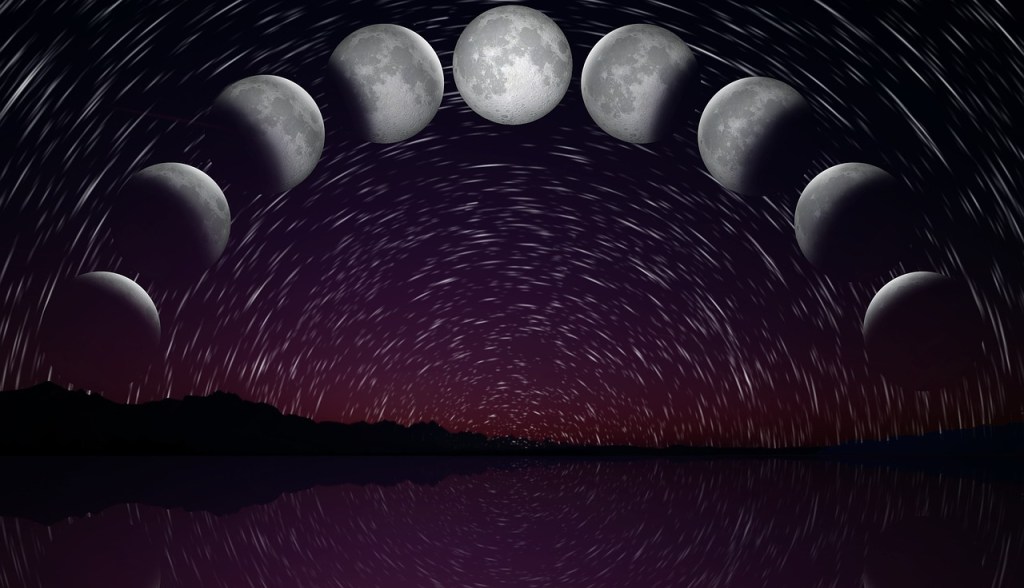
Follow the Moon throughout the month. Note how its shape changes and how it moves past different stars and planets. This is a great way to introduce the concept of lunar phases to children5.

Join a Star Party

Look for local astronomy clubs or star parties in your area. These events are family-friendly and often feature telescopes for public use, allowing everyone to see planets, star clusters, and nebulae up close5.


Summary Table: June 2025 Night Sky Highlights

Date/EventWhat to SeeBest Time to ViewEquipment Needed
June 1Venus at greatest elongationBefore sunrise, eastNaked eye
June 6–9Mercury & Jupiter closeAfter sunset, westBinoculars
June 11Full Strawberry MoonEarly morning, eastNaked eye
June 16Mars near RegulusBefore sunrise, eastNaked eye
June 16Titan’s shadow on SaturnEarly morning, eastTelescope
June 20Summer SolsticeAll dayN/A
June 23Moon near PleiadesBefore sunrise, eastNaked eye
June 25New MoonAll nightBinoculars/telescope
June 29Saturn & Neptune closeEarly morning, eastBinoculars/telescope

Educational Activities for All Ages

Star Clocks and Sundials

Build a simple star clock or sundial to learn how ancient people told time using the Sun and stars. These projects are fun, educational, and require minimal materials5.

Astrophotography for Beginners

Try capturing the Moon, planets, or constellations with a smartphone or camera. Use a tripod for stability and experiment with different exposure settings to get the best results45.

Constellation Stories

Learn the myths behind the constellations. Share stories about Hercules, Leo, and the Summer Triangle to make stargazing even more engaging for children5.


Conclusion

June 2025 is packed with celestial wonders for everyone—from the bright planets and the Summer Triangle to meteor showers and the solstice. Whether you’re a beginner or an advanced astronomer, the night sky offers endless opportunities for discovery and learning. Gather your family, head outside, and let the stars inspire you.


References and Further Reading

  1. Astronomy Magazine: June 2025 Sky Guide
    What’s in the sky this month? Titan’s shadow transits Saturn, and Mercury meets with Jupiter in the evening
    https://www.astronomy.com/observing/sky-this-month-june-2025/1
  2. Amateur Astronomers Association: What’s Up in the Sky? June 2025
    Look for Arcturus in Boötes, Capella in Auriga, and the stars of Hercules, Sagittarius, Aquarius, and more
    https://aaa.org/2025/06/01/whats-up-in-the-sky-june-2025/2
  3. Adler Planetarium: Adler Skywatch: June 2025
    When is the summer solstice and how to see the planets Venus, Saturn, Mercury, and Mars this month
    https://www.adlerplanetarium.org/blog/what-to-see-stargazing-tips-june-2025/3
  4. Orbital Today: Stargazing Guide for June 2025
    Best astronomy events of the month, including Venus at greatest elongation, Mercury and Jupiter conjunction, and the Arietids meteor shower
    https://orbitaltoday.com/2025/05/29/stargazing-guide-for-june-2025-best-astronomy-events-of-the-month/4
  5. Sky & Telescope: Family Fun with Sky Watching
    Make stargazing a family activity! Find and view the planets together, or spend an early morning watching a meteor shower
    https://skyandtelescope.org/astronomy-resources/stargazing-basics/family-projects-and-experiments/5

Footnotes

  • Planetary Conjunctions: When two planets appear close together in the sky. Great for photography and naked-eye viewing14.
  • Greatest Elongation: The point when a planet is farthest from the Sun in our sky, making it easier to observe4.
  • Summer Triangle: An asterism of three bright stars (Vega, Deneb, Altair) that helps orient observers in the summer sky23.
  • Meteor Shower: A celestial event where many meteors are seen radiating from one point in the sky4.
  • Solstice: The day when the Sun reaches its highest or lowest point in the sky at noon, marking the start of summer or winter34.

Citations:

  1. https://www.astronomy.com/observing/sky-this-month-june-2025/
  2. https://aaa.org/2025/06/01/whats-up-in-the-sky-june-2025/
  3. https://www.adlerplanetarium.org/blog/what-to-see-stargazing-tips-june-2025/
  4. https://orbitaltoday.com/2025/05/29/stargazing-guide-for-june-2025-best-astronomy-events-of-the-month/
  5. https://skyandtelescope.org/astronomy-resources/stargazing-basics/family-projects-and-experiments/
  6. https://www.irishastronomy.org/kunena/42-celestial-events/102436-june-2025-observing-guide
  7. https://www.photopills.com/articles/astronomical-events-photography-guide
  8. https://www.planetary.org/night-sky/night-sky-what-to-see-this-month
  9. https://www.astronomy.com/observing/june-2025-whats-in-the-southern-hemisphere-sky-this-month/
  10. https://starwalk.space/en/news/night-sky-tonight-june
  11. https://www.nationalgeographic.com/science/article/night-sky-strawberry-moon-june-2025
  12. https://www.timeanddate.com/news/astronomy/night-sky-june-2025
  13. https://earthsky.org/astronomy-essentials/visible-planets-tonight-mars-jupiter-venus-saturn-mercury/
  14. https://universemagazine.com/en/celestial-highlights-of-june-2025/
  15. https://www.hipcamp.com/journal/camping/stargazing-guide-astronomical-calendar/
  16. https://www.almanac.com/night-sky-june
  17. https://www.youtube.com/watch?v=NZDbKMeUX7Q
  18. https://spacecenter.org/education-programs/explorer-camps/
  19. https://www.greenchildmagazine.com/stargazing-with-kids-101/

Exploring the April 2025 Night Sky: A Family-Friendly Guide

As spring fully blossoms in the Northern Hemisphere, April 2025 brings longer days and milder nights, perfect for family stargazing adventures. This month offers a variety of celestial treats, from planets to meteor showers, making it an excellent time to explore the wonders of the night sky. Let’s embark on a cosmic journey through the April 2025 night sky!

Planets on Parade

Earth and solar system planets, sun and star. Sun, Mercury, Venus, Earth, Mars, Jupiter, Saturn, Uranus, Neptune, Pluto. Sci-fi background. Elements of this image furnished by NASA. ______ Url(s):

April 2025 presents several opportunities to observe planets in our solar system. Here’s what to look for:

Venus: The “Evening Star” continues to dazzle in the western sky after sunset. Its brightness makes it easy to spot, even in areas with some light pollution. Challenge your family to see who can spot Venus first as twilight fades!

Mars: The Red Planet will be visible in the constellation Gemini. Its distinct reddish hue makes it stand out among the stars. With a small telescope, you might catch a glimpse of its polar ice caps or dark surface features.

Jupiter: The largest planet in our solar system will be visible in the early morning sky. Even with binoculars, you can spot its four largest moons: Io, Europa, Ganymede, and Callisto. Try observing Jupiter over several mornings to see how the positions of these moons change.

Saturn: The ringed planet rises in the early morning hours. While you’ll need a telescope to see the rings clearly, even small instruments can reveal this breathtaking sight.

Uranus and Neptune: These distant ice giants are challenging to spot without a telescope and will be close to the Sun this month, making observation difficult.

The Moon’s Journey

Our celestial neighbor, the Moon, goes through its phases this month:

April 1: Last Quarter Moon
April 8: New Moon
April 15: First Quarter Moon
April 23: Full Moon (Pink Moon)
April 30: Last Quarter Moon

The Full Moon on April 23 is traditionally known as the Pink Moon, named after the pink flowers (wild ground phlox) that bloom in early spring. This is a great opportunity to observe the Moon’s features with binoculars or a small telescope.

Lyrid Meteor Shower

One of the highlights of April is the Lyrid meteor shower, active from April 16 to April 25, with its peak on the night of April 22-23. The Lyrids typically produce about 10-20 meteors per hour at their peak, but occasionally can surge to rates of 100 per hour.

To observe the Lyrids:

  1. Find a dark location away from city lights.
  2. Allow your eyes at least 30 minutes to adjust to the darkness.
  3. Look towards the constellation Lyra, the radiant point of the shower.
  4. The best viewing time is typically after midnight and before dawn.

Remember, patience is key when watching for meteors. Make it a family event by bringing comfortable chairs, warm blankets, and snacks for a cozy night under the stars.

Constellations of Spring

April offers a mix of winter constellations setting in the west and spring constellations dominating the sky. Here are some to look out for:

Leo: The majestic lion is high in the southern sky. Look for the backwards question mark shape (the Sickle) that forms the lion’s head and mane, with the bright star Regulus at the bottom.

Ursa Major: The Great Bear, which contains the famous Big Dipper asterism, is high overhead. Use the two stars at the front of the Dipper’s bowl to point to Polaris, the North Star.

Boötes: This kite-shaped constellation rises in the east, led by its bright star Arcturus. To find Arcturus, follow the arc of the Big Dipper’s handle.

Virgo: This large constellation is visible in the southeast, marked by its brightest star, Spica.

Corvus: Look for this small but distinctive constellation, shaped like a trapezoid, to the southwest of Spica.

Deep Sky Wonders

For those with binoculars or small telescopes, April offers some beautiful deep sky objects to observe:

The Beehive Cluster (M44): This open star cluster in Cancer is a beautiful sight through binoculars.

The Leo Triplet: A group of three galaxies (M65, M66, and NGC 3628) visible in the constellation Leo with a small telescope.

The Whirlpool Galaxy (M51): This face-on spiral galaxy near the handle of the Big Dipper is a favorite target for amateur astronomers.

The Leo Triplet, with M65 (right top), M66 (right bottom) and
NGC 3628 (left). North is to the left.

Family-Friendly Stargazing Activities

  1. Moon Journal: Throughout the month, observe and sketch the Moon’s changing phases. This is a great way to understand lunar cycles and improve observational skills.
  2. Planet Scavenger Hunt: Create a checklist of visible planets and see who in the family can spot them all first.
  3. Constellation Storytelling: Learn the myths associated with the constellations and create your own stories about the shapes you see in the sky.
  4. Meteor Shower Watch Party: Plan a family outing to watch the Lyrid meteor shower. Bring comfortable chairs, blankets, and snacks for a memorable night under the stars.
  5. Astrophotography: Try capturing the night sky with a smartphone or camera. The Moon, bright planets, and star trails make great subjects for beginners.

For ALL your Astronomy Needs please go to EXPLORE SCIENTIFIC and OPTICS PLANET. Links on the left.

Tips for Successful Stargazing

  1. Choose the right location: Find a spot away from city lights for the best views.
  2. Allow time for dark adaptation: Give your eyes at least 30 minutes to adjust to the darkness.
  3. Use red light: If you need light to read star charts or adjust equipment, use a red flashlight to preserve your night vision.
  4. Dress appropriately: Even spring nights can be chilly, so dress in layers and bring blankets.
  5. Bring the right tools: Binoculars are a great starting point for astronomy. They’re easier to use than telescopes and can show you many celestial wonders.
  6. Use star charts or apps: Sky maps or smartphone apps can help you identify what you’re seeing. Just remember to use night mode on your device to preserve your dark adaptation.

As you explore the April 2025 night sky with your family, remember that stargazing is an activity that rewards patience and persistence. Not every night will be clear, and it takes time to learn your way around the celestial sphere. But with each stargazing session, you’ll become more familiar with the wonders above us.

Take a moment to reflect on the vastness of space and our place within it. The light from the stars you see has traveled for years, decades, or even centuries to reach your eyes. You’re not just looking at the sky – you’re looking back in time.

Stargazing can be a profound and humbling experience. It reminds us of the beauty and mystery of the universe, and our connection to the cosmos. Every atom in our bodies was once forged in the heart of a star – we are, quite literally, made of stardust.

So step outside, look up, and prepare to be amazed by the celestial wonders of the April 2025 night sky. Happy stargazing!

References:

  1. NASA. (2024). Solar System Exploration. https://solarsystem.nasa.gov/
  2. International Astronomical Union. (2024). Constellations. https://www.iau.org/public/themes/constellations/
  3. American Meteor Society. (2024). Meteor Shower Calendar. https://www.amsmeteors.org/meteor-showers/meteor-shower-calendar/
  4. Sky & Telescope. (2024). This Week’s Sky at a Glance. https://skyandtelescope.org/observing/sky-at-a-glance/
  5. Stellarium Web. (2024). Online Planetarium. https://stellarium-web.org/
  6. EarthSky. (2024). Tonight’s Sky. https://earthsky.org/tonight/
  7. Space.com. (2024). Night Sky, April 2025: What You Can See This Month. https://www.space.com/skywatching
  8. The Old Farmer’s Almanac. (2024). Full Moon Calendar 2025. https://www.almanac.com/astronomy/moon/calendar
  9. National Optical-Infrared Astronomy Research Laboratory. (2024). Astronomical Information. https://noirlab.edu/public/products/astronomical-information/

Answer from Perplexity: https://www.perplexity.ai/search/backyard-astronomy-as-a-beginn-5UrB9jN6TReA1CDQWmJimw?utm_source=copy_output

Getting Started in Astronomy: A Family-Friendly Guide for 2025

Astronomy, the study of celestial objects like stars, planets, and galaxies, is a fascinating hobby that anyone can enjoy. In 2025, it’s easier than ever to get started, thanks to readily available technology and resources. This family-friendly guide will answer common questions and provide tips to help you explore the universe from your own backyard!

What is Astronomy?

Astronomy is the study of everything beyond Earth’s atmosphere. It’s a science that spans centuries, continually evolving as we learn more about the cosmos. It encompasses planets, stars, galaxies, nebulae, black holes, and much, much more. From understanding the life cycle of a star to mapping the vastness of the universe, astronomy offers endless possibilities for exploration and discovery.

Why Get Into Astronomy?

There are countless reasons to dive into astronomy. Here are a few key benefits:

  • It’s Fascinating: Astronomy opens a window to a universe filled with wonders. From the rings of Saturn to the swirling arms of distant galaxies, there’s always something new and amazing to discover. The more you learn, the more fascinating it becomes!
  • It’s Accessible: You don’t need expensive equipment to start enjoying astronomy. You can begin with just your eyes, a star chart, and a sense of curiosity. Binoculars are a great next step, and even a small telescope can reveal incredible details.
  • It’s Relaxing: Observing the night sky can be a calming and meditative experience. Away from the distractions of daily life, you can connect with the universe on a profound level. Find a comfortable spot, look up, and let the vastness of space wash over you.
  • It’s Educational: Astronomy is a fantastic way to learn about science, math, and physics. You’ll discover concepts like gravity, light, and energy in a real and engaging way. It’s a great way to spark a love of science in kids (and adults!).
  • It’s a Shared Experience: Stargazing is a wonderful activity to share with family and friends. You can explore the night sky together, learn from each other, and create lasting memories.

What Equipment Do I Need?

One of the first questions aspiring astronomers ask is about equipment. Here’s a breakdown of the basics, keeping cost and ease of use in mind for families:

  • Your Eyes: The best and most accessible tool for astronomy is your own eyes! You can see constellations, planets, and even the Milky Way with just your naked eyes under dark skies.
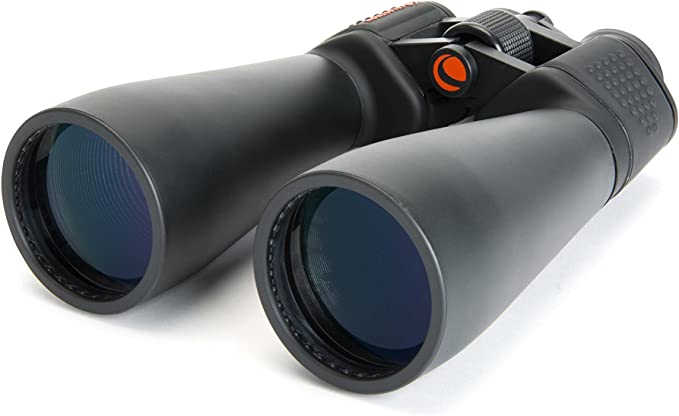
  • Binoculars: Binoculars are an excellent first step beyond the naked eye. They are relatively inexpensive, easy to use, and can reveal a surprising amount of detail. Look for binoculars with a magnification of 7x to 10x and an objective lens diameter of 50mm (e.g., 7×50 or 10×50). These numbers will appear on the binoculars themselves.
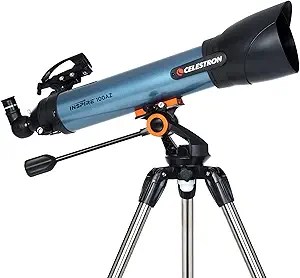
  • Telescope: A telescope is a significant investment, but it can open up a whole new world of celestial objects. For beginners, consider a refractor telescope (which uses lenses) or a Dobsonian telescope (which uses mirrors and is known for its simplicity and affordability). Look for a telescope with an aperture (the diameter of the main lens or mirror) of at least 70mm for refractors or 6 inches for Dobsonians. Start with low magnification eyepieces and gradually increase magnification as you become more experienced.
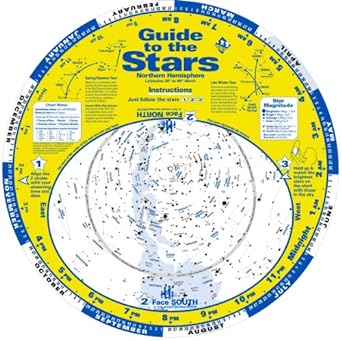
  • Star Chart or App: A star chart is a map of the night sky that helps you locate constellations, planets, and other celestial objects. You can use a printed star chart, which are available at bookstores and online, or download a smartphone app like Stellarium Mobile, SkySafari, or Star Walk 2. These apps use your location and the time to show you a real-time map of the sky.
  • Red Flashlight: A red flashlight is essential for preserving your night vision. White light can take up to 30 minutes to recover from, so red light is ideal for seeing maps. You can buy a red flashlight or simply cover a regular flashlight with red cellophane.

How Do I Learn the Night Sky?

Learning the night sky is like learning a new language. It takes time and practice, but it’s incredibly rewarding. Here are some tips:

  • Start with the Brightest Stars and Constellations: Focus on learning the most prominent stars and constellations first. The Big Dipper, Orion, Leo, and Taurus are good starting points.
  • Use a Star Chart or App Regularly: Make it a habit to consult your star chart or astronomy app every time you go out stargazing. This will help you learn the locations of different objects and recognize them in the sky.
  • Learn Constellation Stories: The constellations are rich in mythology and folklore. Learning the stories behind the constellations can make them more memorable and engaging.
  • Attend Astronomy Events: Attending astronomy events organized by local astronomy clubs, planetariums, or observatories is a great way to learn from experienced stargazers and meet other people who share your interest.
  • Join an Astronomy Club: Joining an astronomy club provides opportunities to learn from other members, participate in group observing sessions, and access telescopes and other equipment.

How Do I Observe Celestial Objects?

Observing celestial objects is the heart of astronomy. Here are some tips to help you get the most out of your observing sessions:

  • Choose the Right Time: The best time to observe is when the sky is dark and clear, usually a few hours after sunset or before sunrise. Avoid observing on nights when the Moon is full, as its bright light can wash out fainter objects.
  • Choose the Right Location: Find a location that is away from city lights and has a clear view of the sky. Even a small amount of light pollution can significantly reduce the number of stars you can see.
  • Allow Time for Dark Adaptation: Give your eyes at least 30 minutes to adjust to the darkness before you start observing. Avoid looking at bright lights during this time.
  • Start with Easy Targets: Begin by observing bright objects like the Moon, planets, and bright star clusters. As you become more experienced, you can gradually move on to fainter objects like galaxies and nebulae.
  • Use Proper Technique: When using a telescope or binoculars, take your time to focus the image and adjust the magnification. Hold your breath to minimize vibrations.

What to Observe in 2025

Here are a few celestial events to look forward to in 2025:

  • Planetary Alignments: Keep an eye out for planetary alignments, when several planets appear close together in the sky. These events offer a unique opportunity to see multiple planets in one view.
  • Meteor Showers: Watch for meteor showers throughout the year. The Perseid meteor shower in August is particularly reliable and spectacular.
  • Lunar Eclipses: Lunar eclipses occur when the Earth passes between the Sun and Moon, casting a shadow on the lunar surface. These events are safe to observe with the naked eye and can be quite dramatic.

Conclusion

Getting started in astronomy is easy and rewarding. With a few basic tools, some knowledge of the night sky, and a passion for exploration, you can begin a lifetime of discovery. Whether you’re a beginner or an experienced astronomer, there’s always something new to learn and see. So, grab your binoculars, download a star chart app, and start exploring the universe today! The cosmos awaits!

Citations:

  1. https://stanshobbiesandinterests.com/2023/08/30/https-stanshobbiesandinterests-com-2023-08-30-how-to-get-started-in-the-hobby-of-astronomy/