When you’re a single mother shopping on Amazon for your 6–10-year-old’s first telescope or binoculars, the key is to focus on ease of use, safety, and lasting curiosity—something that makes astronomy fun without being frustrating. Here’s a complete list of questions you’ll want to know the answers to before buying, based on leading astronomy guides and family-focused resources. More Information.
1. What do I want my child to see?
Ask yourself what kind of viewing experience your son wants:
- Moon and planets? Look for a refractor telescope with a smaller aperture (60–80mm) for bright, clear details.
- Stars, nebulae, or galaxies? Choose a reflector telescope with a larger aperture (90–130mm) that gathers more light.
- Simple sky watching or birding by day? Start with kid-sized binoculars (7×35 or 8×21)—they’re lightweight and affordable.
Amazon Search Example:
“Best telescope for kids to see the moon clearly”
“Binoculars for child astronomy and nature watching”
2. How easy is it to set up and use?
A telescope that’s too technical can frustrate a beginner.
Look for:
- Clear instructions, labeled as “easy setup” or “no tools required.”
- An alt-azimuth mount (simple up-down, left-right control).
- Adjustable tripod height for both mom and child.
Tip: Avoid complex “GoTo” or computerized scopes until your child has experienced basic astronomy first.More Information.
Search Terms:
“Easy setup telescope for kids 6–10”
“Simple tabletop telescope for beginner family use”
3. Is it durable and stable for children?
Kids are naturally curious and sometimes rough on equipment.
You’ll want to check:
- Durable housing: metal or rigid plastic.
- A stable tripod: avoid models with wobbly mounts.
- Shock-resistant eyepieces: especially for binoculars.
Binoculars Tip: Choose ones with rubberized grips, breakaway straps, and padded eyepieces. These protect both the equipment and your child’s face. More Information.
Search Example:
“Durable first telescope for kids”
“Shockproof binoculars for kids outdoor and astronomy”
4. What size and weight are manageable for a 6–10-year-old?
The best starter scope or binocular feels stable, not heavy.
- For telescopes, look for under 10 lbs total weight.
- For binoculars, choose lightweight models (under 1 lb) and magnifications between 2× and 8× so steady viewing is easy.
Example Keywords:
“Lightweight telescope for kids beginner”
“Compact binoculars for children small hands”
5. What is aperture—and why does it matter?
Aperture = the size of the telescope’s main lens or mirror.
- More aperture = more light and better detail, but also heavier and costlier.
For kids, 60mm–100mm is ideal—you’ll clearly see the Moon’s surface, Jupiter’s moons, and Saturn’s rings without frustration. More Information.
Ask: “What is the aperture size of this telescope?”
Search Example:
“70mm refractor telescope child beginner”
“100mm tabletop reflector telescope for kids”
6. What magnification is appropriate for a child?
High magnification sounds exciting (“400× power!”), but it’s often poor quality.
Look instead for:
- Quality optics over power.
- A starter telescope with 20×–100× magnification range — this gives crisp, steady viewing.
- For binoculars, start around 7× or 8×.
Ask on Amazon:
“What is the maximum useful magnification for this model?”
7. Should I choose a refractor or reflector telescope?
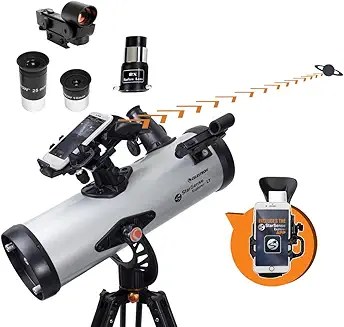
Reflector
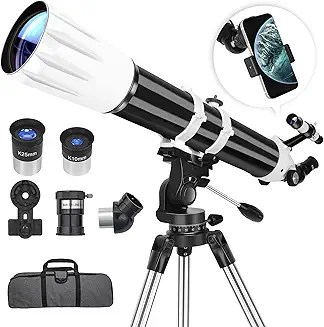
Refractor
Each type suits different goals: More Information.
| Type | Best For | Pros | Cons |
|---|---|---|---|
| Refractor | Moon, planets | Easy to use, low maintenance | Smaller apertures |
| Reflector | Nebulae, faraway stars | Great light gathering | Needs alignment (collimation) |
| Tabletop Reflector | Families & kids | Easy to move | Low tripod height |
| Binoculars | Multi-use, day/night | Portable, no setup | Lower detail level |
Starter Telescopes
8. How much supervision and maintenance does it need?
Ask yourself realistically:
“Can I help assemble or supervise its use outside at night?”
- Refractor telescopes are lower maintenance — sealed and simple.
- Reflectors require occasional cleaning and optical alignment.
- Binoculars need virtually no maintenance.
Best Low-Maintenance Models:
The Celestron AstroMaster 70AZ and Orion SkyScanner 100mm are top family picks for ease of use. More Information.
9. What kind of accessories do we need?
Starter telescopes should include:
- Multiple eyepieces (low and high power)
- A finder scope or red dot sight
- Free software or a stargazing app
- Optional smartphone mount for taking photos
Search Example:
“Kids telescope kit with app and phone adapter”
“Beginner telescope with tripod and dual eyepieces”
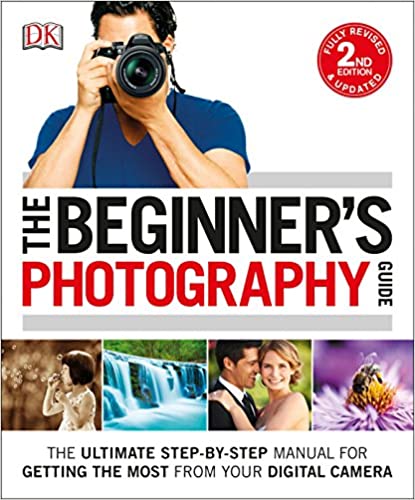
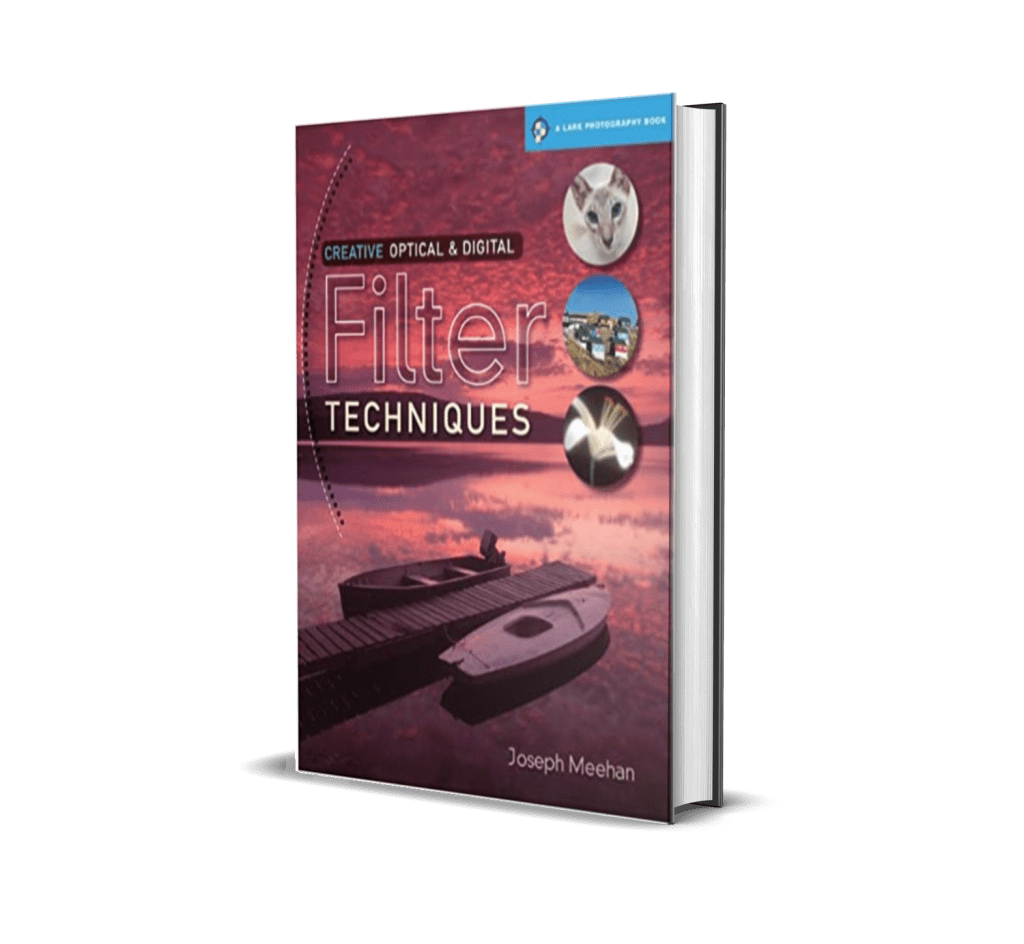
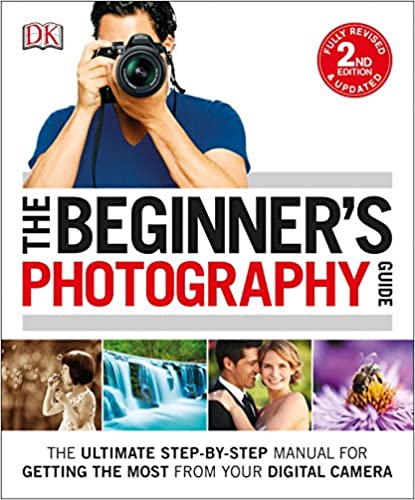
Tip: Don’t forget a simple astronomy beginners’ book—kids love matching constellations while observing. More Information.
10. Where will we use it most—indoors, backyard, or camping trips?
This helps decide between tripod telescopes (home use) and portable tabletop or handheld binoculars.
Ask:
- “Does this telescope fit in my car/trunk?”
- “Can it be used without plugging in?” (for electric sets)
- “Does it include a carry bag or case?”
Search Phrases:
“Portable telescope for kids and families”
“Compact travel binoculars for children”
11. What is a realistic budget for a beginner astronomy setup?
| Type | Budget Range | Model Clarity | Example |
|---|---|---|---|
| Kid-friendly Binoculars | $25–$60 | Great for stargazing & nature | Nikon Prostaff P3 8×42 More Information |
| Basic Telescope | $70–$150 | Good for Moon & planets | Celestron FirstScope or AstroMaster 70AZ More Information |
| Advanced Starter | $150–$250 | Planets & brighter galaxies | Orion SkyScanner or Meade Infinity More Information |
Rule of thumb: Start affordable, see if your son loves stargazing, and upgrade gradually.
12. Are there learning resources or apps included?
Engaging materials can help keep your son curious beyond the first few nights.
Look for telescopes like Celestron Inspire 100AZ that include smartphone adapters or apps with guided tours of the sky. More Information.
Ask:
- “Does this telescope include an app or guidebook?”
- “Can we take photos with our phone?”
Search Examples:
“Telescope with smartphone adapter for kids”
“Starter astronomy kit for families”
Final Tip for Parents:
If your goal is to spark wonder (not confusion), choose simple, durable, and fun equipment that works right out of the box.
Pair observation nights with stories about planets and constellations—your child’s excitement will grow astronomically!
Quick Parent-Oriented Searches:
- “Best beginner telescope for 7-year-old with help from mom”
- “Educational astronomy kit for kids and parents”
- “Family stargazing telescope easy to set up 2025”
Would you like a Pinterest Pin set (titles, descriptions, and keywords) designed for this article, geared toward fall and holiday search trends (“STEM gifts,” “family astronomy nights,” “early Christmas science toys”)? It would boost your reach for the 2025 season.
- https://www.astronomy.com/astronomy-for-beginners/the-best-telescopes-for-kids-picked-by-experts/
- https://www.livescience.com/best-binoculars-for-kids.html
- https://www.space.com/29798-best-telescopes-for-kids.html
- https://www.astroshop.eu/magazine/buying-guide/the-ultimate-buying-guide-telescopes-for-children-and-teenagers/i,1577
- https://www.reddit.com/r/telescopes/comments/16btts7/whats_a_good_starter_telescope_for_a_10_year_old/
- https://www.reddit.com/r/telescopes/comments/z9s352/beginners_quick_guide_to_choosing_your_first/
- https://www.reddit.com/r/telescopes/comments/168sjsq/help_for_daughters_first_telescope_what_to_buy/
- https://www.cloudynights.com/topic/902332-telescope-for-beginner-kids-10-12/
- https://www.facebook.com/groups/manastrosoc/posts/10169431340430612/
- https://www.livescience.com/technology/best-telescopes-for-kids









 Stan's Hobbies and Interests