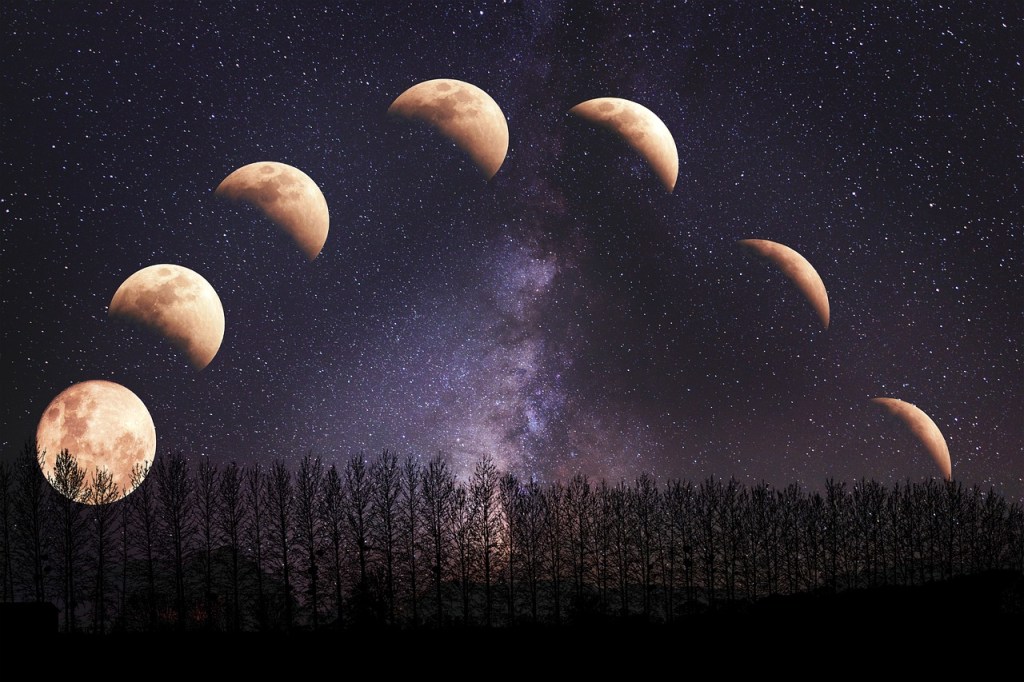
October 2026 Night Sky Guide: Orionid Meteors, Gas Giants & Autumn Constellations

As crisp autumn air settles in and crisp October nights lengthen, stargazers are treated to some of the finest backyard observing conditions of the year. With dusk arriving earlier each evening, October 2026 brings an ideal setup for families, beginners, and seasoned observers to explore dramatic lunar features, prime planetary views, and shooting stars.

Whether you are stepping into the backyard with your naked eyes, a trusty pair of binoculars, or a manual light bucket telescope, October delivers a packed calendar of celestial highlights across the autumn sky.

1. The October Moon: Hunter’s Moon & Deep-Sky Windows

The Moon serves as our primary clock in the night sky, offering crisp contrast along its terminator line during early phases and brilliant ambient light during its full phase.
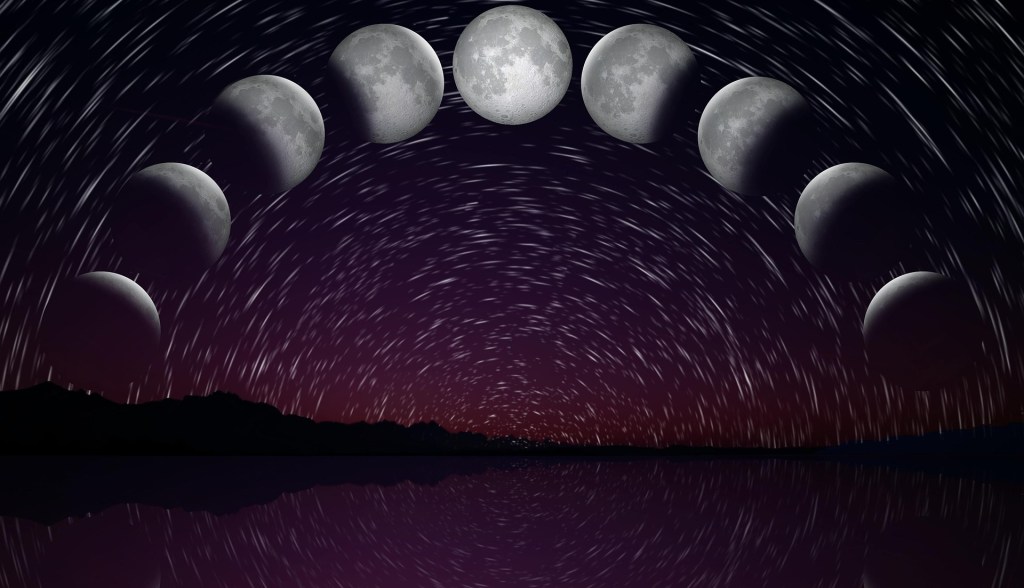
Key Lunar Phases for October 2026

  • October 2 — Last Quarter Moon: High overhead near dawn, casting long, stark shadows across prominent craters like Tycho and Clavius.
  • October 10 — New Moon: The prime dark-sky window of the month! With zero moonlight interfering, faint galaxies, nebulae, and star clusters shine at their absolute brightest.
  • October 17 — First Quarter Moon: Perfect for early evening family observing sessions. The Moon sits high in the south at sunset, revealing sharp ridge detail along the Mare Imbrium boundary.
  • October 24 — The Full Hunter’s Moon: The classic October full moon rises shortly after sunset with a striking amber glow, illuminating autumn backyards late into the night.

Stan’s Stargazing Tip:During the week surrounding the New Moon on October 10, target deep-sky faint fuzzies like the Orion Nebula or Andromeda Galaxy. When observing the bright Full Hunter’s Moon later in the month, thread anAstromania 1.25″ Variable Polarizing Filter onto your eyepiece to cut down extreme glare and improve eye comfort.

2. Planetary Roundup: Saturn, Jupiter, and Morning Planets

October provides excellent evening and early-morning opportunities to spot our solar system’s brightest planetary worlds.
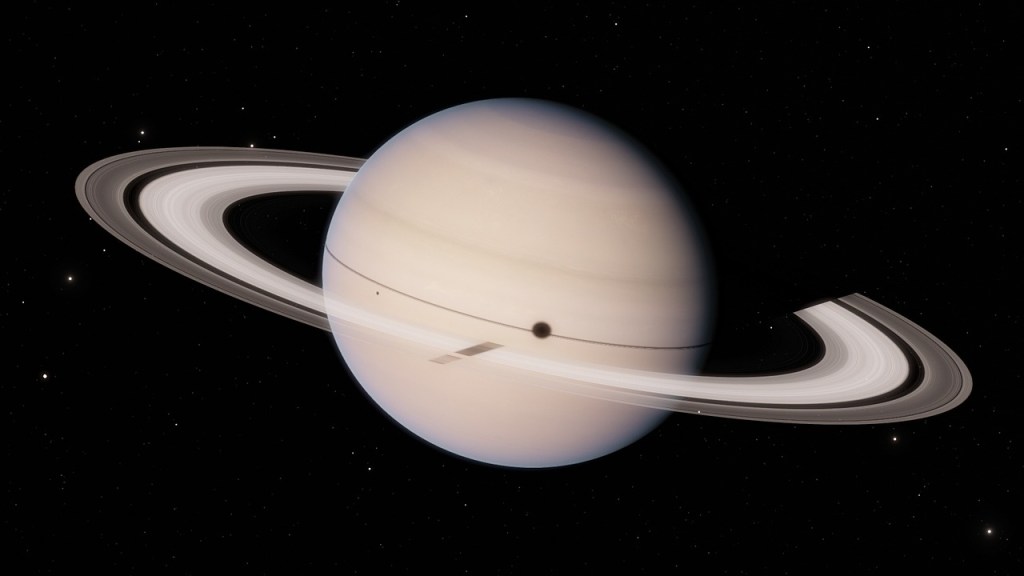
Saturn: Evening Ring Showcase

Saturn remains the star of the early evening sky throughout October. Positioned high in the southeast after sunset, the ringed planet shines with a steady, warm golden light. Through a small reflector telescope or manual light bucket, you can easily spot its majestic ring system, the dark Cassini Division gap, and its bright outer moon, Titan.

Jupiter: Midnight Gas Giant

Rising in the late evening hours and reigning supreme through midnight, Jupiter is an unmissable, brilliant cream-white beacon. Using a basic pair of binoculars, you can easily spot the four Galilean moons—Io, Europa, Ganymede, and Callisto—lined up like tiny cosmic beads. Higher magnification reveals dark Equatorial Belts and the famous Great Red Spot.

Mars & Venus: Pre-Dawn Display

  • Mars: Rising in the early morning sky, Mars glows with a distinct rusty orange-red hue among the stars of Gemini and Taurus.
  • Venus: Shining dazzingly bright low on the eastern horizon right before sunrise, acting as a brilliant “Morning Star” to greet early risers.

3. Stars and Constellations: Pegasus, Cassiopeia & Orion

October is the hallmark month for classic autumn constellations, while iconic winter patterns begin peeking over the eastern horizon before midnight.
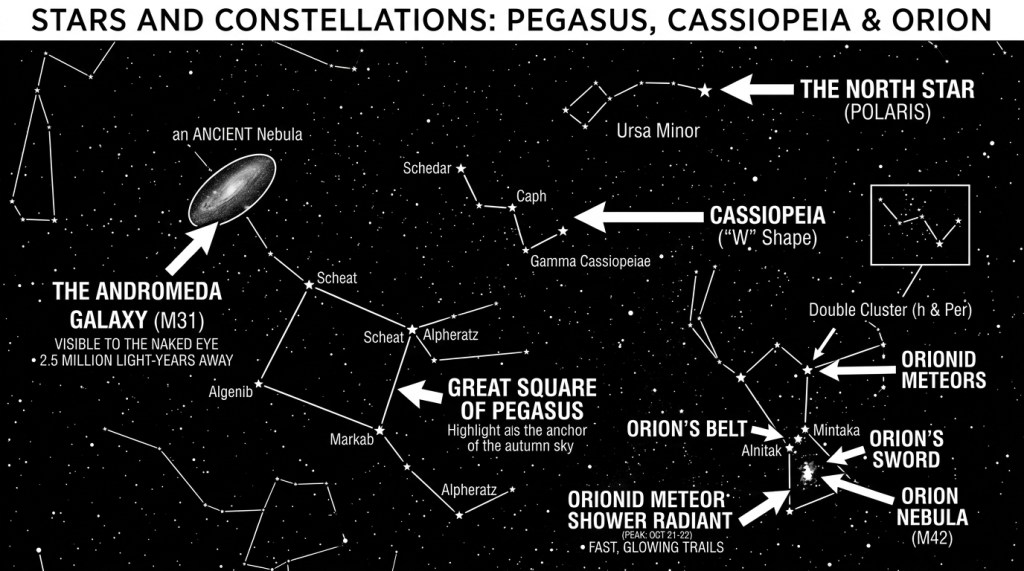
The Great Square of Pegasus & Andromeda

Look directly overhead during mid-evening to locate the Great Square of Pegasus, four bright stars forming a huge celestial diamond. Tracing off the top-left star leads into Andromeda.

  • The Andromeda Galaxy (M31): Located 2.5 million light-years away, M31 is the most distant object visible to human eyes without a telescope! On dark nights around October 10, look slightly above Andromeda’s central star for a soft, oval patch of ghostly light.

Cassiopeia & Perseus

High in the northeast, Cassiopeia forms her unmistakable bright “W” shape right inside the star-rich band of the Milky Way. Following the “W” down leads into Perseus, home to the famous Double Cluster—two dense, sparkling nests of young supergiant stars easily resolved through binoculars.

4. October Celestial Events: Orionid Meteors & Conjunctions

DateSky EventTarget / DirectionBest Viewing Time
Oct 10New Moon (Dark Sky Window)Deep Sky (M31, Double Cluster)All Night
Oct 14Moon & Antares ConjunctionLow Southwestern Sky7:30 PM – 9:00 PM
Oct 21–22Orionid Meteor Shower PeakSoutheastern Sky (Orion Radiant)Midnight to Pre-Dawn
Oct 24Full Hunter’s MoonEastern HorizonDusk / Early Evening

The Orionid Meteor Shower (Peak: October 21–22)

Produced by debris left behind by Halley’s Comet, the Orionid Meteor Shower peaks on the night of October 21 into the morning of October 22. Under dark skies, observers can expect up to 20 fast-moving meteors per hour. Orionid meteors are famous for being fast and leaving persistent glowing gas trails!

Stan’s Stargazing Tip:You don’t need a telescope or binoculars to watch meteor showers—your bare eyes give you the widest field of view! Set up a comfortable reclining lawn chair facing southeast toward the constellation Orion after midnight, wrap up in a warm blanket, and give your eyes at least 20 minutes to dark-adapt.

Stargazer’s Gear Toolkit for October

To get the most out of crisp autumn viewing sessions, these simple tools will make a huge difference in comfort and clarity:

Quick Reference Checklist for Families

  1. Bundle Up for Autumn Chill: October temperatures drop fast once the sun goes down. Dress in warm layers, wear insulated boots, and bring a thermos of hot cocoa to keep young stargazers cozy.
  2. Protect Night Vision: Avoid looking at bright smartphone screens! It takes 15 to 20 minutes for human eyes to adjust to low light, but only a second of white light to reset your night vision.
  3. Check Atmospheric “Seeing”: If stars are twinkling wildly overhead, Earth’s upper atmosphere is turbulent. On nights when stars shine steadily without flickering, fire up your higher-power eyepieces for crisp views of Saturn’s rings and Jupiter’s cloud bands!

Clear skies and happy hunting!
Stargazing Wonders of November 2025: A Family Guide to Planets, Constellations, and Celestial Magic

November 2025 is a holiday gift for skywatchers, offering planetary displays, dazzling meteor showers, a record-bright supermoon, and a host of famous constellations and stars. Whether you’re spending quiet moments in your backyard with family or gathering fellow enthusiasts in a local astronomy club, the month promises magic for stargazers of all ages and experience levels.


Planets on Parade

November is one of the richest months for planet watching in 2025. On clear nights, nearly every naked-eye planet makes a memorable appearance:

  • Mercury: The elusive innermost planet appears just above the southeastern horizon at dawn near the end of the month (November 28–30). Its fleeting glow is best caught about 30 minutes before sunrise, challenging even for seasoned observers but a thrill for patient families. farmersalmanac+1​
  • Venus: Brilliant Venus shines low in the morning twilight the first three weeks of November before disappearing from view—look for it before sunrise in the east and southeast. astroshop+4​
  • Saturn: The ringed planet graces the southwest after sunset all month. On November 1–2, Saturn pairs closely with the waxing gibbous Moon—don’t miss the pairing with binoculars or a telescope. adlerplanetarium+3​
  • Jupiter: Jupiter rises in the east after 9 PM and dominates the late-night sky. Its moons and cloud bands are visible in even small telescopes, offering an inviting family observing project. skyatnightmagazine+2​
  • Uranus: On November 21, Uranus reaches opposition and shines all night in Aries. Usually invisible to the naked eye, it’s within reach of binoculars or a modest telescope—a blue-green gem for those ready to find new worlds. timeanddate+3​
  • Neptune: Faint Neptune lurks in Pisces, crossing the southern sky late at night. Binoculars or a telescope are needed, but locating this distant planet can be a rewarding family challenge. farmersalmanac+1​

Moon Facts and Lunar Events

This November offers a lunar showstopper sure to spark curiosity and creativity, plus several phase changes for sky journaling:

  • Supermoon – November 5: The year’s biggest and brightest full moon rises on Nov. 5. Named the Beaver Moon or Frosty Moon, it appears nearly 8% larger and up to 16% brighter than a typical full moon. Early Native Americans used this time to set beaver traps ahead of winter. rmg+5​
  • Moon-Planet Conjunctions: The Moon passes near Saturn on Nov. 1–2 and pairs up with Aldebaran (the “Bull’s Eye”) in Taurus on Nov. 7—a great reason for crafty photos or family stories about the sky’s ancient myths. whenthecurveslineup+1​
  • Other Phases: The moon’s changing face is easy to track and sketch:
    • Full Moon: Nov. 5
    • Last Quarter: Nov. 12
    • New Moon: Nov. 20 (a “micro” new moon at farthest distance from Earth)
    • First Quarter: Nov. 28. theskylive+1​

Meteor Showers to Watch

November delivers two meteor showers—one spectacular, the other subtle but known for bright fireballs:

  • Southern Taurids – Nov. 4–5: This minor shower produces slow, bright meteors. Only 5–10 meteors per hour, but some may become fireballs as they radiate from Taurus. Try viewing after midnight—best with the whole family, lying back and sharing wishes. seasky+1​
  • Leonids – Nov. 17: The Leonid meteor shower, famed for epic storms, produces 10–15 bright meteors per hour at its peak just before dawn. Look southeast from a safe, dark spot. The crescent moon will set early, leaving a perfectly dark sky for viewing. planetary+3​

Constellations: Old Friends Return

As November evenings lengthen, classic constellations and famous stars reclaim their positions:

  • Orion the Hunter: Orion rises by midnight, instantly recognizable by his three-star “belt.” Follow the belt downward left to find Sirius, the sky’s brightest star, rising in the southeast near the end of the month. nationalgeographic+2​
  • Taurus the Bull: Home to red-orange Aldebaran (the “Bull’s Eye”), the glimmering Pleiades (Seven Sisters), and the Hyades cluster—the V-shaped “face” of Taurus. rmg+2​
  • Andromeda: High overhead, Andromeda forms a graceful arc and hosts the Andromeda Galaxy (M31)—a faint smudge in dark skies visible to the naked eye, binoculars, or small telescopes. starwalk+1​
  • Pegasus: The Great Square of Pegasus marks autumn and is a great jumping-off point for star-hopping.
  • Cassiopeia, Pisces, and more: Cassiopeia’s “W” shape dominates the northeast. Pisces, the Fishes, is less obvious but sits south of Andromeda. starwalk​
  • Sirius and Canis Major: By late November, Sirius—known as the “Dog Star”—rises in the southeast. It’s 25 times more luminous than the sun and just 8.6 light years away, a brilliant beacon for cold nights. rmg​

Other Notable Night Sky Events

  • Planetary Encounters: Nov. 3, the Moon and three planets (Venus, Saturn, Jupiter) are on display overnight. Nov. 25, Venus and Mercury share the dawn in a rare pairing. whenthecurveslineup+1​
  • Hyades at Apex – Nov. 27: The Hyades cluster, making the V of Taurus’s face, reaches its highest point around midnight. This is the best time to see its dozens of stars under dark skies, an ideal binocular or family-accessible target. nationalgeographic​
  • Comet c/2025 A6: Expected to be visible from dark locations in late October and early November. It may be possible to spot it with binoculars just before sunrise or after sunset—watch astronomy news sites for updates. facebook​

More Astronomy Information

Bright Stars to Visit

  • Aldebaran (Taurus): Orange-red, marking the Bull’s eye.
  • Betelgeuse and Rigel (Orion): Red and blue supergiants, highlighting Orion’s shoulder and foot.
  • Capella (Auriga): Bright, yellowish star rising high in the northeast.
  • Spica (Virgo): Visible near Venus in the dawn sky early in the month. whenthecurveslineup​

Family Activities and Tips

  • Make a Sky Journal: Track phases of the moon and meteor counts. Sketch constellations or note unusual “shooting stars.”
  • Try Star Storytelling: Share myths about Orion, Taurus, and the Pleiades, or invent your own tales.
  • Holiday Stargazing: Pair a hot cocoa night with meteor counting or supermoon watching. Invite friends or neighbors for a “full moon walk” or a “Leonids pajama party.”
  • Binocular Astronomy: Many November targets—the moon’s craters, Pleiades, Hyades, Jupiter’s moons—look wonderful even through basic binoculars.
  • Prepare for the Cold: Layer up, bring blankets and sleeping bags, and warm drinks.

Handy Stargazing Tips

  • Allow 15 minutes for your eyes to adapt to the darkness.
  • Avoid bright lights (use red flashlights to preserve night vision).
  • Choose a safe, dark location away from city lights.
  • Use free sky map apps or printable star charts to help identify targets.
  • Record your sightings and try to spot new constellations each week.rmg​

More Astronomy Information.

Looking Ahead and Inspiring Wonder

As the nights lengthen and the year edges closer to holidays, November 2025 offers families and astronomers a cosmos packed with both new wonders and returning favorites. There’s no better time to start a skywatching tradition with your children, friends, or students—nature’s awe-inspiring show is always free and never repeats in quite the same way.

From the joy of the supermoon’s silvery glow and the thrill of counting Leonid meteors to the satisfaction of picking out planets and patterns among the stars, the night sky rewards curiosity and connects us to ancient stories and ongoing scientific discovery.

Wishing clear skies, many discoveries, and countless family memories under the November night sky! kenpress+17​

  1. https://www.farmersalmanac.com/visible-planets-guide
  2. https://www.astroshop.eu/magazine/practical-tips/observation/astronomy-highlights-in-autumn-2025/i,1244
  3. https://www.adlerplanetarium.org/blog/what-to-see-stargazing-tips-november-2025/
  4. https://www.skyatnightmagazine.com/advice/skills/astronomy-guide-viewing-planets-night-sky
  5. https://whenthecurveslineup.com/2025/10/23/2025-november-3-moon-and-three-planets-on-display-in-the-night-sky/
  6. https://www.rmg.co.uk/stories/space-astronomy/astronomy/night-sky-highlights-november-2025
  7. https://kenpress.com/files/2025WOT11Nov.pdf
  8. https://www.timeanddate.com/news/astronomy/night-sky-november-2025
  9. http://www.seasky.org/astronomy/astronomy-calendar-current.html
  10. https://www.planetary.org/articles/calendar-of-space-events-2025
  11. https://starlust.org/november-2025-skywatching-guide-this-years-biggest-supermoon-leonids-fireballs-and-more/
  12. https://theskylive.com/moon-calendar?year=2025&month=11
  13. https://www.calendarr.com/united-states/lunar-calendar-november-2025/
  14. https://whenthecurveslineup.com/2025/10/27/2025-november-7-moon-and-bulls-eye/
  15. https://www.nationalgeographic.com/science/article/november-night-sky-events-2025
  16. https://starwalk.space/en/news/november-constellations-and-stars
  17. https://www.space.com/stargazing/autumn-skywatching-targets-to-see-in-the-night-sky-2025
  18. https://www.facebook.com/groups/auroraaustralia/posts/2376217279460361/
  19. https://www.spaceweatherlive.com/en/moon-phases-calendar/2025/11.html
  20. https://www.timeanddate.com/astronomy/sights-to-see.html