Clean Out Your Light Bucket: The Remainder of May and the Rise of June

Make sure to clean out your light bucket, because for the rest of May we are going to need every single raindrop. The sky is shifting, the seasons are turning, and your telescope is about to graduate from whisper‑soft galaxies to the glowing heart of the Milky Way.

May ends with subtlety.
June begins with fireworks.

Together, they form one of the most beautiful transitions in the entire night‑sky calendar.


THE REMAINDER OF MAY — The Final Test of the Faint Fuzzies

By late May, the bright showpieces of winter are long gone, and the summer nebulae have not yet risen high enough to steal the show. What remains is a quiet, dark window into deep space — a perfect time to sharpen your observing skills.

This is when the Leo Triplet becomes your teacher.

The Last Weeks of May: Listening to the Sky’s Whisper

The Leo Triplet — M65, M66, and NGC 3628 — hangs in the western sky after dusk, drifting lower each night. This is your last chance of the year to catch these galaxies under comfortable evening skies.

They are faint.
They are subtle.
They demand patience.

And that is exactly why they matter.

What You’re Learning in Late May

  • How to use averted vision to coax detail from darkness
  • How to let your eyes adapt fully before hunting faint objects
  • How to sweep slowly and deliberately through a star field
  • How to recognize the difference between “sky glow” and “galaxy glow”

These skills become essential in June — when the Milky Way returns.

Beginner Goal for Late May

See one galaxy in the Triplet before it sets for the season.

Advanced Goal for Late May

Trace the dust lane in NGC 3628 using averted vision.

If you can do that, you’re ready for what June brings.


JUNE — The Milky Way Awakens

June is the month when the sky changes character. The faint fuzzies of May give way to the glowing river of the Milky Way rising in the east. The sky becomes richer, brighter, and more dramatic — a perfect reward for the patience you built in May.

Early June: The First Glow of the Summer Milky Way

Around 10–11 PM, you’ll notice a pale, misty band stretching from the northeast toward the south. This is the Milky Way’s return — still low, still delicate, but unmistakable.

This is when your light bucket shifts from collecting ancient galaxy photons to gathering the warm, dusty glow of our own galaxy.

Targets for Early June
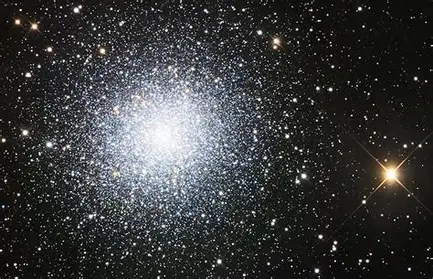
The Great Hercules Cluster

  • M13, the Great Hercules Cluster — a dazzling ball of 300,000 stars
  • M92 — a smaller but beautifully concentrated globular cluster
  • The Double Star Albireo — a golden and sapphire pair perfect for families

These objects are bright, friendly, and forgiving — a welcome change after May’s faint challenges.


Mid‑June: The Nebulae Begin to Rise

By mid‑June, the Milky Way climbs higher, and the great nebulae of summer begin to peek above the horizon.

Objects to Watch For
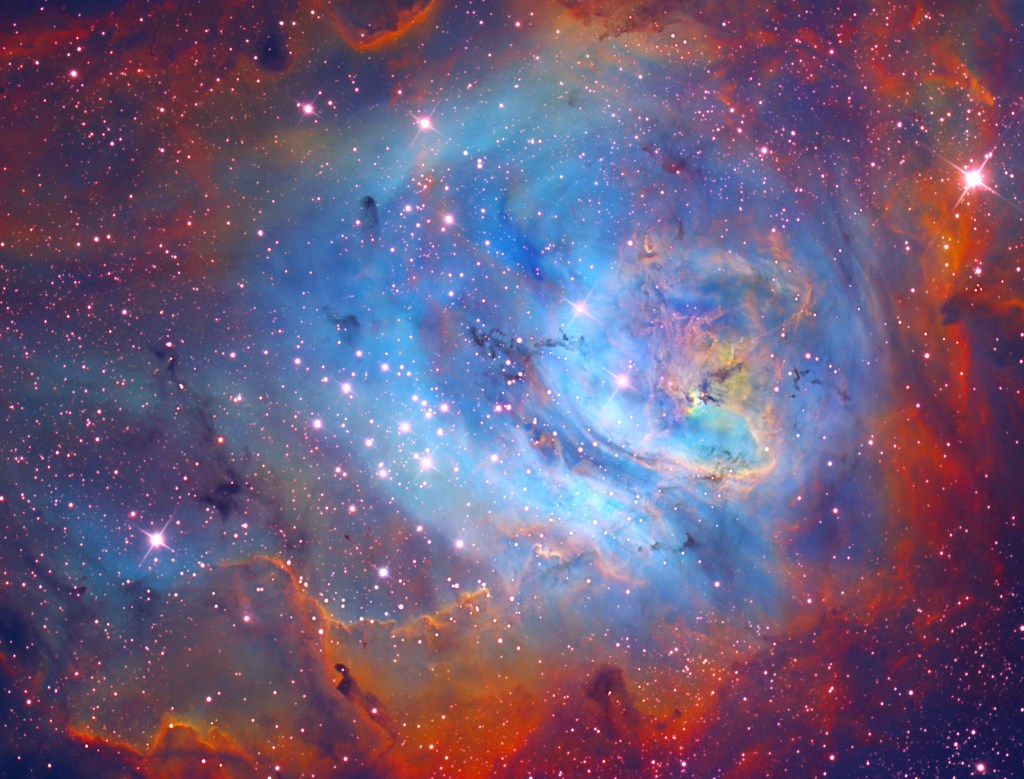
The Lagoon Nebula

  • The Lagoon Nebula (M8) — a glowing cloud of star birth
  • The Trifid Nebula (M20) — a pink and blue jewel
  • The Swan/Omega Nebula (M17) — bright, structured, and easy to see
  • The Eagle Nebula (M16) — home of the Pillars of Creation

These are the objects that make beginners fall in love with astronomy — and make experienced observers feel like kids again.

This Is When Your May Skills Pay Off

The faint fuzzies taught you:

  • Patience
  • Eye discipline
  • Slow sweeping
  • Averted vision

Now, in June, those same skills reveal detail — texture in nebulae, structure in clusters, and subtle color in stars.


Late June: The Milky Way Takes Over the Night

By the end of June, the Milky Way is a full‑sky spectacle. It arches overhead after midnight, glowing from Sagittarius to Cygnus.

This is the moment your light bucket was built for.

Late June Showpieces
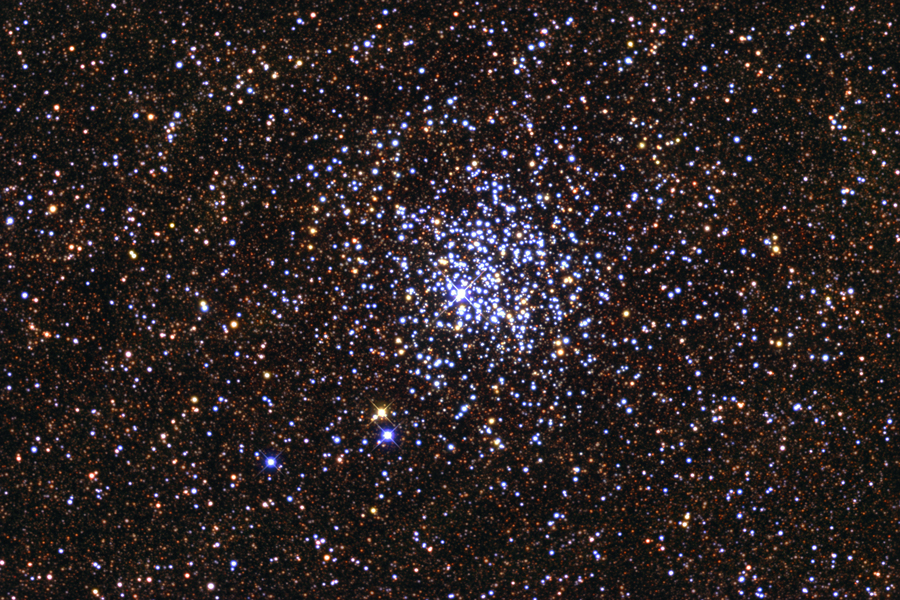
The Wild Duck Cluster (M11)

  • The Sagittarius Star Cloud (M24) — a window into the galaxy
  • The Wild Duck Cluster (M11) — dense and sparkling
  • The Veil Nebula (with a filter) — a ghostly supernova remnant
  • The North America Nebula — a huge, soft glow perfect for wide‑field viewing

June is generous.
June is bright.
June is the month when the sky stops whispering and starts singing.


Why May and June Belong Together

May teaches you how to see.
June rewards you for learning.

May is subtle.
June is spectacular.

May is galaxies — faint, ancient, and patient.
June is nebulae — bright, colorful, and alive.

Together, they form a perfect two‑month journey:

  • From the edge of the universe
  • Back into the heart of our own galaxy

Your light bucket becomes a time machine, a star catcher, and a storyteller all at once.


Coming in July: The Milky Way at Its Peak

If May is the test and June is the awakening, then July is the celebration.
The Milky Way will blaze across the sky, the nebulae will be at their brightest, and your light bucket will be working overtime.

But for now, enjoy the last whispers of May and the first songs of June.

The sky is changing — and you’re changing with it.

If you’d like, I can now create:

  • a Pinterest pin set for this combined May–June article
  • a WordPress‑ready HTML version
  • a featured image concept
  • or a family activity sheet for “May & June Sky Adventures”

Just tell me what you want next.

October 2025 Night Sky — Beginner’s Calendar.

Here’s a concise, beginner-friendly October 2025 night-sky events calendar for easy skywatching:


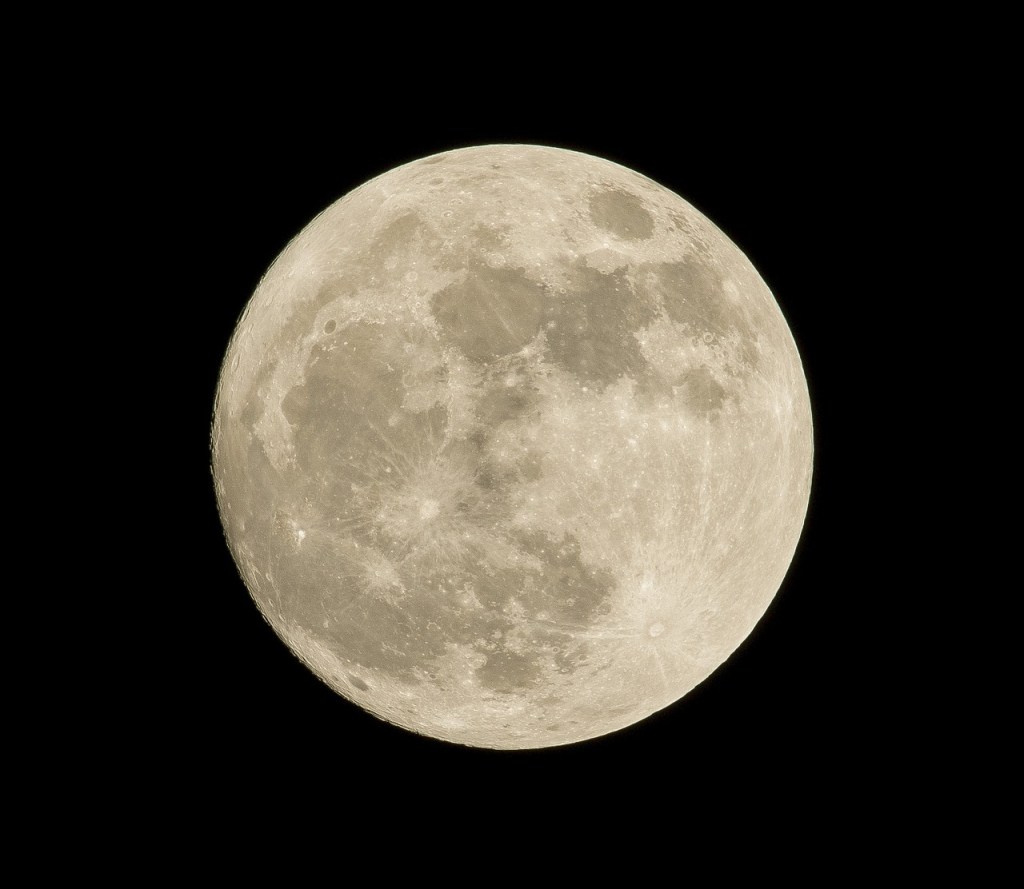
October 6–7: Full Harvest Supermoon

  • The brightest, closest full moon of the yelar! Look east just after sunset—no equipment needed. More Info.

October 8–9: Draconid Meteor Shower

  • Watch for a few “shooting stars” from the Dragon constellation just after sunset. This year’s display will be faint due to moonlight, but it’s a fun, easy event for families. More Info.

October 13: Moon Close to Jupiter

  • Spot the moon and bright Jupiter together in the east after sunset—great with naked eyes or binoculars. More Info.

October 19: Moon Close to Venus at Dawn

  • Before sunrise, look east to see super-bright Venus and a thin crescent moon side by side. More Info.

October 20–22: Orionid Meteor Shower Peaks

  • Watch after midnight for bright, fast meteors “shooting” from Orion’s shoulder. Best seen from dark spots, and this year, the moon will be out of the way for better viewing. More Info.

October 21: New Moon

  • The sky will be extra dark—you’ll see more stars than usual. Perfect for spotting constellations and the Milky Way. More Info.

October 29: Mercury at Its Best

  • Mercury shines low in the west just after sunset. Use binoculars and a clear horizon to catch it, as it fades quickly with twilight. More info.

Planets All Month

  • Saturn visible after sunset, high in the southeast.
  • Jupiter rises in the east, growing brighter each week.
  • Venus—spectacular before dawn in the east.

Pro Tips for Beginners:

  • For most events, just step outside—no telescope needed!
  • Use a stargazing app to help identify planets and constellations.
  • The best nights for stargazing are near the new moon (October 21–24).

Clear skies! October is packed with easy, awe-inspiring sky events for everyone to enjoy.


🌟 October 2025 Night Sky Calendar 🌟

Plan Your Stargazing Month – Beginner Friendly

October Highlights

DateEventWhat to Watch forViewing Tips
Oct 5Moon near SaturnMoon & bright Saturn together in SE8–10 PM: naked eye or binocularsstarwalk+2
Oct 6–7Full Harvest SupermoonLarge, golden moonrise in eastAfter sunset; great for family photosseasky+1
Oct 8–9Draconid Meteor ShowerSlow, bright “shooting stars”After dusk, face north; moonlight may lessen showkenpress
Oct 10Moon near PleiadesMoon close to star cluster in Taurus9–11 PM, binoculars add sparklestarwalk+1
Oct 13–14Moon near JupiterMoon & brightest planet in eastJust after moonrise; spot Jupiter’s moons with binocularsstarwalk+1
Oct 19Moon near VenusCrescent moon & Venus at dawnLook east, 30 min before sunrise highpointscientific
Oct 19Mercury & Mars at duskTwo planets low in west after sunsetUse binoculars; flat western horizonstarwalk+1
Oct 20–22Orionid Meteor Shower PeakUp to 20 meteors/hour, dark skiesAfter midnight, face southeast, best after moonsetstarwalk+1
Oct 21New MoonDeepest dark sky of the monthPerfect for seeing faint stars & Milky Wayseasky+1
Oct 23Moon near Mars & MercuryThree close at sunset in southwest15–30 min after sunset; binoculars helpstarwalk+1
Oct 29Mercury at greatest elongationBright Mercury low in west at dusk30–45 min after sunset, use low horizonstarwalk+1

All Month

  • Saturn: Southeast, golden glow after sunset
  • Jupiter: Rises in east, 4 moons visible with binoculars
  • Venus: Dazzling “Morning Star” before sunrise
  • Pegasus, Andromeda, Cassiopeia: Easy autumn constellations overhead for family star-hopping
  • Comet Lemmon: May be visible with binoculars after sunset; check astronomy news for updatests2
  • Milky Way: Visible from dark sites after sunset (best Oct 21–24)

Family Tips:

  • Print and hang this calendar for easy reference.
  • Use a blanket or chair for comfort. Let eyes adjust 20 minutes for best night vision.
  • Download the “Star Walk 2” or “Sky Tonight” app for real-time planet and constellation guides.

Celebrate autumn under the stars—every night is a new adventure!

starwalk+4

If you need a PDF or image file for printing, just ask—this format can be adapted to any design you like!

  1. https://www.wiki-calendar.com/october-calendars.html
  2. https://starwalk.space/en/news/astronomy-calendar-2025
  3. http://www.seasky.org/astronomy/astronomy-calendar-current.html
  4. https://www.highpointscientific.com/astronomy-hub/post/night-sky-news/2025-astronomical-calendar
  5. https://kenpress.com/files/2025WOT10Oct.pdf
  6. https://science.nasa.gov/multimedia/2025-nasa-science-planning-guide/
  7. https://www.etsy.com/listing/1623609853/printable-calendar-2025-night-sky
  8. https://in-the-sky.org/newscal.php?year=2025&month=10
  9. https://capturetheatlas.com/milky-way-calendars/
  10. https://ts2.tech/en/dont-miss-these-skywatch-wonders-in-october-2025/
  1. https://www.tensixphotography.com/eclipse-blog/2025-astrophotography-events
  2. https://discoveryplace.org/stay-at-home-science/celestial-events-to-see-in-octobers-night-sky/
  3. https://koa.com/blog/celestial-events-2025/
  4. https://starwalk.space/en/news/astronomy-calendar-2025
  5. http://www.seasky.org/astronomy/astronomy-calendar-current.html
  6. https://www.planetary.org/articles/calendar-of-space-events-2025
  7. https://in-the-sky.org/newscal.php?year=2025&month=10
  8. https://www.highpointscientific.com/astronomy-hub/post/night-sky-news/2025-astronomical-calendar
  9. https://www.space.com/39469-best-meteor-showers.html
  10. https://www.adlerplanetarium.org/blog/what-to-see-stargazing-tips-october-2025/
  11. https://www.hipcamp.com/journal/camping/stargazing-guide-astronomical-calendar/
  12. https://www.timeanddate.com/astronomy/sights-to-see.html
  13. https://ts2.tech/en/dont-miss-these-skywatch-wonders-in-october-2025/