In the “Light Bucket” series, we’ve talked extensively about how traditional optics like your Celestron 8 or high-power binoculars can reveal the hidden wonders of the deep sky. But there is one piece of equipment you likely carry every day that is just as important to modern astronomy: your smartphone.
While we often think of phones as distractions, in 2026, they have officially become “NASA Tools.” Through projects like Globe at Night, your backyard observation isn’t just a hobby—it’s a data point that helps global scientists track the health of our planet.
1. The Mission: Why NASA Needs Your Backyard
NASA satellites are great at measuring light from above, but they struggle to see “Ground Truth”—how light pollution actually affects our view of the stars from the ground. This is where you and your family come in.
The Globe at Night project is a citizen science campaign that asks people to look at specific constellations and report how many stars they can see. In April and May 2026, the project is focusing on Leo (April) and Boötes (May). By using your phone to submit these observations, you are helping NASA map the “loss of the night” across the globe.
2. Your 2026 “Citizen Scientist” Action Plan
Step 1: Dark Adaptation (The 10-Minute Rule)
Before you can be an accurate “tool,” your eyes need to adjust. It takes about 10 to 15 minutes for your pupils to fully dilate.
- The NASA Pro Tip: Avoid white light at all costs! Even a quick glance at a bright screen can ruin your night vision for another 20 minutes. Use a red-light headlamp or a red filter on your phone to navigate.
Step 2: Find Your Target Constellation
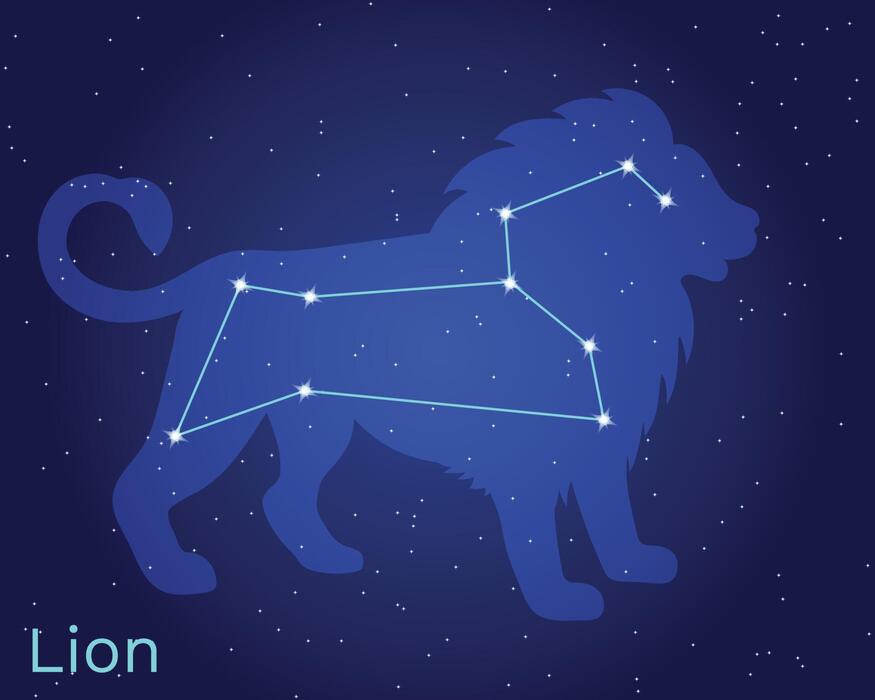
- In April: Find Leo the Lion. Look for the “Backward Question Mark” (the Sickle) in the southern sky.
- In May: Follow the “Arc to Arcturus” to find Boötes. Arcturus will be the bright orange anchor star high overhead.
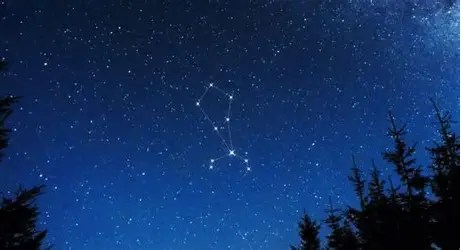
Step 3: Submit Your Data
Open the Globe at Night web app on your phone. It will show you a series of charts (1 through 7). Chart 1 shows only the brightest stars, while Chart 7 shows a sky packed with stars. Simply tap the chart that most closely matches what you see in your actual backyard and hit “Submit.”
3. May Bonus: The “Loss of the Night” Challenge
For families who want to go deeper, download the “Loss of the Night” app (available for 2026 Android/iOS). This app turns stargazing into a game. It will point your phone toward a specific star and ask, “Can you see this?” As you answer, it calculates the exact “limiting magnitude” of your location. It’s a fun, interactive way to teach kids about stellar brightness while contributing to real research.
4. Recommended Gear: The “Citizen Science” Toolkit
To turn your backyard into a professional observation post, these tools are essential for the 2026 season.
- Celestron NexYZ 3-Axis Universal Smartphone Adapter: If you want to take your “NASA Tool” to the next level, this adapter aligns your phone camera perfectly with your telescope eyepiece. It’s the gold standard for “digiscoping” and capturing the moon or bright planets to share with your blog readers.
- Apertura Astro Vision Red LED Headlamp: Keeping your hands free is vital when you’re toggling between your phone and your telescope. A dedicated red headlamp preserves your night vision so your “Globe at Night” data is as accurate as possible.
- Orion RedBeam Mini LED Flashlight: A great, affordable “stocking stuffer” for the grandkids. It’s small enough to keep on a keychain, ensuring you’re always ready for an impromptu citizen science session.
- Star Target Planisphere (40° – 60°): Even with apps, a physical star wheel is a great educational tool. It helps kids learn the constellations without relying on a battery-draining screen.
5. Why This Matters for the “Light Bucket” Series
Using your phone as a NASA tool bridges the gap between the digital world and the physical universe. When your family submits data to Globe at Night, you aren’t just consumers of science—you are creators of it.
Stan’s Final Tip: “I always tell my readers: the best way to get kids interested in the stars isn’t just to show them a picture; it’s to give them a job. Tell them they are ‘NASA Field Agents’ for the night. You’ll be surprised how much more they see when they know a scientist in a lab is waiting for their report.”
- Affiliate Note: As an Amazon Associate, I earn from qualifying purchases made through the gear links in this article. These small commissions help keep “Stan’s Hobbies” running and free of intrusive ads!
This video explains the simple steps to participate in the Globe at Night campaign, making it a perfect visual guide for your readers to see the “NASA Tool” concept in action.
 Stan's Hobbies and Interests