Christmas Gifts for Astronomers: For All Ages & Experience Levels

For Beginners (Adults & Teens)

Here’s a detailed Christmas Gift Guide for astronomers—covering beginners, seasoned hobbyists, kids, and adults—with descriptions, price ranges, and suggested retailers. Every gift is chosen to spark excitement and deepen a love for the universe!


For Beginners (Adults & Teens)

1. Gskyer 70mm Refractor Telescope

  • Description: An easy-to-use starter telescope, perfect for first-time astronomers. Includes two eyepieces, 3x Barlow lens, easy phone adapter, finder scope, tripod, and carry bag.
  • Purpose: Lets new stargazers see the Moon’s craters, Jupiter’s moons, and Saturn’s rings right from the backyard.
  • Price: ~$100–130
  • Where to Buy: Amazon, Telescope.com, High Point Scientific Learn more.

2. Astronomy Activity Book for Kids (100+ Fun Ways to Learn About Space)

  • Description: A colorful, hands-on workbook with puzzles, facts, and mini-experiments.
  • Purpose: Jumpstarts curiosity for younger beginners. Great gift from parents, grandparents, or teachers.
  • Price: $8–15
  • Where to Buy: Amazon, Barnes & Noble, Observatory gift shops Learn more.

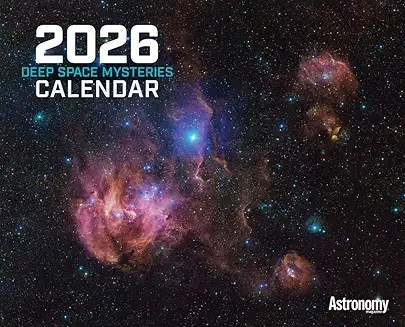
3. Deep Space Mysteries Calendar

  • Description: Yearly calendar highlighting planetary visibility, meteor shower peaks, and full moon dates.
  • Purpose: Inspires nightly skywatching and builds knowledge throughout the year.
  • Price: $10–15
  • Where to Buy: Astronomy.com, Amazon, Barnes & Noble Learn more.

For Seasoned Stargazers & Astrophotographers

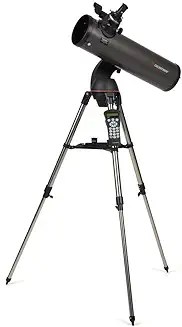
4. Celestron NexStar 130 SLT or Orion SkyScanner 135mm Dobsonian

  • Description: Robust, portable scopes perfect for intermediate astronomers wanting computerized object-finding or deeper views.
  • Purpose: Lets users explore deep-sky objects easily and track planets with accuracy.
  • Price: $350–500 (SkyScanner is often $250–300)
  • Where to Buy: Telescope.com, OPT, Amazon More information.

5. Unistellar eQuinox 2 Smart Telescope

  • Description: All-in-one, app-controlled telescope with light pollution reduction—great for city observers.
  • Purpose: Makes astronomy high-tech and accessible to tech-lovers or experienced observers looking for the next leap.
  • Price: $2,500–3,000
  • Where to Buy: Unistellar.com, OPT, High Point Scientific Learn more.

6. Sky-Watcher Skymax 150 Pro Maksutov-Cassegrain

  • Description: High-quality optics ideal for planet and lunar astronomy, also useful for entry-level astrophotography.
  • Purpose: Provides crisp, detailed solar system views, perfect for hobbyists wishing to upgrade their kit.
  • Price: $600–900
  • Where to Buy: OPT, B&H Photo, Telescope.com More information.

For Kids and Families

7. LEGO City Lunar Space Station

  • Description: Creative 500-piece set replicating space station life, includes minifigs and labs.
  • Purpose: Inspires imaginative play and learning about human space exploration.
  • Price: ~$70–80
  • Where to Buy: Amazon, LEGO.com, Walmart Learn more.

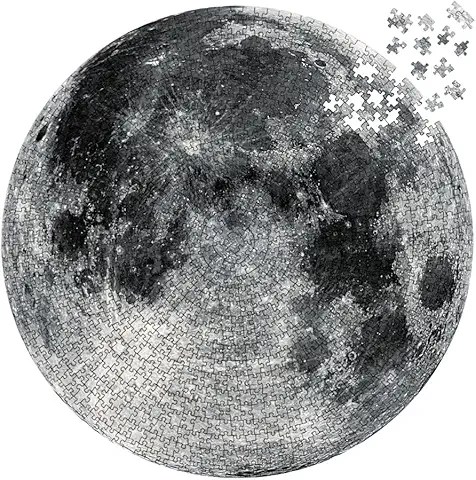
8. Moon Jigsaw Puzzle (100–1000 pcs.)

  • Description: Stunning puzzles featuring lunar surfaces or NASA images for family winter nights.
  • Purpose: Family bonding, hands-on sky learning, and quiet enjoyment during long evenings.
  • Price: $15–28
  • Where to Buy: Astronomy.com, AMNH Shop, Target More information.

9. Stars Pinhole Constellation Cards

  • Description: Durable cards shining starlight through dots to teach 20+ constellations—can be used as flashlights or wall art.
  • Purpose: Fun way for families to learn and remember constellations together.
  • Price: ~$18
  • Where to Buy: BBC Sky at Night magazine shop, Amazon More information.

10. Planetarium Experience Day or Local Observatory Pass

  • Description: Vouchers for real-world astronomy adventures—includes tickets or memberships.
  • Purpose: Encourages hands-on discovery and can be a wonderful experience gift for parent/child, grandparent/grandchild, or friends.
  • Price: $15–100
  • Where to Buy: Local planetariums, McDonald Observatory, Science museum websites Learn more.

For Gift Givers Seeking Unique & Memorable Ideas

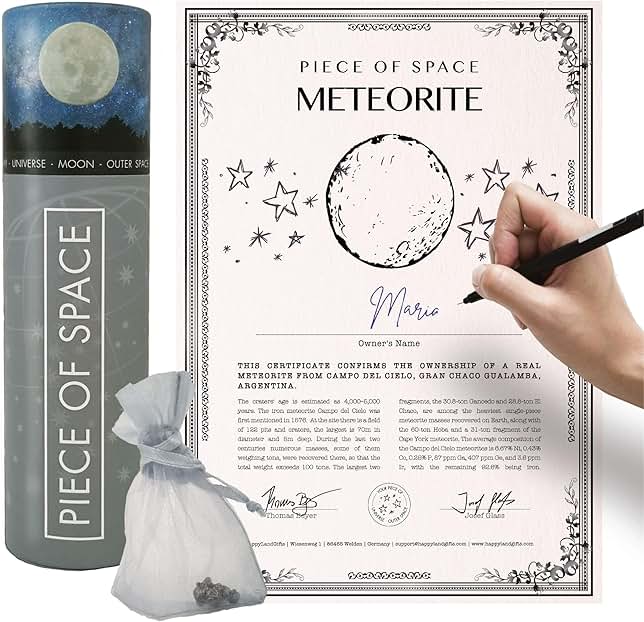
11. Meteorite Fragment or “Space Fossil”

  • Description: Authentic meteorite slivers in an acrylic case with a story card.
  • Purpose: Genuine artifact from space—intrigues anyone with a sense of wonder, perfect for display or a conversation starter.
  • Price: $20–45
  • Where to Buy: MiniMuseum.com, Astronomy gift shops More information.

12. Sunoculars (Solar Viewing Binoculars, 6x30mm)

  • Description: Safe, compact binoculars designed for direct Sun viewing.
  • Purpose: Lets kids and adults safely spot sunspots, eclipses, and solar events.
  • Price: $60–90
  • Where to Buy: Explore Scientific, Amazon, Sky at Night magazine shop Learn more.

13. Astronomy-Themed Apparel, Mugs, and Journals

  • Description: T-shirts, space art mugs, nebula glass magnets, journals with Hubble images, or backpacks with NASA patches.
  • Purpose: Share astronomy passion in everyday life—great stocking stuffer from anyone.
  • Price: $10–60
  • Where to Buy: AMNH Shop, planetarium stores, McDonald Observatory, Etsy More Information.

How to Choose the Right Gift

  • For Kids & Complete Beginners: Focus on fun, simplicity, and activities that spark curiosity—simple telescopes, puzzles, or activity books.
  • For Teens & Adult Beginners: Look for affordable telescopes and observing tools that don’t require expertise to use.
  • For Intermediate or Advanced Hobbyists: Choose gear upgrades (barlow lenses, filters), experience-based gifts, or high-tech telescopes.
  • For Families: Opt for board games, constellation kits, event tickets, or shared experiences that turn astronomy into a memory-making adventure.
  • For Anyone: Meteorite fragments, calendars, or astro-themed gifts add a universal “wow” and show you support their interest.

Each of these gifts comes with a story—and the purpose is always to inspire wonder, encourage discovery, and create lasting memories with every look at the night sky.

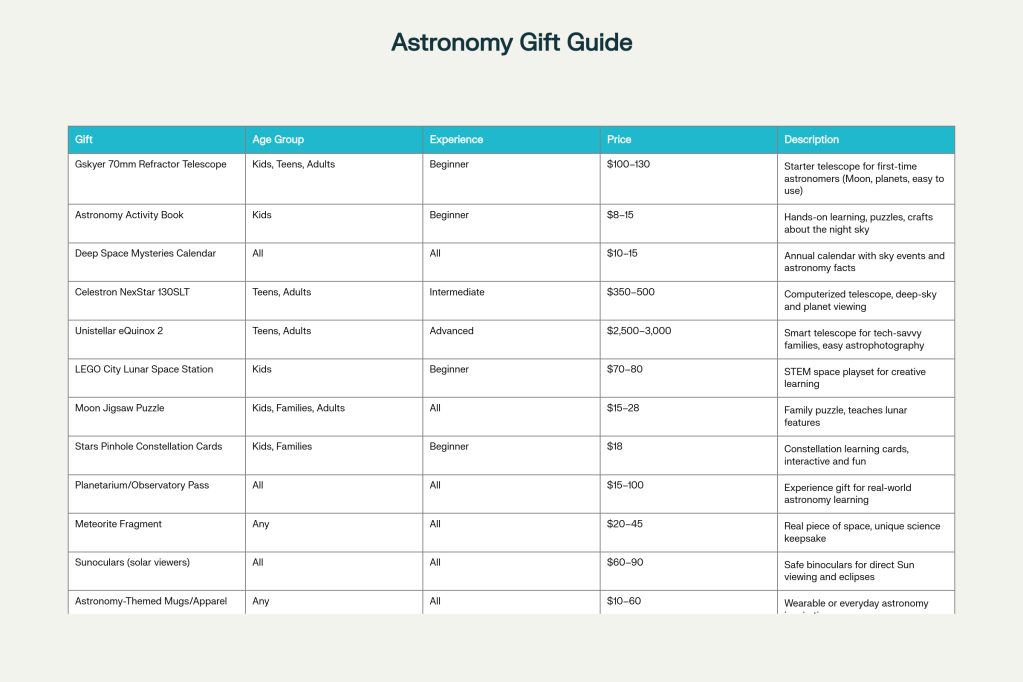
Printable Christmas Astronomy Gift Chart: Age, Experience, and Price Guide

  1. https://www.space.com/34669-kids-gifts.html
  2. https://mcdonaldobservatory.org/giftshop
  3. https://www.astronomy.com/observing/the-best-space-gifts-for-astronomy-lovers-and-stargazers-holiday-gift-guide-2024/
  4. https://www.space.com/telescope-christmas-holiday-gift-guide
  5. https://www.skyatnightmagazine.com/top-astronomy-kit/astronomy-space-gifts
  6. https://shop.minimuseum.com/blogs/guides/11-best-space-gifts-for-2025
  7. https://www.astronomy.com/observing/gift-ideas-for-astronomy-lovers-and-stargazers-xmas-and-holiday-gift-guide/
  8. https://shop.amnh.org/gifts/space-gifts
  9. https://explorescientific.com/collections/stocking-stuffers-for-adults
  10. https://www.facebook.com/groups/828178678983076/posts/1109214670879474/

Stargazing Wonders of November 2025: A Family Guide to Planets, Constellations, and Celestial Magic

November 2025 is a holiday gift for skywatchers, offering planetary displays, dazzling meteor showers, a record-bright supermoon, and a host of famous constellations and stars. Whether you’re spending quiet moments in your backyard with family or gathering fellow enthusiasts in a local astronomy club, the month promises magic for stargazers of all ages and experience levels.


Planets on Parade

November is one of the richest months for planet watching in 2025. On clear nights, nearly every naked-eye planet makes a memorable appearance:

  • Mercury: The elusive innermost planet appears just above the southeastern horizon at dawn near the end of the month (November 28–30). Its fleeting glow is best caught about 30 minutes before sunrise, challenging even for seasoned observers but a thrill for patient families. farmersalmanac+1
  • Venus: Brilliant Venus shines low in the morning twilight the first three weeks of November before disappearing from view—look for it before sunrise in the east and southeast. astroshop+4
  • Saturn: The ringed planet graces the southwest after sunset all month. On November 1–2, Saturn pairs closely with the waxing gibbous Moon—don’t miss the pairing with binoculars or a telescope. adlerplanetarium+3
  • Jupiter: Jupiter rises in the east after 9 PM and dominates the late-night sky. Its moons and cloud bands are visible in even small telescopes, offering an inviting family observing project. skyatnightmagazine+2
  • Uranus: On November 21, Uranus reaches opposition and shines all night in Aries. Usually invisible to the naked eye, it’s within reach of binoculars or a modest telescope—a blue-green gem for those ready to find new worlds. timeanddate+3
  • Neptune: Faint Neptune lurks in Pisces, crossing the southern sky late at night. Binoculars or a telescope are needed, but locating this distant planet can be a rewarding family challenge. farmersalmanac+1

Moon Facts and Lunar Events

This November offers a lunar showstopper sure to spark curiosity and creativity, plus several phase changes for sky journaling:

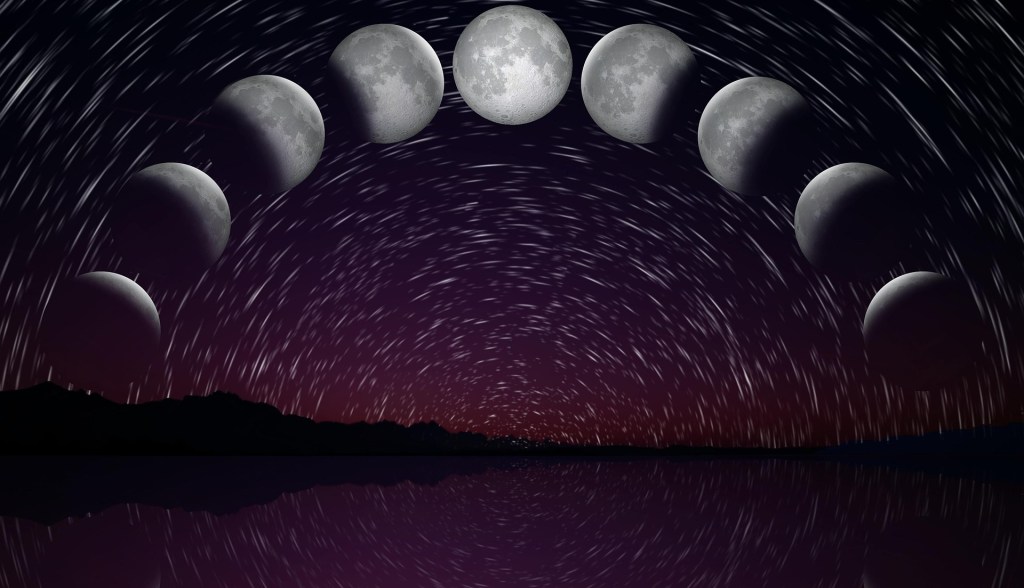
  • Supermoon – November 5: The year’s biggest and brightest full moon rises on Nov. 5. Named the Beaver Moon or Frosty Moon, it appears nearly 8% larger and up to 16% brighter than a typical full moon. Early Native Americans used this time to set beaver traps ahead of winter. rmg+5
  • Moon-Planet Conjunctions: The Moon passes near Saturn on Nov. 1–2 and pairs up with Aldebaran (the “Bull’s Eye”) in Taurus on Nov. 7—a great reason for crafty photos or family stories about the sky’s ancient myths. whenthecurveslineup+1
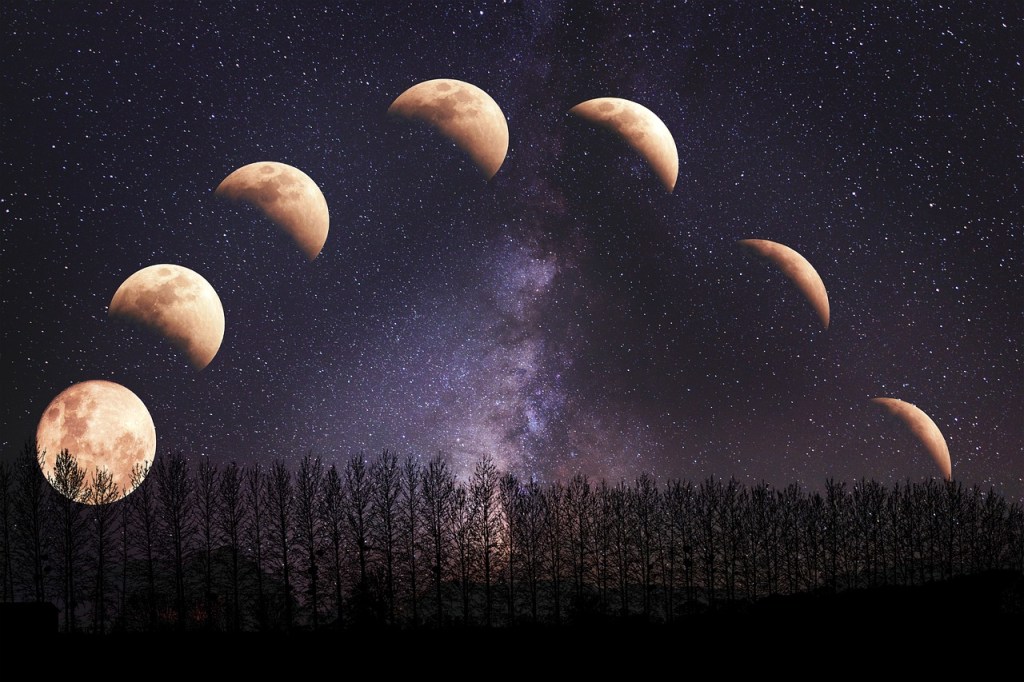
  • Other Phases: The moon’s changing face is easy to track and sketch:
    • Full Moon: Nov. 5
    • Last Quarter: Nov. 12
    • New Moon: Nov. 20 (a “micro” new moon at farthest distance from Earth)
    • First Quarter: Nov. 28. theskylive+1

Meteor Showers to Watch

November delivers two meteor showers—one spectacular, the other subtle but known for bright fireballs:

  • Southern Taurids – Nov. 4–5: This minor shower produces slow, bright meteors. Only 5–10 meteors per hour, but some may become fireballs as they radiate from Taurus. Try viewing after midnight—best with the whole family, lying back and sharing wishes. seasky+1
  • Leonids – Nov. 17: The Leonid meteor shower, famed for epic storms, produces 10–15 bright meteors per hour at its peak just before dawn. Look southeast from a safe, dark spot. The crescent moon will set early, leaving a perfectly dark sky for viewing. planetary+3

Constellations: Old Friends Return

As November evenings lengthen, classic constellations and famous stars reclaim their positions:

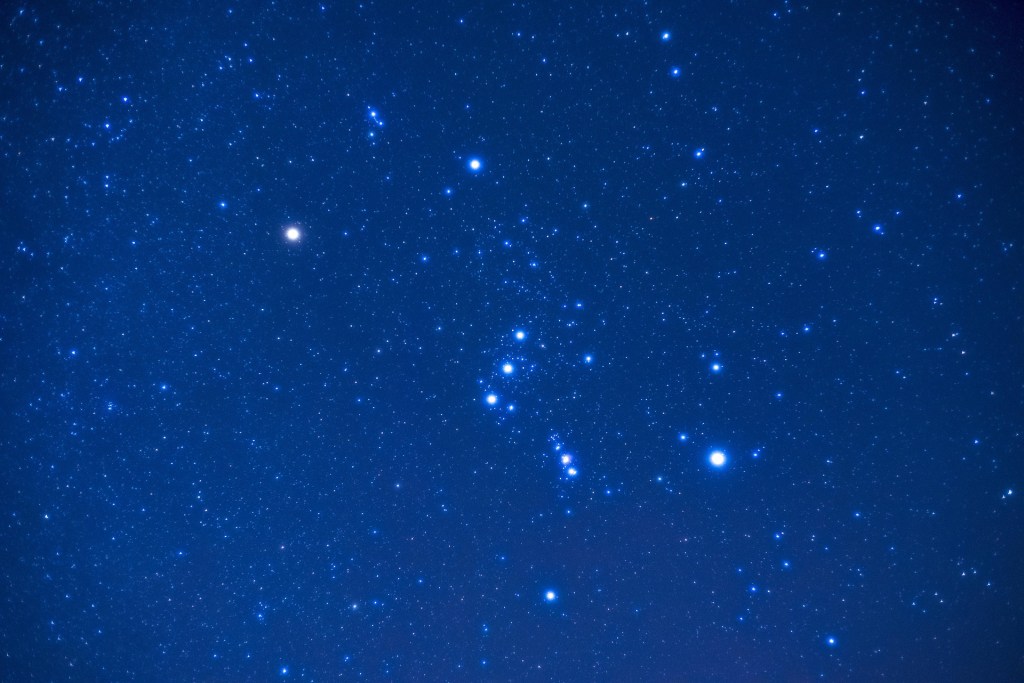
  • Orion the Hunter: Orion rises by midnight, instantly recognizable by his three-star “belt.” Follow the belt downward left to find Sirius, the sky’s brightest star, rising in the southeast near the end of the month. nationalgeographic+2
  • Taurus the Bull: Home to red-orange Aldebaran (the “Bull’s Eye”), the glimmering Pleiades (Seven Sisters), and the Hyades cluster—the V-shaped “face” of Taurus. rmg+2
  • Andromeda: High overhead, Andromeda forms a graceful arc and hosts the Andromeda Galaxy (M31)—a faint smudge in dark skies visible to the naked eye, binoculars, or small telescopes. starwalk+1
  • Pegasus: The Great Square of Pegasus marks autumn and is a great jumping-off point for star-hopping.
  • Cassiopeia, Pisces, and more: Cassiopeia’s “W” shape dominates the northeast. Pisces, the Fishes, is less obvious but sits south of Andromeda. starwalk
  • Sirius and Canis Major: By late November, Sirius—known as the “Dog Star”—rises in the southeast. It’s 25 times more luminous than the sun and just 8.6 light years away, a brilliant beacon for cold nights. rmg

Other Notable Night Sky Events

  • Planetary Encounters: Nov. 3, the Moon and three planets (Venus, Saturn, Jupiter) are on display overnight. Nov. 25, Venus and Mercury share the dawn in a rare pairing. whenthecurveslineup+1
  • Hyades at Apex – Nov. 27: The Hyades cluster, making the V of Taurus’s face, reaches its highest point around midnight. This is the best time to see its dozens of stars under dark skies, an ideal binocular or family-accessible target. nationalgeographic
  • Comet c/2025 A6: Expected to be visible from dark locations in late October and early November. It may be possible to spot it with binoculars just before sunrise or after sunset—watch astronomy news sites for updates. facebook

More Astronomy Information

Bright Stars to Visit

  • Aldebaran (Taurus): Orange-red, marking the Bull’s eye.
  • Betelgeuse and Rigel (Orion): Red and blue supergiants, highlighting Orion’s shoulder and foot.
  • Capella (Auriga): Bright, yellowish star rising high in the northeast.
  • Spica (Virgo): Visible near Venus in the dawn sky early in the month. whenthecurveslineup

Family Activities and Tips

  • Make a Sky Journal: Track phases of the moon and meteor counts. Sketch constellations or note unusual “shooting stars.”
  • Try Star Storytelling: Share myths about Orion, Taurus, and the Pleiades, or invent your own tales.
  • Holiday Stargazing: Pair a hot cocoa night with meteor counting or supermoon watching. Invite friends or neighbors for a “full moon walk” or a “Leonids pajama party.”
  • Binocular Astronomy: Many November targets—the moon’s craters, Pleiades, Hyades, Jupiter’s moons—look wonderful even through basic binoculars.
  • Prepare for the Cold: Layer up, bring blankets and sleeping bags, and warm drinks.

Handy Stargazing Tips

  • Allow 15 minutes for your eyes to adapt to the darkness.
  • Avoid bright lights (use red flashlights to preserve night vision).
  • Choose a safe, dark location away from city lights.
  • Use free sky map apps or printable star charts to help identify targets.
  • Record your sightings and try to spot new constellations each week.rmg

More Astronomy Information.

Looking Ahead and Inspiring Wonder

As the nights lengthen and the year edges closer to holidays, November 2025 offers families and astronomers a cosmos packed with both new wonders and returning favorites. There’s no better time to start a skywatching tradition with your children, friends, or students—nature’s awe-inspiring show is always free and never repeats in quite the same way.

From the joy of the supermoon’s silvery glow and the thrill of counting Leonid meteors to the satisfaction of picking out planets and patterns among the stars, the night sky rewards curiosity and connects us to ancient stories and ongoing scientific discovery.

Wishing clear skies, many discoveries, and countless family memories under the November night sky! kenpress+17

  1. https://www.farmersalmanac.com/visible-planets-guide
  2. https://www.astroshop.eu/magazine/practical-tips/observation/astronomy-highlights-in-autumn-2025/i,1244
  3. https://www.adlerplanetarium.org/blog/what-to-see-stargazing-tips-november-2025/
  4. https://www.skyatnightmagazine.com/advice/skills/astronomy-guide-viewing-planets-night-sky
  5. https://whenthecurveslineup.com/2025/10/23/2025-november-3-moon-and-three-planets-on-display-in-the-night-sky/
  6. https://www.rmg.co.uk/stories/space-astronomy/astronomy/night-sky-highlights-november-2025
  7. https://kenpress.com/files/2025WOT11Nov.pdf
  8. https://www.timeanddate.com/news/astronomy/night-sky-november-2025
  9. http://www.seasky.org/astronomy/astronomy-calendar-current.html
  10. https://www.planetary.org/articles/calendar-of-space-events-2025
  11. https://starlust.org/november-2025-skywatching-guide-this-years-biggest-supermoon-leonids-fireballs-and-more/
  12. https://theskylive.com/moon-calendar?year=2025&month=11
  13. https://www.calendarr.com/united-states/lunar-calendar-november-2025/
  14. https://whenthecurveslineup.com/2025/10/27/2025-november-7-moon-and-bulls-eye/
  15. https://www.nationalgeographic.com/science/article/november-night-sky-events-2025
  16. https://starwalk.space/en/news/november-constellations-and-stars
  17. https://www.space.com/stargazing/autumn-skywatching-targets-to-see-in-the-night-sky-2025
  18. https://www.facebook.com/groups/auroraaustralia/posts/2376217279460361/
  19. https://www.spaceweatherlive.com/en/moon-phases-calendar/2025/11.html
  20. https://www.timeanddate.com/astronomy/sights-to-see.html

The Aurigid Meteor Shower: A Family-Friendly Guide for Beginners and Advanced Astronomers

Introduction

The night sky is a vast natural theater, and meteor showers are among its most magical live performances. Each year, the Aurigid meteor shower peaks in early September, offering a chance to witness shooting stars streak through the constellation Auriga. Whether you’re a curious beginner or a seasoned astrophile, exploring the Aurigids can transform an ordinary night into a cosmic adventure for all ages.


What Are Meteor Showers?

Before diving into what makes the Aurigids special, let’s quickly recap what meteor showers are. Meteor showers occur when Earth, on its journey around the Sun, passes through debris left behind by a comet or asteroid. These tiny bits of rock and dust burn up in our atmosphere, producing the brilliant streaks of light people call “shooting stars.”

Meteor showers are named after the constellation from which their meteors appear to originate—the “radiant.” For the Aurigids, that’s Auriga, the Charioteer.


The Aurigid Meteor Shower: Overview

2025 Peak Dates and Times

The Aurigids peak in early September, typically centering around the night and early morning of September 1. In 2025, ideal viewing conditions are forecast, offering a wonderful show for everyone willing to rise before dawn.

  • Peak Date: Night of August 31–morning of September 1
  • Radiant: Constellation Auriga (easy to spot in the northeast sky)
  • Best Time to Watch: After midnight and before dawn, when the radiant is highest in the sky and the sky is darkest.

2025: What to Expect

  • Meteor Rate: The Aurigids are a modest shower, usually producing 5–10 meteors per hour at their peak under good conditions. However, the Aurigids have delivered spectacular outbursts—spikes up to 100 meteors per hour—in rare years.
  • Visibility: This year, the Moon sets before peak viewing hours, providing a dark sky and optimal conditions for viewing even faint meteors.
  • Meteor Appearance: Aurigid meteors are often fast and can sometimes produce bright, colorful streaks across the sky.

Why Are the Aurigids Significant?

A Historical and Scientific Oddity

The Aurigids stem from Comet Kiess (C/1911 N1), a long-period comet discovered over a century ago. Unlike famous showers (like the Perseids), the Aurigids are less predictable and can range from quiet to surprisingly explosive years. Their unpredictability excites astronomers and motivates meteor network observations worldwide.

Scientific Value:
Observing the Aurigids helps researchers refine orbital calculations for Comet Kiess. It also teaches us about the structure, composition, and age of debris streams that Earth crosses only during specific years.

A Rare Treat for the Northern Hemisphere

The Aurigids are best seen from northern latitudes—they’re a late summer bonus for North American and European skywatchers after the famous Perseids. The relatively faint, often blue-white meteors present a subtler, but deeply rewarding show—especially for those who value sky events off the beaten path.


How and Where to Watch the Aurigids

Step 1: Find the Radiant

The radiant lies in the constellation Auriga. Around 2–4 a.m., Auriga is high in the northeast for most Northern Hemisphere observers. You’ll recognize the bright star Capella as Auriga’s anchor.

Step 2: Choose the Best Spot

  • Seek out a dark-sky site, far from city lights.
  • A flat, unobstructed view of as much sky as possible improves your chances.
  • Bring a reclining chair, blanket, and snacks—comfort is key!

Step 3: Look Up and Enjoy

  • No optical equipment needed! Meteors rain all over the sky; keep your gaze relaxed (peripheral vision is excellent for catching movement).
  • Let your eyes adjust for 15–30 minutes in the dark to spot the faintest meteors.
  • Stay out from midnight to dawn for your best chance.

Advance Techniques for Experienced Observers

  • Photography: Use a wide-angle lens and long exposure settings on a tripod to capture multiple meteors in one frame.
  • Meteor Logs: Record meteor counts, brightness, and color. Multiple observers can coordinate watches to collect scientific data.
  • Networking: Join local astronomy clubs or join online meteor watch parties to share your counts and images.

Making It a Family or Group Event

Meteor showers are among the best astronomy activities for families, classrooms, or scout groups. Here’s how to make it engaging for everyone:

  • Meteor Counting Competitions: Who can spot the most?
  • Meteor Journals: Draw fast meteors, note colors, and write what if feels like to see a “shooting star.”
  • Wish-Making Traditions: Tell stories about meteor origins across cultures—every shooting star can be a wish!
  • Science Challenge: See if anyone can spot a meteor that leaves a persistent train (a glowing after-effect), then look up why this happens.

Frequently Asked Questions

Do I need a telescope or binoculars?
No. Meteor showers are best enjoyed with the naked eye, as their long, sweeping paths often cross large sky areas.

What’s the best time to watch?
After midnight until dawn, especially after the Moon has set.

Will I see them in the city?
Bright meteors can be spotted from urban sites, but the darker the sky, the more you’ll see.

What if it’s cloudy?
Try again the next night—the Aurigids can be active for a day or two around peak, and you may still catch stragglers.


The Aurigids for Advanced Astronomers

If you’re experienced, the Aurigids are scientifically notable due to their dynamic, sometimes surprising outbursts. In some years, the Earth passes through denser clumps of comet debris—the best-known outburst was in 2007, when rates briefly surpassed 100 meteors per hour.

Opportunities include:

  • Coordinated meteor counts with global organizations (such as the International Meteor Organization)
  • Photography for trail analysis and orbital computation
  • Spectroscopy campaigns for those with specialized equipment to analyze meteor composition

Final Thoughts: Why the Aurigids Matter for Everyone

Each shooting star is a connection—between us on Earth and a distant, icy wanderer from the solar system’s past. The Aurigid meteor shower may be modest compared to others, but it shows how even subtle natural wonders can be shared by communities, spark scientific curiosity, and make lasting memories.

So spread out a blanket, invite your friends or family, and let the quiet magic of the Aurigids fill your September night.


References & Further Reading

  1. International Meteor Organization – Aurigids Overview
  2. NASA Meteor Shower Portal
  3. Sea and Sky: Meteor Showers 2025
  4. Star Walk Space: Meteor Showers 2025 Guide
  5. EarthSky: Aurigid Meteor Shower Guide

Footnotes:

  • Times and activity levels may vary locally; check astronomy apps and weather forecasts for the best experience.
  • The Aurigids are best seen from the Northern Hemisphere, but bright meteors can appear at lower latitudes as well.
  • For deeper scientific involvement, visit the International Meteor Organization or join a local astronomy club.

Clear skies, and enjoy the show!

The August 2025 Six-Planet Parade: A Family-Friendly Guide to a Rare Celestial Spectacle

In the early mornings of August 10 and 11, 2025, the night sky will present a dazzling spectacle: a rare alignment of six planets—Mercury, Venus, Jupiter, Saturn, Uranus, and Neptune—stretching in a graceful arc across the pre-dawn sky. Planetary alignments like this are infrequent and always generate excitement among both new stargazers and seasoned skywatchers. This article explains how to witness the event, what to look for, and how to make it an educational and joyful experience for the whole family.

What Is a Six-Planet Alignment?

A six-planet alignment happens when six of the solar system’s major planets are visible together along the ecliptic—the path the Sun takes across the sky. On August 10–11, the planets won’t literally “line up” in space (they are spread across vast distances and orbits), but from Earth, they appear to gather in a sweeping arc above the horizon, creating an unforgettable sight.

Why Is This Event Special?

  • Rarity: Alignments with this many visible planets occur only every few years. The next comparable event won’t happen until 2026.
  • Visibility: Four of the six—Mercury, Venus, Jupiter, and Saturn—will be visible to the naked eye, making this a beginner-friendly event.
  • Educational Value: It’s a hands-on way to grasp planetary movements and differences.
  • Photographic Opportunity: For astro-photographers and families, capturing multiple planets in one shot is a rewarding challenge.

When and Where to Watch

Dates:

  • August 10 and 11, 2025 (with some planetary groupings visible a few days before and after)

Best Time:

  • 1 hour before sunrise (This is when the sky is still dark enough, but planets have risen above the horizon.)

Location:

  • Face East and Southeast: The lineup forms a curve from the low eastern horizon up toward the southern sky.
  • Find a Low Horizon: A clear, unobstructed view of the eastern sky is essential—avoid trees and buildings.

General Timing for Sunrise (USA):

  • East Coast sunrise: about 6:05–6:20 am local
  • Midwest sunrise: 6:15–6:30 am
  • Mountain/West: 6:30–7:00 am

Ideal Viewing:

  • 5:00 am–6:00 am local time

How to Find Each Planet

Let’s walk east to south along the horizon—and up in the sky—following the parade.

1. Mercury

  • Where: Very low in the east, just above the horizon.
  • How bright: Bright, but requires a very clear view and is easily lost in twilight.
  • Tip: Spot it first—it rises soon before the Sun and disappears quickly in the dawn glow.

2. Venus

  • Where: Just above Mercury, higher in the eastern sky.
  • How bright: The brightest “star” in the sky (often called the Morning Star)—can even cast a shadow in very dark places!

3. Jupiter

  • Where: High above and a little right of Venus.
  • How bright: Second only to Venus in brightness. Look for a steady, bright point; unlike stars, it does not twinkle.

4. Saturn

  • Where: Further to the right (toward south), middle-high above the horizon.
  • How bright: Fainter than Jupiter and Venus, with a golden to yellow hue. With binoculars or a small telescope, its rings are visible.

5. Uranus

  • Where: Lying between Jupiter and Venus, but not visible to the naked eye.
  • How to see: Use binoculars or a small telescope, and a sky map or app to pinpoint its faint, aqua dot.

6. Neptune

  • Where: Further right (toward south-southeast), near Saturn on the sky arc.
  • How to see: The farthest and faintest, Neptune requires a telescope, appearing as a tiny, bluish dot. Use a detailed sky app to locate precisely.

Making It Fun for Everyone: Activities for Families and Stargazers

1. Host a Planet Parade Party

  • Lay out blankets or set up chairs for the family in the backyard, a park, or a local high vantage point.
  • Bring breakfast treats and hot drinks for the early-morning adventure.

2. Use Sky Apps

  • Apps like Stellarium, Sky Tonight, or SkySafari will show exactly where to find each planet in your local sky.

3. Planet Scavenger Hunt

  • Give kids a checklist of planets to find. See who can spot the most with the naked eye and who finds Uranus and Neptune with binoculars.

4. Comparing Colors and Brightness

  • Talk about how planets look different:
    • Venus and Jupiter: very bright and white-yellow
    • Saturn: softer golden glow
    • Mercury: low, sometimes reddish, slightly twinkly
    • Uranus: faint blue-green dot
    • Neptune: faintest, blue-tinted (for telescope users)

5. Astrophotography Challenge

  • Take wide-angle smartphone or camera pictures. Jupiter, Venus, and Saturn can appear as bright dots; more advanced cameras may catch all six.

6. Incorporate Simple Astronomy Lessons

  • Explain orbits and why planets sometimes gather in our sky.
  • Teach why planets don’t twinkle (their disks are larger than pinpoint stars).
  • Share facts about each planet’s features (rings of Saturn, moons of Jupiter, etc.)

Tips for a Memorable Planet Parade Experience

  • Arrive Early: Give yourself time to get set up before dawn.
  • Check Weather: A cloud-free eastern horizon is key.
  • Let Eyes Adapt: The longer you’re outside, the more you’ll see; avoid bright screens.
  • Safety: Be cautious if venturing away from home—bring a flashlight, stay together, and be mindful of uneven ground.

Fun Facts to Share

  • Venus and Jupiter are so bright because their dense clouds reflect lots of sunlight.
  • Saturn’s rings are visible even in small telescopes, and Jupiter’s moons sometimes show as tiny points beside it.
  • Uranus and Neptune, while faint, are about 1.8 and 2.8 billion miles from Earth!
  • Planetary alignments are a quirk of our view from Earth, not cosmic rarity—yet seeing so many together is special.

Wrapping Up

The August 2025 six-planet parade is a cosmic event you won’t want to miss—whether you’re sharing first-time discoveries with your children, adding Uranus or Neptune to your observing log, or simply marveling at the solar system’s grandeur. The memories of waking before dawn and exploring the universe together can last a lifetime. So set your alarm, gather your family, and look east for an extraordinary morning under the planets!

References & Further Reading

  1. EarthSky – 2025 Planet Parade and Viewing Guides
  2. Sky & Telescope – How to See the 2025 Planetary Alignment
  3. NASA Night Sky Network – August 2025 Preview
  4. Stellarium Web – Interactive Sky Map (Free)
  5. Royal Astronomical Society – Family Skywatching Tips
  6. American Meteor Society – August 2025 Sky Calendar

Viewing times may vary slightly by location; use a planetarium app for the most accurate sunrise and planet positions in your area. For an even better experience, combine planet-watching with the Perseid meteor shower, which peaks a day later!

Clear skies and happy planet hunting!

Saturn and the Moon’s Celestial Dance: How to Watch Their Close Encounter on July 16, 2025

On the night of July 16, 2025, the Moon and Saturn will create a beautiful spectacle in the sky, appearing close together in a conjunction visible across the United States. This event is perfect for families, beginners, and seasoned astronomers alike. Here’s how to make the most of this cosmic rendezvous—including the best times to watch from different US regions, simple ways to identify Saturn, and a look back at memorable images of similar events.

What’s Happening?

On July 16, the waning gibbous Moon will pass near Saturn, the solar system’s iconic ringed planet. While the two are separated by vast distances in space, they’ll appear just a few degrees apart in the sky, creating a striking visual pairing for observers on Earth123.

Best Times to View Across the US

US RegionSaturn & Moon RiseClosest ApproachHighest in SkyBest Viewing Window
East Coast~11:00 p.m. EDT~2:00 a.m. EDT2:00–4:00 a.m.11:00 p.m.–4:30 a.m.
Central~10:00 p.m. CDT~1:00 a.m. CDT1:00–3:30 a.m.10:00 p.m.–4:00 a.m.
Mountain~9:00 p.m. MDT~12:00 a.m. MDT12:00–3:00 a.m.9:00 p.m.–4:00 a.m.
Pacific~8:30 p.m. PDT~11:00 p.m. PDT11:00 p.m.–2:30 a.m.8:30 p.m.–4:00 a.m.
  • Where to Look: The pair will rise in the east after sunset, climb high in the southeast by midnight, and drift toward the south by dawn245.
  • Peak Viewing: Around midnight to 3 a.m. local time, when both are highest and most easily seen.

How to Identify Saturn: A Beginner’s Guide

Saturn can be mistaken for a bright star, but here’s how to spot it:

  • Color: Saturn appears as a steady, pale yellow or gold “star.” Most stars are white or blue-white, while Saturn’s subtle hue stands out675.
  • No Twinkle: Unlike stars, Saturn does not twinkle. Its light remains steady because it’s close enough to appear as a tiny disk rather than a pinpoint.
  • Position: On July 16, Saturn will be just a few degrees below or beside the bright Moon, making it easy to locate.
  • Brightness: Saturn shines brighter than most surrounding stars but is dimmer than the Moon and Venus.
  • Movement: Over weeks, Saturn slowly shifts eastward among the stars, unlike the fixed star patterns.

Tip: Use a free sky app (like Stellarium, SkySafari, or Star Walk) to confirm Saturn’s position in real time75.

Viewing Tips for All Ages

  • Naked Eye: Simply look for the bright Moon, then spot the steady yellow “star” nearby—that’s Saturn!
  • Binoculars: Enhance Saturn’s color and may reveal its oval shape.
  • Telescope: Even a small telescope will reveal Saturn’s famous rings and perhaps a few moons.
  • Family Fun: Bring blankets, snacks, and sketchpads. Encourage kids to draw the Moon and Saturn or try smartphone photography.

Sample Viewing Timeline (Local Time)

TimeWhat to SeeWhere to Look
10:00 p.m.–12:00 a.m.Moon and Saturn rising togetherEast
12:00–2:00 a.m.Closest approach, high in skySoutheast
2:00–4:00 a.m.Pair moves toward southSouth
4:00 a.m.–DawnSetting, still visibleSouthwest

Memorable Images of Past Moon-Saturn Conjunctions

Below are examples of how the Moon and Saturn have appeared together in the night sky during previous conjunctions. These images illustrate what you can expect to see, whether with your eyes, binoculars, or a telescope.

  • Smartphone Photo of Saturn and the Moon:
    Astrophotographers have captured stunning images using just a smartphone and a small telescope, showing Saturn as a bright dot near the Moon8.
  • Telescope View:
    Through a telescope, Saturn’s rings are visible, while the Moon’s craters and maria provide a dramatic backdrop910.
  • Wide-Angle Sky Photos:
    Many skywatchers have shared beautiful wide-angle images of the Moon and Saturn together, highlighting their proximity and the Moon’s brightness10.

Why This Event Is Special

  • Easy and Accessible: No special equipment or expertise needed—just look up!
  • Great for Families: The Moon and Saturn are bright, easy targets for all ages.
  • A Gateway to Astronomy: Seeing Saturn’s rings for the first time is unforgettable.
  • Rare and Beautiful: While the Moon and Saturn pair up monthly, this July’s conjunction is especially well-placed for nighttime viewing across the US25.

Safety and Comfort Tips

  • Dress for the weather—even summer nights can get cool.
  • Use red flashlights to preserve night vision.
  • Bring bug spray if stargazing outdoors.

Fun Saturn and Moon Facts

  • Saturn is about 890 million miles from Earth; the Moon is just 239,000 miles away.
  • Saturn’s rings are made of ice and rock and stretch over 170,000 miles wide.
  • The Moon will be a waning gibbous, more than half full but shrinking nightly.

References & Further Reading

  1. [In-The-Sky.org – US Rise/Set Times for Planets]11
  2. [When the Curves Line Up – Saturn-Moon Conjunction July 16, 2025]1
  3. [Astronomy Magazine – July 2025 Sky Guide]12
  4. [Travel + Leisure – July 2025 Night Sky]2
  5. [Star Walk – July 2025 Astronomy Calendar]13
  6. [High Point Scientific – How to Observe Saturn]6
  7. [Business Insider – Smartphone Photos of Saturn and the Moon]8
  8. [Adler Planetarium – July 2025 Skywatching]4
  9. [Cosmic Pursuits – Guide to Observing Saturn]9
  10. [EarthSky – Moon and Saturn Close Together]10
  11. [National Geographic – July 2025 Sky Events]3
  12. [Adler Planetarium – How to Identify Planets]7
  13. [The Planetary Society – July 2025 Night Sky]5
  14. [BBC Sky at Night Magazine – Observing Planets July 2025]14

Clear skies and happy stargazing!

  1. https://whenthecurveslineup.com/2025/07/01/2025-july-16-pre-dawn-saturn-moon-conjunction-venus-aims-at-jupiter/
  2. https://www.travelandleisure.com/july-2025-stargazing-astronomy-guide-11766109
  3. https://www.nationalgeographic.com/science/article/best-night-sky-events-july-2025
  4. https://www.adlerplanetarium.org/blog/what-to-see-stargazing-tips-july-2025/
  5. https://www.planetary.org/night-sky/night-sky-what-to-see-this-month
  6. https://www.highpointscientific.com/astronomy-hub/post/astronomy-101/how-to-observe-saturn
  7. https://www.adlerplanetarium.org/blog/how-to-identify-planets/
  8. https://www.businessinsider.com/saturn-moon-conjunction-smartphone-pictures-2019-4
  9. https://cosmicpursuits.com/2560/guide-to-observing-saturn/
  10. https://earthsky.org/space/moon-and-saturn-close-together-this-week-see-the-images/
  11. https://in-the-sky.org/whatsup_times.php
  12. https://www.astronomy.com/observing/sky-this-month-july-2025/
  13. https://starwalk.space/en/news/astronomy-calendar-2025
  14. https://www.skyatnightmagazine.com/advice/skills/how-see-planets-night-sky-july
  15. https://whenthecurveslineup.com/2024/12/20/2025-january-4-saturn-moon-conjunction-after-sunset/
  16. https://www.skyatnightmagazine.com/advice/skills/how-to-find-planets-night-sky
  17. https://www.reddit.com/r/astrophotography/comments/1e8g776/moon_and_saturn_conjunction_composite_image/
  18. https://www.space.com/33619-visible-planets-guide.html
  19. https://www.youtube.com/watch?v=iTT6Kkh57Rw
  20. https://www.instagram.com/p/C0-nVx7svoY/

Space Mysteries: Exploring the Unknown Universe

The universe is a vast and fascinating place filled with mysteries that have captivated humans for centuries. From enigmatic black holes to the possibility of alien life, space holds secrets that challenge our understanding of science and inspire curiosity in people of all ages. In this family-friendly article, we’ll explore some of the most intriguing space mysteries, explain them in simple terms, and discuss what scientists are doing to uncover their secrets.


1. What Are Black Holes?

Black holes are among the most mysterious objects in the universe. They form when massive stars collapse under their own gravity, creating a region where gravity is so strong that nothing—not even light—can escape.

Scientists have discovered different types of black holes:

  • Stellar black holes form from dying stars.
  • Supermassive black holes sit at the centers of galaxies, including our Milky Way.
  • Intermediate black holes are a rare type that falls between the other two categories.

One of the biggest mysteries about black holes is what happens inside them. The center of a black hole, called the singularity, is a point where gravity becomes infinite and space-time breaks down. Scientists use mathematical models to study these regions, but no one knows for sure what lies beyond the event horizon—the boundary around a black hole where escape becomes impossible[^1].


2. Are We Alone in the Universe?

The question of whether life exists beyond Earth is one of humanity’s greatest mysteries. Scientists search for alien life by studying planets outside our solar system, known as exoplanets.

To find habitable worlds, researchers look for planets in the “Goldilocks zone”—a region around a star where conditions are just right for liquid water to exist. NASA’s Kepler Space Telescope and its successor, the James Webb Space Telescope, have identified thousands of exoplanets[^2].

One intriguing candidate is Proxima Centauri b, an Earth-sized planet orbiting our closest neighboring star. While scientists haven’t found direct evidence of alien life yet, they continue to study atmospheres and chemical compositions to look for signs like oxygen or methane that might indicate biological activity[^3].


3. The Mystery of Dark Matter

When astronomers observe galaxies, they notice something strange: The stars within them move as if there’s far more mass than we can see. This invisible material is called dark matter, and it makes up about 27% of the universe[^4].

Dark matter doesn’t emit light or energy, which means scientists can’t see it directly. Instead, they detect its presence through its gravitational effects on visible objects like stars and galaxies.

Despite decades of research, scientists still don’t know what dark matter is made of. Some theories suggest it could be composed of exotic particles that interact weakly with ordinary matter[^5]. Experiments like CERN’s Large Hadron Collider aim to uncover its secrets by studying particle collisions at high energies.


4. What Are Fast Radio Bursts?

Fast Radio Bursts (FRBs) are mysterious flashes of radio waves coming from deep space. These bursts last only milliseconds but release as much energy as the Sun does in an entire day[^6].

FRBs were first discovered in 2007, and since then, astronomers have detected hundreds more using radio telescopes like Canada’s CHIME Observatory. Some FRBs seem to repeat from the same location, while others occur only once[^7].

What causes FRBs? Scientists think they might be produced by neutron stars (the dense remnants of supernova explosions), but other theories suggest exotic phenomena like magnetars or even advanced alien civilizations[^8].


5. The Enigma of Time Travel

Time travel has fascinated humans for centuries and often appears in science fiction stories. But is it possible according to science?

Einstein’s theory of relativity suggests that time isn’t fixed—it can stretch or compress depending on how fast you’re moving or how close you are to a massive object like a black hole[^9]. This means traveling into the future is theoretically possible if you move at near-light speeds or experience intense gravitational fields.

However, traveling into the past presents paradoxes (like changing events before they happen) that make it much harder to explain scientifically. While time travel remains a mystery, it continues to inspire both scientists and storytellers alike!


6. Why Do Galaxies Collide?

Galaxies are enormous collections of stars, gas, and dust held together by gravity—but they don’t stay still! Over billions of years, galaxies can collide and merge into larger structures[^10].

One famous example is the Andromeda Galaxy, which is on a collision course with our Milky Way Galaxy. In about 4 billion years, these two galaxies will merge into one giant galaxy called “Milkomeda”[^11].

Galactic collisions might seem chaotic, but they rarely result in star collisions because stars are so far apart relative to their sizes. Instead, these events create new star-forming regions and reshape galaxies’ appearances over time[^12].


7. The Mystery of Cosmic Inflation

The Big Bang theory explains how the universe began about 13.8 billion years ago—but scientists believe something extraordinary happened just moments after: cosmic inflation. During this period, the universe expanded faster than the speed of light[^13].

Why did inflation occur? Scientists don’t fully understand what caused this rapid expansion or why it stopped after such a short time (less than a trillionth of a second). Studying cosmic microwave background radiation—the faint glow left over from the Big Bang—helps researchers learn more about inflation’s effects on today’s universe[^14].


Fun Activities for Families

Want to explore space mysteries at home? Here are some engaging activities:

  1. Black Hole Simulation: Use marbles and bowls to simulate how objects fall into a black hole’s gravity well!
  2. Alien Planet Design: Create your own exoplanet with features like oceans or diamond rain (inspired by real discoveries).
  3. Dark Matter Hunt: Use flashlights and shadows to explain how invisible forces affect visible objects!
  4. Time Travel Debate: Discuss whether you’d rather visit the future or change history—and why!

Conclusion

Space mysteries remind us how vast and complex our universe truly is—and how much more we have yet to discover! Whether it’s black holes swallowing light or galaxies colliding over billions of years, each mystery challenges us to think bigger and ask deeper questions about existence itself.

As scientists continue exploring these phenomena with cutting-edge technology like telescopes and particle accelerators, we gain new insights into our cosmic origins—and perhaps even clues about our future among the stars! So grab your telescope or stargazing app tonight—you never know what wonders await just beyond Earth’s atmosphere!


References & Footnotes

[^1]: NASA Goddard Space Flight Center (2025). “Black Holes Explained.” https://www.nasa.gov/blackholes
[^2]: Kepler Mission Team (2025). “Exoplanet Discoveries.” https://kepler.nasa.gov/discoveries/
[^3]: James Webb Space Telescope Team (2025). “Proxima Centauri b Observations.” https://jwst.nasa.gov/observations/
[^4]: European Space Agency (2025). “Understanding Dark Matter.” https://www.darkmatter.eu/
[^5]: CERN (2025). “Particle Physics Experiments.” https://home.cern/science/darkmatterresearch
[^6]: CHIME Observatory (2025). “Fast Radio Burst Catalog.” https://chimeobservatory.org/frbs/
[^7]: Nature Astronomy Journal (2025). “Repeating FRBs.” https://nature.com/articles/frbs-repeating-patterns
[^8]: Harvard-Smithsonian Center for Astrophysics (2025). “FRB Origins.” https://cfa.harvard.edu/frb-research/
[^9]: Einstein Relativity Institute (2025). “Time Travel Possibilities.” https://einsteinrelativity.org/timetravel/
[^10]: Hubble Space Telescope Team (2025). “Galactic Collisions.” https://hubblesite.org/galaxies-colliding/
[^11]: NASA Science News (2025). “Milky Way-Andromeda Collision Course.” https://science.nasa.gov/milkomeda-future-galaxy/
[^12]: Space.com (2025). “Star Formation During Collisions.” https://space.com/star-formation-collisions/
[^13]: Planck Satellite Mission Team (2025). “Cosmic Inflation Studies.” https://planckmission.org/inflation-data/
[^14]: Astrophysical Journal Letters (2025). “Microwave Background Radiation Insights.” https://astrophysicaljournal.org/cosmic-background-radiation/


Exploring the February 2025 Night Sky: A Family-Friendly Guide

February 2025 offers an exciting array of celestial events for families to enjoy together. As the winter chill lingers, the night sky presents a perfect opportunity for stargazing adventures. Let’s explore what the February 2025 night sky has in store for us!

The Planet Parade Continues

One of the month’s highlights is the continuation of the planet parade from late January. This spectacular alignment of planets provides an excellent chance for families to explore our solar system neighbors.

Venus and the Moon – February 1

Start your month with a beautiful pairing of Venus and the crescent Moon. Look to the southwestern sky after sunset to spot this dazzling duo. Venus will appear as an extremely bright “star” near the delicate crescent Moon.

Observing tip: This is an excellent opportunity for astrophotography beginners. Try capturing the scene with a smartphone camera or a DSLR on a tripod.

Moon near Uranus – February 5

On February 5, the Moon will pass close to Uranus. While Uranus itself is too faint to see with the naked eye, you can use the Moon as a guide to locate its position.

Observing tip: You’ll need a telescope to spot Uranus. Look for a tiny, blue-green disk near the Moon.

Moon and Jupiter – February 6

Jupiter, the largest planet in our solar system, will have its turn with the Moon on February 6. Look for the bright planet near the Moon in the evening sky.

Observing tip: With binoculars or a small telescope, you might be able to spot Jupiter’s four largest moons as tiny “stars” around the planet.

Moon near Mars – February 9

The Moon’s planetary tour continues with a close approach to Mars on February 9. Look for the reddish planet near the Moon in the night sky.

Observing tip: Mars’ distinctive reddish color should be visible to the naked eye. A telescope might reveal some of the planet’s surface features.

Venus at Peak Brightness – February 16

Mark your calendars for February 16, when Venus reaches its peak brightness for 2025. On this night, Venus will shine at an impressive magnitude of -4.9, making it the brightest object in the night sky after the Moon.

Observing tip: This is a great opportunity to show young stargazers how bright a planet can appear. Challenge them to spot Venus before any stars become visible after sunset.

Full Snow Moon – February 12

The Full Moon of February, traditionally known as the Snow Moon, will illuminate the night sky on February 12. This is an excellent opportunity for moon-watching and lunar photography.

Observing tip: Try observing the Moon with binoculars or a small telescope. Even low magnification will reveal craters, mountains, and dark “seas” on the lunar surface.

Alpha Centaurids Meteor Shower – February 8 and 9

While not one of the year’s most spectacular meteor showers, the Alpha Centaurids can still provide an enjoyable viewing experience. The shower peaks on the nights of February 8 and 9.

Observing tip: Find a dark location away from city lights. Look towards the constellation Centaurus in the southern sky. Remember, patience is key when watching for meteors!

Seven-Planet Alignment – February 28

The month concludes with a rare treat – all seven planets visible in the night sky simultaneously on February 28. While not all will be easily visible to the naked eye, this alignment offers a unique opportunity to explore our solar system neighbors.

Observing tip: Start with the easily visible planets like Venus and Jupiter, then use binoculars or a telescope to locate the fainter ones. A star chart or astronomy app can be helpful for identifying each planet.

Constellations of February

February’s long nights provide excellent opportunities to explore winter constellations. Here are a few to look out for:

  1. Orion: This prominent constellation is easy to spot with its distinctive “belt” of three stars. Look for the Orion Nebula below the belt – it’s visible as a fuzzy patch even to the naked eye.
  2. Taurus: Find the V-shaped face of the bull, marked by the bright orange star Aldebaran. The beautiful Pleiades star cluster is also part of this constellation.
  3. Gemini: Look for the twin stars Castor and Pollux marking the heads of the twins.
  4. Canis Major: Home to Sirius, the brightest star in the night sky, this constellation represents Orion’s larger hunting dog.

Family-Friendly Stargazing Activities

  1. Moon Journal: Throughout the month, observe and sketch the Moon’s changing phases. This is a great way to understand lunar cycles.
  2. Planet Scavenger Hunt: Use the planet parade as an opportunity to locate and identify different planets. Make it a friendly competition to see who can spot the most!
  3. Constellation Storytelling: Learn the myths associated with the winter constellations and share these stories while stargazing.
  4. Star Party: Host a family gathering for stargazing. Bring hot cocoa, blankets, and snacks for a cozy night under the stars.
  5. Astrophotography: Try capturing the night sky with a smartphone or camera. The Moon and bright planets make great subjects for beginners.

Tips for Successful Stargazing

  1. Choose the right location: Find a spot away from city lights for the best views.
  2. Allow time for dark adaptation: Give your eyes at least 30 minutes to adjust to the darkness.
  3. Use red light: If you need light to read star charts or adjust equipment, use a red flashlight to preserve your night vision.
  4. Dress warmly: February nights can be cold, so dress in layers and bring blankets.
  5. Bring the right tools: Binoculars are a great starting point for astronomy. They’re easier to use than telescopes and can show you many celestial wonders.
  6. Use star charts or apps: Sky maps or smartphone apps can help you identify what you’re seeing. Just remember to use night mode on your device to preserve your dark adaptation.

Remember, patience and persistence are key when exploring the night sky. Not every night will be clear, and it takes time to learn your way around the celestial sphere. But with each stargazing session, you’ll become more familiar with the wonders above us.

As you gaze up at the February sky, take a moment to reflect on the vastness of space and our place within it. The light from the stars you see has traveled for years, decades, or even centuries to reach your eyes. You’re not just looking at the sky – you’re looking back in time.

So bundle up, step outside, and look up. The February 2025 night sky is waiting to be explored, full of wonders both familiar and new. Whether you’re using your naked eyes, binoculars, or a telescope, there’s something for everyone to discover. Happy stargazing!

Citations:
[1] https://www.popsci.com/science/stargazing-guide-february-2025/
[2] https://starwalk.space/en/news/night-sky-tonight-february
[3] https://hudsonriverpark.org/visit/events/event/kids-week-at-the-intrepid-museum-february-24-2024/
[4] https://intrepidmuseum.org/kids-week
[5] http://www.seasky.org/astronomy/astronomy-calendar-current.html
[6] https://skyandtelescope.org/astronomy-resources/stargazing-basics/family-projects-and-experiments/
[7] https://www.instagram.com/starwalkapp/reel/DFeUisfoqX6/
[8] https://intrepidmuseum.org/kids-week-february-15-22-2025
[9] https://in-the-sky.org/newscal.php?year=2025&month=2
[10] https://science.nasa.gov/for-everyone/february-2025/


Answer from Perplexity: https://www.perplexity.ai/search/backyard-astronomy-as-a-beginn-5UrB9jN6TReA1CDQWmJimw?utm_source=copy_output